
Captain's Logbook
I stepped off the ship into the oldest continuously inhabited city in Western Europe, and the weight of 3,000 years settled over me like a warm blanket. The Phoenicians founded "Gadir" here in 1100 BC, and every civilization since — Greek traders, Roman senators, Moorish scholars, Spanish explorers — has left their fingerprints on these sun-bleached stones. The city sits on a slender peninsula with the Atlantic Ocean wrapping around it nearly 300 degrees, so everywhere I turned there was water glittering in the distance and salt perfuming the air. The walk from the cruise port took me just ten minutes before I stood in the Barrio del Pópulo, surrounded by walls that have witnessed thirty centuries of human ambition.
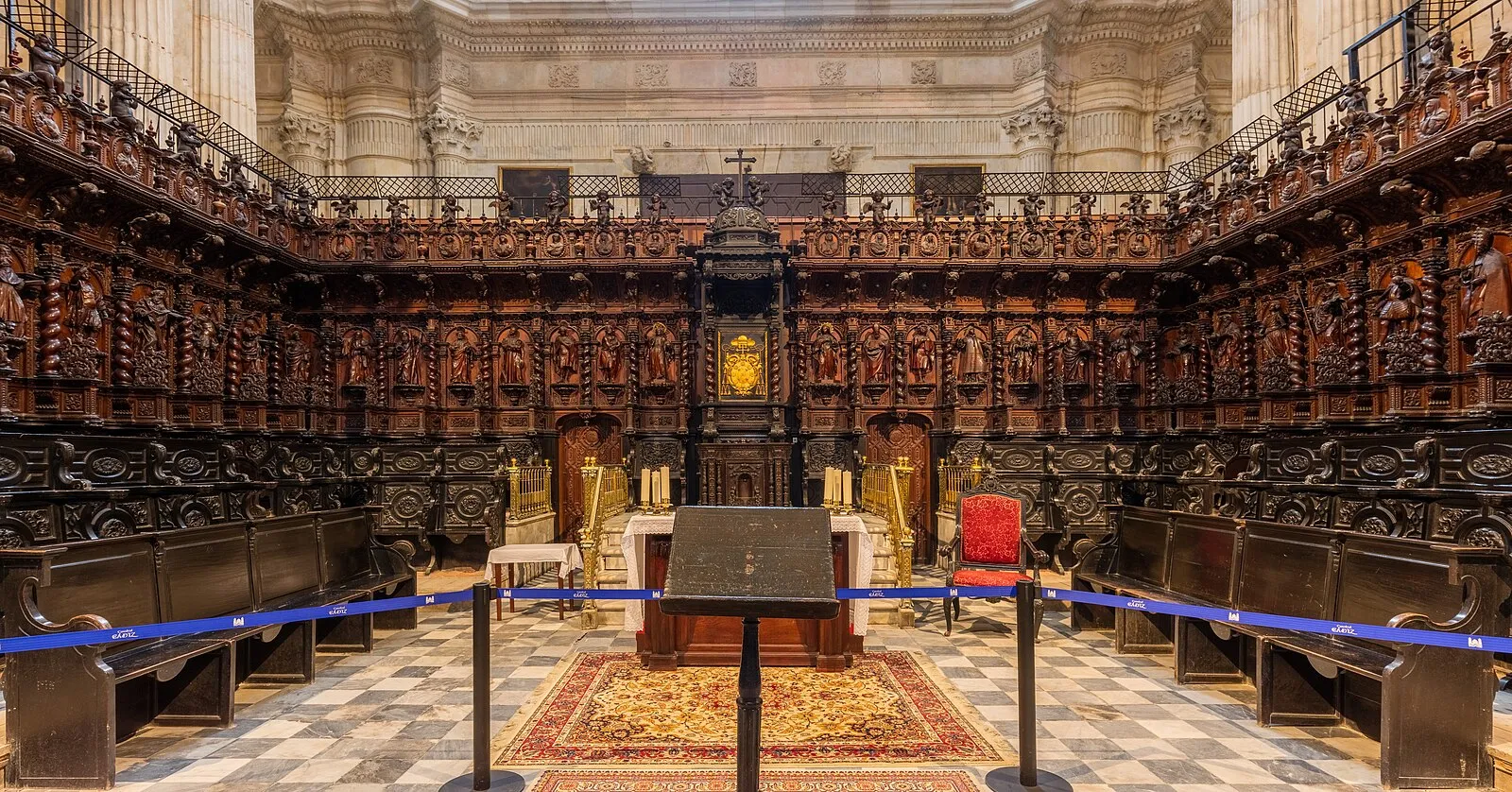
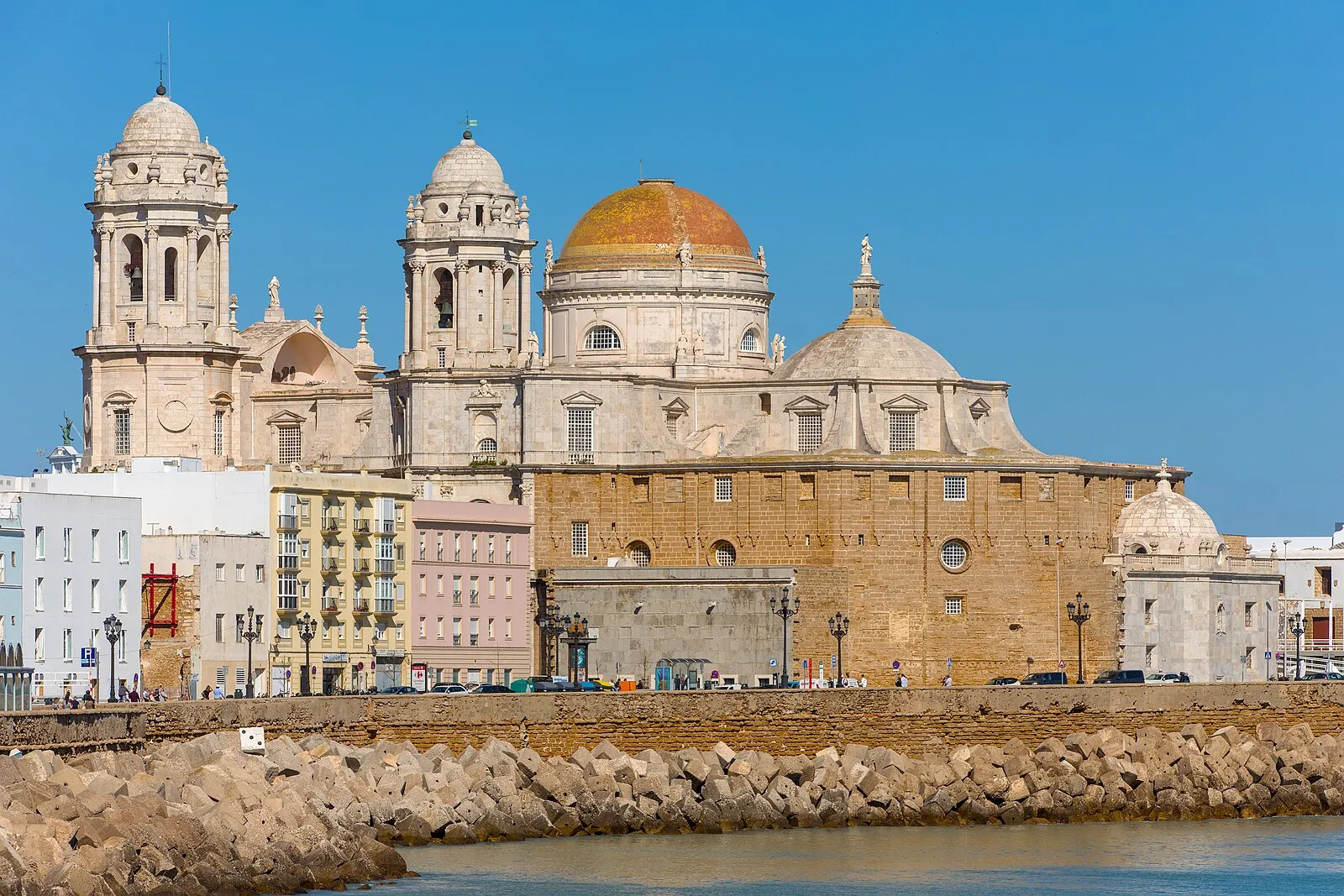
The cathedral's golden dome called to me first, as it has called to sailors for centuries. Construction began in 1722 and took 116 years with six different architects, so the building evolved from Baroque exuberance to Neoclassical restraint as it rose toward the sky. I paid €6 and climbed to the top, catching my breath on narrow stone stairs worn smooth by pilgrims and tourists, and emerged into 360-degree views that made my heart stop. The endless Atlantic stretched west toward the Americas, the white houses of the old town cascaded down to turquoise water, and fishing boats bobbed in the harbor where Columbus himself set sail on two voyages to the New World. However, the real magic was standing where he stood, gazing at the same horizon before sailing into the unknown.
After the cathedral, I wandered into the Barrio del Pópulo where Roman foundations peek through medieval walls and laundry flaps from wrought-iron balconies. I stumbled upon the Roman Theatre from the 1st century BC — one of the largest in the entire Roman Empire, hidden beneath the neighborhood for centuries until excavators discovered it in 1980. The entrance was free, and I sat in those ancient stone seats imagining gladiators and orators who once performed here. The acoustics still carried sound perfectly across the curved space. Nevertheless, the real weight came from knowing that these seats held audiences while the Colosseum was still new.
The city has over 100 watchtowers scattered across its skyline, but Torre Tavira is the crown jewel. I paid €7 and climbed all 173 steps to the top of this mid-18th century watchtower where merchants once stood with telescopes, anxiously watching for their cargo ships coming home across the ocean. From that height, Cádiz spread below me like a pearl surrounded by sapphire — the peninsula so narrow I could see water on both sides. The camera obscura demonstration projected live images of the city streets onto a curved screen, and I watched tiny people walking below, unaware they were being observed through a 250-year-old optical device.
In the afternoon I descended into the Gadir Archaeological Site beneath the city streets, where Phoenician settlement remains and an ancient necropolis whisper stories from 3,000 years ago. The €5 admission opened a window into civilizations that sailed across the Mediterranean when Europe was still tribal. Pottery shards, burial vessels, and the bones of merchants who chose this exact spot to build a trading empire surrounded me in the cool underground chambers. Yet the guides spoke with such passion that these artifacts became real people with families and dreams and ships waiting in the harbor.
At noon I found myself at Playa de la Caleta, that crescent of sand between two ancient fortresses where locals swim in water so clear you can count the pebbles on the bottom. Fishermen mended nets in the shade while children splashed in the shallows. I had lunch nearby — tortillitas de camarones for €8, so crispy they shattered like glass, and cazón en adobo for €12 that tasted like the ocean concentrated into tender bites. Cold manzanilla sherry (€3) completed the meal, the golden liquid tasting of salt air and sunshine. Although touristy restaurants line the waterfront, I followed locals into a side-street tapas bar and found the authentic flavors that make Andalucía worth crossing oceans to taste.
What I learned in Cádiz changed how I think about old cities. Other places preserve ancient buildings; Cádiz lives in them. The Roman Theatre hosts concerts. The watchtowers still scan the horizon. The Barrio del Pópulo still hangs its laundry from medieval balconies. Three thousand years of continuous habitation means the past isn't behind glass — it's under your feet, above your head, and sitting next to you at the tapas bar. The lesson I carried back to the ship was simple: true antiquity doesn't need restoration. It needs people living inside it, wearing it smooth, keeping it alive.
The Cruise Port
Location Reality: Cádiz cruise terminal sits at the edge of the old town — a rare gift among Spanish ports. You walk off the ship and within 5-10 minutes you're standing amid 3,000 years of Phoenician origins. No taxis needed, no shuttle buses, no complicated logistics.
Getting to the Old Town: Simply walk. The terminal exits directly onto the waterfront promenade. Turn right and follow the palm-lined avenue into the old town. Signs point toward the cathedral and major attractions. Wheelchair accessible routes available along the main promenade.
Accessibility: Terminal is wheelchair accessible. The old town has cobblestone streets that can be challenging for mobility devices, but main routes are manageable. Cathedral and Roman Theatre have limited accessibility; Torre Tavira's 173 steps make it unsuitable for those with mobility challenges. Low stamina level for waterfront walking; moderate for old town exploration; high stamina level for watchtower climbs.
Currency: Euro (€). Credit cards accepted at most businesses. ATMs throughout the old town.
Getting Around
Walking: The only transportation you need. Cádiz's historic center is compact — you can walk from the Atlantic side to the bay side in fifteen minutes. The peninsula geography means you can't get too lost; eventually you hit water. Cobblestones require good walking shoes. Low to moderate stamina level depending on how many towers you climb.
Ship Excursions vs Independent: Ship excursions to Seville or Jerez cost €80-150 and take 4-6 hours round trip. Go independent for Cádiz itself — the port is right there, no booking needed. Book ahead only if you want a Jerez sherry bodega tour ($40-60 with transportation). Ship excursions make sense for distant destinations; Cádiz itself rewards walking at your own pace.
Public Transit: Local buses connect the old town to newer neighborhoods and beaches like Playa Victoria. Single fare €1.20. However, cruise visitors rarely need them — everything worth seeing is walkable from the port.
Taxis: Available throughout the city. €5-10 within the old town. Useful for reaching Playa Victoria beach (€8-10) or returning to the ship if exhausted.
Hop-On Hop-Off: Tourist buses circle the peninsula (€18). Unnecessary unless you have mobility issues — the walking distances are so short that buses feel like overkill in this compact city.
Cádiz Port Map
Interactive map showing cruise terminal, cathedral, Roman Theatre, Torre Tavira, and La Caleta beach.
Excursions & Activities
Cádiz Cathedral & Dome Climb (€6, 1-2 Hours)
The golden-domed cathedral took 116 years to build with six architects. The dome climb offers 360-degree views over the Atlantic and the white-washed old town. Book ahead not required — just show up and buy tickets. Go independent. Moderate stamina level with steep stairs. Worth every step for the Columbus connection and sunset views.
Torre Tavira Watchtower (€7, 45 min-1 Hour)
The highest point in the old town with 173 steps to the top. Includes camera obscura demonstration projecting live city views. Merchants once watched for cargo ships from this perch. Go independent — easy walk from port. Book ahead during peak season as groups can create waits. High stamina level. Essential for understanding Cádiz's seafaring soul.
Roman Theatre (Free, 30-45 Minutes)
One of the largest theatres in the Roman Empire, discovered under the old town in 1980. Free admission makes this a perfect quick stop. Go independent. Low stamina level. Located in the Barrio del Pópulo, just minutes from the port. Still hosts occasional performances.
Gadir Archaeological Site (€5, 45 min-1 Hour)
Phoenician ruins and necropolis beneath the city streets. Small but profound museum with 3,000-year-old artifacts. Go independent. Low stamina level with elevator access. Excellent for understanding why this spot became Western Europe's oldest city.
Playa de la Caleta Beach (Free, 1-3 Hours)
Crescent beach between two ancient fortresses where locals swim year-round. Clear water, mellow waves, fishermen mending nets. Restaurants nearby serve fresh seafood. No booking needed. Go independent. Low stamina level. Perfect for afternoon relaxation after morning sightseeing.
Seville Day Trip ($80-150 ship or €35 independent, 5-7 Hours)
Spain's flamenco capital with Alcázar palace, cathedral, and Giralda tower. Ship excursions guarantee return and include transportation. Go independent by train if confident with timing (90 minutes each way, €35 round trip). Book ahead for Alcázar tickets. High stamina level with extensive walking. Consider whether leaving Cádiz is worth missing its charms.
Jerez Sherry Bodegas ($40-80, 3-4 Hours)
The birthplace of sherry wine, 30 minutes from Cádiz by train or taxi. Bodega tours include guided walks through centuries-old cellars where solera aging creates the distinctive flavors. González Byass and Tío Pepe offer the most famous experiences. Ship excursions include transportation and guarantee return to the ship. Go independent by train (€10 round trip) if comfortable with schedules. Book ahead as bodega visits fill during cruise season. Low stamina level with mostly walking on flat ground. Perfect for those interested in Spanish wine culture and architecture.
Local Food & Drink
Tortillitas de Camarones: Shrimp fritters so crispy they shatter. €6-10 per portion. Essential Cádiz experience.
Pescaíto Frito: Mixed fried fish — anchovies, small sole, baby squid. €12-18. The Atlantic on a plate.
Cazón en Adobo: Marinated dogfish in crispy batter. €8-14. More delicious than it sounds.
Manzanilla Sherry: Dry sherry from nearby Sanlúcar. €2-4 per glass. Tastes of sea salt and sunshine.
Tapas Bars: Skip waterfront tourist traps; follow locals into side-street bars where €15-20 buys a feast.
Current Notices
Siesta Hours: Many shops close 2-5pm. Use this time for lunch, beach, or waterfront wandering. Restaurants stay open.
Sun Protection: Andalusian sun is fierce even in spring and autumn. Bring hat, sunscreen, water. Atlantic breezes deceive you into sunburn.
Cash for Small Bars: Tiny tapas bars may be cash-only. ATMs available throughout the old town.
Depth Soundings
The Cons: Siesta culture means some attractions and shops close 2-5pm. Although this can frustrate tight schedules, the Andalusian pace is part of the charm. Yet embracing long lunches and waterfront wandering makes siesta hours feel like features rather than bugs.
English is less common here than in Barcelona or Madrid. However, basic Spanish phrases earn warm smiles, and pointing at menus works perfectly. Nevertheless, most tourist sites have English signage and audio guides available for a few extra euros.
Summer heat can be intense — July and August push 35°C (95°F). But the Atlantic breezes keep Cádiz cooler than inland Seville, and the beaches offer natural cooling. Spring and fall deliver ideal temperatures for walking.
Some may find Cádiz "less dramatic" than Barcelona or Seville. However, that's precisely the appeal — authentic Andalusian life without tourist circus, genuine Phoenician remains without Vegas reconstruction, real food without inflated prices. What Cádiz lacks in fame it delivers in soul.
Practical Information
Currency: Euro (€). Cards widely accepted. ATMs throughout old town.
Language: Spanish. English limited but adequate at major sites. Basic phrases appreciated.
Tipping: Round up at bars. 5-10% at sit-down restaurants. Not expected but appreciated.
Weather: Mediterranean with Atlantic influence. Summer 25-35°C (77-95°F), winter 10-16°C (50-61°F). 300+ sunny days annually.
Best Time: April-June and September-October for pleasant walking weather. July-August hot but beaches compensate.
Power: European plugs (Type C/F), 230V. Adapter needed for US/UK devices.
Photo Gallery
Frequently Asked Questions
Q: Is Cádiz worth visiting on a cruise stop?
A: Absolutely. Cádiz is the most underrated Spanish port — 3,000 years of authentic Phoenician origins, stunning Atlantic views, incredible food, and almost no tourist crowds compared to Barcelona or Seville.
Q: Can I walk from the cruise port to the old town?
A: Yes, and it's one of Cádiz's greatest gifts. The port is literally 5-10 minutes' walk from the old town. No taxis or shuttles needed.
Q: What should I do first in Cádiz?
A: Head straight to the cathedral and climb to the dome. The 360-degree Atlantic views set the tone for your whole day, and the €6 admission is worth every cent.
Q: Should I take a ship excursion to Seville?
A: Only if Seville is a must-see priority. Most cruisers underestimate Cádiz and regret leaving. The city rewards a full day of slow exploration. Ship excursions guarantee return but cost €80-150.
Q: What should I eat in Cádiz?
A: Start with tortillitas de camarones (shrimp fritters), then pescaíto frito (mixed fried fish), and wash it down with manzanilla sherry. Follow locals to side-street bars for authentic prices.
Q: Is Cádiz where Columbus departed for America?
A: Yes. Columbus set sail from Cádiz on two voyages to the New World. Standing on the cathedral dome knowing he looked at this same horizon is genuinely moving.
Q: When is the best time to visit Cádiz?
A: The seasonal panel above lists Peak Season as the dry summer-into-early-autumn months. Atlantic Andalucía has hot, sunny summers and mild, wet winters; the Transitional Seasons "May, Sep, Oct" combine warm weather with thinner crowds and lower hotel pricing. The Atlantic breezes keep Cádiz several degrees cooler than inland Seville even in July-August. The live weather widget in the seasonal panel above is the primary source for short-term conditions on a specific sailing date.
Q: When is hurricane and storm season in Cádiz?
A: Cádiz sits at ~36°N on the Spanish Atlantic coast — outside the main tropical-cyclone tracks. The relevant heavy-weather pattern is Atlantic winter storms (Nov-Mar), which bring rain and Atlantic swell to the Gulf of Cádiz. Late-season Atlantic hurricanes occasionally recurve toward Iberia after passing the Azores, but direct impacts on Cádiz are rare. The Levante (easterly) wind from the Strait of Gibraltar can produce gusty conditions year-round but most often in summer. The live weather widget in the seasonal panel above is the primary source for current conditions on a specific sailing date.
Q: What should I pack for Cádiz weather?
A: The Packing Tips section in the seasonal panel above gives the basics; the Andalusian-specific notes from this page's own Tips block matter most: hat and high-SPF sunscreen even in spring and autumn (the page warns the Atlantic breezes "deceive you into sunburn"), comfortable walking shoes for the Barrio del Pópulo cobblestones, and a light layer for the Atlantic breeze on the cathedral dome and Playa de la Caleta. Sturdy soles for the 173-step Torre Tavira climb.
Q: Will rain ruin my Cádiz port day?
A: Andalusian rain is concentrated in Nov-Mar; the cruise-season months are reliably dry, and even winter rain tends to come as fast Atlantic systems clearing within a day. The compact old town keeps shelter close — the cathedral, Roman Theatre vault, Torre Tavira watchtower museum, and the central market (Mercado Central) are all an indoor refuge if a system rolls in. The live weather widget in the seasonal panel above is the primary source for short-term forecasts on a specific sailing date.
Last reviewed: February 2026
This guide draws on firsthand experience from a 2024 visit, supplemented by fellow cruisers and careful research.