
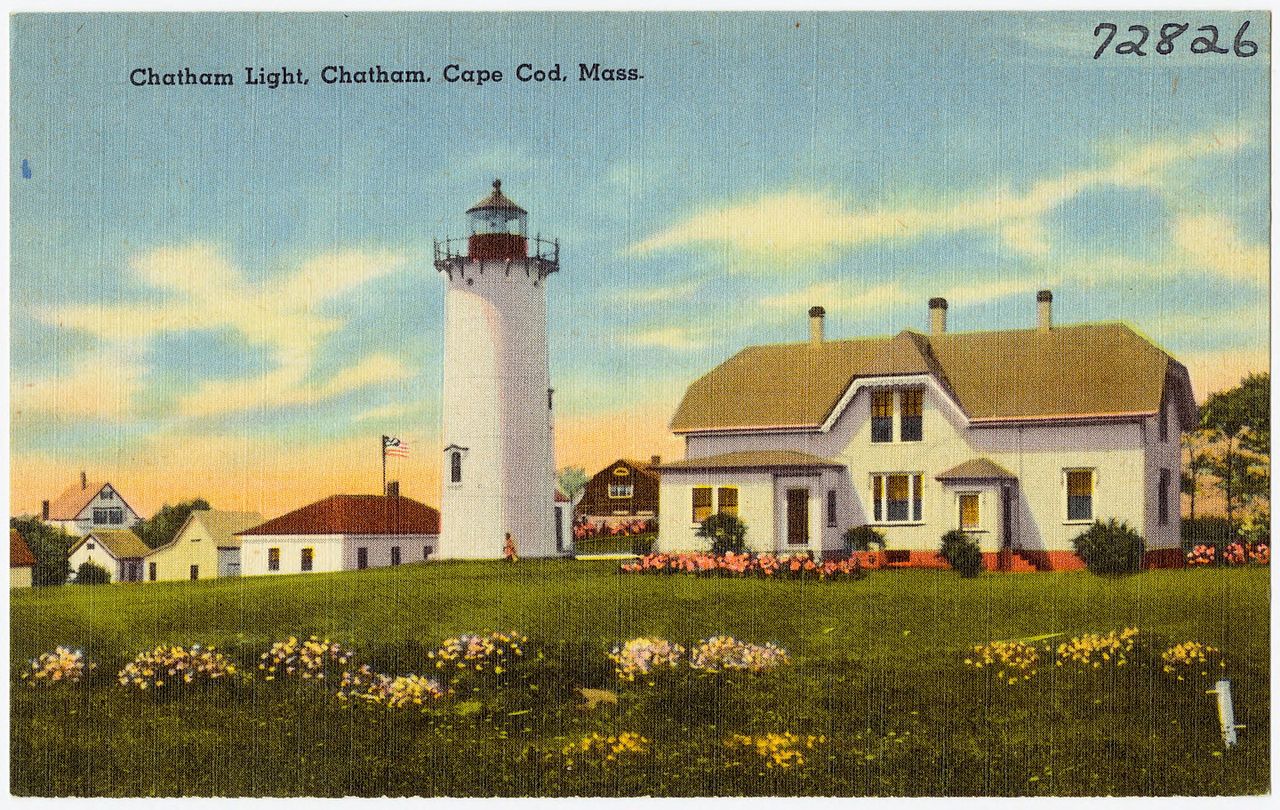
Photo: Wikimedia Commons (Public Domain)
Captain's Logbook: Cape Cod
The author visited Cape Cod during a fall New England cruise. Observations reflect personal experience; verify current conditions before travel.
I had read about the Pilgrims landing at Provincetown — not Plymouth, as most people assume — but reading about history and standing where it happened are different things. Our ship anchored in the harbor on a crisp October morning, and I watched the tender approach MacMillan Pier through binoculars, tracing the same waters the Mayflower had entered over four hundred years ago. The air carried the smell of salt and cold, and I could hear gulls calling even from the ship's deck. My hands gripped the railing, and I felt a kind of reverence I had not expected. This was where the Mayflower Compact was signed. This was where a group of exhausted, frightened refugees decided what kind of community they would build. I stepped onto the pier and into a story that still shapes us.
Commercial Street unfolded before me like a gallery exhibition that spilled outdoors. Artists have gathered here since the early 1900s, and their legacy lives in every window — oil paintings of dunes at sunset, watercolors of fishing boats, photography capturing the light that draws painters here in the first place. I wandered past a gallery where an artist sat at her easel, working in oils, her canvas catching the morning sun through plate glass. The smell of paint mixed with the briny harbor air. She noticed me watching and waved me in. We talked about the light — how it bounces off the water and the sand, arriving from two directions at once, soft but relentless. She told me she had come for a summer and stayed thirty years. I understood why. The place has a gravity that has nothing to do with physics.
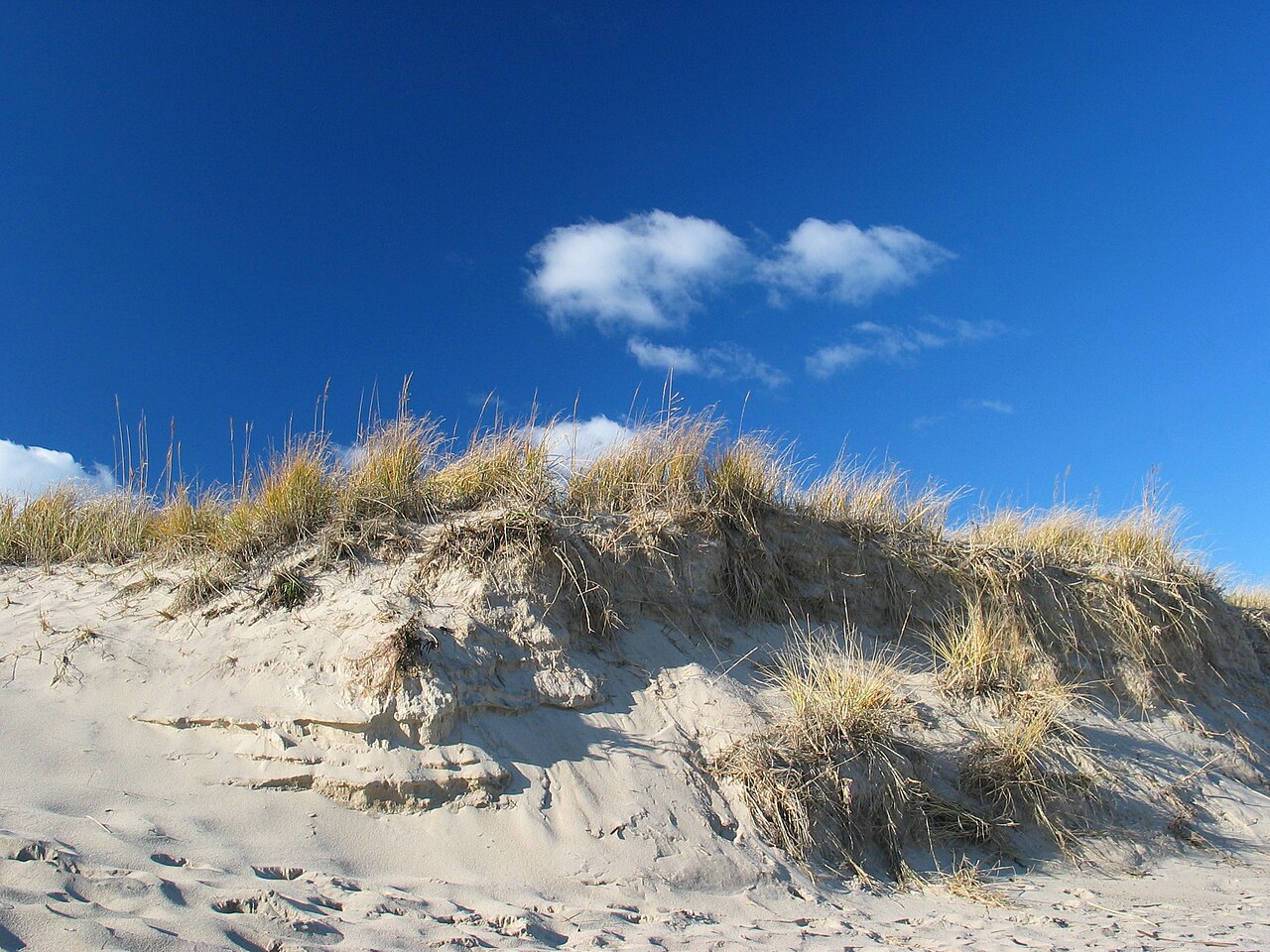
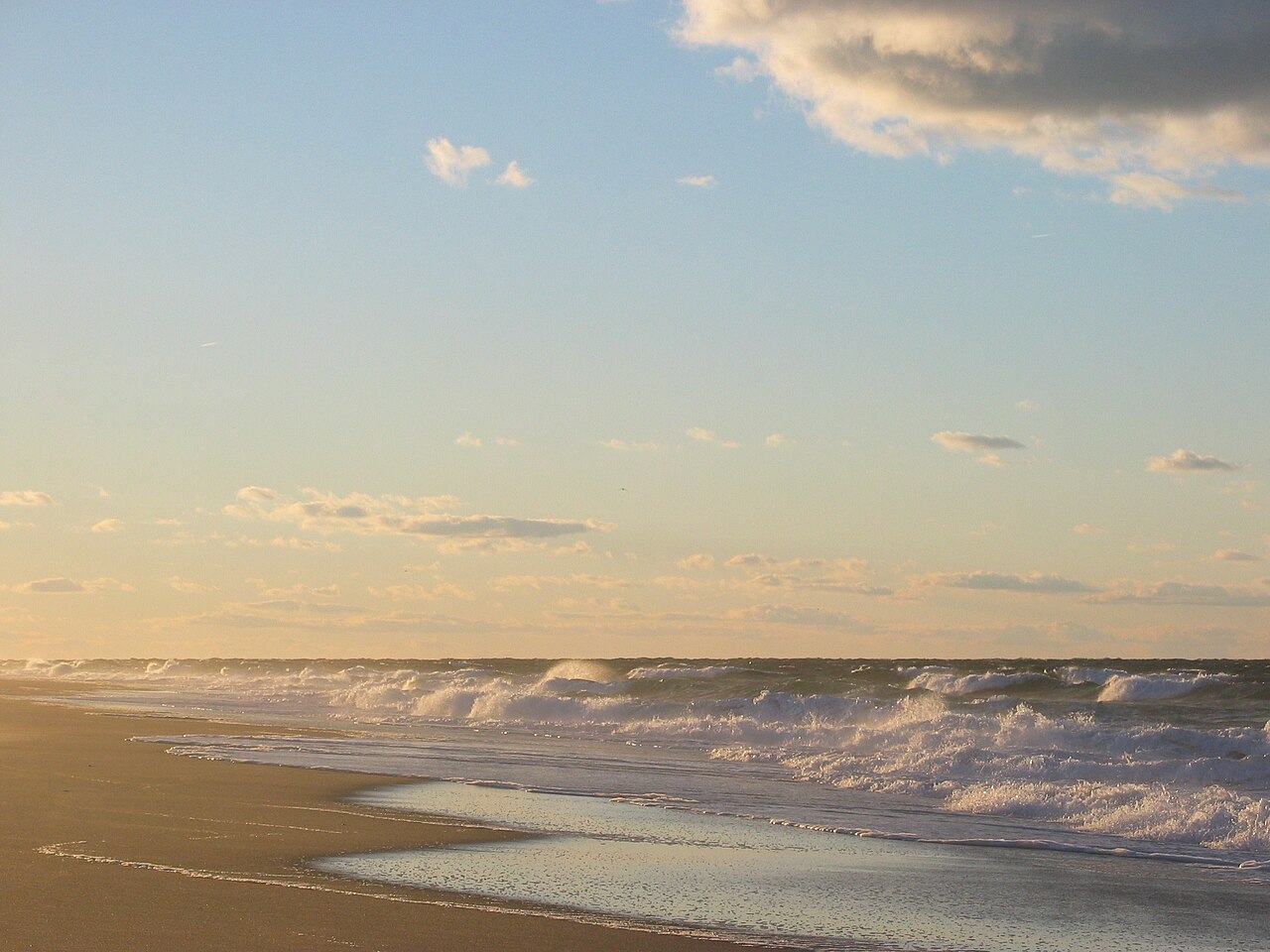
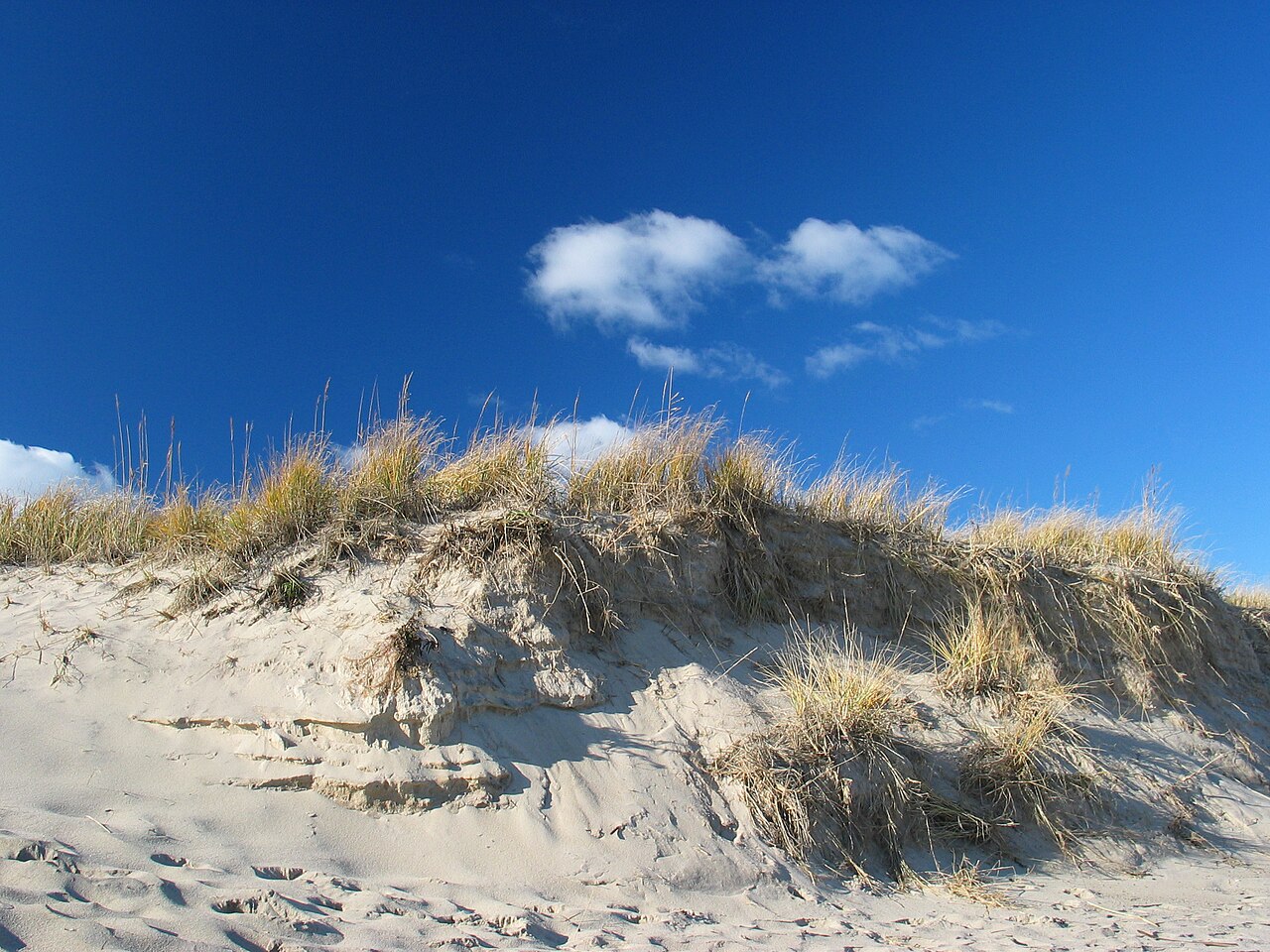
My wife and I rented bicycles near the pier for $25 each and rode the Province Lands Bike Trail toward Race Point Beach. The trail wound through pitch pine forests and over sand dunes, the ocean appearing and disappearing between hills. The wind carried the taste of salt. We could hear the surf before we saw it, a low rumble that grew as the trail crested a final dune and the Atlantic opened before us — wide, gray-blue, and endless. Race Point is part of the Cape Cod National Seashore, the 40-mile stretch President Kennedy preserved in 1961. We locked our bikes at the rack and walked onto sand so fine it squeaked underfoot. A seal watched us from beyond the breakers, its round head bobbing like a buoy. The beach was nearly empty. October visitors are rare, and we felt grateful for the solitude and the raw beauty of the place.
However, the whale watch was what I had come for, and it did not disappoint. We boarded the Dolphin Fleet vessel at MacMillan Pier after lunch — tickets were $62 per person — and headed north toward Stellwagen Bank National Marine Sanctuary. The naturalist on board, a marine biologist from the Center for Coastal Studies, explained that humpback whales return to these waters every year to feed on sand lance and herring. Forty minutes out, I saw the first blow — a puff of mist against the horizon. Then another. Then the whale surfaced fully, her dark back arching out of the water, barnacles visible along her jaw. She rolled, showing a white pectoral fin, and I could see her eye — dark, calm, ancient. She looked at us. I whispered something to my wife, though I cannot remember what. The moment demanded quiet.
Three humpbacks fed around our boat for the better part of an hour, and the naturalist identified each by tail markings. One she called Salt, a whale first catalogued in the 1970s — still returning to Stellwagen Bank, still feeding in these same waters, still recognizable after decades. My heart ached with a feeling I could not name. Perhaps it was wonder. Perhaps gratitude that creatures this ancient and patient still share the planet with us. The water smelled of brine and fish. Wind bit our faces. My eyes filled with tears, and I did not wipe them away. Some moments deserve to be felt fully, without editing.
Back in Provincetown, we climbed the Pilgrim Monument — 252 feet of granite, 116 steps and 60 ramps winding upward inside the tower. The climb was steady but not difficult, though my legs burned near the top. From the observation deck, Cape Cod's hook shape revealed itself: the long arm curling back toward the mainland, the harbor where our ship sat at anchor, the dunes stretching toward Race Point, and the Atlantic beyond. I could see why the Pilgrims chose this harbor. It offered shelter, fresh water, and a view of whatever might approach. Four centuries later, it still offers shelter — for whales, for artists, for visitors seeking something the rest of America has forgotten to value.
We ate lobster rolls at a small shack near the pier — $28 each, generous with fresh meat, warm butter soaking into the toasted roll. The lobster was sweet and tender. We sat on a bench overlooking the harbor, watching the tender boats carry passengers back to our ship, and talked about what we had seen. My wife said something shifted in her when the whale surfaced. She called it a quiet grace — the way an animal that large could move with such deliberation, such gentleness. I agreed, though I would have called it patience. The whale had been doing this long before we arrived and would continue long after we left. Our presence was incidental to her purpose. That perspective is humbling and, I think, necessary.
What Cape Cod Taught Me: This peninsula taught me that the best experiences often arrive at the intersection of patience and wildness. I learned that you cannot schedule wonder — the whale surfaces when she chooses, the light shifts when the clouds decide, the seal appears or does not. But you can put yourself where wonder is likely. Cape Cod is such a place. The Pilgrims came seeking freedom and found a harbor. I came seeking whales and found perspective. Both are gifts I carry with me. Some lessons arrive on enormous flippers, exhaling warm mist, looking at you with an eye that has seen more than you will ever know.
Weather & Best Time to Visit
The Cruise Port
Cape Cod cruises most commonly anchor at Provincetown, tendering passengers to MacMillan Pier at the heart of the town's Commercial Street. The tender ride takes approximately 10 minutes and provides scenic views of Provincetown's waterfront and the Pilgrim Monument rising above the rooftops. Tendering typically begins early morning and continues throughout the day, with the final boats returning around 5 PM.
The pier deposits you steps from shops, galleries, restaurants, and transportation to beaches and the Pilgrim Monument. Some New England itineraries visit other Cape Cod locations or offer excursions to Hyannis for the Kennedy Compound area and the outer beaches. Weather can affect tender operations — rough seas may delay or occasionally cancel service.
Accessibility note: Tender boats require stepping down into moving vessels, which can be challenging for wheelchair users. Contact your cruise line in advance about accessible tender options. Once ashore, Commercial Street is mostly flat and manageable.
Getting Around Cape Cod
Downtown Provincetown is entirely walkable — MacMillan Pier sits within a few blocks of Commercial Street's shops, galleries, and restaurants. The Pilgrim Monument is a 10-minute walk uphill. For beaches and more distant attractions, several transportation options exist depending on your preferences and budget.
Bicycles: Rental bikes are available near the pier for around $25-35 per day. The Province Lands Bike Trail connects Provincetown to Race Point Beach and Herring Cove Beach through beautiful dune and forest scenery. This is my preferred way to reach the National Seashore beaches — the ride takes 15-20 minutes and the trail itself is part of the experience. Moderate fitness required for the sandy hills.
Shuttles: The Provincetown Breeze shuttle connects to Herring Cove Beach and other points seasonally. The Cape Cod Regional Transit Authority operates bus routes along the Cape, though schedules are limited. Check seasonal availability before relying on public transit.
Taxis and Rideshares: Taxis are available but limited when cruise ships are in port. Expect waits during peak hours. Rideshare availability varies seasonally. For trips to Hyannis (30 miles south), pre-arranged transport or a ship excursion is more reliable than hoping for an available taxi.
Ship excursions provide guaranteed return timing for destinations like Hyannis, the outer beaches, and lighthouse tours. These typically cost more than going independently but eliminate scheduling stress on a tender port day.
Port Map
Excursions & Activities
Whale Watching at Stellwagen Bank ($55-65, 3-4 Hours)
The premier Cape Cod experience. Boats depart from MacMillan Pier for Stellwagen Bank National Marine Sanctuary, where humpback, fin, and minke whales feed from April through October. The Dolphin Fleet and Captain John Boats both operate from the pier. Sighting success rates exceed 95% in season. Book ahead through the operator's website — tours fill quickly when cruise ships are in port, and going independently gives you more flexibility on timing than a ship excursion. Moderate stamina required for open-ocean conditions.
Cape Cod National Seashore (Free-$25, Half Day)
President Kennedy's 1961 gift to the nation: 40 miles of protected coastline. Race Point Beach offers wide sand, surf, and occasional seal sightings. Herring Cove Beach provides calmer water and accessible parking. National Seashore parking costs $25 per vehicle in summer; bikes avoid this fee entirely. Accessible beach wheelchairs are available seasonally at some locations — call the Salt Pond Visitor Center in advance.
Pilgrim Monument and Provincetown Museum ($15-18, 1-2 Hours)
The tallest all-granite structure in the United States commemorates the Mayflower's first landing. Climb 116 steps and 60 ramps for panoramic views of the Cape, the harbor, and the Atlantic. The museum at the base covers Pilgrim history, maritime heritage, and Provincetown's evolution as an artist colony. A ship excursion may include this as part of a walking tour, or explore independently at your own pace.
Hyannis and Kennedy Legacy Tour ($60-90, 4-5 Hours)
The Kennedy Compound sits in Hyannis, about 30 miles south of Provincetown. Ship excursions typically include bus transport, a harbor boat tour passing the compound, and time in Hyannis village. The JFK Hyannis Museum ($14) covers the Kennedy family's Cape Cod connection. Book ahead through your ship excursion desk for guaranteed return to the tender — this distance makes independent travel risky on a tender port day without careful planning.
Commercial Street Art Walk (Free, 1-2 Hours)
Provincetown has been an artist colony since the early 1900s, and dozens of galleries line Commercial Street. The Provincetown Art Association and Museum ($12) anchors the scene. Walk independently at your own pace, browsing oil paintings, watercolors, photography, and sculpture. Many galleries offer original works from $50-500. The light here — reflected off water and sand simultaneously — draws painters from around the world.
Province Lands Bike Trail ($25-35 rental, 2-3 Hours)
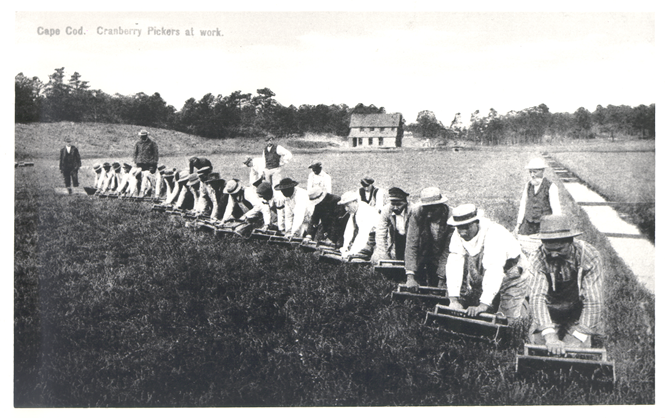
A paved bike path winds through dunes, pitch pine forests, and cranberry bogs, connecting Provincetown to Race Point and Herring Cove beaches. Rental shops near MacMillan Pier offer bikes, helmets, and trail maps. The loop is approximately 7 miles with gentle to moderate hills. An excellent way to independently explore the National Seashore without relying on shuttles or taxis. Pack water and sunscreen — shade is limited on the dune sections.
Tender Port: Most cruises anchor at Provincetown and tender to MacMillan Pier. Larger ships may call at other Cape locations.
Depth Soundings Ashore
Cape Cod via Provincetown delivers an honest and deeply satisfying port day. The combination of Pilgrim history, wildlife encounters, and protected beaches creates an experience that rewards both the curious and the contemplative. Provincetown's walkability from the tender pier is a genuine advantage — you step off the boat and into an active, welcoming town without needing transportation for the immediate highlights.
The honest assessment: whale watching is the standout, but it requires a 3-4 hour commitment that consumes most of your port time. If whales are your priority, book early and plan your day around the departure time. If you prefer variety, the Pilgrim Monument, Commercial Street galleries, and a bike ride to the beaches can fill a satisfying day without leaving Provincetown. The Hyannis trip is worthwhile but ambitious on a tender port day — budget $60-90 for transport and allow extra time for tender delays.
Worth the tender logistics? Without question. Cape Cod offers something increasingly rare in cruise ports: authentic encounters with nature, history, and community that have not been packaged for tourist consumption. The whales are real. The art is original. The lobster comes from local boats. Provincetown has commercialized just enough to welcome visitors without losing the character that makes it worth visiting. Bring layers, book your whale watch ahead of time, and prepare to be genuinely moved.
Photo Gallery
Frequently Asked Questions
Q: Is Cape Cod a tender port?
A: Yes. Ships anchor off Provincetown and tender passengers to MacMillan Pier. The ride takes about 10 minutes. Rough seas can delay or cancel service.
Q: When is whale watching season?
A: April through October, with peak sightings June through September. Humpback whales are most common. Stellwagen Bank tours depart from MacMillan Pier, costing $55-65 per person.
Q: Can I visit the Kennedy Compound from Provincetown?
A: The compound is in Hyannis, about 30 miles south. Ship excursions typically include bus transport and a harbor boat tour. Going independently is possible but risky on a tender port day.
Q: What is the best time to cruise to Cape Cod?
A: September and October offer fall foliage and fewer crowds. Summer brings warmest weather but most visitors. Each season has its rewards.
Q: Is Provincetown walkable from the pier?
A: Yes. MacMillan Pier puts you steps from Commercial Street shops, galleries, and restaurants. The Pilgrim Monument is a 10-minute walk. Beaches require bike or shuttle.
Q: Are Cape Cod beaches wheelchair accessible?
A: Some beaches offer accessibility features. Herring Cove has accessible parking and beach wheelchairs available seasonally. Contact the National Seashore visitor center for current information.
Last reviewed: February 2026