
Weather & Best Time to Visit
The Cruise Port
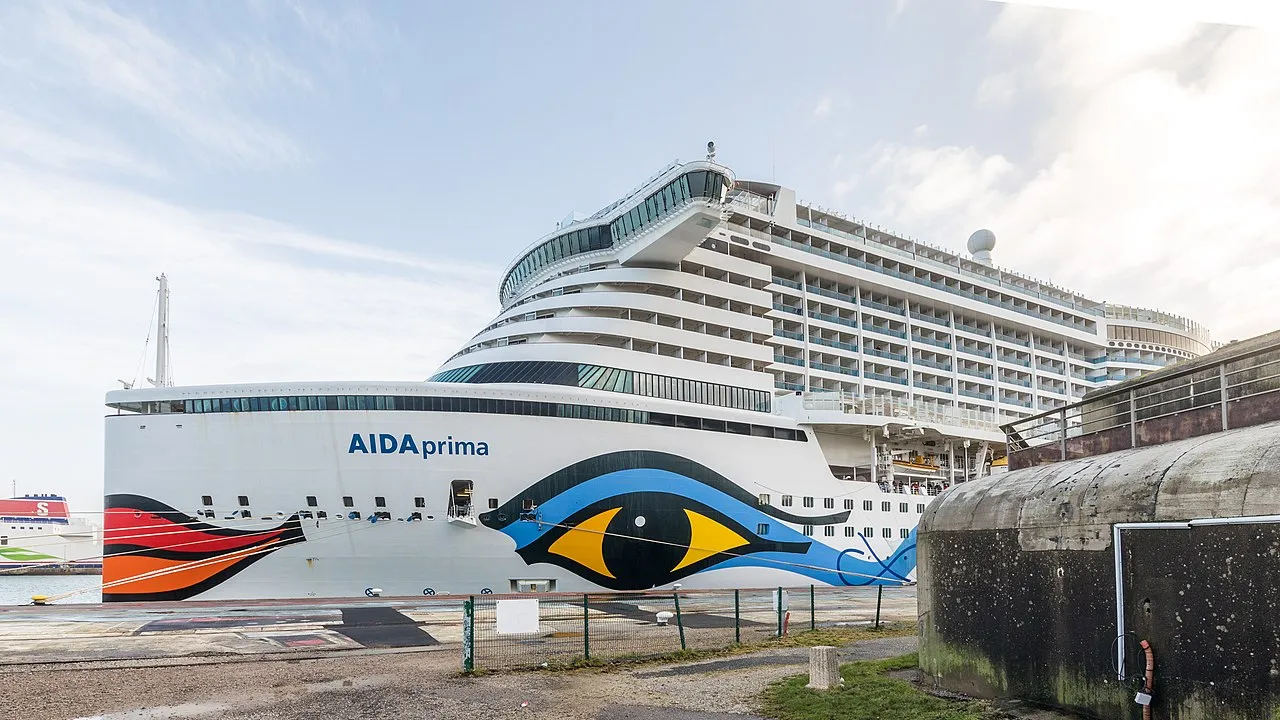
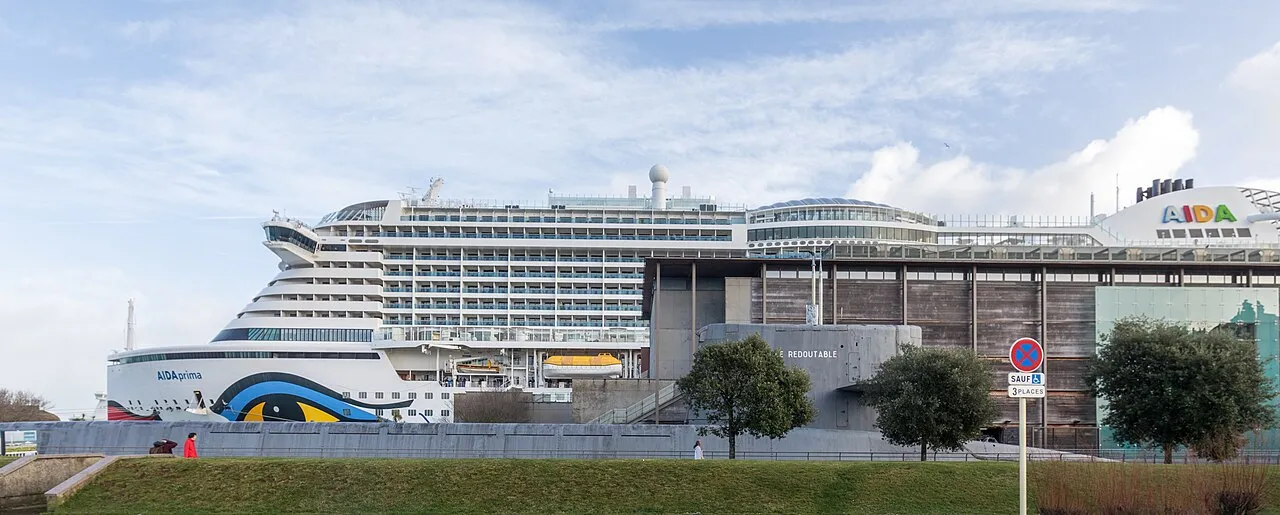
Cherbourg's cruise terminal sits near the Cité de la Mer museum at the inner harbor. Most ships dock directly at the cruise quay, offering walkable access to the maritime museum and town center. The terminal is modern with basic facilities including tourist information and taxi stands. Larger vessels occasionally anchor in the outer harbor and tender passengers ashore — weather dependent due to the exposed Atlantic position.
The town center is about 15 minutes' walk from the cruise quay. Currency is the Euro throughout France. English is spoken at tourist sites but less common in local shops and restaurants — basic French phrases are appreciated. The terminal area is flat and accessible, though the town's older streets may have uneven surfaces in places.
Getting Around
Downtown Cherbourg is compact and walkable — the Cité de la Mer museum, harbor, and commercial center are all within 15-20 minutes on foot from the cruise terminal. The town rewards a leisurely stroll through its market squares and harbor-front streets. However, D-Day sites require vehicle transportation and are the primary reason most visitors come to this port.
Ship excursions to D-Day beaches ($150-250 USD) handle logistics for distant sites — Utah Beach is 45 minutes away, Omaha and the American Cemetery about 90 minutes. Go independent by hiring a car (€60-80/day) or booking a private guide for greater flexibility and personal attention. Taxis at the port can arrange full-day D-Day tours (€250-350); confirm pricing and itinerary before departure. Local tour operators offer small-group alternatives at competitive prices — book ahead during peak season.
For wheelchair users, Cité de la Mer is fully accessible with lifts throughout and accessible restrooms, though submarine Le Redoutable interior is not accessible due to hatches and ladders. Utah Beach Museum has accessible facilities including accessible parking and ramps. The American Cemetery at Colleville is fully wheelchair accessible with paved paths. Contact your cruise line for adapted D-Day excursions. The harbor area and town center are generally navigable with some older cobblestone streets presenting challenges.
Cherbourg Port Map
Shore Excursions
Cherbourg offers two compelling experiences: the Cité de la Mer maritime museum in town and the D-Day beaches further east. A full port day allows time for both if you start early, or deep exploration of one with proper reflection.
Utah Beach and D-Day Sites
Utah was the westernmost D-Day landing site, where the 4th Infantry Division came ashore on June 6, 1944. Ship excursions ($150-200 USD) visit Utah Beach Museum, Sainte-Mère-Église (where paratroopers landed), and often include the town's Airborne Museum. Go independent by rental car or private guide for flexibility — the sites are spread across the Cotentin Peninsula and Normandy countryside. Book ahead for specialized tours during anniversary periods (June). Utah is 45 minutes from Cherbourg. Moderate stamina level with walking on sandy terrain and through museums.
Omaha Beach and American Cemetery
The bloodiest D-Day landing and the iconic American Cemetery at Colleville-sur-Mer with 9,387 white crosses overlooking the invasion site. Ship excursions ($200-250 USD) are full-day affairs — Omaha is about 90 minutes from Cherbourg. Go independent for longer time at each site, which these sacred grounds deserve. The cemetery has a visitor center with deeply moving exhibits. Independent visitors should plan the entire port day for this excursion. High stamina level with significant walking and emotional intensity.
Cité de la Mer
Maritime museum in the beautifully restored Art Deco transatlantic terminal where passengers once departed for America. Highlights include the nuclear submarine Le Redoutable (France's first ballistic missile sub), Titanic exhibits with authentic artifacts recovered from the wreck, and interactive ocean exploration displays. Entry €20 adults. Located steps from the cruise terminal — no transportation needed. Plan 2-3 hours for thorough exploration. Low-moderate stamina level; submarine tour requires climbing and squeezing through hatches (alternative accessible exhibits available).
Cherbourg Walking Tour
The town itself rewards exploration — the harbor, market squares, and Norman architecture create an authentic French port atmosphere without tourist crowds. Ship excursions ($40-60 USD) provide guided context and historical background about the port's transatlantic past. Go independent with a self-guided walk from the tourist office near the port; maps are available in English. The weekly market (Tuesday and Thursday mornings) offers local cheeses, cider, calvados, and fresh produce from Norman farms. Low stamina level on mostly flat terrain with occasional cobblestones. A relaxed half-day option if not visiting D-Day sites, easily combined with Cité de la Mer for a complete port experience.
Local Flavors
Moules-Frites: Mussels steamed with cream, cider, and shallots, served with crispy fries. The Norman classic. €14-20 at harborside restaurants.
Normandy Cider: The region's signature drink — dry, slightly sparkling, perfect with seafood. €3-5 per glass, €8-15 per bottle. Try pommeau (apple aperitif) and calvados (apple brandy) as well.
Camembert and Norman Cheeses: Soft, creamy cheeses from the region's dairy farms. Buy at the market with a baguette for perfect picnic fare. €4-8 per wheel.
Fruits de Mer: Shellfish platters with oysters, prawns, crab, and whelks — Normandy waters provide exceptional seafood. €25-50 per plateau.
Where to Eat: Le Café de Paris for classic brasserie fare, Le Pily for refined Norman cooking, harbor-front restaurants for casual moules and cider. Budget €15-25 for lunch; €30-50 for dinner.
Important Notices
D-Day Anniversary: Early June (especially June 6) sees extremely heavy visitor traffic at all D-Day sites. Book tours months ahead. Ceremonies may limit access to certain areas.
Weather: Normandy is maritime — expect changeable conditions year-round. Pack layers and rain gear even in summer. D-Day sites are largely outdoors.
Emotional Preparation: The D-Day sites and Titanic exhibits address profound tragedy. They are moving experiences — give yourself time to process. These are sites of mourning, not entertainment.
Sunday Hours: Many French shops close Sunday, and some restaurants have limited hours. Plan meals and shopping accordingly.
Depth Soundings
Practical tips before you step off the ship.
Start early if visiting D-Day sites — the distances require a full day, and afternoon light at the American Cemetery creates powerful photographs. For Cité de la Mer, plan at least 2-3 hours; the submarine tour alone takes 45 minutes. The Titanic gallery deserves slow, thoughtful attention rather than rushed viewing. Combine the museum with a harbor walk and Norman lunch for a satisfying port day if not visiting D-Day locations.
Bring cash for smaller establishments and market purchases — card acceptance is good at tourist sites but less reliable at local shops. French is genuinely appreciated even for basic phrases like "bonjour" and "merci" — the locals respond warmly to the effort. The harbor area has several ATMs dispensing euros. Market days (Tuesday and Thursday mornings) transform the town center with local vendors selling cheese, cider, and fresh produce — adjust your itinerary to include this authentic Norman experience if timing aligns.
Photo Gallery
Frequently Asked Questions
Q: Is Cherbourg worth visiting on a cruise?
A: Yes — Cherbourg offers the excellent Cité de la Mer maritime museum with Titanic exhibit and nuclear submarine tour, plus easier access to Utah Beach D-Day sites compared to Le Havre. The authentic French port atmosphere appeals to travelers seeking substance over spectacle.
Q: How far are the D-Day beaches from Cherbourg?
A: Utah Beach is about 45 minutes from Cherbourg by car or tour bus. Omaha Beach and the American Cemetery at Colleville-sur-Mer are approximately 90 minutes away. A comprehensive D-Day tour requires a full port day.
Q: What is Cité de la Mer?
A: A maritime museum in Cherbourg's former transatlantic terminal featuring the nuclear submarine Le Redoutable (open for tours), Titanic exhibits with authentic artifacts, and interactive ocean exploration displays. Entry €20, plan 2-3 hours.
Q: Did the Titanic stop at Cherbourg?
A: Yes — Cherbourg was Titanic's final European stop on April 10, 1912. The harbor was too shallow for the liner to dock, so passengers boarded via tender at the outer harbor before the ship continued to Queenstown (now Cobh, Ireland) and then New York.
Q: Should I visit Utah or Omaha Beach from Cherbourg?
A: Utah Beach is closer (45 min vs 90 min) and less crowded than Omaha. However, the American Cemetery at Omaha is profoundly moving. If time allows, a full-day tour combining both offers the complete D-Day experience.
Q: When is the best time to visit Cherbourg?
A: The glance Temperature reads "38-66°F — mild Normandy coast" and Rain reads "Frequent; slightly drier May-Jul." Daylight reads "8.5-16 hours seasonal." The Wind entry adds "Can be strong; English Channel exposure."
Q: When is Cherbourg's storm season?
A: The glance Wind entry reads "Can be strong; English Channel exposure." The Rain entry reads "Frequent; slightly drier May-Jul." For current weather outlook on a specific sailing date, the live weather widget in the seasonal panel above is the primary source.
Q: What should I pack for Cherbourg's weather?
A: The glance Temperature reads "38-66°F — mild Normandy coast" — pack for the full range. The Rain entry reads "Frequent; slightly drier May-Jul," so a real waterproof jacket year-round. The Wind entry adds "Can be strong; English Channel exposure." The Packing Tips section lists "Sunscreen and sunglasses — essential year-round"; "Light layers for variable temperatures"; "Comfortable walking shoes for exploring"; "Rain jacket or compact umbrella."
Q: Will rain ruin my Cherbourg port day?
A: The glance Rain entry reads "Frequent; slightly drier May-Jul." For short-term forecasts on a specific sailing date, the live weather widget in the seasonal panel above is the primary source.
Last reviewed: February 2026
Captain's Logbook
✓ No ads. Works offline. Independent of cruise lines. No affiliate links
Captain's Logbook
Cherbourg
I stood on the outer breakwater at Cherbourg as morning fog lifted off the harbor, watching our ship navigate the entrance to what Napoleon called "the Gibraltar of France." The harbor stretched before me — not a natural bay but an engineering marvel, the largest artificial harbor in the world when completed in 1853. Stone breakwaters extend nearly four kilometers, built across decades by thousands of workers, many of whom never saw the project finished. This is a port that exists through sheer determination, carved from the Cotentin Peninsula to give France a deep-water gateway to the Atlantic.
Our ship docked near the Cité de la Mer, the former transatlantic terminal converted into a maritime museum. The building itself tells a story: Art Deco grandeur from 1933, when ocean liners ruled the seas and Cherbourg served as the final European stop for passengers bound for America. The Titanic anchored here on April 10, 1912, taking on passengers via tender before continuing to Queenstown and then that fateful crossing. I walked through the terminal's restored halls feeling the weight of all those departures — emigrants leaving everything behind, first-class travelers beginning glamorous crossings, families saying goodbye on these very floors.
The submarine Le Redoutable dominates the museum — France's first nuclear ballistic missile submarine, 128 meters of Cold War technology now open for tours. I squeezed through hatches and peered into cramped quarters, trying to imagine spending months underwater, knowing you carried enough firepower to end civilizations. The sailors' bunks were barely wider than my shoulders. The navigation equipment looked simultaneously sophisticated and obsolete. A guide explained that the crew served in complete isolation, unreachable even by their families, tasked with the grim duty of nuclear deterrence. I emerged from the submarine grateful for fresh air and daylight, sobered by the reality of what we built in the name of security.
My breath caught in the Titanic gallery. The museum has assembled an extraordinary collection — luggage recovered from passengers who never reached New York, letters written on ship stationery, personal effects that speak to individual lives rather than abstract tragedy. I stood before a display case containing a child's shoes, impossibly small, impossibly poignant. The exhibit doesn't sensationalize; it bears witness. I read accounts from Cherbourg residents who watched the great ship anchor that April evening, who couldn't have known they were seeing the beginning of the end of an era. Four days later, Titanic lay at the bottom of the Atlantic, and the age of assumed progress died with her.
After the museum, I hired a car and drove east toward the D-Day sites. The Cotentin Peninsula rolls gently — hedgerow country, bocage in French, the same dense farmland that slowed Allied forces in the weeks after the invasion. Utah Beach came first, the westernmost of the five assault beaches, where the 4th Infantry Division landed on June 6, 1944. The sand stretches wide and flat under a pewter sky. I walked from the water's edge toward the bluffs, retracing steps taken under machine gun fire eighty years ago. The Utah Beach Museum tells the story with artifacts, photographs, and testimonies from survivors. I watched a film featuring interviews with veterans, their elderly voices steady as they described the chaos and terror of that morning. Something shifted inside me as I listened to men who had been young boys when the world demanded everything of them.
For the first time in years, I felt the true weight of what was sacrificed on these shores. The manicured lawns and respectful silence don't quite prepare you for the visceral understanding that comes from standing where they stood, looking at the same cliffs, imagining the same fear. These weren't mythic heroes — they were scared young men from farms and factories who did impossible things because there was no alternative. The preservation of this memory matters not for glorification but for honesty: war costs everything, and those who bore the cost deserve our remembrance.
I drove on to Sainte-Mère-Église, the town where American paratroopers landed on D-Day eve. The church steeple still stands where Private John Steele's parachute caught on the pinnacle, leaving him dangling above the square as battle raged below. A mannequin commemorates the moment — slightly absurd, deeply moving. The Airborne Museum documents the chaos of the night drop, when scattered paratroopers found each other in darkness, improvising strategies, fighting isolated battles across the Norman countryside. I bought cider at a café on the square, listening to French voices flow around me, grateful for the ordinary peace of a summer afternoon in a town that once burned.
Back in Cherbourg, I walked the harbor at dusk. Fishing boats headed out for the night's work. Restaurants along the quai were filling with locals eating moules-frites and drinking Normandy cider. The town felt unhurried, authentic, still recovering from decades of decline after the transatlantic trade ended. But there's life here — real life, not curated for tourists. I ate dinner at a harborside brasserie, watching the lights reflect on dark water, thinking about all the departures this port has witnessed: emigrants, soldiers, submarines, cruise ships. Cherbourg has always been about leaving — but also about returning, surviving, continuing.
What I learned from Cherbourg taught me something I didn't expect: history isn't just what happened but what we choose to remember and how. The Titanic exhibits don't exploit tragedy — they honor it. The D-Day sites don't glorify war — they acknowledge its necessity and mourn its costs. This corner of France has seen humanity at its worst and its most courageous, often within the same generation. Walking these shores, standing in these museums, I was reminded that remembrance is itself an act of faith — faith that understanding the past can shape a better future. That's the gift of ports like Cherbourg: not entertainment but education, not spectacle but witness.
Quick Facts
Depth Soundings
Money: The local currency is Euro (€)EUR. ATMs are generally available near the port area, though fees vary. Credit cards are widely accepted at tourist-oriented establishments, but carry some local cash for markets, street food, and smaller vendors. Your ship's exchange rate is typically unfavorable — withdraw from a bank ATM instead. Budget $30–$80 per person for a comfortable day including lunch, transport, and a few entry fees.
Timing: Start early if your ship arrives at dawn — the first hours offer pleasant conditions and smaller crowds. Allow at least 30 minutes buffer before all-aboard time. Set a phone alarm as backup. Most port visits allow 8–10 hours on shore, which is enough to see the highlights without rushing if you prioritize well.
Safety: Standard port-town awareness applies — keep valuables close and stick to well-traveled areas during daylight. Your ship's ID card is your most important item — losing it creates a genuine headache at the gangway.
Communication: Wi-Fi is often available at cafés and restaurants near the port. Consider downloading offline maps before disembarking — cellular data roaming charges can be substantial and surprising. Google Maps offline mode or Maps.me work well for navigation without data.
Food & Water: Tap water safety varies by destination — ask locally or buy bottled water to be safe. The best food often comes from busy local restaurants rather than tourist-facing spots near the port. Lunch at a popular local place typically costs $8–$20 per person. Street food can be excellent value if you choose busy stalls with high turnover.
Photo Gallery