
From the Logbook
I stepped off the ship at Langelinie pier and walked past tour buses already loading passengers for the standard circuit. But something about Copenhagen felt different from other ports—calmer, more inviting, designed for wandering rather than rushing. I had read about Danish hygge, that untranslatable concept of cozy contentment, and I wanted to find it on foot.
The Little Mermaid sat on her rock just minutes from the pier, smaller than I expected but somehow more poignant. Tourists crowded around taking selfies, but I found a spot where I could see her from behind, gazing out at the ships in the harbor. Hans Christian Andersen's fairy tale is tragic—she gives up everything for love and dissolves into sea foam. But the sculptor captured something else in her posture: yearning, hope, the willingness to risk everything for transformation.
I walked along the waterfront toward Nyhavn, passing Kastellet fortress with its distinctive star-shaped ramparts and the Gefion Fountain where bronze oxen plowed through cascading water. The morning light was clear and golden, that particular Scandinavian quality I had only seen in paintings before. The city seemed to move at a gentler pace than other European capitals—cyclists gliding past on dedicated lanes, families pushing strollers, elderly couples sitting on benches watching the harbor.
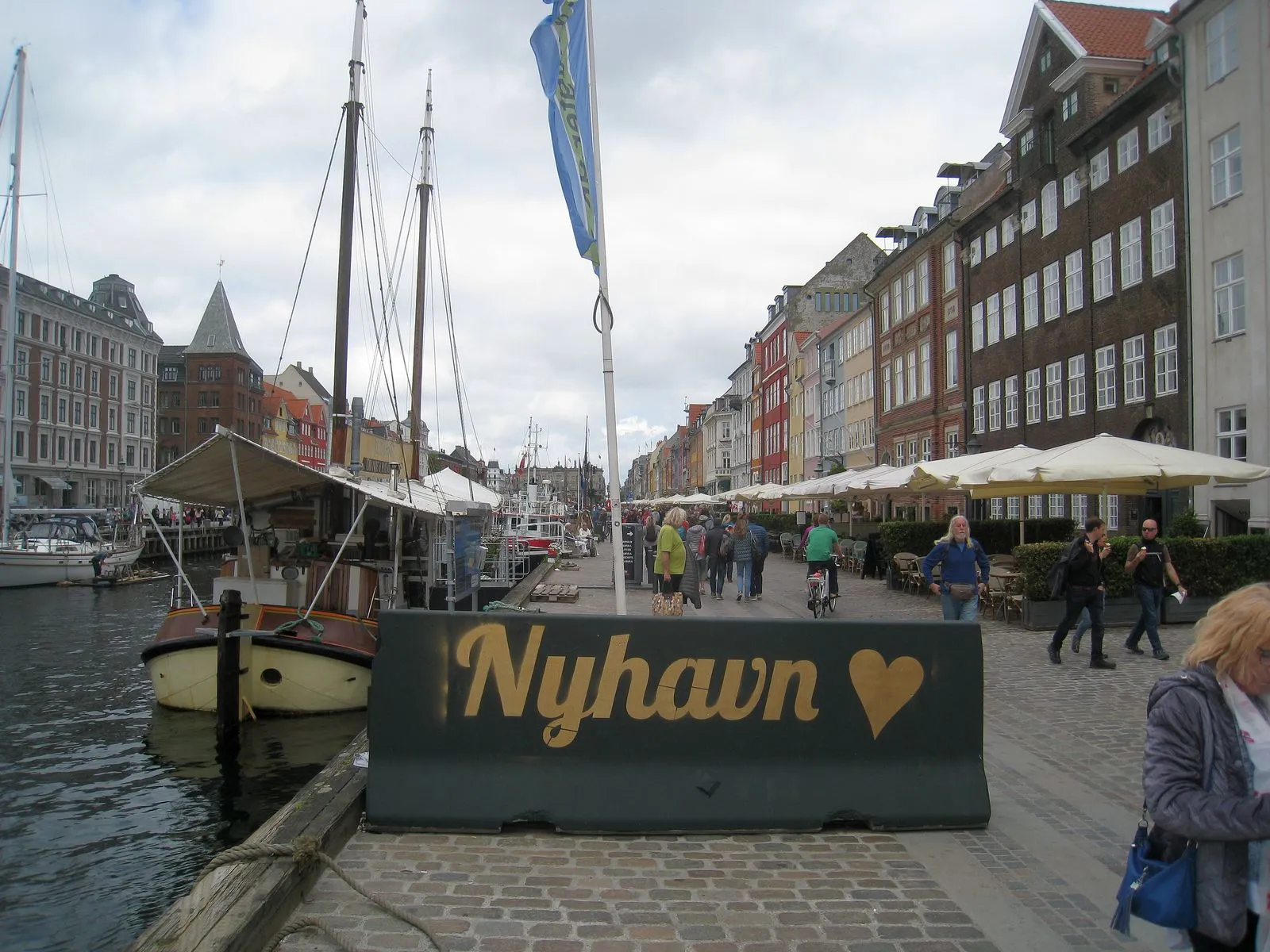
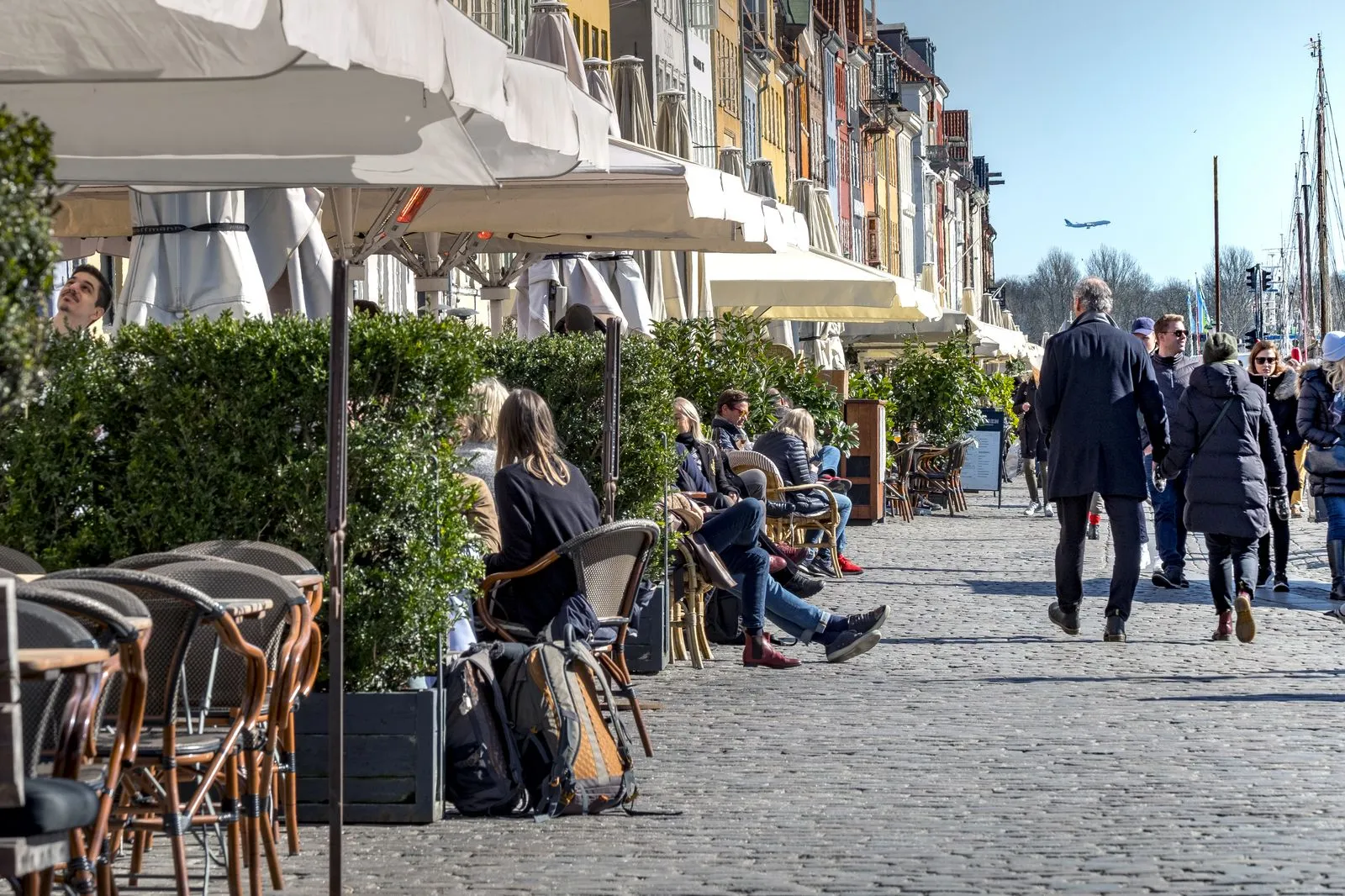
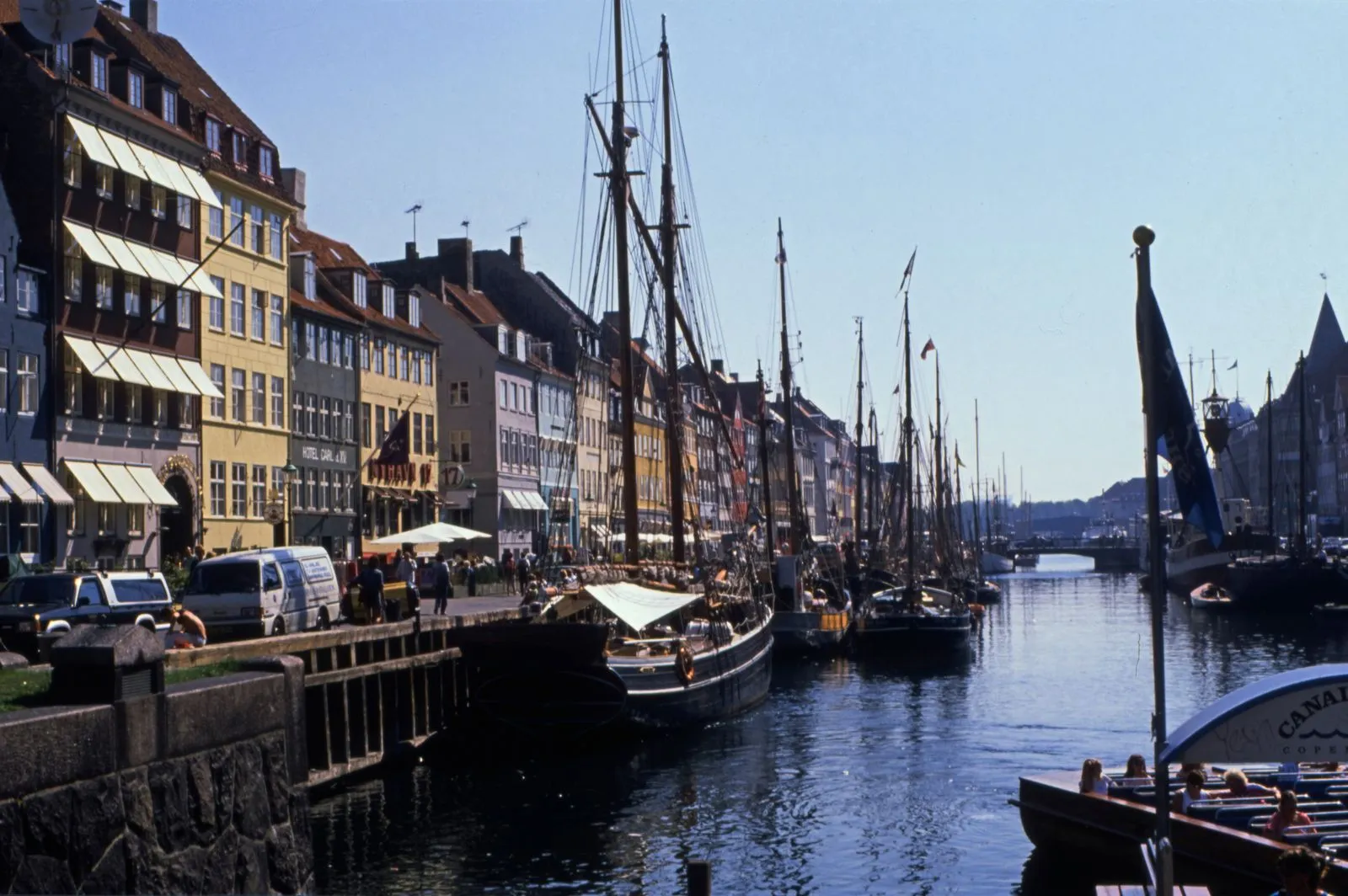
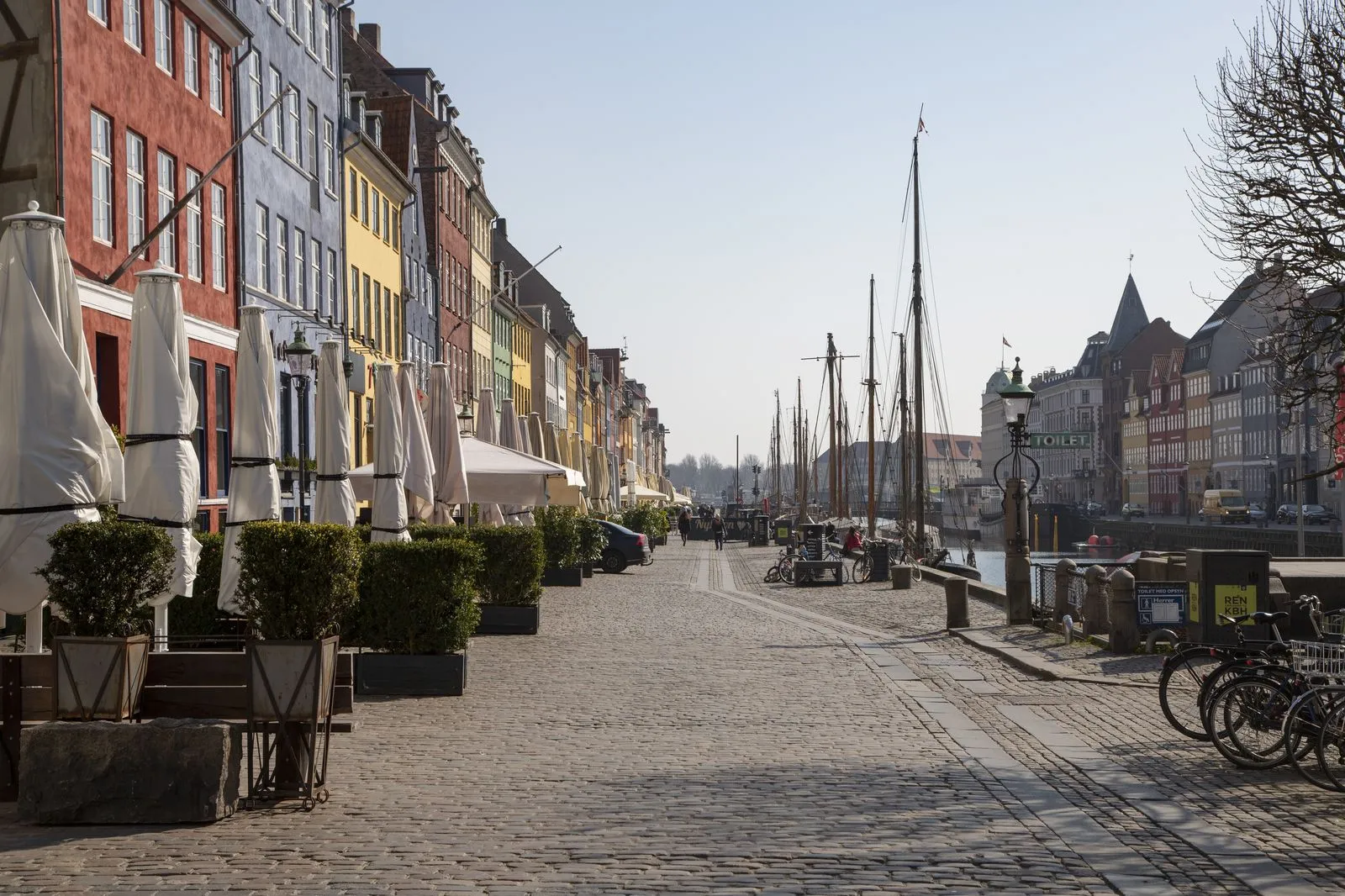
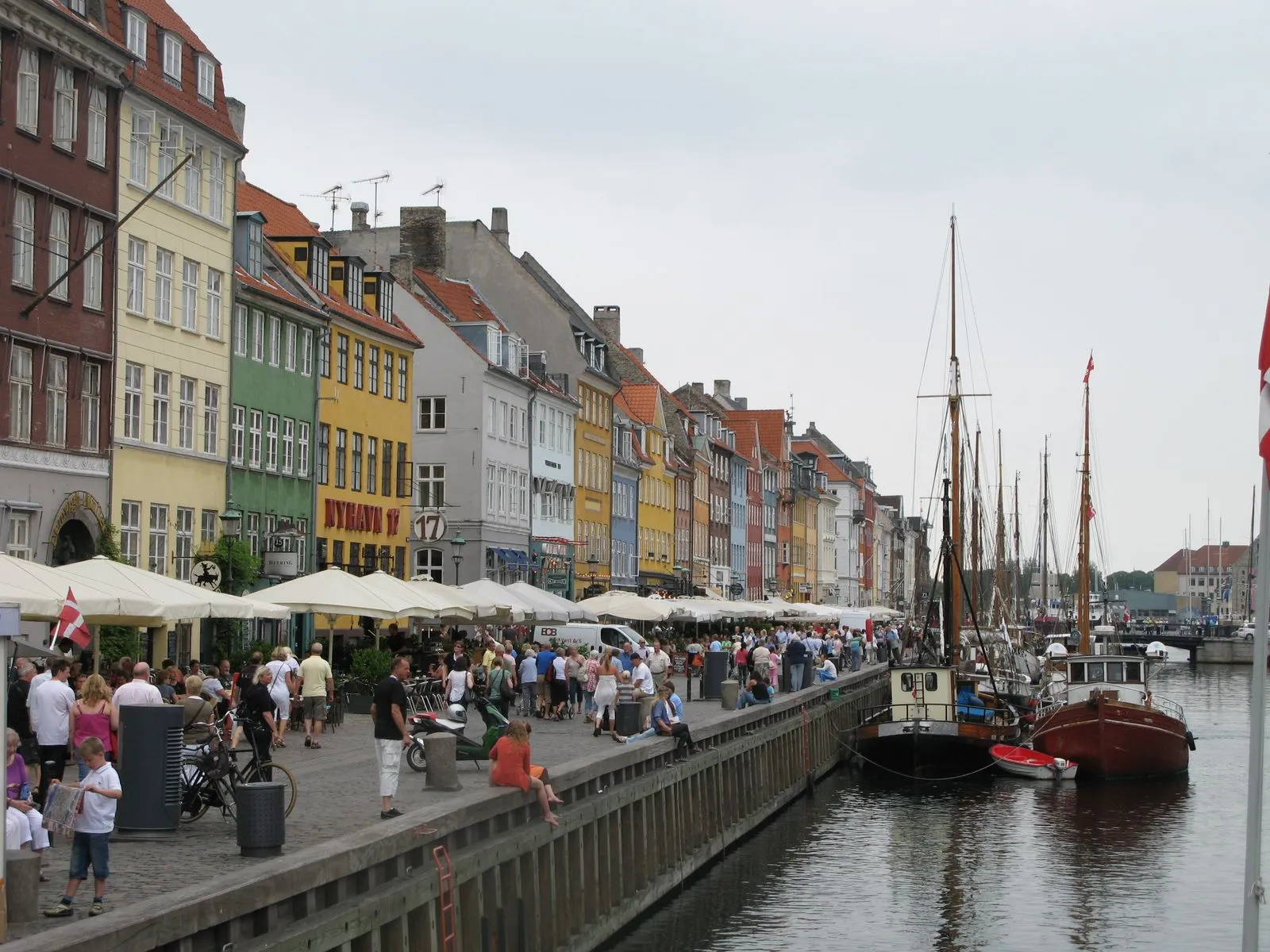
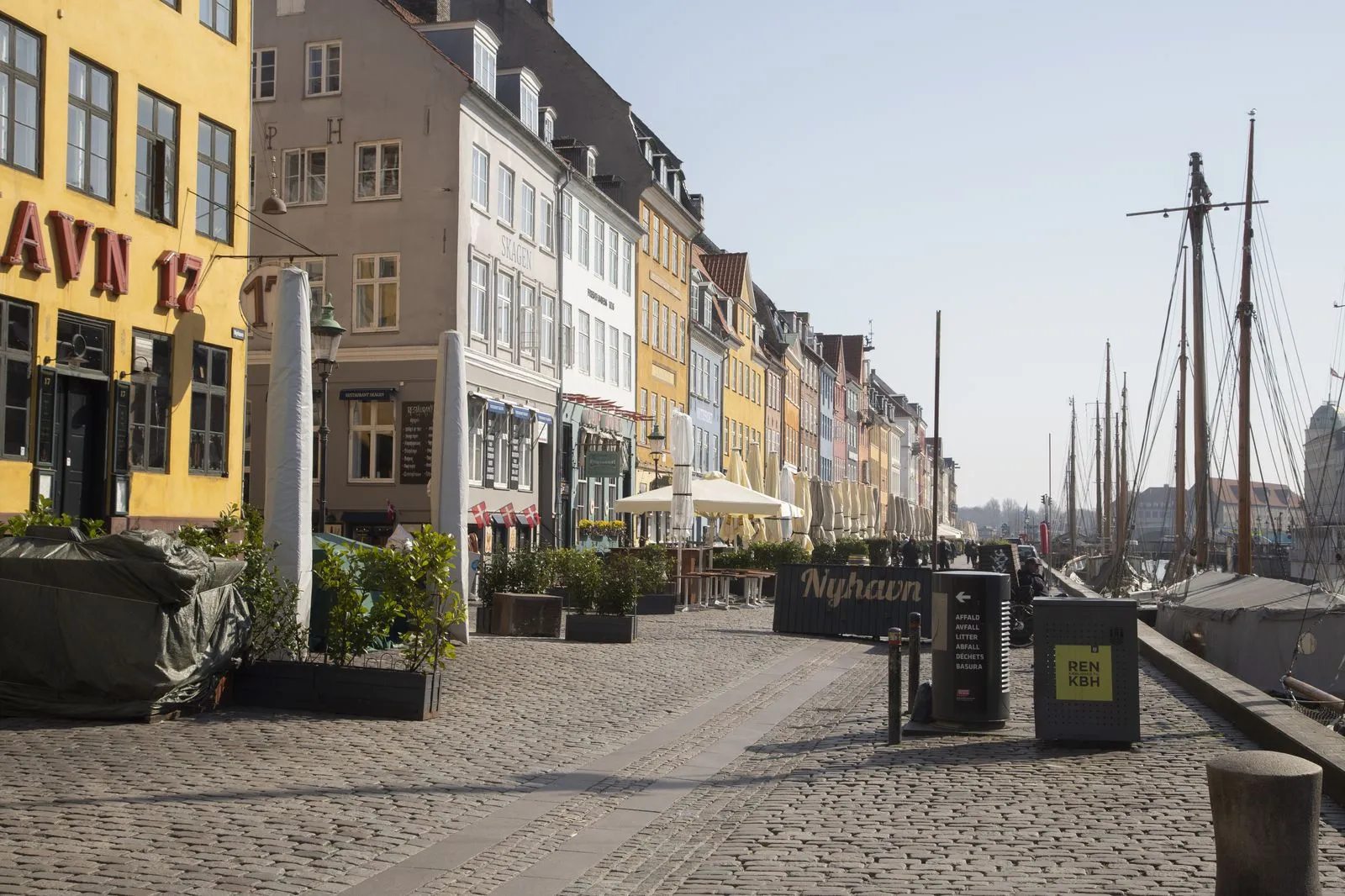
When I reached Nyhavn, I stopped in my tracks. Those colorful townhouses reflected in the canal water—it was the Copenhagen of postcards and dreams, but somehow better in person because I could smell the sea air, hear the clink of glasses from waterfront restaurants, feel the worn cobblestones beneath my feet. Hans Christian Andersen lived in three different buildings along this canal during his lifetime. I wondered what he would think of the tourists now filling the same sidewalks he once walked.
For the first time in months, I felt my shoulders relax. Something about this city invited stillness. I ordered a smørrebrød—an open-faced sandwich piled impossibly high with herring, pickles, and dill—at a tiny restaurant where the waiter spoke perfect English but wasn't in any hurry. The sandwich cost $18, which seemed outrageous until I tasted it and understood that I was eating generations of tradition on a single slice of rye bread.
I wandered through Strøget, one of Europe's longest pedestrian streets, past shops I couldn't afford and street musicians playing jazz. I stumbled upon the Round Tower, climbed its spiral ramp to the observation deck, and saw the city spread beneath me like a model—spires and red roofs and blue water everywhere. A mother was explaining something to her daughter in Danish, and though I couldn't understand the words, I understood the gesture: she was showing her child their city, this place where they belonged.
My breath caught unexpectedly. I had traveled so many places, seen so many famous sites, but standing on that tower watching a mother and child share a moment of belonging, I felt the weight of my own wandering. Not sadness exactly—something more like recognition. All this beauty, all these ports and ships and destinations, and what I was really seeking was the feeling of home.
I visited Tivoli Gardens in the afternoon, expecting touristy theme park nonsense and finding instead something magical—a 180-year-old pleasure garden where fairy lights twinkled even in daylight, where roller coasters swooped above flower beds, where families and couples and solo travelers all seemed to be having the same gentle kind of fun. Walt Disney visited here before creating Disneyland, and you could feel his inspiration everywhere. The gardens were immaculately maintained, the staff were genuinely cheerful, and even the lines for rides seemed civilized. I watched a grandfather teaching his granddaughter to throw rings at a carnival game and felt something loosen in my chest.
On my way back to the ship, I stopped at a bakery and bought a cinnamon roll the size of my head. I sat on a bench near the Little Mermaid, eating pastry and watching the late afternoon light turn everything amber. Tomorrow we would sail for another port, another set of attractions to check off. But Copenhagen had given me something I hadn't expected: permission to slow down, to savor, to recognize that the happiest moments often come not from rushing to see everything but from truly seeing what's in front of you.
The moment that stays with me: that family on the Round Tower, the mother's gentle arm around her daughter's shoulders, both of them looking out at their city with quiet pride. My heart swelled with bittersweet recognition—of what I was seeking, of what I had perhaps been seeking all along. I came to Copenhagen for fairy tales and found something more honest: a city that had figured out how to be content, and a glimpse of what contentment might feel like.
Weather & Best Time to Visit
The Cruise Port
Copenhagen ships typically dock at Langelinie pier, a modern facility with a covered terminal about 2 km from the city center. The walk to the Little Mermaid takes only 5 minutes, making it one of the easiest "first stops" of any cruise port. From there, the waterfront promenade leads to Nyhavn and the old town in about 30-40 minutes of pleasant walking.
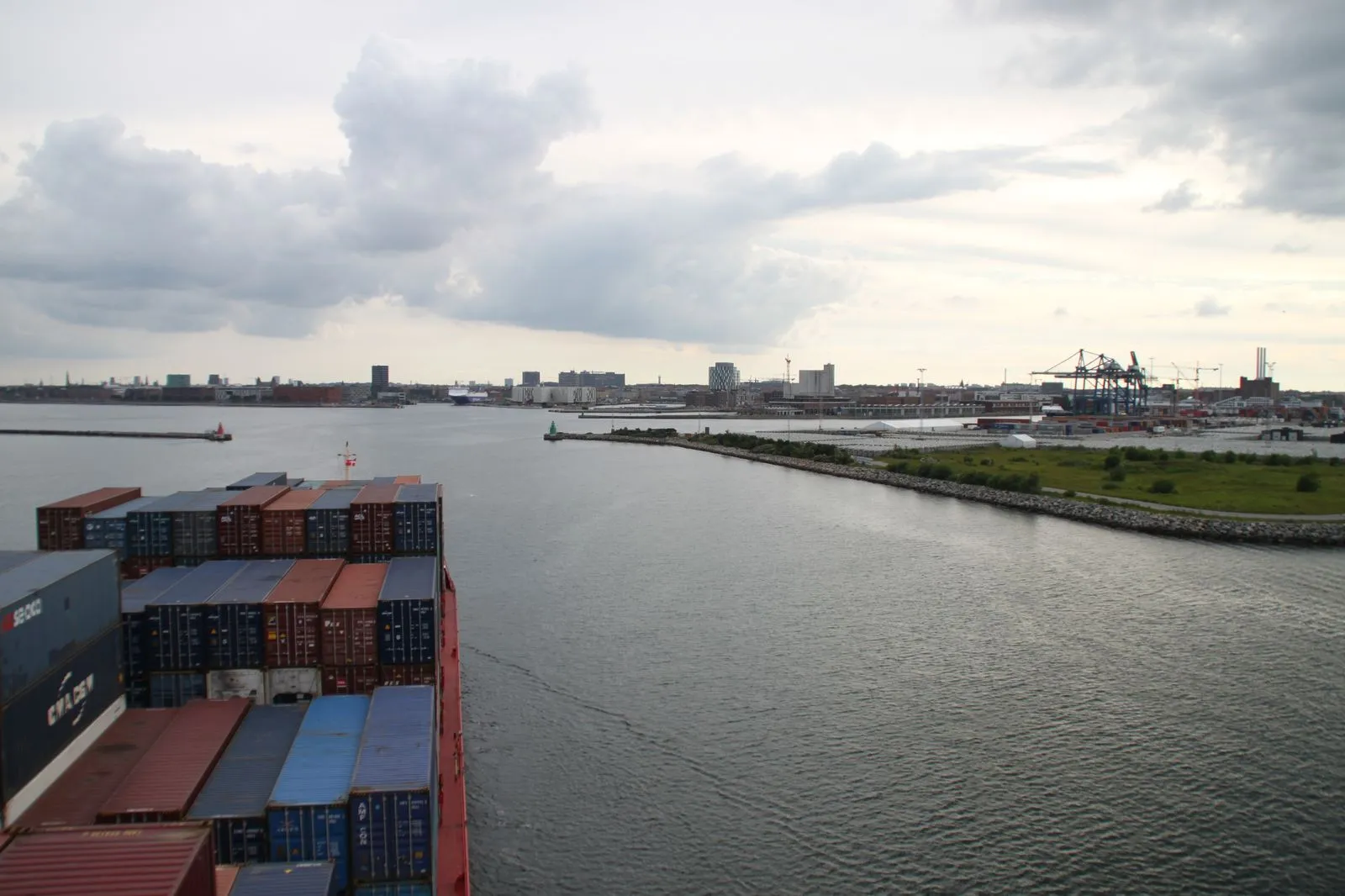
Large cruise ships sometimes dock at Ocean Quay (Oceankaj), further from the center but served by dedicated shuttle buses or the public Hop On-Hop Off service. Check your ship's port information the night before to know which pier you'll use. The terminal at Langelinie has restrooms, a tourist information desk, and limited shopping.
Quick Facts
Getting Around
Copenhagen is one of the world's most walkable and bikeable cities. Most cruise visitors explore independently on foot, with all major attractions within 3 km of the cruise terminal. The city is flat, paths are excellent, and pedestrian areas are extensive.
On foot: The ideal way to experience Copenhagen. From Langelinie pier, walk to the Little Mermaid (5 minutes), through Kastellet fortress, past Gefion Fountain, along the waterfront to Nyhavn (30 minutes total), then to Strøget and Tivoli (10 minutes more). Well-maintained sidewalks and pedestrian zones make walking easy and pleasant. Budget 4-5 hours for a comfortable walking circuit of major sites.
By bicycle: Copenhagen is consistently ranked the world's best cycling city. Rental bikes are available throughout the city via Donkey Republic or Bycyklen city bikes (€8-15 for 4 hours). Dedicated bike lanes are separate from car traffic and clearly marked. But be warned: Danes take cycling seriously—stay in your lane and signal turns.
Hop-On buses: The red double-decker buses stop at major attractions and connect Langelinie pier to Nyhavn, Tivoli, and other sites (~€30/day). Useful for covering longer distances or when walking fatigue sets in. Commentary provided via headphones.
Mobility considerations: Copenhagen is exceptionally accessible. Flat terrain, wide sidewalks, curb cuts everywhere, and accessible public transit make it one of Europe's most wheelchair-friendly cities. Most attractions including Tivoli Gardens accommodate visitors with mobility devices. Canal boats offer an accessible way to see the city from the water. Low-mobility visitors can explore comfortably, though some cobblestone areas in old town may require care.
Copenhagen Port Map
Copenhagen's compact center puts major attractions within easy walking distance.
Excursions
Copenhagen is well suited for independent exploration—organized tours are helpful for outlying attractions but unnecessary for the city center. Book ship excursions if you want guaranteed return to ship times or prefer guided commentary. Independent visitors can see most highlights on foot in a single port day.
Self-Guided City Walk
Start at the Little Mermaid (free), walk through Kastellet fortress (free), pause at Gefion Fountain, continue along the waterfront to Nyhavn for photos and optional coffee/lunch, then walk Strøget pedestrian street to Tivoli Gardens. This circuit takes 3-4 hours at a comfortable pace with stops. No booking required. Total cost: free plus meals. Moderate stamina sufficient for this largely flat route.
Tivoli Gardens
Copenhagen's 180-year-old pleasure garden combines roller coasters, flower gardens, and nostalgic charm in the heart of the city. Ship excursions run $60-80 including admission. Independent visits cost ~$25 admission (more with ride passes). Open mid-April to September, plus Halloween and Christmas seasons. Book ahead online for skip-the-line entry during peak summer season. Guaranteed return to ship time makes guided tours worthwhile if Tivoli is your priority.
Canal Boat Tours
Guided boat tours depart from Nyhavn and circle through Copenhagen's canals, passing the Little Mermaid, Royal Palace, and Opera House. Tours run hourly (~$15/person, 1 hour). Book at the dock or through ship excursion desk. Low-stamina option that covers extensive ground while seated. Accessible for most mobility levels including wheelchairs.
Kronborg Castle (Hamlet's Castle)
Shakespeare's "Elsinore" is 45 minutes north of Copenhagen by train. Ship excursions run $80-100 (half day). Independent visitors can take the train from Copenhagen Central Station (~$20 round trip). The castle is impressive but requires half your port day—skip this if time is limited unless you're a Shakespeare enthusiast. Book ship excursions for guaranteed return times.
Christiania Freetown
Copenhagen's famous alternative commune occupies former military barracks east of the city center. Free to enter and walk through, with quirky art, vegetarian restaurants, and a distinct counterculture vibe. No advance booking needed. About 30 minutes walk from Nyhavn. Mildly controversial—some visitors love it, others find it uncomfortable. Judge for yourself. Comfortable walking shoes recommended for the unpaved paths.
Rosemborg Castle and Gardens
This Renaissance castle in central Copenhagen houses the Danish Crown Jewels and royal collections. The surrounding King's Garden is free to enter and great for picnics or peaceful wandering. Castle admission ~$15, included in Copenhagen Card. No advance booking required except during peak summer. About 20 minutes walk from Nyhavn through pleasant streets. Low to moderate stamina required depending on how much you explore.
Depth Soundings
Denmark has been ranked the world's happiest country repeatedly, and Copenhagen embodies whatever combination of factors produces that result. Strong social safety nets, work-life balance, trust in institutions, and a cultural commitment to hygge—that untranslatable concept of cozy contentment—create a city where people genuinely seem to enjoy their lives.
Hans Christian Andersen moved to Copenhagen as a teenager with nothing but talent and ambition. He became one of the world's most beloved storytellers, his fairy tales translated into more languages than any author except Shakespeare. The Little Mermaid, The Ugly Duckling, The Snow Queen—these stories emerged from the streets you'll walk. Andersen's childhood poverty and adult loneliness infuse his tales with bittersweet authenticity.
Tivoli Gardens opened in 1843, making it one of the world's oldest amusement parks still operating. Walt Disney visited before designing Disneyland and openly credited Tivoli as inspiration. But Tivoli is more than an amusement park—it's a philosophy of gentle pleasure, of fairy lights and flower gardens and families enjoying simple joys together. The Danes return again and again, not just for rides but for the feeling the place evokes.
Gallery
Frequently Asked Questions
Can I walk from the cruise port to central Copenhagen?
Yes—and it's a genuinely rewarding walk. From Langelinie pier, the Little Mermaid is 5 minutes away. From there, the waterfront promenade leads through Kastellet fortress and past Gefion Fountain to Nyhavn in about 30 minutes of pleasant, flat walking. Most visitors walk into the city and take a taxi or bus back if tired.
Is Copenhagen too expensive for cruise visitors?
Copenhagen is undeniably pricey—one of Europe's most expensive capitals. However, many attractions are free or modest cost (Little Mermaid, Nyhavn, Strøget, Kastellet, churches, harbor walks). Tivoli admission is ~$25. Budget $30-50 for meals if eating out, less if you grab pastries and sandwiches. The walking-focused layout means transportation costs are minimal.
Should I rent a bike in Copenhagen?
Only if you're comfortable cycling in urban traffic with dedicated lanes. Copenhagen's bike infrastructure is excellent, but Danes are serious cyclists who expect lane discipline and proper signaling. For cruise visitors with limited time, walking covers most attractions efficiently. Bikes become worthwhile if you want to reach Christiania or outer neighborhoods.
Is the Little Mermaid worth visiting?
The bronze statue is smaller than many expect and surrounded by tourists taking selfies. But it's 5 minutes from the cruise pier, free, and genuinely iconic. Skip the crowds by arriving early or viewing her from behind, looking out at the harbor as she does. The walk from the Mermaid into Nyhavn is the real highlight.
When is the best time to visit Copenhagen?
The glance Temperature reads "37-72°F; cool maritime climate, cold winters" and Daylight reads "7-17 hours; bright summer nights, dark winter afternoons." Rain reads "Frequent drizzle year-round; wettest Nov-Dec."
When is Copenhagen's storm season?
The glance Wind entry reads "Coastal winds make it feel colder than actual temperature" and Rain reads "Frequent drizzle year-round; wettest Nov-Dec." For current weather outlook on a specific sailing date, the live weather widget in the seasonal panel above is the primary source.
What should I pack for Copenhagen's weather?
The glance Temperature reads "37-72°F; cool maritime climate, cold winters" — pack for the full range. Humidity reads "High (67-86%) — damp northern European climate" and Wind reads "Coastal winds make it feel colder than actual temperature." The Packing Tips section lists "Sunscreen and sunglasses — essential year-round"; "Light layers for variable temperatures"; "Comfortable walking shoes for exploring"; "Rain jacket or compact umbrella."
Will rain ruin my Copenhagen port day?
The glance Rain entry reads "Frequent drizzle year-round; wettest Nov-Dec" — drizzle is the default condition, not an exception. For short-term forecasts on a specific sailing date, the live weather widget in the seasonal panel above is the primary source.
Baltic Port
Copenhagen is genuinely expensive — budget $20-30 for a simple lunch, $8 for a coffee, and $15+ for a beer at a restaurant. The harbor-area hot dog carts ($5-7) are actually locals' favorite budget option, not just tourist traps. The Little Mermaid statue draws enormous cruise crowds to see what is, honestly, a small bronze figure on a rock — it's worth a quick photo but not a long detour. Nyhavn's colorful canal houses are the real draw, and the walk there from most cruise piers takes 20-30 minutes through pleasant city streets.
Practical Notes
- Currency: Danish Krone (DKK). 1 USD ≈ 7 DKK. Credit cards accepted virtually everywhere
- Language: Danish, but English is spoken nearly universally
- Weather: Summer 60-70°F (15-21°C), often windy. Rain possible year-round
- Prices: One of Europe's most expensive cities. Budget $15-20 for lunch, $5-7 for coffee
- Tipping: Service included; rounding up appreciated but not expected
- Safety: Extremely safe. Petty theft rare but watch bags in crowded areas
- WiFi: Free WiFi widely available in cafes, attractions, and many public spaces
Last reviewed: February 2026
Depth Soundings
Money: The local currency is Danish Krone (DKK). ATMs are generally available near the port area, though fees vary. Credit cards are widely accepted at tourist-oriented establishments, but carry some local cash for markets, street food, and smaller vendors. Your ship's exchange rate is typically unfavorable — withdraw from a bank ATM instead. Budget $30–$80 per person for a comfortable day including lunch, transport, and a few entry fees.
Timing: Start early if your ship arrives at dawn — the first hours offer pleasant conditions and smaller crowds. Allow at least 30 minutes buffer before all-aboard time. Set a phone alarm as backup. Most port visits allow 8–10 hours on shore, which is enough to see the highlights without rushing if you prioritize well.
Safety: Copenhagen is one of Europe's safest cities — pickpocketing near Nyhavn and on crowded buses is the main concern, not anything more serious. Keep your ship card close; losing it creates a genuine headache at the gangway. Christiania has its own rules and rougher edges after dark, so visit during daytime.
Communication: Wi-Fi is often available at cafés and restaurants near the port. Consider downloading offline maps before disembarking — cellular data roaming charges can be substantial and surprising. Google Maps offline mode or Maps.me work well for navigation without data.
Food & Water: Tap water safety varies by destination — ask locally or buy bottled water to be safe. The best food often comes from busy local restaurants rather than tourist-facing spots near the port. Lunch at a popular local place typically costs $8–$20 per person. Street food can be excellent value if you choose busy stalls with high turnover.
Photo Gallery