
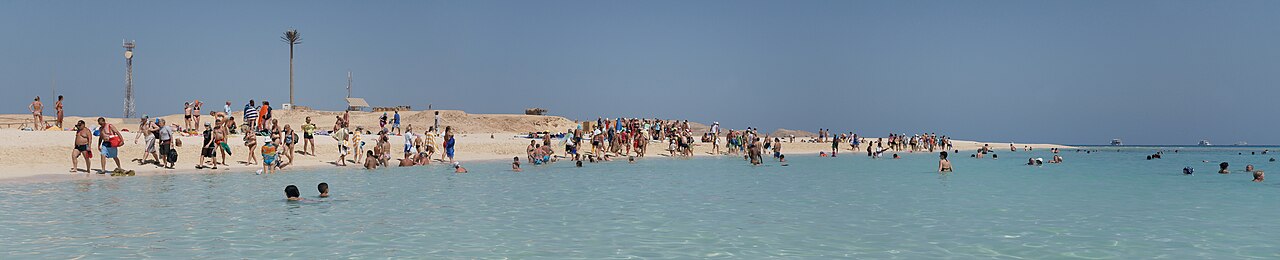
My Visit to Hurghada
I stepped off the gangway into Hurghada on a bright November morning, and the first thing that struck me was the heat — dry, clean, radiating off the concrete pier like a baker's oven, yet softened by a breeze carrying the salt and mineral scent of the Red Sea. The ship had docked at Hurghada Port just after dawn, and I stood at the rail watching the turquoise gradient unfold before me: shallow reefs glowing aquamarine near the shore, deepening to sapphire where the continental shelf dropped away. My wife stood beside me, her hand shielding her eyes against the glare, and we both fell quiet. After days at sea, this felt like arriving at a threshold between two worlds — the familiar one behind us and something ancient and untamed ahead.
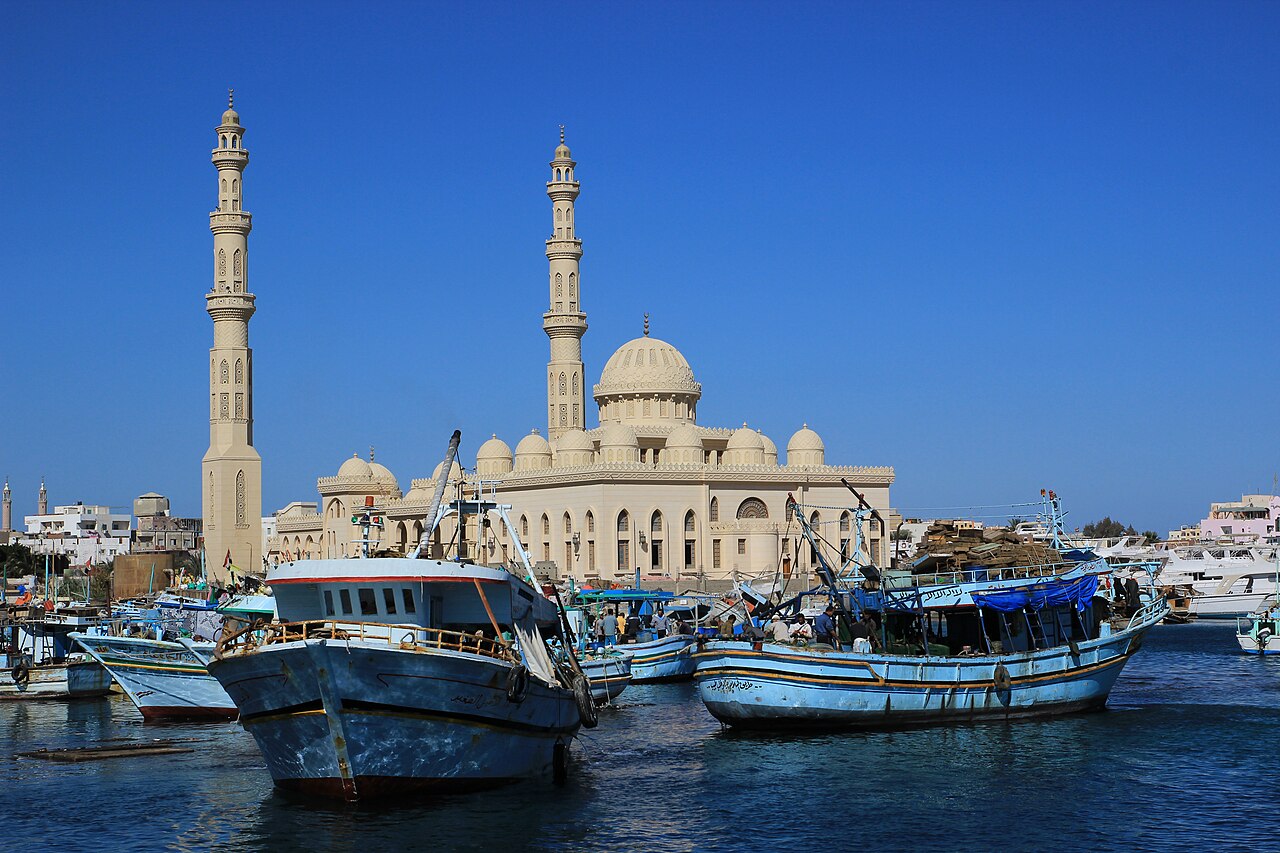
We had booked a boat to the Giftun Islands — a marine park just offshore that protects some of the Red Sea's most pristine coral reefs. The cost was about $35 per person, including equipment and lunch. Our captain, a weathered man named Youssef who had been diving these waters for thirty years, greeted us at the Sigala marina with a broad smile and a handshake that felt like gripping warm leather. "Today," he said, gesturing toward the horizon, "I show you my garden." I liked him immediately. The boat pushed off from the dock, and within minutes the resort strip of Hurghada shrank to a thin line of white buildings pressed between tawny desert and blue water. I watched the coastline recede and felt a quiet thrill — the same feeling I get whenever a journey moves from plan to reality.
The first snorkel stop was a reef called Shaab El Erg. I slipped into the water and gasped — not from cold, because the Red Sea in November is bathtub-warm, but from the sheer clarity. I could see thirty meters in every direction. Below me, a coral garden rose from the sandy bottom in formations that looked like they had been sculpted by patient hands over millennia: staghorn coral branching in delicate fingers, brain coral as round and textured as loaves of bread, soft corals swaying in the gentle current like purple and orange fans. A school of anthias — tiny fish the color of sunset — drifted through a shaft of sunlight that pierced the water like a spotlight. I floated motionless, barely breathing through my snorkel, watching them shimmer and pulse. The silence beneath the surface was absolute, broken only by the soft click and scrape of parrotfish feeding on coral and my own slow exhalations. I felt like I had been granted entry into a cathedral I did not deserve to visit.
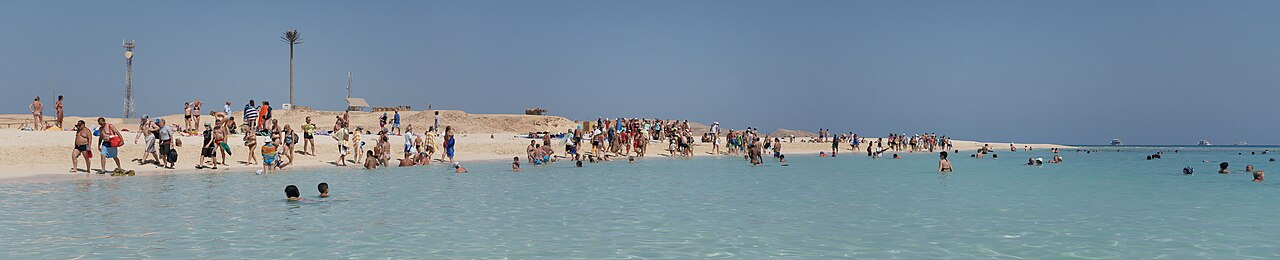
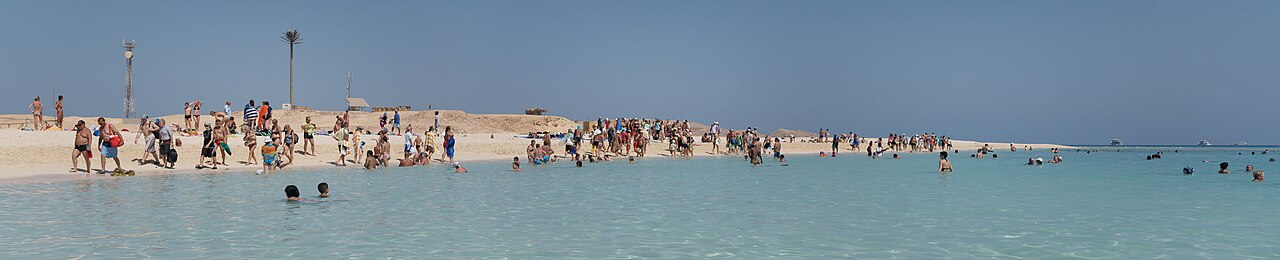
At our second stop, near the white sand beach of Giftun Island itself, I swam over a patch of seagrass and saw something that made my breath catch. A green sea turtle, easily a meter across, was resting on the bottom, its ancient eyes half-closed, utterly untroubled by my presence. I hovered above it, barely kicking, watching the light play across its shell in patterns that looked like stained glass. Then it rose, slowly, gracefully, and glided past me so close I could have reached out and touched it. I did not. I simply watched, and something shifted inside me — a recognition that I was a guest in a place that had existed for millions of years before me and would continue long after. My eyes filled behind my mask. I surfaced to find my wife treading water nearby, grinning. "Did you see it?" she asked. I could only nod. Some encounters live beyond words.
That afternoon, we went in the opposite direction — away from the sea and into the Eastern Desert. A safari excursion took us by 4x4 into the wadis and mountains beyond the resort strip. The transition was startling. Within twenty minutes of leaving the coast, the landscape turned to rock and sand and silence. The air smelled of dust and dry stone, a sharp contrast to the salt-mineral fragrance of the morning. Our guide, a Bedouin man named Hassan, drove us to a camp where we rode camels as the sun lowered toward the ridge. The camel's gait was rhythmic and swaying, and I gripped the saddle and laughed as it lurched forward, my wife taking photos from her own mount behind me. At the camp, we sat on carpets in a goat-hair tent and drank sweet tea from small glasses while Hassan told us about his family's life in the desert. The bread his wife baked on a flat stone over coals was warm and fragrant, and the tea was so sweet it made my teeth ache, but I drank three cups because the gesture of hospitality was more nourishing than the tea itself.
The sunset that evening was the most extraordinary I have witnessed from any port. The sun dropped behind the desert mountains and the entire sky turned the color of molten copper, then deepened to rose, then violet. Stars appeared one by one, then in clusters, then in a river of light across the sky — the Milky Way, visible as I had never seen it from any city or ship deck. Hassan pointed upward and named constellations in Arabic, his voice quiet against the vast silence. I sat there on a carpet in the Egyptian desert, warm tea in my hands, stars overhead, and whispered a prayer of gratitude for the improbable chain of events that had brought me to this exact spot on this exact evening. My wife leaned against my shoulder. Neither of us spoke. We did not need to.
The next morning, I walked alone through Ad-Dahar, Hurghada's old town. Away from the resort strip, this is where the real Egypt lives — narrow streets, men in galabiyas sitting outside coffee houses playing backgammon, the call to prayer echoing from a nearby mosque. I found a small restaurant where a woman served me koshari — Egypt's national dish of lentils, rice, pasta, and chickpeas smothered in tomato sauce and crispy onions — for twenty Egyptian Pounds, less than a dollar. It was humble food, but it was delicious: earthy, satisfying, layered with textures and flavors that reminded me how much a simple meal can mean when you are hungry and far from home. The woman smiled when I asked for a second helping. "You like Egyptian food," she said. It was not a question.
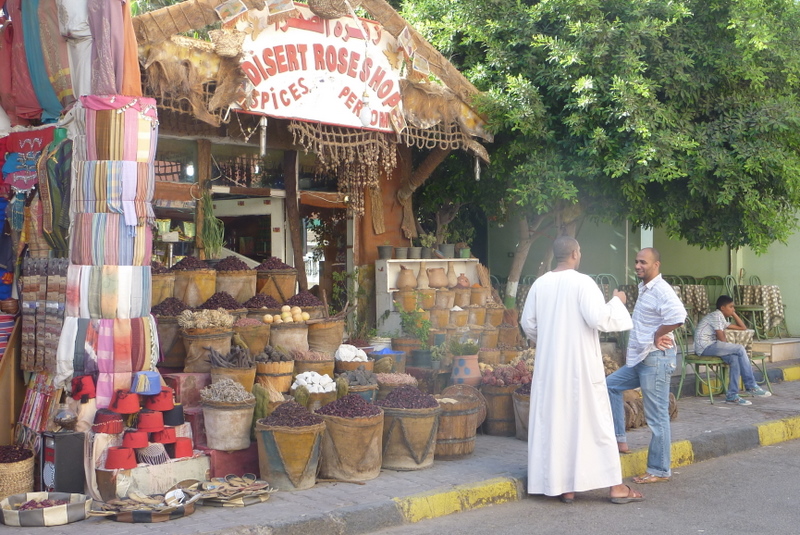
I browsed the souks — stalls selling spices in pyramids of gold and red, textiles in patterns I had never seen, alabaster carved into cats and pharaohs. The vendors were persistent but good-humored, and I bargained for a small bottle of perfume oil that smelled of jasmine and sandalwood. The scent lingered on my wrist for the rest of the day, a sensory souvenir more evocative than any photograph.
Looking back, I realized what Hurghada taught me. It is a place of contrasts — reef and desert, silence and bustle, ancient and modern — and those contrasts hold a lesson. I learned that the most valuable experiences often come in pairs: the underwater cathedral of the coral garden and the vast empty sky above the desert, the warmth of a stranger's hospitality and the cool clarity of water thirty meters deep. What matters is not choosing between them but holding both. We sailed from Hurghada on a Wednesday evening, and as the coast faded behind us — desert gold dissolving into Red Sea blue — I felt my heart swell with gratitude for a place that had given us two worlds in two days. Sometimes you travel to see something new. Sometimes you travel to understand that the world is larger and more generous than you imagined. Hurghada was both.
Weather & Best Time to Visit
Featured Images
The Cruise Port
What you need to know before you dock.
- Terminal: Ships dock at Hurghada Port, close to the Sigala district. The passenger terminal has currency exchange, ATMs, restrooms, a small cafe, and a tourist information desk offering maps and excursion bookings. The terminal is wheelchair accessible with ramps and level pathways from the ship to the gate area for guests with mobility needs.
- Distance to Town: Sigala marina is 10-15 minutes by taxi (fare 20-30 EGP). Ad-Dahar old town is 20-25 minutes (fare 40-60 EGP). El Gouna resort is about 30 minutes north (fare 80-100 EGP).
- Tender: No — ships dock directly at the pier.
- Currency: Egyptian Pound (EGP); US dollars and euros widely accepted in tourist areas but exchange rates are unfavorable. ATMs available at port and in town.
- Language: Arabic (English widely spoken in tourist areas)
- Best Season: October through April for comfortable temperatures; summer is extremely hot (40C+)
- Time Zone: Eastern European Time (EET), UTC+2
Getting Around
Transportation tips for cruise visitors.
- Taxis: The primary way to get around Hurghada. Plentiful but few use meters, so always agree on the fare before entering. From the port: 20-30 EGP to Sigala, 40-60 EGP to Ad-Dahar, 80-100 EGP to El Gouna. Negotiate in Egyptian Pounds rather than dollars for better rates. Most drivers speak basic English in tourist areas. Taxis can also be hired for half-day or full-day rates for about 300-500 EGP depending on the itinerary.
- Microbuses: White minivans run along the main coastal road and are very cheap (2-5 EGP per ride). They pick up and drop off anywhere along the route — wave one down and tell the driver your destination. Confusing for first-time visitors but an authentic local experience. Not accessible for wheelchair users.
- Walking: Practical within individual districts — along the Sigala marina promenade or through Ad-Dahar's souk streets — but not between them, as distances are long and the main road is not particularly pedestrian-friendly. The Sigala waterfront has smooth paving suitable for wheelchair users and those with limited mobility.
- Organized Tours: Often the most practical option for marine excursions, desert safaris, and the Luxor day trip. Your ship will offer packages, but local operators at the Sigala marina often have better prices. Ensure they are licensed and have good reviews. For snorkeling boats, the cost is typically $30-40 per person including equipment and lunch.
- Hotel Shuttles: Some resorts offer shuttle services, though most cruise visitors will not have access unless they have booked a day pass. Resorts at Makadi Bay and Soma Bay south of Hurghada offer beach day packages for about $40-60 including transport.
Hurghada Area Map
Interactive map showing cruise terminal and Hurghada attractions. Click any marker for details.
Excursions & Activities
How to spend your time ashore. For popular activities like Giftun Islands snorkeling and Luxor day trips, book ahead during peak season to secure your spot. Many visitors choose to explore independent of the ship excursion options for flexibility and cost savings, though a ship excursion offers guaranteed return to the vessel before departure.
Giftun Islands Marine Park
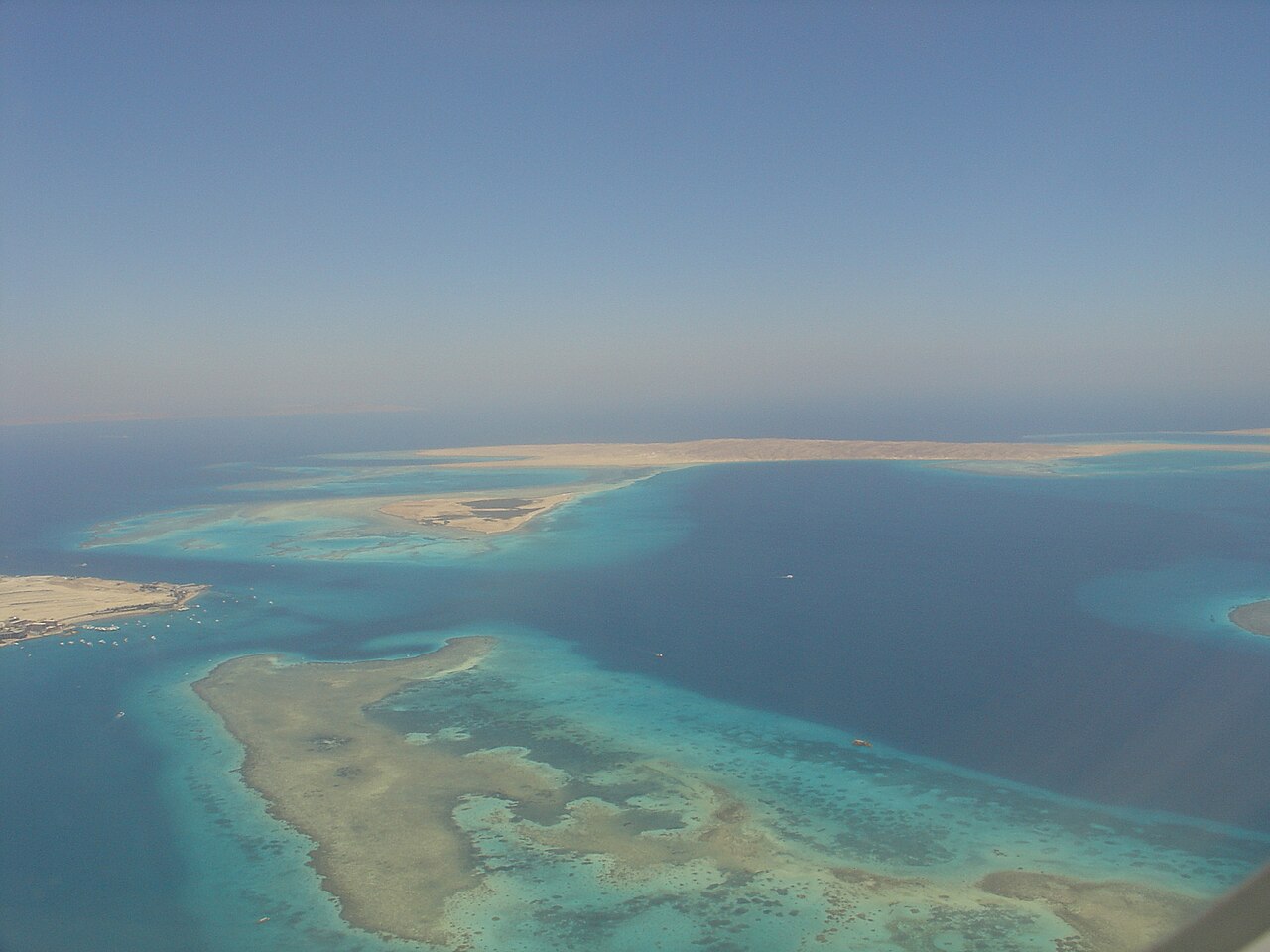
The crown jewel of Hurghada's waters. Boat trips depart in the morning from Sigala marina and typically include two or three snorkel stops around the protected islands. The coral reefs here are exceptional — healthy hard and soft corals, abundant fish life, and sea turtles if you are fortunate. Even non-swimmers can enjoy the shallow beach areas on Giftun Island itself. Most tours include lunch on board and all snorkeling equipment. Cost is about $30-40 per person through a local operator, or more through a ship excursion. This is a moderate activity suitable for most fitness levels. Allow a full day.
Desert Safari and Bedouin Experience
The Eastern Desert begins just beyond Hurghada's resort strip. Safari excursions take you by 4x4 or quad bike into the wadis and mountains where Bedouin families maintain traditional camps. Activities typically include camel riding, a traditional tea ceremony, and fresh-baked bread cooked over coals. Some tours include sunset viewing and stargazing. Cost is about $40-60 per person. This is a moderate-energy excursion with minimal walking. Allow 4-5 hours for a half-day trip.
Ad-Dahar Old Town and Souks
The historic heart of Hurghada predates the resort boom. Walk the narrow streets near the Coptic Church, browse the traditional souks selling spices, textiles, alabaster carvings, and perfume oils. This is where you will find local restaurants serving koshari and ful medames for a few Egyptian Pounds. Bargaining is expected and part of the social fabric. Budget about 100-200 EGP for shopping and a meal. Allow 2-3 hours. Easy to do independent of organized tours — take a taxi for 40-60 EGP each way.
Luxor Day Trip (Ambitious)
Luxor lies about 280 kilometers inland — a 4-5 hour bus journey each way through the Eastern Desert. It is a very long day, departing at 5 or 6 AM and returning near dusk, but seeing Karnak Temple, the Valley of the Kings, and Hatshepsut's Temple is a chance to encounter Ancient Egypt's greatest monuments. Cost is about $80-120 per person through a local operator, or $150+ through a ship excursion. Only attempt this if your ship has a long port stay (ideally overnight). For this excursion, a ship excursion with guaranteed return is strongly recommended given the distance involved. This is a high-energy, strenuous day with extensive walking in heat.
El Gouna Day Trip
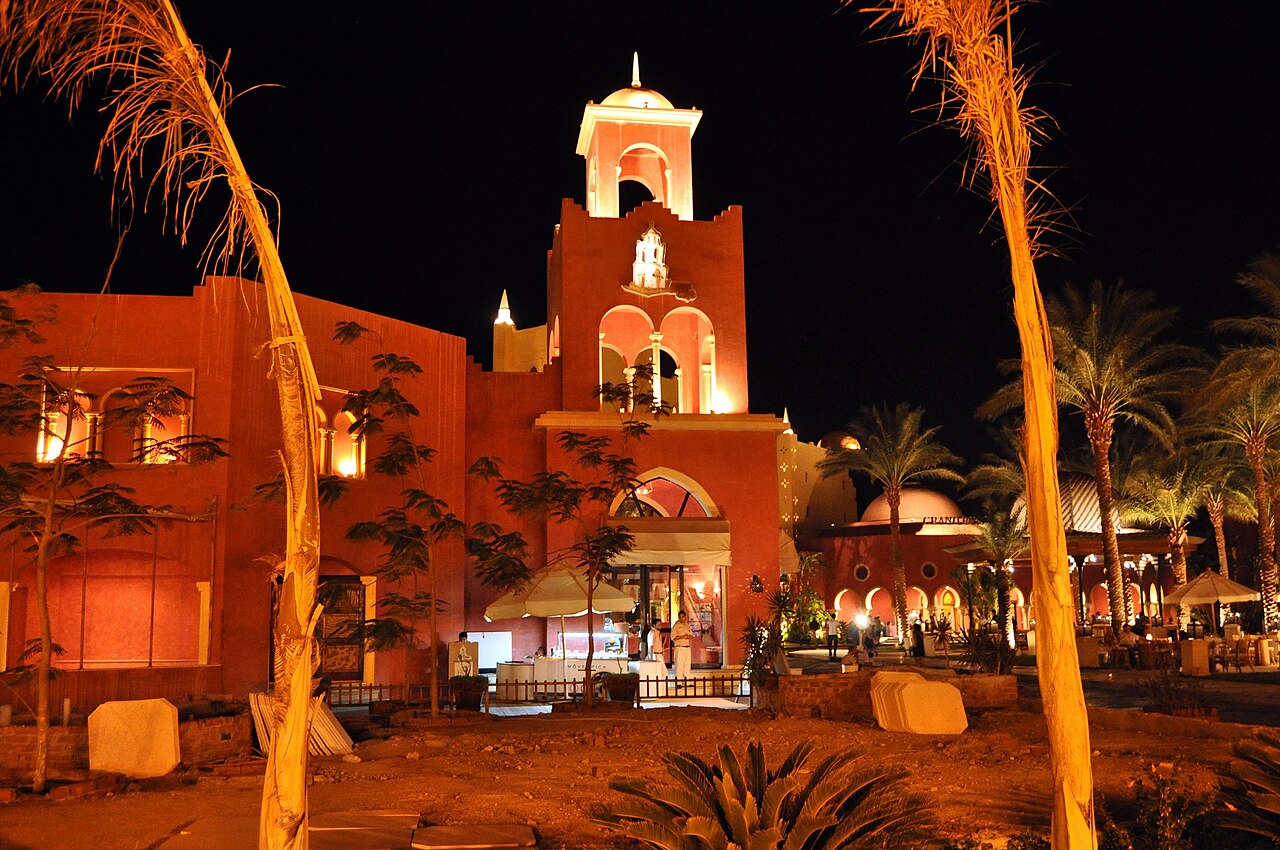
About twenty minutes north, El Gouna is a purpose-built resort town with Nubian-style architecture, canals, and a marina. Abu Tig Marina has excellent restaurants. A pleasant half-day escape if you want a more upscale atmosphere. Taxi fare about 80-100 EGP each way. No booking required — just hire a taxi and explore independently.
Makadi Bay and Soma Bay Beach Day
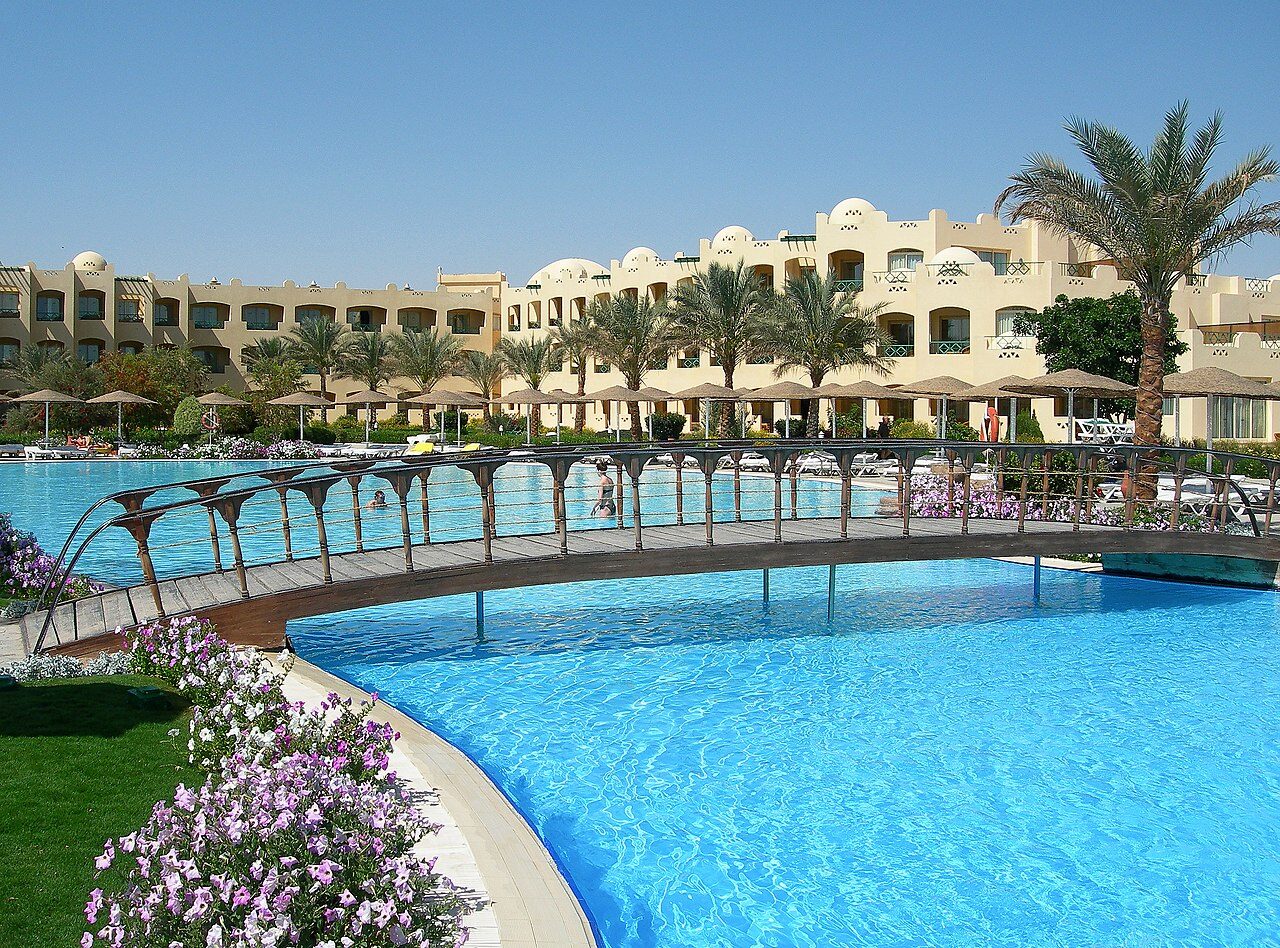
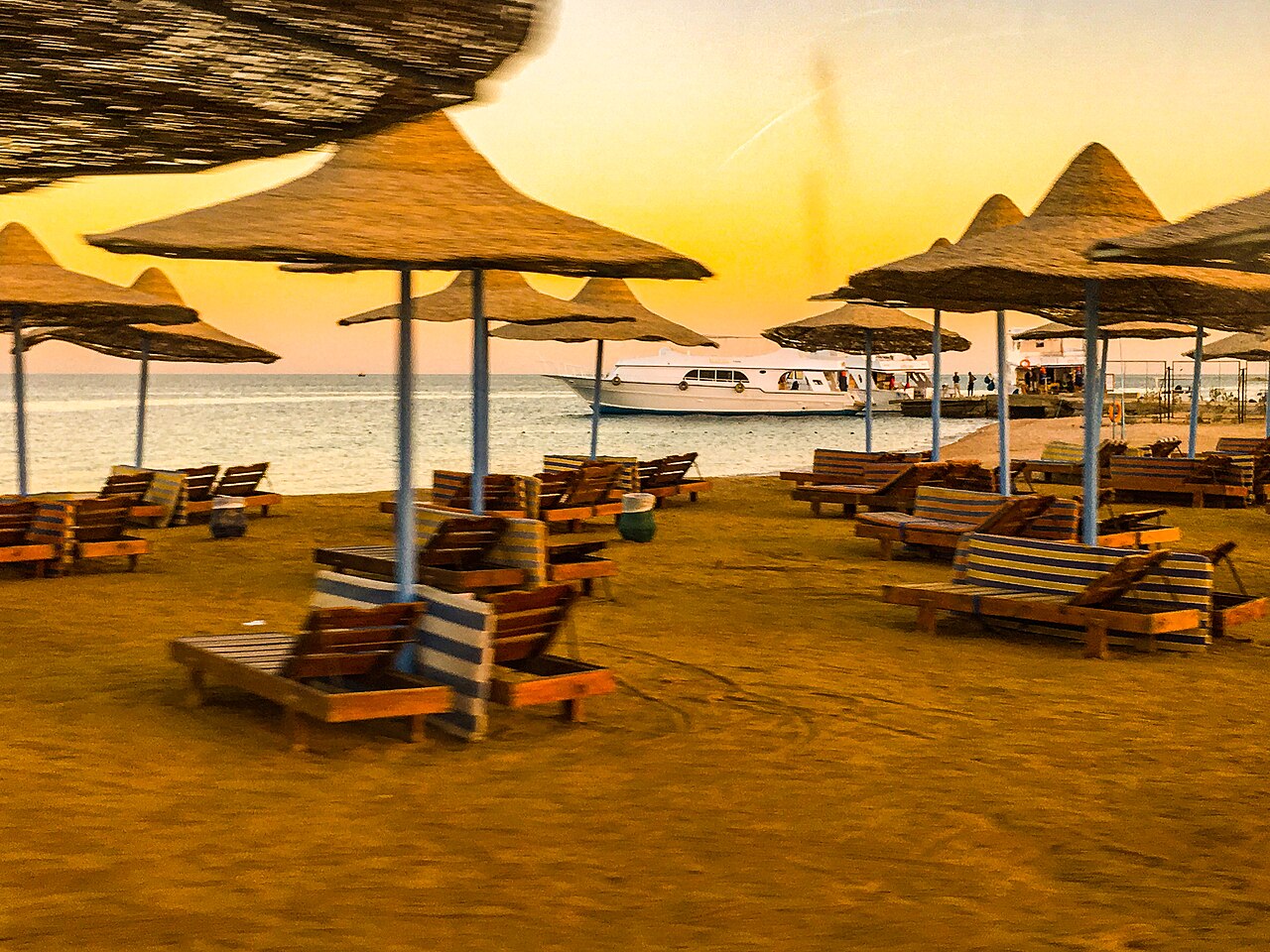
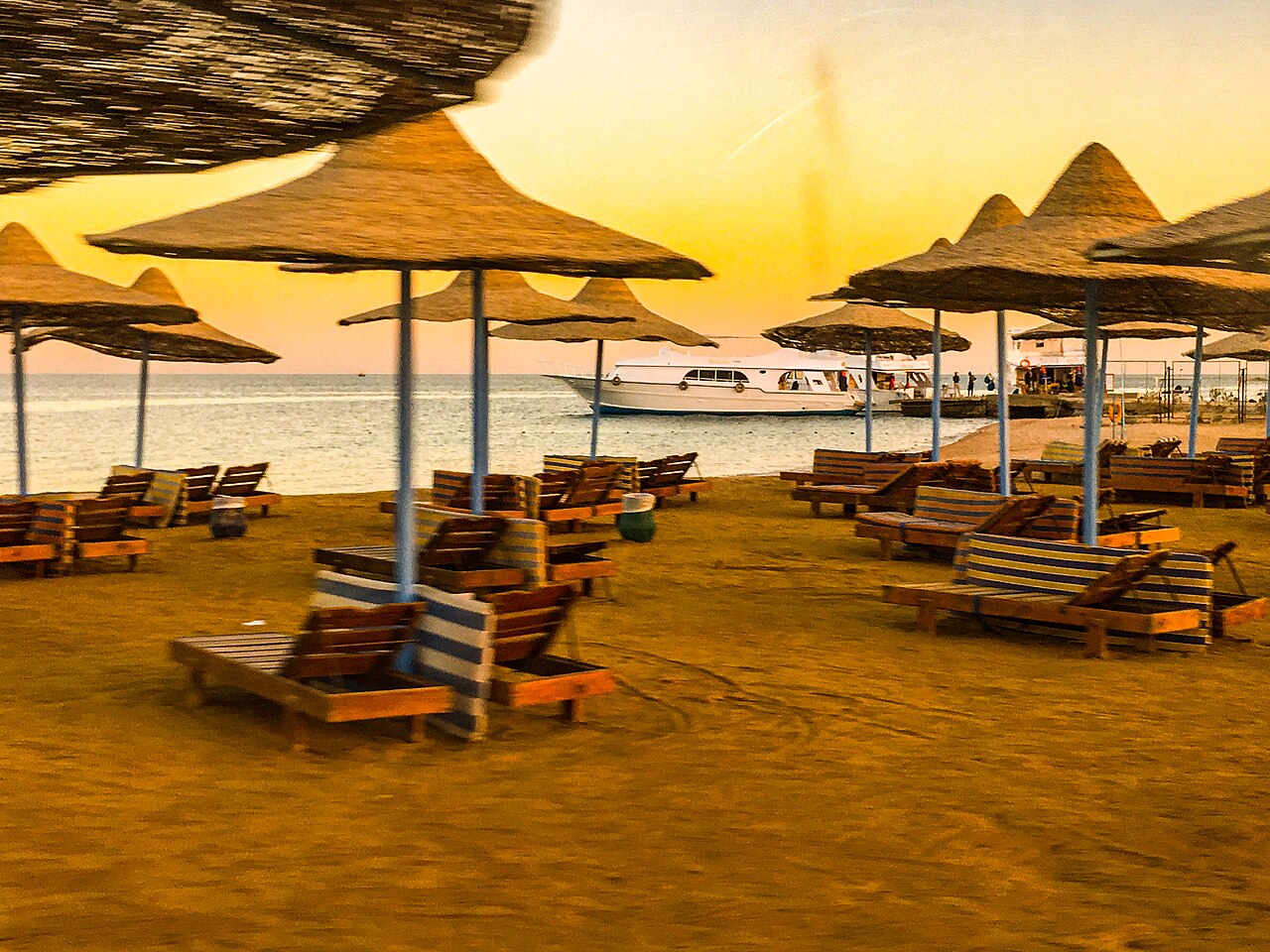
South of Hurghada, newer resort developments offer pristine beaches and house reefs accessible from shore. Several resorts offer day passes including beach access, pools, and lunch for about $40-60. Soma Bay has particularly beautiful turquoise waters. Good for a relaxing beach day with gentle snorkeling. Low walking, accessible for most mobility levels.
Local Food & Drink
- Koshari: Egypt's national dish — lentils, rice, pasta, and chickpeas with tomato sauce and crispy onions. Humble, hearty, and delicious. Cost about 20-40 EGP at local restaurants in Ad-Dahar.
- Grilled Red Sea Fish: Grouper, snapper, or sea bream selected fresh from the display and grilled to order. El Halaka and Fish House in Sigala are reliable choices. Cost about 150-250 EGP per person.
- Ful Medames: Stewed fava beans, a breakfast staple served with bread, lemon, and olive oil. Simple, satisfying, and available everywhere.
- Ta'ameya: Egyptian falafel made with fava beans rather than chickpeas. Lighter and greener than Middle Eastern varieties.
- Karkadeh: Hibiscus tea served hot or cold — refreshing, tart, and vibrant red. A welcome relief from the heat.
- Om Ali: Warm bread pudding with milk, nuts, and raisins — Egypt's beloved dessert.
Depth Soundings Ashore
Lessons learned the hard way.
- Reef-Safe Sunscreen: The Egyptian sun is fierce, and you will spend hours on boats with reflected UV from the water. High-SPF reef-safe sunscreen, a hat, and a rash guard are essential. Reapply frequently — burns happen fast even on overcast days.
- Negotiate in Pounds: Always agree on taxi fares in Egyptian Pounds before getting in. Quoting in dollars or euros will cost you significantly more. Keep small bills (5, 10, 20 EGP) for tips and small purchases — many vendors cannot make change for large notes.
- Tipping Culture: Called "baksheesh," small tips are customary for anyone who provides a service. Bathroom attendants (5 EGP), taxi drivers (round up), boat crew (20-50 EGP), restaurant staff (10% if service is not included). Budget for this — it is part of the local economy and culture.
- Dress Modestly in Town: In Ad-Dahar and local neighborhoods, cover shoulders and knees out of respect. Resort areas are more relaxed, but you will receive friendlier interactions if you dress conservatively away from tourist zones.
- Book Snorkeling Early: The best boats to Giftun Islands fill up quickly during peak cruise season. Book the evening before at the Sigala marina or online in advance. Morning departures offer the calmest water and best visibility.
- Bring Patience for Luxor: It is a long, hot journey each way. Bring more water than you think you need, snacks, and prepare for extensive walking at multiple temple sites. A good guide makes all the difference.
- Drink Bottled Water Only: Tap water is not safe for drinking. The Red Sea itself is exceptionally clean in the marine park areas, but stay hydrated with sealed bottles throughout the day.
Photo Collection
Frequently Asked Questions
Q: What currency do I need in Hurghada?
The Egyptian Pound (EGP) is the local currency. US dollars and euros are widely accepted in tourist areas, but you will get better rates exchanging to pounds. ATMs are available at the port and in the Sigala marina district.
Q: Can I visit Luxor from Hurghada on a cruise day?
Yes, but it is ambitious. Luxor is about 4-5 hours by bus each way. Early-morning excursions can visit Karnak Temple and the Valley of the Kings, but expect a very long, full day. A ship excursion with guaranteed return is recommended for this trip. Cost is about $80-150 per person depending on operator.
Q: Is the snorkeling good at Giftun Islands?
Exceptional. The Giftun Islands National Park offers some of the Red Sea's most pristine coral reefs with incredible visibility and abundant marine life. Boat trips from Hurghada typically include multiple snorkel stops and all equipment. Cost about $30-40 per person.
Q: What is the best area to explore in Hurghada?
Ad-Dahar (El Dahar), the old town, offers authentic Egyptian atmosphere with traditional souks, local restaurants, and the historic Coptic church. Sigala has the modern marina and waterfront promenade. Both are accessible from the cruise port by taxi.
Q: Is Hurghada safe for tourists?
Yes, Hurghada is generally safe. It is a major tourist destination with visible security. Use common sense — watch your belongings in crowded areas, use reputable tour operators, and be cautious with unsolicited offers. The resort areas and marine parks are very safe.
Q: Is Hurghada accessible for visitors with limited mobility?
The port terminal has wheelchair accessible ramps and pathways. The Sigala waterfront promenade is flat and smooth. Snorkeling boats may require climbing a ladder; check with operators about accessible boarding options. Desert safari vehicles can accommodate most needs with advance notice. Ad-Dahar's old town streets are uneven and less accessible.
Q: What should I pack for Hurghada?
High-SPF reef-safe sunscreen, a hat, comfortable walking shoes, modest clothing for old town visits, a rash guard for snorkeling, and plenty of small bills in Egyptian Pounds for tips and taxis.
Q: What's the best time of year to visit Hurghada on a cruise?
Typical range 50-99°F Red Sea desert climate; rain: Essentially zero. Peak cruise months: Oct, Nov, Dec, Jan, Feb, Mar. Avoid: Jul, Aug.
Q: Is there a severe weather or storm season that affects Hurghada?
Hurghada is not marked as a warm-water hurricane zone in our seasonal guide. Local concern: seasonal weather swings.
Q: Will rain ruin my Hurghada port day?
Brief rain is common enough around Hurghada that flexible plans beat canceling. Summer heat is extreme — even the sea is warm (85°F+); Wind can cancel boat trips to Giftun Island
Hurghada: Where Desert Meets the Deep Blue
Image Credits
Photo Gallery
Image Credits
Photo Collection
Image Credits
Photo Gallery
Image Credits
Last reviewed: February 2026
Author's Note: Until I have sailed this port myself, these notes are soundings in another's wake — helpful for planning, and marked for revision once I've logged my own steps ashore.