
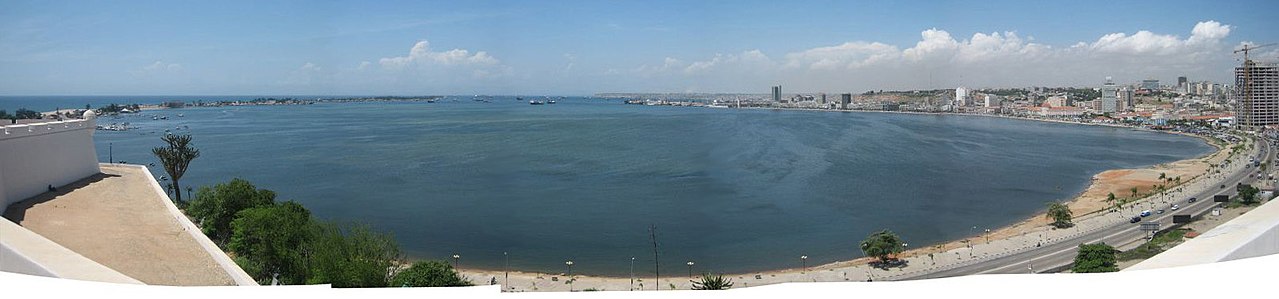
Photo: Wikimedia Commons (CC BY-SA)
Quick Answer: Luanda is Angola's sprawling capital where Portuguese colonial fortresses meet a modern oil-boom skyline on one of Africa's most storied harbors.
Africa's Oil Capital and Gateway to Portuguese Colonial History
Captain's Logbook
Captain's Logbook
Luanda, Angola
Luanda, Angola — December 2025
I arrived in Luanda at dawn, when the Atlantic fog still clung to the towers along the Marginal and the fortress of São Miguel looked like it was floating above the bay. This is Africa's third-largest city, they tell you, one of the world's most expensive for expatriates, the oil capital of a nation still finding its feet two decades after a brutal civil war. But nothing I had read prepared me for the reality: the gleaming office buildings beside crumbling colonial facades, the BMWs navigating potholed roads, the smell of grilled fish drifting from Ilha de Luanda while container ships unload at one of the continent's busiest ports.
Luanda has been a harbor city since 1575, when Portuguese colonizers built their settlement on this sweeping bay. For centuries, it was a cornerstone of the slave trade—human beings loaded onto ships bound for Brazil while stone fortresses watched from the heights. That history sits heavy here, visible in the 16th-century walls of Fortaleza de São Miguel and achingly present at the National Museum of Slavery. Walking these streets means walking through layers: Portuguese cobblestones beneath your feet, Eiffel's Iron Palace standing improbably on a busy corner, the new Angola rising in glass and steel while music—kuduro, semba, kizomba—pulses from every passing car.
The Moment That Stays With Me:
Standing at the ramparts of Fortaleza de São Miguel at sunset, looking down over the bay where ships have been arriving for four and a half centuries. Below me, the city spread out like a patchwork—old neighborhoods with red-tile roofs cascading toward the waterfront, the modern Marginal stretching along the coast, and in the distance, the slender finger of Ilha de Luanda pointing into the Atlantic. An elderly guard, noticing I was a sailor, told me his grandfather had worked these docks before independence, when Portuguese cargo ships dominated the harbor. "Luanda remembers everything," he said quietly. "The ships come and go, but the ocean keeps the stories." In that golden light, with the sound of the city rising up—car horns, music, voices calling in Portuguese—I understood that this port is not one thing but many: a colonial capital, a slave trade terminus, a civil war survivor, an oil boom metropolis, and through it all, a place where the sea has always shaped human destiny.
The Cruise Port
Port of Call: Ships dock at the Port of Luanda (Porto de Luanda), one of Angola's major commercial harbors located along Luanda Bay. Cruise vessels typically use the main terminal facilities north of the city center.
Getting to Town: The port is approximately 3-4 kilometers from the city center. Taxis are available at the port gates—negotiate fares in advance or insist on the meter. The drive to the Marginal promenade takes about 15 minutes depending on traffic.
Language: Portuguese is the official language, a legacy of colonial rule. Some English is spoken in tourist areas and hotels, but learning basic Portuguese phrases will open doors and earn smiles.
Currency: Angolan Kwanza (AOA). US dollars are sometimes accepted at larger establishments, but you'll need kwanzas for markets, taxis, and local restaurants. ATMs are available in the city center, though reliability can be an issue.
Shore Time Recommendation: You'll want at least 6-8 hours to see the Fortaleza, walk the Marginal, visit Ilha de Luanda, and absorb some of the city's complex character. A full day allows for deeper exploration including museums and markets.
Getting Around
Taxis: The most practical option for visitors. Blue-and-white taxis are metered and generally more reliable than unmarked cabs. Always agree on the fare beforehand or ensure the meter is running. Hotel taxis or app-based services (when available) tend to be safer. Most drivers speak Portuguese only, so having your destination written down helps.
Candongueiros: These minibus shared taxis are the backbone of local transport—cheap, ubiquitous, and often packed. They follow set routes but require knowing the system. For short-time visitors, they're more adventure than convenience, though riding one offers an authentic slice of everyday Luanda life. Fares are typically under $1 USD equivalent per ride.
Walking: Possible in specific areas like the Marginal and city center, but distances can be deceptive and heat intense. Sidewalks are inconsistent and may lack curb cuts for wheelchair users or those with limited mobility. For most sightseeing, you'll need wheels.
Rental Cars: Available but not recommended unless you're very comfortable with aggressive traffic, minimal road signage, and variable road conditions. Hiring a driver for the day is often easier and not much more expensive—expect to pay around $80-$120 USD equivalent for a full day with driver. Traffic congestion can be severe during rush hours, so plan morning departures early.
Luanda Area Map
Interactive map showing cruise terminal and Luanda key areas. Click any marker for details.
Excursions & Shore Tours
In a city like Luanda, a ship excursion through the cruise line offers the easiest introduction—transport, guides, and guaranteed return to the ship are all handled. For independent exploration, hire a reputable taxi driver for the day and book ahead through your hotel or the ship's concierge for airport-to-port transfers. Either way, having a plan matters here.
1. Fortaleza de São Miguel
The 16th-century fortress dominates the city from its hilltop perch. Built by the Portuguese in 1576, it's one of the oldest structures in Luanda and now houses a military museum. The real draw is the ramparts themselves—weathered stone walls offering panoramic views over the bay, the port, and the sprawling city. Stand here and you're standing where Portuguese governors once watched for Dutch raiders and incoming slave ships. The fortress is a short taxi ride from downtown; wear comfortable shoes for the cobblestone paths and bring water for the climb.
2. Ilha de Luanda
This slender peninsula extends into the Atlantic like a finger, creating a natural barrier for the harbor. It's Luanda's weekend escape—sandy shores, open-air seafood restaurants, bars with live music echoing across the water. I spent an afternoon here watching Angolan families picnic on the sand while fishermen grilled the day's catch over charcoal. The grilled octopus and prawns, served with funge and a cold Cuca beer, tasted like the ocean itself. Ilha is accessible by taxi or car; weekends are lively but crowded, weekdays more peaceful.
3. The Marginal Promenade
Luanda's waterfront walkway stretches for kilometers along the bay, a palm-lined corridor where the city comes to exercise, socialize, and watch the ships come in. On one side, the Atlantic laps against the seawall; on the other, a mix of colonial-era buildings and modern high-rises create a skyline of contrasts. Early morning is best for walking—cooler temperatures, joggers and fishermen, the smell of salt air before the city fully wakes. At night, the Marginal transforms with lights and music from waterfront bars and restaurants.
4. National Museum of Slavery
Housed in a pink colonial building along the Marginal, this museum confronts Angola's painful role in the transatlantic slave trade. The exhibits are sobering—shackles, ship diagrams, historical documents—but necessary for anyone trying to understand Luanda's history. Millions of enslaved Africans passed through this port, most bound for Brazil. The museum doesn't flinch from that legacy. It's a small space, but powerful. Allow an hour, and prepare for emotional weight. Signs are primarily in Portuguese, though some exhibits have English translations.
5. Palácio de Ferro (Iron Palace)
This curious building, allegedly designed by Gustave Eiffel and shipped to Luanda in the late 19th century, sits on a downtown plaza like an industrial sculpture. It was meant to be the governor's residence but proved too hot for tropical living and served various purposes over the years. Now it's something of a landmark oddity—a piece of Parisian engineering incongruously planted in equatorial Africa. You can't enter (it's government offices), but it's worth a photo stop and a moment to ponder the colonial hubris that shipped an iron building to one of the world's hottest cities.
6. Mercado do Benfica
For a dose of everyday Luanda, visit this sprawling market where vendors sell everything from fresh produce to fabric to carved masks. It's chaotic, colorful, and utterly authentic—women balancing baskets of fruit on their heads, the smell of roasting peanuts and dried fish, merchants calling out prices in Portuguese and local languages. This isn't a tourist market; it's where Luandans shop. Keep your valuables close, bring small kwanza notes for purchases, and ask permission before photographing people. The energy here is electric.
Local Food & Drink
Muamba de Galinha: This is Angola's national dish—chicken stewed with palm oil, okra, garlic, and chili, served over funge (cassava porridge). Rich, flavorful, and present on nearly every local menu. It's comfort food that tells you something about Portuguese and African culinary fusion.
Calulu: A dried fish or meat stew with vegetables, sweet potato leaves, and palm oil. The fish version is particularly popular along the coast. Like muamba, it's traditionally eaten with funge, which you use to scoop the stew.
Fresh Seafood: Grilled prawns, octopus, and fish are Ilha de Luanda specialties. Choose a waterside restaurant where you can watch the grilling happen over charcoal. Simple preparations let the Atlantic-fresh flavor speak.
Cuca Beer: Angola's beloved local beer—light, crisp, and perfect when served ice-cold against Luanda's heat. You'll see the red-and-white logo everywhere. It's national pride in a bottle.
Where to Eat: For authentic Angolan food, try restaurants in the Maianga or Alvalade neighborhoods. Ilha de Luanda has numerous seafood spots—Lookal, Miami Spot, and Cais de Kwanza are popular. The Marginal area offers everything from local joints to international cuisine. Ask locals for current recommendations; the restaurant scene evolves quickly.
Pro Tips
- Visa Requirements: Most visitors need a visa to enter Angola, and the process can be complex. Research requirements for your nationality well in advance. Some cruise lines arrange group visas; check with your ship.
- Cash is King: While Luanda is modernizing, many places still prefer cash. ATMs can be unreliable, so withdraw what you need early in the day from a bank-affiliated machine. Keep small denominations for taxis and markets.
- Safety Awareness: Luanda has improved dramatically since the civil war ended in 2002, but petty crime exists. Keep valuables out of sight, avoid displaying expensive cameras or jewelry, and don't walk alone after dark. Stick to well-traveled areas and tourist sites.
- Portuguese Phrases: Learn basic greetings—"Bom dia" (good morning), "Obrigado/a" (thank you), "Por favor" (please), and "Quanto custa?" (how much?). Angolans appreciate the effort, even if your accent is terrible.
- Heat and Hydration: Luanda is hot and humid year-round. Bring sunscreen, wear a hat, and carry water. The sun is fierce, especially at midday when exploring sites like the fortress.
- Photography Permissions: Don't photograph government buildings, military installations, or the port facilities without permission. When photographing people in markets or on the street, always ask first. Respect is reciprocated.
- Music Scene: If you have an evening in port, seek out live semba or kizomba music. Luanda's music culture is vibrant and deeply rooted. Ask hotel staff or taxi drivers for current venues—the scene changes frequently.
- Timing Your Visit: The cooler dry season (June to September) is most comfortable, though Luanda is accessible year-round. The rainy season (October to May) brings afternoon downpours but also lusher landscapes.
Depth Soundings
Historical and maritime context for the curious traveler.
The Slave Trade's Darkest Port
Luanda was the largest slave-trading port in Africa, shipping an estimated 4 million enslaved people to the Americas between the 16th and 19th centuries. The vast majority went to Brazil, forging a cultural connection that persists today. Portuguese colonizers built fortresses not just for defense but to process this human cargo—a legacy the city confronts at the National Museum of Slavery.
From Independence to Civil War
When Portugal granted independence in 1975, Angola descended into a devastating civil war fueled by Cold War rivalries. Cuban troops, Soviet weapons, South African interventions—Luanda became a battleground for proxy forces. The conflict lasted 27 years, displacing millions and scarring the national psyche. The 2002 peace brought reconstruction and the oil boom that remade the city skyline.
Oil Capital of Africa
Angola is sub-Saharan Africa's second-largest oil producer, and the wealth has transformed Luanda. Gleaming towers rise beside colonial ruins; expatriate executives pay Manhattan rents for waterfront apartments. The contrast between extreme wealth and persistent poverty defines modern Luanda—a city still navigating the complexities of resource abundance and development.
Gallery
Visual impressions from Luanda and Angola's Atlantic coast.
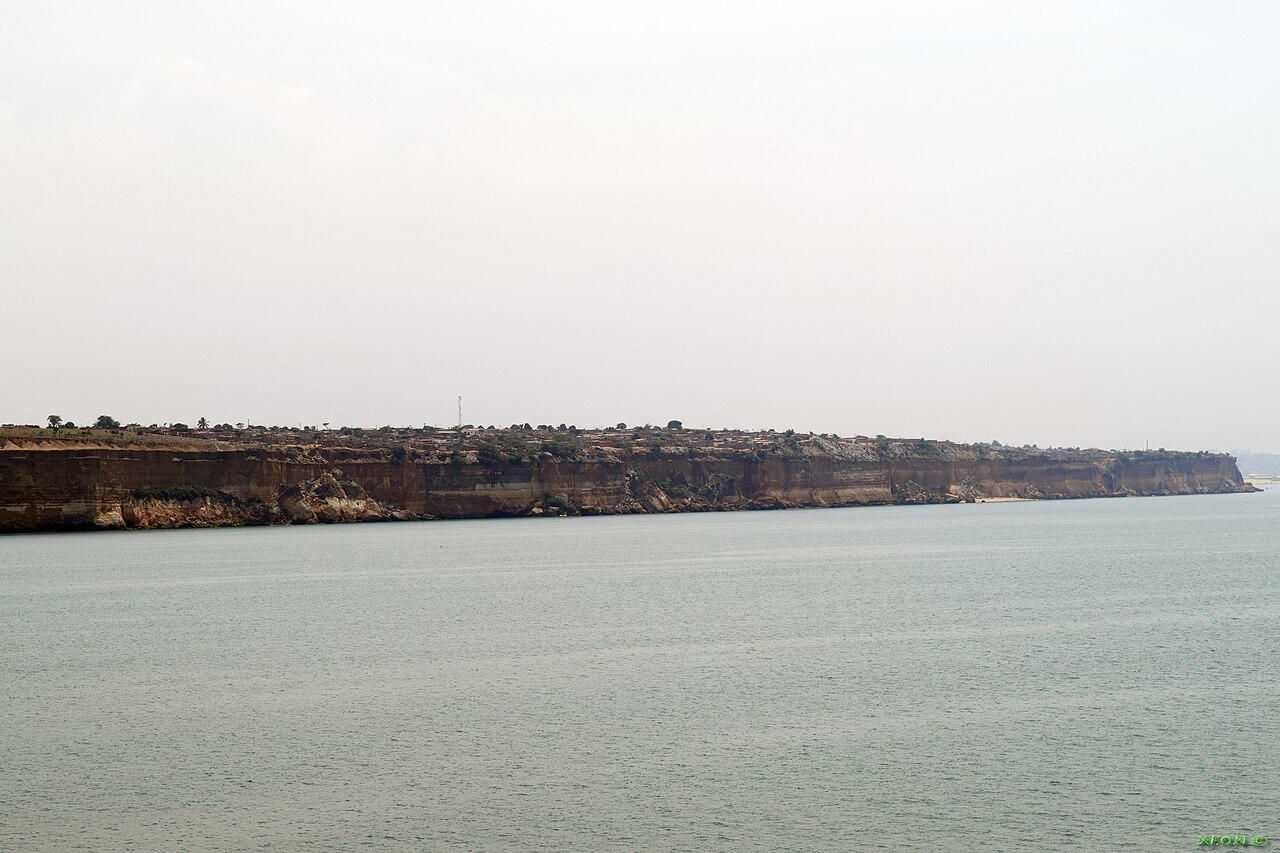
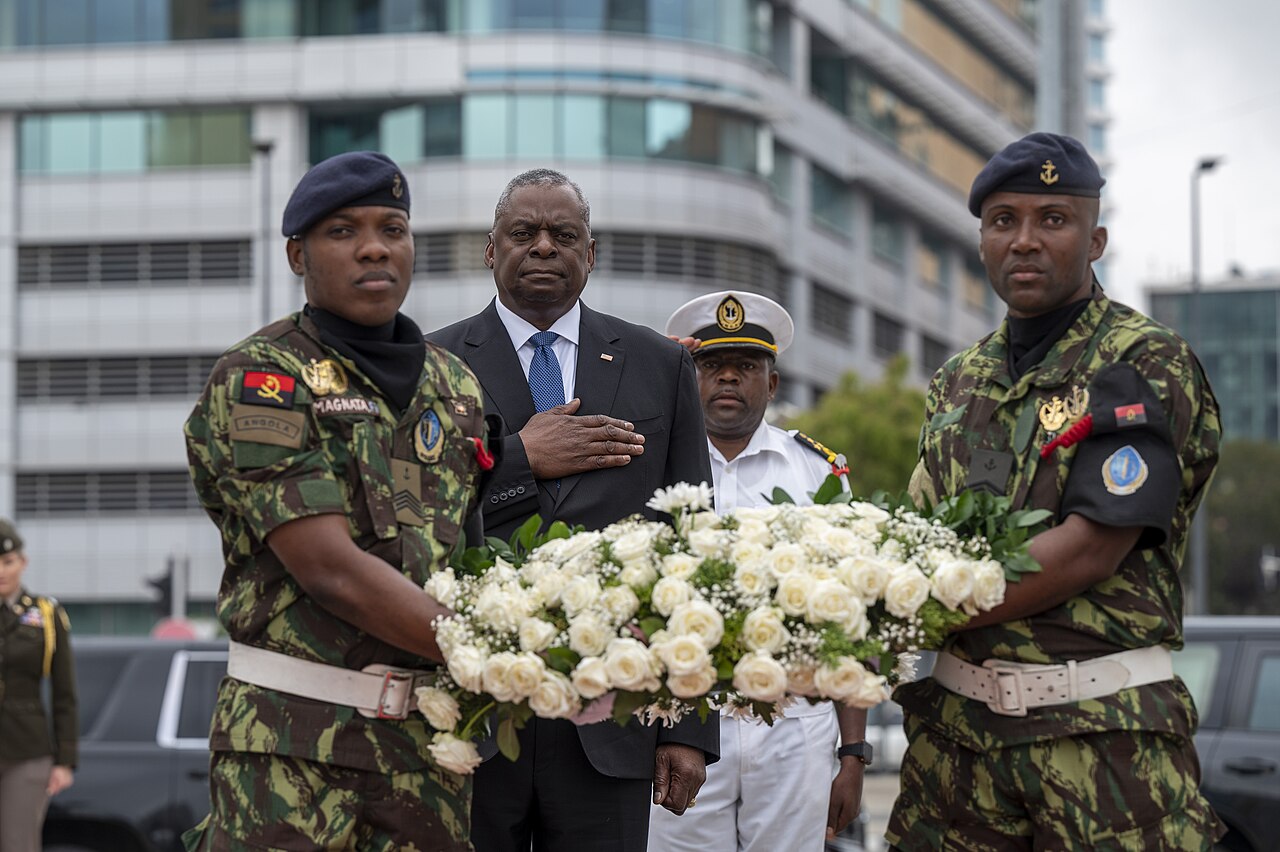
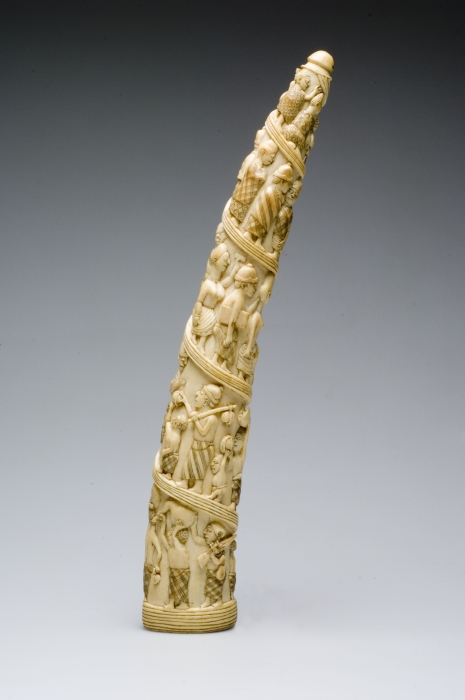
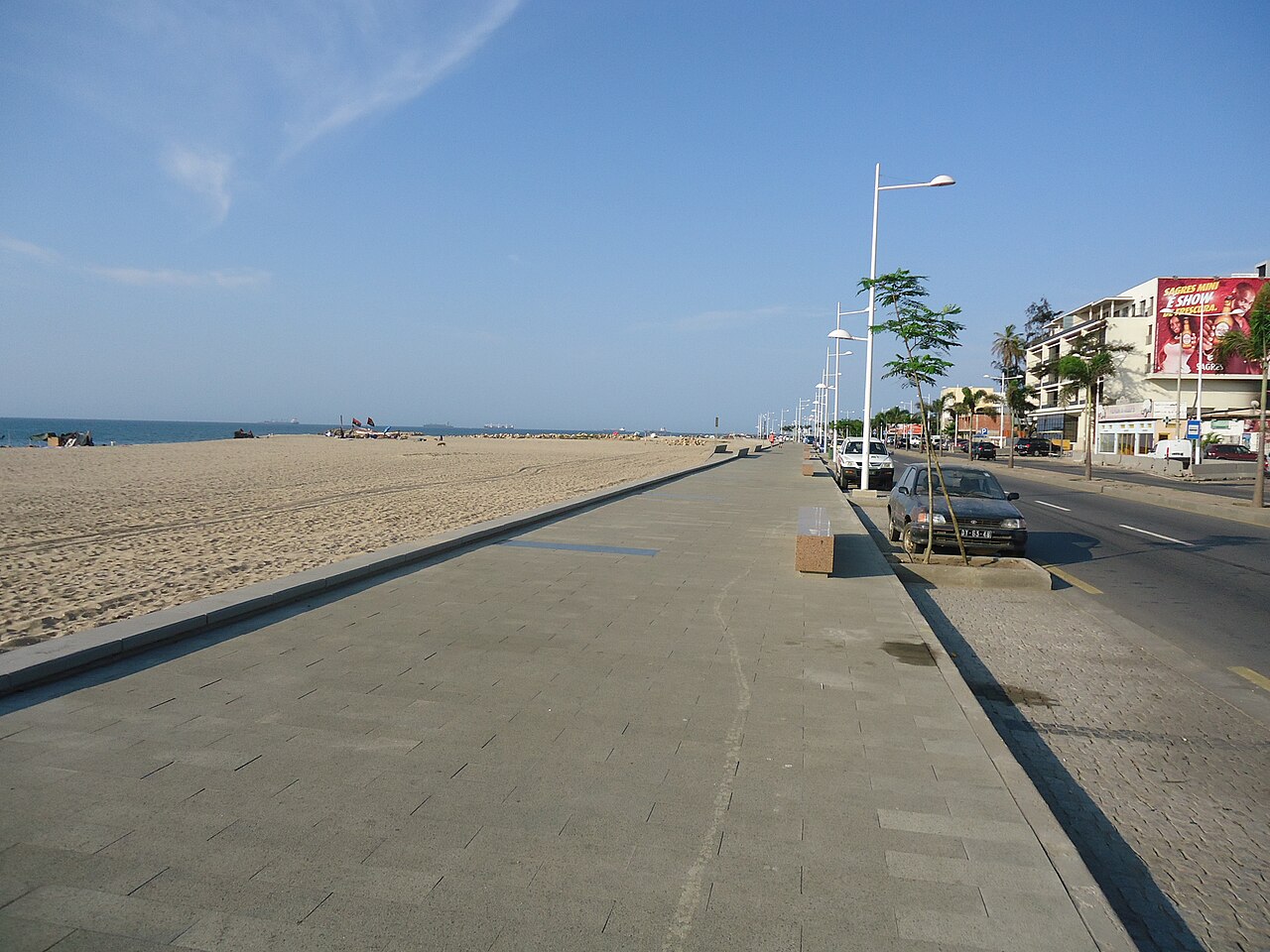
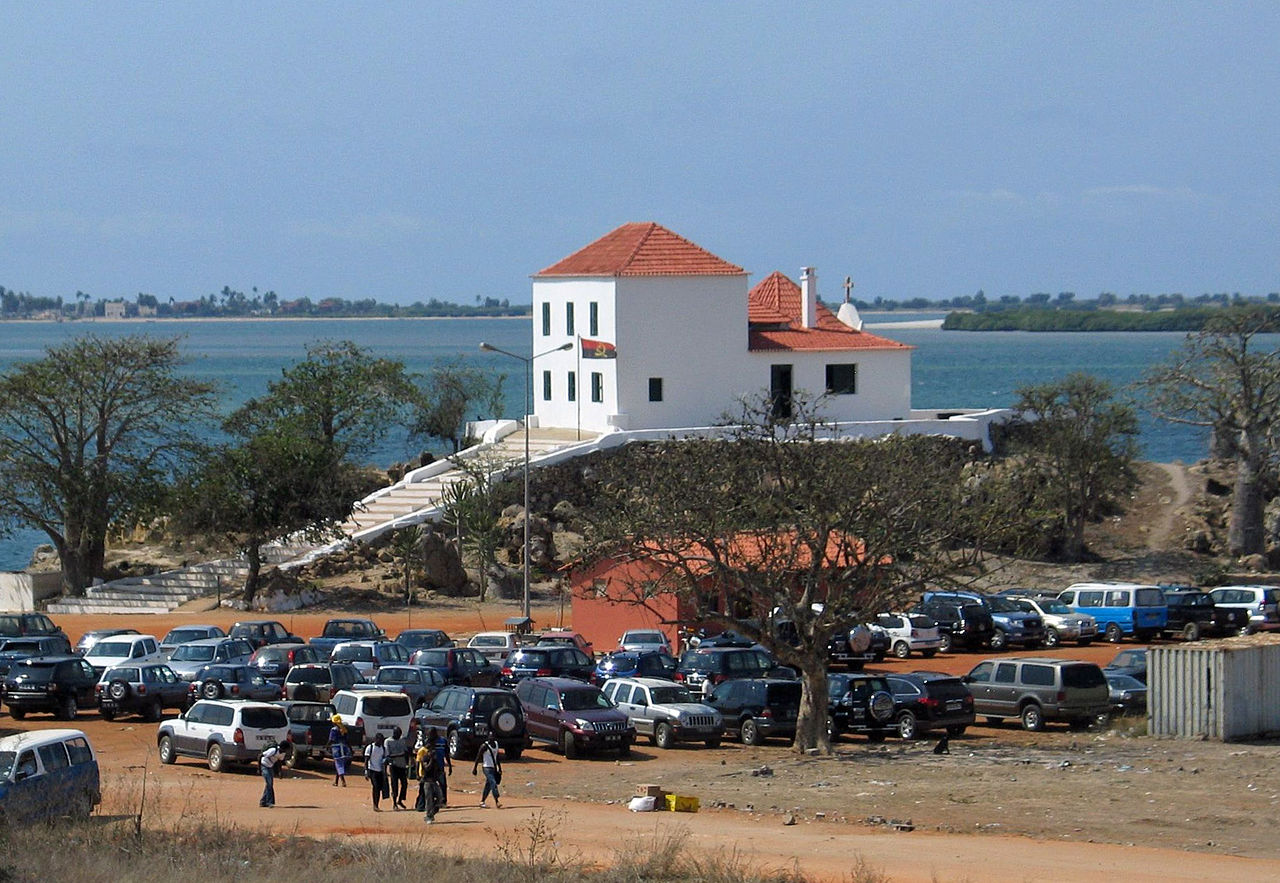
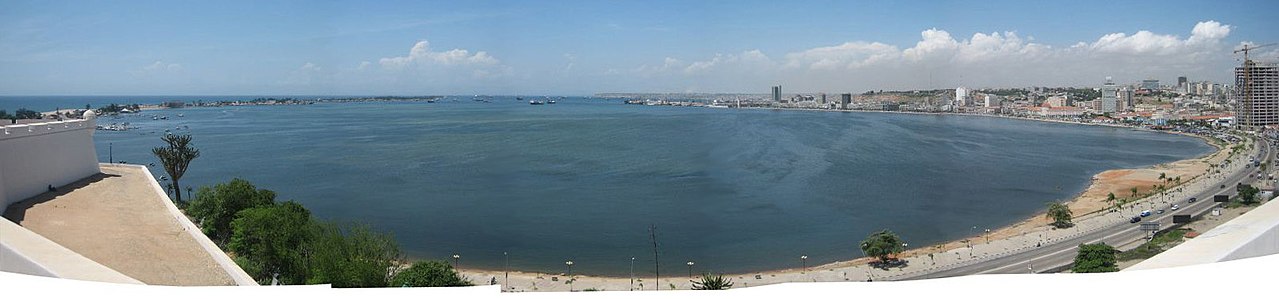
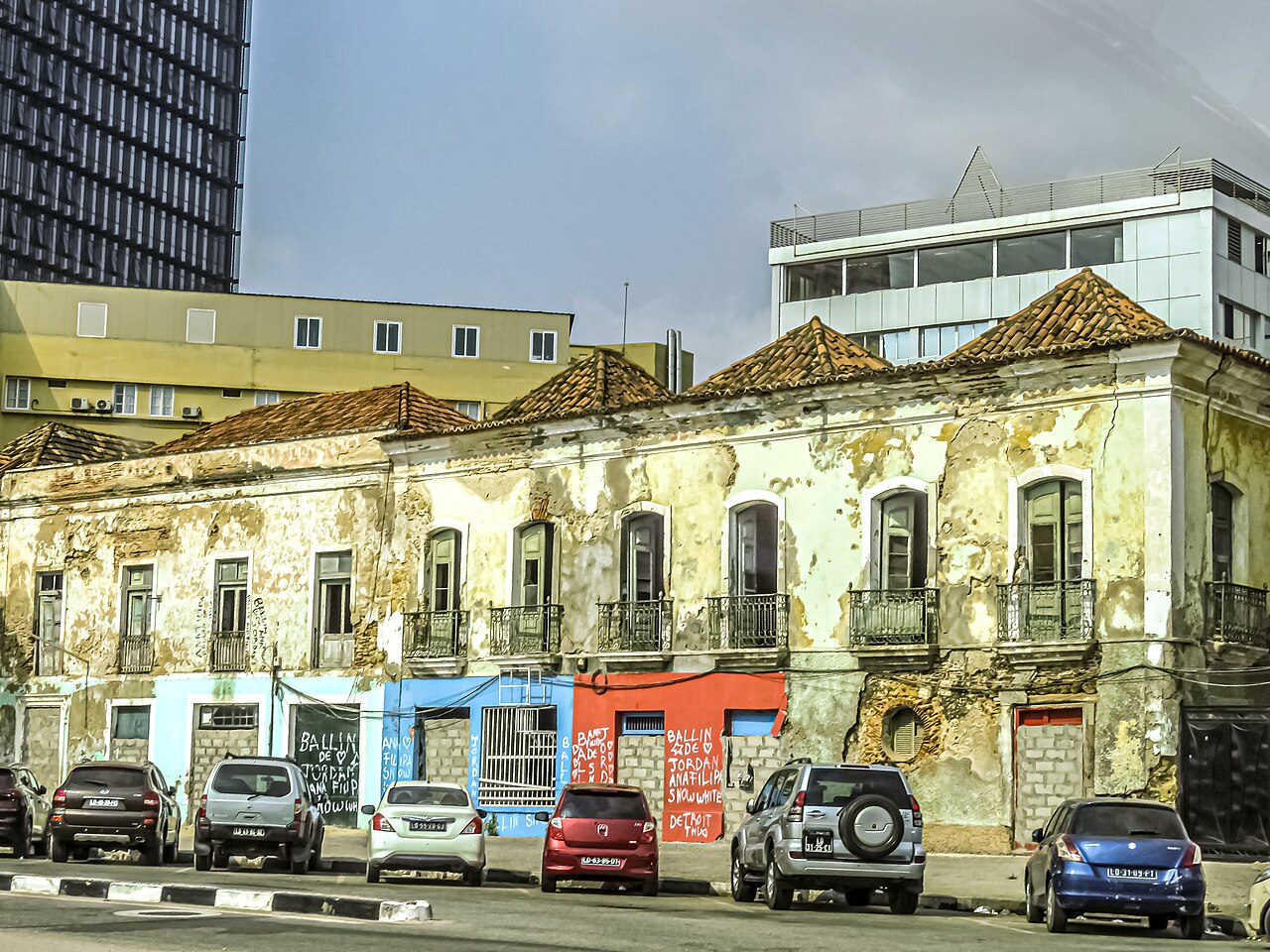
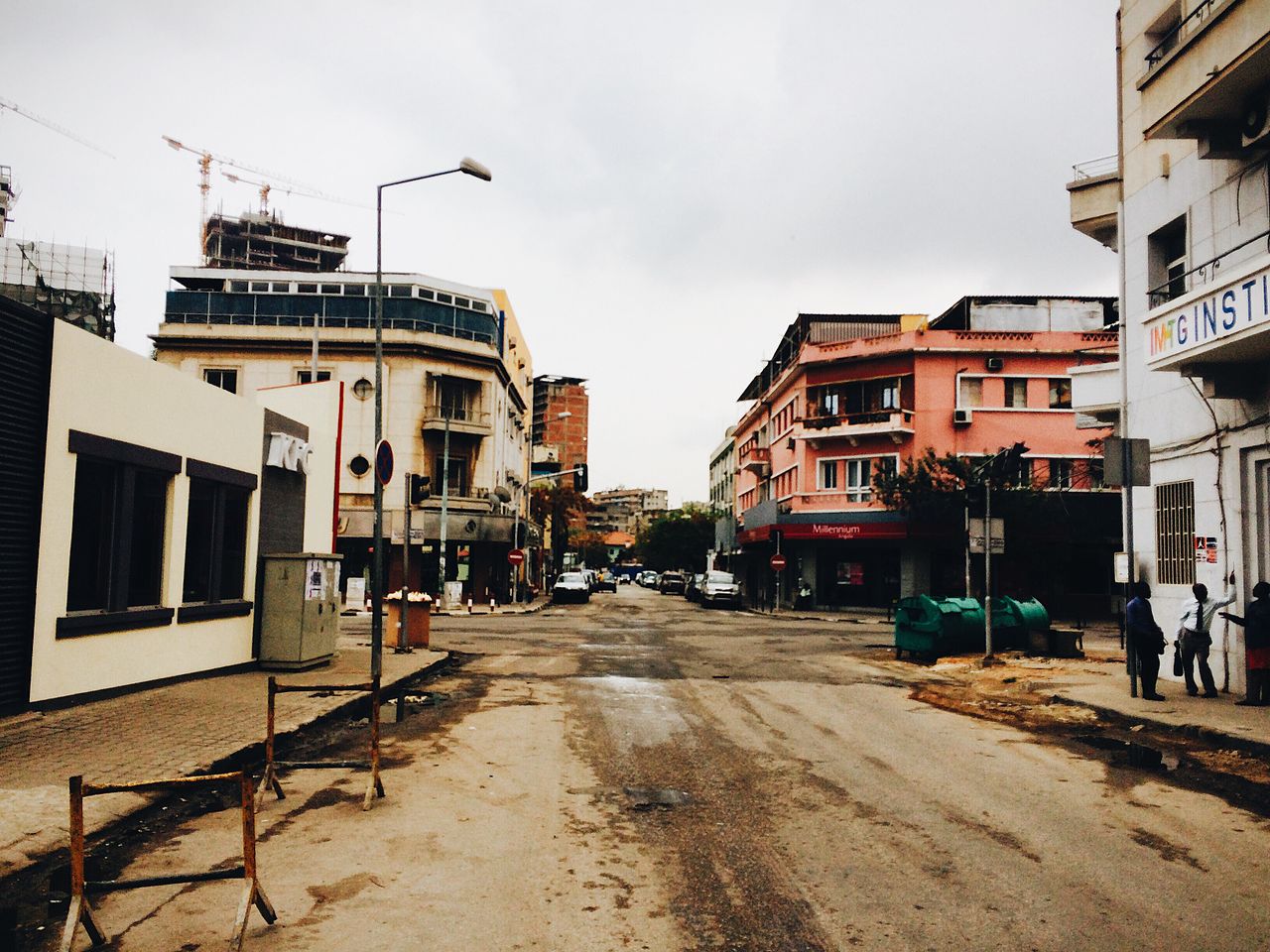
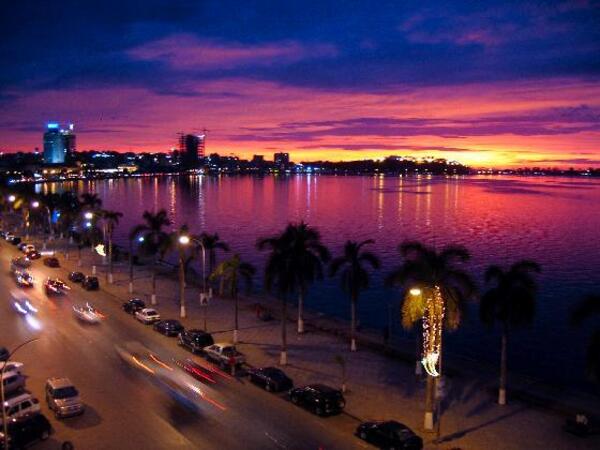
Photo Gallery
Frequently Asked Questions
What is the best way to get around Luanda?
Taxis are the most practical option for cruise passengers. Blue-and-white metered taxis are more reliable than unmarked vehicles. Always agree on the fare beforehand or ensure the meter is running. For a full day of sightseeing, consider hiring a taxi driver who can wait between stops—negotiate a day rate. The candongueiro minibuses are an authentic local experience but require knowledge of routes and destinations.
Is Luanda safe for cruise passengers?
Luanda has improved significantly since Angola's civil war ended in 2002, but visitors should exercise normal urban caution. Stick to well-traveled areas like the Marginal, Ilha de Luanda, Fortaleza de São Miguel, and major tourist sites. Keep valuables out of sight, avoid walking alone after dark, and use reputable taxis. Petty crime exists, as in any major city, but violent crime against tourists is rare. Travel during daylight hours and stay aware of your surroundings.
What currency should I bring to Luanda?
The official currency is the Angolan Kwanza (AOA). US dollars are sometimes accepted at larger hotels and establishments, but you'll get better value and wider acceptance by exchanging for kwanzas. ATMs are available in the city center, though they can be unreliable—withdraw what you need early in the day from a bank-affiliated machine. Bring cash as a backup since credit card acceptance is limited outside major hotels and restaurants.
What should I try for local food in Luanda?
Don't miss muamba de galinha, Angola's national chicken stew made with palm oil and okra, served over funge (cassava porridge). Calulu, a dried fish stew, is another classic. For seafood, head to Ilha de Luanda where restaurants grill fresh prawns, octopus, and fish over charcoal. Wash everything down with Cuca, the local beer that's a source of national pride. Ask locals for their favorite restaurants—Angolans are passionate about their food and happy to share recommendations.
Do I need a visa to visit Luanda?
Most nationalities require a visa to enter Angola, and the application process can be complex and time-consuming. Requirements vary by country, so research well in advance. Some cruise lines arrange group visas or shore passes for passengers on organized tours; check with your ship's excursion desk. Independent travelers should contact an Angolan embassy or consulate months before sailing. Visa regulations change, so verify current requirements before your trip.
What role has Luanda played in the region?
Luanda, founded by the Portuguese in 1575, is one of Africa's oldest colonial cities. For centuries it was a major center of the transatlantic slave trade—millions of enslaved Africans were shipped from this port to Brazil and the Americas. After Angolan independence in 1975, the city endured a devastating civil war that lasted until 2002. Today's Luanda is shaped by all these layers: Portuguese colonial architecture, the painful legacy of slavery, post-war reconstruction, and an oil boom that has brought rapid development. The Fortaleza de São Miguel and the National Museum of Slavery offer windows into this complex past.