
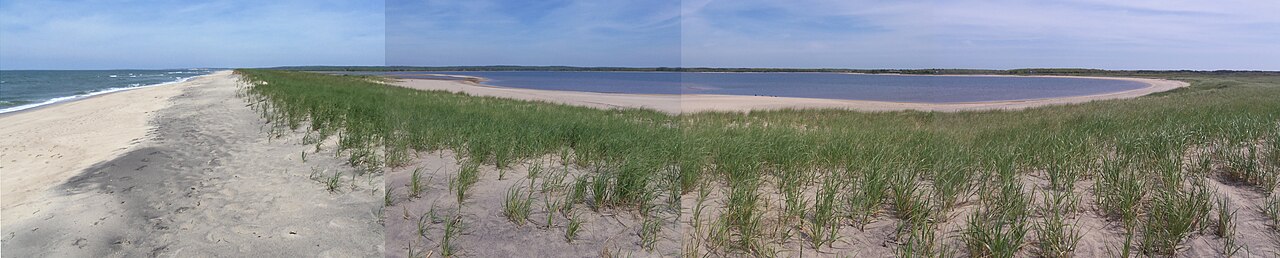
Photo: Wikimedia Commons
My Logbook: Gingerbread Houses and the Weight of the Wind
I heard the tender horn before I saw the island. Our ship had anchored about a mile off Vineyard Haven, and the morning fog was still draped across the harbour like gauze over an old painting. I grabbed my daypack and joined the queue on the tender platform, feeling the small boat dip and rock as passengers shuffled aboard. The ride took barely ten minutes, but it felt longer — the fog muting all sound except the low thrum of the engine and the occasional cry of a gull somewhere above us. Then the dock appeared, grey wooden pilings emerging from the mist, and I stepped onto Martha's Vineyard for the first time.
I had planned to take the bus directly to Oak Bluffs, but the morning light was too good to waste inside a vehicle. Instead I walked along the harbour road, past shingled houses with white trim and hydrangea bushes bowing under the weight of their purple blooms. The air smelled of salt water and cut grass, and somewhere a screen door banged shut in the breeze. Vineyard Haven has the feel of a town that exists all year — hardware store, library, a bakery where I stopped and bought a cranberry scone for $4.50. I ate it on a bench overlooking the harbour while two old men argued cheerfully about whether the Red Sox bullpen would hold together through September. I did not contribute an opinion, but I listened with pleasure.
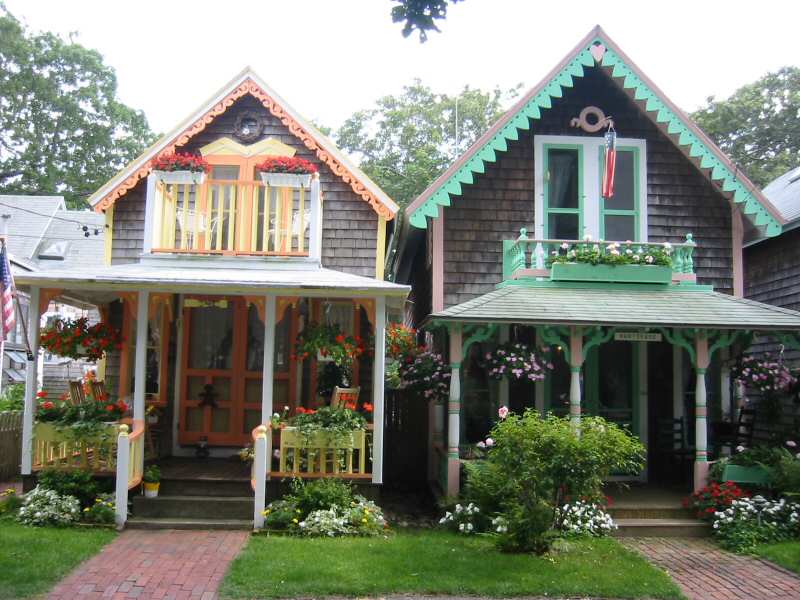
The bus to Oak Bluffs cost $2 and took about fifteen minutes. I stepped off into a different world entirely. Where Vineyard Haven is restrained and practical, Oak Bluffs is exuberant — pastel-coloured gingerbread cottages crowded together along narrow lanes, their porches dripping with carved wooden trim like frosting on a cake. The Camp Meeting Association grounds hold more than three hundred of these cottages, built in the 1860s and 1870s when Methodist families came here for summer revival meetings. I wandered through the lanes with my mouth slightly open, turning corners to find cottages painted lavender, mint green, butter yellow, rose pink. Each one was different, however each one was unmistakably part of the same dream. A woman on her porch waved and called out, "First time?" I nodded. "It gets you," she said simply, and went back to her book.
I found the Flying Horses Carousel a few blocks from the cottages — America's oldest platform carousel, operating since 1876. The ride cost $3.50 and I am not ashamed to say I took it. The wooden horses are worn smooth by a hundred and fifty years of small hands, and the brass ring still hangs from a mechanical arm at one side. I missed it twice, grabbed it on the third pass, and felt an absurd surge of triumph. The attendant, a teenager with a sunburn, smiled and handed me a free ride token. I pocketed it like a treasure.
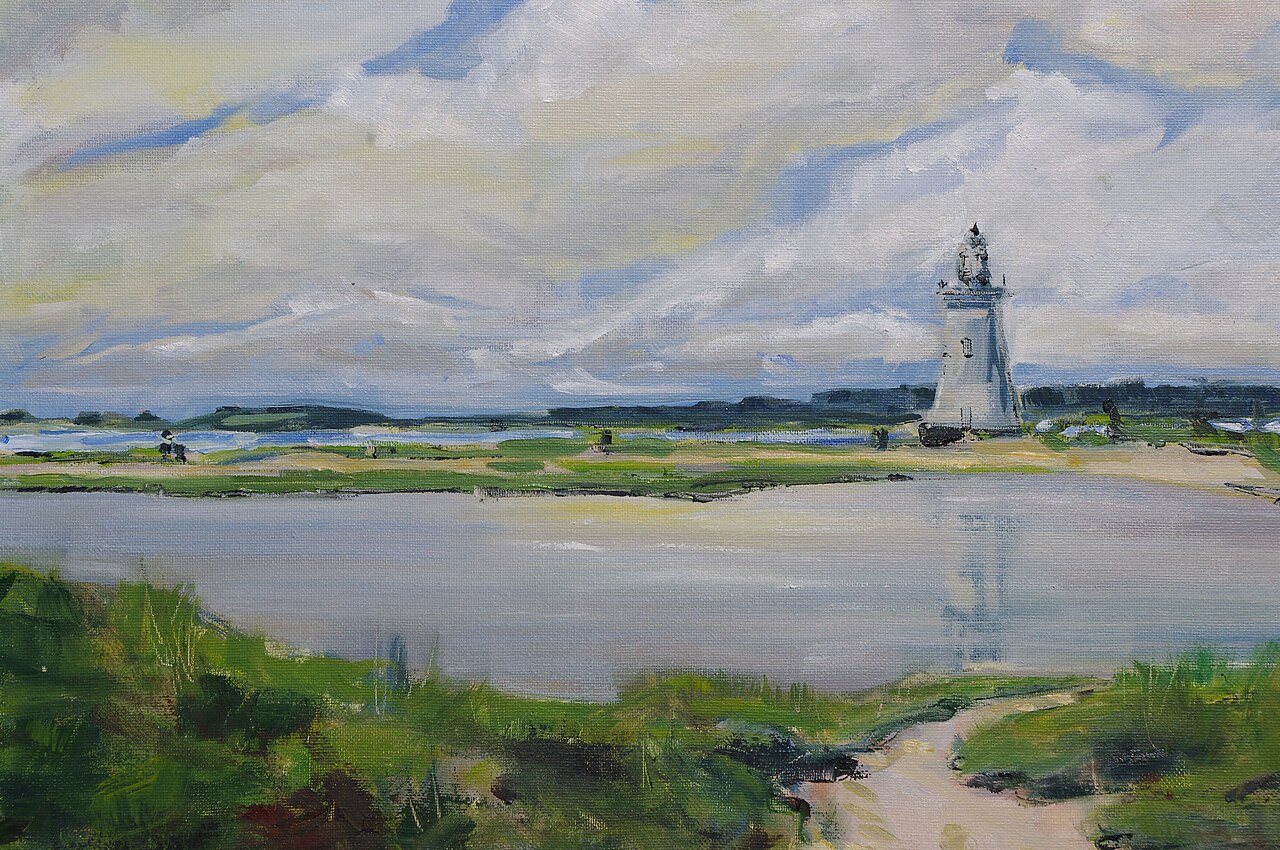
After lunch — a lobster roll at a shack near the harbour for $22, messy and good — I rented a bicycle for $25 and pedalled toward Edgartown. The bike path wound through scrub oak and pine, and the afternoon sun filtered through the branches in shifting patterns of gold and green. Edgartown is the island's most refined town, all white clapboard houses with black shutters, built by whaling captains who sailed the world's oceans and came home to plant rose gardens. I locked my bike and walked Federal Street, past houses that had seen two centuries of New England weather and still stood straight-backed and proud. The Edgartown Lighthouse sat at the end of a sandy spit, a white column against the blue water, and I stood there for a while watching the sailboats tack across the harbour.
But it was the ride to the Aquinnah Cliffs that changed something in me. I had debated whether to attempt it — the cliffs sit at the western tip of the island, a forty-five-minute bus ride from Oak Bluffs — but a fellow passenger on the tender that morning had told me I would regret skipping them. She was right. The bus dropped me at a small overlook, and I walked the short path to the cliff edge. The Gay Head Cliffs rose before me in layers of red, orange, white, and grey clay, millions of years of geological history exposed to the Atlantic wind. The Wampanoag people — the Aquinnah Wampanoag, whose ancestors have lived on this land for more than ten thousand years — regard these cliffs as sacred. A small sign explained the significance in quiet, measured words, and I read it twice.
I sat on a wooden bench near the Gay Head Lighthouse and watched the afternoon light shift across the clay face. The colours deepened as the sun moved — terracotta bleeding into rust, cream brightening to gold. And something broke open inside me. I had spent the morning among gingerbread cottages and whaling captains' houses, charmed by the quaintness of it all, but here on the cliffs I was confronted by something far older than any human settlement. These clay layers were laid down when there were no humans anywhere on earth. The wind that carved them has been blowing since before language existed. I felt my eyes fill, and I did not wipe them. I sat with the weight of all that time pressing gently on my chest, and I understood — not intellectually but in my bones — that we are guests here. All of us. The Wampanoag knew this ten thousand years ago. The whaling captains learned it the hard way on distant oceans. I was learning it now, on a bench, with tears on my face and the Atlantic stretching to the horizon.
I rode the bus back to Oak Bluffs in the late afternoon, quieter than I had been that morning. The gingerbread cottages looked different now — still charming, still beautiful, but I saw them differently. They were not just architecture. They were an act of faith — families building small, bright houses on a windswept island, insisting on beauty in the face of storms that could flatten everything. The carved trim and pastel paint were not whimsy. They were defiance.
I made it back to the tender dock with an hour to spare and sat on a piling watching the harbour. A father was teaching his daughter to skip stones, and her laughter rang across the water each time a stone bounced twice. The fog had long since burned away, and the evening light was soft and golden. I thought about the cliffs, about the wind, about the cottage woman who said "It gets you." She was right about that too. Martha's Vineyard does get you — not with flash or spectacle, but with the quiet accumulation of small, honest things: a scone on a bench, a brass ring on a carousel, the geological patience of clay cliffs, and the sound of a child's laughter skipping across still water. I carry those sounds with me still, and when the world feels too loud, I close my eyes and I am back on that bench above the Aquinnah Cliffs, letting the oldest wind in the world dry the tears on my face.
Weather & Best Time to Visit
The Cruise Port
Martha's Vineyard has no deep-water cruise terminal. Ships anchor offshore — typically about a mile out — and tender passengers to either Vineyard Haven or Oak Bluffs. Both are walkable town centres with immediate access to shops, restaurants, and local transport. The tender ride takes approximately ten to fifteen minutes depending on sea conditions. Tendering can be cancelled entirely if winds exceed safe thresholds, so this is a port where weather matters more than most.
Vineyard Haven: A year-round working town with a ferry terminal, art galleries, bookshops, and the Black Dog Tavern. The tender dock is steps from the main street. There are no dedicated wheelchair ramps at the tender landing, though crew assist passengers stepping onto the dock. Taxis queue near the dock; a ride to Edgartown costs approximately $25.
Oak Bluffs: The more tourist-oriented landing, with the gingerbread cottages, Flying Horses Carousel ($3.50 per ride), and a lively waterfront strip within a five-minute walk. The dock area is flat and accessible for mobility-impaired passengers once ashore, though the tender boat itself requires stepping over a gap. Bus service connects to other towns from a stop near the landing.
Getting Around
Martha's Vineyard is a small island — roughly twenty-five miles long and nine miles wide — but getting between towns requires planning, especially on a limited port day. Oak Bluffs and Vineyard Haven are each walkable on their own, with flat terrain and paved sidewalks suitable for most visitors including those with limited mobility. The gingerbread cottages, shops, and harbour areas in both towns require no transport beyond your feet.
Bicycle: Bike rentals are available near both tender landings, typically $25–30 for a full day or $15 for a half day. Paved bike paths connect Oak Bluffs, Vineyard Haven, and Edgartown. The ride from Oak Bluffs to Edgartown takes about forty minutes on mostly flat terrain and is a genuinely pleasant way to see the island. Electric bikes are also available at some rental shops for approximately $40–50 per day.
Bus: The Vineyard Transit Authority (VTA) runs buses between all six island towns. Fares are $1.25 per town boundary crossed — Oak Bluffs to Edgartown costs $2, Oak Bluffs to Aquinnah costs $7. Buses run every thirty to sixty minutes in peak season. Wheelchair-accessible buses are available on most routes; check the VTA schedule at the tender landing for current times.
Taxi and Rideshare: Taxis serve the island but are expensive — $25 to Edgartown, $50–60 to Aquinnah from Oak Bluffs. Ride-hailing apps have limited availability on the island. During busy cruise days, taxis can be scarce; consider the bus or a bike instead. Some taxi vans can accommodate folded wheelchairs.
Port Map
Excursions & Activities
Oak Bluffs Gingerbread Cottages & Camp Meeting Association
The Camp Meeting Association's three hundred or more cottages form a unique neighbourhood of ornate Victorian "gingerbread" architecture. Originally built for Methodist camp meetings in the 1860s and 1870s, these tiny, brightly painted houses feature elaborate wooden trim and miniature porches. The Tabernacle — a grand iron-and-wood open-air pavilion at the centre — hosts summer concerts and community gatherings. Free to walk through; a self-guided tour takes about an hour. Fully accessible on paved paths. Visit independently — it is a five-minute walk from the Oak Bluffs tender landing. A ship excursion typically combines the cottages with an island driving tour for $60–80.
Edgartown: Whaling Captains' Houses & Lighthouse
Edgartown's Federal-era white clapboard mansions line streets planted with elm trees and bordered by picket fences. These were built by whaling captains who earned fortunes in the nineteenth century. The Edgartown Lighthouse sits on a sandy spit at the harbour entrance and offers fine views of Chappaquiddick Island. Reaching Edgartown independently is straightforward by bus ($2) or bicycle (forty minutes from Oak Bluffs). A taxi costs roughly $25 each way. Allow two to three hours for walking the historic district and visiting the lighthouse. Moderate energy level — flat terrain but some distance between landmarks. You can book ahead for a guided walking tour at approximately $20 per person through local historical societies.
Aquinnah Cliffs & Gay Head Lighthouse
The dramatic multi-coloured clay cliffs at the island's western tip are Wampanoag tribal land with deep cultural significance. The Gay Head Lighthouse, built in 1856 and moved back from the eroding cliff edge in 2015, is open for tours in summer ($5 admission). The overlook and small shops selling Wampanoag crafts are accessible from a paved path. Getting here independently requires the VTA bus ($7 from Oak Bluffs, forty-five minutes) or a taxi ($50–60 each way). Budget at least ninety minutes for the round trip plus time at the cliffs. A ship excursion to Aquinnah costs $70–95 and guarantees return to the tender — wise if your port time is limited, since the bus schedule may not align with your departure. Book ahead if visiting during peak season, as the bus can fill up.
Flying Horses Carousel
America's oldest platform carousel, operating since 1876 and designated a National Historic Landmark. Located in Oak Bluffs, a short walk from the tender landing. Rides cost $3.50; grab the brass ring for a free ride. Low-energy visit suitable for all ages. Visit independently — no advance booking needed.
Beach Time at South Beach or Joseph Sylvia State Beach
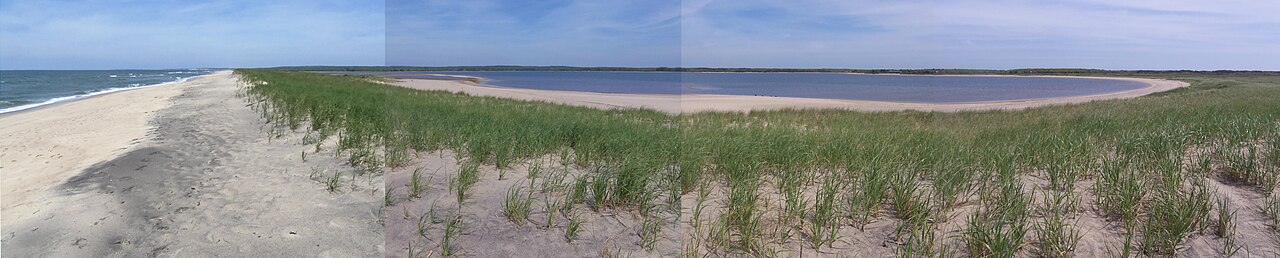
Martha's Vineyard has superb beaches. South Beach (Edgartown) faces the open Atlantic with strong surf and wide sand. Joseph Sylvia State Beach stretches between Oak Bluffs and Edgartown along a calm lagoon — warm water and accessible by bike path. Both are free to access. Bring sun protection and water; there are few concessions. Independently accessible by bike or bus.
Tender Port: Ships anchor offshore and tender to Vineyard Haven or Oak Bluffs. Weather can affect tendering operations.
Depth Soundings
Martha's Vineyard uses US Dollars. Credit cards are accepted at most shops, restaurants, and attractions, but some smaller farm stands, bike rental outfits, and the occasional cash-only lunch counter still exist. ATMs are available in both Oak Bluffs and Vineyard Haven near the tender landings. Prices on the island run high — this is an affluent New England destination, and summer pricing reflects it. A lobster roll runs $18–28, a sit-down lunch for two will cost $50–70, and even a simple ice cream cone is $6–8.
Tipping follows standard US customs: 18–20% at sit-down restaurants, $1–2 per drink at bars, and 15–20% for taxi drivers. Weather can shift quickly — the island sits exposed to the Atlantic, and a sunny morning can turn to fog or drizzle by afternoon. Layers are essential even in summer, and a light rain jacket should be in your daypack. Cell phone coverage is generally reliable in the towns but can be spotty in rural areas near Aquinnah. English is the primary language. The island has a year-round population of roughly seventeen thousand that swells to over one hundred thousand in peak summer, so expect crowds in July and August.
Practical Information
Best Season
Summer (June through August) is peak season — warm temperatures around 22–25 °C (72–77 °F), but extremely crowded and expensive. Fall foliage cruises (late September through October) offer stunning colours, comfortable temperatures of 10–18 °C (50–65 °F), fewer crowds, and lower prices. The hurricane season runs from September through November, though direct hits are rare — tropical storms can still cancel tender operations.
Winter
Winters are cold, with temperatures dropping to -2 °C (28 °F) or below. Most tourist-facing businesses close from November through April. Cruise ships do not visit during winter months.
What to Bring
Comfortable walking shoes, layers, sunscreen, and a light rain jacket. If you plan to cycle, bring or wear clothing suitable for riding. A reusable water bottle is handy — public water fountains are available in both towns.
Photo Gallery
Frequently Asked Questions
Which tender landing is better — Oak Bluffs or Vineyard Haven?
Oak Bluffs puts you steps from the gingerbread cottages and Flying Horses Carousel. Vineyard Haven is a quieter working town with galleries, bookshops, and the Black Dog Tavern. Both work well for a port day; check which one your ship uses before planning your itinerary.
Can I reach Aquinnah Cliffs during a cruise stop?
Aquinnah is about forty-five minutes from Oak Bluffs by bus. If your ship gives you six or more hours ashore, it is feasible. A ship excursion handles the logistics and guarantees return to the tender. The VTA bus costs $7 each way.
Is Martha's Vineyard wheelchair accessible?
Oak Bluffs town centre is mostly flat and paved. The gingerbread cottage lanes are narrow but passable. Beaches and rural paths are less accessible. Tender boats may pose challenges for wheelchair users depending on sea conditions — speak with guest services before the port day.
What is the best season to visit Martha's Vineyard by cruise?
Fall foliage season — late September through October — offers stunning colours, comfortable temperatures around 10–18 °C, and fewer crowds than summer. Summer is warm and lively but very crowded, with higher prices across the island.
Do I need cash on Martha's Vineyard?
Credit cards are accepted at most shops and restaurants. Some smaller vendors, bike rental stands, and farm stands may prefer cash. ATMs are available in both Oak Bluffs and Vineyard Haven near the tender landings.
What should I buy on Martha's Vineyard?
Local specialties include Black Dog merchandise from Vineyard Haven, handmade jewellery, Vineyard-themed clothing, artisan pottery, and locally produced preserves and honey from farm stands. Prices tend to be high — budget $15–40 for a quality souvenir.
Image Credits
Photographs on this page are used under Creative Commons or free-use licenses. Images sourced from Wikimedia Commons, Unsplash, Pexels, Pixabay, and Flickr.
Martha's Vineyard — Port Guide
Last reviewed: February 2026