


 Fort Lauderdale Gateway
Photo: Wikimedia Commons (CC BY-SA)
Captain's Logbook
Port Everglades: South Florida's Cruise Capital
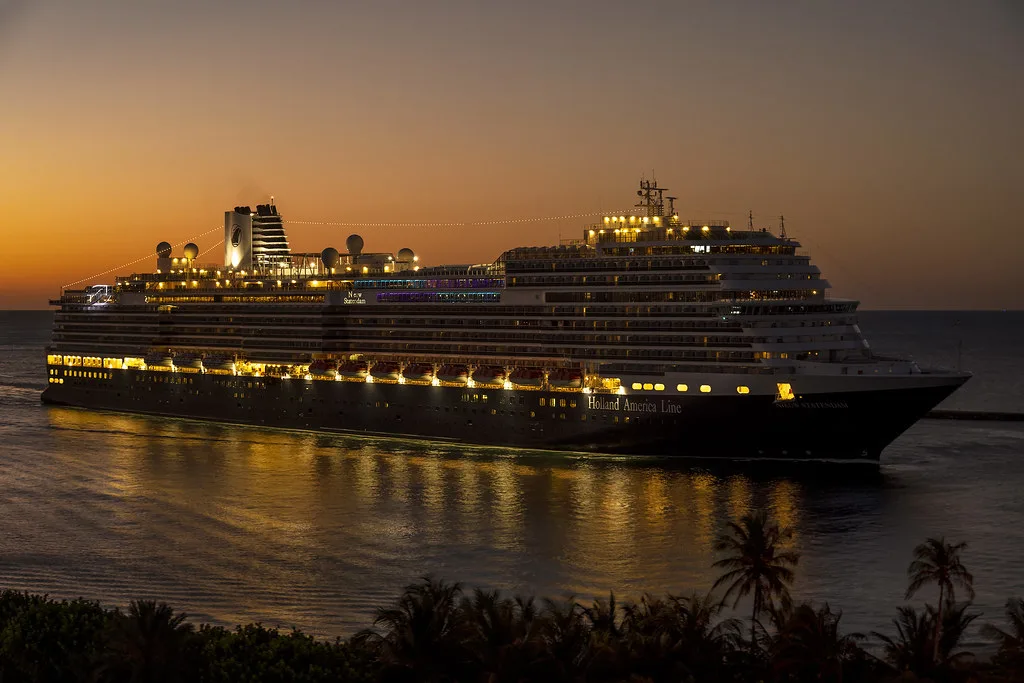
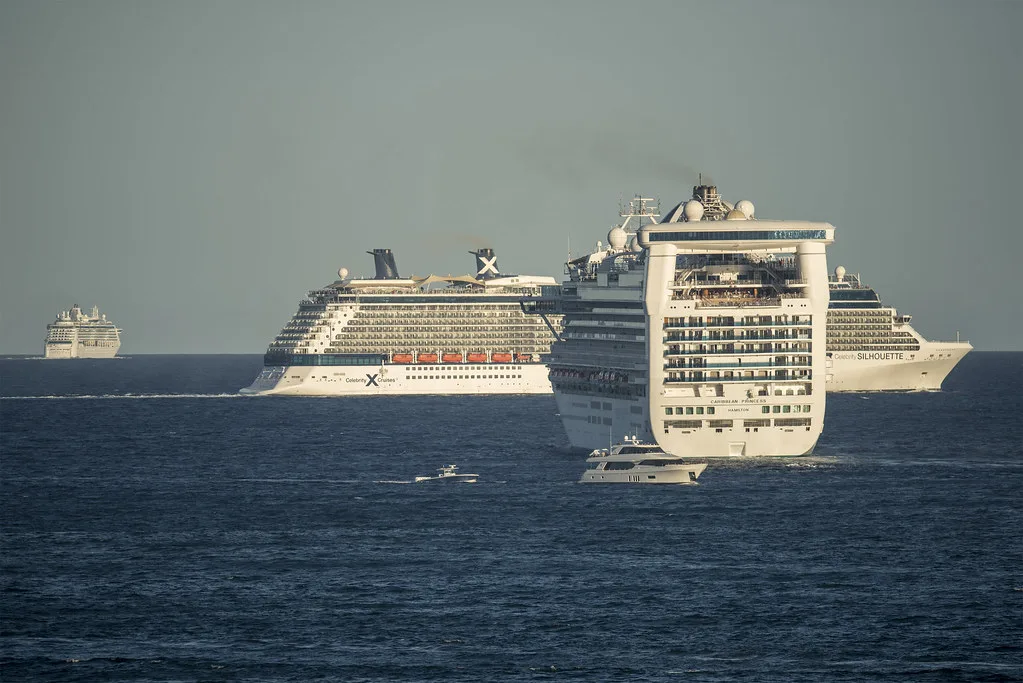
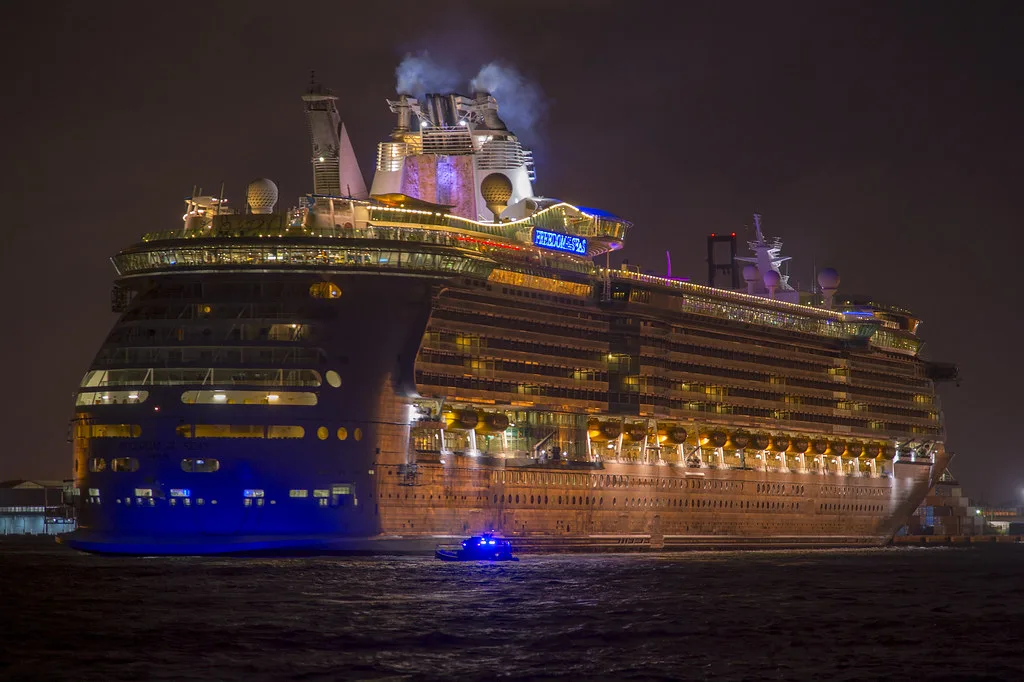
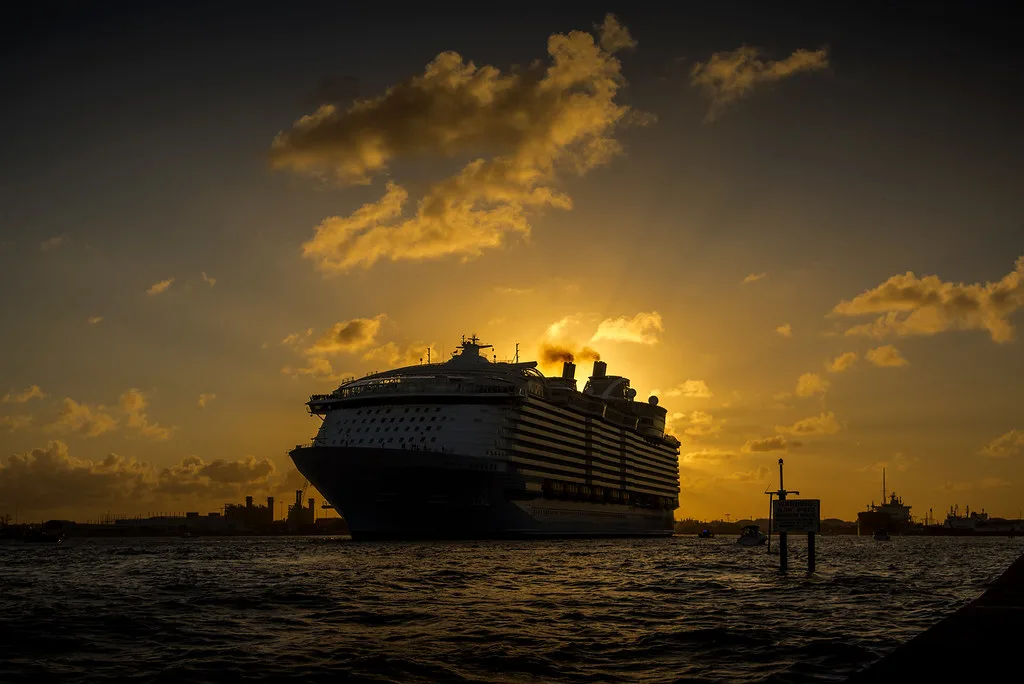
Port Everglades in Fort Lauderdale ranks among the world's busiest cruise ports, serving as homeport to Royal Caribbean's largest ships, Celebrity, Princess, Holland America, and more. The port is remarkably close to Fort Lauderdale-Hollywood International Airport — a major advantage for fly-cruise passengers.
Fort Lauderdale's beaches, Las Olas Boulevard dining, and water taxi system make this an excellent pre- or post-cruise destination. The port's location also provides easy access to Miami and the Florida Keys.
I walked off the ship into a bright Fort Lauderdale morning, the kind where the sky looks almost too blue to be real and the air tastes of salt and sunscreen. The terminal was efficient — no long lines, no confusion — and within fifteen minutes I stood outside in the sun, squinting at the flat South Florida landscape stretching in every direction. Port Everglades does not have the dramatic skyline approach that some ports offer, but there is something appealing about its plainness, its refusal to perform. It is a working port, and I respected that.
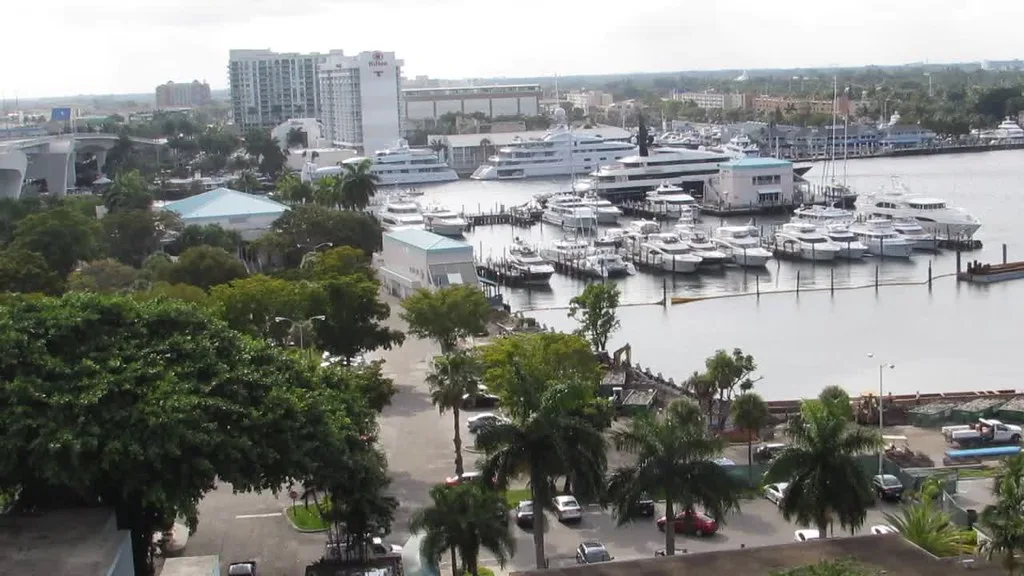
My wife and I caught a taxi to Las Olas Boulevard, and the ride took barely ten minutes. The driver pointed out mega-yachts in the Intracoastal as we crossed the bridge — vessels so large they had their own tenders strapped to the back. Las Olas itself felt like a small-town main street grafted onto a tropical city, lined with boutiques and restaurants shaded by mature banyan trees whose roots hung like curtains from the branches. I ran my hand along one of those roots as we walked past — it was smooth and cool, like touching something ancient and patient.
We walked from Las Olas down to the beach, and the transition happened gradually — the boutiques gave way to surf shops, the banyan trees gave way to coconut palms, and then suddenly there was sand under my shoes and the Atlantic stretched out ahead of me, green and endless. The beach was wide and clean, not crowded at that hour, and I stood at the edge of the water and let the foam wash over my feet. The water was warm — bathtub warm — and I could feel the pull of the current even in the shallows. I watched a pelican fold its wings and drop like a stone into the surf, surfacing a moment later with a fish flashing silver in its bill.
We took the water taxi back toward the port in the afternoon, and that ride turned out to be my favorite part of the day. The boat chugged along the Intracoastal Waterway at a leisurely pace, and I sat in the back and watched the houses slide past — mansions with swimming pools that seemed to pour into the canal, smaller homes with fishing boats tied to wooden docks, an old man standing on his seawall tossing bread to a cluster of ibis. The captain narrated as we went, pointing out where celebrities lived and which homes had survived hurricanes, and his voice had the easy warmth of someone who genuinely loved where he lived. I could smell the salt marsh and the faint sweetness of frangipani from the waterfront gardens.
Looking back, I learned that Port Everglades is not just a departure point — it is a place worth arriving at. Fort Lauderdale surprised me with its layers: the yacht-lined canals and the old man feeding ibis from his seawall, the glossy boutiques of Las Olas and the unhurried pelican diving for its dinner. I expected efficiency and convenience and got those, but I did not expect to be moved. The water taxi taught me something about pace — that the best way to see a place is slowly, from the water, with no particular destination. I carry that afternoon on the Intracoastal the way I carry the best port days: not as photographs but as stillness.
The Cruise Port
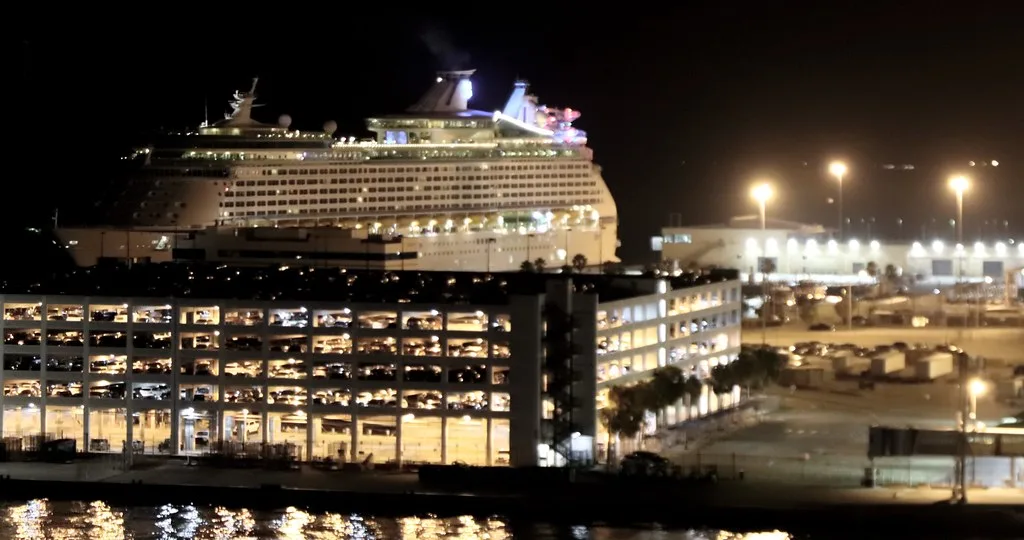
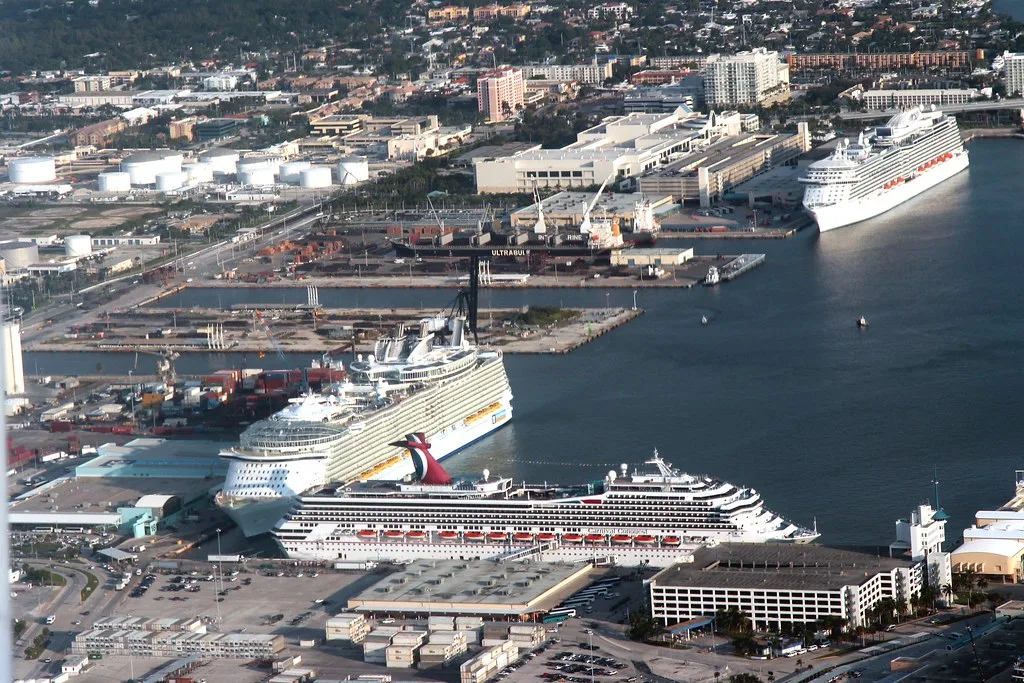
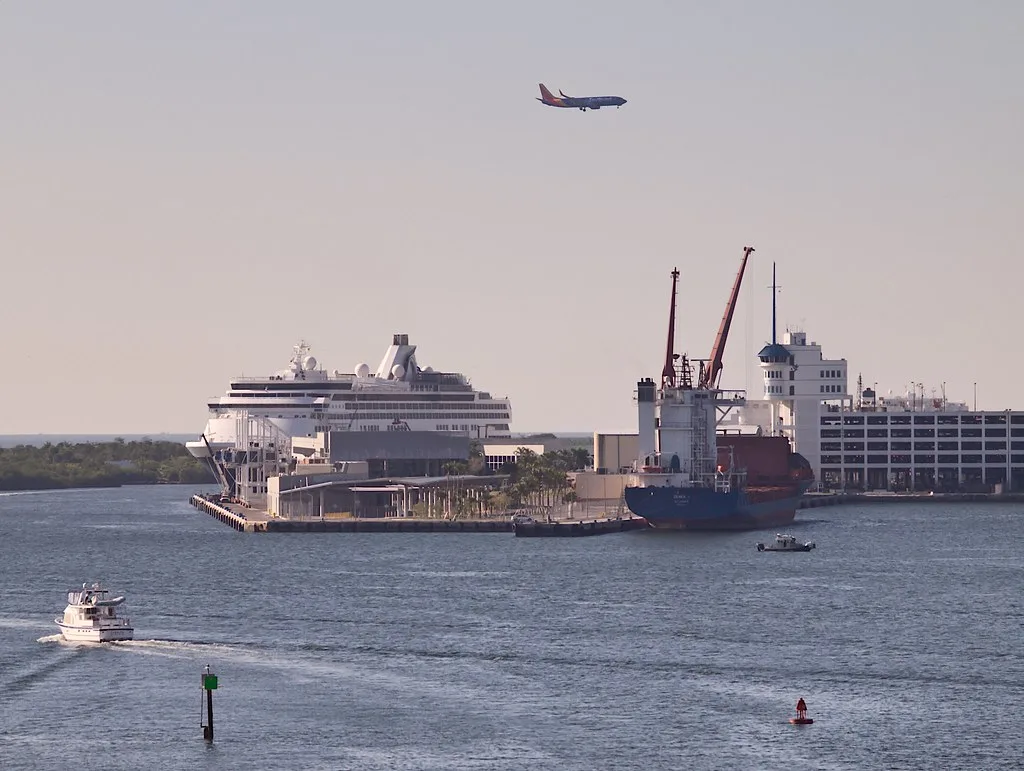
Port Everglades in Fort Lauderdale ranks among the top three cruise ports in the world, handling nearly 4 million passengers annually across 29 terminals spread along Midport, Northport, and Southport areas. The port serves as homeport for Royal Caribbean, Celebrity, Princess, Holland America, and many more. Its greatest advantage is proximity to Fort Lauderdale-Hollywood International Airport (FLL) — just 3 kilometres away, making it one of the shortest airport-to-ship transfers in cruising.
Terminal facilities are modern and air-conditioned, with mobile check-in available from 10:30 AM on sailing day. Baggage porters are available curbside (tip $2-3 per bag). The port is on the Intracoastal Waterway, so you may see mega-yachts and manatees from the terminal windows. The US dollar (USD) is the local currency, and credit cards are accepted virtually everywhere in Fort Lauderdale.
Getting Around
Water taxi: Fort Lauderdale's water taxi is the signature way to explore — hop on and off along the Intracoastal Waterway with an all-day pass for $35. Routes connect the port area to Las Olas Boulevard, Fort Lauderdale Beach, the Galleria, and waterfront restaurants. Boats run approximately every 30 minutes.
Rideshare and taxi: Uber and Lyft are widely available. From the port to Las Olas Boulevard costs $8-12, to Fort Lauderdale Beach about $10-15, and to Sawgrass Mills outlet mall roughly $20-25. Traditional taxis charge similar rates plus a small pickup fee.
Sun Trolley: Fort Lauderdale's free trolley service runs several routes connecting the beach, Las Olas, downtown, and the arts district. The Beach Link and Las Olas Link routes are most useful for cruise passengers exploring on foot.
On foot: The port is not in a pedestrian-friendly area — you will need transport to reach beaches, dining, and attractions. Las Olas Boulevard is about 3 miles north of the terminals.
Mobility note: All cruise terminals are ADA-compliant with level boarding. Fort Lauderdale Beach has wheelchair-accessible boardwalks and beach wheelchair rentals available at lifeguard stations. Water taxis have limited accessibility — call ahead to confirm. Las Olas sidewalks are flat and well-maintained.
Weather & Best Time to Visit
Port Everglades Area Map
Interactive map showing cruise terminals, Las Olas, Fort Lauderdale Beach, and the Intracoastal.
Top Excursions & Attractions
Fort Lauderdale excursions work well independently — the city is easy to navigate with water taxis and rideshare. Ship excursions guarantee return to the vessel for port-of-call stops. Book ahead for Everglades airboat tours during peak season (December-April).
Las Olas Boulevard
Fort Lauderdale's most charming street runs east-west between downtown and the beach, lined with restaurants, boutiques, and galleries shaded by mature banyan trees. A water taxi or $8-12 rideshare from the port gets you there in minutes. Window shopping is free; lunch at one of the boulevard's restaurants runs $15-30 per person. The street is flat, shaded, and wheelchair accessible throughout. No booking needed — simply show up and explore at your own pace.
Fort Lauderdale Beach
The wide, clean beach stretches along A1A with a paved promenade ideal for walking, jogging, or wheelchair access. A rideshare from the port costs $10-15. Beach access is free; chair and umbrella rentals run $20-30 per set. The beachfront restaurants along A1A offer everything from casual fish tacos ($12-15) to upscale dining. The beach is a 10-minute walk from the eastern end of Las Olas — combine both in a half-day outing.
Everglades Airboat Tour
The Florida Everglades begin just 30 minutes west of the port — a unique ecosystem of sawgrass marshes, cypress hammocks, and wildlife including alligators, great blue herons, and the occasional Florida panther. Airboat tours from operators along US-27 cost $30-50 per person for a 1-hour ride. Ship excursions to the Everglades run $80-120 USD and include transport. Independent visitors can take a rideshare ($25-30 each way) to Sawgrass Recreation Park or Everglades Holiday Park. Book ahead during winter high season — tours fill quickly with cruise passengers.
NSU Art Museum & Riverwalk
Fort Lauderdale's contemporary art museum on Las Olas ($12 admission) features rotating exhibitions and a permanent collection strong in pop art and minimalism. The adjacent Riverwalk connects to parks, restaurants, and the Broward Center for Performing Arts along the New River — a pleasant 1.5-mile walk that is flat and wheelchair accessible. The Stranahan House ($15 guided tour), Fort Lauderdale's oldest surviving structure, sits at the river's edge and tells the story of the city's founding.
Hugh Taylor Birch State Park
This 180-acre urban oasis sits between the Intracoastal and the beach — a quiet contrast to the bustle of Fort Lauderdale. Entry is $6 per person on foot. Kayak and canoe rentals ($20-30 per hour) let you paddle through mangrove-lined waterways. The park's beach access offers a less crowded alternative to the main Fort Lauderdale Beach. A 15-minute rideshare from the port.
History & Heritage
Fort Lauderdale's cruise story began in 1927 when the channel to Port Everglades was completed, but the city's history as the "Venice of America" dates to the 1920s when developers dredged the Intracoastal Waterway, creating the network of canals and islands that define the landscape today. The original Fort Lauderdale was established in 1838 during the Second Seminole War, named after Major William Lauderdale.
Port Everglades has grown into one of the top three cruise ports in the world, handling over 3.9 million passengers annually. The port's proximity to the Gulf Stream — just 2 miles offshore — means ships reach deep water quickly, maximizing time at sea.
Depth Soundings Ashore
- FLL Advantage: Fort Lauderdale-Hollywood International is consistently easier to navigate than Miami International — consider flying here even if cruising from PortMiami
- Weather: Hot and humid year-round; afternoon thunderstorms common in summer
- Swimsuit Shopping: Fort Lauderdale's Sawgrass Mills outlet mall (20 min west) is one of the largest in the US
- Afternoon Specials: Las Olas and beach restaurants often have great early evening dining deals
Money: The local currency is US Dollar (USD). ATMs are generally available near the port area, though fees vary. Credit cards are widely accepted at tourist-oriented establishments, but carry some local cash for markets, street food, and smaller vendors. Your ship's exchange rate is typically unfavorable — withdraw from a bank ATM instead.
Timing: Start early if your ship arrives at dawn — the first hours offer pleasant conditions and smaller crowds. Allow at least 30 minutes buffer before all-aboard time. Set a phone alarm as backup.
Safety: Standard port-town awareness applies — keep valuables close and stick to well-traveled areas during daylight. Your ship's ID card is your most important item — losing it creates a genuine headache at the gangway.
Communication: Wi-Fi is often available at cafés and restaurants near the port. Consider downloading offline maps before disembarking — cellular data roaming charges can be substantial and surprising.
Photo Gallery
Frequently Asked Questions
Q: Port Everglades or PortMiami — what's the difference?
A: Port Everglades is in Fort Lauderdale (FLL airport); PortMiami is in Miami (MIA airport). Check your cruise line's embarkation port.
Q: How early should I arrive?
A: 2-3 hours before sailing. Earlier if driving during rush hour.
Q: Is FLL airport really that close?
A: Yes — it's one of the best airport-to-port distances in cruising. Some hotels even offer walk-to-port convenience.
Q: What is the best way to get from FLL airport to Port Everglades?
A: Uber/Lyft costs $10-15 and takes 10-15 minutes. Taxis are also readily available. Some hotels offer free shuttles to both the airport and port.
Q: What is the best time to visit Port Everglades?
A: Cruise season runs November through April — South Florida tropical climate (61-91°F). September is the month to avoid (peak hurricane risk).
Q: Is Port Everglades suitable for passengers with mobility challenges?
A: Accessibility varies by area. The port vicinity and main commercial streets are generally manageable, but older historic districts may feature cobblestones, stairs, and uneven surfaces. Consider booking an accessible ship excursion if you have concerns. The ship's shore excursion desk can advise on specific accessibility options for this port.
Q: Do I need to exchange currency before arriving?
A: The local currency is US Dollar (USD). Most tourist-facing businesses accept major credit cards. ATMs near the port offer competitive exchange rates. Carry some local cash for small purchases, markets, and tips. Avoid exchanging money on the ship — the rates are typically unfavorable compared to local bank ATMs.
Q: Can I explore independently or should I book a ship excursion?
A: Both options work well. Ship excursions guarantee return to the vessel and handle logistics, making them ideal for first-time visitors. Independent exploration costs less and allows more flexibility — just keep track of time and allow a 30-minute buffer before all-aboard. Many passengers combine approaches: an organized morning tour followed by free afternoon exploration.
Q: Does Port Everglades have a hurricane or storm season?
A: Yes — Atlantic hurricane season runs June 1 through November 30, with peak risk in September and October. September is the month to avoid. Trade winds; occasional tropical storms.
Q: What should I pack for Port Everglades's weather?
A: Light breathable clothing. Sunscreen and hat. Rain jacket for wet season. Comfortable walking shoes. Light layers for AC indoors.
Q: Will rain ruin my port day in Port Everglades?
A: Dry November through April; wet season May through October. Cruise season concentrates in the drier November–April window.
Airport & Directions
- From FLL Airport: 10-15 minutes — one of the closest airport-to-port distances anywhere
- From Miami (MIA): 30-45 minutes via I-95
- From Miami Beach: 45-60 minutes depending on traffic
- Uber/Lyft: $10-15 from FLL, $35-50 from MIA
- Brightline: High-speed rail to Fort Lauderdale station, then short taxi/rideshare to port. gobrightline.com
Parking Options
- On-site parking: Midport Parking Garage and surface lots at each terminal
- Cost: $15-20/day for uncovered, $20-22/day for covered
- Off-site: Several private lots along SE 17th Street "cruise corridor" offer lower rates with shuttles
- Reserve ahead: Highly recommended for busy sailing dates — book through porteverglades.net
Nearby Hotels
- Hilton Fort Lauderdale Marina: Steps from Terminal 25, waterfront views — the closest major hotel to the port (0.5 mi)
- Hilton Fort Lauderdale Beach Resort: Oceanfront luxury on the beach with pool and spa
- Renaissance Fort Lauderdale Cruise Port: Connected to Terminal 4
- Hyatt Regency Pier 66: Iconic revolving restaurant, marina views
- W Fort Lauderdale: Beachfront luxury on the beach
- Hampton Inn Fort Lauderdale/Downtown: Budget-friendly with free breakfast, near Las Olas
Before You Board
- Fort Lauderdale Beach: Wide, clean beaches with beachfront promenade ideal for morning walks
- Las Olas Boulevard: Dining, shopping, galleries — the heart of Fort Lauderdale culture
- Water Taxi: Scenic way to explore the "Venice of America" — over 300 miles of waterways
- NSU Art Museum: Contemporary art collection in downtown
- Bonnet House Museum: Historic estate with tropical gardens, art collection, and resident monkeys
- Everglades National Park: UNESCO World Heritage Site — airboat tours through the River of Grass about 30 minutes west. Book through Viator
- Hugh Taylor Birch State Park: 180-acre urban oasis with beach access, kayaking, and nature trails