
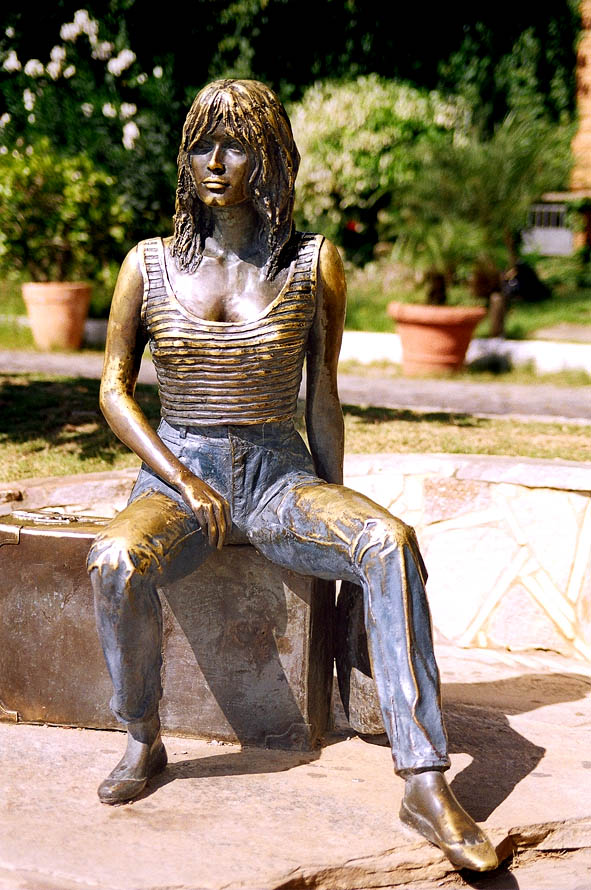
Photo: Wikimedia Commons (CC BY-SA)
Captain's Logbook: Buzios
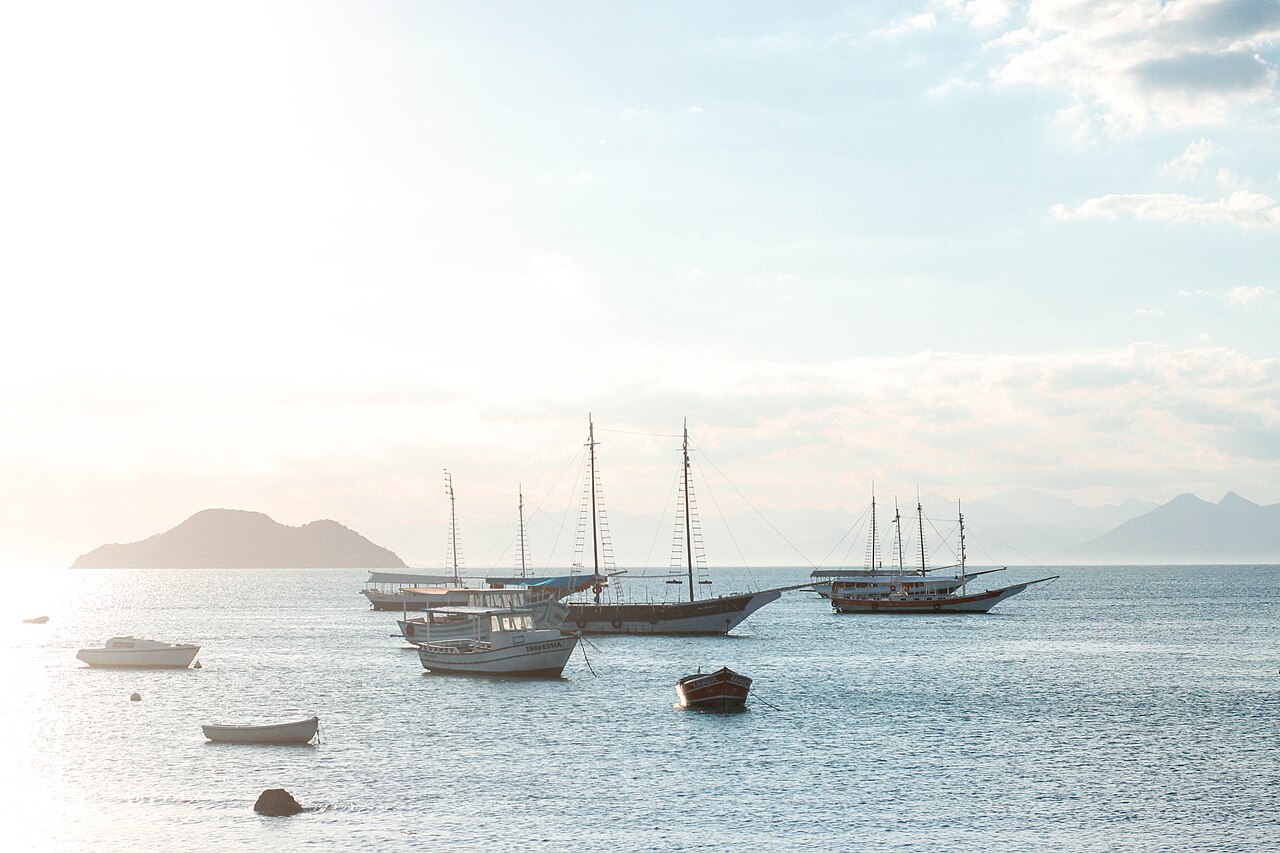
I remember the morning our ship dropped anchor off the Buzios peninsula. The water was so clear I could see the sandy bottom from the top deck, and the green hillsides rising behind the white sand looked like something from a painting I had once admired but never expected to step inside. My hands gripped the railing as the tender carried us toward shore, the warm salt breeze pressing against my face, and I felt that familiar tightness in my chest that comes whenever I arrive somewhere genuinely beautiful — not the manufactured beauty of a resort brochure, but the raw, unpolished kind that makes you catch your breath.
We stepped off the tender at Praia dos Ossos, and immediately I noticed how small and intimate the town felt. There were no massive cruise terminal buildings, no gauntlet of souvenir hawkers, just a quiet pier and a handful of fishing boats rocking in the shallow water. The scent of salt air mixed with grilled seafood drifted from somewhere nearby. I had read about how Brigitte Bardot arrived here in 1964 with her Brazilian boyfriend and put this sleepy fishing village on the global map, but standing there on the pier I could see traces of the old village still peeking through the glamour — weathered wooden boats, fishermen mending nets by hand, a stray dog sleeping peacefully in a patch of shade.
My wife and I walked the cobblestoned Rua das Pedras, the main pedestrian street lined with boutiques selling Brazilian fashion and handmade jewelry. The stones were smooth underfoot, worn by decades of flip-flops and bare feet. We ducked into a small gallery where a local artist was painting seascapes in blues so vivid they seemed to glow. She told us she had moved here from Sao Paulo twenty years ago and never looked back. I understood why. However, I also noticed that the prices on Rua das Pedras were steeper than I expected — a simple beaded bracelet was R$80 (about $16 USD), and the restaurants along the strip charged tourist-level prices for what locals would pay half as much for a few streets inland.
We rented a taxi boat for the morning — R$100 per person for a half-day beach-hopping tour, which felt like good value given what we experienced. The boat captain, a weathered man named Carlos who spoke a rough but warm English, took us first to Praia Azeda, where the water was an impossible shade of turquoise. I slipped off the boat into water so warm it felt like a bath, and the salt stung my eyes as I floated on my back watching frigate birds circle overhead. The sound of small waves lapping against the rocky shore was the only noise. My wife swam beside me, and for a long while neither of us spoke. We did not need to. Despite the language barrier, Carlos pointed out a sea turtle gliding through the shallows near a rocky outcropping, and I watched it move with a grace that made me feel clumsy by comparison.
From Azeda, Carlos took us to Joao Fernandes, the beach everyone recommends, and I understood why. The snorkeling was excellent — colorful fish darting around submerged rocks, visibility stretching fifteen or twenty feet in every direction. Beach chairs were available for rent at R$30-50, and vendors walked the sand selling cold coconut water for R$8 and grilled shrimp skewers for R$15. I bought two skewers and a coconut and sat under a rented umbrella, tasting the sweet, smoky flavor of the shrimp while watching the turquoise water catch the midday sun. The taste of lime and sea salt lingered on my lips.
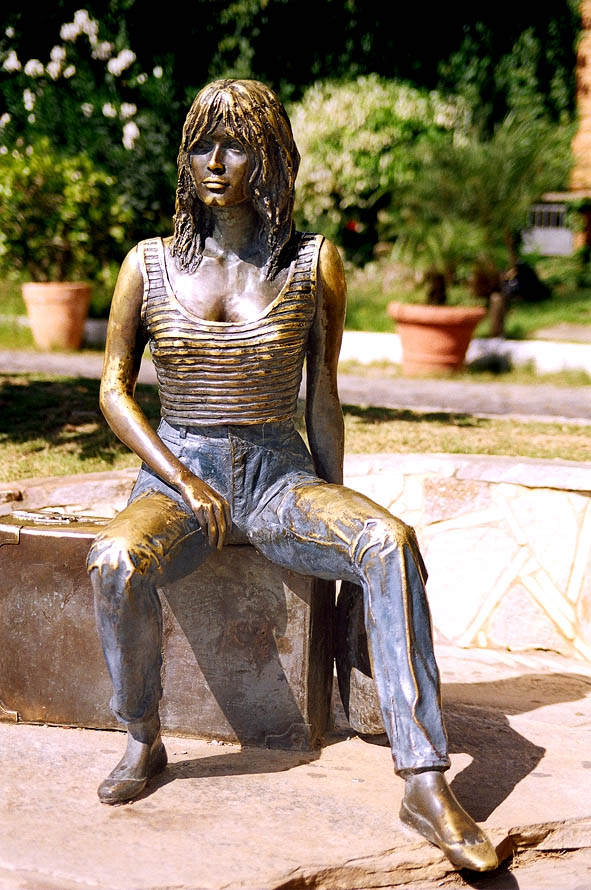
But the moment that truly stays with me happened later that afternoon, back near town. We had wandered down to the Orla Bardot, the waterfront boardwalk with its bronze statue of Brigitte Bardot sitting casually on a bench. A Brazilian grandmother was sitting on the real bench beside the statue, holding a small child on her lap and singing softly in Portuguese. The child was laughing, reaching for the statue's bronze hand, and the grandmother was smiling with a tenderness that transcended every language I have ever known. I stood there watching them, and something shifted inside me. My eyes filled with tears, though I could not explain exactly why. Perhaps it was the contrast between the glamour Bardot had brought to this place and the simple, unguarded love of that grandmother. Perhaps it was the reminder that the most beautiful things in any port are never the ones in the guidebook. My wife squeezed my hand, and we stood together in quiet grace for a moment before walking on.
On the walk back to the tender, we passed a small church overlooking the bay. The late afternoon light was turning the water to gold, and a fisherman was hauling his boat up the beach with the help of his two sons. I thought about Carlos, the taxi boat captain, and the grandmother singing to her grandchild, and the artist who had abandoned the city for a life painting the sea. None of them were famous. None of them were in any travel guide. Yet they were Buzios as much as Bardot ever was — more so, perhaps. I finally understood that this peninsula is not glamorous because a French actress once visited. It is beautiful because ordinary people have chosen to build their lives here, between the green hills and the turquoise water, generation after generation.
Looking back, Buzios taught me something I carry with me still. I learned that the worth of a place is not measured by its celebrity connections or its Instagram appeal, but by the texture of the daily lives lived there — the fisherman mending nets, the grandmother singing, the painter who followed the light to this coast and never left. The lesson Buzios gave me is one of gratitude: for the people who share their home with passing strangers, for the water that holds you weightless and warm, for the moments when language fails and beauty speaks instead. I am grateful we anchored here, and I hope we will return.
Weather & Best Time to Visit
The Cruise Port
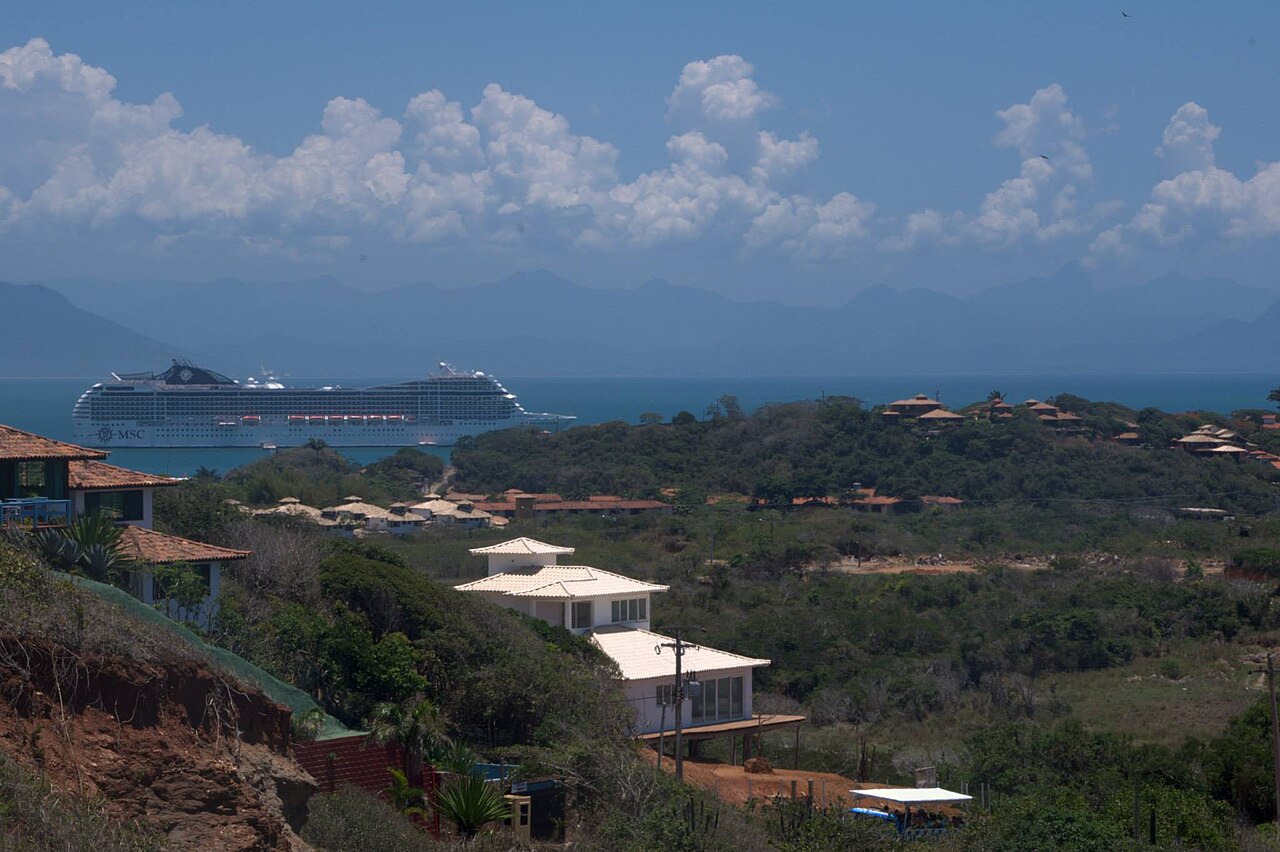
Cruise ships anchor in the bay near Armacao dos Buzios, the main town on the peninsula. This is a tender port, so passengers board small boats from the ship and ride about ten minutes to shore. Tenders typically land at Praia dos Ossos or Praia da Armacao, both within easy walking distance of the town center and main attractions. The tender process is generally smooth, though waits can extend to 20-30 minutes on busy multi-ship days.
The town is compact and walkable from the tender landing. There is no formal cruise terminal building — you simply step off the tender onto the pier and walk into town. Basic facilities including restrooms, a small tourist information point, and taxi stands are available near the landing areas. ATMs dispensing Brazilian Reais (BRL) can be found along Rua das Pedras and in the town center. Cards are accepted at most shops and restaurants, but cash is essential for beach vendors, taxi boats, and smaller establishments. Budget R$50-100 per person for a basic beach day including transport and food.
Getting Around
The central area of Buzios — Rua das Pedras, the waterfront promenade, and the nearest beaches — is entirely walkable from the tender landing. Most visitors can explore the town center on foot within 15-20 minutes. The cobblestone streets are charming but can be uneven, so wear comfortable shoes with good grip. For visitors with mobility challenges, the town center is mostly flat, though some side streets have slopes. Wheelchair users will find Rua das Pedras and the Orla Bardot boardwalk the most accessible areas, though cobblestones can make navigation difficult.
For beaches beyond walking distance, taxi boats (called escunas locally) are the preferred way to travel. These operate from the main pier and offer both point-to-point rides (R$20-30 one-way to popular beaches) and half-day beach-hopping tours (R$50-100 per person) that visit three or four beaches. Negotiate the price and itinerary before boarding. Land taxis are also available near the tender landing, with typical fares of R$30-60 to farther beaches like Geriba or Ferradura. Agree on the fare before departing, as meters are uncommon.
A few local minibus routes connect the beaches along the peninsula for R$5-8 per ride, though schedules are irregular and signage is in Portuguese only. For most cruise visitors with limited time, taxi boats offer the best value and experience. Rental cars are impractical for a port day — parking is scarce and roads are narrow. If you plan to walk extensively, a low-energy option is to simply explore the town center and nearby Praia da Armacao, which requires minimal walking and offers a pleasant half-day without any transport costs at all.
Port Map
Top Excursions
Booking guidance: Ship excursion packages offer guaranteed return to the vessel and organized logistics, which matters at a tender port where weather can occasionally delay tender service. Independent operators typically charge 30-50% less. Book ahead for popular beach-hopping tours during peak season (December through March), as taxi boats fill quickly when multiple ships are in port.
Beach-Hopping Taxi Boat Tour
The signature Buzios experience. Half-day taxi boat tours (R$50-100 per person, roughly $10-20 USD) visit three to four beaches including Azeda, Joao Fernandes, and Tartaruga. Boats depart from the main pier near the tender landing. You can book independently at the pier — simply walk up and negotiate with boat operators — or reserve through your ship excursion desk for a guaranteed return time. Most tours include about 30-45 minutes at each beach. Bring cash for beach chair rentals (R$30-50) and snacks from vendors. This is a moderate-energy activity suitable for most fitness levels.
Joao Fernandes Beach Day
If you prefer one beach done well rather than hopping between several, Joao Fernandes is the top choice. Calm turquoise water, good snorkeling near the rocky edges, beach chair and umbrella rentals (R$30-50 for the day), and vendors selling coconut water (R$8), grilled shrimp (R$15-25), and cold drinks. Reach it by taxi boat (R$20-30 one-way, about 10 minutes) or by land taxi (R$25-35). The snorkeling here is the best near town — colorful tropical fish are visible in waist-deep water. A relaxed, low-energy option for families and those who want beach time without rushing.
Rua das Pedras Shopping & Walking Tour
The cobblestoned main street is lined with boutiques, art galleries, and restaurants. Brazilian fashion, handmade jewelry (R$40-200), and local artwork make good souvenirs. The street is a 5-minute walk from the tender landing, making this the easiest and most budget-friendly excursion — no transport costs required. Continue along the Orla Bardot waterfront boardwalk to see the Brigitte Bardot statue and enjoy ocean views. Allow 1-2 hours for a leisurely exploration. This is a low-energy, accessible option for visitors who prefer walking and shopping over beach activities.
Schooner Cruise Around the Peninsula
Larger schooner boats offer full-day sailing tours around the entire Buzios peninsula for R$80-150 per person. These typically include stops at three to five beaches, snorkeling gear, and sometimes a simple lunch of fresh fish. This excursion can also be booked as a ship excursion through your cruise line for peace of mind on timing. Independently, you can find schooner operators at the main pier. The full circuit takes 4-5 hours, so plan accordingly if your ship has an early departure. A good option for groups who want the sailing experience along with beach time.
Surfing at Praia de Geriba
Buzios's longest beach draws surfers from across Brazil. Located on the east coast of the peninsula, about 15 minutes by land taxi (R$40-60), Geriba has consistent waves and a laid-back surf culture. Board rentals run R$40-60 for a half-day, and surf lessons are available for R$100-150 per hour. This is a high-energy activity suited for confident swimmers. The beach also works for spectators — the sand is wide, vendors sell food and drinks, and the surfer scene is entertaining to watch.
Tender Port: Ships anchor in the bay and tender to the main pier at Praia dos Ossos or Praia da Armacao.
Depth Soundings
The honest assessment of Buzios is that it rewards planning but punishes overambition. With 23 beaches spread across the peninsula, the temptation is to see as many as possible. Resist it. Pick two or three and linger. You will remember the taste of a grilled shrimp skewer eaten on warm sand far longer than a frantic dash between six beaches with ten minutes at each.
The tender situation deserves respect. Weather and sea conditions can occasionally delay tender service, and being stranded ashore while your ship sails is a real concern — not a common one, but real enough to factor into your planning. Give yourself at least 60 minutes of buffer before the last tender. This is worth the peace of mind.
Budget-wise, Buzios is a genuine value compared to many Caribbean ports. A full day including taxi boat tour, beach chairs, lunch, and drinks can run R$200-300 per person (roughly $40-60 USD). That is a fraction of what a similar day would cost in the US Virgin Islands or Bermuda. Bring Brazilian Reais in cash — the exchange rate at beach vendors accepting dollars is always unfavorable. The town ATMs work reliably with international cards.
One more thing: the east coast beaches (Geriba, Brava) have noticeably stronger currents than the west coast (Joao Fernandes, Tartaruga, Ferradura). If you are not a strong swimmer, stay on the western side of the peninsula. The water is calmer, warmer, and better for snorkeling there anyway.
Photo Gallery
Frequently Asked Questions
How do cruise ships arrive in Buzios?
Buzios is a tender port. Ships anchor in the bay and passengers ride small boats to the pier at Praia dos Ossos or Praia da Armacao. The tender ride takes about ten minutes. Both landing points are within walking distance of the town center and Rua das Pedras.
Which beach is best for cruise visitors with limited time?
Joao Fernandes combines calm water, good snorkeling, beach chair rentals (R$30-50), and easy access by taxi boat in about ten minutes. For walking distance only, Praia da Armacao is right at the tender landing.
Is Buzios safe for cruise passengers?
Buzios is considerably safer than Rio de Janeiro. Use normal precautions: avoid leaving valuables unattended on beaches, carry only the cash you need, and stay aware of your surroundings in crowded areas.
What currency do I need in Buzios?
Brazilian Real (BRL). Some shops accept US dollars but at poor rates. ATMs are available in town. Bring cash for beach vendors and taxi boats. Cards work at most restaurants and established shops on Rua das Pedras.
Can I walk to attractions from the tender pier?
Yes. Rua das Pedras is a 5-minute walk, the Brigitte Bardot statue about 8 minutes, and Praia da Armacao just 3 minutes. Farther beaches require taxi boats or land taxis for R$20-60 depending on distance.
What accessibility options exist in Buzios?
The town center and Rua das Pedras are mostly flat cobblestone. Wheelchair users may find uneven surfaces challenging. Praia da Armacao is the most accessible beach from the pier. Taxi boats vary in accessibility.
When is the best time to visit Búzios?
The seasonal panel above lists Peak Season as "Apr, May, Jun, Jul, Aug, Sep, Oct" — the cooler, drier Brazilian autumn-through-early-spring window when cruise ships call most often. The austral summer (Dec-Feb) is hot, humid, and brings the heaviest afternoon thunderstorms. The live weather widget in the seasonal panel above is the primary source for short-term conditions on a specific sailing date.
When is Búzios's storm season?
The Weather Hazards panel above labels Búzios's heavy-weather window "Summer Storms & Sea Conditions" with "Season: Nov – Mar (austral summer)" and "Peak risk: Dec, Jan, Feb." The hazard-note explains: "Búzios sits at ~22°S on Brazil's Costa do Sol — south of the main South Atlantic cyclone basin (very rare in this part of the South Atlantic), but summer brings heavy afternoon thunderstorms and rougher seas from southeast swells. Tender operations and beach excursions can shift on storm days." The live weather widget in the seasonal panel above is the primary source for current conditions on a specific sailing date.
What should I pack for Búzios weather?
The Packing Tips section in the seasonal panel above lists light beach clothing, sunscreen, comfortable sandals and walking shoes, a windbreaker for breezy evenings, and swimwear for multiple beaches. Búzios is a beach-and-tender port — quick-drying clothes and water shoes are useful for the tender landing at Praia dos Ossos or Praia da Armacao, and the Rua das Pedras cobblestones reward sturdy walking soles.
Will rain ruin my Búzios port day?
Brazilian summer afternoon storms (Dec-Feb) tend to arrive as fast 30-60 minute downpours rather than all-day rain, and the morning hours are often clear. Beach umbrellas at Joao Fernandes and Praia da Armacao offer some shelter; Rua das Pedras shops and restaurants are an indoor refuge if a system lingers. Outside the summer window, Búzios is generally dry. The live weather widget in the seasonal panel above is the primary source for short-term forecasts on a specific sailing date.
Last reviewed: February 2026