
Photo: Pexels (CC0)
Last reviewed: February 2026
My Visit to Santos
I stepped off the ship in Santos into air thick with humidity and the faint smell of salt mixed with earth—a scent I later learned was roasting coffee, lingering like a ghost from the days when this port shipped more of the world's beans than anywhere else. My shoes met warm concrete as I walked down the gangway, and I could already hear the distant rumble of container cranes mixed with the cry of seabirds wheeling above the harbor. Santos sits quietly on Brazil's southeastern coast, just 80 kilometers from São Paulo's sprawling metropolis, yet it maintains its own rhythm, slower and more deliberate than its inland neighbor.
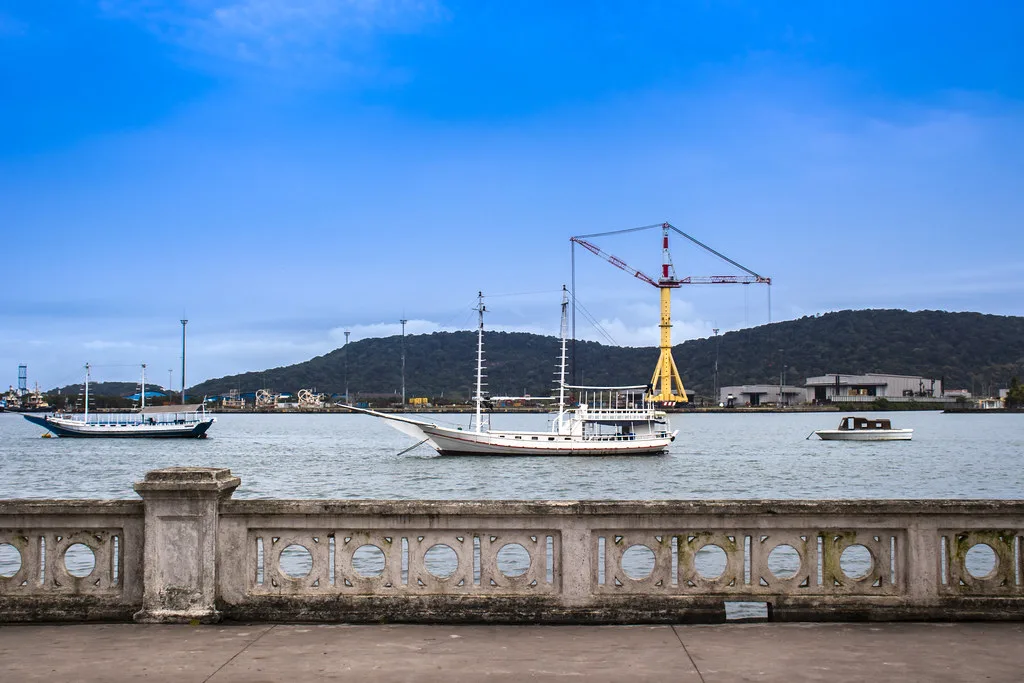
The city stretches along a wide bay, protected from the Atlantic by a curve of green mountains. What struck me first was the scale—Brazil's largest port handles massive container ships and cruise vessels with equal efficiency. Yet despite the industrial muscle, Santos retains a resort-town charm along its beachfront, where an eight-kilometer garden runs the entire length of the bay, certified by Guinness as the world's longest beachfront garden. I watched elderly couples strolling arm in arm along the mosaic pathways while joggers wove past them, and I felt something shift inside me—a quiet recognition that beauty and industry can coexist, that a city can work hard and still know how to breathe.
Walking through the historic center, I found myself surrounded by Belle Époque architecture—grand mansions built by coffee barons who made fortunes during the 19th and early 20th centuries, when Brazil controlled the global coffee trade. These ornate buildings now house museums, cafes, and cultural centers, their facades telling stories of wealth built on beans carried down from São Paulo's highlands to Santos' docks. I ran my hand along a wrought-iron railing warm from the sun, feeling the texture of a century-old craft beneath my fingertips. However, not all the buildings have survived—some facades crumble at the edges, reminders that preservation is an ongoing battle here.
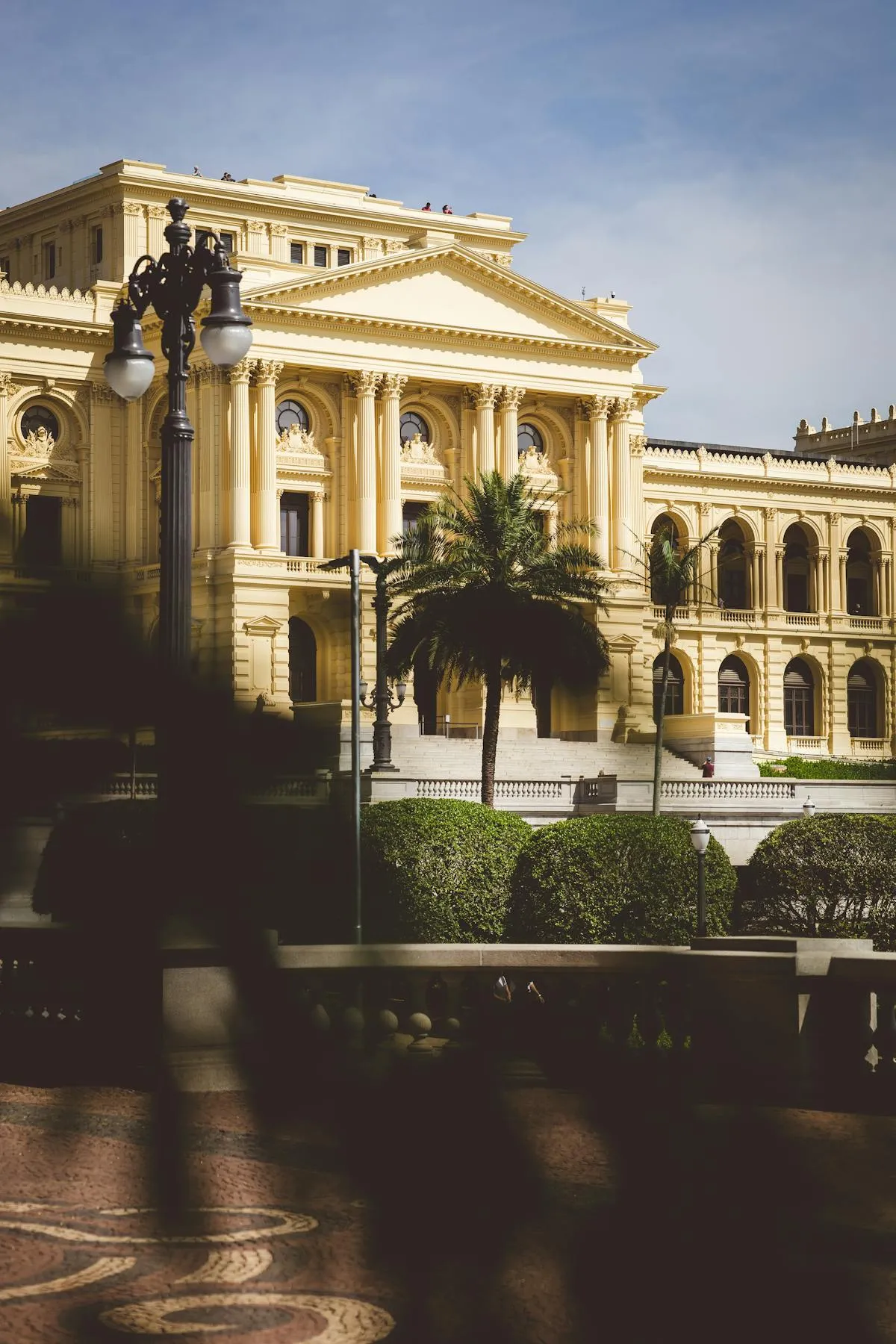
My wife and I ducked into the Coffee Museum just as a sudden tropical rain began hammering the cobblestones outside. Inside the former Coffee Exchange, I looked up at the stained glass ceiling and marble columns, trying to imagine the frantic energy of brokers shouting bids while fortunes changed hands. The aroma of freshly ground coffee from the museum cafe drifted through the exhibition halls, and I tasted my first proper Santos espresso—dark, smooth, with a slight bitterness that gave way to chocolate notes. It cost only $3, but it was worth every centavo.
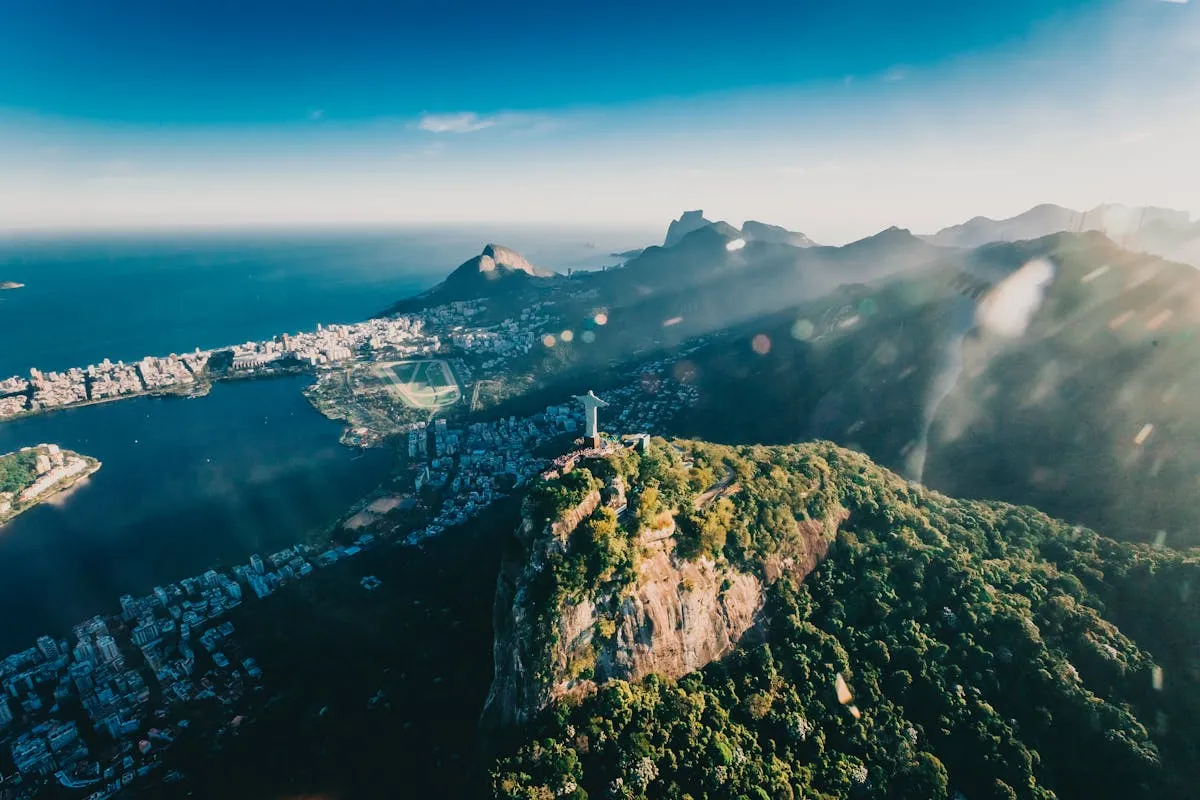
Santos operates on Brazilian time, which means lunch stretches into afternoon, dinner doesn't begin until after 8 PM, and the beach culture dominates weekends. Locals call the city "The Garden City by the Sea," and once you've walked along the Jardim da Orla—that impossibly long beachfront park with its wave-pattern mosaics—you understand why. Palm trees arch over walking paths, elderly residents play cards at outdoor tables, and joggers circle the bay while the sun sets behind the mountains. The warm breeze carried the sweet scent of tropical flowers as we walked, and I noticed how the golden light softened the hard edges of the apartment towers lining the beach road.
The tropical climate makes Santos warm year-round, though summer brings heat that can feel oppressive by midday. I found shade under the mango trees in the historic district and learned to move at a pace that respected the temperature. Air-conditioned museums become strategic stops, not just cultural ones. Despite the heat, the cool ocean breeze along the beachfront made our afternoon walk surprisingly pleasant. Still, I was grateful for the cold coconut water my wife bought from a beach vendor for $2—it was the most refreshing thing I tasted all day.
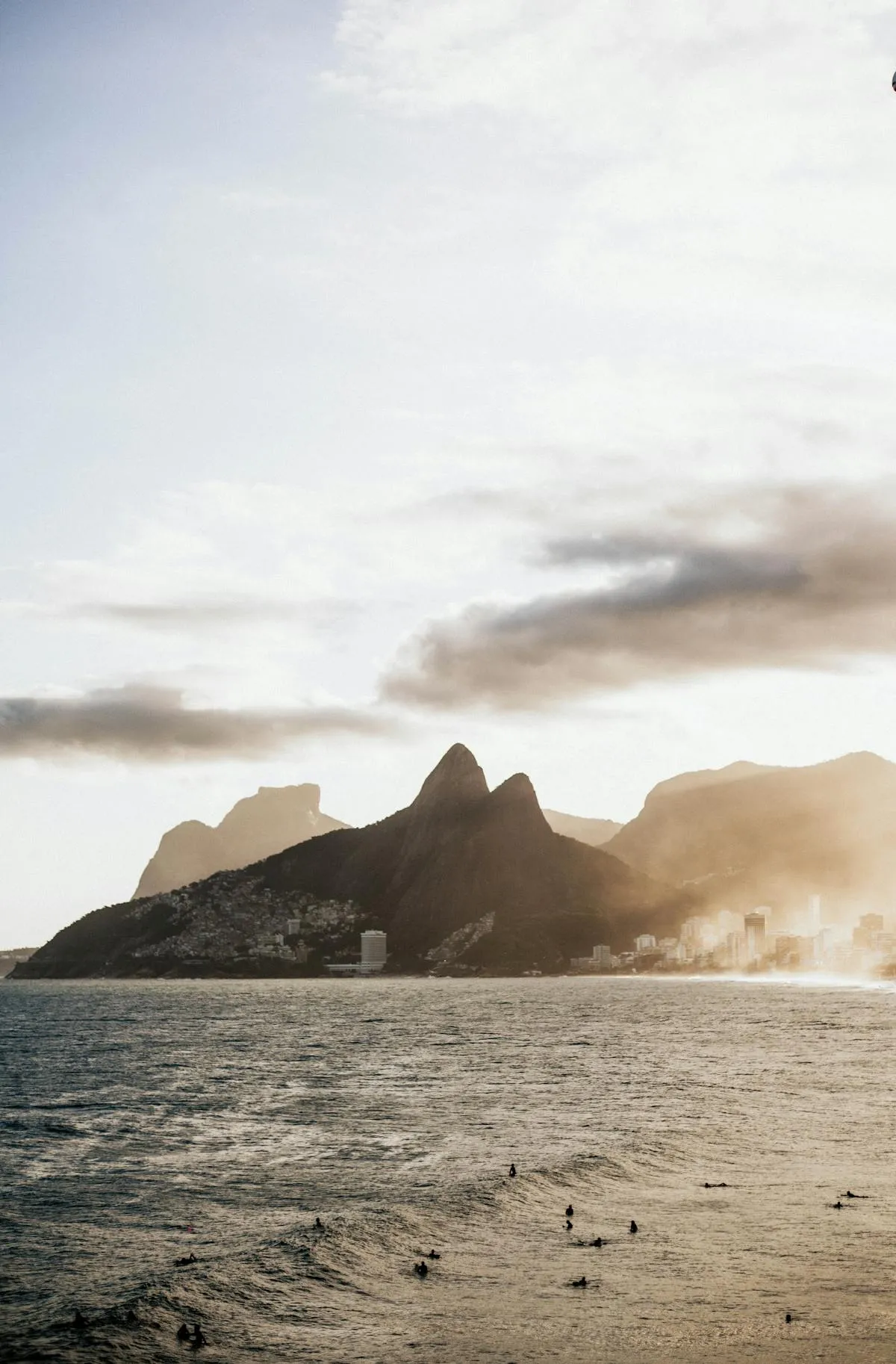
What surprised me was how Santos balances its industrial purpose with genuine beauty. Yes, the port dominates the economy—container cranes line the horizon in one direction—but in the other, you see beaches, gardens, and a city that hasn't forgotten how to enjoy coastal living. Although the cruise terminal sits near the commercial docks, you can walk to the charming historic center in minutes. This duality makes Santos fascinating: a working port that also knows how to rest.
Looking back on our day in Santos, I realized that the most meaningful travel moments often come not from grand monuments or famous attractions, but from the quiet spaces between them. I learned that a city built on coffee and commerce can still teach you to slow down, to savor a single espresso in a marble hall, and to feel the invisible threads that connect our working lives across centuries and oceans. What matters is not how far we sail, but how deeply we allow each port to change us—even if only by a few degrees.
The Cruise Port
Cruise Terminal Location: Ships dock at the Santos Cruise Terminal (Terminal Marítimo de Passageiros Giusfredo Santini) in the Valongo neighborhood, right at the edge of the historic center. You're within a 10-minute walk of the Coffee Museum and downtown attractions. The terminal is wheelchair accessible with ramps and accessible restrooms on the ground level. Some larger vessels may dock at the commercial port facilities nearby, which requires a short taxi ride (about $5) to the historic center.
Distance to São Paulo: The city of São Paulo lies approximately 80 kilometers (50 miles) inland, roughly 1.5 hours by car or bus under normal traffic conditions. The fare for a bus to São Paulo costs approximately $15 each way. Many cruise visitors treat Santos as a gateway to Brazil's largest city, though Santos itself offers enough to fill a port day without venturing inland.
Currency: Brazilian Real (BRL). U.S. dollars are occasionally accepted at tourist-oriented shops and excursion operators, but expect unfavorable exchange rates. ATMs are widely available downtown. Credit cards work at most restaurants and shops, though smaller vendors prefer cash.
Language: Portuguese is the official language. English proficiency is limited outside tourist areas and major hotels. Learning basic Portuguese phrases goes a long way. Tourist information staff at the terminal usually speak some English.
Accessibility: The terminal building itself is accessible for visitors with mobility challenges. The historic center has some cobblestone streets which may be difficult for wheelchair users, but the beachfront promenade is flat and fully accessible with smooth paved paths.
Getting Around
Walking: The historic center and waterfront areas are compact and walkable. From the cruise terminal, you can reach the Coffee Museum in 5-10 minutes on foot, and the beachfront in 15-20 minutes. Santos is relatively flat near the water, making walking easier than in hillier Brazilian coastal cities. This is a low-walking-effort area suitable for moderate activity levels. Heat and humidity can be challenging during summer—plan walking for morning or late afternoon.
Taxis: White taxis with red roofs are the official city cabs. They use meters and are reliable. Expect to pay a fare of $8-$12 from the cruise terminal to the beachfront areas or Pelé Museum. Confirm the driver will use the meter before starting. Tipping is not required but rounding up is appreciated. Taxi stands are located at the terminal and major attractions.
Ride-Sharing: Uber and 99 (Brazil's local ride-sharing app) operate in Santos. The cost is often slightly cheaper than taxis. You will need a Brazilian SIM card or working international data plan to use these apps effectively. Uber is widely accepted and avoids language barriers since the app handles destination and payment.
Public Buses: Santos has an extensive bus network connecting neighborhoods and beaches. The price per ride is about $1.20 (4.50 BRL), but routes can be confusing for visitors. Buses accept cash only—exact change helpful. The beachfront bus route runs along the Avenida da Praia, convenient for reaching different beach neighborhoods. Buses can be crowded during rush hours.
Tram (VLT): A modern tram line connects the cruise terminal area with the beachfront, running along Avenida Conselheiro Nébias. It is clean, air-conditioned, and easy to use. Single tickets cost about $1 (3.80 BRL). Stations have ticket machines with Portuguese and English options. The tram provides a comfortable alternative to walking or taxis for reaching Gonzaga Beach.
To São Paulo: If venturing to São Paulo independently, buses depart from Santos' main bus terminal with service to São Paulo's Tietê bus station. Journey takes 1.5-2 hours depending on traffic. The highway climbs through coastal mountains with impressive views. Factor in traffic—São Paulo traffic can add significant time to any journey. A guaranteed return bus is essential if you plan to go independently; confirm the last departure time before heading inland.
Santos Port Map
Interactive map showing the cruise terminal, Coffee Museum, beachfront gardens, and key attractions mentioned in this guide. Click markers for details and directions.
Excursions & Activities
Santos can be explored either through a ship excursion or on your own as an independent explorer. If you prefer a guided experience, the ship excursion packages typically include the Coffee Museum and a drive along the beachfront with guaranteed return to the ship before departure. For those who want more freedom, going independent in Santos is straightforward since the terminal is within walking distance of major sights. We recommend you book ahead for any São Paulo day trips, as travel time is significant and scheduling matters.
Coffee Museum (Museu do Café)
Housed in the former Coffee Exchange building, this museum tells the story of Brazil's coffee industry through the very building where fortunes were made and lost. The neo-classical structure features soaring ceilings, Italian marble, and stunning stained glass panels depicting coffee cultivation. The ground-floor cafe serves excellent Brazilian coffee. Located at Rua XV de Novembro, a short walk from the cruise terminal. Allow 1-2 hours. Admission costs about $3 (10 BRL). Closed Mondays. This is a low-walking option ideal for visitors with mobility needs.
Beachfront Gardens (Jardim da Orla)
This eight-kilometer garden along Gonzaga Beach holds the world record for longest beachfront garden. The promenade features wave-pattern mosaics designed by landscape architect Roberto Burle Marx. Walking or cycling the length takes you past palm groves, outdoor exercise stations, playgrounds, and beach kiosks selling coconut water for about $2 and açaí bowls for $4. Early morning or late afternoon offers the best light for photos and comfortable temperatures for walking. This is a moderate walking activity—you can stroll as little or as much as you like.
Monte Serrat Funicular & Chapel
Since 1927, this vintage funicular railway has climbed Monte Serrat hill to a 16th-century chapel dedicated to Nossa Senhora de Monte Serrat. The five-minute ride gains 150 meters of elevation, revealing panoramic views of the port, city, and bay. The funicular fare is approximately $2 (7 BRL) round-trip. At the summit, the white chapel stands as one of Brazil's oldest religious sites. Vendors sell snacks and drinks at the top. The funicular station sits in the historic center at Avenida Bartolomeu de Gusmão.
Pelé Museum (Museu Pelé)
Dedicated to Brazil's most famous footballer, this museum chronicles Pelé's career through photos, memorabilia, and interactive exhibits. The admission price is about $3 (10 BRL). Even if you are not a football enthusiast, the exhibits provide insight into Brazilian sports culture. Allow 1-1.5 hours. Located about 15 minutes walk from the cruise terminal, or a short taxi ride. Closed Mondays.
Aquarium of Santos (Aquário de Santos)
Brazil's first public aquarium features marine life from Brazilian waters and beyond. Entrance fee costs around $12 (40 BRL) for adults, less for children. Located near the beachfront in the Ponta da Praia neighborhood, about 20 minutes by taxi from the cruise terminal. Allow 1.5-2 hours. The aquarium is fully wheelchair accessible with ramps throughout the exhibits.
Local Food & Drink
Seafood: Coastal location means fresh fish and seafood dominate local menus. Look for moqueca (Brazilian fish stew with coconut milk and dendê oil), camarão (shrimp) served grilled or in pasta, and fresh oysters from the bay. Beachfront kiosks serve casual seafood plates with cold beer.
Coffee Culture: Given Santos' history, coffee is taken seriously. The Coffee Museum cafe offers tastings of beans from different Brazilian regions—worth sampling if you are a coffee enthusiast. A quality espresso costs $2-$3 throughout the city.
Açaí: This Amazonian berry is a Brazilian obsession, served frozen and blended into a thick smoothie-bowl topped with granola, banana, and honey. Beach kiosks along the Orla sell açaí in various sizes for $3-$6. It is refreshing in the heat and surprisingly filling.
Dining Hours: Lunch runs from noon to 3 PM, with many restaurants offering affordable fixed-price meals. Dinner starts around 7-8 PM, though tourist areas serve food throughout the day.
Depth Soundings Ashore
Decide: Santos or São Paulo? Most cruise visitors face this choice. Santos offers a relaxed Brazilian coastal experience focused on coffee history, beaches, and architecture. São Paulo provides a major city experience with world-class museums and diverse neighborhoods. São Paulo requires a 1.5-hour drive each way, leaving little time for exploration on a typical port day. If your ship docks early and departs late, you might manage both—however, committing to one is usually the wiser plan.
Exchange Currency at ATMs: Use ATMs in banks for better rates. Banco do Brasil and Bradesco are reliable options. Withdraw enough to cover small purchases, tips, and cash-only vendors. Notify your bank before traveling to avoid card blocks.
Beach Safety: Santos beaches are generally safe during daylight hours, but do not bring valuables to the sand. Leave passports, jewelry, and excess cash on the ship. Swim only where you see locals swimming; currents can be strong.
All-Aboard Time: Santos cruise terminal is close to attractions, but do not cut it too close. São Paulo traffic is unpredictable; if you venture inland, leave at least 3 hours before ship departure. Budget extra time for taxis during rush hours.
Photo Gallery
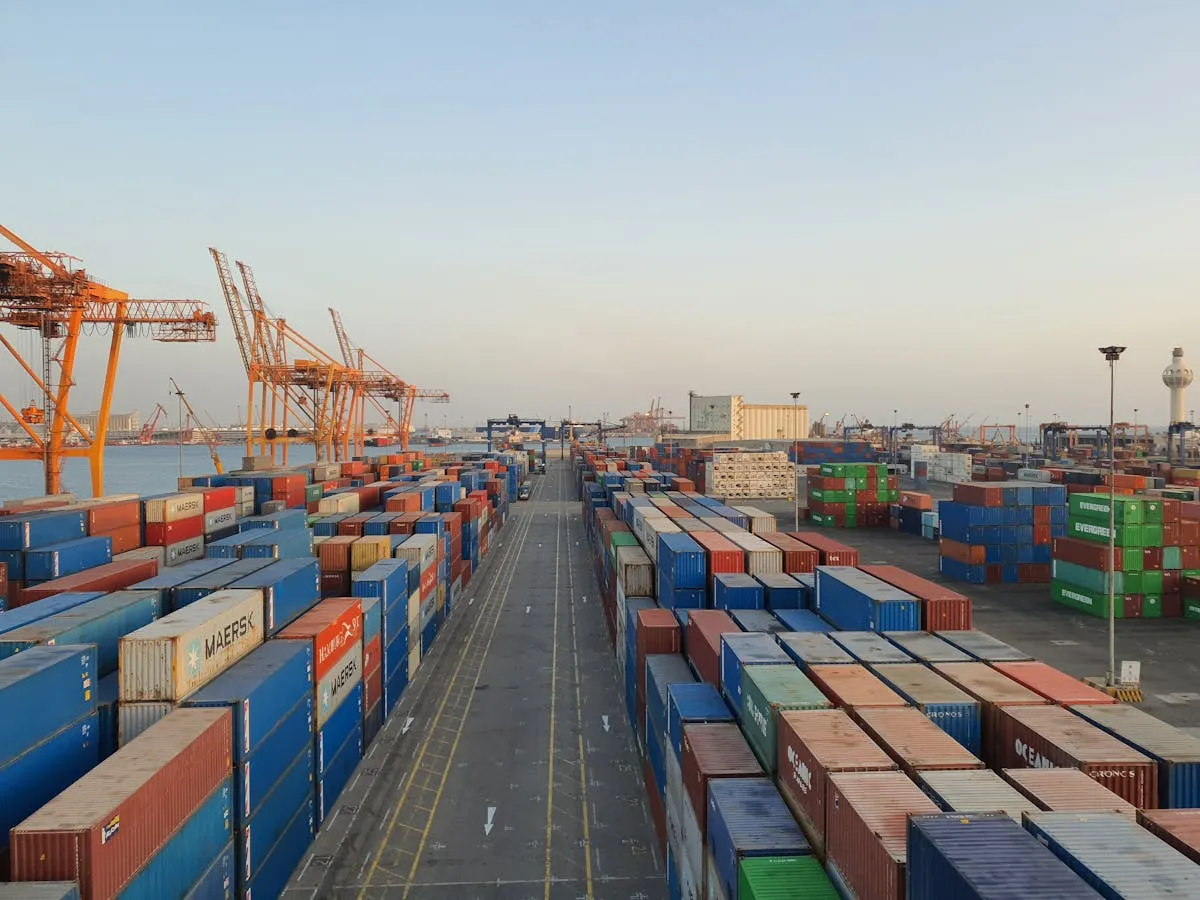
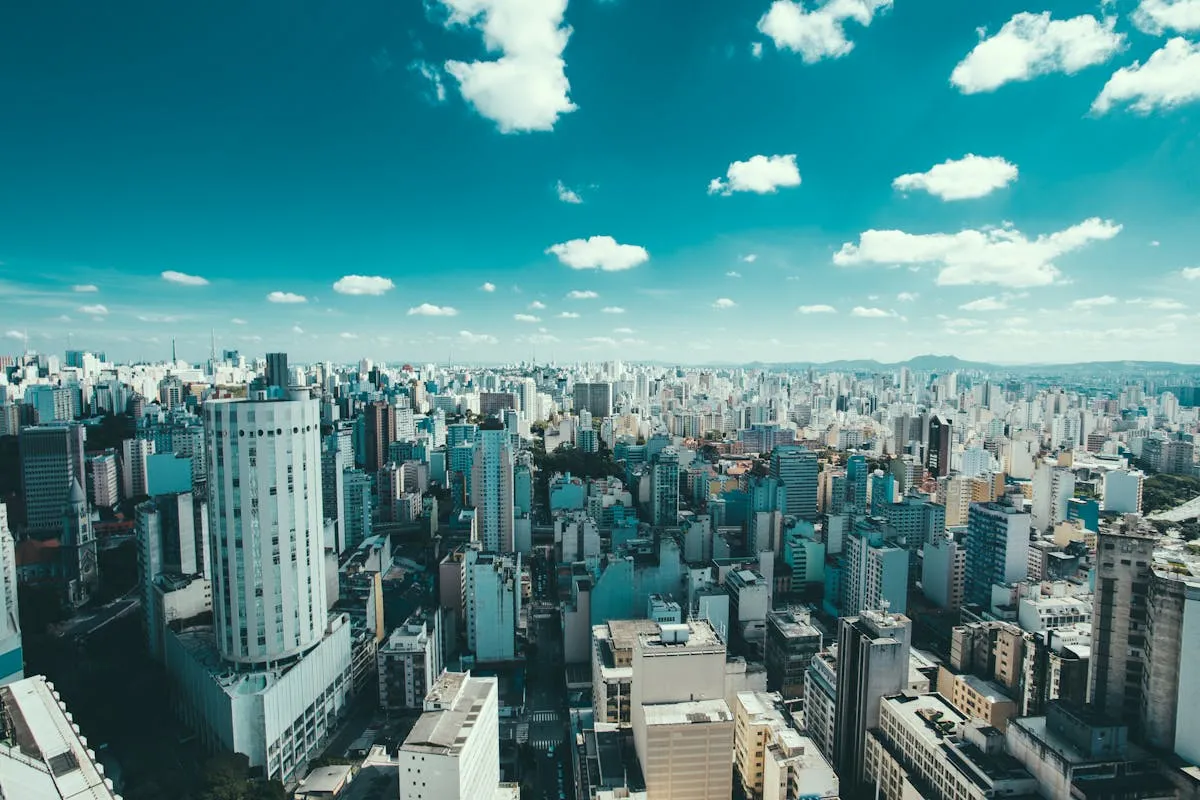
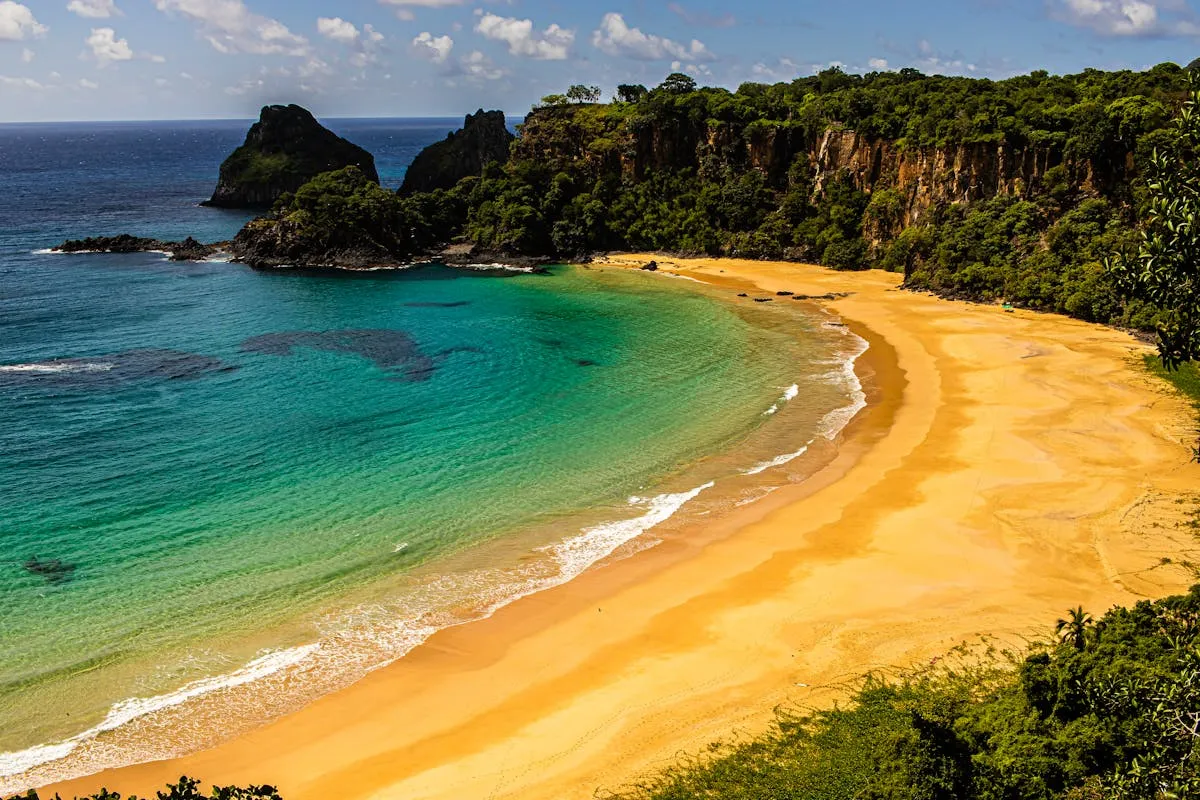
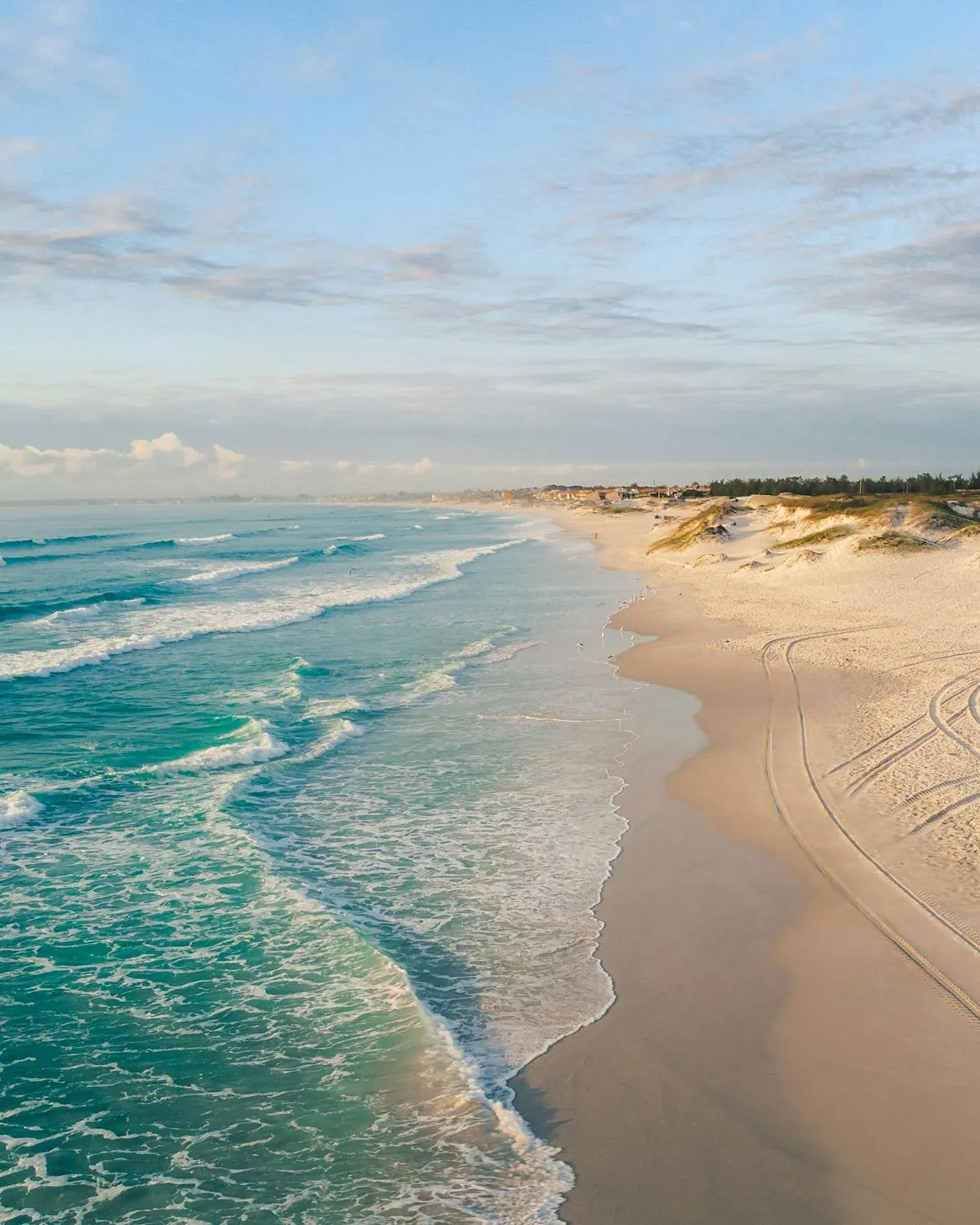
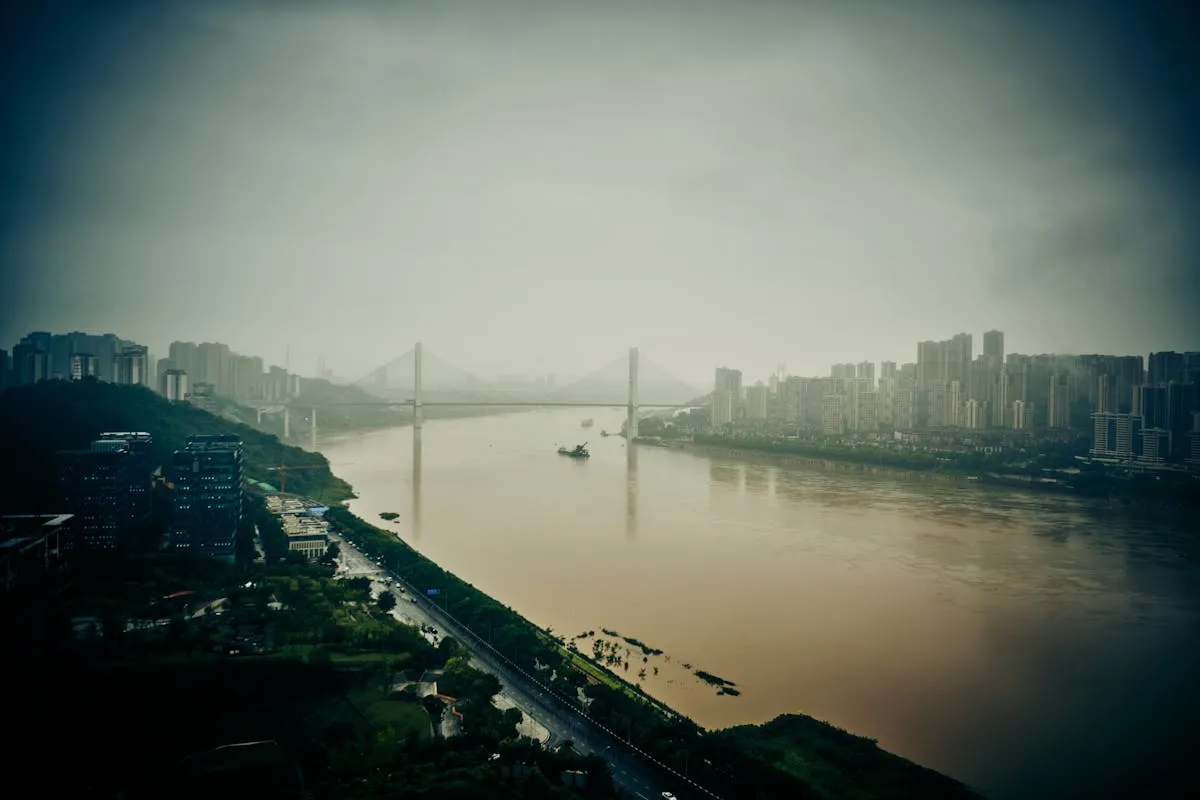
Image Credits
- santos-hero.webp: Pexels (CC0, free to use)
- santos-port-terminal.webp: Pexels (CC0, free to use)
- santos-beach.webp: Pexels (CC0, free to use)
- santos-bay-view.webp: Pexels (CC0, free to use)
- santos-historic-center.webp: Pexels (CC0, free to use)
- santos-coffee-museum.webp: Pexels (CC0, free to use)
- santos-monte-serrat.webp: Pexels (CC0, free to use)
- santos-seafood.webp: Pexels (CC0, free to use)
- santos-port-museum.webp: Pexels (CC0, free to use)
- santos-bay-panorama.webp: Pexels (CC0, free to use)
- santos-fishing-museum.webp: Pexels (CC0, free to use)
All port images sourced from Pexels under CC0 license (free to use, no attribution required).
Frequently Asked Questions
Should I visit Santos or go to São Paulo?
It depends on your interests. Santos offers coffee history, beachfront culture, and a relaxed coastal vibe—ideal for a low-key port day. São Paulo is a massive metropolis with museums, culture, and urban energy, but requires 3+ hours round-trip travel. If you have less than 8 hours in port, Santos is the better choice. With 10+ hours and interest in big cities, São Paulo becomes viable.
How far is the cruise terminal from downtown Santos?
The Santos Cruise Terminal sits right at the edge of the historic center. You can walk to the Coffee Museum in 5-10 minutes, and to the beachfront in 15-20 minutes. It is one of the most convenient port locations for walking to attractions.
Is it safe to walk around Santos as a cruise visitor?
The historic center and beachfront areas are generally safe during daylight hours, especially the well-traveled tourist zones. Use standard precautions: do not display expensive jewelry or electronics, keep wallets secure, and stay aware of surroundings. Santos is a working city, not a resort, but cruise visitors typically have positive experiences with basic awareness.
What currency should I bring?
Brazilian Real (BRL) is the official currency. U.S. dollars work at some tourist shops but with poor exchange rates. Use ATMs for the best rates. Credit cards are widely accepted at restaurants and larger shops. Bring some cash for beach vendors, taxis, and small purchases.
Is Santos accessible for visitors with limited mobility?
The cruise terminal is wheelchair accessible. The beachfront promenade is flat and paved, making it suitable for wheelchair users and those with walking difficulty. However, some streets in the historic center have cobblestones that can be challenging. The Coffee Museum has accessible entry on the ground floor, and the Monte Serrat funicular can accommodate visitors with mobility needs though the chapel summit area has uneven surfaces.