
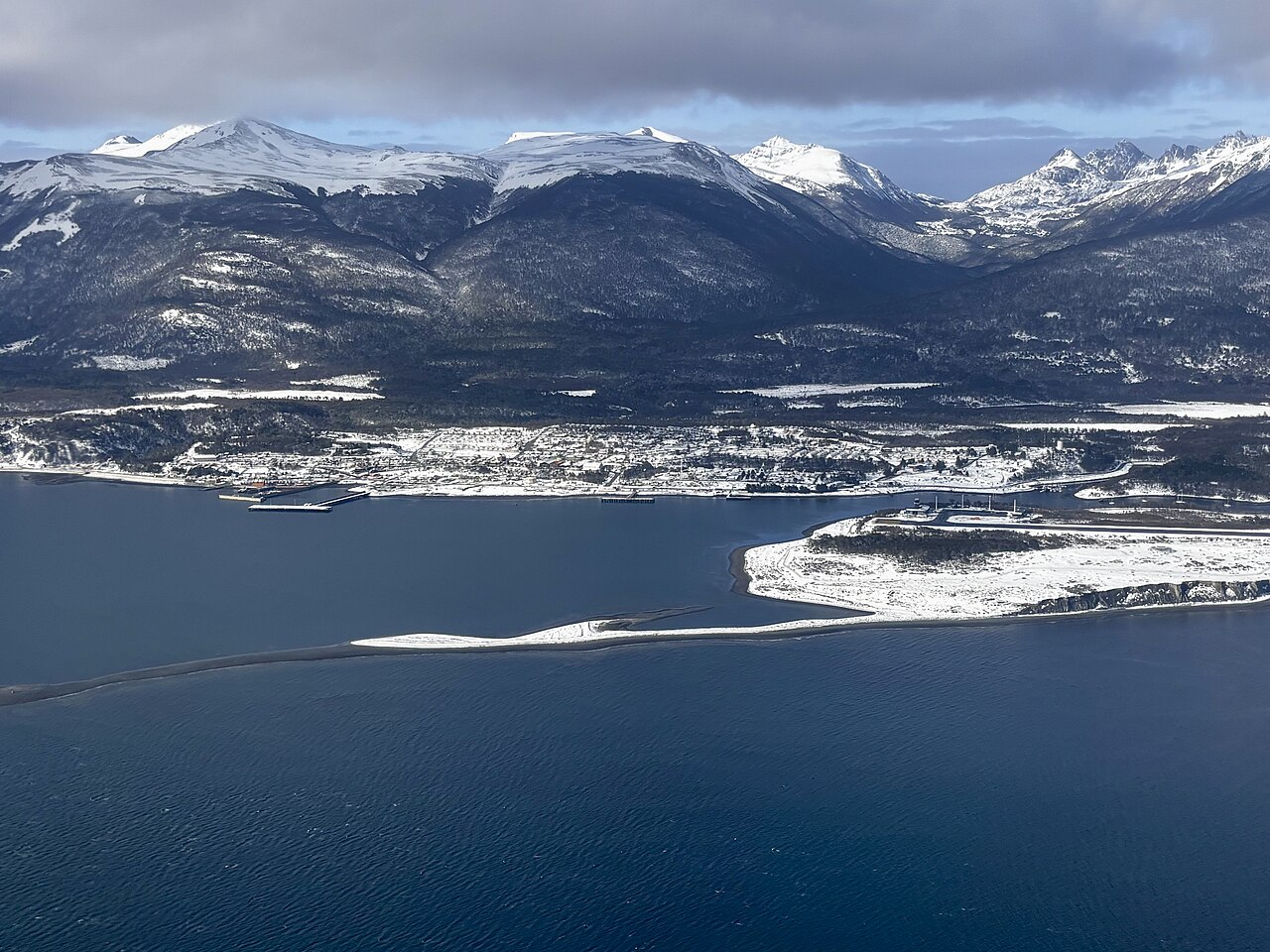
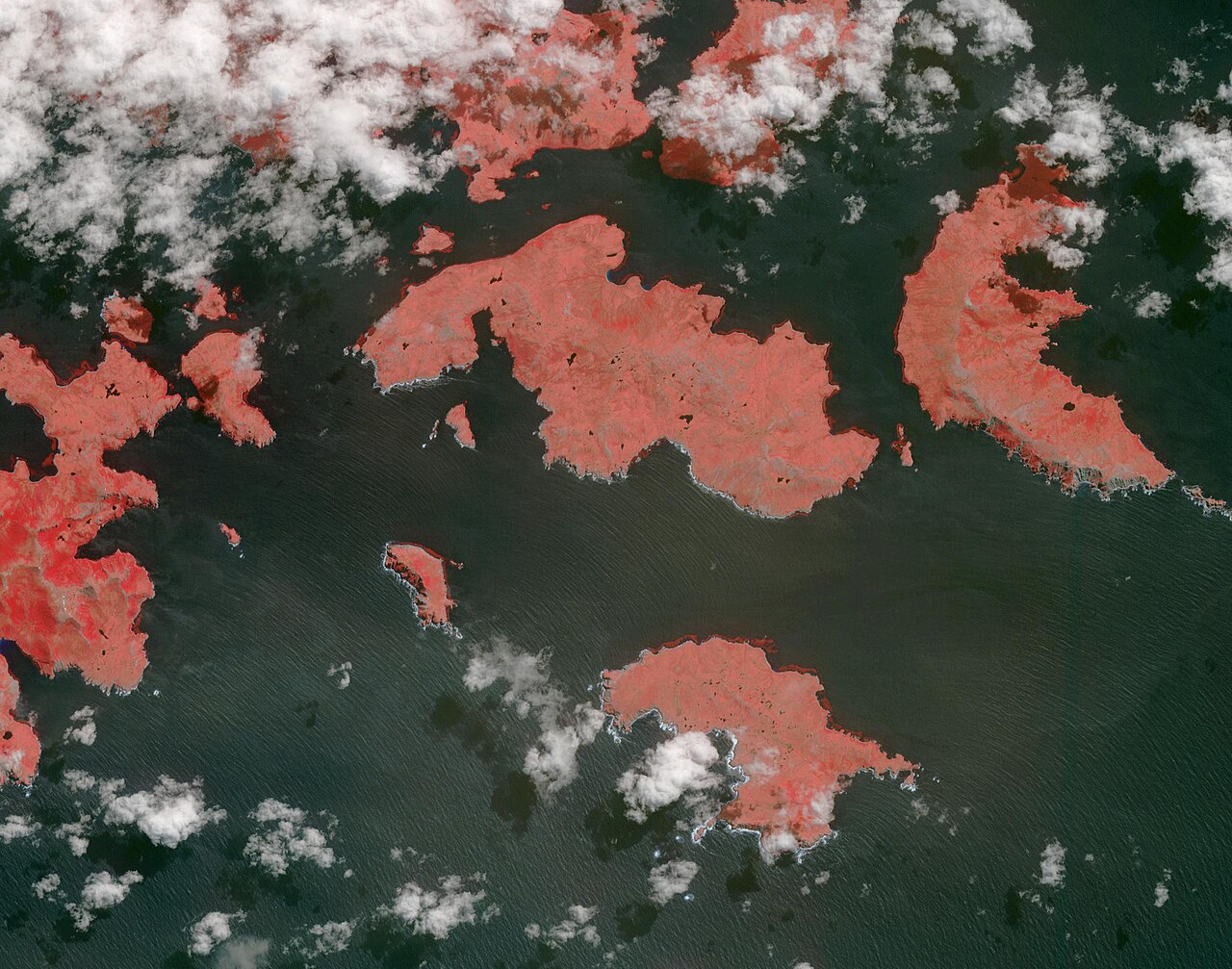
Photo: Wikimedia Commons (CC BY-SA)
Captain's Logbook: Cape Horn
I woke before dawn to the sound of the captain's voice crackling through the cabin speaker: "Ladies and gentlemen, we have a window." Around Cape Horn, those words carry a weight that no traveler can fully understand until they hear them. The Drake Passage had tossed our ship for two full days. Waves the height of houses rolled beneath us, and even seasoned expedition staff gripped the railings as they moved through the corridors. My stomach churned with each swell. But now, impossibly, the ocean had settled into something resembling calm — not flat, never flat down here, but manageable. We were going ashore.
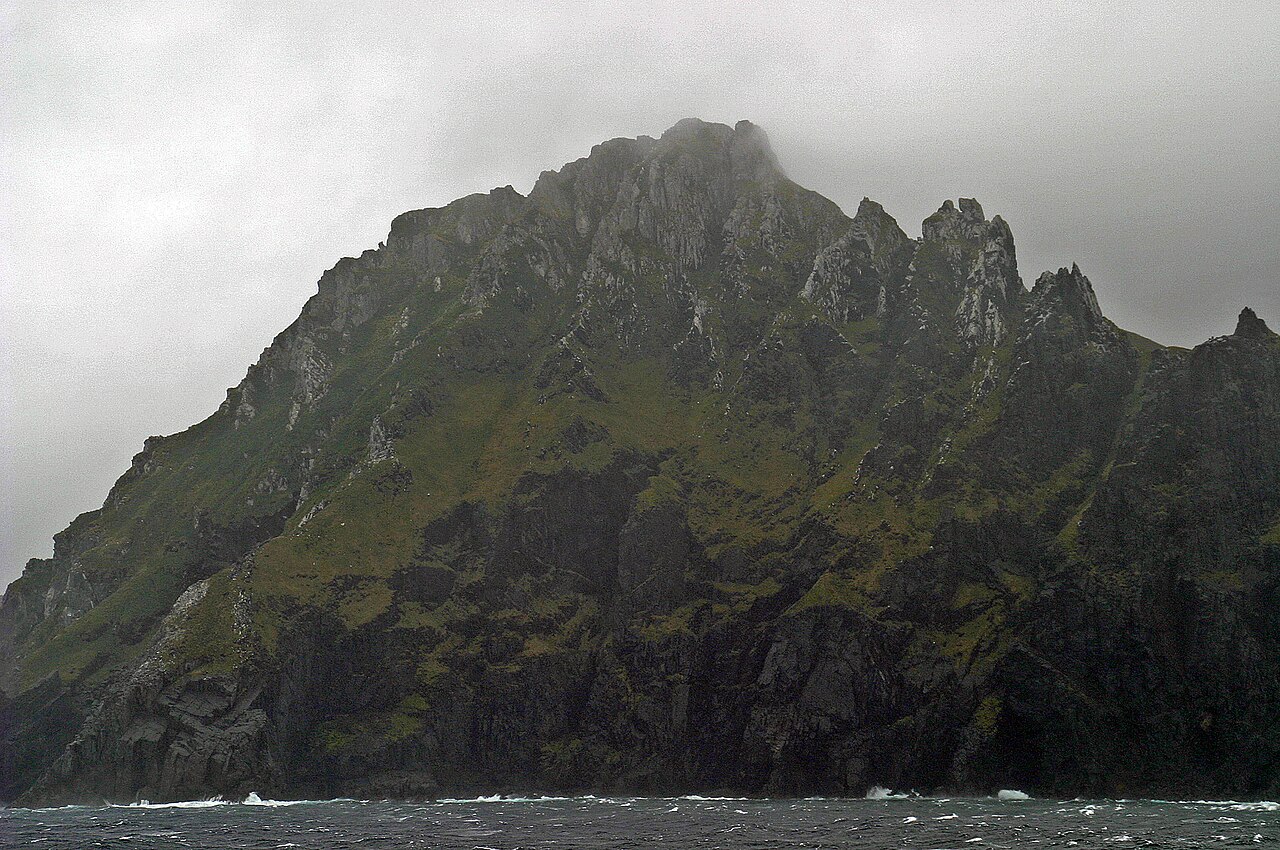
I dressed in every layer I owned. Waterproof jacket, thermal base, fleece mid-layer, wool hat pulled low, gloves that I knew would be useless in minutes. The expedition team had drilled us on Zodiac boarding procedures the night before, but nothing prepares you for the reality of climbing down a gangway into a rubber boat that bucks and lurches against the hull of a ship at the edge of the world. My hands were shaking — from cold, from excitement, from something deeper that I could not name. We loaded ten passengers per Zodiac and set off across the churning grey water toward Hornos Island.
The beach, if you can call it that, was a shelf of dark wet rock. Our expedition leader timed the swells and shouted "Go!" and we leapt from the Zodiac onto the stones, boots splashing in icy water. I looked up. Above us, wooden stairs climbed steeply through scrubby vegetation bent sideways by decades of relentless wind. The smell of salt and kelp was overwhelming — a raw, primal scent that I had never encountered anywhere else on earth. I heard the roar of the Southern Ocean behind me and the cry of petrels wheeling overhead. Everything was grey and green and wild.
We climbed. The stairs were wet and the wind pushed against my chest as though the island itself was testing whether I deserved to be there. My legs burned. Halfway up, I paused and turned to look back at our ship anchored in the channel below, looking impossibly small against the vast emptiness of the sea. I watched an albatross glide past on rigid wings, effortless in the gale that had me gripping the railing with both hands. I thought of the ten thousand sailors who never made it past this point — men who rounded the Horn in wooden ships with canvas sails, fighting currents and storms that we had crossed in heated comfort. However, standing there on that staircase with the wind howling around me, I felt a fraction of what they must have felt: the smallness, the vulnerability, the awe.
At the top of the stairs, the albatross memorial appeared through the mist. It is a sculpture cut from steel — the silhouette of an albatross in flight, mounted on a stone plinth. Through the bird-shaped opening you can see the sky and the sea beyond, and the effect is startling: a window into nothing, a portal to the end of the world. I stood before it and my eyes filled with tears. I did not expect that. I am not someone who cries easily. But something shifted in me at that moment — the accumulated weight of the passage, the history, the loneliness of the place, the privilege of standing where so many had perished. My heart ached for those unnamed sailors, for their families who waited at ports that they would never reach. I whispered a quiet prayer for them, for the lighthouse keeper and his family who endure this isolation, for our own safe passage.

The lighthouse keeper emerged from his small house near the beacon. He was a young Chilean Navy officer, stationed here with his wife and young daughter for a one-year rotation. He smiled warmly despite the bitter cold and stamped our passports with the official Cape Horn stamp — a small inked image of the albatross memorial. His daughter peeked from behind the door, curious and shy. I thought about what their life must be like here: the isolation, the storms that shake the walls for days, the supply ships that come only when the sea allows. Yet he seemed content. He told us he felt honored to keep the light burning at the end of the world.
We had perhaps thirty minutes on the island. I walked to the tiny Stella Maris chapel, no larger than a garden shed, and sat in the silence for a moment. The wind roared outside but the chapel walls held. I thought about my own journey to this place — years of planning, the expense of the expedition cruise, the seasickness and the doubt. Was it worth it? Standing in that chapel at 55 degrees south, with the Drake Passage stretching toward Antarctica behind me and the ghosts of ten thousand sailors in the wind, I finally understood something that I had been circling for years. Still, the understanding came not as words but as a feeling: gratitude, humility, and the quiet grace of being alive in a place where survival was never guaranteed.
The expedition leader's whistle pierced the wind — our time was up. We descended the stairs quickly, loaded back into the Zodiacs, and bounced across the waves to our waiting ship. As we pulled away, I watched Hornos Island shrink behind us until it was just a dark shape on the horizon. The sea was already building again. Our window was closing.
Cape Horn taught me something that I carry with me still. The lesson was not about geography or history, though I learned both. It was about reverence — for the sea, for the people who came before us, for the fragile thread that separates adventure from tragedy. I learned that some places are not destinations but thresholds, and crossing them changes you in ways you cannot predict. I am grateful for every frozen, wind-blasted, tear-streaked minute of it.
Weather & Best Time to Visit
The Cruise Port
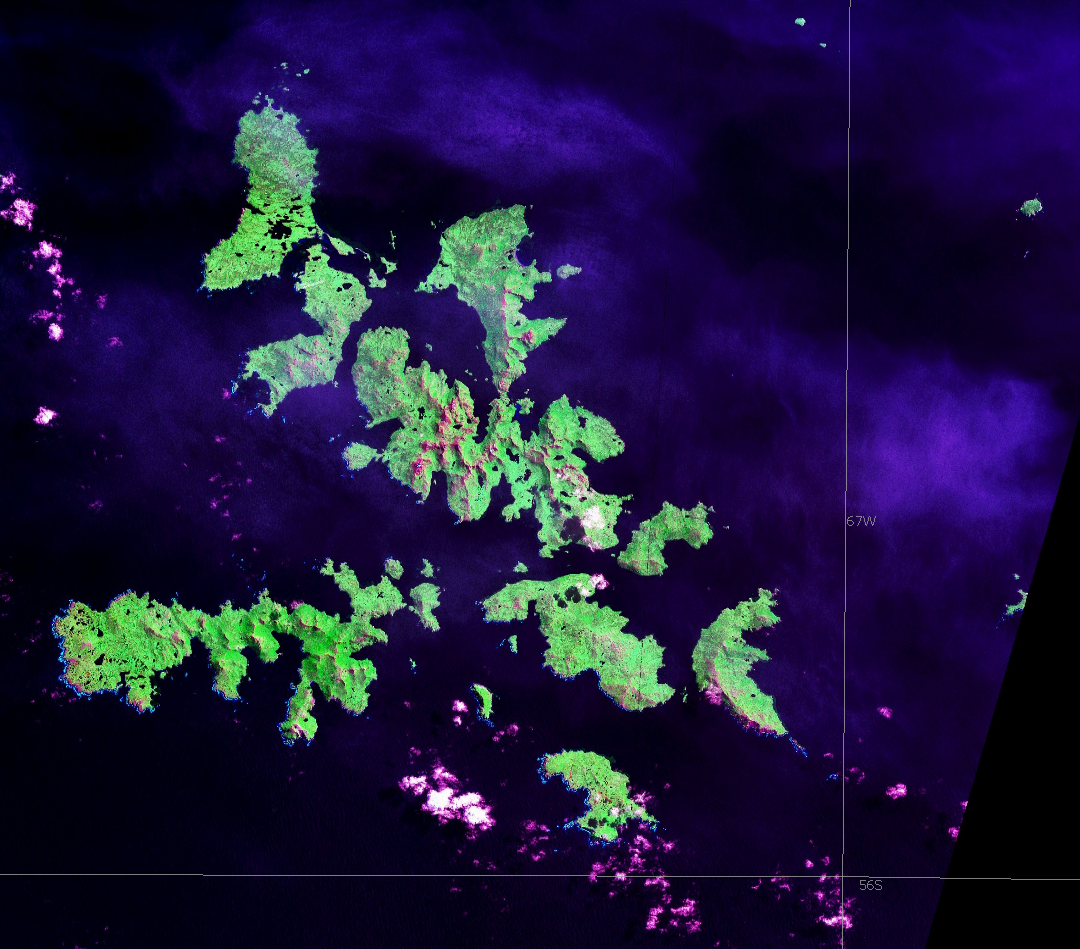
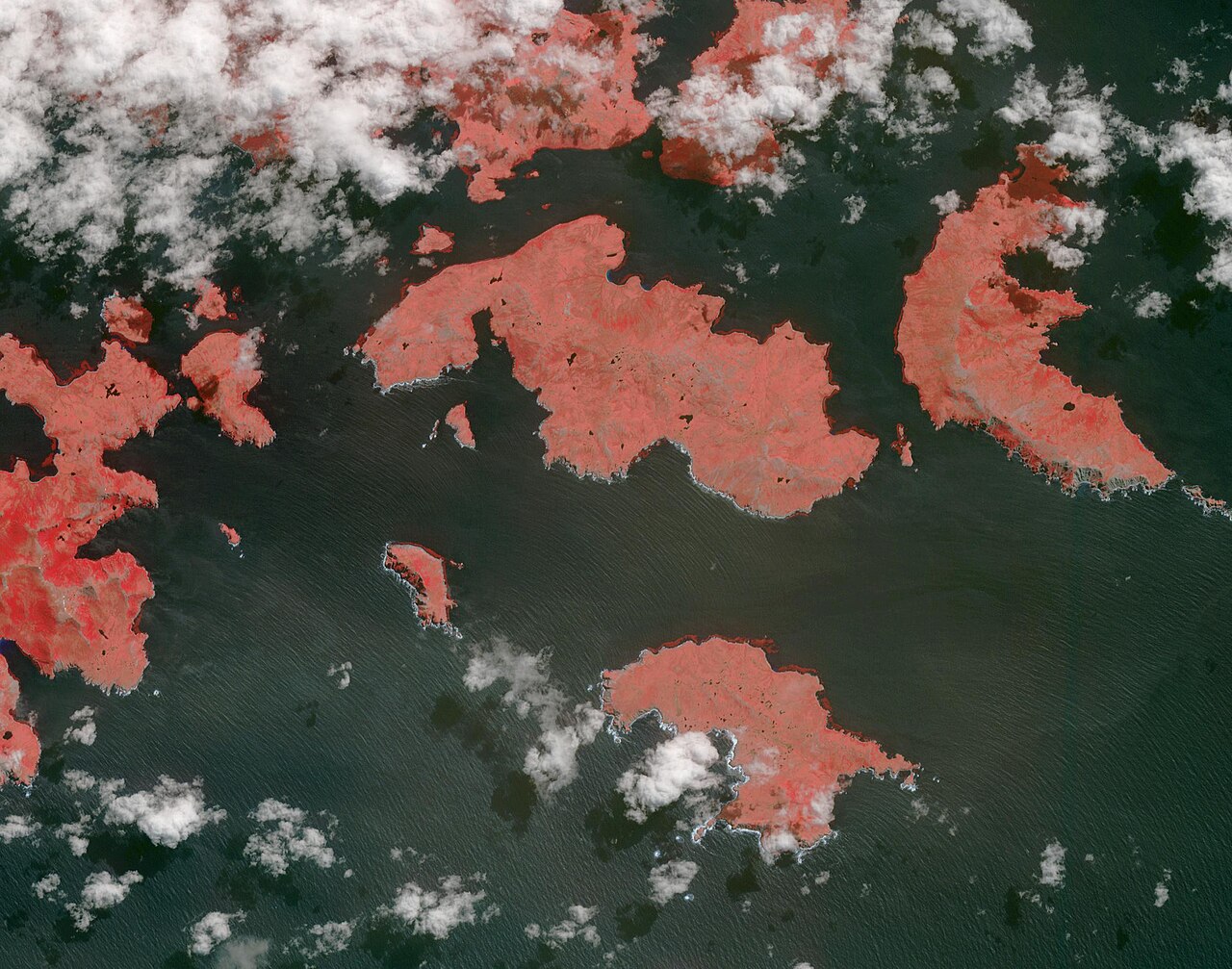
Cape Horn has no cruise port in the traditional sense. There is no pier, no terminal building, and no infrastructure for receiving passengers. Ships anchor in the channel between Hornos Island and the adjacent islets, deploying Zodiac inflatable boats to ferry small groups to a rocky landing site on the island's eastern shore. The entire operation depends on sea conditions, wind speed, and swell height — the expedition leader makes the call, and it can change minute to minute.
Only expedition-class vessels and small cruise ships attempt landings. Larger ships (over 500 passengers) typically offer a scenic sail-by, circling the headland so that both sides of the ship can view the legendary cliff face and lighthouse. The anchorage itself is exposed and uncomfortable in anything but calm conditions. There are no port fees in the conventional sense, though expedition operators coordinate with the Chilean Navy station on the island. Landing is free once you are there — no admission charge to visit the memorial, lighthouse, or chapel.
Getting Around
Hornos Island is tiny and there are no roads, vehicles, or public transportation. Once the Zodiac deposits you on the rocky beach, everything is on foot along a single path. The route runs from the landing site up a steep wooden staircase (approximately 120 steps) to the plateau where the albatross memorial, lighthouse, and chapel are located. The total walking distance from beach to the farthest point (the chapel) is roughly 600 meters, but the steep stairs and high winds make it feel much longer.
The path is maintained by the Chilean Navy lighthouse keeper but can be slippery in rain, which is frequent. Wooden boardwalks cover some muddy sections on the plateau. There are no handrails on portions of the upper path, so walking poles can help in strong winds. The terrain is uneven tundra grass and exposed rock — sturdy waterproof boots with ankle support are strongly recommended. Accessibility is limited; passengers must be able to step from a Zodiac onto wet rocks and climb steep stairs without assistance. Those with mobility concerns should discuss the landing requirements with expedition staff before attempting the transfer. The entire on-island experience typically lasts 20 to 40 minutes, depending on group size and deteriorating conditions.
Cape Horn Area Map
Interactive map showing Cape Horn, Hornos Island, and the nearby channels. Click markers for details.
Excursions & Things to Do
Booking guidance: Ship excursion packages include the Zodiac landing as part of the expedition itinerary — there is no separate booking needed. If you are on an independent expedition vessel, book ahead through the operator to ensure your landing slot. All expedition cruises offer a guaranteed return to the ship via Zodiac, but landing itself is never guaranteed due to weather. Independent kayak or sailing expeditions to Cape Horn are extremely specialized and require months of planning.
The Albatross Memorial Walk
The primary experience at Cape Horn is the walk from the Zodiac landing beach to the albatross memorial on the plateau. The steel sculpture, designed by Chilean artist Jose Balcells and installed in 1992, depicts an albatross in flight. It commemorates the estimated 10,000 sailors who died attempting to round Cape Horn before the Panama Canal opened in 1914. The walk takes 15-20 minutes uphill through sub-Antarctic tundra, with the ever-present wind as your companion. Most expedition ships include this as the centerpiece of the Cape Horn visit — no additional cost beyond the cruise fare, which typically ranges from $8,000 to $25,000 per person for a full Patagonia or Antarctica itinerary.
The Lighthouse and Passport Stamp
The Chilean Navy maintains a lighthouse on Hornos Island, staffed by a keeper and their family who rotate on one-year assignments. When landings occur, the keeper opens the small station building and offers the famous Cape Horn passport stamp — a coveted souvenir. There is no charge for the stamp. The lighthouse itself, a modest white-painted tower, is not open for climbing, but the keeper sometimes shares stories of life at the loneliest posting in the Chilean Navy. Budget approximately $5-10 CLP (Chilean Pesos) for small donations or souvenirs if the keeper's family offers handmade crafts, though this is not guaranteed.
Stella Maris Chapel
A few minutes' walk past the lighthouse stands the tiny Stella Maris chapel, dedicated to the Virgin of Carmen, patron of Chilean sailors. The chapel seats perhaps six people and offers a moment of quiet reflection away from the wind. It is open to all visitors during landings. Many passengers find this the most moving part of the visit — a place of stillness at the stormiest point on earth.
Scenic Sail-By (When Landing Is Not Possible)
When weather prevents landing — which happens on 50-75% of attempts — ships typically conduct a scenic sail-by. The captain maneuvers as close to Hornos Island as safety allows, often circling so both port and starboard passengers can photograph the dramatic cliff face. Some ships sound the horn as a salute. The sail-by is included in every Cape Horn itinerary at no additional cost. Binoculars are essential for spotting the lighthouse and memorial from the ship. Consider renting binoculars from the ship's expedition desk ($10-15 per day on most vessels) if you did not bring your own.
Drake Passage Wildlife Watching
The approach to and departure from Cape Horn crosses the Drake Passage, one of the richest marine wildlife corridors on earth. Wandering albatrosses, giant petrels, cape petrels, and storm petrels are commonly spotted from deck. Humpback and fin whales frequent these waters in summer months. Ship naturalists typically offer guided wildlife-watching sessions on deck during the crossing. Bring warm, windproof clothing and a camera with a telephoto lens — wildlife photography in the Drake is exceptional and costs nothing beyond your patience and tolerance for cold.
Weather Dependent: Cape Horn landings are only possible in calm conditions — rare in this notoriously stormy region. Many cruises sail past without stopping. Landings are a privilege, not a guarantee.
Depth Soundings: Final Thoughts
Cape Horn is not a port in any conventional sense, and that is precisely what makes it extraordinary. You cannot plan your visit with certainty, you cannot control the weather, and you cannot guarantee a landing. What you can do is prepare — physically, emotionally, and practically — for one of the most powerful experiences available to a modern cruise passenger.
The value of Cape Horn lies not in amenities or activities but in the raw encounter with nature and history. Budget your expectations more than your money. The expedition cruise itself is the major expense ($8,000-$25,000 per person); once aboard, the Cape Horn experience carries no additional cost. Bring layers, bring patience, and bring a willingness to be moved by a place that has humbled sailors for five centuries. Whether you set foot on Hornos Island or watch it slide past from the deck, Cape Horn will stay with you. It is a threshold, and crossing it — in any direction — changes the way you see the ocean, the horizon, and yourself.
Photo Gallery
Frequently Asked Questions
Q: What are the chances of landing at Cape Horn?
A: Roughly 25-50% of attempts succeed depending on season and weather. December through February offers slightly better odds during austral summer. Conditions change rapidly and the expedition leader makes the final call minutes before deployment.
Q: Is it worth visiting if the ship cannot land?
A: Absolutely. Sailing past Cape Horn is a significant maritime milestone honored by sailors for centuries. The dramatic cliff face, lighthouse, and swirling seas are powerful even from the ship. Many passengers consider rounding the Horn a meaningful achievement regardless of landing.
Q: Who lives on Cape Horn Island?
A: A Chilean Navy lighthouse keeper and their family rotate duty on the island for one-year assignments. They maintain the lighthouse, welcome visitors during landings, and stamp passports with the official Cape Horn mark.
Q: What should I wear for a Cape Horn landing?
A: Waterproof outer layers are essential. Wear warm thermal base layers, fleece, gloves, hat, and neck gaiter. Wind chill can make temperatures feel far below freezing. Sturdy waterproof boots with good ankle support protect against the wet rocky terrain.
Q: How long do passengers spend on the island?
A: Typically 20-40 minutes total. The Zodiac transfer, walk to the memorial and lighthouse, and return must all happen before conditions deteriorate. Every minute on the island is precious — plan your photography priorities in advance.
Q: Can passengers with mobility challenges land at Cape Horn?
A: Landing requires stepping from a Zodiac onto wet rocks and climbing approximately 120 steep wooden stairs. Passengers need moderate mobility and balance. Expedition staff assess individual capability when conditions are marginal. The scenic sail-by is accessible to all passengers.
Cape Horn Cruise Port Guide
Author's Note: I've sailed this port myself, stood at the albatross memorial in the wind, and these notes come from my own wake. The details reflect what I found on the ground, though conditions at Cape Horn change constantly — always verify current expedition offerings for your voyage.
Last reviewed: February 2026