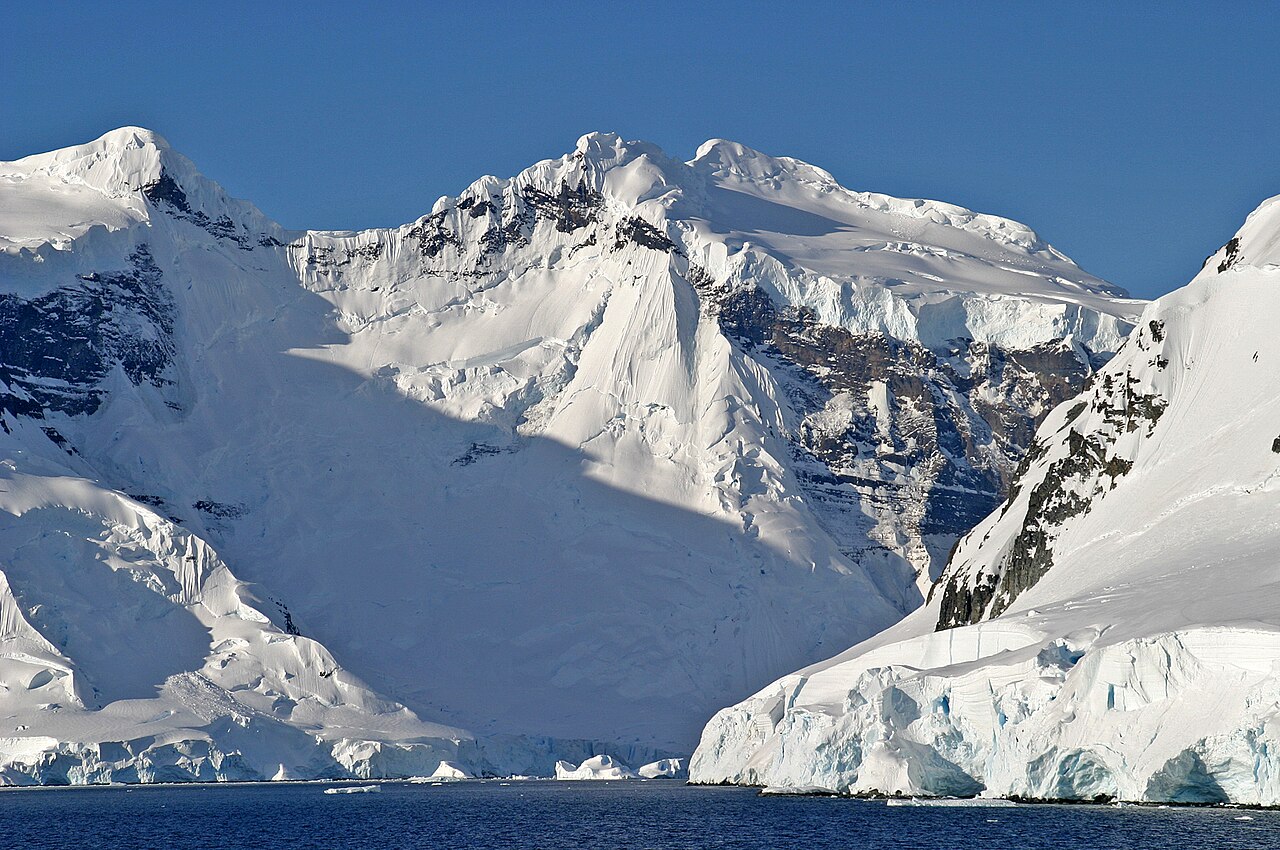
Photo: Wikimedia Commons (CC BY-SA)
Weather & Best Time to Visit
Captain's Logbook: Antarctica
The author visited Antarctica in 2019 aboard an expedition cruise from Ushuaia. Observations reflect personal experience; verify current conditions before travel.
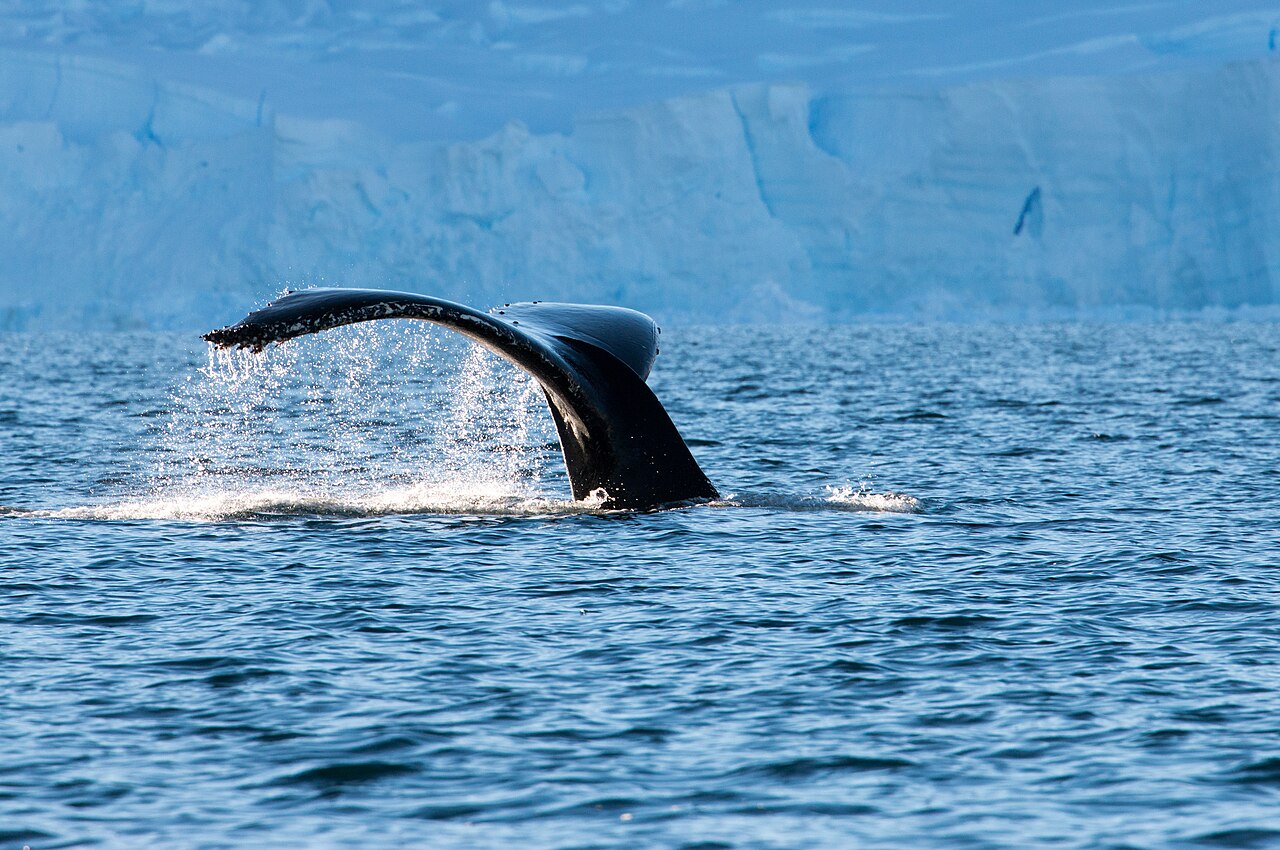
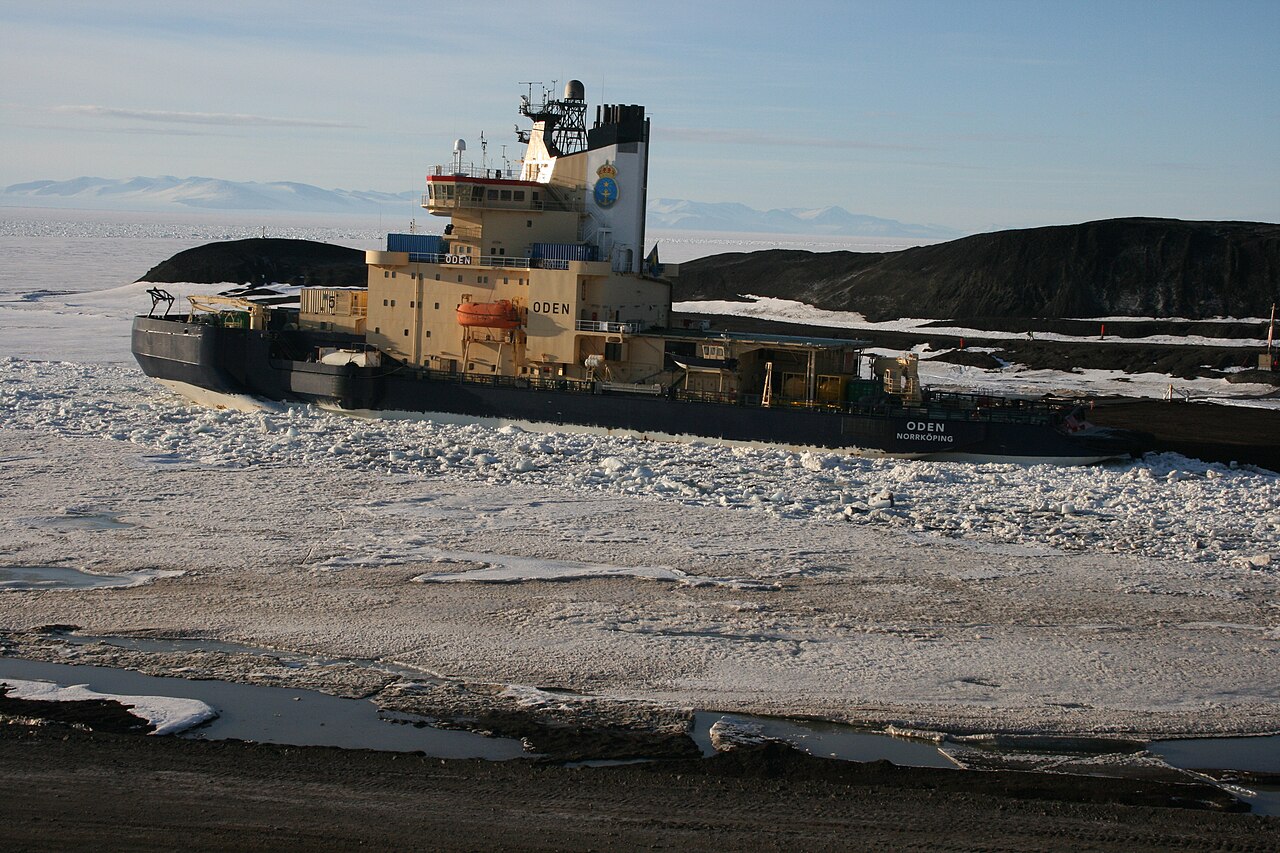
I had never experienced fear like the Drake Passage. Twenty-four hours into the crossing, our expedition ship rolled through swells that sent everything not bolted down sliding across surfaces. My cabin felt like a carnival ride operated by someone malicious. I wedged myself into my bunk with pillows, listened to the hull groan against the waves, and wondered if this journey was a mistake. The medication helped with nausea but not with the constant motion, the sense that the ocean was testing our resolve. I slept in fragments between alarms — not emergencies, just the ship's systems responding to the battering. By the second morning, the seas began to calm. And then, through fog clearing like a curtain, I saw my first iceberg. The fear dissolved into something closer to reverence.
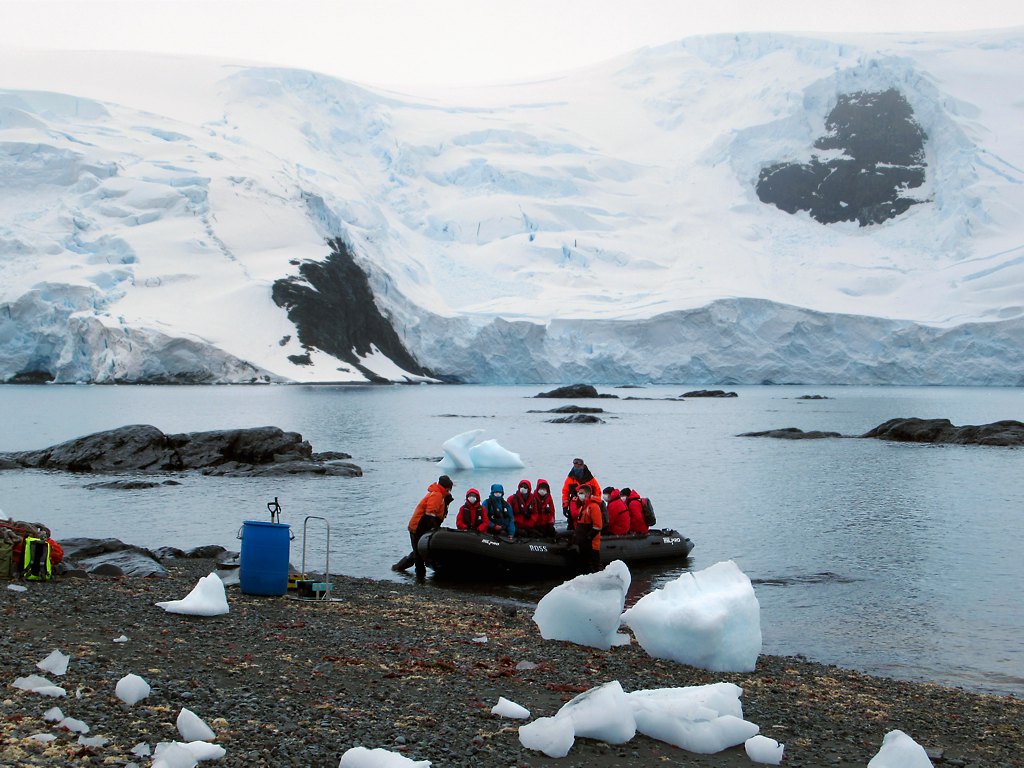
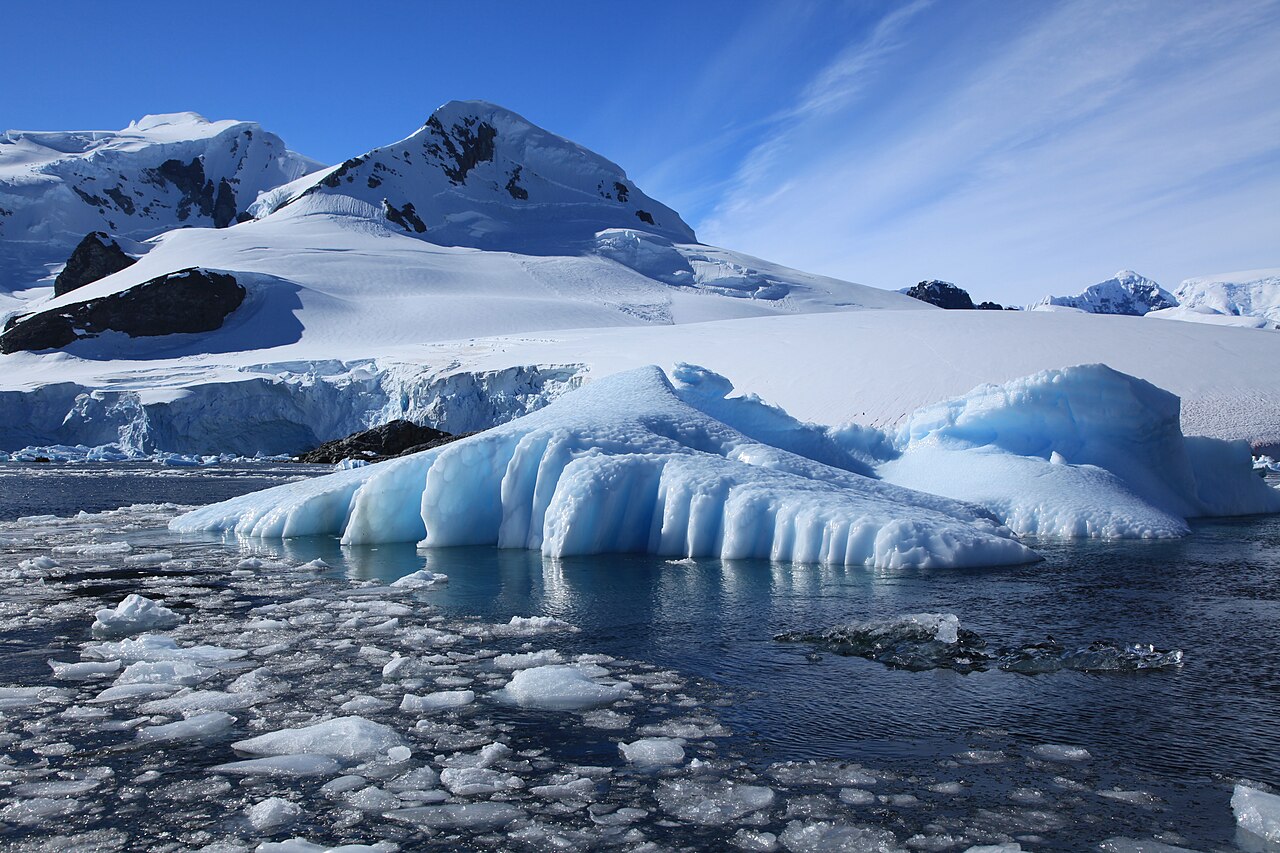
That first iceberg was the size of a small apartment building, floating impossibly in water that had turned from gray-green to cobalt blue. I stood on deck in the cold, watching it pass, trying to comprehend that I was seeing ancient ice — snow that fell ten thousand years ago, compressed until all air escaped and only crystalline blue remained. The expedition leader announced we had crossed the Antarctic Convergence, where Southern Ocean currents meet warmer waters. The temperature had dropped noticeably. The air tasted different: sharper, cleaner, carrying the mineral scent of ice. I breathed deeply and felt something crack inside my chest — some protective numbness I hadn't known I was carrying. Antarctica was already working on me.
Photo Gallery