


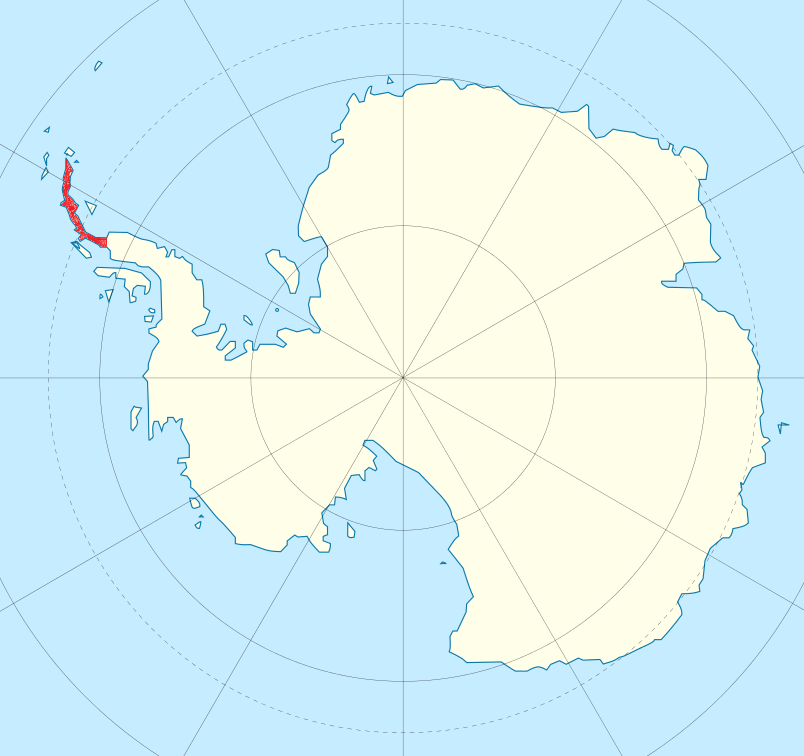
Photo: Wikimedia Commons (CC BY-SA)
Captain's Logbook: Antarctic Peninsula
The author visited the Antarctic Peninsula in 2019 aboard an expedition cruise from Ushuaia. Observations reflect personal experience; verify current conditions before travel.
I woke at 4 AM to the captain's announcement: "Ladies and gentlemen, we have crossed the Antarctic Convergence. You are now officially in Antarctic waters." I pulled on layers — thermal underwear, fleece, waterproof shell — and climbed to the observation deck. The sea had changed overnight from deep navy to an unearthly blue-gray, and icebergs dotted the horizon like scattered diamonds. After two days crossing the Drake Passage, fighting swells that sent coffee cups sliding across tables, we had arrived at Earth's final frontier. The air tasted different here — cleaner than anything I had ever breathed, crystalline and sharp with cold. I stood on deck watching the first tabular iceberg pass, feeling that mixture of exhaustion and elation that marks genuine arrival.
Our first landing was Neko Harbour on the Antarctic mainland — not an island, but the actual continent. The Zodiac crunched onto a pebble beach, and before I could stand fully upright, a gentoo penguin waddled past my boots without acknowledgment. The smell hit immediately — musky, fishy, pungent — what expedition staff cheerfully call "penguin perfume." It should have been unpleasant but somehow became endearing, proof of the thousands of breeding pairs that surrounded us. I walked slowly up the slope, following penguin highways worn smooth by countless webbed feet, and stopped at a viewpoint overlooking the colony. Behind me, a glacier the size of a city block groaned and crackled. The sound rumbled across the bay like distant thunder.
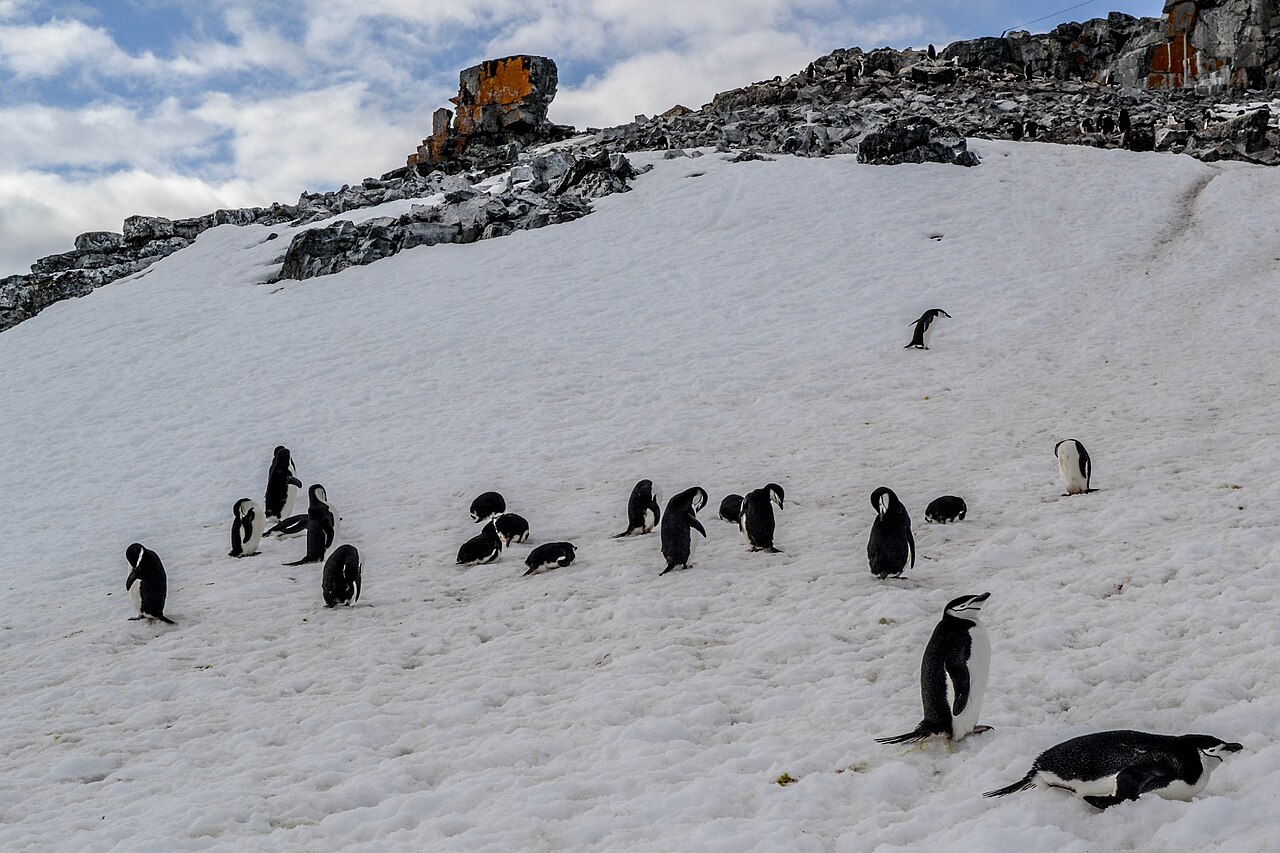
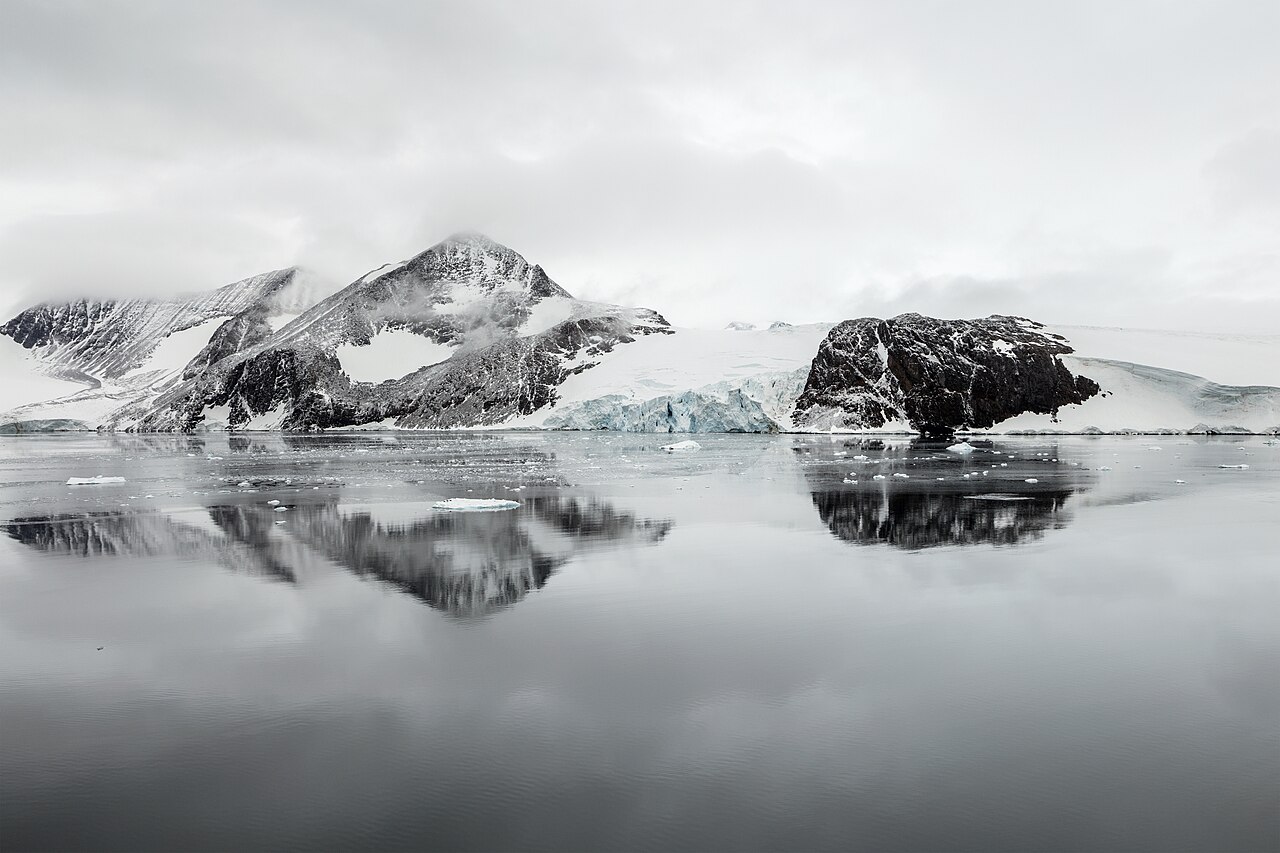
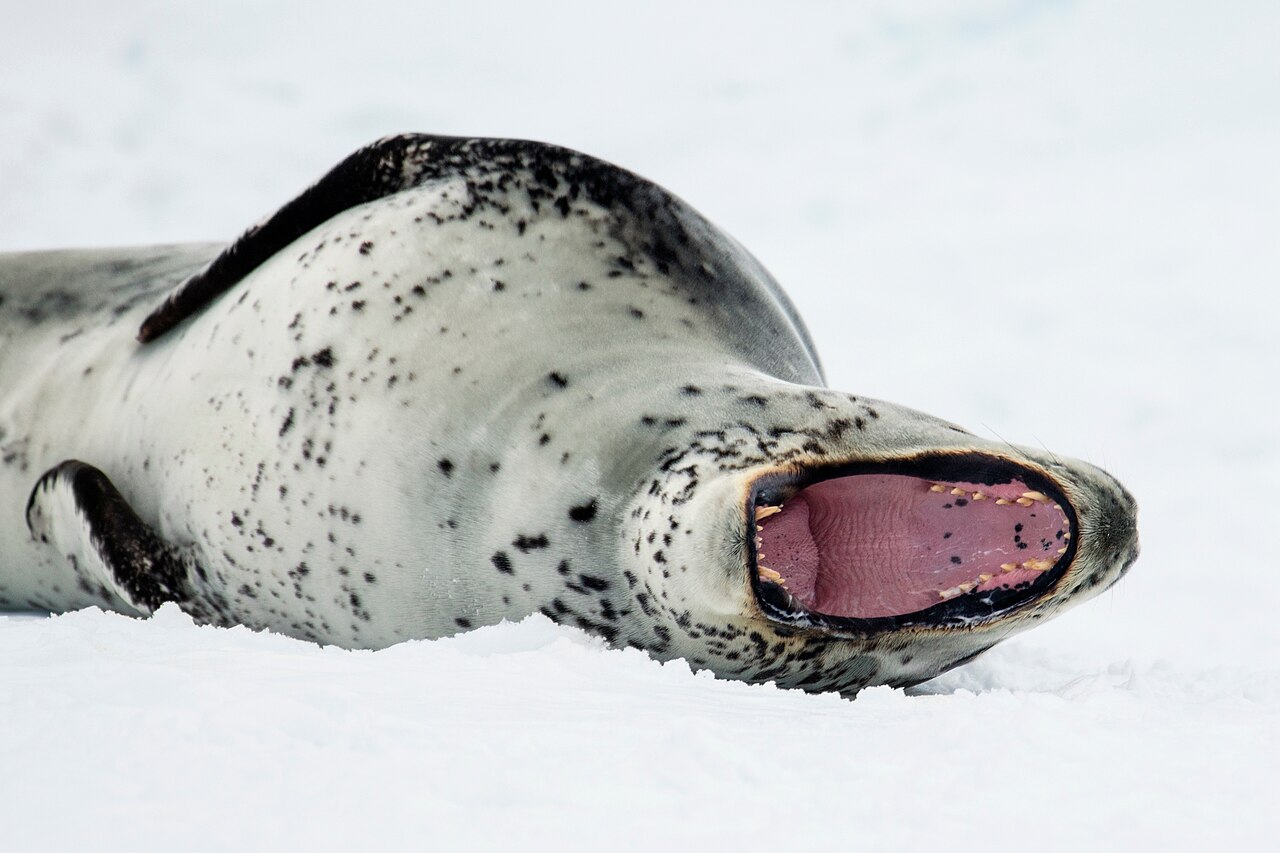
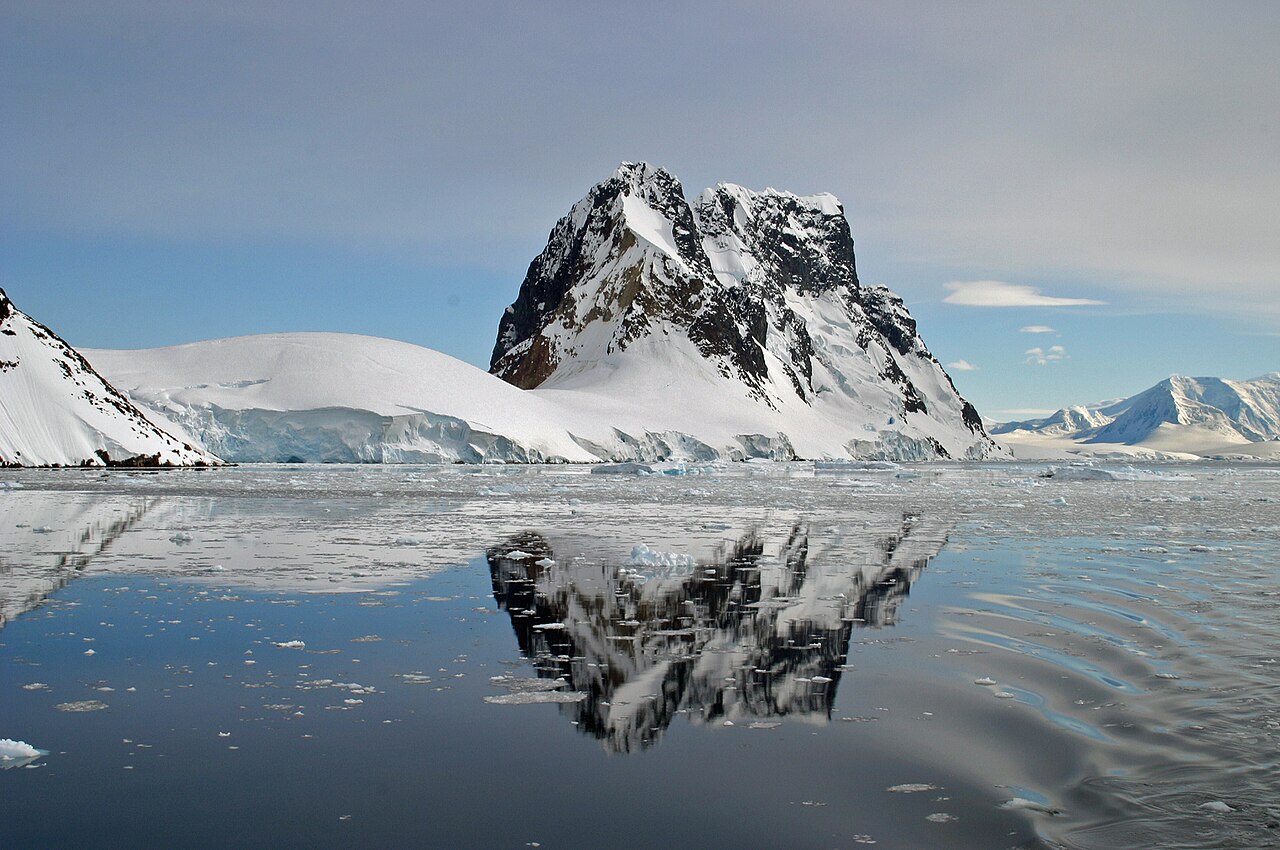
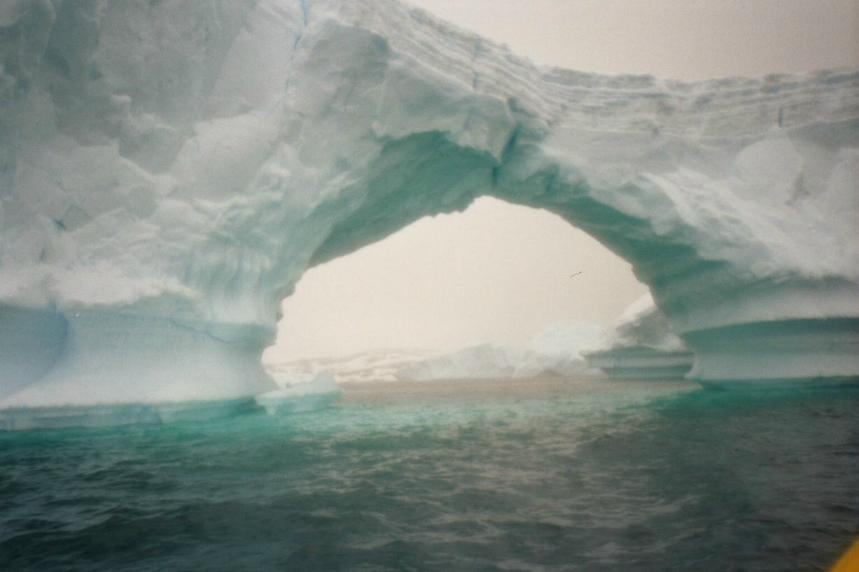
At Paradise Harbour the following morning, I understood why early explorers gave it that name. The bay opened between ice-clad peaks, the water so still it mirrored everything perfectly. Our Zodiac cruised among ice sculptures — cathedral arches of blue, towers and grottos carved by waves and sun. I reached down and touched the water: cold enough to make my fingers ache within seconds. A leopard seal surfaced ten feet away, its spotted coat glistening, head swiveling to track us with intelligent curiosity. It held my gaze for three heartbeats before slipping back beneath the surface. I was grateful for that encounter — the apex predator sizing us up and deciding we were boring, nothing like the penguins it actually hunted.
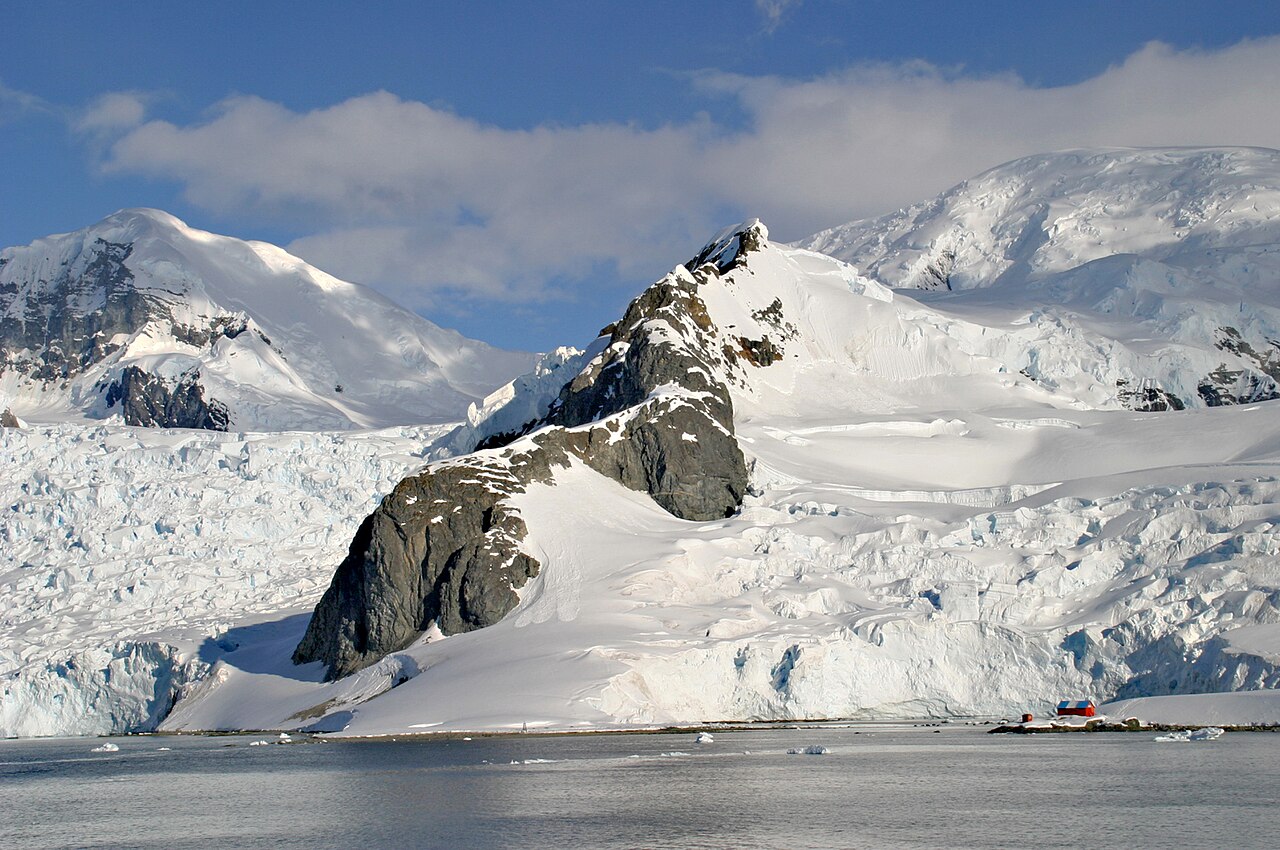
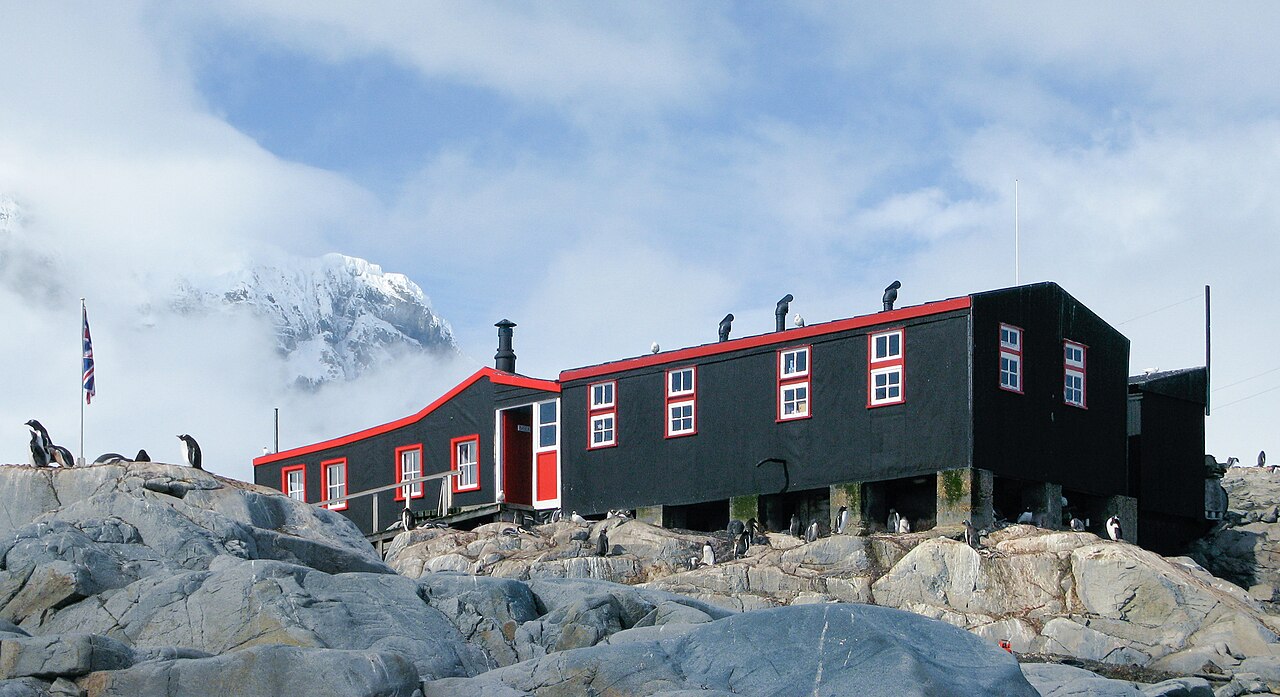
Port Lockroy became my unexpected favorite landing. The British base, restored as a museum, contains beds still made, tins on shelves, radio equipment frozen in 1962 when it was abandoned. I sent postcards from the southernmost post office on Earth — they would take four months to arrive, traveling north by supply ship. Outside, gentoo penguins had colonized the base perimeter, building nests from pebbles stolen from each other with comical persistence. I bought patches and stamps at the small gift shop, aware that proceeds support preservation. The cold wind carried penguin calls across the bay. I stood listening, thinking about the men who had wintered here in utter isolation, monitoring weather for nations far away.
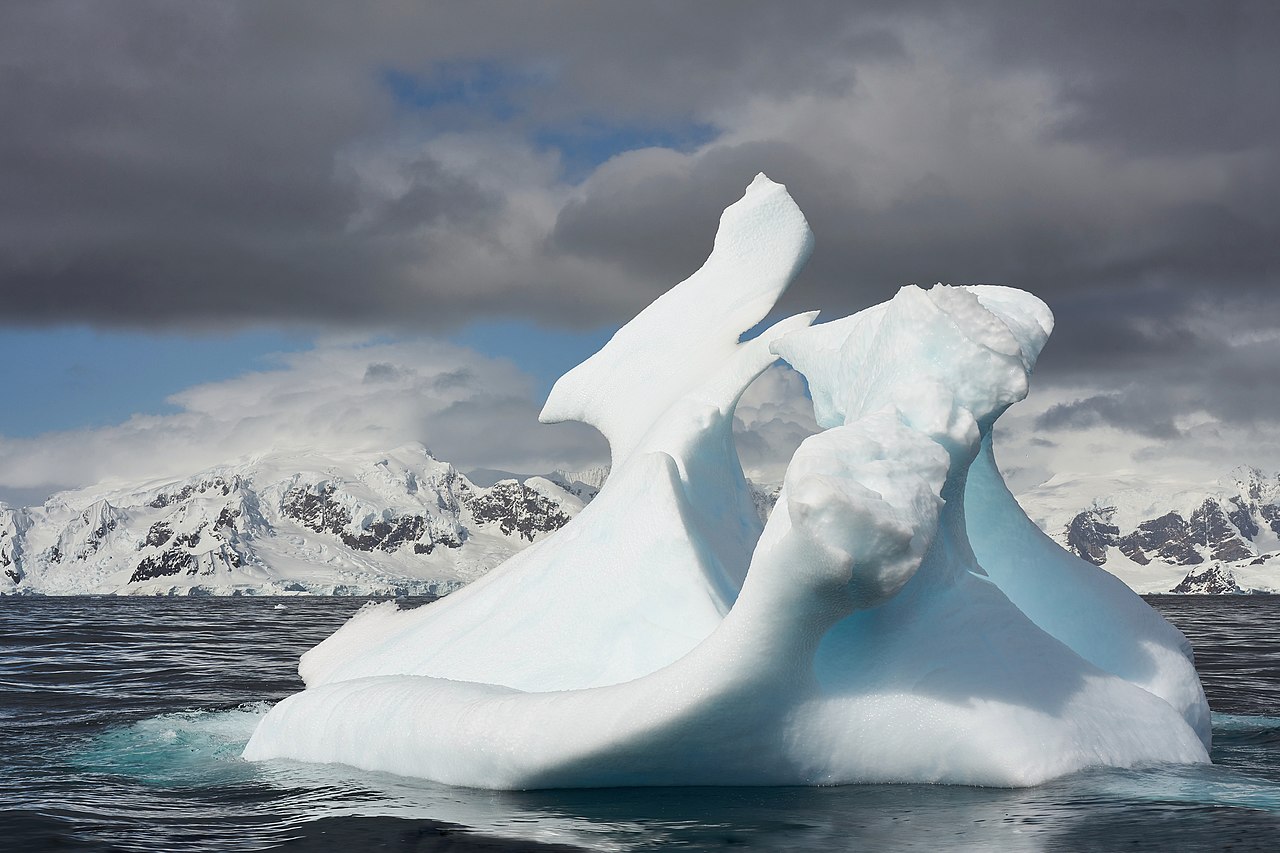
Deception Island offered something entirely different — an active volcanic caldera you enter through a narrow breach in the rim. The black sand beach steamed where geothermal vents heated groundwater. Some passengers attempted swimming (brief and shrieking), while I walked among the ruins of the old whaling station where rusted boilers and collapsed buildings testified to the brutal industry that once operated here. The wind carried sulfur and sea salt in equal measure. I picked up a volcanic rock, still warm despite the ambient cold. This place felt ancient and raw, the Earth actively making itself rather than simply existing.
The final morning we cruised the Lemaire Channel, which expedition staff call "Kodak Gap" for obvious reasons. The passage narrowed between sheer cliffs until it seemed the ship could not possibly fit. Ice chunks scraped the hull with sounds like fingernails on stone. I stood at the bow watching penguins porpoise through the wake, seabirds wheeling overhead, and glaciers calving in the distance with thunderous splashes. The beauty was relentless, almost exhausting. I had taken a thousand photographs and knew none would capture what standing here actually felt like. Some experiences exceed documentation.
The cons: Antarctica is expensive — expedition cruises run $8,000-15,000 USD for budget options, far more for luxury vessels. The Drake Passage crossing can be brutal; I saw passengers confined to cabins for two days. Weather cancels landings without warning. Accessibility is extremely limited — Zodiac boarding requires mobility, steep beaches require stamina, and there is no infrastructure for wheelchairs. This is genuine expedition travel, not cruise ship pampering.
What I Learned: Antarctica taught me scale and humility in ways no other place could. Standing among ten thousand penguins, I understood colony. Watching glaciers calve, I glimpsed geological time. Feeling the cold penetrate every layer, I knew what wilderness truly means — places that don't care about human comfort or survival. I came expecting dramatic scenery and found something deeper: a reminder that most of Earth remains indifferent to us, that we are guests on a planet with its own rhythms and purposes. That perspective is worth crossing the Drake Passage to find.
Weather & Best Time to Visit
The Cruise Port
The Antarctic Peninsula is not a traditional cruise port — there are no terminals, no taxis, no towns. Ships anchor in protected bays while Zodiacs ferry passengers to shore. IAATO (International Association of Antarctica Tour Operators) regulations limit landings to 100 passengers at a time, ensuring wildlife is not overwhelmed. Your expedition staff coordinates everything.
Most itineraries depart from Ushuaia, Argentina, crossing the Drake Passage (2 days each way). Some routes add the Falkland Islands or South Georgia. Total voyage duration ranges from 10 days (peninsula only) to 21+ days (full expedition circuit). Ships range from 100-passenger expedition vessels to larger ships that cruise but cannot land passengers.
Accessibility: Antarctic travel presents significant mobility challenges. Zodiac boarding requires stepping down into inflatable boats from a moving platform. Beaches involve wet landings through surf or climbing over rocks. Terrain is uneven — snow, pebbles, mud. There is no wheelchair access at any landing site. Travelers with limited mobility should discuss specific limitations with expedition companies before booking.
Getting Around Antarctica
Transportation in Antarctica means Zodiac inflatable boats. These sturdy craft carry 8-12 passengers plus crew, departing from the ship's gangway or marina platform. Boarding requires stepping down into a moving boat — expedition staff assist, but you need reasonable balance and mobility. Wear layers and waterproofs; spray and splashes are inevitable. The ride to shore typically takes 5-15 minutes depending on landing distance.
Once ashore, you walk. Landing sites have no paths, no infrastructure, no facilities. Expedition staff mark boundaries with flags; you stay within these limits to protect wildlife and vegetation. Typical landing duration is 1.5-2.5 hours. When conditions allow, ships attempt two landings per day — one in the morning, one in the afternoon. Weather determines everything; flexibility is essential.
Ship excursion options often include kayaking (book ahead, limited spots), polar plunging (jumping briefly into Antarctic waters), camping on ice (select itineraries), and Zodiac cruising among icebergs for those who prefer not to land. Independent exploration doesn't exist here — you're always with your expedition group, always following IAATO guidelines that protect this pristine environment.
Biosecurity Protocol: Before any landing, you vacuum gear, check pockets for seeds, and wash boots in disinfectant trays. This prevents introducing non-native species. After each landing, boots go through wash stations again. The routine becomes second nature by day three and represents genuine stewardship of an irreplaceable ecosystem.
Peninsula Map
Landing Sites & Wildlife Areas
Antarctica has no beaches in the tropical sense, but landing sites offer extraordinary encounters with wildlife and landscape.
Neko Harbour: Mainland Antarctica landing with massive gentoo colony and active glacier. The beach is rocky and steep in places. Watch for glacier calving — stay behind safety lines.
Paradise Harbour: Sheltered bay with Argentine research station. Exceptional Zodiac cruising among icebergs. The water is often calm enough to reflect surrounding peaks perfectly.
Deception Island: Volcanic caldera entered through narrow breach. Black sand beach with geothermal hot spots. Ruins of old whaling station. Swimming possible (briefly) where warm water meets cold.
Cuverville Island: One of the largest gentoo penguin colonies on the peninsula. Iceberg-filled approach. Rocky landing requiring moderate scrambling.
Excursions & Activities
Zodiac Landing at Penguin Colony (Included, 1.5-2 Hours)
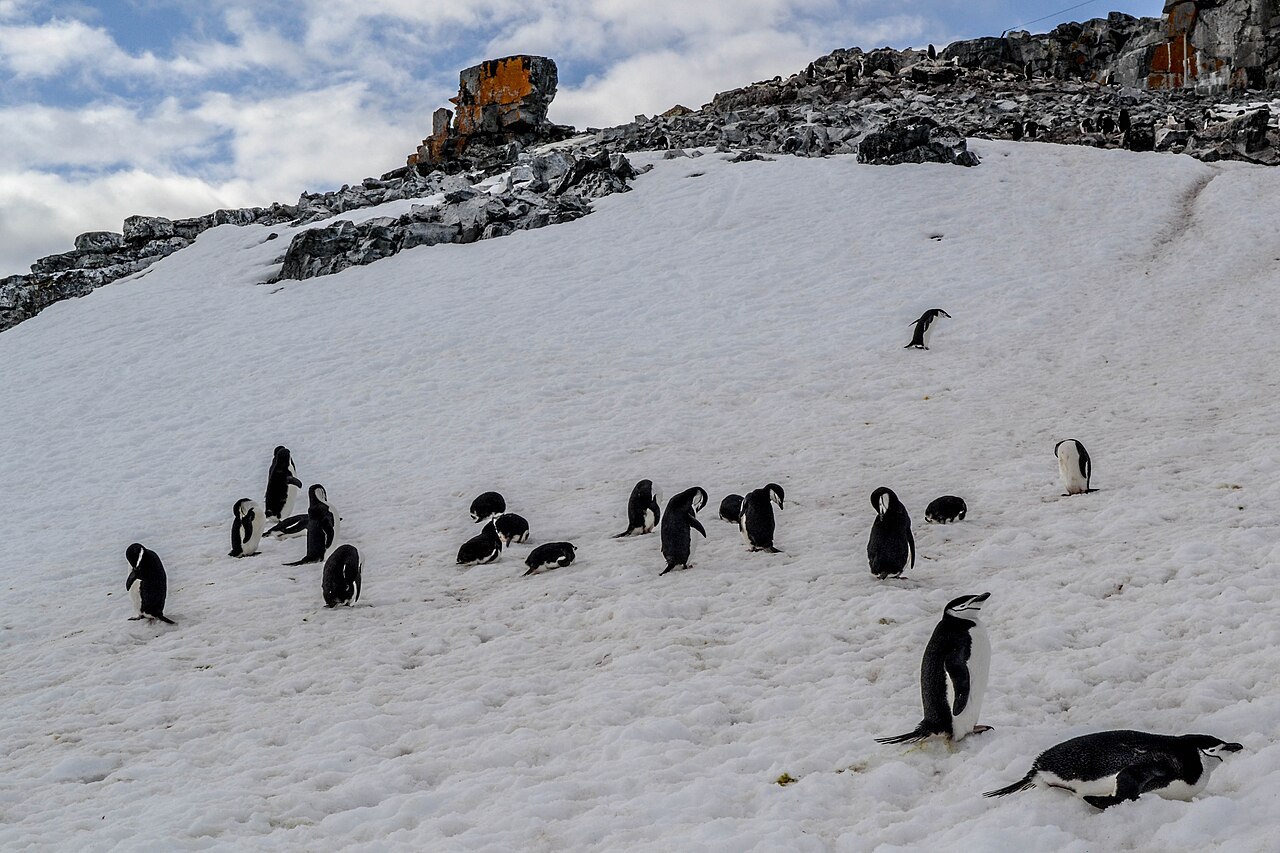
The core Antarctic experience. Zodiac to shore, then walking among thousands of penguins who regard humans with complete indifference. Gentoo, chinstrap, and Adelie penguins depending on location. Expedition naturalists provide context on behavior and conservation. Photography opportunities are extraordinary — penguins approach within feet if you stay still. Included with all expedition cruises. Moderate stamina level required for beach terrain and cold exposure.
Zodiac Cruising Among Icebergs (Included, 1-1.5 Hours)
When landing conditions are too rough or as an alternative to shore excursions, Zodiac cruising offers intimate encounters with ice formations. Drivers navigate among bergs sculpted into arches, towers, and grottos. Watch for leopard seals on ice floes and penguins porpoising through the water. Bring waterproof camera protection — you'll want to document the blue hues and impossible shapes. Included with expedition fare. Suitable for most fitness levels though cold endurance needed.
Kayaking ($500-1000 USD supplement, 2-3 Hours)
Limited spots available — book ahead when reserving your cruise for guaranteed participation. Paddle among icebergs with trained guides, experiencing Antarctica at water level. Wildlife encounters are intimate: curious seals, diving penguins, seabirds skimming past. Requires previous kayaking experience for most operators. Dry suits and equipment provided. An unforgettable way to connect with the environment on your own power. Book through your ship excursion coordinator at reservation time.
Polar Plunge (Free-$20 USD, 15 Minutes)
Jump into Antarctic waters wearing nothing but a swimsuit. The tradition happens once per voyage, usually at Deception Island where volcanic warmth slightly moderates the shock. Water temperature around 28-32°F. You submerge briefly, shriek, scramble out, and receive a certificate. Bragging rights last forever. Safety crew stands ready. Medical clearance required on some vessels. Surprisingly popular.
Visit Research Station (Included when available, 1 Hour)
Port Lockroy (British) offers a museum, gift shop, and post office. Vernadsky Station (Ukrainian) famously serves vodka to visitors. Access depends on station schedules and expedition timing — not guaranteed on every voyage. Ship excursion desk will announce opportunities. A fascinating glimpse into how scientists live and work in Earth's most isolated laboratory.
Overnight Camping ($300-600 USD, Evening-Morning)
Select expedition ships offer camping on Antarctic ice. Sleep in bivvy bags under the midnight sun (December-January) with penguins for neighbors. No tents — just sleeping bags, sleeping pads, and the stars. Remarkably peaceful once you accept the cold. Limited spots require advance booking through your expedition company. Moderate stamina level for managing cold exposure overnight.
Food & Dining
There are no restaurants in Antarctica. All meals come from your expedition ship, and quality varies by vessel and cruise line.
Expedition Ship Dining: Most vessels serve buffet breakfast and lunch with plated dinners. Quality ranges from cruise-ship standard to exceptional gourmet depending on your chosen operator. Dietary restrictions accommodated with advance notice. Hot soups and drinks available after cold Zodiac excursions — a comfort worth appreciating.
Pack Snacks: Long Zodiac days can leave gaps between meals. Bring energy bars, trail mix, and chocolate. Cold weather burns calories fast.
Hydration: The dry polar air and physical activity create dehydration risk. Drink water even when not thirsty. Ships provide reusable bottles.
Celebration Meals: Many ships mark crossing the Antarctic Circle or reaching furthest south with special dinners and champagne. These become voyage highlights.
Local Notices
Drake Passage: The crossing between South America and Antarctica traverses some of Earth's roughest seas. Pack motion sickness medication (patches work well). Secure loose items in your cabin. The rough crossing is part of the adventure — and makes arrival feel earned.
Weather Cancellations: Landings cancel without warning when wind, waves, or visibility make Zodiac operations unsafe. Expedition leaders make final calls. No specific landing site is ever guaranteed. Flexibility and acceptance are essential Antarctic virtues.
Camera Batteries: Cold drains batteries rapidly. Carry spares in inner pockets close to body warmth. Bring more memory cards than you think necessary — you'll take thousands of photos.
IAATO Guidelines: Stay 5 meters from wildlife (unless they approach you). Don't leave anything behind. Don't take anything except photos. Walk only in designated areas. These rules protect an irreplaceable ecosystem.
Insurance: Emergency evacuation from Antarctica costs hundreds of thousands of dollars. Travel insurance with specific polar expedition coverage is mandatory for most operators.
Depth Soundings Ashore
Choosing an Antarctic expedition requires careful research. Verify your operator is an IAATO member — this ensures they follow protocols protecting the environment and passengers. Ship size matters: smaller vessels (under 200 passengers) mean more landing time since IAATO limits shore parties to 100. Larger ships may cruise-only or offer fewer landings per person.
The honest assessment: Antarctic expeditions deliver profound experiences but demand significant investment. Costs start around $8,000 USD for budget vessels and climb to $30,000+ for luxury or extended itineraries. The Drake Passage crossing tests even experienced travelers. Landing conditions can be challenging physically. This is not a passive cruise but active expedition travel.
Worth the cost? For those seeking genuine wilderness, wildlife encounters found nowhere else on Earth, and the humbling perspective that comes from standing at Earth's margin — absolutely. I came home changed by Antarctica in ways that justify the expense and effort. The continent asks something of you and gives back immeasurably. Book ahead through reputable expedition operators for the best cabin selection and activity availability. This is one journey worth doing right.
Practical Information
- Region
- Antarctic Peninsula
- Season
- November-March
- Gateway
- Ushuaia, Argentina
- Drake Crossing
- 2 days each way
- Temperature
- 20-40°F (-6 to 4°C)
- Expedition Cost
- $8,000-30,000+ USD
- Accessibility
- Very limited; Zodiac boarding and terrain challenges
- Currency
- USD (shipboard) / None ashore
Photo Gallery
Frequently Asked Questions
Q: How do Zodiac landings work?
A: Ships anchor in protected bays. Passengers board Zodiacs from the gangway or marina platform, riding 5-15 minutes to shore. Landings are either "wet" (stepping into shallow water) or "dry" (onto rocks). Expedition staff assist with boarding and provide waterproof boots on most vessels. IAATO limits each landing to 100 passengers at a time.
Q: What wildlife will I see?
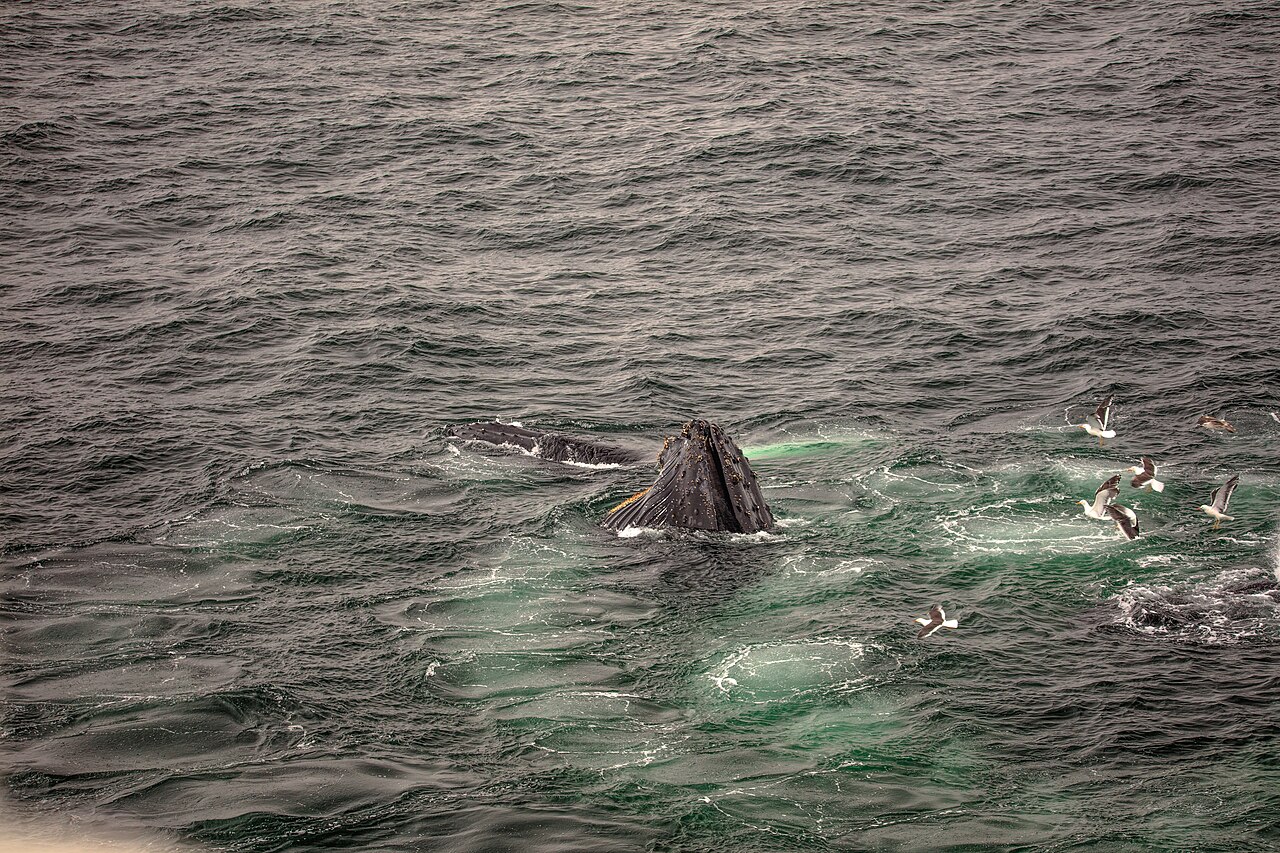
A: Expect penguin colonies in thousands — gentoo, chinstrap, and Adelie depending on location. Leopard seals rest on ice floes. Weddell and crabeater seals are common. Humpback whales feed in bays, often approaching Zodiacs. Orcas hunt in pods. Seabirds include wandering albatross, giant petrels, and skuas. Wildlife is remarkably unafraid of humans.
Q: When is the best time to visit?
A: November-December offers pristine snow and penguin courtship rituals. January-February has warmest temperatures and penguin chicks. March brings increased whale activity and dramatic late-season lighting. Each month offers different experiences; there is no wrong time during the season.
Q: Can I set foot on the actual continent?
A: Yes. Neko Harbour and Paradise Harbour are mainland Antarctica landings. You receive a certificate for setting foot on the 7th continent. Many other landings are on peninsula islands, which is still Antarctica but not the continental landmass.
Q: How rough is the Drake Passage?
A: Conditions vary from "Drake Lake" (calm) to "Drake Shake" (serious swells). Most crossings involve moderate seas with some pitching and rolling. Pack motion sickness medication regardless. The rough crossing makes arrival feel earned and departure bittersweet.
Q: Is this trip suitable for older travelers?
A: Many Antarctic travelers are retirement age. Key requirements: ability to climb into Zodiacs (stepping down into moving boats), walking on uneven terrain, and tolerating cold for 2+ hours. Discuss specific limitations with expedition companies before booking.
Q: When is the Antarctic Peninsula's storm season?
A: The hazard-note on this page reads: "Weather can change from sunshine to whiteout in minutes. The Drake Passage crossing (2 days each way) can be extremely rough." The glance Wind entry reads "Very strong; katabatic winds."
Q: What should I pack for the Antarctic Peninsula's weather?
A: The glance Temperature reads "10-37°F — Antarctic maritime" and Wind reads "Very strong; katabatic winds." Rain reads "Snow and sleet year-round; slightly drier in winter." Daylight reads "0-24 hours (extreme polar variation)." Pack expedition layers and a fully waterproof outer shell.
Q: Will rain ruin my Antarctic landings?
A: The glance Rain entry reads "Snow and sleet year-round; slightly drier in winter" — precipitation usually falls as snow rather than rain. The hazard-note adds: "Weather can change from sunshine to whiteout in minutes." For current conditions on a specific sailing date, the live weather widget in the seasonal panel above is the primary source.
Quick Answer: The Antarctic Peninsula is the most accessible region of Earth's last wilderness — expedition cruises from Ushuaia deliver Zodiac landings among thousands of penguins, calving glaciers, and pristine bays where wildlife has never learned to fear humans.
Last reviewed: February 2026