


My Experience at South Georgia
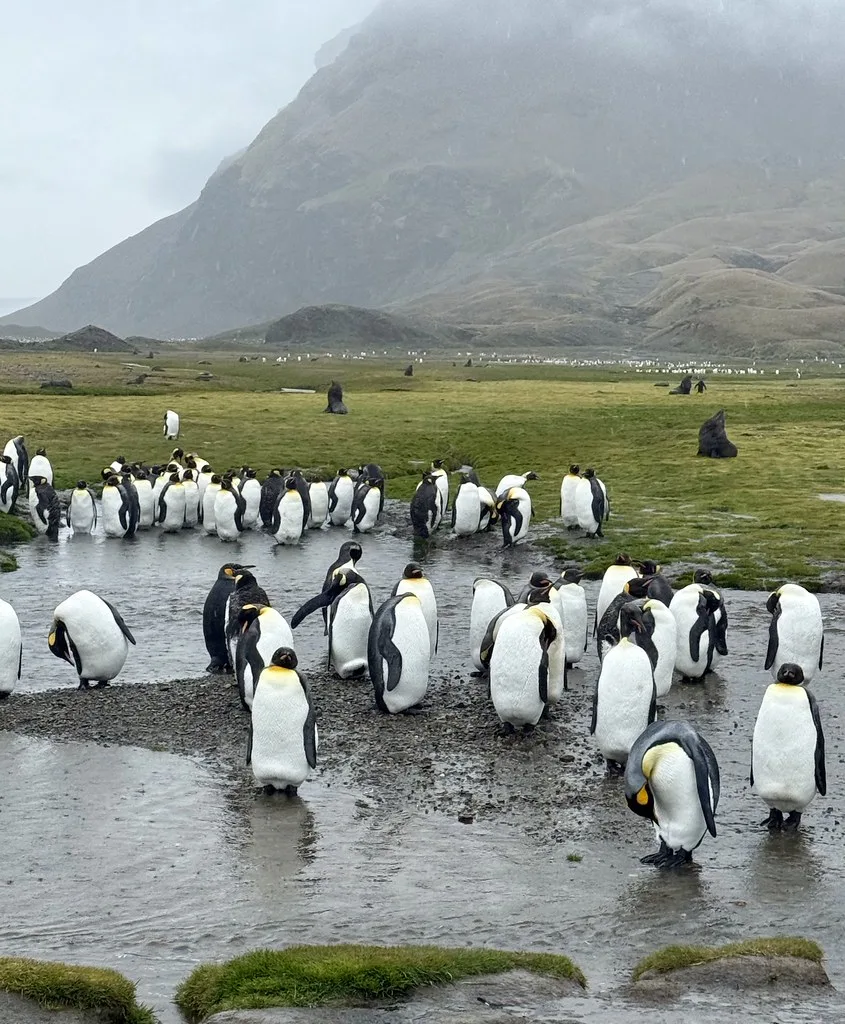
I stepped off the Zodiac onto black volcanic sand, and the cold hit me like a wall of ice water. My boots sank into wet gravel as I steadied myself against the wind. Ahead of me, stretching farther than my eyes could track, sixty thousand King penguins covered Salisbury Plain in a living carpet of black, white, and gold. The sound reached me before I could fully process the sight — thousands of individual calls layered into a single roaring chorus that vibrated in my chest. I had read about South Georgia for years, studied the photographs, watched the documentaries. But nothing prepared me for the overwhelming, full-body shock of standing in the middle of it. The smell was intense — guano, salt, wet feathers, kelp — and yet I breathed it in like perfume, because every breath confirmed I was actually here, at the edge of the world, surrounded by more wildlife than I had ever imagined possible.
Our expedition ship had anchored offshore at dawn. Through my cabin porthole, I watched the mountains of South Georgia emerge from morning fog like a fortress rising from the sea. Snow-capped peaks soared straight up from grey water, their flanks scarred by glaciers that gleamed pale blue in the early light. My wife squeezed my hand and whispered, "We actually made it." We had endured two days crossing the Drake Passage, the roughest stretch of ocean on earth. I had been seasick despite medication. She had held my water bottle and kept me company in our pitching cabin. But here we were, and the Drake was already fading into memory as South Georgia commanded our full attention.
Ernest Shackleton called this island "a rude and bold land." However, that British understatement barely captures the reality. It is both brutal and magnificent — the mountains are sharp enough to cut the sky, but the valleys cradle life in staggering abundance. I stood at Shackleton's grave in Grytviken, flask of whisky in my trembling hand, and poured a dram onto his weathered headstone as tradition demands. The grave faces south toward Antarctica — the direction he always looked, the direction that called him back again and again until it finally claimed him. Around us, the rusted hulks of whaling station machinery stood like monuments to a darker chapter. Yet nature has reclaimed even those scars. Fur seals lounged in doorways of abandoned buildings. Moss crept across iron. The whales are returning to these waters now, slowly, after decades of silence.
The moment that changed me happened at St Andrews Bay. I watched a King penguin adult emerge from the surf, porpoising through frigid waves, and waddle up the beach calling for its chick. One hundred fifty thousand penguins surrounded us, yet somehow this single parent found its own offspring in that chaos. The chick — a brown, fuzzy creature taller than my knee — pressed against its parent, and I heard a soft, trilling sound pass between them. My eyes filled with tears. Something shifted inside me. In a world where we struggle to find our people in a crowded room, this bird crossed an ocean and found its child by voice alone. I couldn't speak for a long moment. My wife put her arm around me and we simply watched, grateful to witness something so tender amid so much wildness.South Georgia demands respect, though. The weather turns on a coin — sunshine to driving snow in minutes. Our planned landing at Gold Harbour was cancelled because wind gusts exceeded safe limits. We circled instead to Fortuna Bay, where Shackleton himself stumbled down from the mountains after his impossible crossing in 1916. Despite the disappointment, Fortuna Bay offered its own gifts: a smaller penguin colony, fewer people, and an overwhelming sense of solitude. I hiked a short stretch of the route Shackleton walked, my boots crunching on scree, and tried to imagine doing this exhausted, starving, and responsible for the lives of twenty-two men waiting on Elephant Island. The courage staggered me. Even so, I was grateful for my warm parka and the Zodiac waiting at the beach.
The cost of reaching South Georgia is significant. Expedition cruises typically run $8,000-$15,000 per person for a 14-20 day voyage from Ushuaia, Argentina. Yet every dollar felt like a wise investment. The Zodiac transfer fee is included in the fare, and our ship provided waterproof parkas worth about $200 each. I spent $25 on postcards at the Grytviken gift shop and $15 on a commemorative pin — my only purchases on an island with no shops, no restaurants, no economy to speak of. Although some passengers grumbled about the price, I noticed every single one of them fell silent when the penguins appeared. No amount of money can manufacture that kind of awe.
Accessibility here is challenging. There are no wheelchair-accessible paths, no paved surfaces, no handrails. Everything is uneven beach, tussock grass, and mud. Passengers with mobility limitations can still observe wildlife from the Zodiac, and our expedition team offered modified landings for those who needed them. Still, South Georgia rewards those who can walk on rough terrain — the deeper you go inland, the more overwhelming the colonies become.
Looking back, I realized that South Georgia taught me something I had been forgetting in the noise of ordinary life. We plan everything — our schedules, our budgets, our carefully optimized itineraries — and yet the moments that matter most are the ones we cannot plan for. I did not plan to cry watching a penguin find its chick. I did not plan for Fortuna Bay to replace Gold Harbour and become my favorite landing. I did not plan to feel Shackleton's presence so strongly at his grave that I whispered "thank you" to a man who died a century ago. What matters is showing up — imperfect, windblown, seasick — and letting the world do what it does. South Georgia is not convenient. It is not comfortable. But it is, without reservation, utterly worth it.
Featured Images
The Cruise Port
What you need to know before you arrive.
- Terminal: No permanent dock — ships anchor offshore; Zodiac landings at Grytviken, Salisbury Plain, St Andrews Bay, Fortuna Bay, Gold Harbour, and other sites (weather permitting)
- Distance to Landing Sites: Variable — depends on anchorage and sea conditions; Zodiac transfers 5-20 minutes; all landings weather-dependent
- Tender: Yes — all landings via Zodiac inflatable boats (provided by expedition ship); tender service is included in fare
- Currency: British Pound (GBP) — no ATMs; cash only at Grytviken museum/gift shop; credit cards NOT accepted; bring small-denomination British pounds
- Language: English (British Antarctic Survey staff and Government Officers)
- Driving: Not applicable — no roads; all movement on foot or by Zodiac
- Best Season: November-March (Southern Hemisphere summer); peak wildlife viewing December-February; penguin chicks January-February; avoid March (aggressive fur seals)
- Wheelchair access: Very limited; no paved paths; Zodiac viewing possible for passengers with mobility constraints
Getting Around
South Georgia has no roads, no vehicles, no infrastructure for land transport. Every movement on the island happens either by Zodiac inflatable boat or on foot across wild, unpaved terrain. The expedition ship serves as your base, and all excursions depart from and return to the ship via Zodiac transfer.
- Zodiac Boats: The only transportation between ship and shore. Provided by your expedition ship and operated by trained crew. Transfers take 5-20 minutes depending on anchorage distance and sea conditions. All landings are wet landings — expect to step into shallow surf. Life jackets are required and provided. The cost of Zodiac transfers is included in your expedition fare (typically $8,000-$15,000 per person).
- On Foot: All land exploration happens on foot. Terrain varies dramatically — volcanic black sand beaches, thick tussock grass, rocky scree, ankle-deep mud near penguin colonies, and snow-covered slopes. Waterproof hiking boots with aggressive tread are essential. Some landing sites require moderate walking difficulty over uneven ground; others are relatively flat beach walks. Guided groups typically cover 1-3 kilometers per landing.
- No Roads or Vehicles: South Georgia has no road system whatsoever. British Antarctic Survey researchers use all-terrain vehicles for scientific work, but these are not accessible to visitors.
- Guided Only: All landings are accompanied by expedition guides who enforce wildlife distance rules and safety protocols. You cannot explore independently — follow guide instructions precisely, especially around fur seals which can be aggressive and dangerous.
- Weather Determines Everything: Itineraries remain entirely flexible. Planned landings may be cancelled or substituted based on wind speed, wave height, and visibility. Expedition leaders prioritize safety over schedule. The guaranteed return to your ship depends on Zodiac conditions — in rare cases, shore time may be cut short if weather deteriorates.
- Accessible options: Passengers with wheelchair needs or limited mobility can observe wildlife from the Zodiac without landing. Discuss options with your expedition team before the voyage.
South Georgia Island Area Map
Interactive map showing major landing sites: Grytviken, Salisbury Plain, St Andrews Bay, Gold Harbour, Fortuna Bay, and Prion Island. All landings weather-dependent and subject to change.
Excursions & Activities
How I'd spend my time.
All excursions at South Georgia are organized through your ship excursion program. There is no independent touring — the island has no infrastructure, no transportation, and no services outside the expedition vessel. Book ahead when selecting your expedition cruise, as South Georgia voyages sell out 12-18 months in advance. Your ship excursion package includes all Zodiac transfers and guided landings. There is no guaranteed return to any specific site — weather determines which landings are possible on any given day.
Salisbury Plain — 60,000 King Penguins
Massive King penguin colony (60,000+ birds) on wide glacial outwash plain. Snow-capped peaks towering behind. Penguin chicks in brown downy feathers (January-February). Elephant seals resting on beaches. Grace Glacier calving in background. Zodiac wet landing on beach. Full sensory immersion — sight, sound, smell of one of earth's great wildlife congregations. Bring camera with telephoto lens and waterproof bags. Weather-dependent landing. Ship excursion landing fee included in voyage cost (typically $8,000-$15,000 per person for the full expedition).
St Andrews Bay — Largest King Penguin Colony
150,000+ King penguins (largest accessible colony on South Georgia). Breeding birds, molting adults, fluffy brown chicks. Elephant seals in massive numbers — beaches crowded with multi-ton males, harems, and pups. Cook Glacier backdrop. Intense wildlife experience — you're surrounded by life in overwhelming abundance. Prepare for sensory overload. Muddy, smelly, loud, magnificent. Zodiac landing. Weather-dependent. If you can only do one landing, make it this one.
Grytviken — Shackleton's Grave & Whaling History
Abandoned whaling station (operated 1904-1965). South Georgia Museum in former whaling manager's house — whaling history, natural history, Shackleton exhibits (museum entry fee: free). Ernest Shackleton's grave in cemetery overlooking harbor (tradition: toast with whisky). Norwegian whalers' church (still consecrated). Rusted machinery, whale-oil tanks, ship skeletons. Eerie, haunting, historically significant. Only settlement on South Georgia. British Antarctic Survey research station. Post office (postcards cost approximately $2 each with South Georgia stamps). Gift shop with commemorative pins ($15) and books ($20-$40). Zodiac landing.
Gold Harbour — Dramatic Glacial Amphitheater
Spectacular setting: King penguin colony backed by hanging glaciers and sheer mountain walls. Elephant seals breeding on beach. Gentoo penguins. Glacier calving into sea. One of South Georgia's most photogenic locations. Challenging Zodiac landing (surf can be heavy). Worth it for dramatic scenery combined with wildlife. Weather-dependent. Bring polarizing filter for glacier photography.
Fortuna Bay — Shackleton's Crossing Route
Final destination of Shackleton's 1916 mountain crossing from King Haakon Bay to Stromness whaling station. King penguin colony. Fur seals (can be aggressive — keep distance). Optional guided hike following portion of Shackleton's route (moderate fitness required). Connects wildlife viewing with Heroic Age exploration history. Zodiac landing. Weather and fitness-dependent.
Prion Island — Wandering Albatross Nesting Site
Breeding site for wandering albatross (world's largest flying bird — 11+ foot wingspan). Boardwalk protects nesting habitat (November-early January only — site closed mid-January to protect chicks). Watch albatross courtship displays, nesting, and chick-rearing. Limited visitor numbers (permit required — arranged by expedition ship). Rare opportunity to observe these magnificent seabirds up close. Tussock grass, Antarctic prions, other seabirds. Weather-dependent. Seasonal access only.
Historical Significance
- Shackleton's Grave: Ernest Shackleton died aboard Quest in Grytviken harbor (January 5, 1922). Buried facing south toward Antarctica. Headstone reads "I hold that a man should strive to the uttermost for his life's set prize."
- Whaling Era: South Georgia whaling stations operated 1904-1965. Over 175,000 whales killed. Grytviken, Leith Harbour, Stromness, Husvik, Ocean Harbour, Prince Olav Harbour — all abandoned, slowly decaying. Environmental cleanup ongoing.
- 1916 Crossing: Shackleton, Worsley, and Crean crossed South Georgia's unmapped interior after 800-mile open-boat journey from Elephant Island (May 1916). 36-hour trek over glaciers and mountains. Reached Stromness whaling station, saved Endurance crew.
- British Overseas Territory: South Georgia administered from Falkland Islands. British Antarctic Survey maintains research presence. No permanent civilian population.
Special Notices
Depth Soundings Ashore
- Book expedition cruises 12-18 months ahead — South Georgia voyages sell out quickly (limited ships, limited season, high demand). Budget $8,000-$15,000 per person for a full expedition voyage from Ushuaia.
- Embrace flexibility — weather dictates everything. Planned landings may be cancelled; alternatives may exceed expectations. Go with the flow.
- Waterproof everything — camera gear, binoculars, electronics. Zodiac spray, snow, rain can happen instantly. Dry bags are essential and cost about $15-$30.
- Layer clothing aggressively — temperatures fluctuate wildly. Cold on Zodiac, warm hiking uphill, freezing standing still. Base layers, fleece, waterproof shell, hat, gloves always.
- Bring seasickness medication — Southern Ocean crossings can be brutal. Drake Passage earned its reputation. Even if you don't get seasick elsewhere, prepare here.
- Respect wildlife distance rules — King penguins seem approachable (they often walk right up to you), but breeding birds need space. Fur seals are dangerous — never approach. Follow guide instructions precisely.
- Visit Shackleton's grave properly — bring small flask of whisky (tradition to pour dram on headstone). Read Endurance or South before arriving. Context transforms the experience.
- Download offline maps and field guides — no internet, no cell service. Pre-load bird and marine mammal identification resources.
- Bring British pounds in small denominations — Grytviken museum and gift shop cash-only. No ATMs anywhere on island. Postcards cost about $2 each.
- Prepare for mud — penguin colonies, elephant seal beaches, and landing areas are muddy, smelly, sometimes ankle-deep. Waterproof boots with good tread essential. Embrace the mess.
Photo Gallery
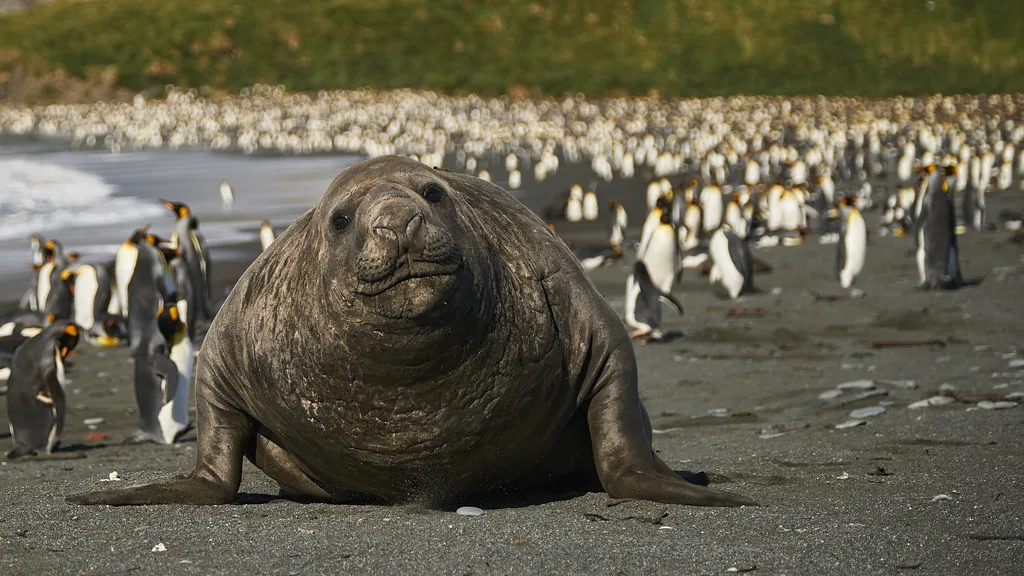
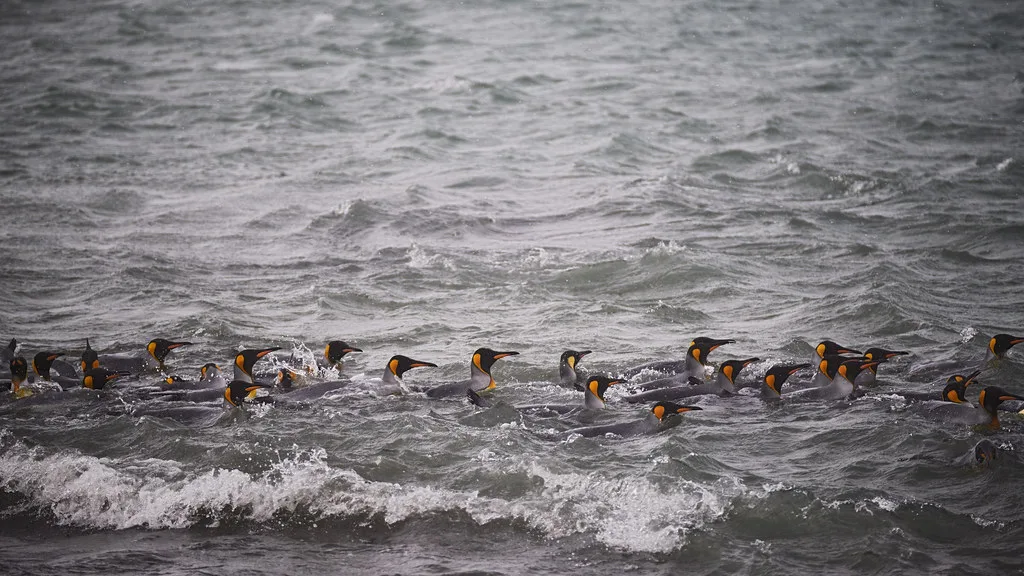
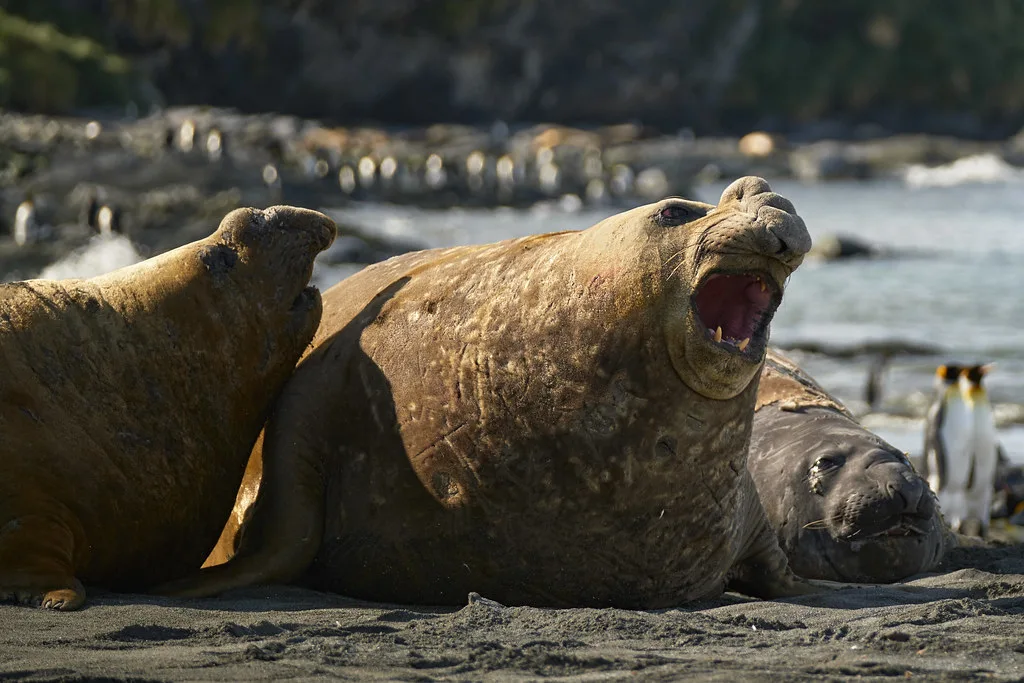
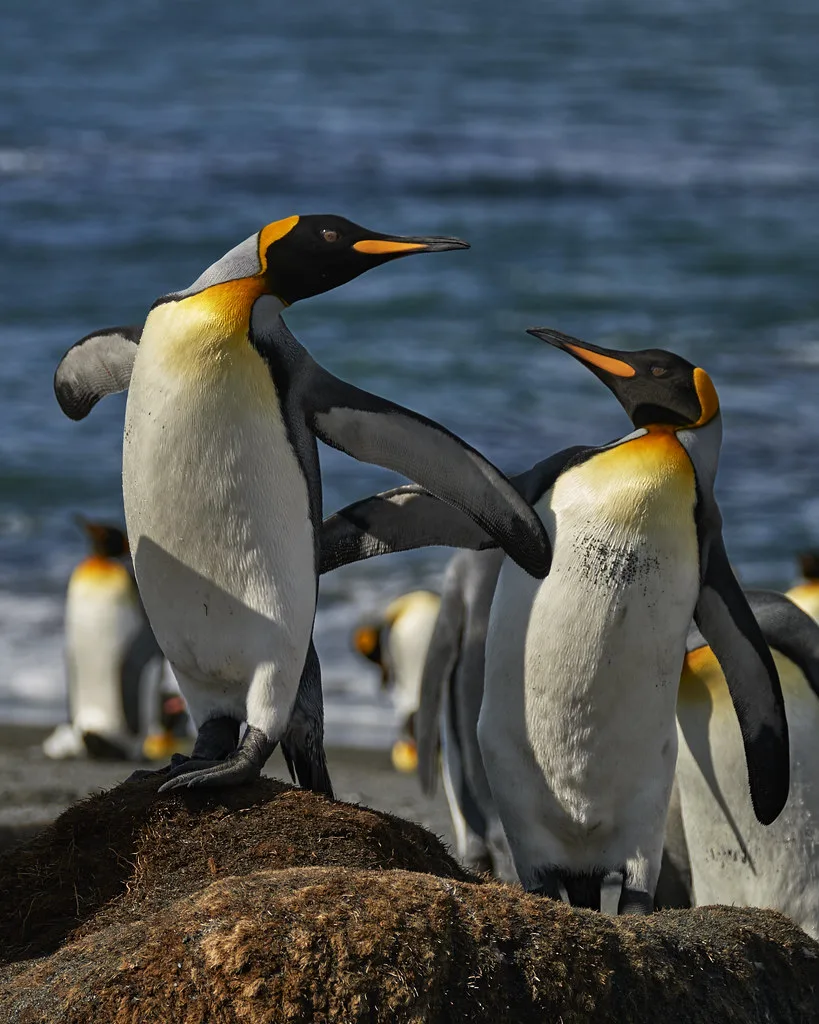
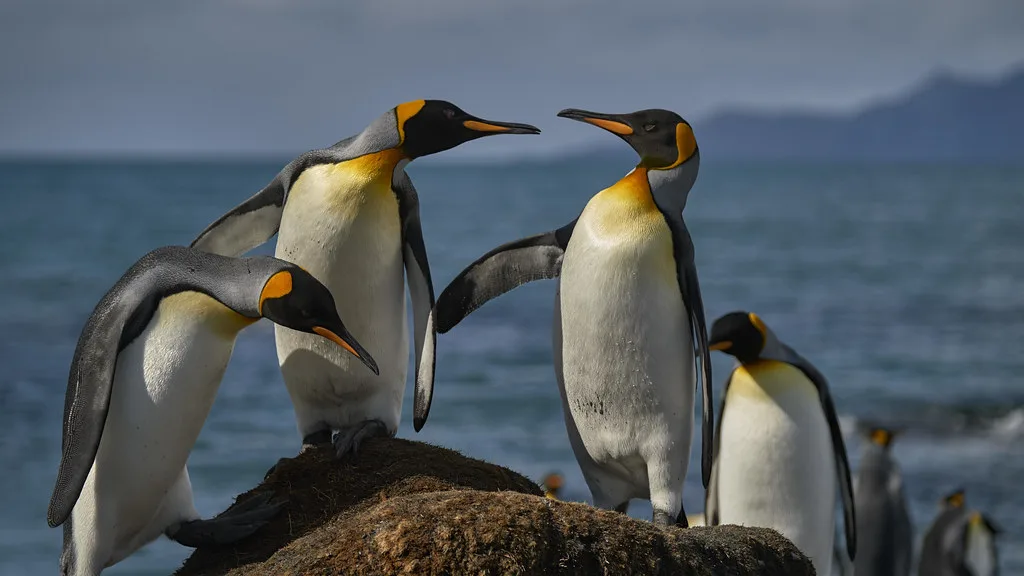
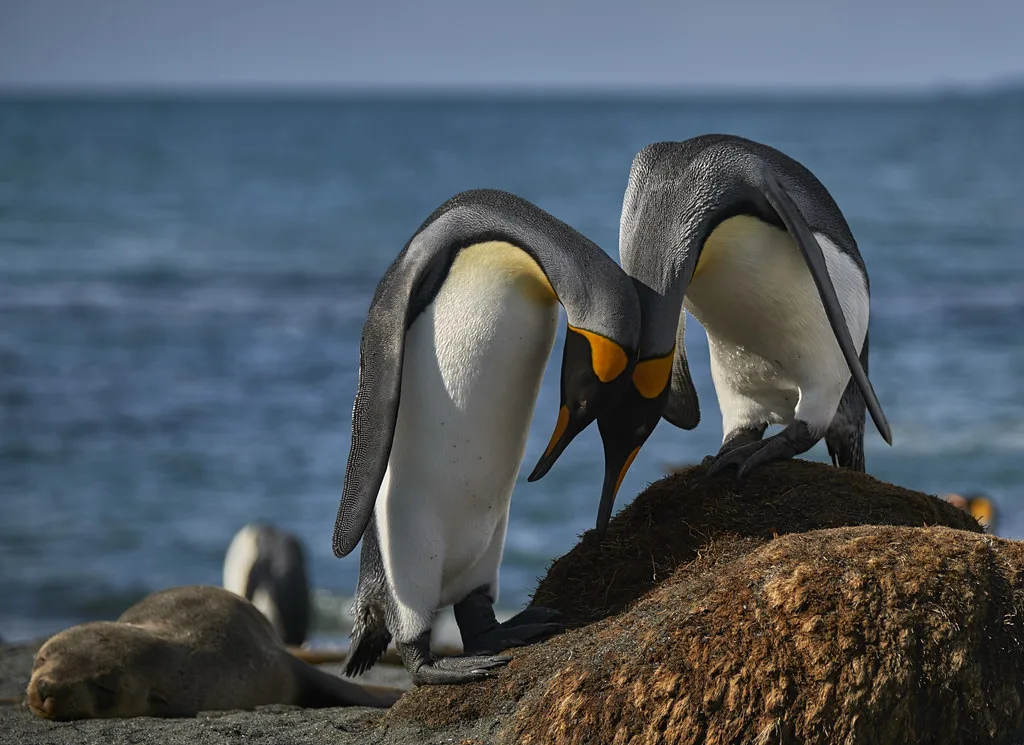
Image Credits
All photographs on this page are used under free license from Unsplash and Pixabay. Specific attributions are noted in individual figure captions.
Weather & Best Time to Visit
Frequently Asked Questions
Q: What's the best time of year to visit South Georgia on a cruise?
Typical range 25-46°F — sub-Antarctic oceanic; rain: Frequent precipitation; snow at altitude. Peak cruise months: Nov, Dec, Jan, Feb. Avoid months: Apr, May, Jun, Jul, Aug, Sep.
Q: Is there a severe weather or storm season that affects South Georgia?
South Georgia is not marked as a warm-water hurricane zone in our seasonal guide. Local concern: seasonal weather swings.
Q: What should I pack for South Georgia's weather?
For South Georgia, pack for 25-46°F — sub-Antarctic oceanic. Full expedition waterproof gear; Warm waterproof boots; Multiple warm layers; UV sunglasses
Q: Will rain ruin my South Georgia port day?
Brief rain is common enough around South Georgia that a flexible plan beats canceling. South Georgia has the largest king penguin colonies on Earth; Salisbury Plain and St Andrews Bay are overwhelming with wildlife
Q: Do cruise ships dock at South Georgia Island?
No permanent dock exists. Ships anchor offshore and use Zodiac boats to transfer passengers to landing sites. All landings are weather-dependent. South Georgia's waters are among the world's most challenging — itineraries remain flexible based on conditions. The Zodiac transfer cost is included in your expedition fare.
Q: Can I visit Shackleton's grave?
Yes. Ernest Shackleton is buried at Grytviken cemetery, overlooking the harbor where his ship Quest was anchored when he died in 1922. Visitors toast Shackleton with whisky (bring a flask). The grave faces south toward Antarctica.
Q: How many penguins are at South Georgia?
Approximately 400,000 breeding pairs of King penguins (roughly 800,000 individuals including chicks). Salisbury Plain alone hosts 60,000+ Kings. St Andrews Bay: 150,000+. Also Macaroni penguins (2.5 million pairs), Gentoo, Chinstrap. South Georgia is the world's most important King penguin breeding ground.
Q: Is South Georgia accessible for travelers with mobility issues?
Landing sites have no paved paths or wheelchair ramps. Terrain is rough — beach, mud, tussock grass, rocky ground. However, passengers with walking difficulty or limited mobility can observe wildlife from the Zodiac without landing ashore. Discuss accessible options with your expedition team before booking.