


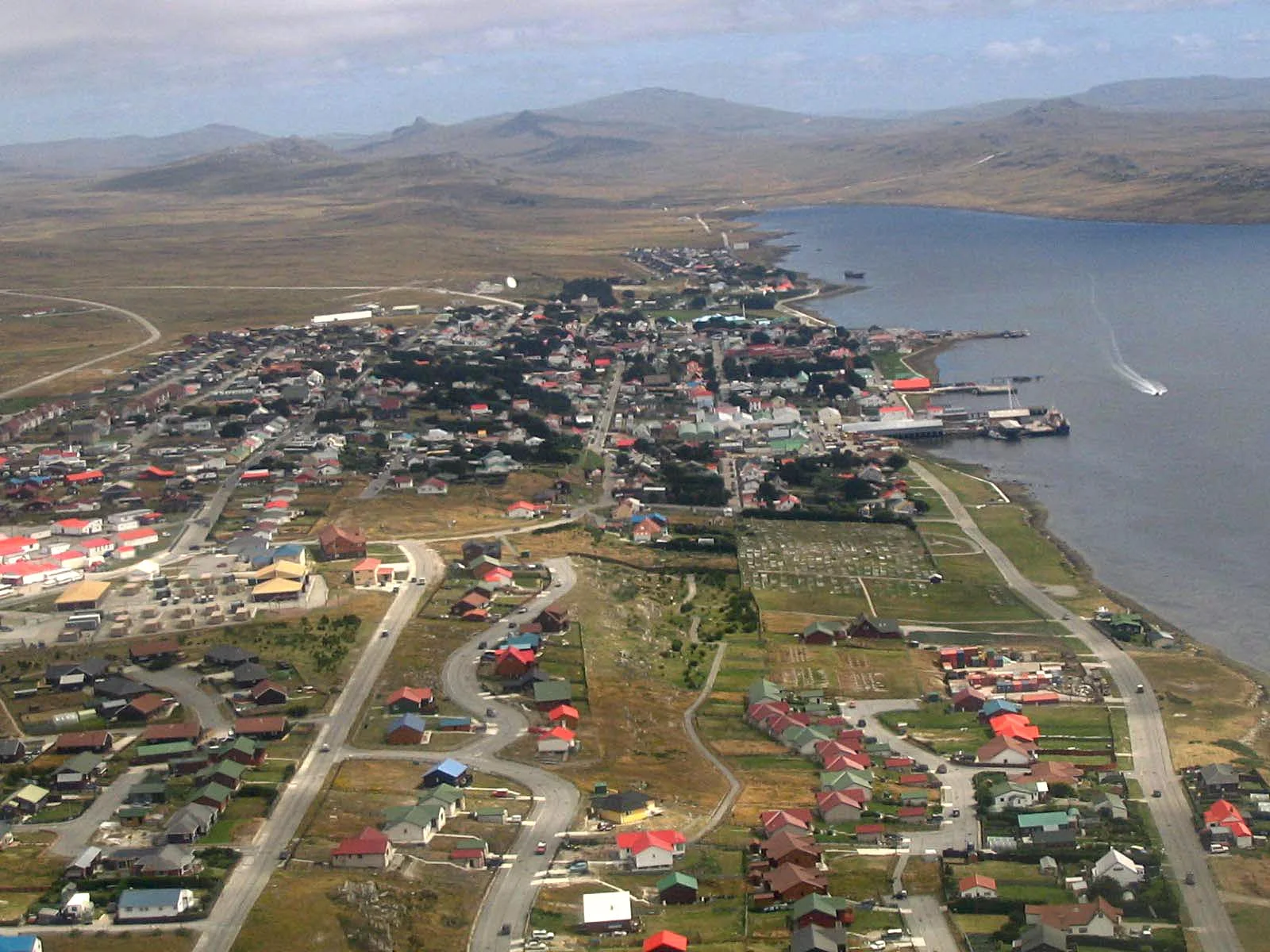
Photo: Hohum / Wikimedia Commons (Public Domain)
Captain's Logbook
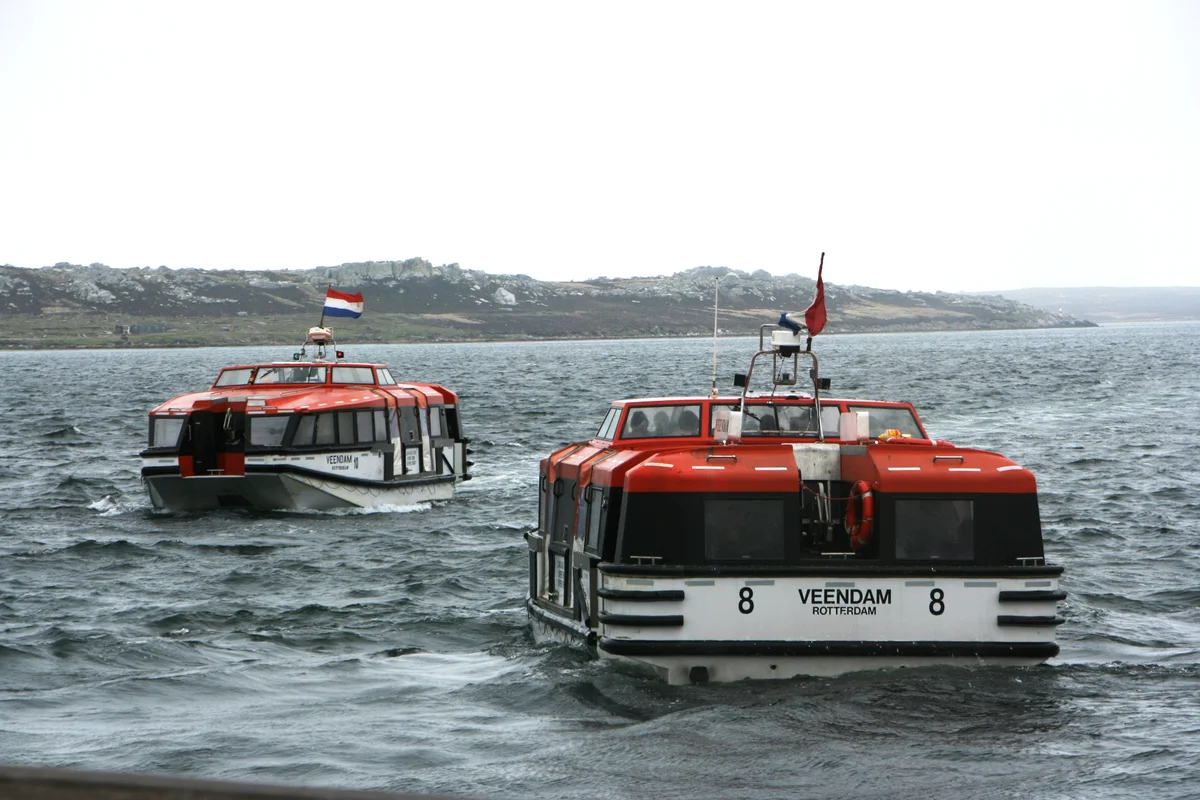
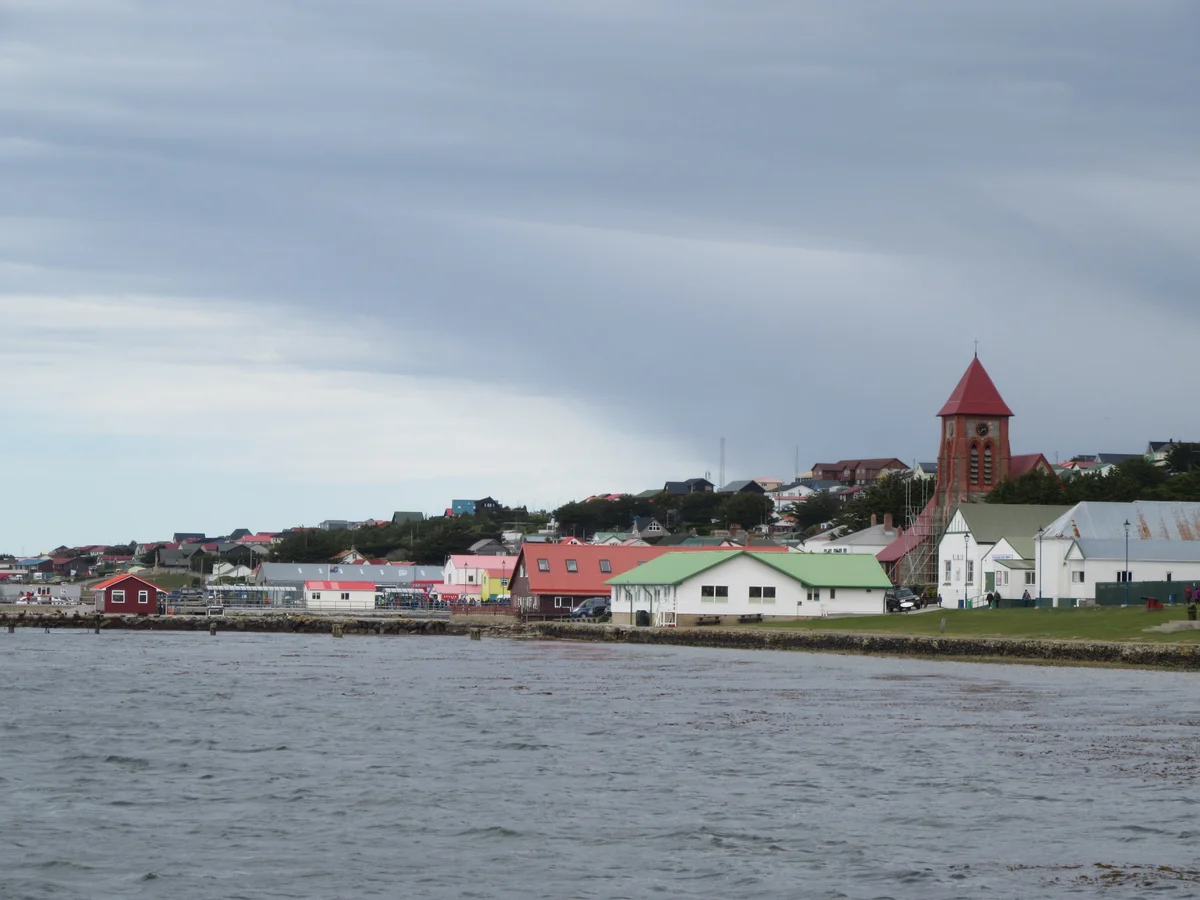
I would arrive at Port Stanley on a morning when the wind howled across the harbor at 40 knots — and the locals would call it a calm day. This remote British Overseas Territory sits 300 miles east of Argentina's coast, a cluster of windswept islands at the edge of the South Atlantic where penguins outnumber humans by roughly 500 to one. My ship would anchor in Stanley Harbour, the tender ride to shore offering my first glimpse of this improbable settlement: brightly painted houses with corrugated iron roofs, the spire of Christ Church Cathedral rising above the waterfront, and British telephone boxes standing defiantly against the perpetual gale.
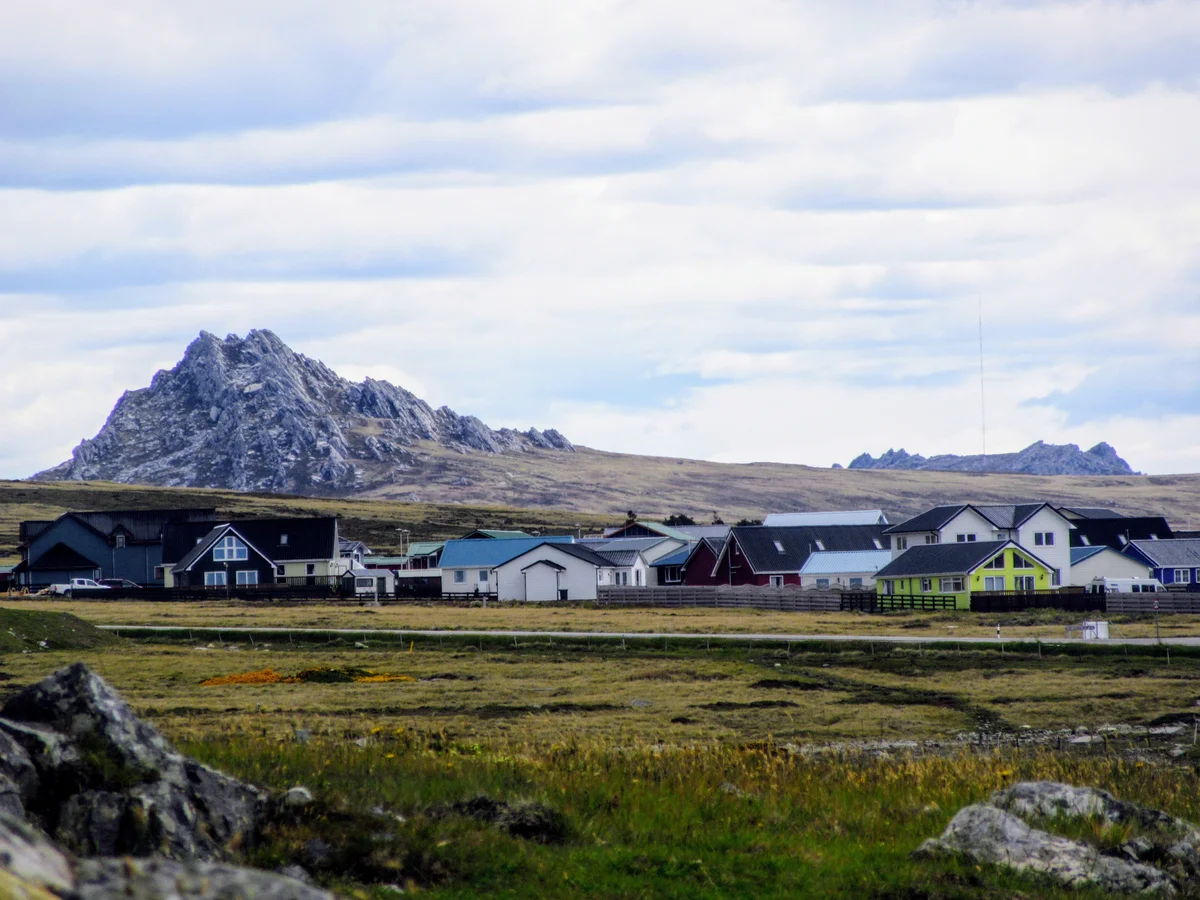
Stanley feels like a Scottish village transported to the bottom of the world. About 3,500 people live here — roughly 85% of the islands' total population — and they maintain a thoroughly British way of life complete with pubs, fish and chips, and afternoon tea. Yet the landscape surrounding them belongs to another realm entirely. Rolling moorland stretches toward distant peaks, white-sand beaches host colonies of penguins numbering in the thousands, and elephant seals haul out on rocky shores where the only sounds are wind and waves. I would find myself constantly adjusting my sense of where I was — the accents and architecture spoke of Britain, but the wildlife belonged to Antarctica.
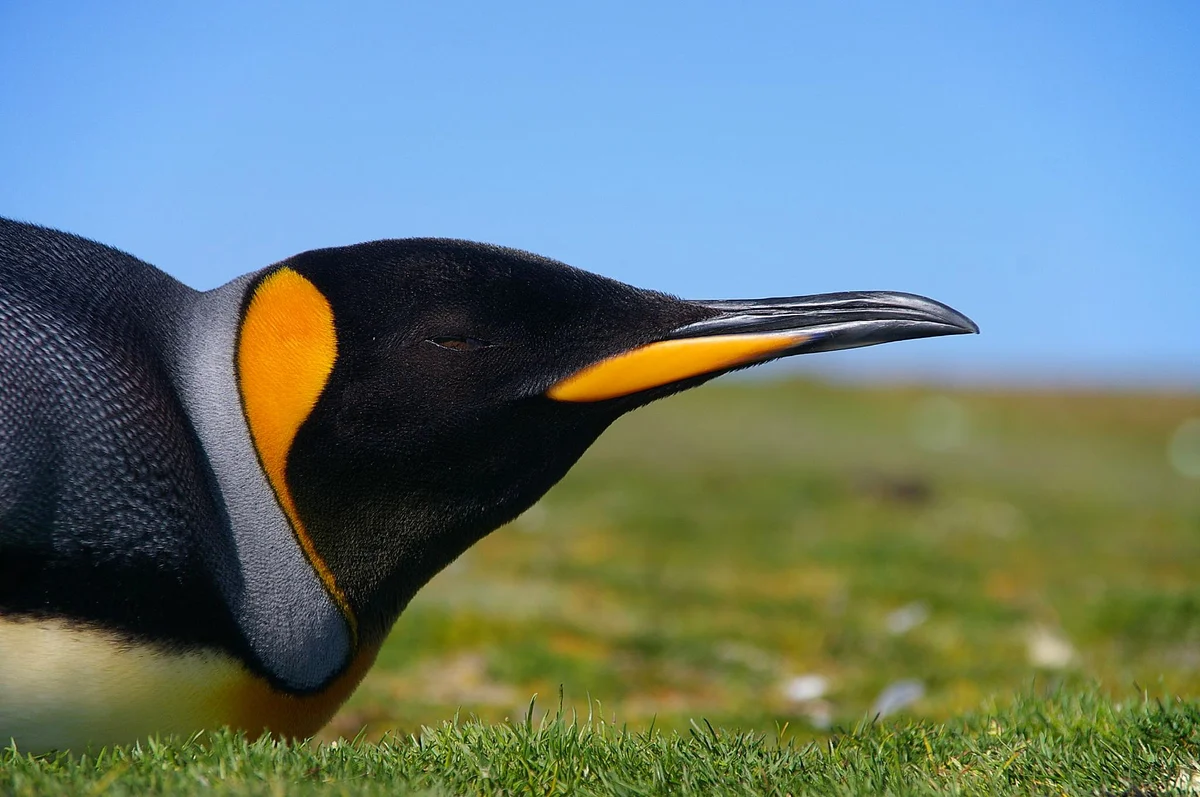
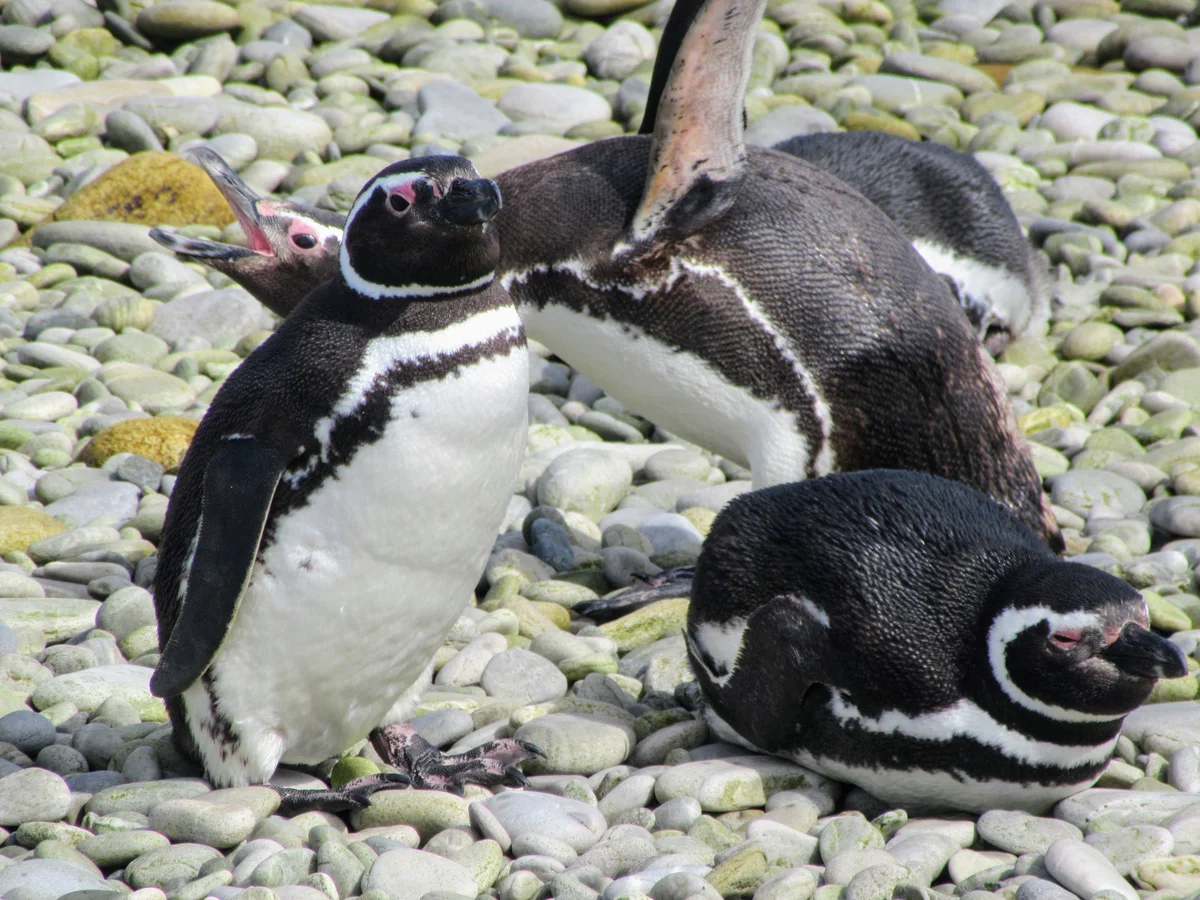
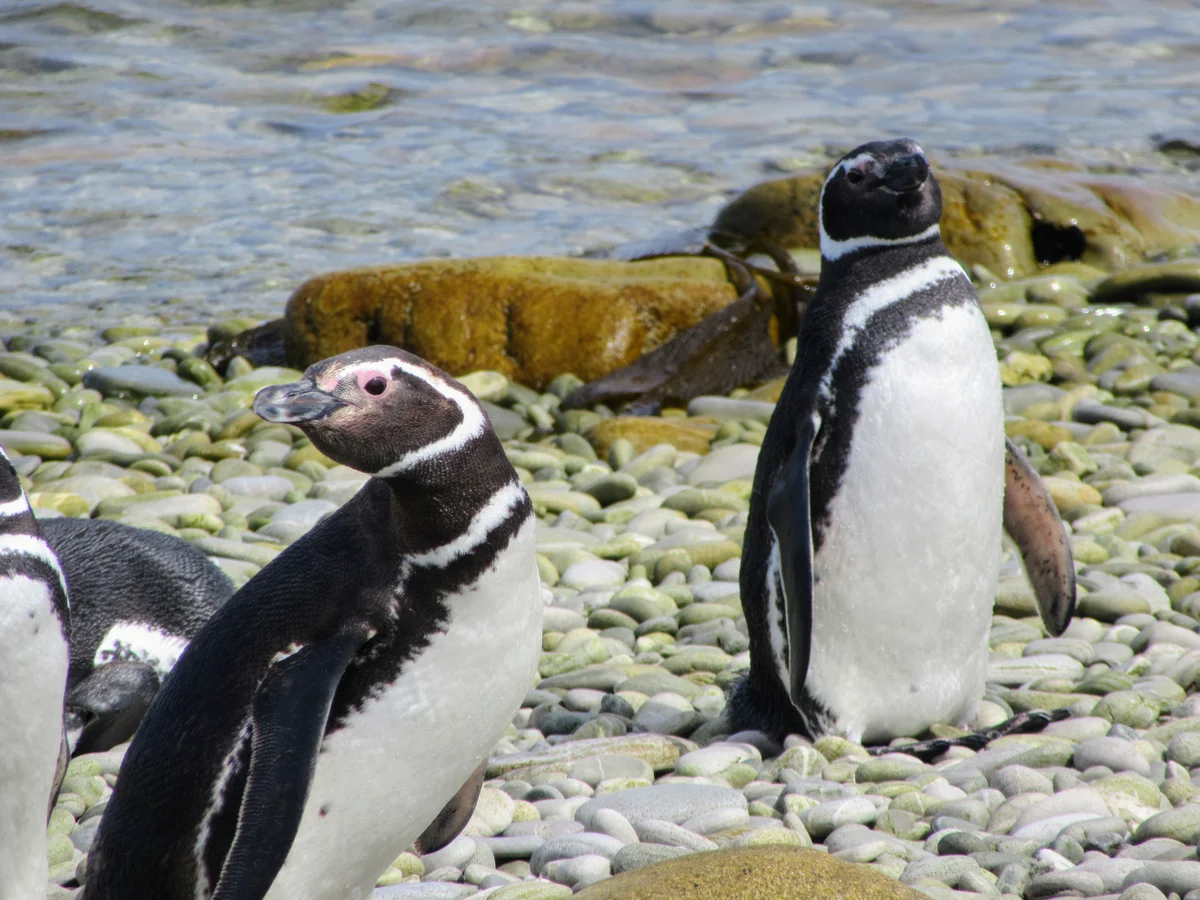
The penguin colonies would draw me like a magnet. Five species breed in the Falklands: King, Gentoo, Magellanic, Rockhopper, and the rare Macaroni. Volunteer Point, about 2.5 hours from Stanley over rough tracks, hosts the islands' largest King penguin colony — over 1,300 breeding pairs of these magnificent birds standing nearly three feet tall with orange-gold chest patches that glow in the austral sunlight. The drive itself becomes part of the adventure: bouncing across open moorland in 4x4 vehicles, fording streams, watching for geese and caracaras, feeling the isolation deepen with every mile. However, the journey tests patience and stamina. Those prone to motion sickness or mobility challenges might prefer closer options.
Bluff Cove Lagoon offered a more accessible penguin encounter. The farm here has developed excellent visitor facilities including a warm tearoom — essential on these wind-blasted islands — and paths that lead to Gentoo penguin colonies on the beach. The birds waddle past within arm's reach, their curiosity about human visitors apparent in their tilted-head inspections. I would spend an hour watching them, mesmerized by their comic walks and the tender way parents fed their fluffy brown chicks. Ship excursions to Bluff Cove run about £85-100 per person and represent excellent value for the experience and included refreshments.
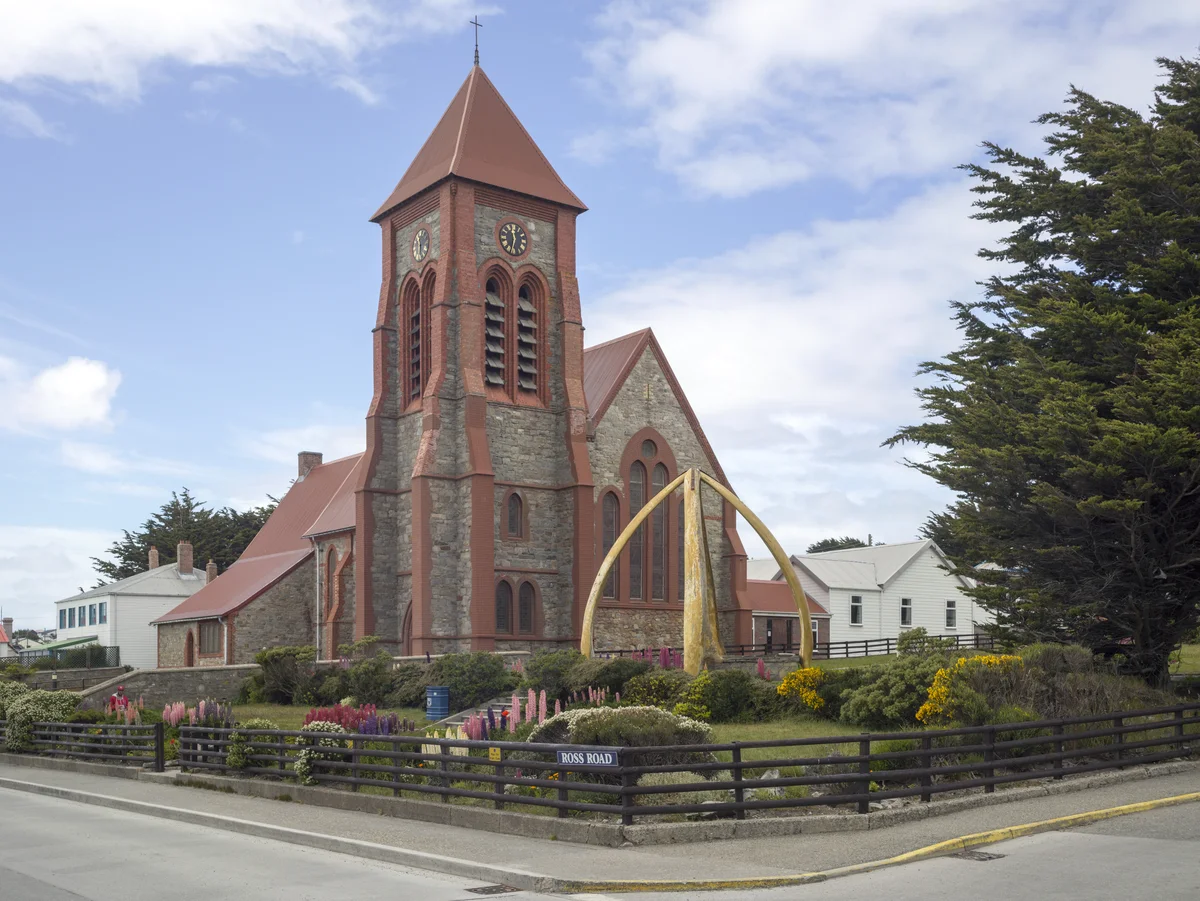
Stanley town itself rewards exploration on foot. The 1982 Falklands War remains present in memory here — the Liberation Memorial lists the 255 British servicemen who died, and the Historic Dockyard Museum houses artifacts from the conflict alongside exhibits on island life dating back centuries. Christ Church Cathedral, the southernmost Anglican cathedral in the world, features an arch made from whale bones — a reminder of the whaling industry that once brought prosperity to these shores. The Globe Tavern and Victory Bar serve proper British ales, fish and chips cost around £12-15, and the Post Office sells stamps featuring local wildlife that delight collectors.
The weather in the Falklands defies prediction. I've read accounts of four seasons occurring in a single hour — bright sunshine followed by horizontal rain, then hail, then sunshine again, all while the wind never drops below 20 knots. Layered clothing is essential. Waterproof outer layers matter more than warmth because wind cuts through anything not sealed. Yet when the clouds part and sunlight illuminates the white beaches and turquoise waters, the Falklands reveal a stark beauty that justifies every discomfort. This is not an easy destination, though the rewards match the challenges for those willing to embrace them.
The islanders — "kelpers" as they sometimes call themselves — maintain a fierce attachment to their British identity. The 1982 war remains a defining moment, and gratitude toward the British forces who liberated them runs deep. Argentine claims to sovereignty continue, but walking through Stanley I found a community that has chosen its allegiance clearly. Union Jacks fly from government buildings, the Queen's birthday receives official celebration, and the Governor's residence hosts garden parties in the British tradition. Yet the remoteness creates its own culture: self-reliance, hospitality to visitors, and a closeness to nature that few places on Earth can match.
What I learned in the Falklands was unexpected. I came for penguins and found a meditation on belonging. These islanders chose their identity against enormous pressure, and that choice informs everything — the telephone boxes, the afternoon tea, the commemorations of 1982. I realized that home isn't always where you're born but sometimes where you fight to stay. The penguins, too, taught me something: they return to the same beaches generation after generation, faithful to a windswept patch of sand that outsiders might dismiss as inhospitable. Sometimes the least likely places inspire the deepest loyalty.
Weather & Best Time to Visit
The Cruise Port
Cruise ships anchor in Stanley Harbour and tender passengers to the public jetty in central Stanley. The tender ride takes about 10-15 minutes depending on conditions. High winds can delay or cancel tendering — the Falklands see sustained winds above 30 knots regularly, and gusts exceeding 60 knots occasionally prevent safe boat operations. Ships typically have backup ports like South Georgia, but missed calls happen here more than most destinations.
The jetty area includes a small visitor center with maps and information about local tours. Facilities are basic — this is not a major cruise terminal but a working harbor that happens to receive occasional visitors. Restrooms are available near the jetty. ATMs dispense Falkland Islands Pounds (equivalent to GBP). WiFi is available in some establishments but speeds are limited given the islands' satellite connectivity. The jetty area is level and accessible for wheelchairs, though Stanley's streets include some hills and uneven surfaces.
Getting Around
Stanley town is compact and entirely walkable — the main attractions lie within a half-mile of the jetty. Penguin colonies and wildlife sites outside town require organized tours as there is no public transportation and roads beyond Stanley are largely unpaved tracks requiring 4x4 vehicles. Independent rental cars are available but impractical for penguin excursions given road conditions and navigation challenges across unmarked moorland.
Tour operators meet cruise ships at the jetty with pre-booked excursions. Booking through the cruise line ensures guaranteed return before sailing — critical given the remoteness and unpredictable weather. Independent booking with local operators (Falkland Islands Tours, Estancia Excursions) offers similar experiences at slightly lower prices (£75-120 per person depending on destination) but carries the risk of delays that could cause missed departures.
Wheelchair users face significant challenges beyond Stanley itself. The town is manageable though not fully accessible, with some curb cuts and level paths near the waterfront. Penguin excursions involve rough tracks, uneven terrain at colony sites, and vehicles not adapted for mobility equipment. Gypsy Cove, the closest penguin site at 6.5 km from Stanley, has a relatively accessible viewing area — discuss specific needs with tour operators in advance to find suitable options.
Falkland Islands Port Area Map
Interactive map showing Stanley harbor, penguin colony locations, and points of interest. Click any marker for details.
Beaches Worth Your Time
Gypsy Cove lies 6.5 km from Stanley and hosts a Magellanic penguin colony in burrows along the coastline. The white-sand beach is beautiful but remains off-limits due to uncleared minefields from 1982 — marked paths keep visitors safe while offering excellent penguin viewing. The area is designated a nature reserve with viewing platforms. Entry is free but reaching it requires transportation (taxi about £30-40 round-trip or ship excursion).
Volunteer Point Beach features stunning white sand meeting turquoise waters that could pass for Caribbean scenes — except for the King penguins standing along the shore. Swimming is not recommended due to cold water temperatures (rarely above 10°C) and strong currents. The beach forms part of the penguin colony experience and is included in Volunteer Point excursions.
Bertha's Beach on the south coast of East Falkland offers one of the islands' finest stretches of white sand, with Gentoo penguin colonies and dramatic views. Less visited than Volunteer Point, it provides a more solitary beach experience for those with sufficient time.
Shore Excursions
The Falkland Islands offer extraordinary wildlife experiences, but logistics require careful planning. Book ahead through your cruise line for guaranteed return timing, or arrange independently with local operators for more flexibility at slightly lower cost. Penguin colony excursions fill quickly — reserve early to secure your preferred destination.
Volunteer Point King Penguin Colony
Full-day expedition to the islands' largest King penguin colony featuring 1,300+ breeding pairs plus Gentoo and Magellanic penguins. Ship excursions typically cost £150-200 ($190-250) per person including a packed lunch. The 2.5-hour drive each way crosses rough moorland tracks — motion sickness medication strongly recommended. Independent tours with local operators price at £120-150 ($150-190) per person. Vehicle transfer fees from the jetty add £15-20 when booking independently. The experience of standing among King penguins is absolutely unforgettable, but the challenging journey suits adventurous travelers. Book ahead through your cruise line for guaranteed return to the ship before sailing.
Bluff Cove Lagoon Penguin Experience
Half-day visit to a working sheep farm with excellent Gentoo penguin colonies and some King penguins. Ship excursions run £85-100 per person including tea and homemade cakes. The 1-hour drive is easier than Volunteer Point, making this suitable for travelers preferring less demanding excursions. The farm's tearoom offers welcome warmth and refreshments. Independent booking available at similar prices. This represents the best balance of penguin viewing, accessibility, and comfort.
Gypsy Cove and Stanley Walking Tour
Combination excursion visiting the Magellanic penguin colony at Gypsy Cove followed by a guided walk through Stanley's sites. Ship excursions run £55-75 per person. Independent taxi hire to Gypsy Cove runs £35-45 round trip. The tour includes the 1982 War Memorial, Christ Church Cathedral, Historic Dockyard Museum (£5 admission), and local shops. This option suits travelers with limited mobility or those preferring a shorter, easier excursion without the rough tracks to distant colonies.
Battlefield and Memorial Tour
Guided visit to 1982 Falklands War sites including the Liberation Memorial, battlefields at Goose Green and Mount Tumbledown, and military cemeteries. Ship excursions run £80-100 per person; independent operators charge £65-85. The tour provides context for a conflict that remains central to island identity. Some sites involve walking on uneven terrain. Book ahead if this subject interests you, as tours have limited capacity.
Independent Stanley Exploration
Self-guided walking tour of Stanley's compact town center costs nothing and rewards curious wanderers. Visit the Historic Dockyard Museum (£5), Christ Church Cathedral (donation), Post Office for wildlife stamps, and local pubs for fish and chips (£12-15). Allow 2-3 hours for thorough exploration. The Visitor Center near the jetty provides maps and information.
Local Food & Drink
- Fish and Chips: British-style pub staple available at the Globe Tavern and Victory Bar. Expect £12-15 per serving with proper mushy peas
- Lamb: Falkland Islands lamb is exceptional — grass-fed on moorland pastures. Lamb dishes at Waterfront Kitchen run £18-25
- Squid: Locally caught Illex squid supports the islands' fishing economy. Calamari available at most restaurants for £10-14
- Afternoon Tea: British tradition maintained at Bluff Cove tearoom (included with penguin tours) and Waterfront Café in Stanley (£8-12)
- British Ales: Imported beers plus Falklands-brewed options at local pubs. Pints run £4-6
- Diddle-dee Berry: Local berry used in jams and preserves. Look for diddle-dee products at craft shops
Know Before You Go
- Currency: Falkland Islands Pound (FKP) pegged 1:1 to GBP; British pounds accepted everywhere; USD accepted some places at poor rates
- Language: English is the official language; no language barriers for English speakers
- Weather: Wind is constant — expect 20-40+ knot winds; temperature 5-15°C in summer; four seasons in one day possible
- Minefields: Some areas retain uncleared mines from 1982 — stay on marked paths, especially near Gypsy Cove
- Wildlife: Maintain 5-meter distance from penguins and seals; never touch or feed wildlife; penguins may approach you
- Tendering: High winds can cancel tender operations — have backup plans and check ship announcements
Depth Soundings
My recommendation for the Falkland Islands would depend entirely on your wildlife priorities. For the ultimate penguin experience, Volunteer Point delivers encounters with King penguins that rival anything in Antarctica — watching these magnificent birds standing three feet tall on pristine white beaches justifies every bump on the rough track. Yet the journey demands time, stamina, and strong tolerance for vehicle motion over unmarked terrain. Those with mobility challenges or motion sensitivity should consider alternatives.
Bluff Cove Lagoon offers my recommended balance for most cruise visitors. The Gentoo penguins are charming and approachable, the farm's tearoom provides welcome warmth, and the journey is manageable for most travelers. The experience lacks the grandeur of Volunteer Point's King penguin colony, however the practical advantages outweigh the trade-offs for many visitors. The homemade cakes alone merit the trip.
For those preferring to stay close to Stanley, Gypsy Cove combined with town exploration fills a port day satisfyingly. Though the Magellanic penguins hide in burrows rather than standing photogenically on beaches, the experience offers authentic Falklands atmosphere without the expedition logistics. Stanley itself rewards wandering — the pubs serve proper British ales, the museum tells compelling stories of isolation and conflict, and the cathedral's whale bone arch captures the islands' unusual character. This is not a destination for those seeking polished tourist infrastructure, yet it rewards travelers willing to meet it on its own windswept terms.
Practical Information
- Terminal: Tender to public jetty in Stanley Harbour; no dedicated cruise terminal
- Tender Required: Yes — ships anchor and tender passengers to shore
- Distance to Volunteer Point: 60 km; 2.5 hours each way over rough tracks
- Distance to Bluff Cove: 40 km; 1 hour each way
- WiFi: Limited; available in some establishments but slow satellite connections
- ATMs: Available in Stanley dispensing FKP (equivalent to GBP)
- Accessibility: Stanley walkable with some challenges; penguin excursions difficult for mobility impaired; discuss needs with operators
Last reviewed: February 2026
Photo Gallery
Frequently Asked Questions
Q: What is the best time to visit Falkland Islands (Port Stanley)?
A: Cruise season runs October through March — the windswept sub-Antarctic climate is at its mildest then, with daylight stretching up to 17 hours in midsummer. May through August are the months to avoid. Penguin colonies are best viewed October through March.
Q: Is Falkland Islands (Port Stanley) suitable for passengers with mobility challenges?
A: Accessibility varies by area. The port vicinity and main commercial streets are generally manageable, but older historic districts may feature cobblestones, stairs, and uneven surfaces. Consider booking an accessible ship excursion if you have concerns. The ship's shore excursion desk can advise on specific accessibility options for this port.
Q: Do I need to exchange currency before arriving?
A: The local currency is FKP / GBP. Most tourist-facing businesses accept major credit cards. ATMs near the port offer competitive exchange rates. Carry some local cash for small purchases, markets, and tips. Avoid exchanging money on the ship — the rates are typically unfavorable compared to local bank ATMs.
Q: Can I explore independently or should I book a ship excursion?
A: Both options work well. Ship excursions guarantee return to the vessel and handle logistics, making them ideal for first-time visitors. Independent exploration costs less and allows more flexibility — just keep track of time and allow a 30-minute buffer before all-aboard. Many passengers combine approaches: an organized morning tour followed by free afternoon exploration.
Q: What should I pack for the Falklands?
A: A windproof waterproof jacket is essential. Warm layers — wind chill is brutal. Warm hat, gloves, neck protection. Sturdy waterproof boots. Binoculars for wildlife.
Q: Does Falkland Islands have a hurricane or storm season?
A: The Falklands are not in a hurricane zone. The defining weather feature is wind — extremely strong, one of the windiest places on Earth, and it never stops. Cruise season runs October through March.
Q: Will rain ruin my port day in Falkland Islands?
A: Frequent light rain and drizzle. Pack a windproof waterproof jacket — the bigger weather risk in the Falklands is wind, not heavy rain.

Tender Port
Ships anchor offshore and passengers take small boats (tenders) to reach the pier.