


Cartagena, Spain: My Roman Surprise
Last reviewed: February 2026
Captain's Logbook: Cartagena
I stepped off the gangway into warm Mediterranean air thick with the scent of salt and sun-baked stone, and my first thought was that I had somehow walked through a door in time. Cartagena spread before me like a living archaeology textbook — layers of civilisation stacked one atop another, each whispering its own story through crumbling walls and grand facades. My wife squeezed my hand and we set off together, our footsteps echoing on cobblestones that have carried travelers for more than two thousand years.
We walked toward the Roman Theatre and it appeared suddenly between modern apartment blocks like a portal through the centuries. I stopped dead. Seven thousand souls once gathered in this late first-century BC amphitheatre to watch comedies and tragedies under the same Mediterranean sun that warmed my face that morning. It lay buried and forgotten until 1988, when construction workers unearthed it mere blocks from the waterfront. The theatre museum, designed by Rafael Moneo and opened in 2008, guides you through a tunnel of cool shadows — I felt the rough stone walls with my fingertips — before releasing you onto the ancient stage itself. I stood there looking up at tiered marble seats carved into the hillside, and the centuries collapsed. Goosebumps on a warm Spanish morning. The silence was almost sacred.
My heart ached with a strange gratitude standing in that space. I whispered a quiet prayer of thanks — for the builders who shaped these stones, for the archaeologists who reclaimed them, for the simple grace of being alive to witness something so enduring. I heard the echo of my own voice bounce off two-thousand-year-old masonry, the same stone that once carried the words of Seneca and the laughter of Roman merchants. Something shifted in me then. For five perfect minutes, before the next tour group arrived, I wasn't a tourist. I was simply another voice in an unbroken conversation that began when Carthage was young.
We climbed the hill to the Punic Wall — fortifications from the founding year of 227 BC, discovered in 1989 and still defiant after more than two millennia. I ran my hand along the rough sandstone blocks and tried to imagine the Carthaginian general Hasdrubal the Fair standing here, gazing out at a harbour he called Qart Hadasht — New City. The Carthaginians held this jewel for barely twenty years before Rome's Scipio Africanus conquered it in 209 BC and christened it Carthago Nova. To walk from Carthaginian stones to Roman grandeur to Art Nouveau splendour on Calle Mayor takes ten minutes and spans twenty-three centuries. However, the real surprise was how uncrowded everything felt — we had many of these sites almost to ourselves.
We had lunch at a tapas restaurant near the waterfront. I tasted arroz caldero for the first time — saffron rice cooked in rich fish stock, the flavour so intensely Mediterranean that I closed my eyes and savoured every spoonful. The cost was about €14 per person for a generous portion with bread and a glass of local wine. My wife ordered grilled sardines that arrived glistening and fragrant with olive oil and sea salt. We ate on a sun-warmed terrace overlooking the harbour where Hasdrubal's triremes once anchored, and I felt the warmth of centuries-old hospitality settle into us.
In the afternoon we took a taxi (€8 each way) to Cala Cortina beach — fifteen minutes through hills where Roman legions once marched. I saw clear turquoise water lapping against pale sand, umbrella pines casting dappled shade. Almost no one was there. I floated on my back and listened to the gentle rhythm of waves while watching seabirds wheel overhead. Yet despite the beauty, I noticed the beach facilities were minimal — just a small seasonal bar and no shade rentals, so we were glad we brought our own towels and water.
Back in town, we wandered along Calle Mayor admiring the Art Nouveau facades. The Casa Cervantes, Casa Maestre, and Gran Hotel gleamed with ornate ironwork and colourful tiles — each building a love letter to early twentieth-century craftsmanship. I gazed up at stained glass windows catching the late afternoon light and felt something like reverence for the hands that shaped them. Although many cruisers skip this port expecting little, Cartagena taught us that the quietest stops often carry the deepest stories.
What Cartagena Taught Me: This port taught me that grandeur hides in unlikely places. I learned that you do not need a famous name or a crowded itinerary to find something that reshapes the way you see the world. The lesson I carry with me is simple: slow down, look up, and let the stones speak. Cartagena gave us twenty-three centuries of human striving compressed into a single walkable afternoon, and I am grateful for every step.
Weather & Best Time to Visit
The Cruise Port
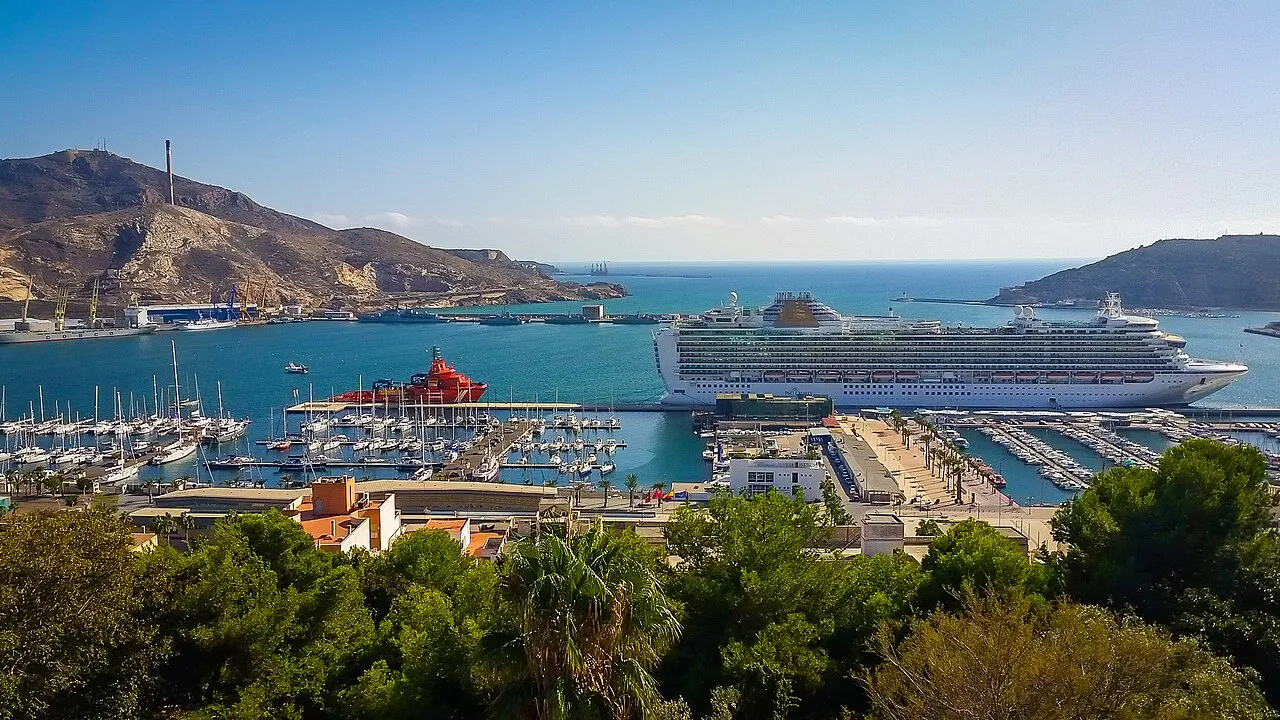
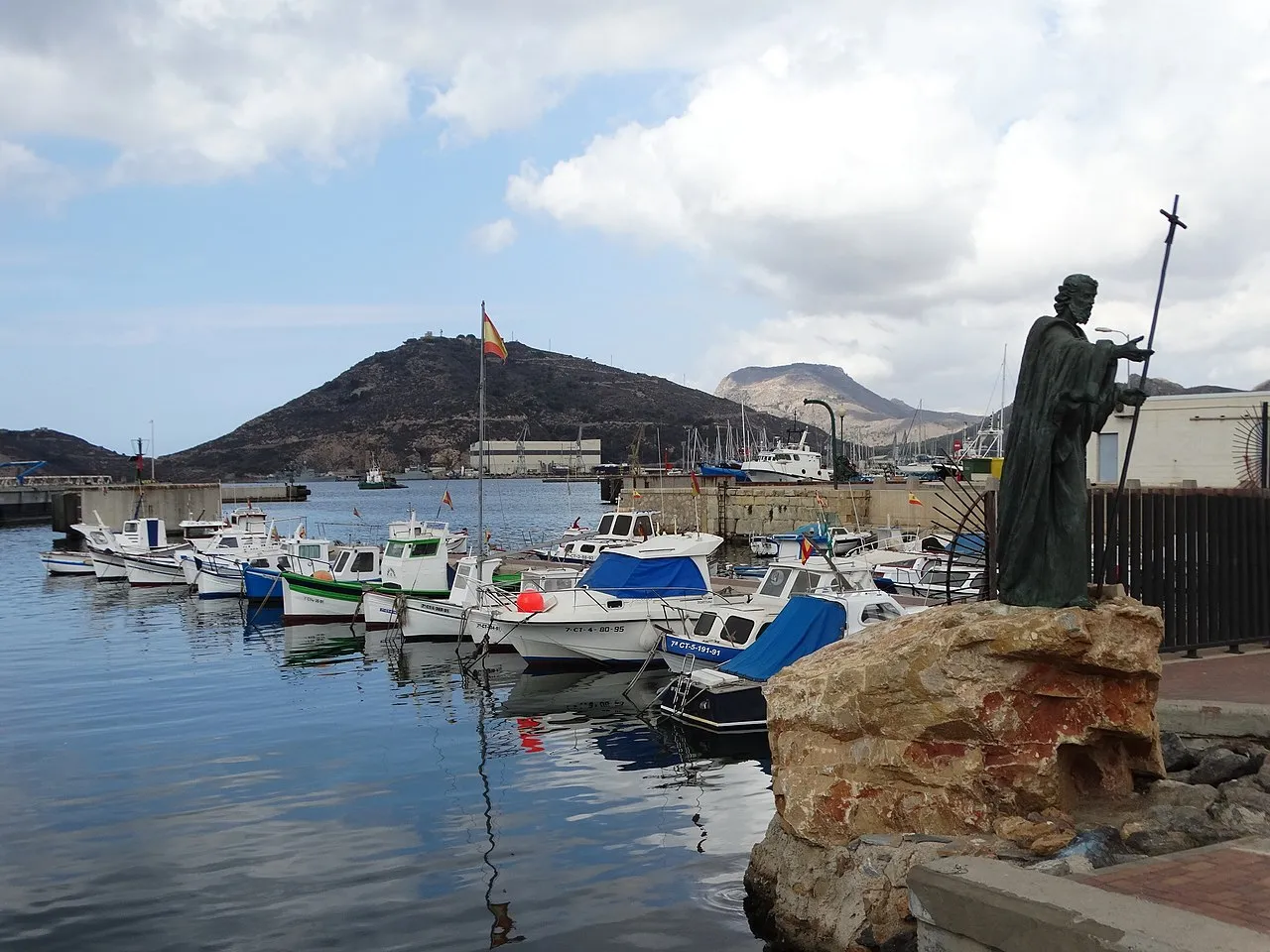
Cartagena's modern cruise terminal sits right in the city centre, making this one of the most walkable ports in the entire Mediterranean. Ships dock at the Alfonso XII quay, and you step off the gangway directly onto the waterfront promenade — no shuttle bus, no tender, no waiting. The terminal building has a tourist information desk with free city maps, clean accessible restrooms, and free Wi-Fi. The port area is flat and wheelchair accessible from the pier into the pedestrian centre. Currency is the Euro (EUR), and most shops and restaurants accept credit cards, though smaller tapas bars may prefer cash. A taxi rank sits just outside the terminal gates, but honestly, everything worth seeing is within a fifteen-minute walk. The fare to any point in the city centre is typically €5-7.
Getting Around Cartagena
Cartagena is a walker's paradise — one of those rare cruise ports where you genuinely do not need any transport to enjoy the highlights. The Roman Theatre, Punic Wall, Art Nouveau district, and waterfront restaurants are all within a ten-minute stroll from the ship. The city centre is compact and mostly flat, though a few sites like the Punic Wall and Castillo de la Concepcion involve moderate uphill walking on uneven cobblestones.
- On foot: The best way to explore. All major attractions are clustered within half a kilometre of the port. Pavements are generally in good condition, and many streets in the historic core are pedestrianised.
- Taxis: Available at the port gate. Metered fares within the city run €5-8. A taxi to Cala Cortina beach costs about €8 each way. Drivers are reliable and usually speak basic English.
- Tourist bus: A hop-on/hop-off tourist bus runs a circuit of the main sights for about €8 per person. It is a good option for those with mobility challenges or limited time, as it covers the hilltop castle viewpoint and the military museum quarter.
- City bus: Local buses connect the port area to La Manga and outlying beaches. The fare is around €1.50.
For visitors with mobility concerns, the waterfront promenade and main shopping streets are level and accessible. The Roman Theatre museum has lifts and ramps. However, the Punic Wall interpretive centre involves stairs with no wheelchair alternative, so visitors with walking difficulty should plan accordingly. Beach wheelchairs are not generally available at Cala Cortina.
Cartagena, Spain Area Map
Interactive map showing cruise terminal and Cartagena, Spain attractions. Click any marker for details.
Excursions & Things to See
Roman Theatre & Museum
The undisputed highlight. The museum (designed by Rafael Moneo) leads you through underground galleries before emerging onto the ancient stage. Admission is €6 for adults, €5 for seniors, and free for children under 4. Allow 60-90 minutes. The museum is fully accessible with lifts and ramps. Photography is permitted without flash.
Punic Wall Interpretive Centre
See the original Carthaginian fortifications from 227 BC preserved in a modern glass-walled building. Admission is about €3.50 and the visit takes 30 minutes. Note that the site involves stairs and is not wheelchair accessible.
Art Nouveau Walking Route
Calle Mayor and surrounding streets hold a remarkable concentration of early twentieth-century modernist architecture. The Casa Cervantes, Casa Maestre, and Gran Hotel are standout examples of Art Nouveau craftsmanship — ornate ironwork, colourful tile facades, and stained glass windows — all free to admire from outside. A self-guided walk takes about 45 minutes and covers roughly a dozen notable buildings. Pick up a free route map at the tourist office in the port terminal. This walk pairs beautifully with lunch at one of the tapas restaurants along the pedestrianised shopping streets.
Castillo de la Concepcion
A hilltop fortress with panoramic views over the harbour, city, and surrounding hills. You can take a panoramic lift (€2) from the old town up to the castle grounds, or walk up the switchback path (moderate walking effort, about 15 minutes). Castle admission is approximately €3.75.
Cala Cortina Beach
A sheltered cove about 15 minutes by taxi (€8 each way) from the port. Clear water, pale sand, and a seasonal beach bar. Good for swimming and relaxing, though facilities are basic. Bring your own towels and sun protection.
Naval Museum & Military Heritage
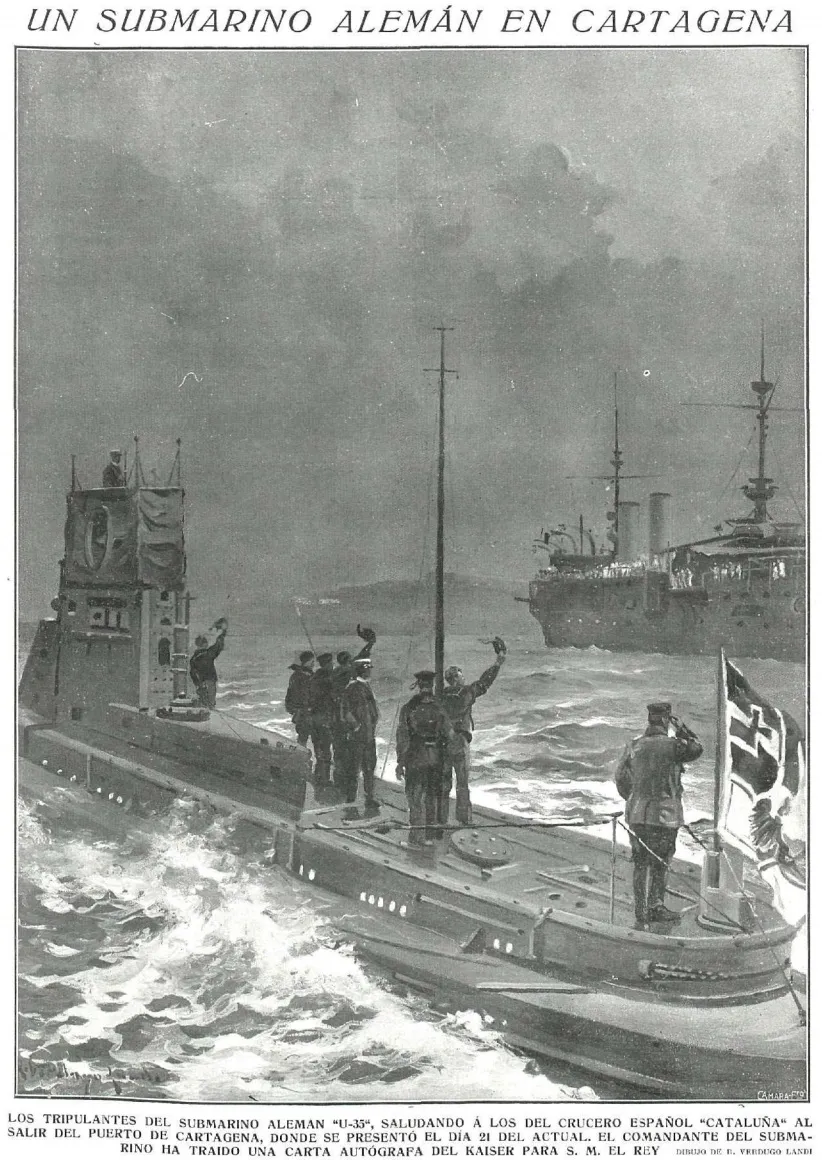
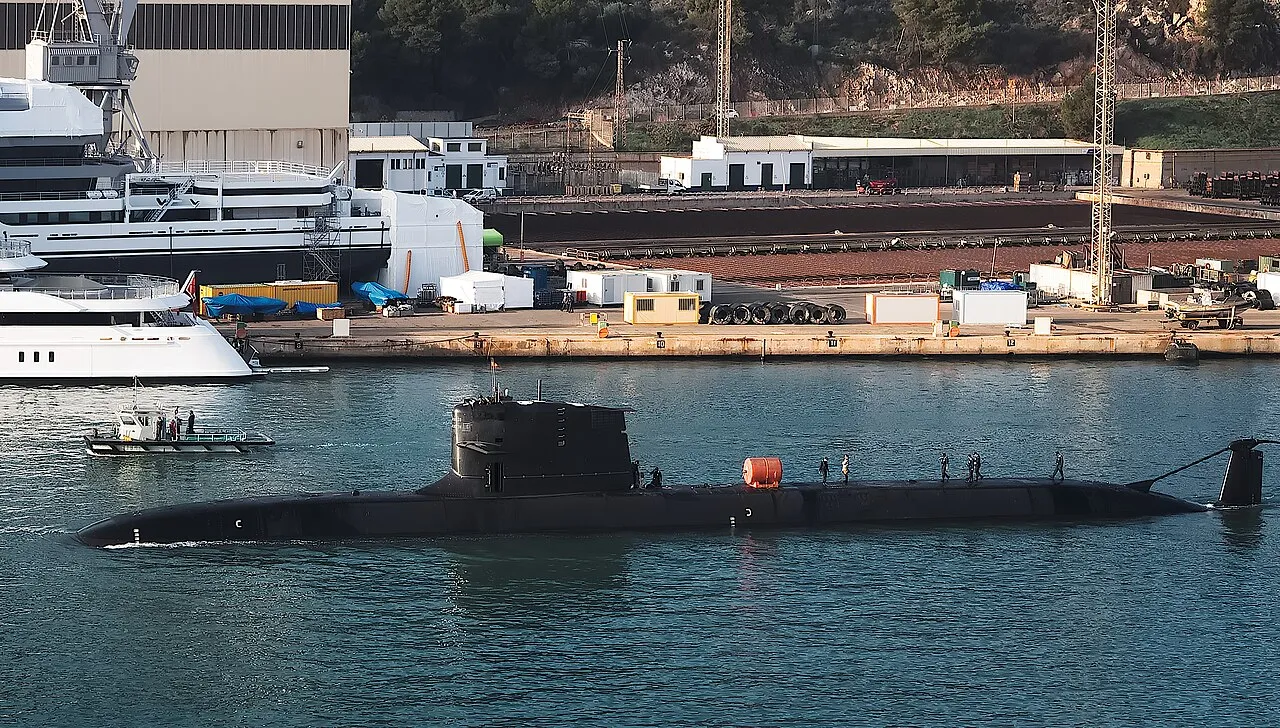
Cartagena has been a military naval base for centuries, and the Museo Naval offers an interesting look at Spain's maritime history. Free admission. Allow about 45 minutes.
Ship Excursion or Independent?
Because Cartagena is so walkable and compact, going independently is straightforward. You can comfortably cover the Roman Theatre, Punic Wall, Art Nouveau walk, and a tapas lunch within a four-hour port call. If your ship offers a ship excursion that includes Castillo de la Concepcion and the military quarter, it can add value for those who prefer a guided narrative. For Cala Cortina beach, book ahead for a taxi or arrange your own transport — there is no guaranteed return shuttle, so keep your ship's departure time firmly in mind. Independent exploring gives you freedom to linger where it matters.
Depth Soundings Ashore
Practical tips before you step off the ship.
- Comfortable shoes: The Roman sites and Punic Wall area involve cobblestones and some stepped paths. Flat, sturdy walking shoes make a real difference over four or five hours.
- Sun protection: Mediterranean sun can be strong even in spring and autumn. Bring sunscreen, a hat, and water — there are fountains scattered through the old town for refills.
- Cash: Most restaurants and museums accept cards, but smaller tapas bars and the taxi to Cala Cortina may want cash. ATMs are plentiful on Calle Mayor and near the port.
- Language: Spanish is the primary language. English is spoken at the tourist office, museum ticket desks, and most restaurants near the waterfront, but a few basic Spanish phrases go a long way in smaller shops.
- Timing: The Roman Theatre opens at 10:00 most days. If your ship arrives early, start with the Art Nouveau walk or the waterfront promenade and circle back when the museum opens.
- Accessibility: The port area and main pedestrian streets are flat and accessible. The Roman Theatre museum has lifts. The Punic Wall involves stairs. Visitors with mobility needs should plan their route accordingly.
Cartagena rewards the curious walker who is willing to slow down and look closely. It is one of the Mediterranean's great underrated ports — compact, beautiful, and layered with genuine history at every turn.
Photo Gallery
Frequently Asked Questions
Q: Is Cartagena, Spain worth visiting on a cruise?
A: Absolutely. Cartagena is one of the biggest positive surprises in the Mediterranean — a compact, walkable city with 2,200 years of history steps from the ship. The Roman Theatre alone justifies the stop.
Q: What is the best thing to see in Cartagena?
A: The Roman Theatre and Moneo museum. A 7,000-seat first-century BC amphitheatre discovered in 1988, with a stunning modern museum that leads you underground before emerging onto the ancient stage.
Q: Can you walk from the cruise port to attractions?
A: Yes. Cartagena is one of the most walkable cruise ports in Europe. The Roman Theatre is five minutes on foot from the pier, and everything else is within ten to fifteen minutes.
Q: How many hours do I need in Cartagena?
A: Four to five hours is ideal for the Roman Theatre, Punic Wall, Art Nouveau walk, and a tapas lunch. Add a couple of hours if you want to visit Cala Cortina beach by taxi.
Q: What currency does Cartagena use?
A: The Euro (EUR). Most restaurants and attractions accept credit cards, but carry some cash for smaller tapas bars and taxis.
Q: Is Cartagena accessible for visitors with mobility challenges?
A: The port area and main streets are flat and wheelchair accessible. The Roman Theatre museum has lifts. However, the Punic Wall centre involves stairs, and hilltop sites require moderate walking effort.
Q: When is the best time to visit Cartagena, Spain?
A: The seasonal panel above marks Apr-May and Sep-Oct as the most comfortable months — warm enough for sightseeing without the July-August heat that pushes daytime temperatures above 30°C inland. Summer (Jun-Aug) is peak beach season at Cala Cortina but the Roman Theatre courtyard becomes exposed under the Murcia sun. Winter (Nov-Feb) is mild but rainier and brings the Low Crowds window. The live weather widget in the seasonal panel above is the primary source for short-term conditions on a specific sailing date.
Q: When is Cartagena's storm season?
A: Cartagena sits at ~37°N on Spain's Costa Cálida — outside the tropical-cyclone tracks. The relevant heavy-weather pattern is the gota fría (literally "cold drop") — concentrated Mediterranean autumn storms (Sep-Nov) that can drop a month's rain in a few hours along the Murcia coast, occasionally causing flash floods. Winter storms (Dec-Feb) bring more typical rain. The Mediterranean is otherwise reliably dry through the cruise season. The live weather widget in the seasonal panel above is the primary source for current conditions on a specific sailing date.
Q: What should I pack for Cartagena's weather?
A: Light clothing for summer's dry Mediterranean heat, with a hat and high-SPF sunscreen — the Roman Theatre's stone seats reflect midday sun. Comfortable walking shoes for the cobblestones and the climb to Concepción Castle. Swimwear May-Oct if visiting Cala Cortina. A light layer for evenings and a compact rain jacket Oct-Apr for the gota-fría window and winter showers.
Q: Will rain ruin my Cartagena port day?
A: Cartagena is reliably dry through summer; rain risk concentrates in the Sep-Nov gota-fría window when Mediterranean autumn systems can drop heavy bursts within a few hours. The compact downtown keeps shelter close — the Roman Theatre's Moneo museum (the descent leads underground, completely indoor before emerging onto the stage), the Punic Wall centre, the National Museum of Underwater Archaeology, and the tapas bars along Calle Mayor all stay accessible in rain. The live weather widget in the seasonal panel above is the primary source for short-term forecasts on a specific sailing date.
Image Credits
- cartagena-spain-1.webp: Wikimedia Commons (CC BY-SA)
- cartagena-spain-2.webp: Wikimedia Commons (CC BY-SA)
- cartagena-spain-3.webp: Wikimedia Commons (CC BY-SA)
- cartagena-spain-4.webp: Wikimedia Commons (CC BY-SA)
- cartagena-spain-5.webp: Wikimedia Commons
- cartagena-spain-6.webp: Wikimedia Commons (CC BY-SA)
Images sourced from Wikimedia Commons under Creative Commons licenses.