


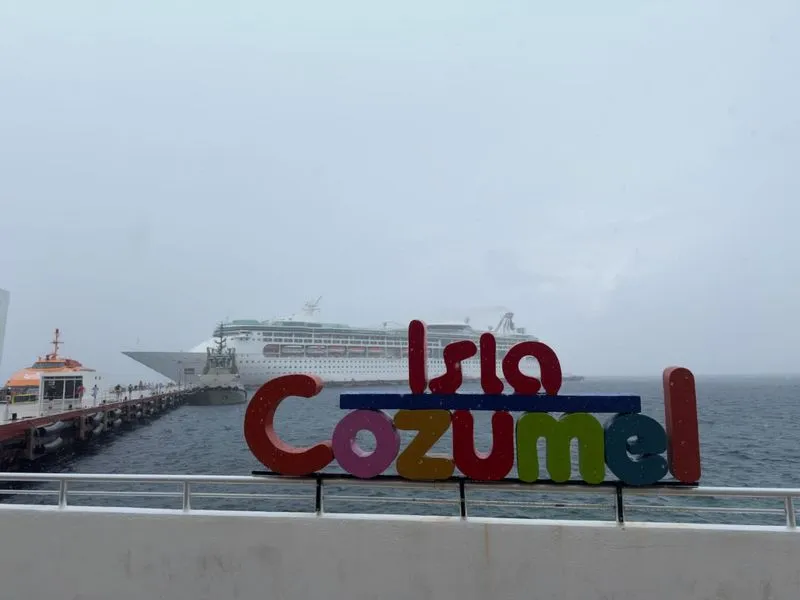
Photo: Wikimedia Commons
My Logbook: Three Thousand Years in Eight Hours
Rome from a cruise ship is an exercise in time management and acceptable compromise. The Eternal City deserves weeks; you'll have hours. Civitavecchia sits 80 kilometers north of Rome—a roughly ninety-minute train journey that serves as your gateway to three thousand years of accumulated human history. By the time you've docked, shuttled to the port gate, caught the train from Civitavecchia station into the city, and navigated to your first sight, half your morning is gone. I don't say this to discourage you—Rome is worth every logistical hassle—but to set realistic expectations. You will not see everything. You will not see most things. You will see a few things well, and they will be extraordinary beyond imagining.
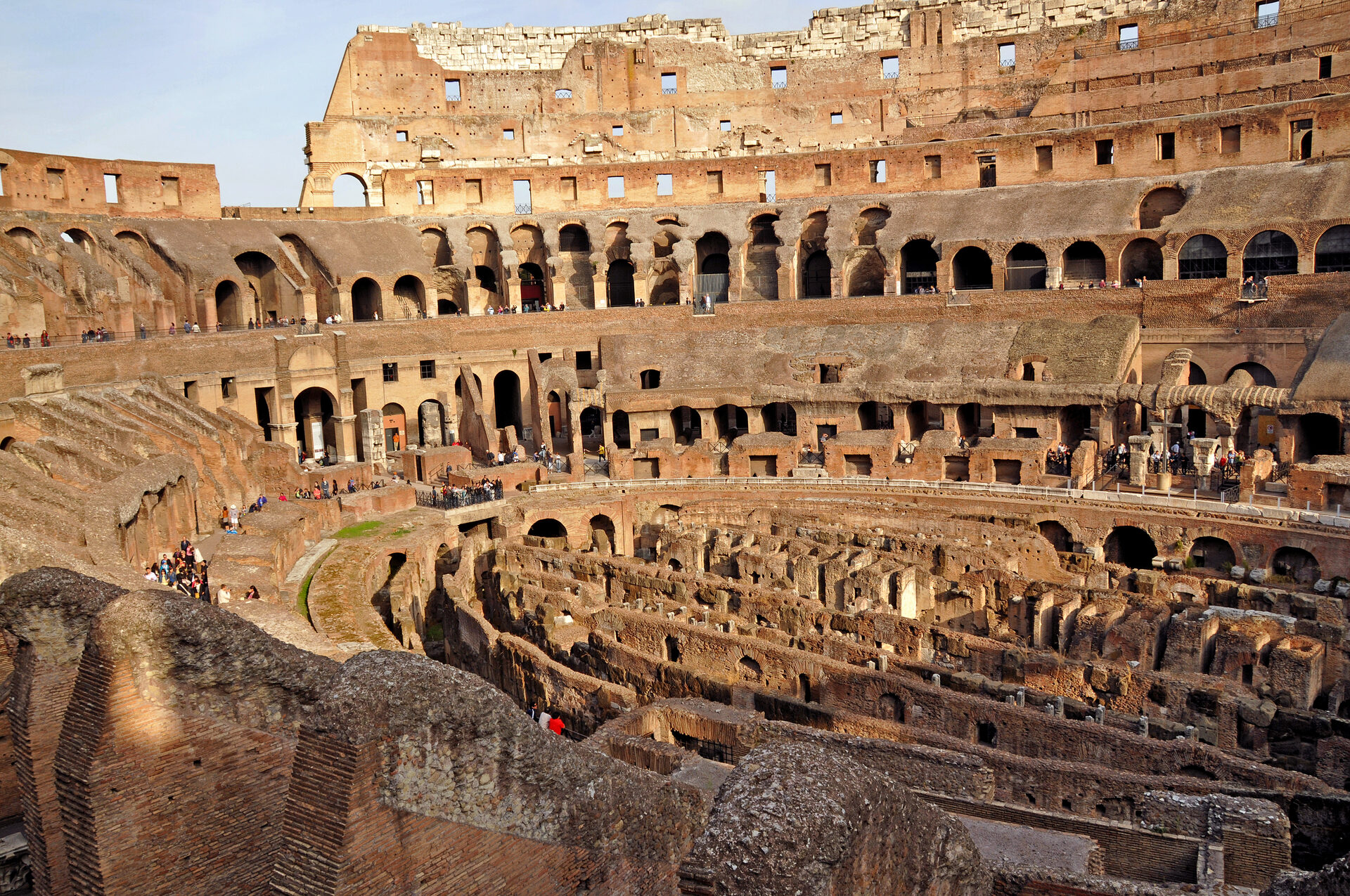
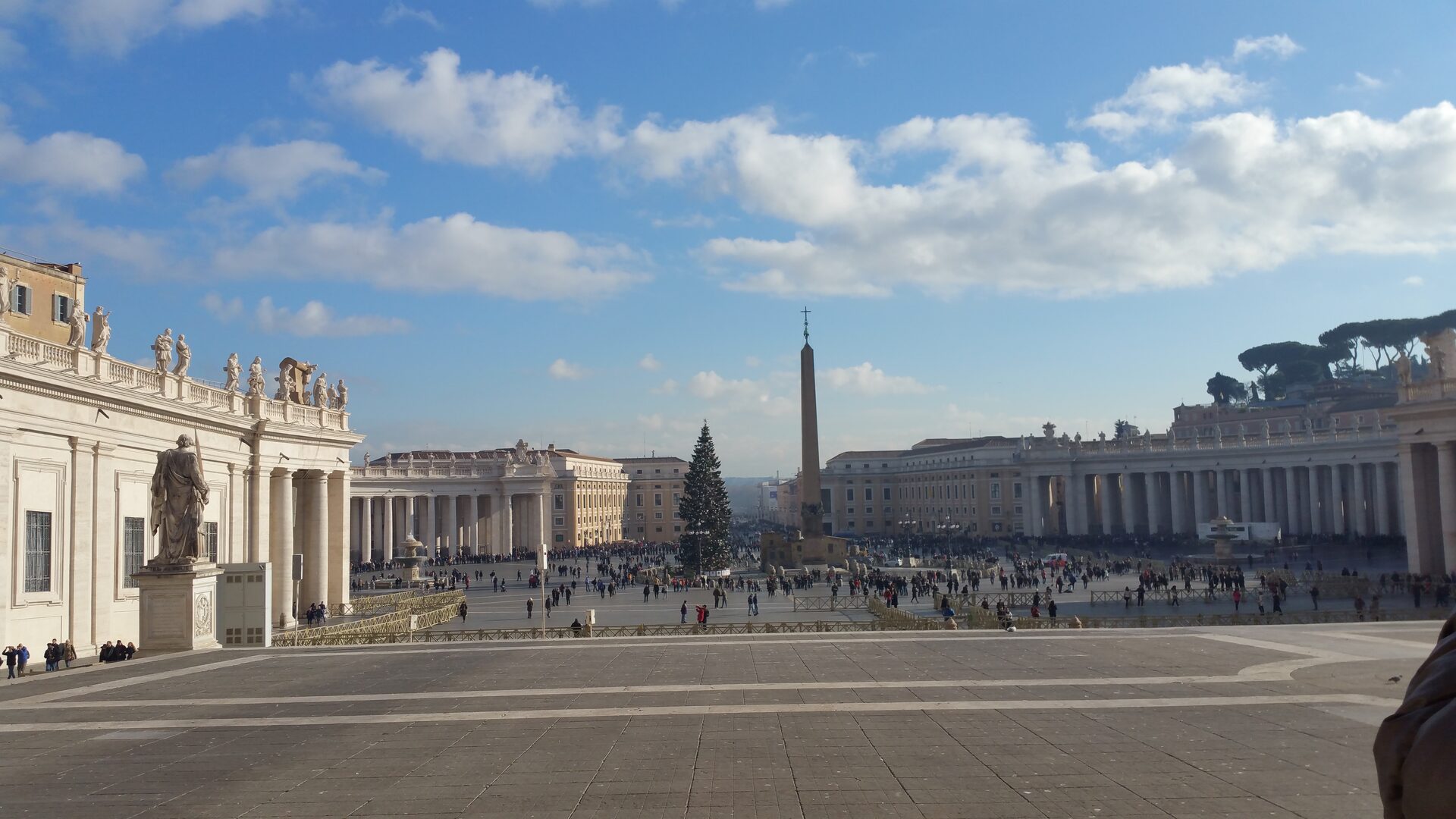
My first time, I booked a ship excursion and let someone else handle the logistics. We drove to the Vatican first thing, walked through the museums with a guide who knew how to navigate the crowds, gaped at the Sistine Chapel with necks craned back, and emerged into St. Peter's Square feeling appropriately overwhelmed by the scale of both art and faith. Then we drove across the city to see the Colosseum and Forum from the outside—there wasn't time to go in—and made a quick stop at the Trevi Fountain before the long drive back to the port. It was a greatest-hits tour, exhausting and exhilarating in equal measure.
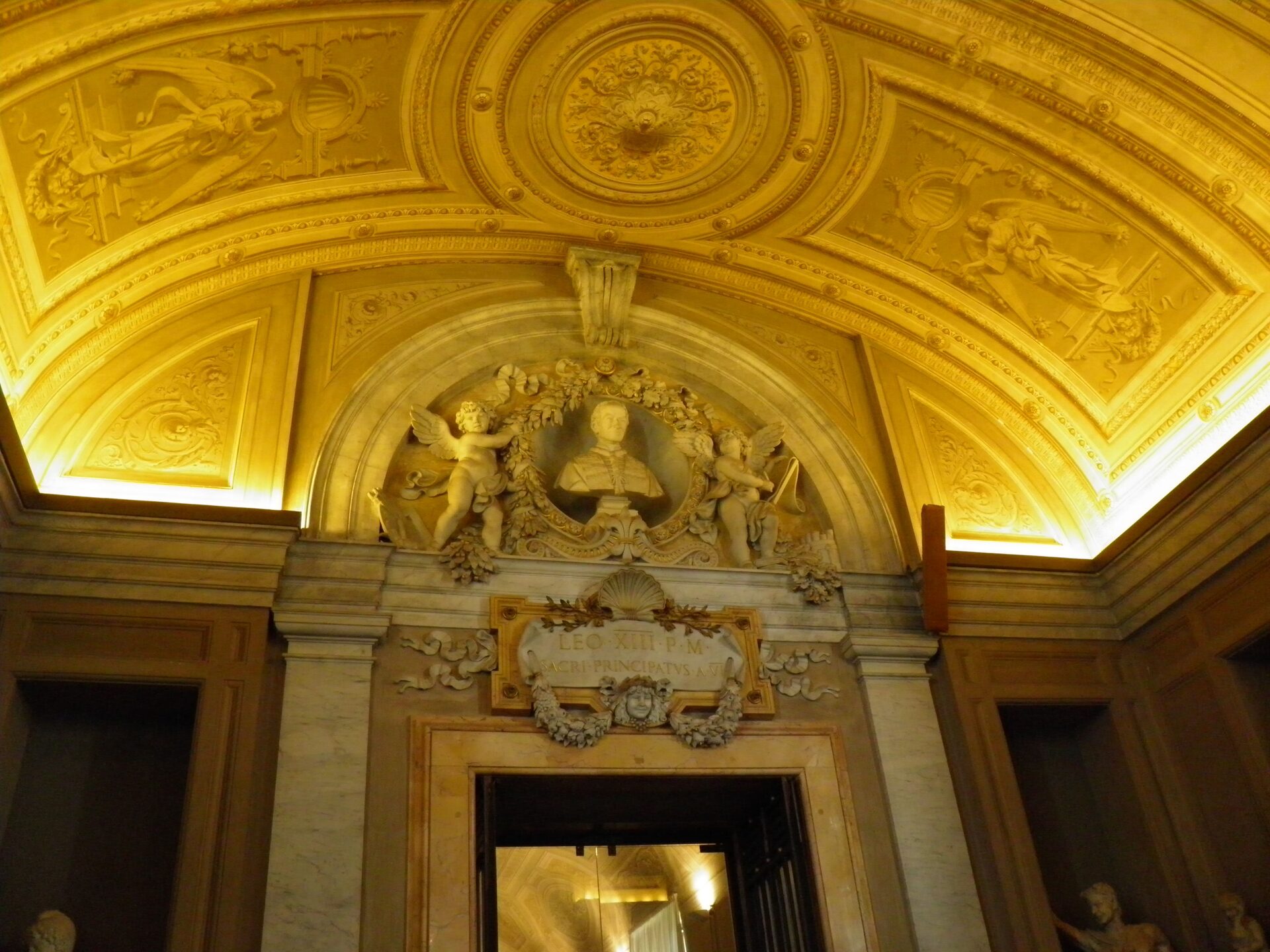
My second time, I went independent and made different choices. I took the train from Civitavecchia to Roma San Pietro station, which put me a short walk from the Vatican gates. I'd bought timed tickets to the Vatican Museums online three months earlier—this is not optional; walk-up lines can stretch for three or four hours during peak season. I spent the entire morning in the Vatican: the Raphael Rooms with their Renaissance frescoes, the Gallery of Maps with its ceiling of gilt and geography, and finally the Sistine Chapel itself. However, nothing prepared me for standing beneath Michelangelo's ceiling, smaller than I expected but more overwhelming than I could have imagined. The room was crowded and guards kept shushing us, but for a moment I was alone with the moment where God's finger nearly touches Adam's—that tiny gap between divine and human that Michelangelo spent four years on his back to paint.
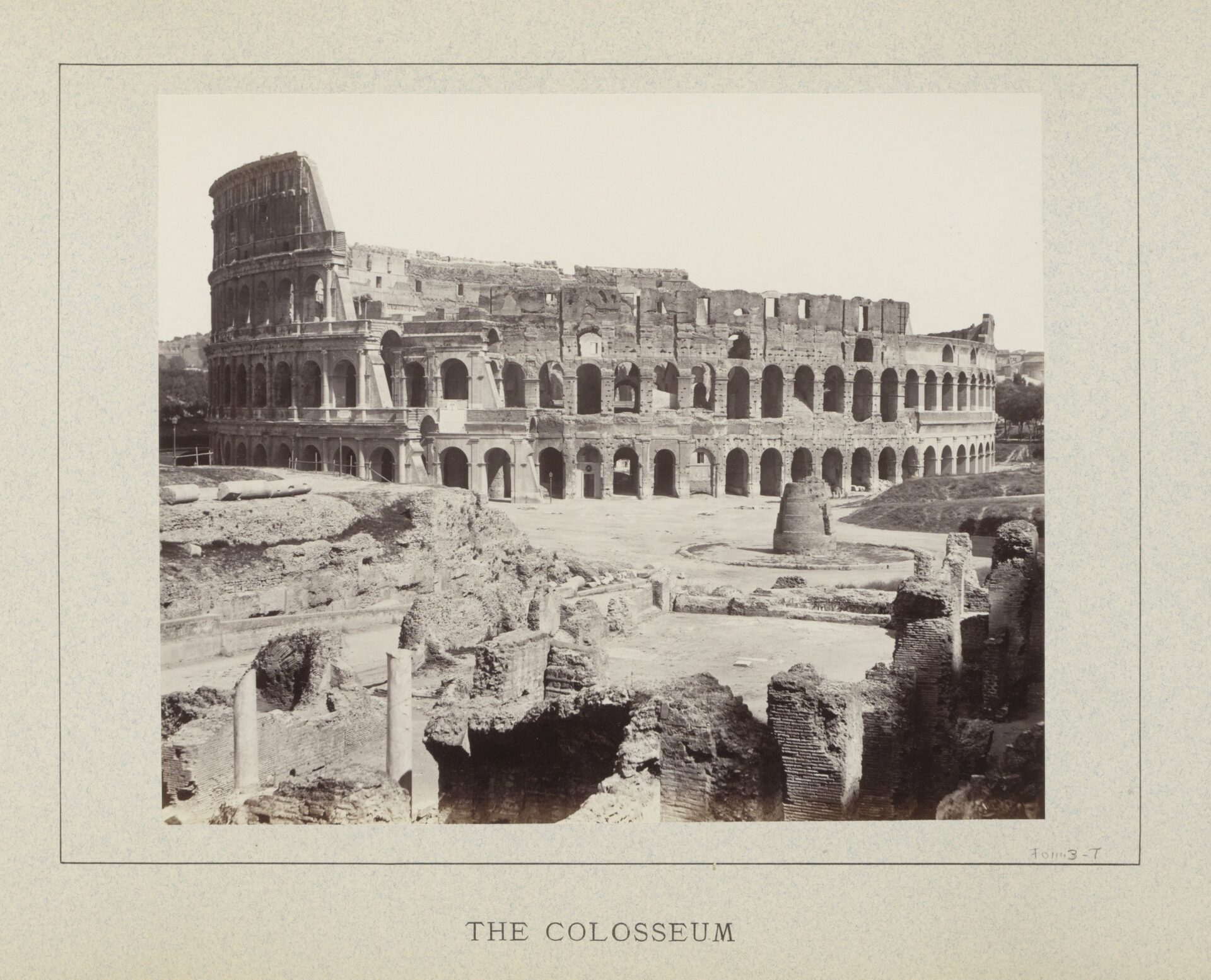
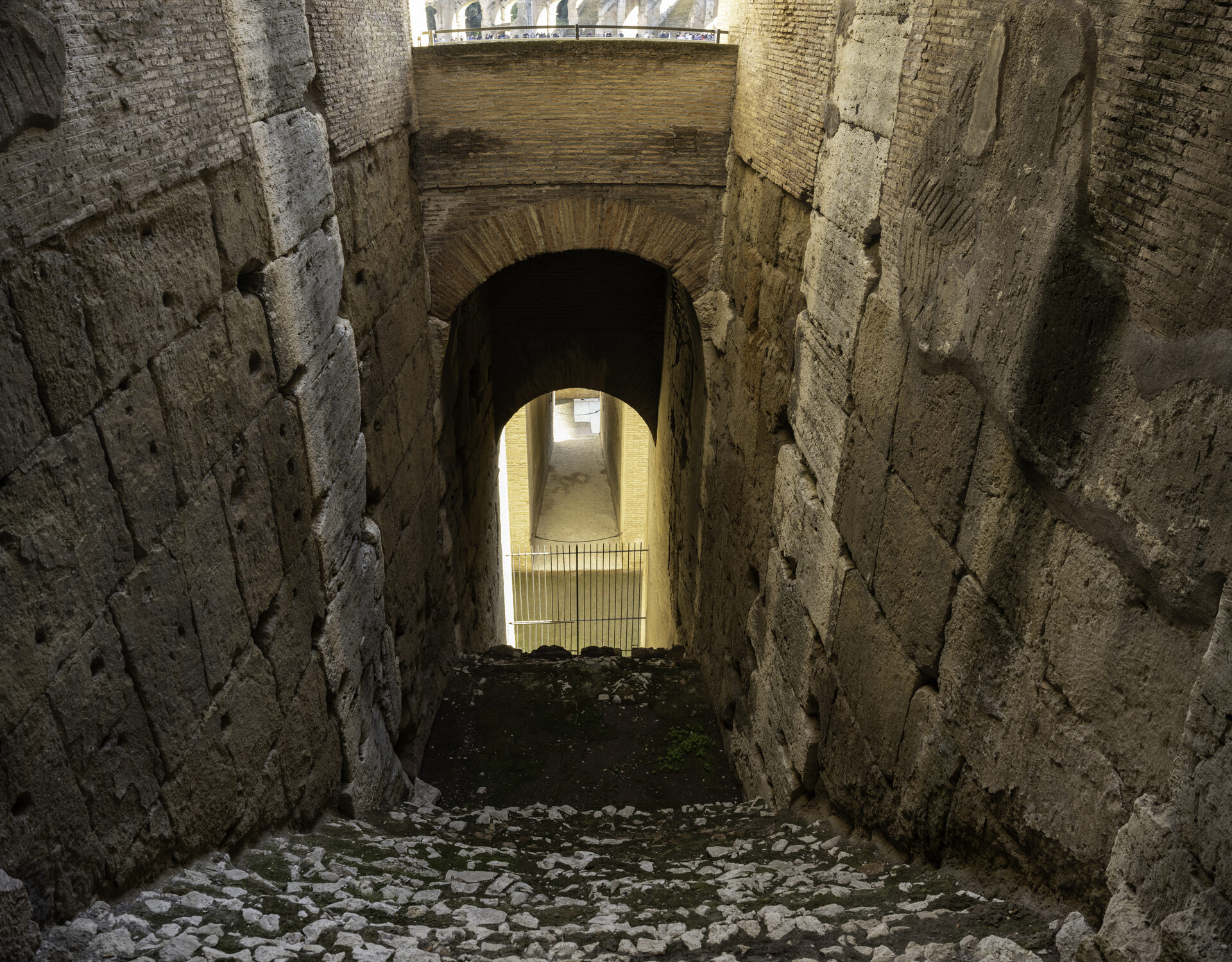
I climbed to St. Peter's dome for views over the entire Eternal City—551 steps that justified every burning muscle. From that height I could see the Colosseum in the distance, the ancient amphitheater where gladiators fought before crowds of fifty thousand, and the sprawl of the Roman Forum where senators debated and the machinery of empire once hummed with purpose. After the Vatican, I walked to Trastevere for lunch—a neighborhood that feels more Roman than the tourist center, with trattorias where locals actually eat. The aroma of fresh pasta and aged cheese filled the air as I had cacio e pepe—the taste was savory perfection, that deceptively simple pasta with pecorino and black pepper that Rome does better than anywhere on earth, and a glass of house wine while watching the city drift through its afternoon—my heart swelled with contentment at being exactly where I was meant to be. Then I walked back to the station, knowing I wouldn't see the Colosseum this trip. Although that felt like a loss, it was actually a gift: Rome would pull me back someday.
Here's the truth about Civitavecchia: the ninety-minute transfer each way means you lose three hours to transit. With an eight-hour port call, you have five hours in Rome—maybe six if you're efficient and lucky with traffic. In that time, you can do the Vatican properly (three to four hours) OR the Colosseum/Forum/Palatine Hill (three hours) plus a quick walk through the historic center to see the Pantheon, Piazza Navona, and Trevi Fountain. Despite what aggressive tour operators promise, you cannot do both Vatican and Colosseum with any depth in a single port day. Choose based on your interests and make peace with returning someday.
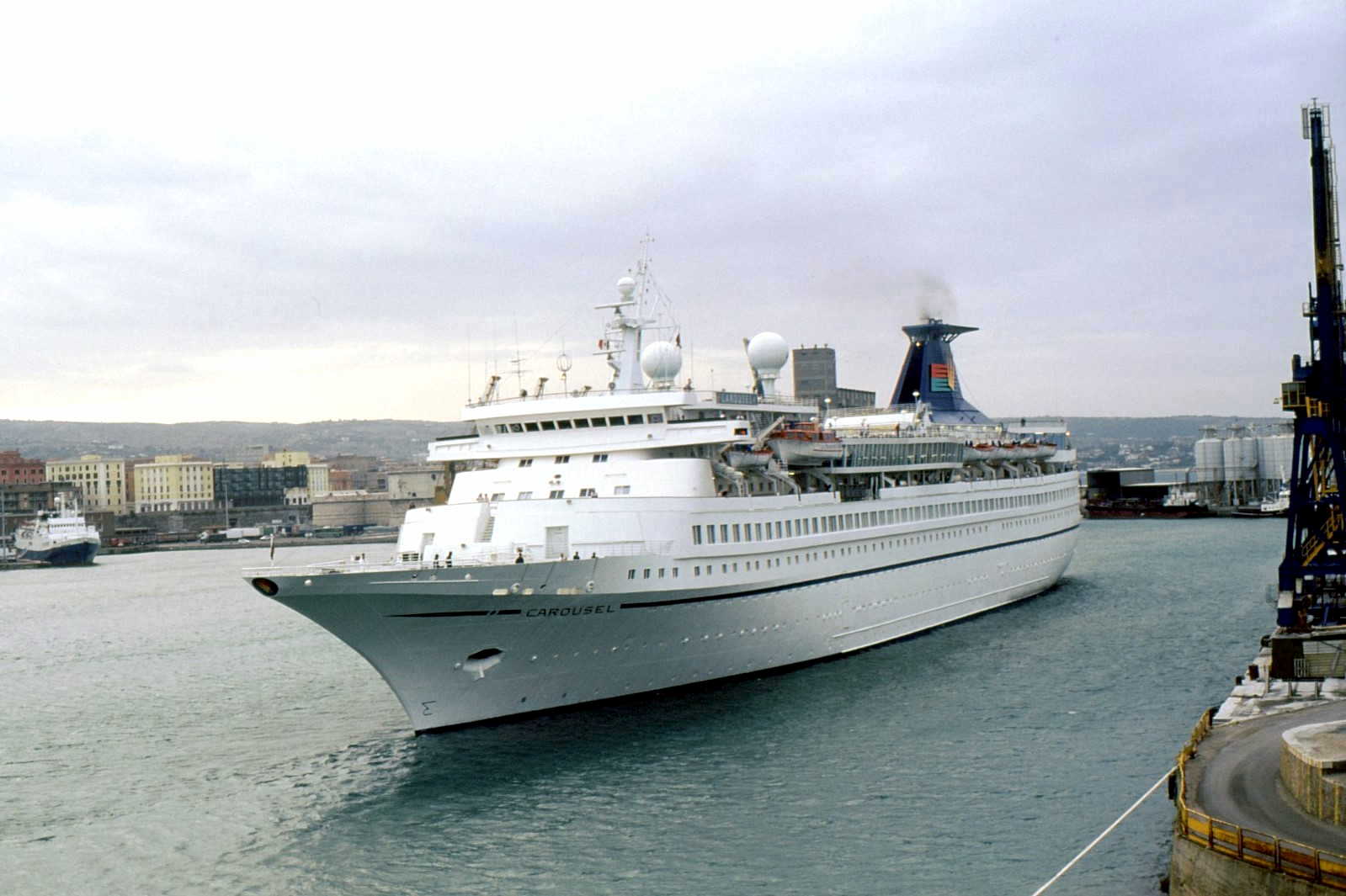
Yet if you've already seen Rome, or if the logistics feel too daunting, Civitavecchia itself carries layers of Roman history worth exploring. The port descends directly from Trajan's Harbor, established by Emperor Trajan in the second century AD as Rome's primary maritime gateway—the same role it still serves two thousand years later. Fort Michelangelo, the honey-colored Renaissance fortress guarding the harbor entrance, was designed in part by Michelangelo himself to defend against Barbary pirates. You can walk the fortress ramparts, stand where the great artist stood, and look out over a harbor that has welcomed ships since the age of emperors. The old town offers good seafood, gentle rhythms, and the particular pleasure of a place that knows it doesn't need to impress you—it's been important for three millennia regardless of whether tourists notice.
Rome is one of those places where even a brief, imperfect visit leaves you changed. The layers of history—ancient, medieval, Renaissance, Baroque, modern—exist simultaneously on every street corner. You'll walk past ruins that predate Christ on your way to get gelato. You'll see Bernini fountains that tourists barely notice because there are so many. Rome has been accumulating beauty for nearly three thousand years, and even an afternoon barely scratches the surface. But what a surface it is—what a privilege to scratch it at all.
Looking back, I realize Rome taught me something about incompleteness. We're trained to finish things, check boxes, conquer destinations. But Rome is unconquerable—too deep, too layered, too ancient. The lesson is learning to love what you cannot complete, to find joy in a single meaningful hour rather than frustration at what remains unseen.
Weather & Best Time to Visit
The Cruise Port
Cruise vessels arrive at Civitavecchia, situated approximately 80 kilometers northwest of Rome along Italy's Tyrrhenian coast. The port complex stretches along the waterfront with several numbered berths for cruise operations. Berth 12 serves as the primary cruise terminal area, though larger ships may dock at adjacent berths depending on daily traffic. Fort Michelangelo, the distinctive Renaissance fortress with circular bastions, stands prominently near the harbor entrance and serves as a useful landmark when returning to port.
Depending on your assigned berth, you may dock directly at a terminal building with immediate access to facilities, or you might require a short shuttle bus ride to reach the main port gate. Port shuttles typically run continuously during cruise ship hours and are included with your cruise fare. Once past the port security gate, you'll face the journey to Rome itself—between 60 and 90 minutes each direction depending on transportation method and traffic conditions. The round-trip transit realistically consumes three hours of your port day.
Getting Around
- Train to Rome ($10-15): The most economical and often most reliable option. Regional trains depart roughly hourly for Roma San Pietro or Roma Termini, taking 75-80 minutes and costing about €5 each way. The train station is 15-20 minutes' walk from the port gate—some cruise lines offer shuttle buses to the station for €5-10. Purchase tickets from machines at the station; validate before boarding.
- Ship Excursions ($100-180): Include motorcoach transport, guide, and often skip-the-line admission. The primary advantage: if the excursion bus is delayed returning, the ship waits. This guarantee eliminates the anxiety that accompanies independent travel when you're watching the clock.
- Private Drivers ($300-500): Offer flexibility to create your own itinerary and avoid group tour schedules. However, don't expect to save time versus the train—Roman traffic is notoriously congested. The value lies in convenience and customization rather than speed.
- Local Exploration (walking): Civitavecchia's old town, Fort Michelangelo, and waterfront restaurants are all walkable from the port gate within 15-20 minutes. A relaxed alternative if you've seen Rome or prefer avoiding the logistics.
- Accessibility: The journey to Rome presents significant challenges for wheelchair users and those with mobility limitations. Trains require navigating stations with varying elevator availability. Rome's historic center features extensive cobblestones and uneven paving. The Vatican Museums are accessible but crowded and exhausting. Ship excursions sometimes offer accessible vehicles with advance notice—confirm with your cruise line before booking.
Civitavecchia and Rome Area Map
Interactive map showing cruise terminal, Civitavecchia old town, and Rome attractions 80km southeast. Note the significant distance—this is a day trip destination requiring substantial transit time.
Top Excursions & Things to Do
Booking guidance: Vatican tickets must be booked 2-3 months ahead during peak season at the official website (museivaticani.va). Colosseum tickets should also be purchased in advance. Ship excursions provide return guarantees; independent travel offers savings but requires careful time management.
Vatican Museums & St. Peter's ($30-50 + transport)
ESSENTIAL for first-time Rome visitors focused on art and faith. The museums contain the Sistine Chapel, Raphael Rooms, and galleries spanning centuries. St. Peter's Basilica is the world's largest church, housing Michelangelo's Pietà and featuring a climbable dome with panoramic views. Book timed-entry tickets at museivaticani.va months in advance—walk-up lines can exceed 3 hours. Allow 3-4 hours minimum for museums and basilica combined.

Colosseum & Roman Forum ($20-35 + transport)
ESSENTIAL for history enthusiasts choosing ancient Rome over Renaissance art. The Colosseum's amphitheater hosted gladiatorial combat before 50,000 spectators. The adjacent Roman Forum contains ruins of the empire's civic heart—senate buildings, temples, triumphal arches. Combined tickets cover Colosseum, Forum, and Palatine Hill. Book at coopculture.it in advance. Allow 2-3 hours for meaningful exploration.
Rome Highlights Walking (free + transport)
If you've done the major sites before, simply wander Rome's historic center. The Pantheon (free entry), Piazza Navona with Bernini's fountains, the Spanish Steps, and Trevi Fountain are all within walking distance of each other. Get lost in medieval streets, stop for espresso at a local bar, eat gelato from a proper gelateria. Sometimes the best Rome experience requires no tickets at all.
Civitavecchia & Fort Michelangelo (free-$15)
Skip Rome entirely for a relaxed local experience. Fort Michelangelo, partially designed by the great Renaissance artist himself, opens for tours and offers harbor views from its ramparts. The old town has authentic cafés, a fish market, and waterfront restaurants serving fresh seafood at prices far below Rome's tourist traps. A natural fit for repeat cruisers or those intimidated by Rome logistics.
Tuscany & Orvieto Day Trip ($80-150)
For those who've seen Rome, excursions head north into Tuscan countryside. Medieval Orvieto features a stunning Gothic cathedral and famous white wine. Expect 2+ hours driving each way, but the scenery and hilltop towns provide experiences entirely different from urban Rome.
Trastevere Neighborhood Lunch ($30-50)
Cross the Tiber to this authentic Roman neighborhood where locals actually dine. Family trattorias serve cacio e pepe, carbonara, and amatriciana—Rome's signature pasta dishes—in settings tourists rarely find. Combine with a Vatican morning or an afternoon wandering nearby. Genuine Roman food memories often outshine monument visits.
DIY vs. Ship Excursion: Rome Day Trip
DIY by Train (€25-40/person)
- Regional train €5 each way, 75-80 minutes
- Book Vatican tickets at museivaticani.va months ahead
- Total freedom to choose Vatican OR Colosseum focus
- Must manage your own return timing carefully
Ship Excursion (€100-180/person)
- Motorcoach transport with guaranteed ship return
- Skip-the-line tickets and guided commentary
- No stress about train schedules or delays
- Higher cost but eliminates Rome logistics anxiety
Depth Soundings
Practical details and honest assessments for planning your Civitavecchia day.
- Time management reality: With 8 hours in port and 3 hours of transit, you have 5 hours in Rome. That's Vatican OR Colosseum, not both. Attempting everything creates exhaustion and disappointment. Choose one focus and do it well.
- Advance booking essential: Vatican Museums tickets sell out months ahead during peak season (May-October). Book at museivaticani.va only—third-party sites charge huge markups. Colosseum tickets at coopculture.it are similarly important to secure in advance.
- Return buffer mandatory: If all-aboard is 5:00 PM, leave Rome by 2:30 PM at the latest. Trains can be delayed, traffic jams happen, you might get lost navigating the metro. Build in substantial buffer time—the stress reduction is worth missing one more sight.
- Vatican dress code: Shoulders must be covered; shorts and skirts must extend below the knee. They will deny entry for tank tops or short shorts—no exceptions. Bring a light scarf or cardigan.
- Independent vs. excursion tradeoff: Train travel saves significant money (€10-15 round trip vs. €100+ excursions) but puts return responsibility on you. Miss the ship, and you're paying for hotels and transportation to the next port. Ship excursions guarantee the ship waits if the tour is delayed.
- When to stay local: If you've seen Rome, have mobility challenges, or simply want relaxation over exhausting logistics, Civitavecchia offers genuine pleasures. Fresh seafood, Renaissance fortress walls, and Italian small-town charm provide a legitimate alternative to the Rome scramble.
Photo Gallery
Frequently Asked Questions
Can I see both the Vatican and the Colosseum in one port day?
Technically possible but not recommended. Both deserve 3+ hours each, and you'll have only 5 hours in Rome after transit. Choose one and experience it properly rather than rushing through both. The Colosseum will still be there for your next Mediterranean cruise.
Should I book a ship excursion or go independently?
Ship excursions cost more ($100-180 vs. $15 for train) but guarantee the ship waits if you're delayed. Independent travel offers flexibility and savings but requires watching time carefully. If you're anxious about missing the ship, the excursion is worth the peace of mind.
How far in advance should I book Vatican tickets?
Two to three months ahead during peak season (May-October). Tickets are released on a rolling basis. Book only at the official site museivaticani.va—third-party resellers charge huge markups. Early morning entry times (8-9 AM) offer smaller crowds.
Is the train from Civitavecchia reliable?
Generally yes, though delays happen. Regional trains cost about €5 each way and take 75-80 minutes. Check schedules at trenitalia.com. Keep your ticket—you need it to exit at Rome stations. Leave Rome early to account for potential delays.
What if I've already seen Rome on a previous trip?
Consider exploring Civitavecchia itself—Fort Michelangelo, the old town, fresh seafood restaurants. Or take an excursion to Tuscany, Orvieto, or the countryside. Not every port day requires maximum effort. Sometimes relaxation is the best choice.
What's the best time of year to visit Civitavecchia?
Peak Mediterranean cruise season runs May through October, with the best weather and longest days. Spring (April-May) and fall (September-October) offer milder temperatures and smaller crowds at Rome's attractions. Winter cruises are rare but possible.
What should I pack for a Civitavecchia port day?
Comfortable walking shoes are essential — Rome involves miles of walking on cobblestones. Bring a light scarf or cardigan for Vatican dress code compliance. Sunscreen and water bottle for summer visits. A compact umbrella for shoulder-season rain.
Will rain ruin my port day?
Rome's museums and churches provide excellent rainy-day alternatives. The Vatican Museums, Colosseum interior, and countless churches are all covered. Civitavecchia's Fort Michelangelo has sheltered areas. Afternoon showers in summer typically pass quickly.
When is Civitavecchia's storm season?
The page's hazard panel describes the winter pattern simply: "Shorter days, possible storms; dress warmly in layers." The avoidance note flags January and February for "cold weather, limited daylight," and the cruise-seasons grid puts Low Season at November through March. The detailed glance values are not filled in for this port — the live weather widget in the seasonal panel above is the better source for current conditions.
Last reviewed: February 2026
Rome is 80 km away — three hours of your port day disappear just getting there and back. Pick ONE focus: Vatican or Colosseum, not both. If all-aboard is 5 PM, leave Rome by 2:30 PM at the latest. The train is reliable and cheap but demands time discipline. Missing the ship is not theoretical here.