From the Logbook
I stood at the railing as our ship approached Colón, watching container vessels ahead of us in the queue—massive ships that would soon begin their journey through one of humanity's most audacious engineering achievements. The Panama Canal. I'd read about it in school textbooks, seen documentaries about its construction, but nothing prepared me for the scale of what awaited. The air felt thick with humidity and anticipation as tugboats maneuvered in the distance.
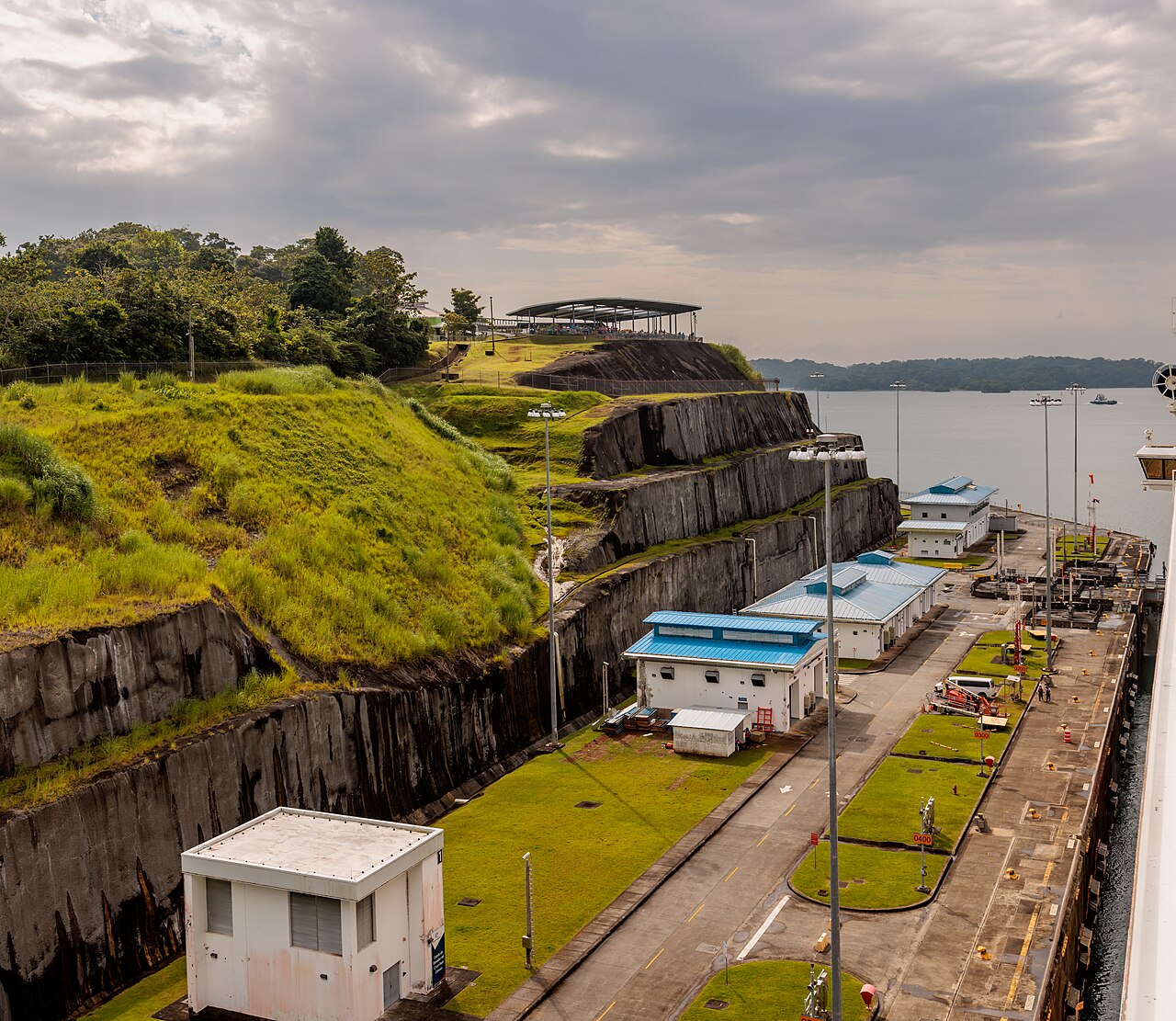
Our tour bus wound through the outskirts of Colón toward Agua Clara Locks, the expanded locks that opened in 2016 to accommodate the new generation of mega-ships. The visitor center sits high above the canal, a stadium-style viewing platform that places you close enough to watch crews working on vessels 1,200 feet long. I arrived just as a Neopanamax container ship began entering the lock chamber below. The precision was breathtaking—inches of clearance on either side, tugboats nudging the bow into position, locomotives called "mules" keeping the ship centered with steel cables.
The water began to drain from the chamber. I watched, mesmerized, as this floating city of steel slowly descended—52 feet in about twenty minutes, recycling billions of gallons through ingenious water-saving basins. The smell of humid jungle air mixed with diesel and the salt breeze from Gatun Lake. I could hear the rumble of the lock gates, the splash of water cascading through the culverts, the distant horn of a ship waiting its turn. My eyes filled with unexpected tears as I grasped the human achievement unfolding before me.
For the first time in years, I felt humbled by what we're capable of when we set our minds to it. Thousands of workers died building this canal over three decades. The French tried first and failed catastrophically—defeated by yellow fever, mudslides, and hubris. Then American engineers and laborers—many of them from Caribbean islands seeking work—carved this passage through the Continental Divide. They conquered disease through mosquito control, designed an ingenious lock system, and built something that still functions over a century later. Standing there watching a ship transit that my great-grandparents couldn't have imagined, I understood something new about ambition and sacrifice.
After the locks, our tour continued to Fort San Lorenzo, a UNESCO site perched on a cliff overlooking the mouth of the Chagres River. The Spanish built this fortress in 1597 to protect treasure galleons sailing from Peru. Henry Morgan attacked it in 1671 before sacking Panama City. Walking through the cannon-studded ramparts, moss-covered stone walls, and dungeons where prisoners once awaited their fate, I felt the weight of centuries pressing down on every stone. The view from the battlements—endless jungle stretching to the horizon, the Caribbean glinting in the distance—was precisely what Spanish soldiers saw four hundred years ago.
The contrast between fort and canal struck me as profound. One represents the old world's desire to extract and control. The other represents something different—a connection, a passage, an invitation for ships of all nations to cross from ocean to ocean in hours rather than months. However you feel about American intervention in Panama, the canal changed global trade forever. Ships no longer needed to round Cape Horn.
Our tour included a stop at Portobelo, another UNESCO site where the Spanish conducted treasure fairs—annual events when silver from Peruvian mines was loaded onto galleons bound for Spain. The village drowses now in tropical heat, but the massive fortifications still stand, their rusted cannons aimed at a harbor that once held more gold than any place on Earth. I bought fresh coconut water from a local vendor ($1) and sat on a cannon for a long while, trying to imagine fleets of treasure ships anchored where simple fishing boats now bobbed peacefully in the quiet afternoon sun.
I heard later that some passengers chose to explore independently and had difficult experiences in Colón city. The port terminal itself felt safe, with shops and organized tour departures, but the surrounding area has genuine security concerns. This isn't a port for wandering—it's a port for witnessing engineering marvels and ancient fortresses through organized excursions, and that's perfectly fine. The excursions here are genuinely worth every dollar.
The moment that stays with me: standing at Agua Clara as the chamber refilled, watching the container ship rise like a building emerging from the earth. My heart swelled with something I can only call wonder—the recognition that humans built this, that workers died for it, that every day hundreds of ships use it, and that I was privileged to witness the simple miracle of two oceans joined by ingenuity and sweat. I came to see an engineering marvel. I left understanding why some things are called wonders of the world.
Weather & Best Time to Visit
The Cruise Port
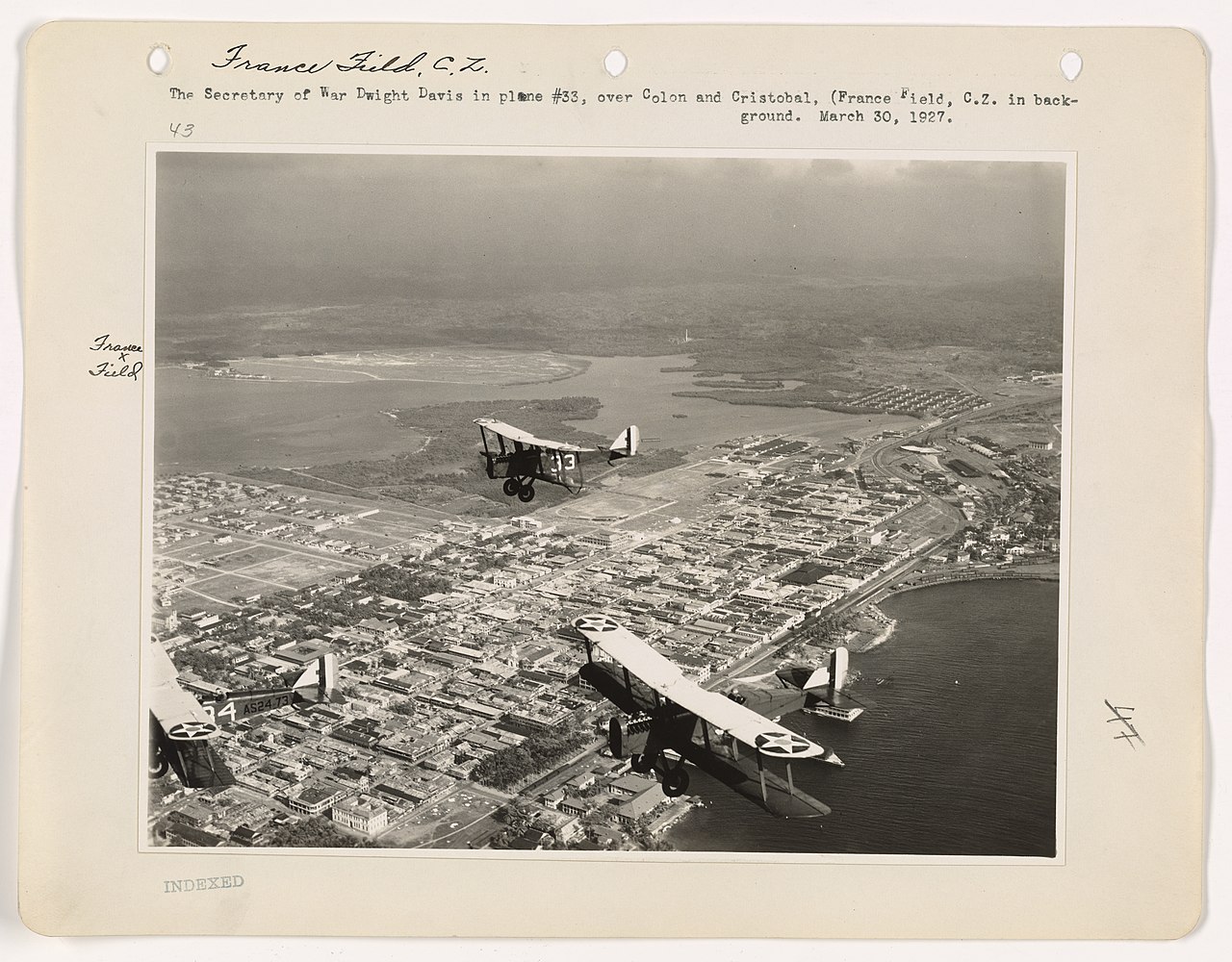
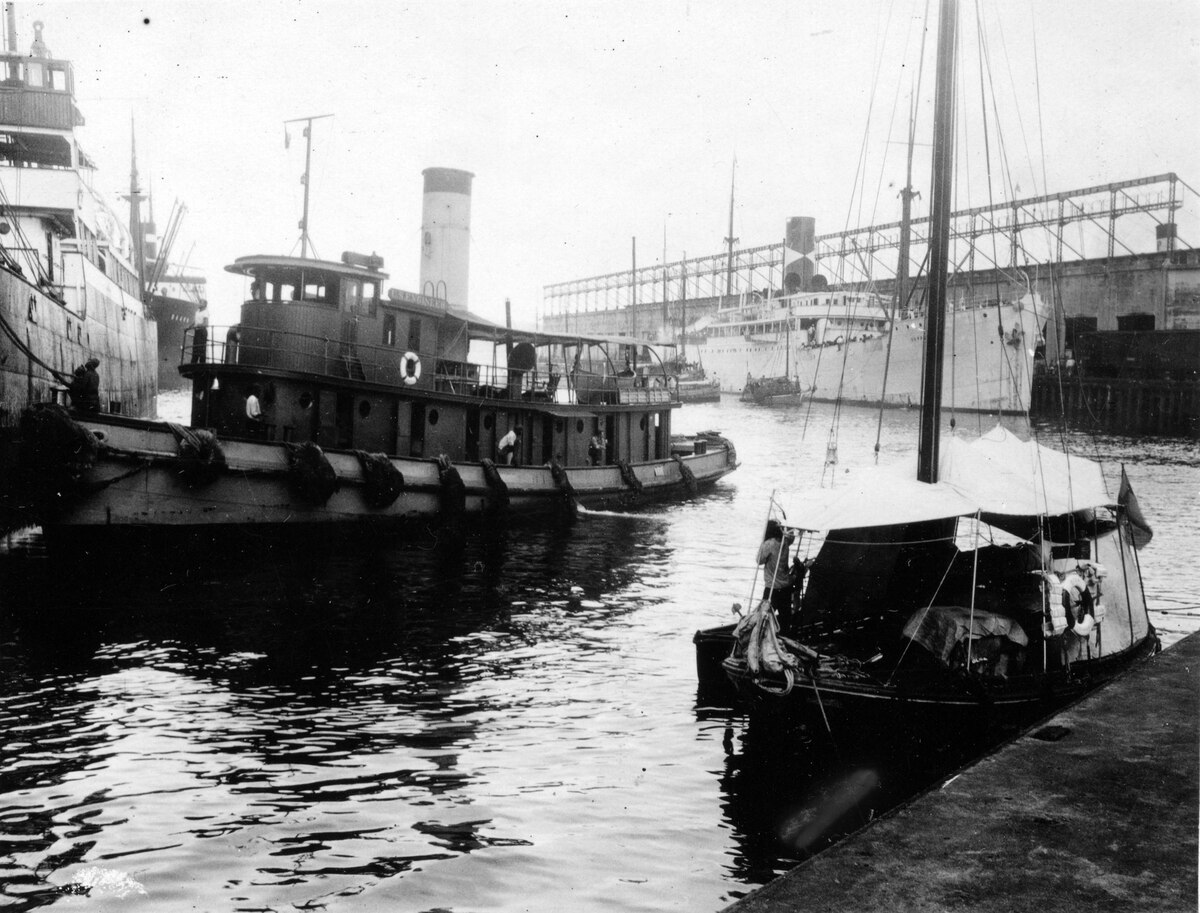
Ships dock at either Colón 2000 cruise terminal or Cristobal Pier on the Atlantic entrance to the Panama Canal. Both terminals are secure with shopping areas and organized tour departures. Colón 2000 offers more retail options and is the more modern facility. Cristobal is closer to the actual canal entrance and sometimes used for partial transit itineraries.
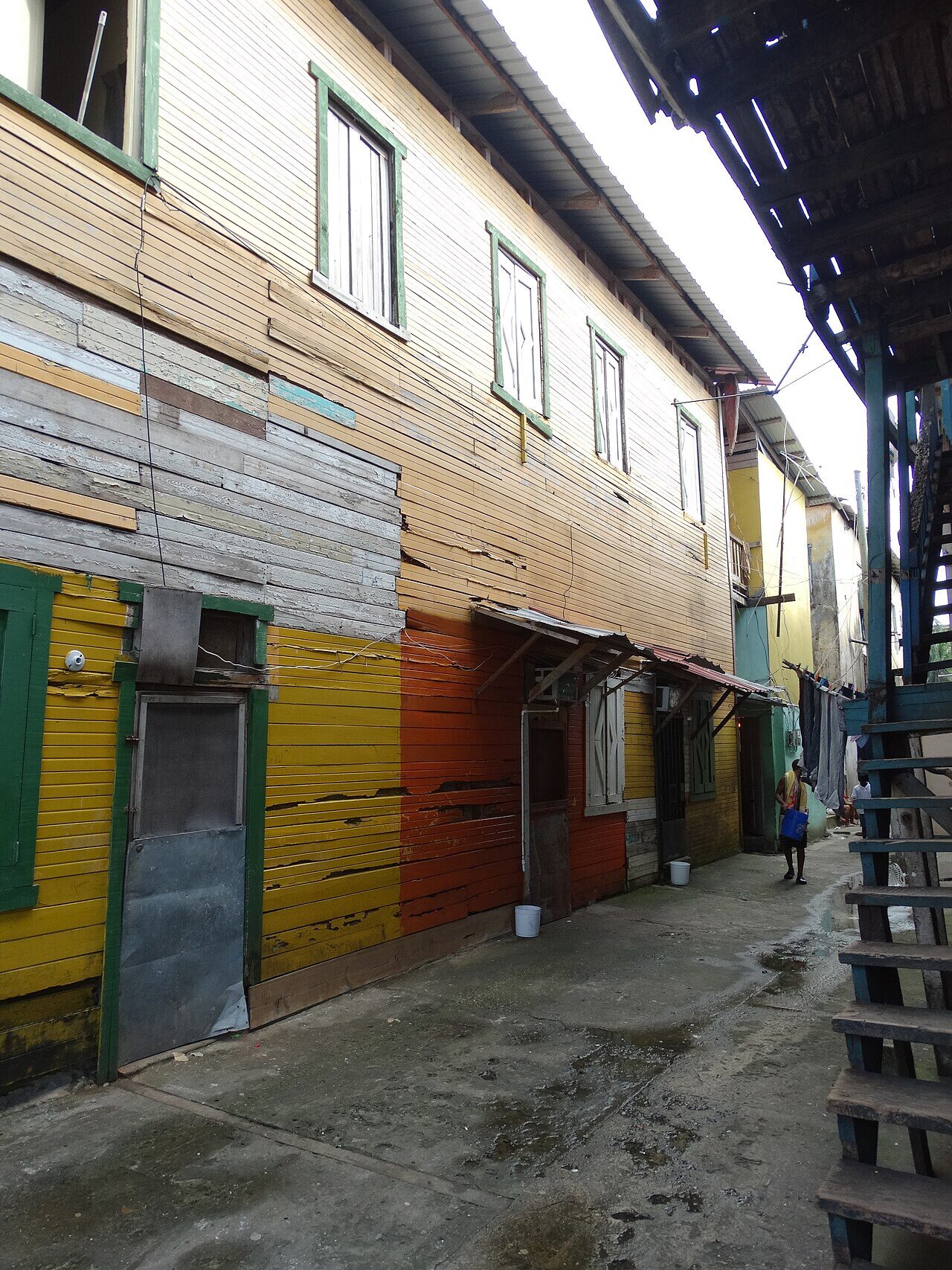
This is emphatically a tour port, not a walking port. The city of Colón has significant safety concerns—high unemployment and crime rates make independent exploration inadvisable. Ship excursions and reputable private tours are the way to experience the area's remarkable attractions. The terminal area is secure, with taxi services available, but venturing into the city is strongly discouraged by cruise lines, the U.S. State Department, and experienced travelers alike.
Quick Facts
Getting Around
Independent exploration is not recommended in Colón. This is a tour-based port where organized excursions are the safest and most practical way to experience the area's attractions. The port terminal itself is secure and contains basic amenities, but the city beyond the gates has genuine safety concerns that make walking around inadvisable.
Ship excursions: The most common and safest option. Excursions to Agua Clara Locks, Gatun Locks, Fort San Lorenzo, Portobelo, and the Gamboa Rainforest run from $50-$150 depending on duration and inclusions. Prices include transport, guides, and entrance fees. Book early as Panama Canal tours consistently sell out—they're among the most popular excursions in the Caribbean.
Private tours: Reputable operators can arrange customized itineraries, particularly useful for photographers or travelers with specific interests. Book in advance through verified operators. Expect $200-$400 for a private vehicle and guide for 4-6 hours.
Mobility considerations: The Agua Clara and Gatun Locks visitor centers are wheelchair accessible with elevators and paved viewing platforms. Fort San Lorenzo involves uneven terrain, steep stairs, and cobblestones—not suitable for wheelchairs or mobility devices. Portobelo has limited accessibility. Discuss specific needs with your tour operator when booking. Low-mobility visitors may prefer locks-only itineraries which offer excellent experiences on accessible paths.
Within the terminal: Colón 2000 has shops, restaurants, and restrooms. Prices are tourist-level but not outrageous. WiFi is available but unreliable. The terminal provides a safe area to return to between tour departures or while waiting to reboard the ship.
Colón Port Map
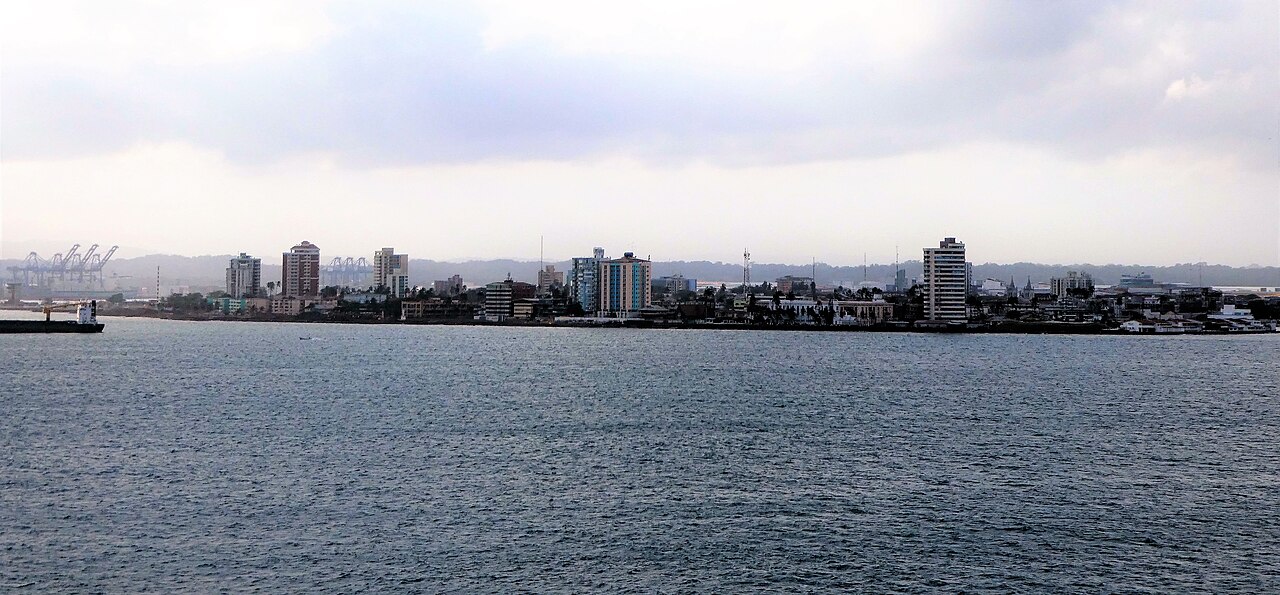
Colón sits at the Atlantic entrance to the Panama Canal.
Excursions
Colón excursions focus on the Panama Canal and UNESCO sites. These are among the most sought-after tours in Caribbean cruising—book ahead through your ship excursion desk or verified private operators. A guaranteed return to ship is essential given distances involved. Independent exploration is not recommended due to safety concerns in the city.
Agua Clara Locks Observation
The expanded Panama Canal locks (completed 2016) feature a world-class visitor center with stadium seating overlooking the lock chambers. Watch Neopanamax vessels—ships too large for the original locks—transit through chambers 1,400 feet long. The experience is weather-dependent but unforgettable. Ship excursions run $60-$80 (3-4 hours). Book ahead—this tour sells out on every sailing. Independent visits require reliable transport arranged in advance; do not attempt to reach Agua Clara by taxi flagged in Colón city.
Gatun Locks (Original Canal)
The 1914 original locks remain operational for smaller vessels and offer a different perspective on canal engineering. The visitor center here is older but positioned closer to the lock chambers. Often combined with Agua Clara in full-day canal tours ($100-$120). Some visitors prefer Gatun for its direct connection to the original canal construction and the chance to see the century-old mechanisms still functioning today.
Fort San Lorenzo UNESCO Site
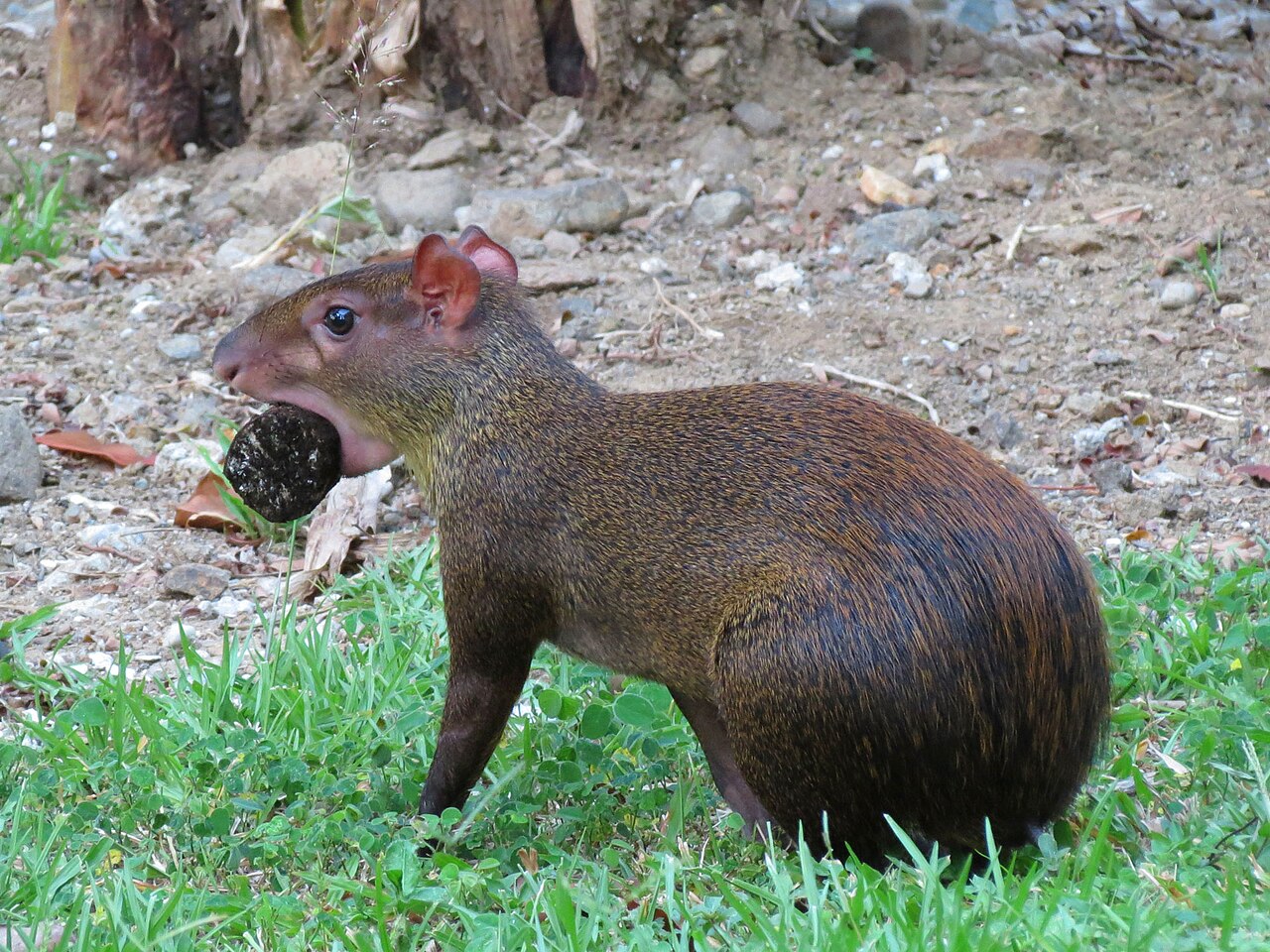
This 16th-century Spanish fortress perches on a cliff where the Chagres River meets the Caribbean. Walk through ramparts, explore dungeons, see original cannons, and understand why Henry Morgan destroyed it en route to sacking Panama City. The drive passes through dense jungle—keep eyes open for wildlife. Tour typically runs $70-$90 (4-5 hours) and is often combined with Gatun Locks. The site involves stairs and uneven terrain—moderate stamina required.
Portobelo Colonial Village
Another UNESCO protected site where Spain conducted treasure fairs during the colonial era. The village is quieter and smaller than Fort San Lorenzo but equally atmospheric. Massive fortifications, rusted cannons, and a famous Black Christ statue draw visitors. Tours run $60-$80 (3-4 hours). Combine with Fort San Lorenzo for a comprehensive colonial immersion. The slower pace allows time to explore the village, sample local coconut water, and imagine the treasure galleons that once anchored here.
Gamboa Rainforest Adventure
The Gamboa Rainforest Resort offers aerial tram rides through jungle canopy, indigenous village visits, and wildlife encounters (sloths, monkeys, crocodiles). This is the premier nature excursion from Colón—higher-energy but rewarding. Full-day tours run $130-$180. High stamina required for tram and walking portions. The resort sits in the heart of the canal zone with excellent facilities and dining options for lunch. Book well in advance as these tours fill quickly.
Depth Soundings
The Panama Canal took 34 years to build, claimed over 25,000 lives (primarily from yellow fever and malaria during the French attempt), and moved enough earth to circle the globe four times at the equator. The French began in 1881 under Ferdinand de Lesseps, who had built the Suez Canal. They failed catastrophically—tropical disease, mudslides, and a fatal commitment to a sea-level canal design. The Americans took over in 1904, chose a lock-based design, conquered yellow fever through mosquito control, and completed the canal in 1914.
Ships transit from Atlantic to Pacific (or vice versa) in 8-10 hours, saving 7,800 nautical miles compared to rounding Cape Horn. About 40 ships pass through daily, paying tolls that average $150,000 but have exceeded $1 million for the largest vessels. The canal generates over $2 billion annually for Panama and handles roughly 5% of world trade.
The 2016 expansion added a third set of locks capable of handling ships too wide for the original chambers. These new locks use water-saving basins that recycle 60% of the water used in each transit—essential for a system that depends entirely on rainfall collected in Gatun Lake. Climate change and drought have recently forced canal authorities to reduce daily transits, a reminder that even engineering marvels remain at nature's mercy.
Gallery


Frequently Asked Questions
Can I see ships transit the Panama Canal from Colón?
Yes—Agua Clara Locks and Gatun Locks both have visitor centers with viewing platforms. Agua Clara offers the more dramatic experience with its expanded locks handling mega-ships. Gatun provides closer views of the original 1914 locks. Both require transportation from the port (not walking distance) via organized tours or pre-arranged private transport.
Is Colón safe to explore independently?
The port terminal (Colón 2000 or Cristobal) is secure with shops and restaurants. The city of Colón beyond the terminal gates has significant crime and safety concerns—independent exploration is strongly discouraged by cruise lines, the U.S. State Department, and experienced travelers. All worthwhile attractions require transportation anyway, making organized tours the logical choice.
Which canal tour should I choose—Agua Clara or Gatun?
Agua Clara offers the most dramatic viewing of the expanded locks handling modern mega-ships. Gatun is the original 1914 canal and provides direct connection to century-old engineering plus closer proximity to the lock chambers. Many tours combine both. If choosing one, most visitors prefer Agua Clara for its modern visitor center and larger ships.
Do I need to book excursions in advance?
Yes—Panama Canal tours consistently sell out. Book through your cruise line's excursion desk or a verified private operator before your cruise. These are among the most popular tours in Caribbean cruising, and last-minute availability is rare.
When is the best time to visit Colón?
The glance Temperature reads "74-87°F year-round" and Rain reads "Wet most of year; drier Jan-Apr." Humidity reads "Very high (79-87%)" and Wind reads "Light; sheltered harbor."
When is hurricane and storm season in Colón?
The hazard-note on this page reads: "Caribbean Panama; rarely hit by hurricanes." The glance Rain entry reads "Wet most of year; drier Jan-Apr." For current conditions on a specific sailing date, use the live weather widget in the seasonal panel above.
What should I pack for Colón's weather?
The glance Temperature reads "74-87°F year-round" and Humidity "Very high (79-87%)." Rain reads "Wet most of year; drier Jan-Apr," so a rain jacket matters year-round. The Packing Tips section lists "Sunscreen and sunglasses — essential year-round"; "Light layers for variable temperatures"; "Comfortable walking shoes for exploring"; "Rain jacket or compact umbrella."
Will rain ruin my Colón port day?
The glance Rain entry reads "Wet most of year; drier Jan-Apr." For short-term forecasts on a specific sailing date, the live weather widget in the seasonal panel above is the primary source.
Caribbean Port
Key Facts
- Country
- Panama
- Region
- Atlantic
- Currency
- US dollars accepted everywhere—Panama uses USD as official currency
- Language
- Spanish
Practical Notes
- Currency: US dollars accepted everywhere—Panama uses USD as official currency
- Weather: Hot and humid year-round (85-95°F). Dry season December-April; rainy season May-November with afternoon showers
- Safety: Stay with organized tours. The port terminal is secure; Colón city is not safe for walking
- What to bring: Sunscreen, hat, water, binoculars for canal viewing, rain jacket in wet season
- Tipping: 10-15% at restaurants, $5-$10 per person for tour guides
- WiFi: Available at terminal and visitor centers but often slow and unreliable
Last reviewed: February 2026
Depth Soundings
Money: The local currency is USD accepted everywhereUS dollars accepted everywhere—Panama uses USD as official currency. ATMs are generally available near the port area, though fees vary. Credit cards are widely accepted at tourist-oriented establishments, but carry some local cash for markets, street food, and smaller vendors. Your ship's exchange rate is typically unfavorable — withdraw from a bank ATM instead. Budget $30–$80 per person for a comfortable day including lunch, transport, and a few entry fees.
Timing: Start early if your ship arrives at dawn — the first hours offer pleasant conditions and smaller crowds. Allow at least 30 minutes buffer before all-aboard time. Set a phone alarm as backup. Most port visits allow 8–10 hours on shore, which is enough to see the highlights without rushing if you prioritize well.
Safety: Standard port-town awareness applies — keep valuables close and stick to well-traveled areas during daylight. Your ship's ID card is your most important item — losing it creates a genuine headache at the gangway.
Communication: Wi-Fi is often available at cafés and restaurants near the port. Consider downloading offline maps before disembarking — cellular data roaming charges can be substantial and surprising. Google Maps offline mode or Maps.me work well for navigation without data.
Food & Water: Tap water safety varies by destination — ask locally or buy bottled water to be safe. The best food often comes from busy local restaurants rather than tourist-facing spots near the port. Lunch at a popular local place typically costs $8–$20 per person. Street food can be excellent value if you choose busy stalls with high turnover.
Photo Gallery