
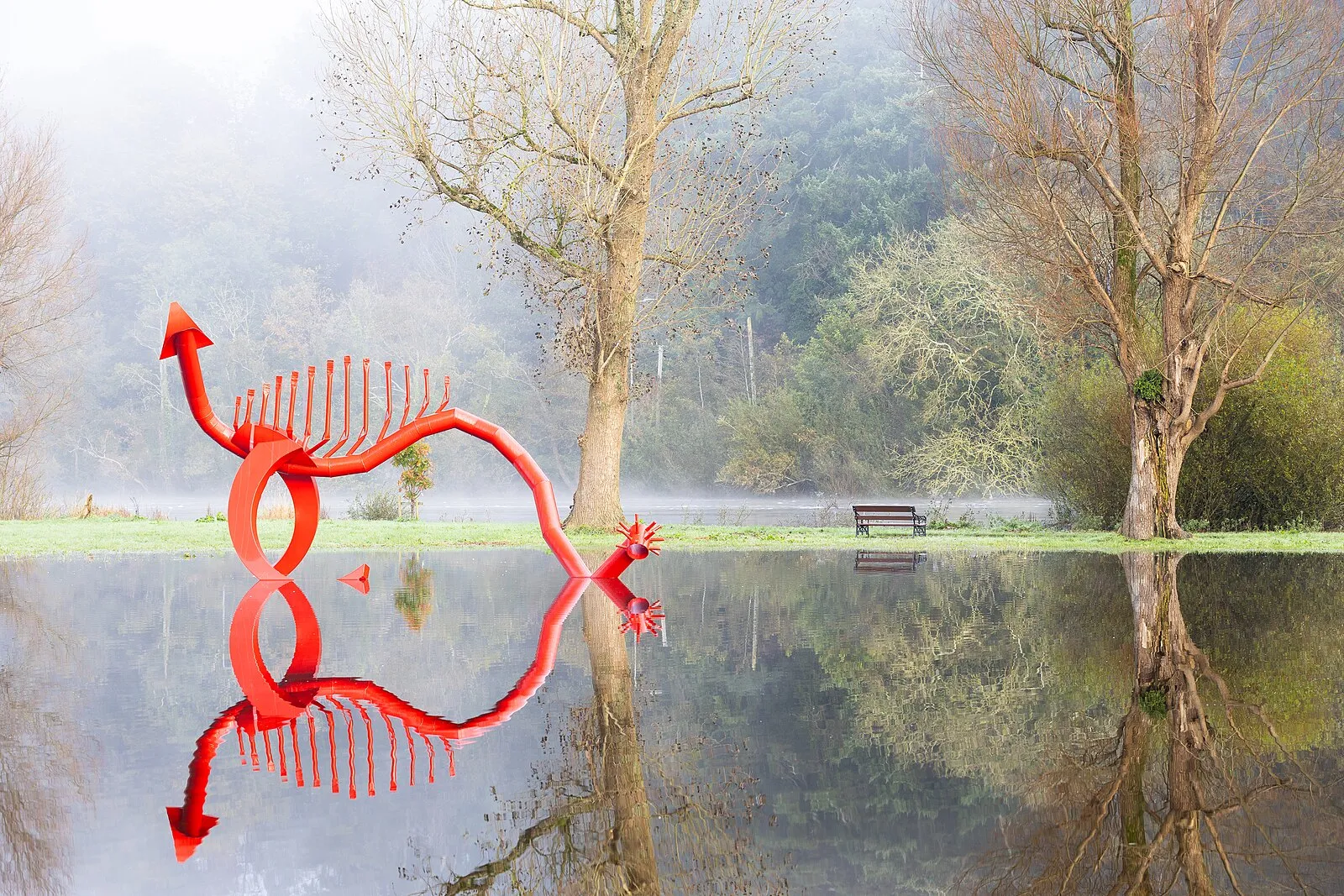
Cork / Cobh
Titanic's Last Port & Cathedral City
Last reviewed: February 2026
Captain's Logbook
The approach to Cobh provided one of the most iconic views of my entire cruise – a cascade of brightly painted Victorian houses tumbling down the steep hillside, crowned by the magnificent spire of St. Colman's Cathedral rising 300 feet into the Irish sky. Our ship docked at the deep-water berth, and I stepped ashore into a town that wears its maritime legacy on every street corner. This was Queenstown when the Titanic made her final stop here on April 11, 1912, taking aboard 123 passengers who would share the ship's fate. That knowledge colored everything I saw and felt during my hours ashore.
I made directly for the Titanic Experience (€12), housed in the original White Star Line ticket office where those doomed passengers purchased their passage. The museum doesn't shy from emotion – you're assigned the identity of an actual passenger and follow their journey through the exhibits, learning at the end whether "your" person survived. I found myself holding my breath as the final tally revealed the fate of my assigned passenger, a young woman from Cork traveling to meet her fiancé in America. She perished. I felt tears prick my eyes unexpectedly. The experience left me genuinely moved in a way few museums achieve. The building itself adds authenticity – these very walls witnessed the hopeful boarding of passengers who trusted their voyage to what they believed was an unsinkable ship.
St. Colman's Cathedral demanded my attention next, its neo-Gothic spires visible from everywhere in town. The climb up the steep streets provided a workout ($0, free to enter, donations welcomed), but the cathedral's interior rewarded every step. Forty-nine bells in the carillon chime on the hour, filling the harbor with music. I sat in a pew for twenty minutes, letting the acoustics wash over me while light streamed through stained glass windows depicting Irish saints. The craftsmanship spans from 1868 to 1915 – nearly fifty years of devoted labor evident in every carved stone and polished wood surface.
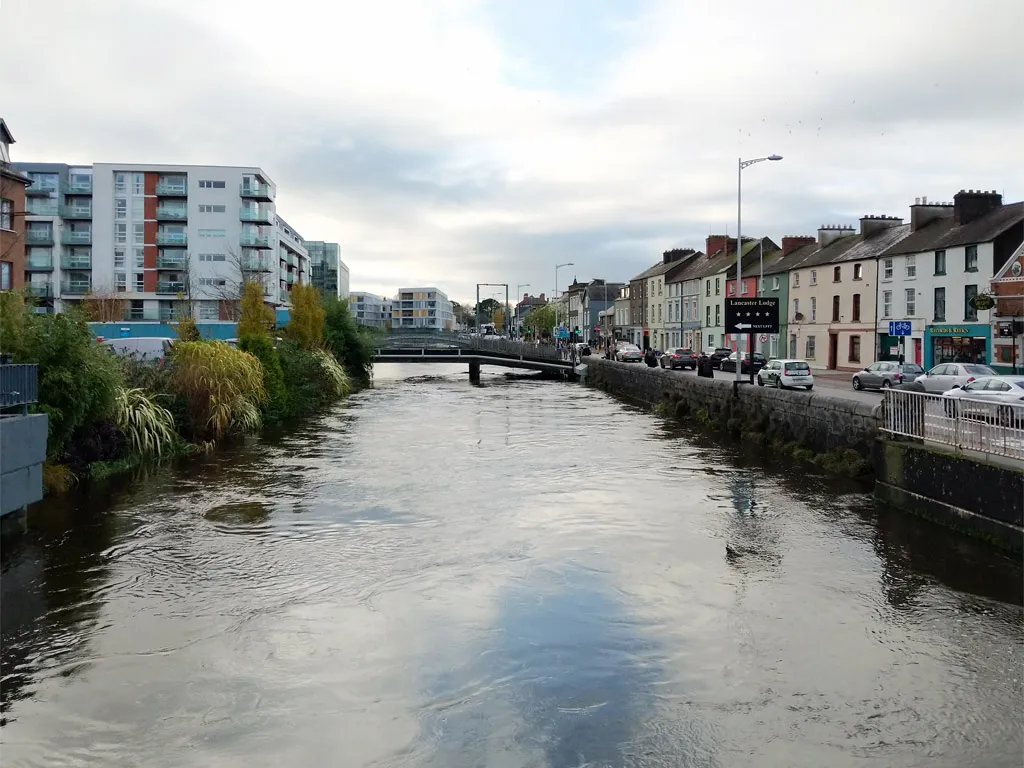
However meaningful Cobh proved, I had come to Ireland partly for Blarney Castle, and the ship excursion ($75, about 4 hours) made the 15-mile journey simple. The castle itself dates to 1446, its famous Blarney Stone requiring visitors to lean backward over a gap to kiss it. I queued for forty minutes ($18 castle entrance if going independently) before my turn, hanging upside down while a helper steadied my shoulders. Did I receive the gift of eloquence promised by legend? My wife claims I talk enough already. The castle gardens proved equally enchanting – poison garden included – and the drive through Irish countryside showed me green fields, stone walls, and sheep exactly as I had imagined.
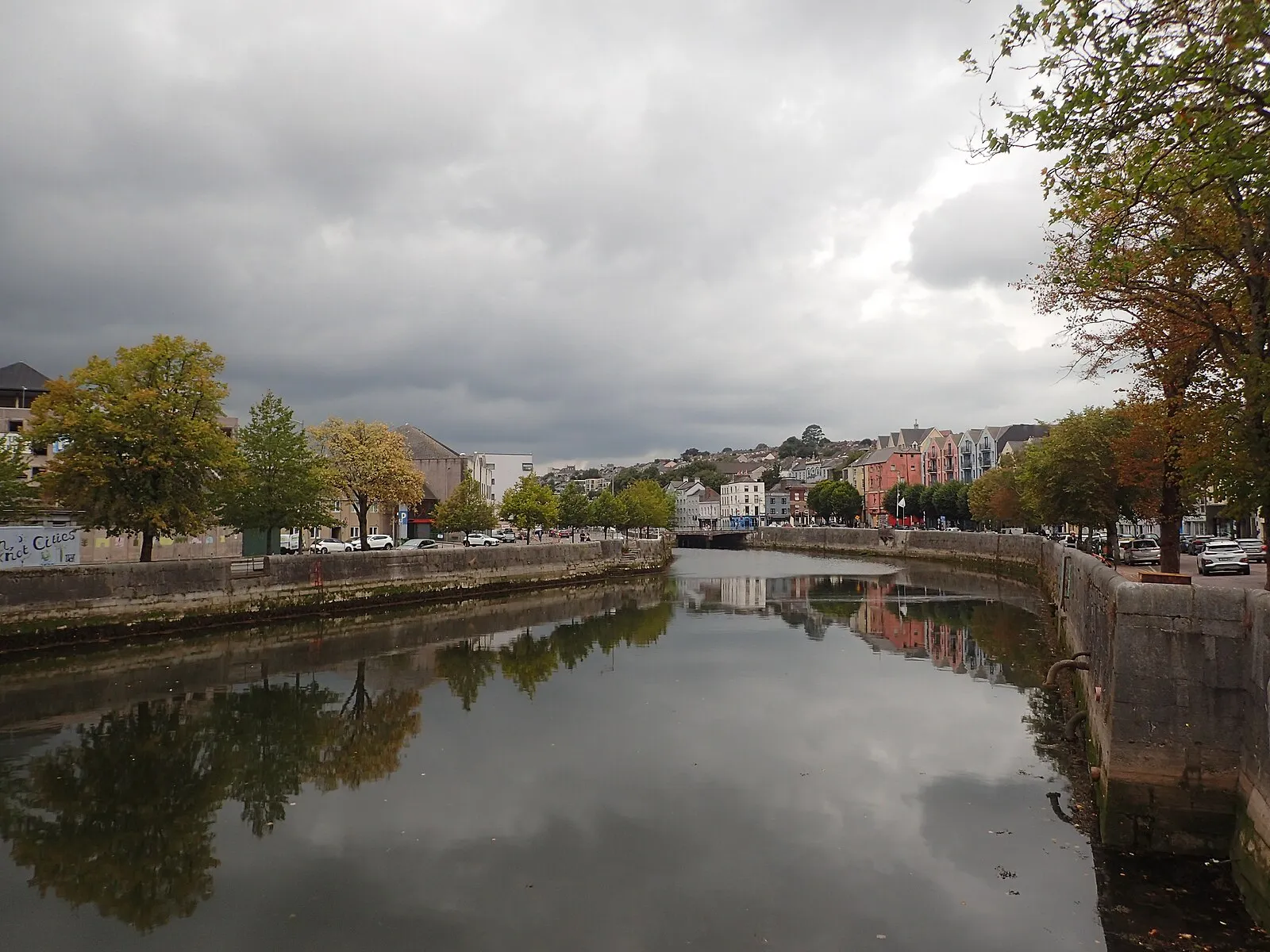
Cork city itself lies about thirty minutes from Cobh by train (€7 return) or bus. I had limited time but made the journey to visit the English Market, a covered food hall operating since 1788. The vendors sell artisan cheeses, fresh fish, handmade chocolates, and countless other Irish specialties. I bought a wedge of Gubeen cheese (€8) and some smoked salmon (€12) for a picnic lunch, eating on a bench in nearby Bishop Lucey Park. The city bustles with university students and locals – a different energy from the tourist-focused Cobh streets. More time would allow exploration of Cork's pubs, live music venues, and the riverside quays where merchants have traded for centuries.
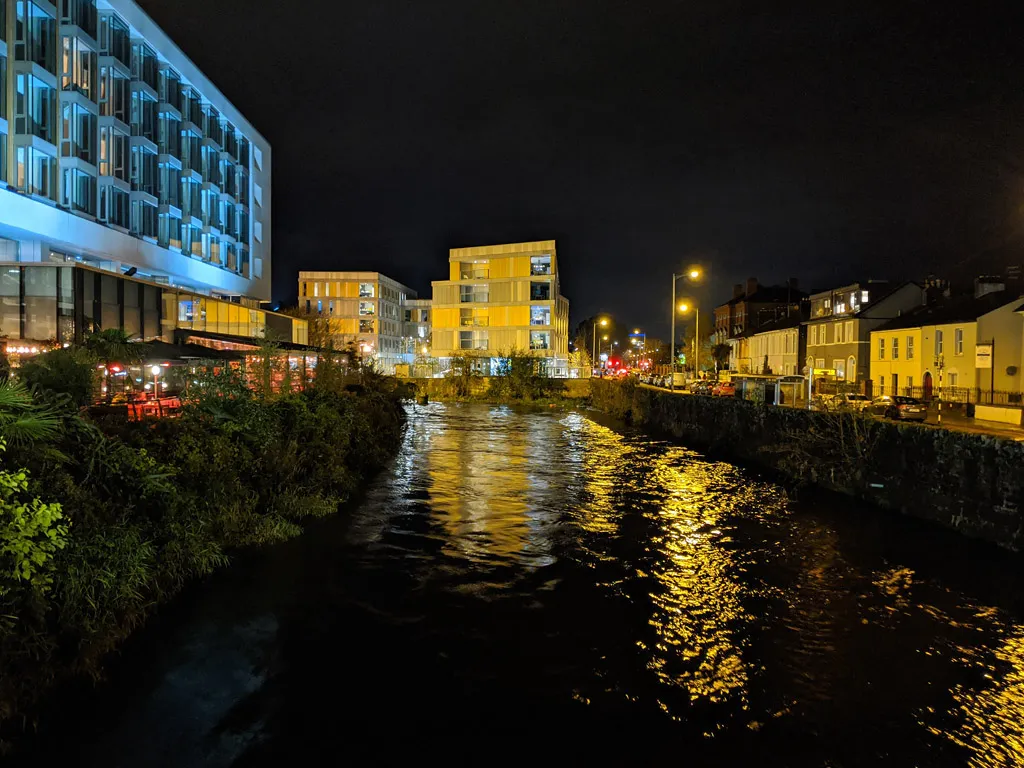
The Cobh Heritage Centre adjacent to the railway station tells broader stories of Irish emigration – six million people departed from this harbor during the famine years and beyond, seeking survival in America, Australia, and elsewhere. The exhibits trace their journeys and the conditions they fled. Ireland lost half its population to emigration and starvation between 1845 and 1900. Standing where they had stood, looking at the same harbor they saw as their last glimpse of home, I understood something about Irish memory that I couldn't have grasped from books alone. By evening, as my ship departed and St. Colman's spire receded into the mist, I carried both the weight of legacy and the warmth of Irish hospitality that had colored every interaction throughout this remarkable port day. The rain had held off, the Guinness had flowed, the stories had been shared with strangers who became friends by the time we parted ways. Cork and Cobh had given me absolutely everything I had genuinely hoped to find in Ireland – authenticity, emotion, natural beauty, and that particular Celtic gift for making the past feel present. This was not simply another European port; this was a place where the echoes of emigration ships and transatlantic tragedy still resonate in every cobblestone street and harbor wave. I left genuinely grateful for this deeply meaningful experience and already eagerly dreaming of a return visit with substantially more time to thoroughly explore and discover absolutely everything.
Cruise Port
Cruise ships dock at the Cobh Cruise Terminal, a deep-water berth that accommodates even the largest vessels. You walk off the ship directly onto the waterfront, steps from Cobh's colorful streets and the Titanic Experience. No tenders are required. The terminal building has basic facilities including restrooms and tourist information. The iconic "Deck of Cards" painted houses and St. Colman's Cathedral are visible from the dock.
Cobh (pronounced "Cove") is the cruise port for Cork, Ireland's second-largest city. Cork city center lies about 15 miles north, accessible by train, bus, or taxi. Blarney Castle is approximately 15 miles from Cobh. Ships typically allow 8-10 hours in port, adequate for Cobh exploration plus either Cork city or Blarney Castle (though not easily both unless on an organized excursion). Weather is typically mild but rainy – bring waterproof layers regardless of forecast.
Getting Around
Cobh itself is entirely walkable, though the steep hills provide a workout. The Titanic Experience, St. Colman's Cathedral, heritage center, and waterfront are all within 10-15 minutes walk from the cruise terminal. Wear comfortable shoes with good grip – the streets are steep and sometimes slippery when wet.
Train to Cork: The railway station is adjacent to the heritage center, about 10 minutes walk from the cruise pier. Trains run regularly to Cork city center (€7 return, 25 minutes). The station is accessible with step-free access to platforms.
Bus: Bus Éireann operates services between Cobh and Cork. Useful if trains are crowded or for flexibility.
Taxi: Available at the cruise terminal. Expect €40-50 each way to Cork or Blarney Castle. Agree on price before departure or ensure the meter is running.
Ship Excursions: The most convenient option for Blarney Castle, which has no direct public transport from Cobh. Ship excursions typically run €70-90 including castle entry.
Accessibility note: Cobh's steep streets and uneven cobblestones present challenges for wheelchair users and those with mobility limitations. The cruise terminal is accessible, and the train to Cork is step-free. St. Colman's Cathedral has steps at the entrance but offers wheelchair access via a side door. Blarney Castle is not wheelchair accessible due to spiral staircases. Contact your ship's excursion desk for accessible tour options focusing on Cork city and the English Market.
Port Map
Tap markers to explore Cobh attractions and the cruise terminal
Shore Excursions
Blarney Castle & Gardens: The quintessential Irish experience. Kiss the Blarney Stone (lean backward over a gap – not for claustrophobes!), explore poison gardens and ancient grounds. Castle entry €18 independently; ship excursions €70-90 including transport. Book ahead through your ship's excursion desk for guaranteed return times. Independent visits require taxi (€40-50 each way) as no direct public transport exists. Allow 3-4 hours total including travel. Ship excursions guarantee vessel return even if traffic delays occur.
Titanic Experience Cobh: Housed in the original White Star Line ticket office. Follow a passenger's journey and learn their fate. €12 adults, €8 children. Walking distance from cruise terminal. No advance booking required except for large groups. Allow 1-1.5 hours. Deeply moving experience that brings the tragedy to life.
St. Colman's Cathedral: Gothic masterpiece with 49-bell carillon. Free entry, donations welcomed. Steep uphill walk from waterfront. The cathedral interior justifies the climb. Carillon plays on the hour. Allow 45 minutes to 1 hour.
Cobh Heritage Centre: Irish emigration through the ages. €11 adults. Adjacent to railway station. Good rainy-day option. Allow 1-1.5 hours.
Cork City & English Market: Take the train to Cork (€7 return, 25 minutes) and explore Ireland's second city. English Market is a must – food vendors operating since 1788. Free to enter, budget €15-30 for food purchases. Cork's streets are walkable with shops, pubs, and riverside quays. Allow 3-4 hours for Cork exploration.
Distillery Tours: Jameson Midleton Distillery (30 minutes from Cobh) offers tours and tastings. €25-30 per person. Best accessed via ship excursion or taxi. Book ahead during peak season.
Independent vs. Ship Excursions: Cobh attractions (Titanic Experience, Cathedral, Heritage Centre) are easily explored independently on foot. Cork city is accessible by train. Blarney Castle is where ship excursions provide real value – they handle transport logistics and guarantee your return to the ship. For Blarney, book ahead through your ship's excursion desk if this is a priority. Independent Blarney visits risk timing stress due to uncertain taxi availability and traffic. Overall, book ahead through your ship's excursion desk for any tours requiring transportation beyond walking distance – the peace of mind of guaranteed return to your vessel is worth the modest premium over independent arrangements, especially for first-time visitors unfamiliar with Irish geography, transport options, and local logistics. This advice applies particularly during peak summer cruise season when local taxi availability becomes particularly unpredictable and stressful.
Local Cuisine
Irish Breakfast: The full Irish includes bacon, sausages, eggs, black and white pudding, beans, and toast. Available at cafes throughout Cobh (€12-16). A meal that sustains you all day.
Seafood Chowder: Creamy soup packed with local fish and shellfish. Found at waterfront restaurants (€10-14). Cork's coastal location means fresh ingredients.
Fish & Chips: Classic preparation with Atlantic cod or haddock. Budget €12-16 for a generous portion.
English Market (Cork City): Artisan cheeses, smoked salmon, local produce, and prepared foods. Perfect for assembling a gourmet picnic. Budget €15-30 for substantial purchases.
Pubs: Traditional Irish pubs serve food alongside pints. Look for lamb stew, beef and Guinness pie, or fresh oysters. Expect €15-25 for pub meals.
Local Notices
Weather: Irish weather is unpredictable. Bring waterproof jacket and layers regardless of forecast. Sunshine and rain often alternate throughout the day.
Currency: Euro (€). Ireland uses the Euro, not British pounds. ATMs available in Cobh. Credit cards widely accepted.
Language: English is the primary language. Irish (Gaelic) appears on signs but English is universally spoken.
Steep Streets: Cobh is built on a hillside. The climb to St. Colman's Cathedral is steep. Pace yourself and wear appropriate footwear.
Depth Soundings Ashore
Cork/Cobh presents one of the most emotionally resonant port experiences in Europe. The Titanic connection permeates Cobh's identity – this was genuinely the last land those passengers saw, and the town honors that legacy with dignity rather than exploitation. English-speaking with the Euro as currency, Ireland presents no language or money barriers for most cruise visitors. The Irish are famously welcoming, and Cobh particularly so given its centuries of experience with travelers passing through.
The weather deserves respect. Irish rain is legendary for good reason – it can appear from nowhere and vanish just as quickly. A packable waterproof jacket is essential regardless of morning sunshine. Temperatures are mild year-round (8-18°C / 46-65°F), rarely hot but seldom freezing. The steep streets of Cobh can become slippery when wet; sturdy footwear matters more than fashion here.
Medical facilities in Cobh are limited; Cork city has the nearest hospital. Travel insurance is always recommended. Cell service is excellent throughout the area. WiFi is available in most cafes and restaurants. Crime is not a concern in tourist areas, though standard precautions apply for valuables. For wheelchair users, Cobh's steep terrain presents significant challenges – Cork city with its flatter streets may offer better accessibility. Discuss specific needs with your ship's excursion desk before booking any tours.
Practical Information
- Currency: Euro (€)
- Language: English; Irish on signs
- Time Zone: GMT (Ireland/UK)
- Weather: Mild and wet; 8-18°C (46-65°F) year-round
- Port Type: Dock; ships berth directly
- Tender: Not required
- Walking: Cobh walkable but steep; Cork city accessible by train
- Accessibility: Challenging due to steep hills and cobblestones
Photo Gallery


Credits
- Hero image: Wikimedia Commons
- Gallery images: Wikimedia Commons contributors under CC BY-SA licenses
- Geographic data: OpenStreetMap contributors
Frequently Asked Questions
Q: What is the difference between Cork and Cobh?
A: Cobh (pronounced "Cove") is the harbor town where cruise ships dock. Cork is Ireland's second-largest city, about 15 miles north. Ships dock in Cobh with Cork as a day-trip destination accessible by train.
Q: Is the Titanic Experience worth visiting?
A: Absolutely. Housed in the original White Star Line ticket office, it tells the Titanic story with genuine emotional impact. You follow an actual passenger's journey and learn their fate. Budget €12 and 1-1.5 hours.
Q: How do I get to Blarney Castle?
A: Ship excursions are the most convenient option (€70-90). Independent visitors need taxis (€40-50 each way) as no direct public transport connects Cobh to Blarney. Allow 3-4 hours total.
Q: Can I visit both Blarney Castle and Cork city?
A: Difficult in a single port day unless you book an organized excursion that includes both. Most visitors choose one or the other. Cobh alone offers a full day of attractions.
Q: Is Cobh accessible for wheelchair users?
A: Cobh presents significant challenges due to steep hills and cobblestones. The cruise terminal and train to Cork are accessible. Cork city offers better mobility for wheelchair users. Contact your ship's excursion desk for accessible tour recommendations.
Q: What should I budget for a day in Cobh?
A: Titanic Experience €12, Irish lunch €15-20, Cathedral (free). Budget €30-50 for Cobh exploration. Add €70-90 for Blarney Castle excursion or €15-30 for Cork city train trip and food.
Q: When is the best time to visit Cork and Cobh?
A: The Irish cruise season runs roughly May-Sep, with June-August offering the warmest weather, longest daylight hours, and lowest rain. May and September are the transitional months — cooler, sometimes wetter, but with thinner crowds at Blarney Castle and the Titanic Experience. Cobh's harbor weather is changeable year-round; even in midsummer a passing Atlantic system can bring rain within hours. The live weather widget in the seasonal panel above is the primary source for short-term conditions on a specific sailing date.
Q: When is hurricane and storm season in Cork?
A: The Weather Hazards panel above labels Cork's heavy-weather window "Atlantic Storms & Year-Round Rain" with "Season: Oct – Mar (storm peak); rain year-round" and "Peak risk: Nov, Dec, Jan." The hazard-note explains: "Cork (Cobh) sits at ~51°N on Ireland's south coast — outside the tropical-cyclone tracks but firmly in the Atlantic-storm path. Winter storms (Oct-Mar) bring strong winds and rough seas to the harbor; late-season Atlantic hurricanes occasionally recurve toward Ireland after passing the Azores (see Met Éireann or the UK Met Office for named storm history). Light rain falls on roughly half of all days year-round." For current conditions on a specific sailing date, the live weather widget in the seasonal panel above is the primary source.
Q: What should I pack for a Cobh port day?
A: A genuinely waterproof jacket (not just water-resistant) — Irish "soft weather" arrives without warning even in summer. Layers are essential because temperatures swing rapidly: a 60°F morning can be a damp 50°F afternoon if a system rolls in. Comfortable walking shoes with good grip for Cobh's steep streets and the cobblestones to St. Colman's Cathedral. The Packing Tips section above lists umbrellas; a compact one in your day bag matters more here than at most Mediterranean ports.
Q: Will rain ruin my Cobh port day?
A: Cobh and Cork are accustomed to rain — the locals barely register light showers. The Titanic Experience is fully indoor (your one-hour passenger-journey timing isn't affected by weather). St. Colman's Cathedral, the Cobh Heritage Centre, and the city-centre pubs all offer dry shelter. Blarney Castle's grounds are exposed and the stone gets slippery in heavy rain; consider the indoor Blarney Woollen Mills as the wet-day fallback. The train to Cork city opens up an essentially indoor day if the weather turns. The live weather widget in the seasonal panel above is the primary source for short-term forecasts on a specific sailing date.