


Photo: Wikimedia Commons
My Logbook: Where the Real Mexico Reveals Itself
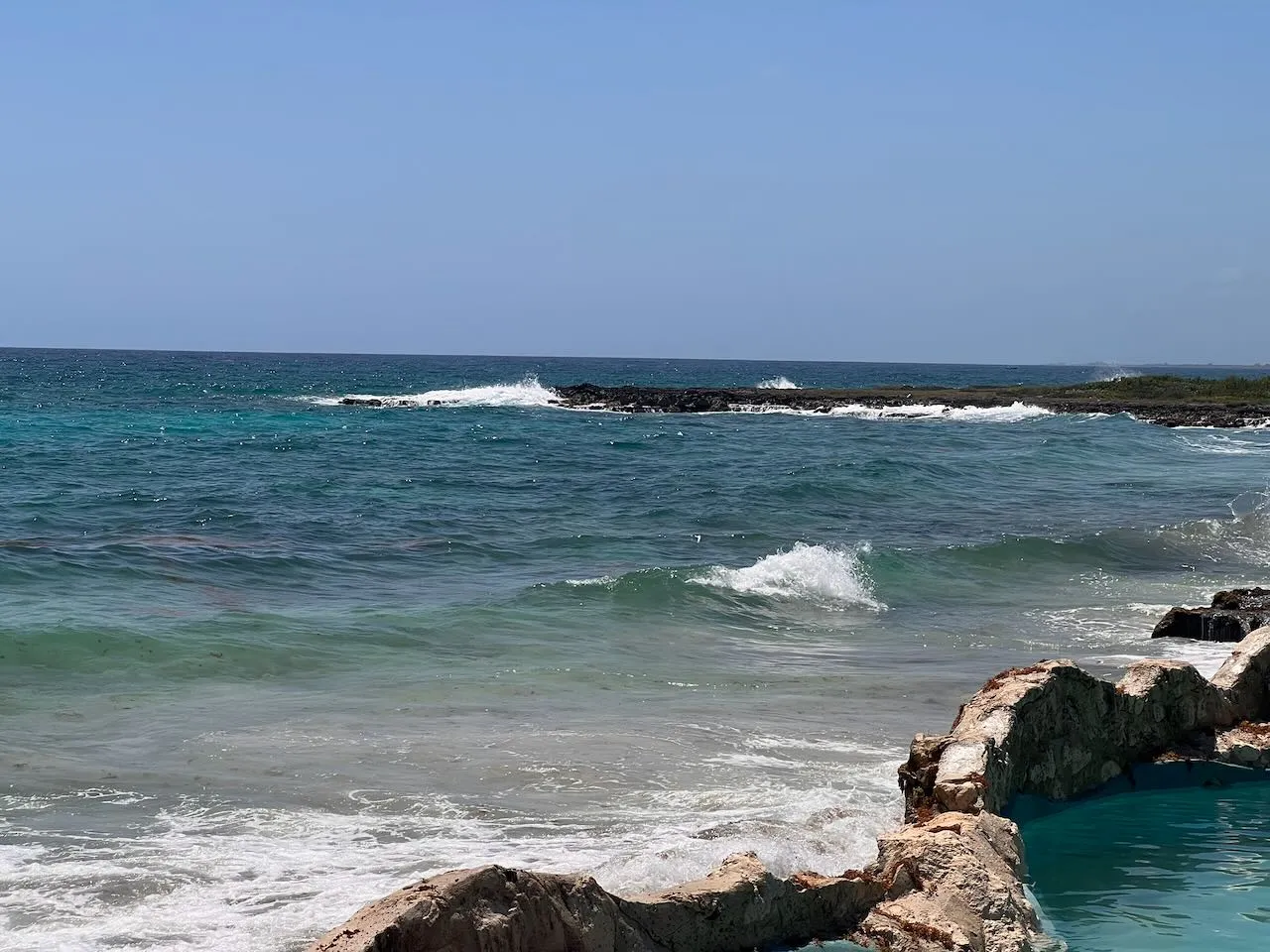
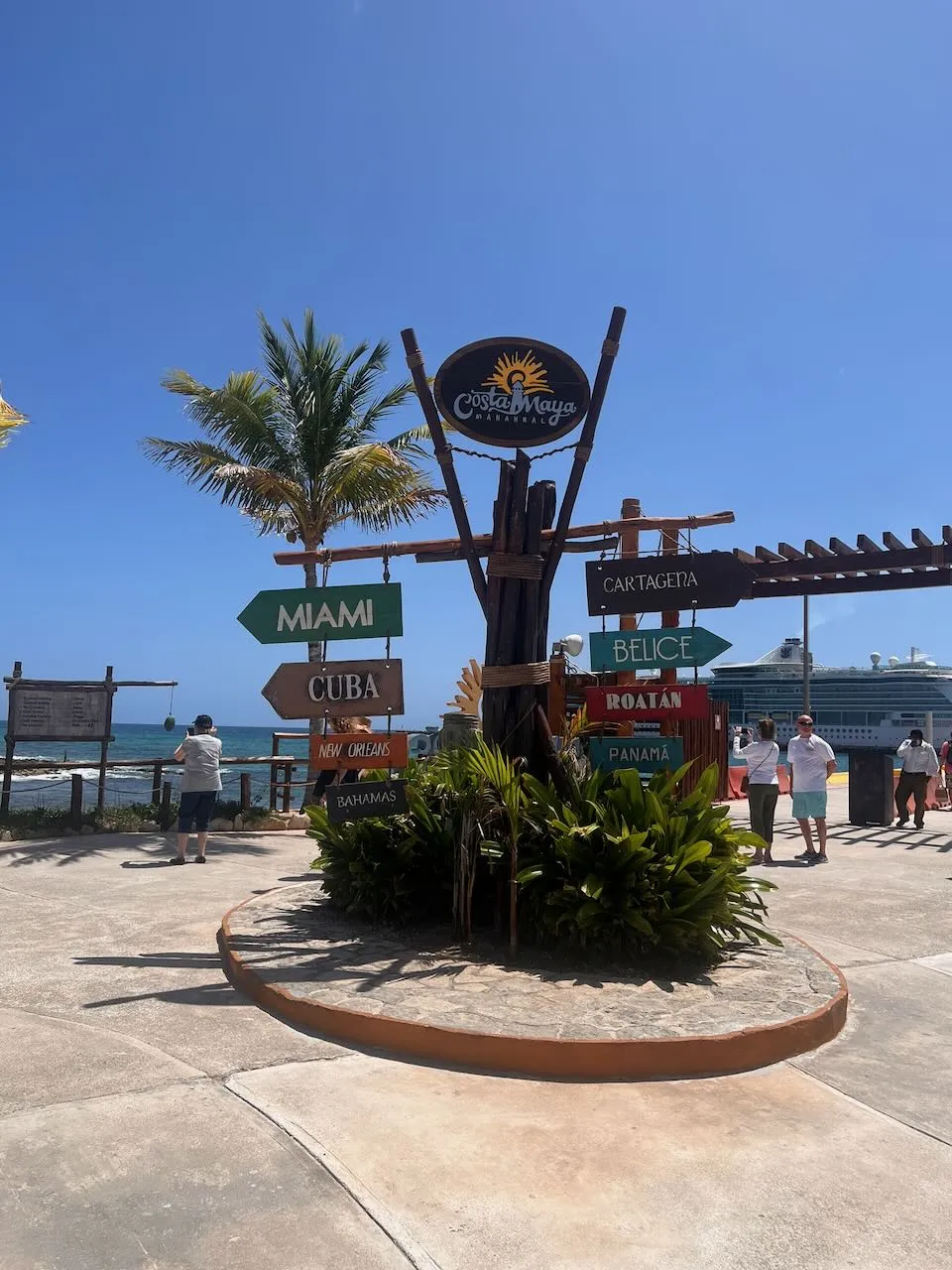
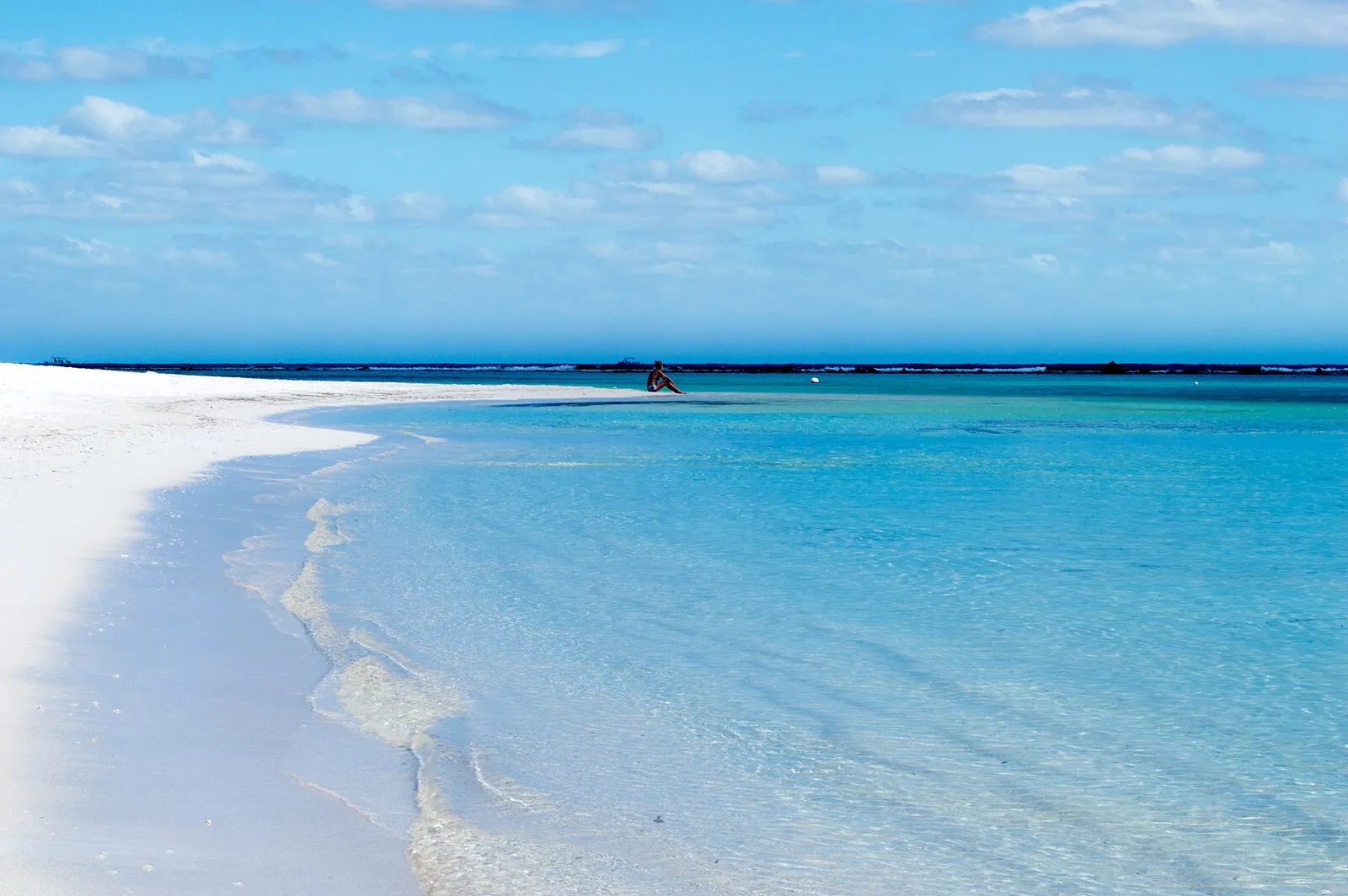
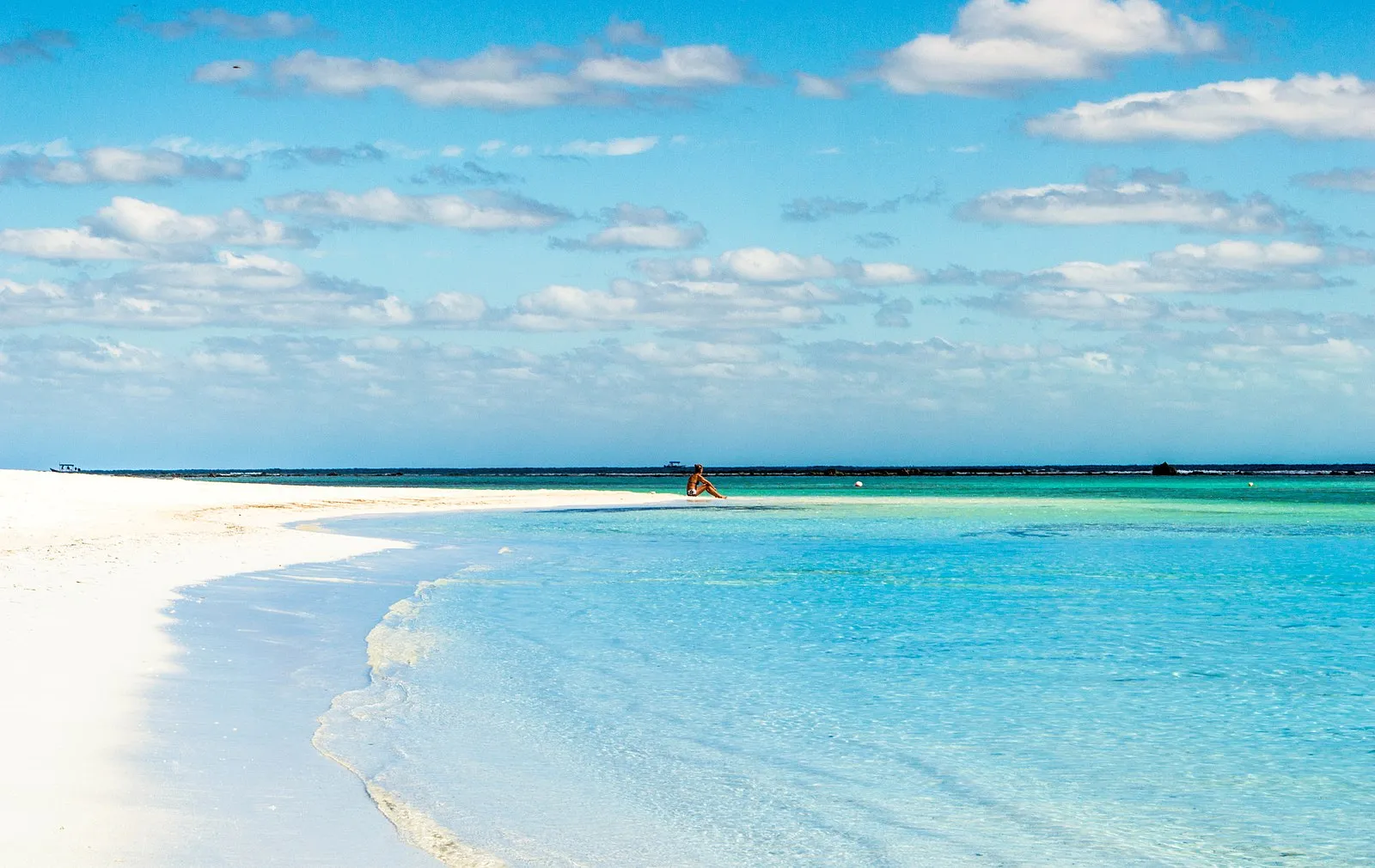
I woke to turquoise water so bright it looked Photoshopped, and I knew I was in for something special. My ship docks at a purpose-built cruise village on the southern tip of Mexico's Quintana Roo state, along the Yucatan Peninsula—hours past Tulum and worlds away from the tourist madness of Cancun and Playa del Carmen. This port has a story worth telling: opened in 2001 as a deliberate answer to overcrowding at Cozumel, it was built from scratch on what was once empty coastline in a region crisscrossed by ancient Maya trade routes.
Hurricane Dean roared through in 2007, category-5 fury that flattened the entire complex and left Mahahual in ruins. But they rebuilt—stronger docks, better infrastructure, and a determination to keep this corner of the Riviera Maya accessible to travelers. Today it welcomes over 1.5 million passengers and 500+ ships in a good year, yet somehow still feels refreshingly uncrowded. It's become one of my favorite Western Caribbean stops, though I've learned the secret is knowing where to go.
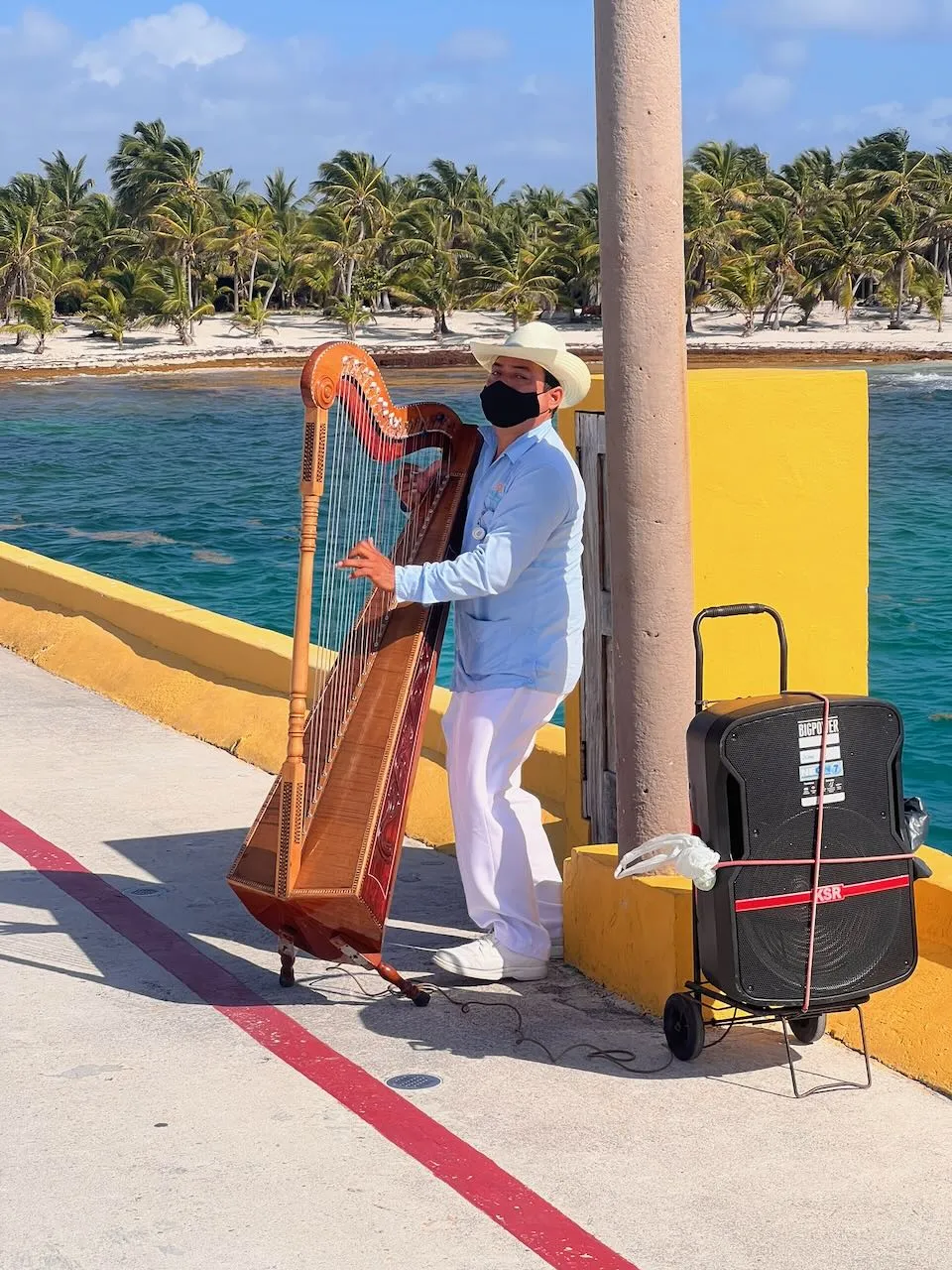
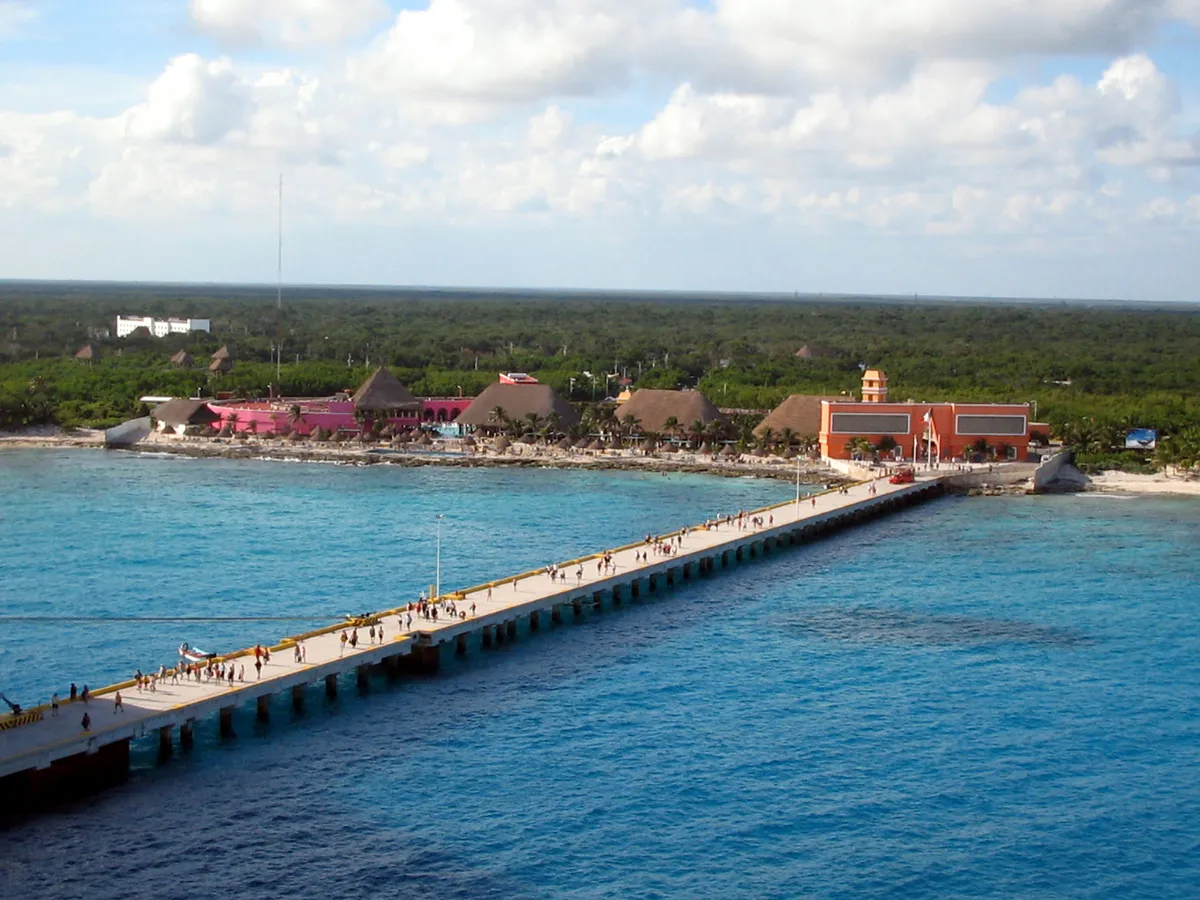
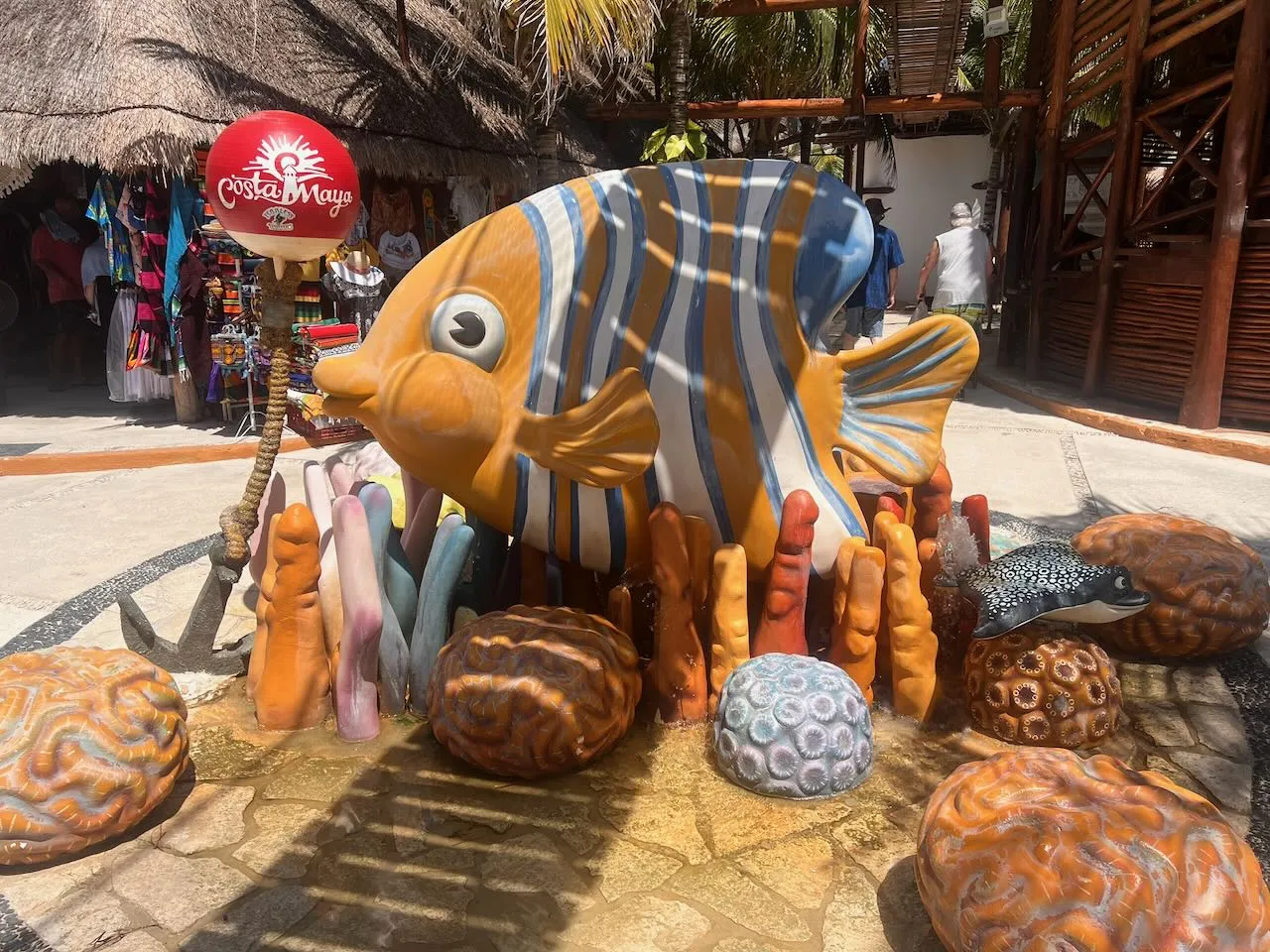
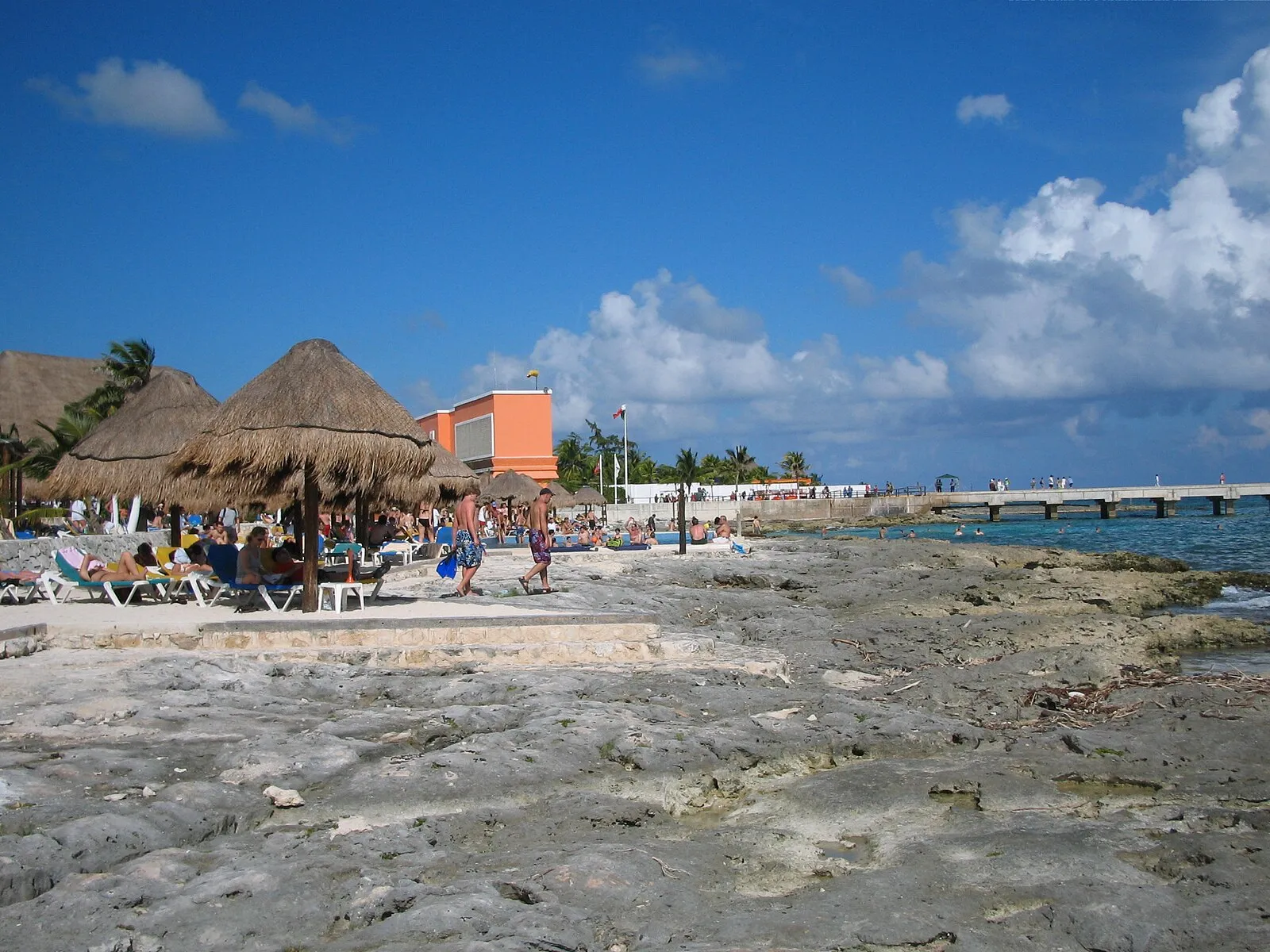
The cruise port itself is impressive in a Vegas-on-the-beach kind of way: a massive free pool with swim-up bar (yes, free!), artificial islands, a dolphin encounter, an aviary with tropical birds, flamingos wandering the grounds, and more jewelry shops than you could visit in a week. What I love most about the welcome here is the music—you might find a traditional harpist in white guayabera playing jarocho melodies right on the pier, palm trees swaying behind him and that impossible turquoise water sparkling in the sun. It's the kind of authentic Mexican moment that reminds you this isn't just another port.
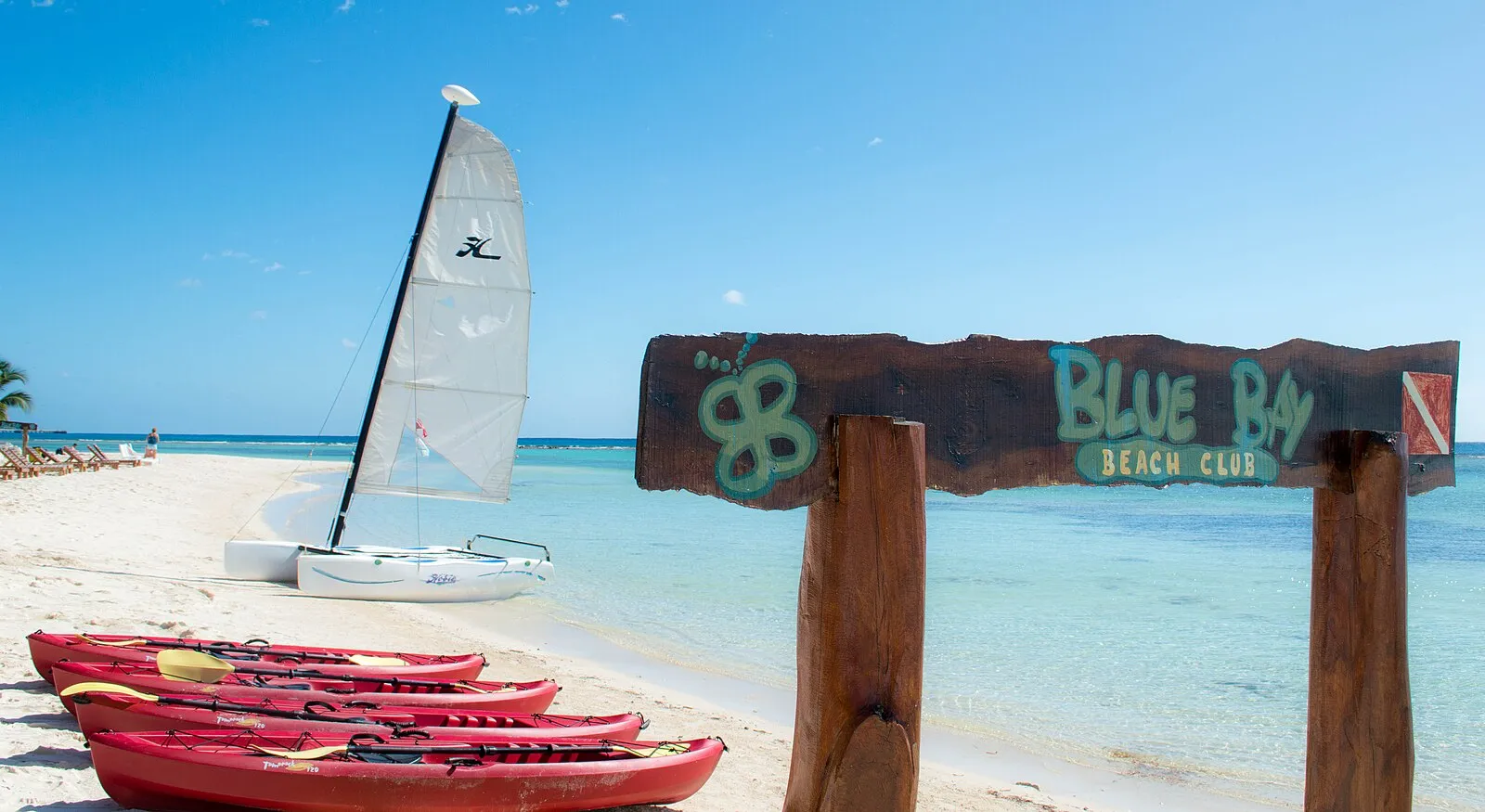
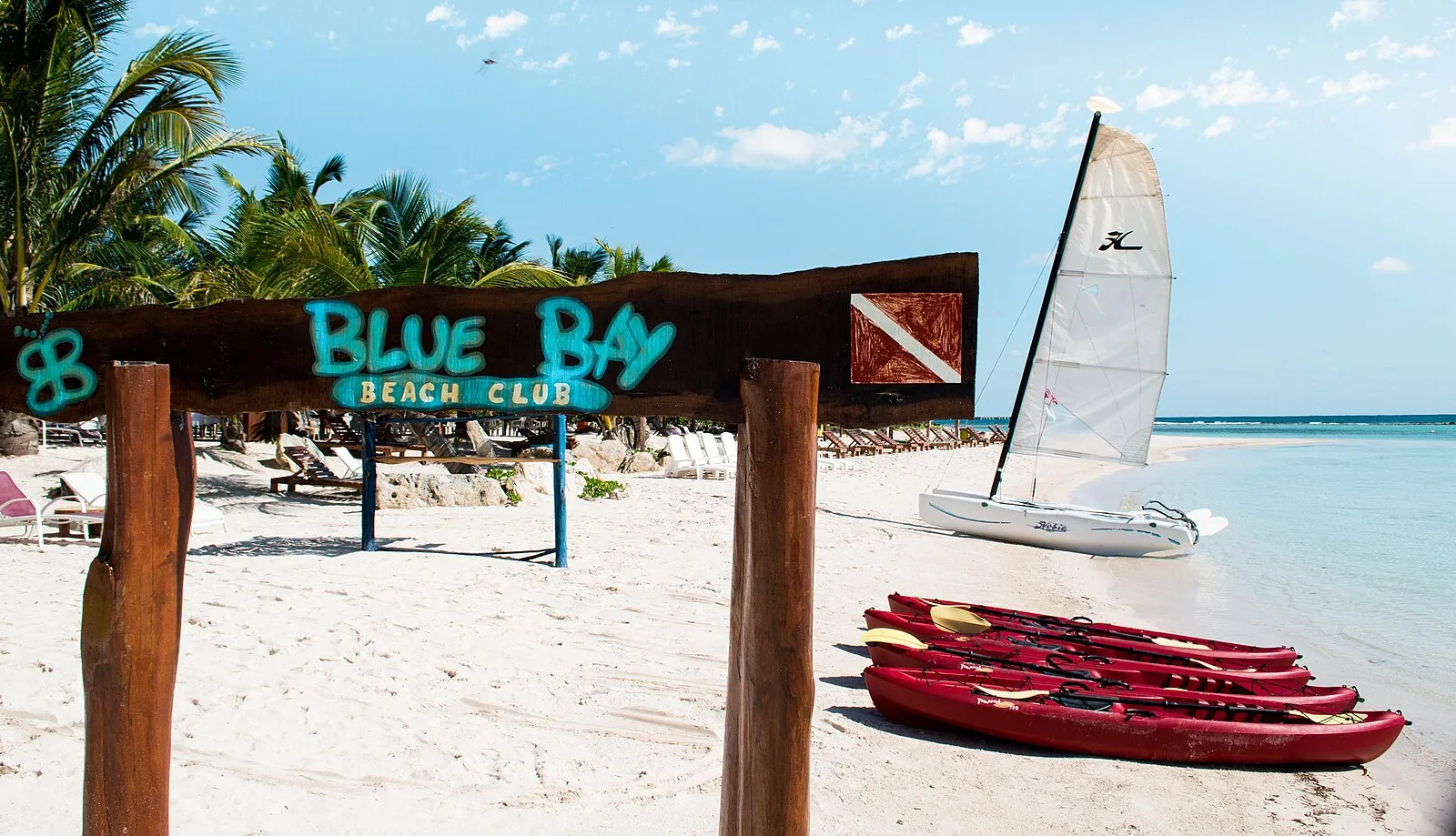
But here's the secret I share with every cruiser I meet—if you want the real Mexico, skip the port complex and head straight to the fishing village of Mahahual (pronounced mah-hah-WAHL), a 10-minute taxi ride south. The second I hop in a shared taxi, the real Mexico appears—colorful palapa restaurants lining a perfect strip of powdery sand, mariachi drifting on the breeze, and barely another cruiser in sight. This is a working fishing village that existed long before the cruise port arrived, a place where locals still pull nets at dawn and the smell of grilled fish fills the evening air.
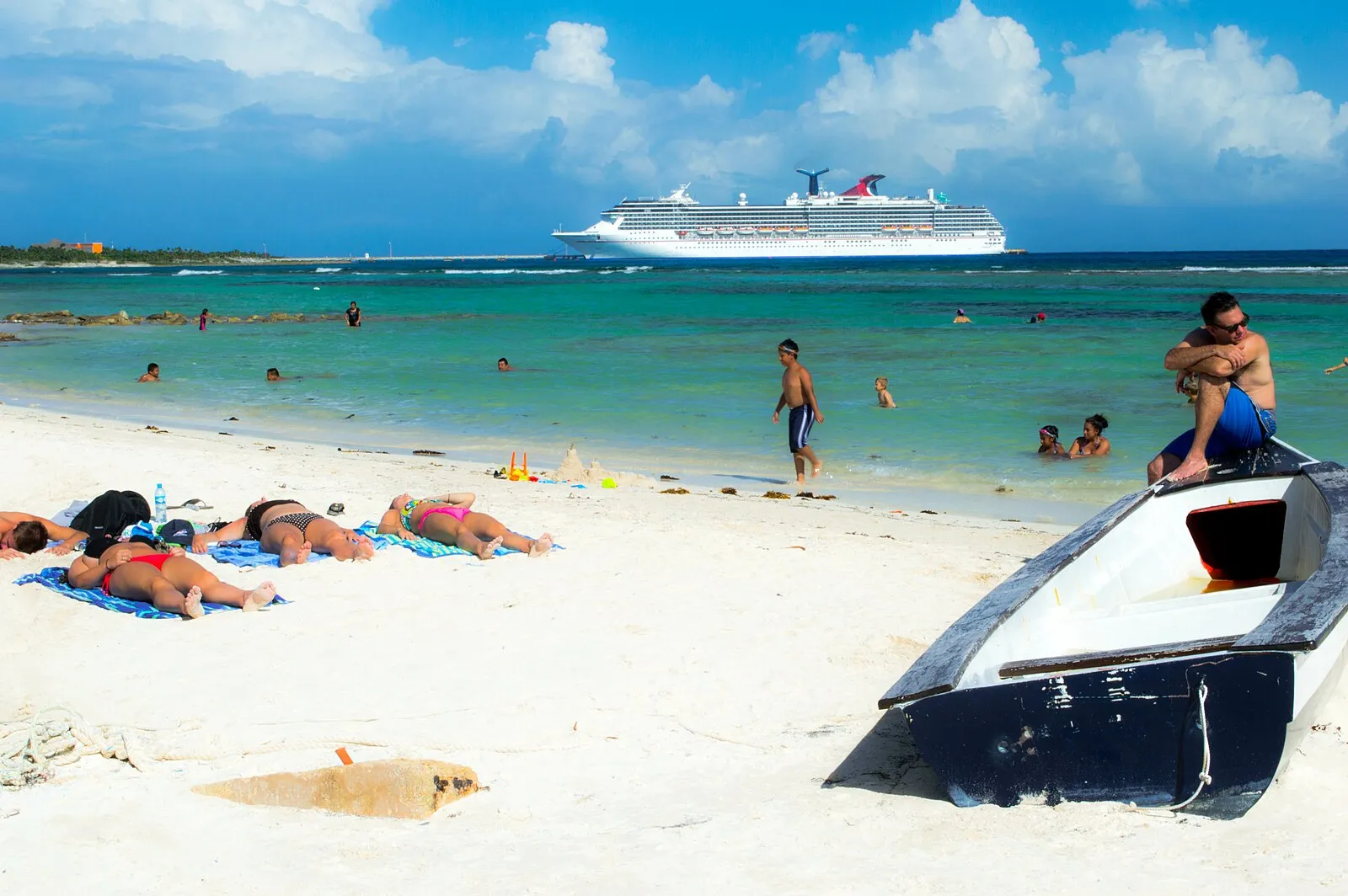
The town's malecón (waterfront promenade) is built for strolling—a beachfront walkway lined with beach bars, vendors selling Mexican street food, and locals mixing authentic cocktails with fresh lime and proper mezcal. It's the real heart of this place, rebuilt after Hurricane Dean's devastation with the same laid-back charm it's always had. The beaches here are free to use, and beach clubs like Malecon21 and La Chilangaloense offer chairs, shade, and cold drinks for those who want a home base for the day.
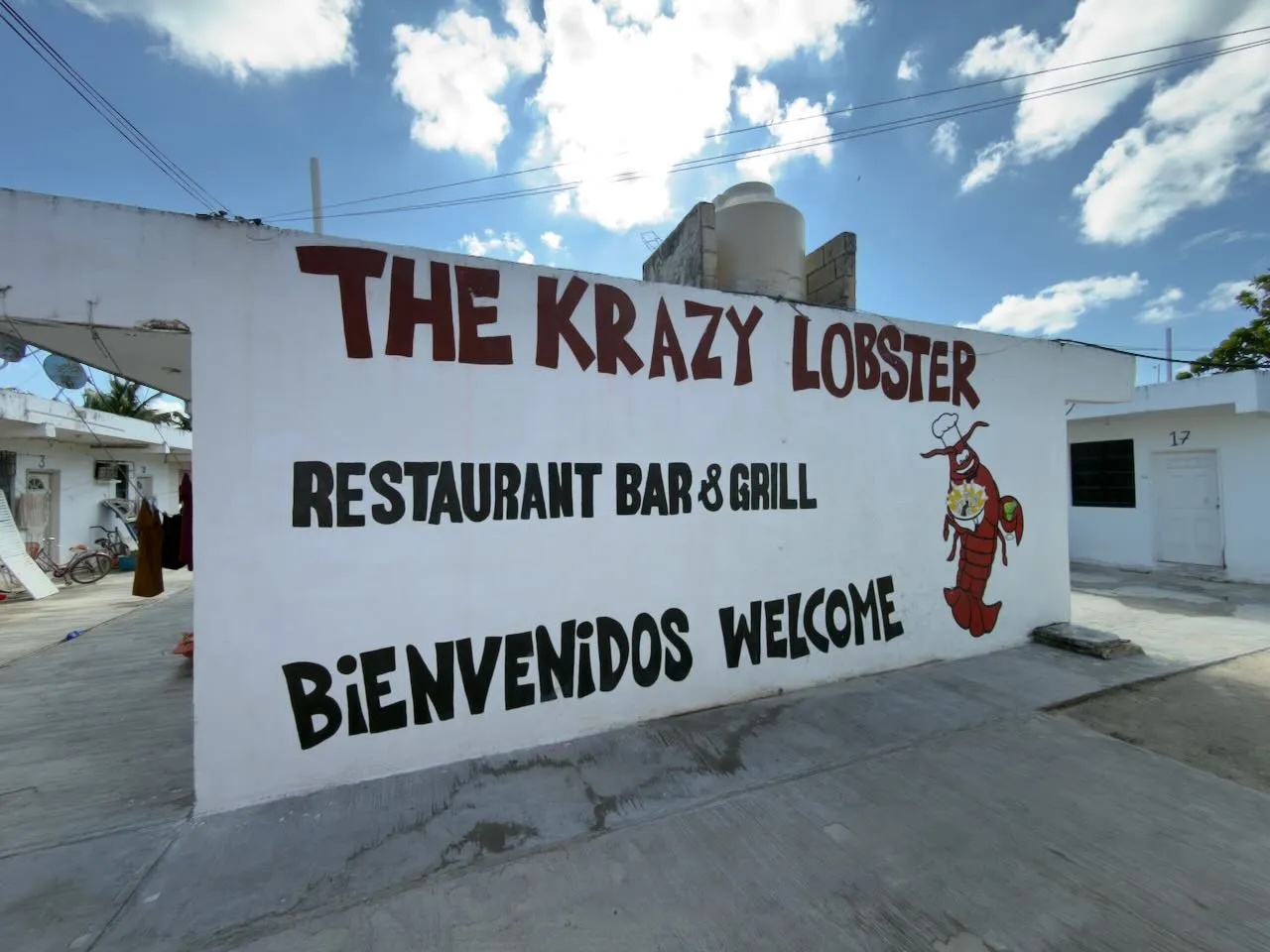
Lunch in Mahahual is where the magic happens. Skip the cruise port restaurants and head to local spots like The Krazy Lobster—a no-frills beach bar that serves the best lobster I had all cruise season. The hand-painted sign says "Bienvenidos Welcome" and they mean it—sit down and they'll bring you a free margarita just for showing up. Order the whole grilled lobster with garlic butter ($25-35), or try the freshest ceviche of your life—grouper caught that morning, mixed with lime, cilantro, jalapeño, and enough habanero to make your lips tingle for an hour. Wash it down with ice-cold micheladas rimmed with tajín (that magical Mexican chili-lime salt).
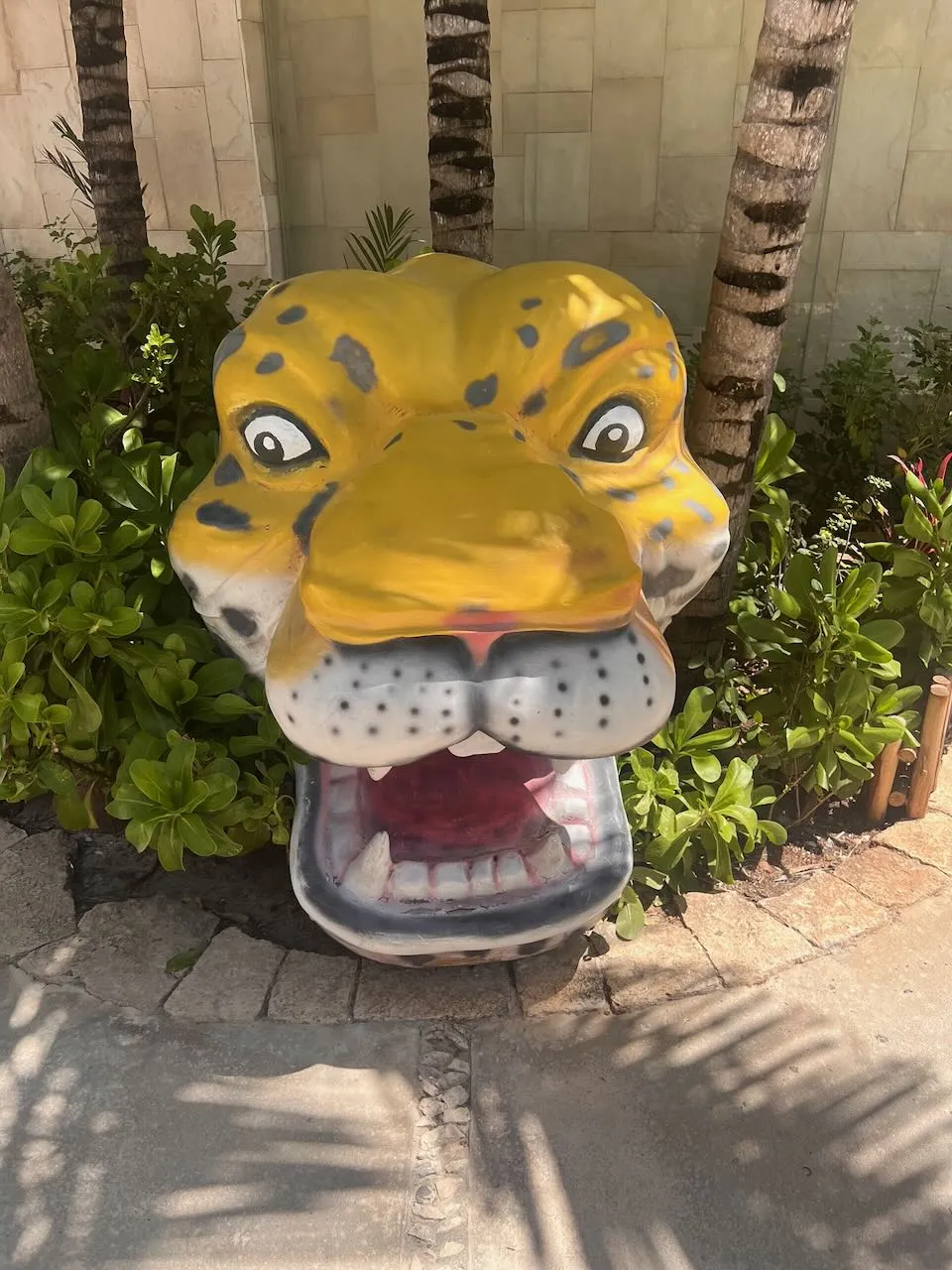
On different visits, I've skipped the beach entirely and headed inland to Chacchoben (pronounced cha-CHO-ben), a Mayan archaeological site that translates to "Place of Red Corn." The settlement dates back to around 200 BCE, though the major structures you see today were built between 200–700 CE during the Classic Maya period. What's remarkable is that this ceremonial center lay hidden in the jungle, unknown to the outside world until 1942. Even then, it took another sixty years before excavation and restoration made it safe for visitors—it didn't officially open to the public until 2002, making it one of the region's "newest" ancient sites.
I've climbed pyramids with howler monkeys roaring in the jungle canopy above me—their calls echoing through the trees like something prehistoric. The original red paint is still visible under the moss on Temple 24—pigment that has survived 1,400 years of rain, wind, and jungle growth. Properly Indiana Jones. Unlike the massive crowds at Tulum or Chichen Itza, Chacchoben feels like a secret I've stumbled upon, and the surrounding rainforest is alive: I've spotted armadillos shuffling through leaf litter, heard the rustle of deer in the underbrush, and watched spider monkeys leap between branches like acrobats.
Looking back at my Costa Maya visits, I realize this place taught me something about expectations. The port itself looks manufactured, almost theme-park-ish, and you could dismiss it as artificial. But venture ten minutes beyond the gates and you'll find ancient pyramids, untouched reef, and a fishing village that couldn't care less about cruise passengers. The lesson is that first impressions lie—sometimes the best experiences are hiding just past the obvious facade.
Weather & Best Time to Visit
The Cruise Port
Costa Maya's purpose-built port complex is impressive in scale—a massive facility designed specifically for cruise passengers with capacity for two mega-ships simultaneously. The port features a free pool complex with swim-up bar, dolphin encounter experiences ($150-200), an aviary with tropical birds, and the Lost Mayan Kingdom waterpark within walking distance. The port area itself is fully accessible with smooth pathways, wheelchair-accessible restrooms, and mobility assistance available upon request.
Ships dock directly at the pier—no tender required. The port complex offers ATMs, currency exchange, WiFi hotspots, and all the standard cruise amenities. However, the port's shops and restaurants charge cruise-port prices. Most experienced travelers grab a taxi straight to Mahahual for better value and authentic experiences. The walk from ship to taxi stand takes about 5 minutes through the port complex.
Getting Around
- Shared Taxis to Mahahual ($8-10 per person): Wait just outside the port exit. The 10-minute ride delivers you to Mahahual's malecón. Negotiate price before climbing in. Return taxis are plentiful along the waterfront—just flag one down.
- Golf Cart Rental ($50-80/day): Super fun option available at the port. Explore the coastline at your own pace. International driver's license technically required but rarely checked.
- Chacchoben Transport ($40-60 round-trip taxi): Book through ship ($90-120) or arrange a taxi at the port. The 50-minute journey each way takes you through jungle and villages. Plan 4+ hours total including exploration time.
- Beach Club Shuttles: Maya Chan and other beach clubs offer complimentary pickup from the port with package purchase. Book in advance online for guaranteed spot.
- Walking: The port complex is walkable but Mahahual is 3+ miles south—taxi is the practical choice in tropical heat. The port area has smooth, accessible pathways throughout.
- Bicycle Rental ($15-25/day): Available at the port for those who want exercise with their exploration. The coastal road to Mahahual is relatively flat and scenic, though midday heat makes this more appealing for early morning or late afternoon.
- Accessibility: The port complex itself offers excellent accessibility with smooth pathways, ramps, and accessible restrooms. Mahahual's malecón is beach-level and relatively flat but consists of sand and packed earth in places. Wheelchair users should confirm accessibility with beach clubs before booking.
Costa Maya Area Map
Interactive map showing cruise port, Mahahual, Chacchoben ruins, and attractions. Click markers for details.
Top Excursions & Things to Do
Booking guidance: Ship excursions offer guaranteed return but cost 30-50% more. For Mahahual and snorkeling, independent booking works perfectly since taxis are plentiful. For Chacchoben ruins, ship excursions provide convenient transport; independent taxi gives flexibility. Book Maya Chan and beach clubs online in advance for guaranteed spots.
Mahahual Village & Malecón (free to $50)
ESSENTIAL. The authentic heart of Costa Maya—a fishing village with colorful palapa restaurants, beach bars, and the malecón waterfront promenade. Taxi from port runs $8-10 per person. Grab a beach chair at Malecon21 or La Chilangaloense ($15-30), eat incredible ceviche ($8-12), and spend the day swimming and people-watching. The Krazy Lobster serves legendary whole grilled lobster ($25-35). Way better value than the cruise port.
Snorkeling the Mesoamerican Reef ($40-80)
Legendary reef snorkeling on the second-largest barrier reef on Earth. Maya Chan Beach Club ($70-90 all-inclusive) offers excellent reef access, food, drinks, and hammocks. Independent snorkel gear rental runs $10-15 in Mahahual with reef access right offshore. Expect sea turtles, parrotfish, barracuda, and visibility exceeding 80 feet on calm days. Reef-safe sunscreen required by Mexican law—bring your own.
Chacchoben Mayan Ruins ($50-120)
Authentic archaeological site without Tulum's crowds. Four grand temple complexes including the imposing Gran Basamento pyramid rise from the jungle floor. The 50-minute drive passes through villages where chickens scatter from the road. Ship excursion runs $90-120; independent taxi is $40-60 round-trip plus $8-10 entrance fee. Plan 4-4.5 hours total. Bring bug spray—the jungle has mosquitoes. Spider monkeys and howler monkeys are commonly spotted.
Lost Mayan Kingdom Waterpark ($60-90)
Sprawling waterpark complex within walking distance of the cruise pier. Massive slides, ziplines, lazy rivers, and enough aquatic chaos for families. Day pass includes all attractions. Good option for families with kids who need constant activity, though Mahahual offers a more authentic experience.
Banco Chinchorro Diving (full-day, $200-350)
For advanced divers: Mexico's largest platform-type reef complex, roughly 22 miles (35 km) offshore. UNESCO Biosphere Reserve with over 100 shipwrecks, pristine coral gardens, and 100+ feet visibility. Roughly 90-minute boat ride each way—book well in advance with specialized operators. Full-day commitment required. Extraordinary diving that most cruise visitors never discover.
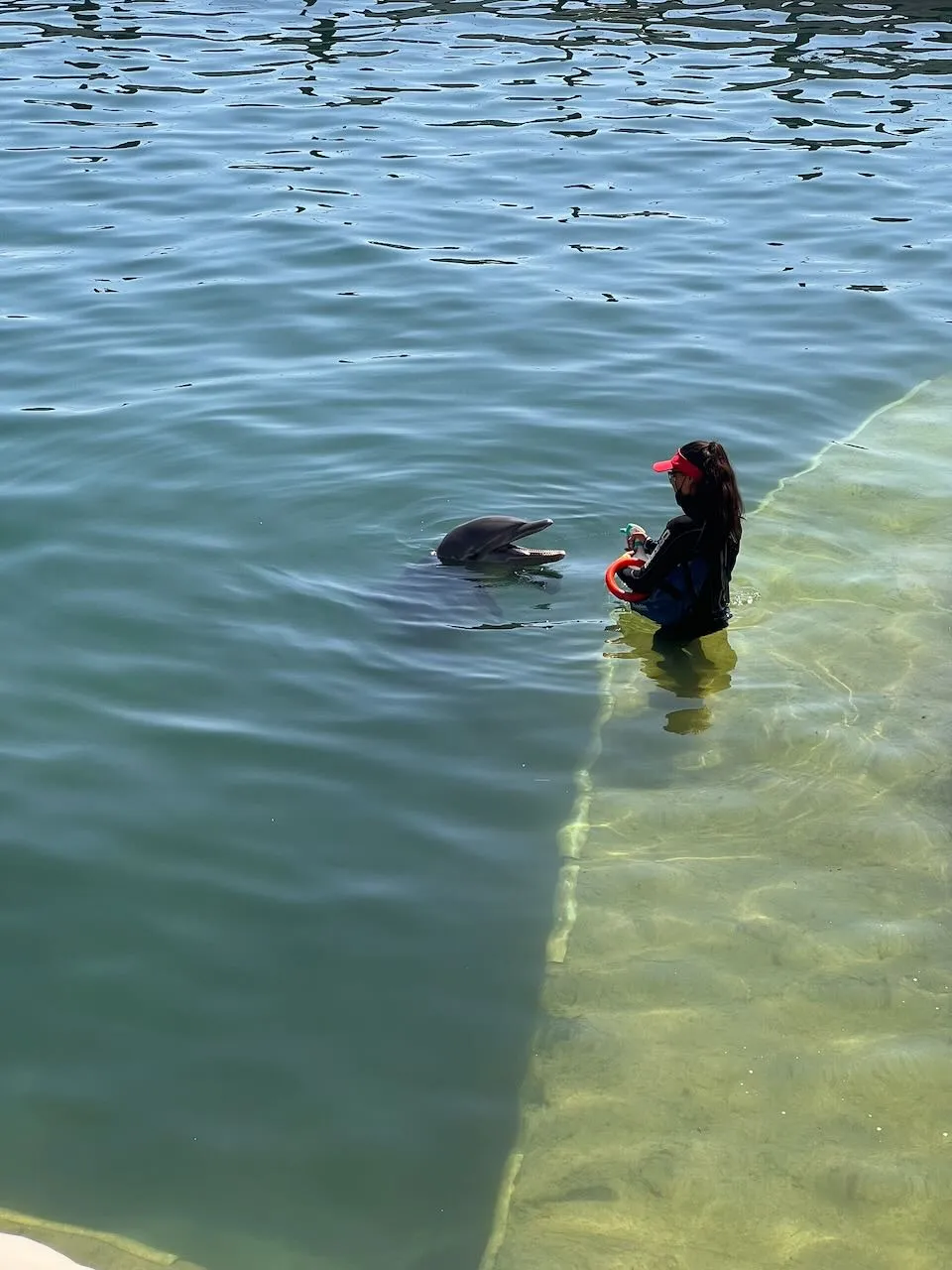
Dolphin Encounter ($150-200)
The port's dolphin facility offers swim-with-dolphins experiences for those interested. Programs range from shallow-water interactions ($150) to full swimming experiences ($200). Book through the ship or at the port facility. Note: some travelers have ethical concerns about captive dolphin programs—research and decide what aligns with your values.
Depth Soundings
Practical details and honest assessments for planning your Costa Maya day.
- Sun intensity: Nuclear-strength tropical sun at this latitude. Reapply sunscreen every time you exit the water. Seriously—I've seen lobster-red cruisers hobbling back to ships. Reef-safe sunscreen required by Mexican law in many areas.
- Water shoes essential: Sea urchins hide in the seagrass near shore throughout Mahahual. Reef-safe water shoes are worth the suitcase space. Available for purchase at port shops if you forgot.
- Currency reality: Mexican pesos preferred at local spots in Mahahual, though USD widely accepted at tourist-facing businesses. ATMs available at the port—withdraw pesos for better rates at restaurants and taxis.
- Hydration warning: Drink twice as much water as you think you need. The tropical heat and sun are deceptively intense, especially when snorkeling for hours. Dehydration headaches ruin afternoons.
- Bug prep for ruins: If visiting Chacchoben, bring bug spray. The jungle has mosquitoes, especially in shaded areas around the temples. DEET-based repellent works best.
- Taxi negotiation: Establish price before climbing in any taxi. Shared taxis to Mahahual run $8-10 per person; private taxis charge more. Return taxis from Mahahual are plentiful—just flag one down on the main road.
Photo Gallery
Frequently Asked Questions
Is Costa Maya worth visiting on a cruise?
Absolutely—a top Mexico port on Western Caribbean itineraries. Less crowded than Cozumel with legendary snorkeling on the Mesoamerican Reef, authentic Mayan ruins at Chacchoben, and the charming fishing village of Mahahual. Better value and more authentic Mexican experience than most alternatives.
Should I stay at the cruise port or go to Mahahual?
Go to Mahahual! The cruise port is fine for a drink by the pool, but the real experience—beach bars, incredible ceviche, snorkeling—is in the village. A 10-minute taxi ride ($8-10) transforms your port day from generic to genuinely memorable.
How long does the Chacchoben ruins tour take?
Plan for 4-4.5 hours round-trip, including approximately 50 minutes of travel each way and 1.5-2 hours exploring the ruins. It's a full morning or afternoon excursion, but worth every minute for authentic Mayan archaeology without the Tulum crowds.
Can you walk from the cruise port to Mahahual?
Technically yes, but it's not recommended—about 3 miles in tropical heat. The $8-10 taxi ride takes 10 minutes and preserves your energy for actually enjoying the village. Return taxis are easy to find along Mahahual's main road.
Is the snorkeling really that good?
Yes—this is the Mesoamerican Barrier Reef, the second-largest reef system on Earth. Visibility regularly exceeds 80 feet. Sea turtles, barracuda, parrotfish, and healthy coral are common sights just offshore from Mahahual. Caribbean snorkeling that left me speechless.
Last reviewed: February 2026
Costa Maya's cruise port is essentially a self-contained resort complex in the middle of nowhere — the nearest real town, Mahahual, is a $5 shuttle ride away, and beyond that there's very little infrastructure. If you stay in the port complex, you'll find a nice pool, shops, and restaurants, but it feels like a cruise ship annex rather than Mexico. The ancient Mayan ruins at Chacchoben are genuinely impressive, but the 90-minute round-trip bus ride eats into your port time significantly.