

Photo: Wikimedia Commons (CC BY-SA)
From the Logbook
I knew it was coming. Everyone who has ever sailed to Antarctica warned me about the Drake. My friends told me stories of green faces and deserted dining rooms, of passengers crawling along corridors and gripping handrails so tightly their knuckles turned white. I had read every account I could find. I had packed scopolamine patches, ginger candies, acupressure wristbands, and a quiet prayer that the Drake would be kind to me. But nothing I read or heard truly prepared me for the moment our expedition ship left the shelter of the Beagle Channel and nosed into open water.
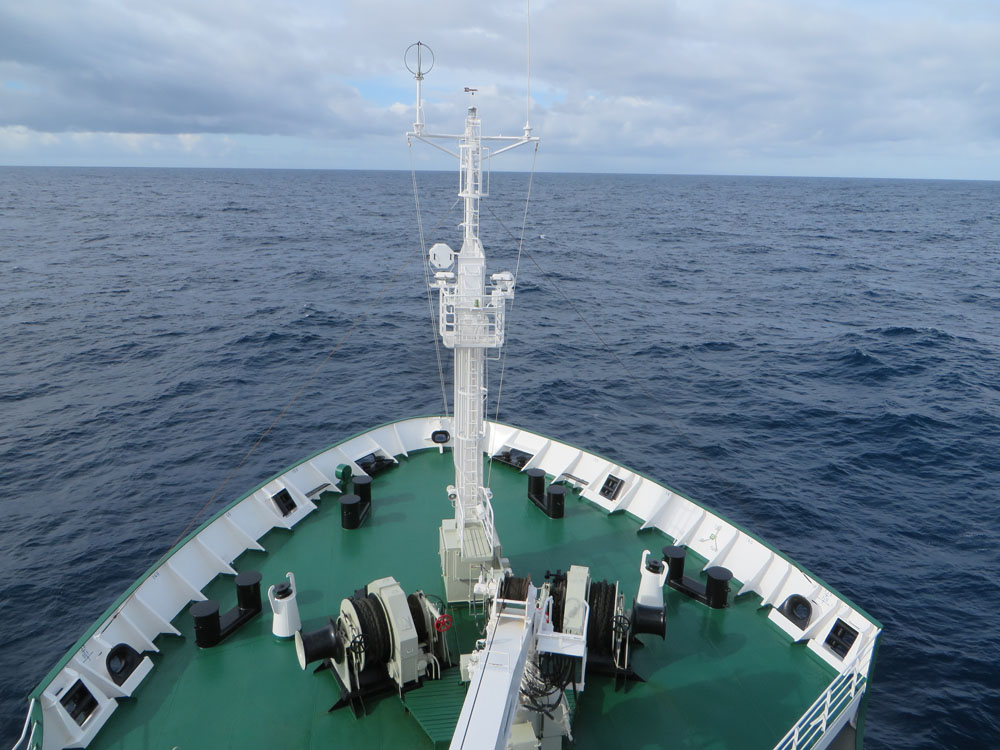
The captain's announcement came at dinner on our first evening out of Ushuaia. His voice was calm, almost amused: "We are entering the Drake Passage. Seas building to six metres overnight. Please secure any loose items in your cabin." I looked across the table at my fellow passengers. Some smiled nervously. Others said nothing. Within two hours the ship began to move in ways I had never felt before — not the gentle roll of calm seas but a deep, slow climb followed by a stomach-dropping descent, as though the entire vessel were breathing with the ocean. I lay in my bunk that night listening to the creak and groan of the hull, feeling my body slide against the mattress with every swell, and I thought: this is what it costs to reach the end of the Earth.
By morning the dining room was nearly empty. I made myself eat — dry toast, a cup of black tea, nothing more — because I had been told that an empty stomach makes seasickness worse. However, the truth is that I was afraid. I could feel the nausea hovering at the edge of my awareness, a queasy warmth that never quite arrived but never quite left. I spent that first full day on the Drake sitting in the observation lounge, staring at the grey horizon as it rose and fell, rose and fell. The smell of salt and diesel drifted through the ventilation. The taste of ginger candy lingered on my tongue. The sound of waves striking the hull was constant — not crashing, but a low, rhythmic thud that became the heartbeat of our crossing.
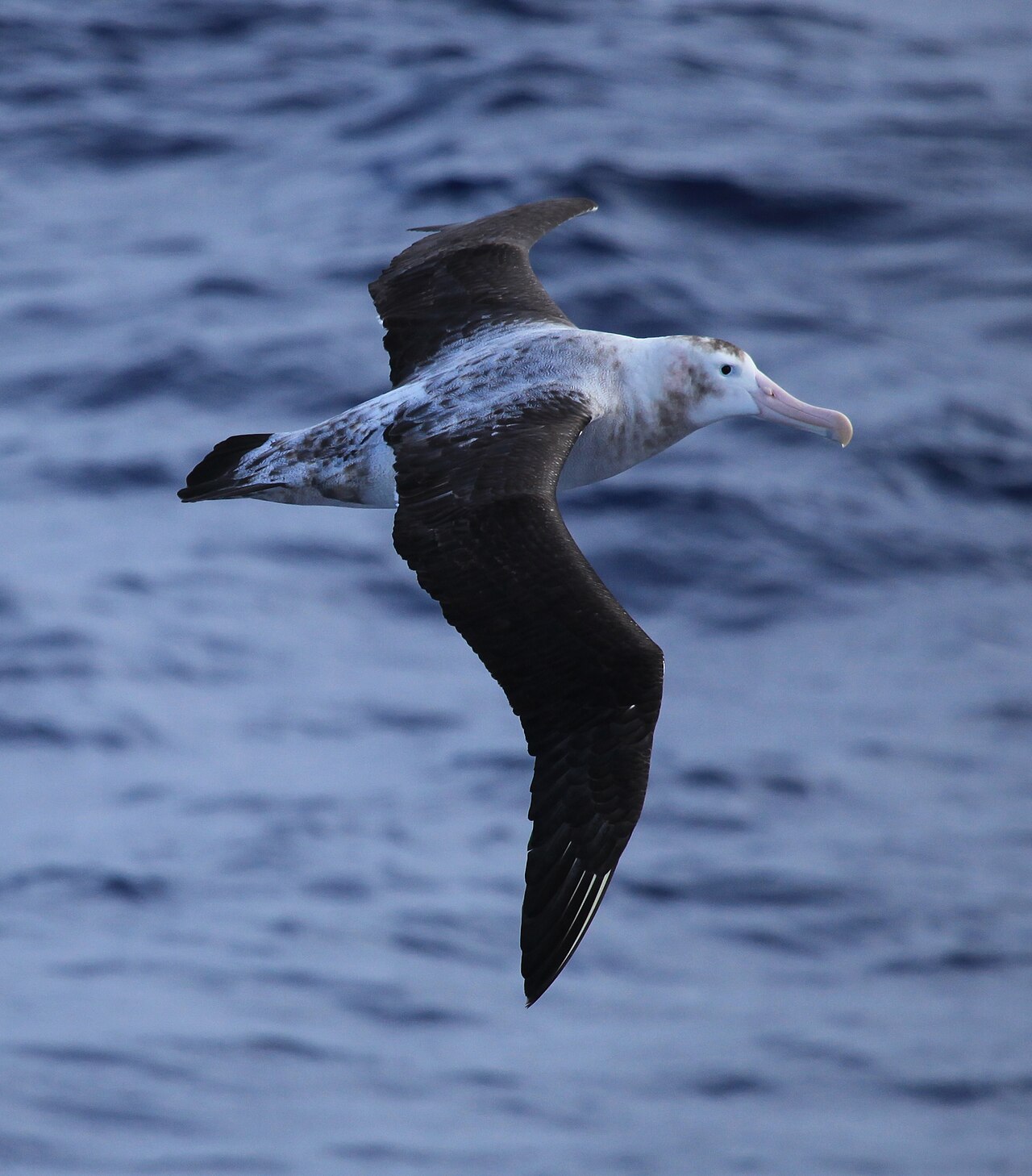
And then, sometime during that long grey afternoon, I saw my first wandering albatross. It appeared off the port side, riding the wind without a single flap of its enormous wings. I pressed my face against the cold glass of the observation window and watched it glide — effortless, ancient, utterly at home in conditions that had reduced half our ship to horizontal misery. Its wingspan was wider than I am tall. It banked and turned and followed our wake as though our hundred-metre vessel were simply another feature of its landscape. I whispered a quiet prayer of gratitude, because in that moment I understood something about the Drake that no guidebook had told me: the passage is not empty. It is alive.
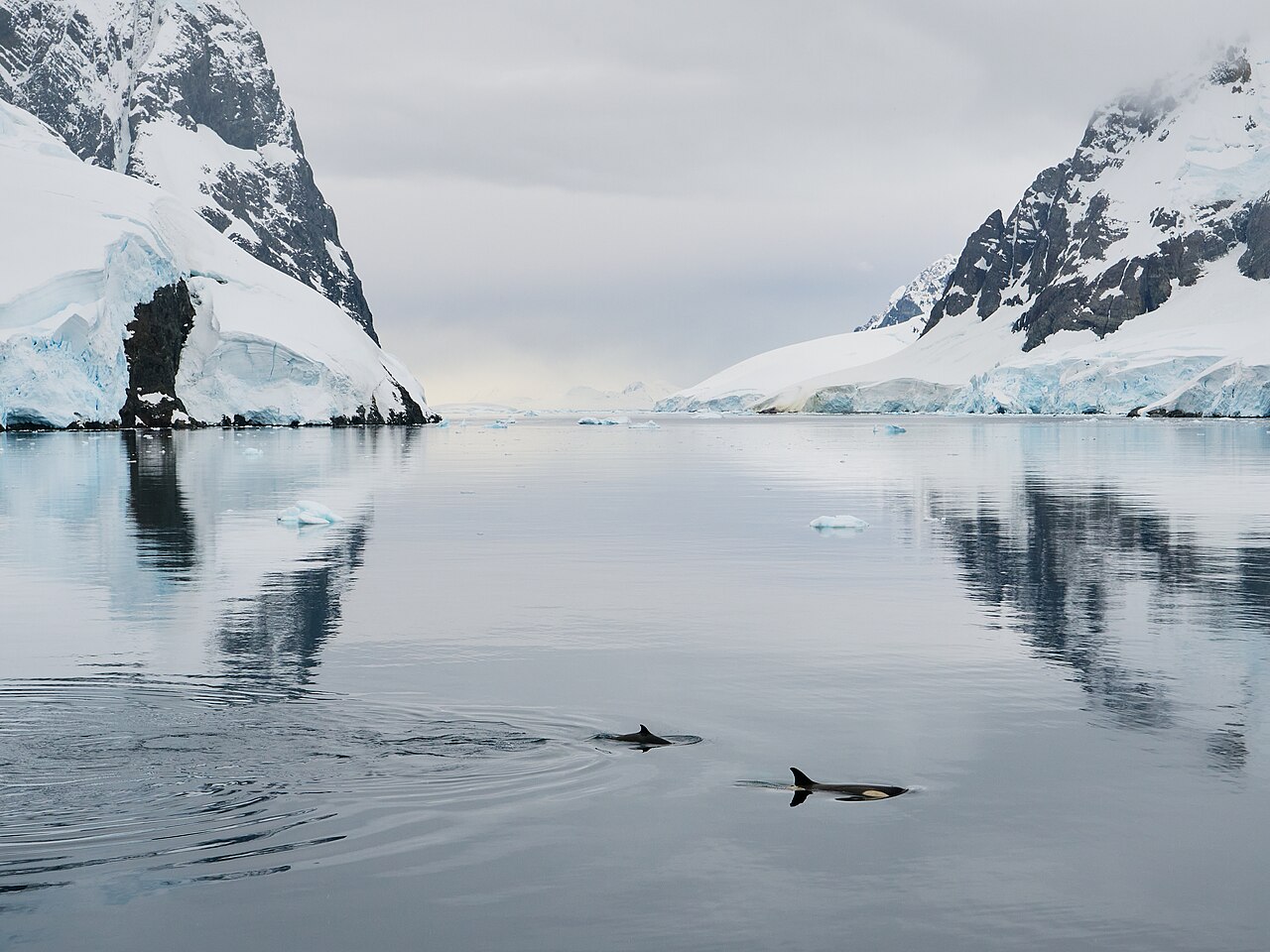
The expedition team ran lectures throughout the crossing. I attended one on the Antarctic Convergence Zone — that invisible boundary where cold Antarctic water meets warmer sub-Antarctic water and the sea temperature drops by several degrees. The lecturer explained that we would cross it sometime in the night, and that by morning the bird life outside would change. She was right. The next day I saw cape petrels, storm petrels dancing on the wave tops, and a pod of hourglass dolphins surfacing alongside our bow. Each sighting felt like a reward for enduring the swells. But I also noticed something else: the light had changed. The sky held a different quality — flatter, greyer, colder, as though we had crossed not just a body of water but a threshold into another world entirely.
The return crossing was different. Where the outbound Drake had been a shaking, rolling test of will, the homeward Drake was glass — barely a ripple, the horizon so flat and still that I could see the curvature of the Earth. I stood on the outer deck in the cold wind and watched an albatross follow us again, and my eyes filled with tears. I could not have told you exactly why. Maybe it was the contrast between the violence of the outbound crossing and the stillness of the return. Maybe it was the knowledge that I had seen Antarctica and was now leaving it behind. Maybe it was simply exhaustion and relief and wonder all tangled together. Something shifted inside me on that return crossing. I had come to the Drake expecting an obstacle, and it had given me something else entirely — a lesson in scale, in patience, in the smallness of human plans against the immensity of the Southern Ocean.
What the Drake taught me is this: the passage is the point. Every explorer who ever reached Antarctica paid this toll. Shackleton paid it. Scott paid it. The whalers and sealers and scientists all paid it. And now cruise passengers pay it too, in our heated cabins with our stabilizers and our ginger tea, and it is still humbling. I carry with me the memory of that first albatross, gliding through a storm as though the storm were nothing. I carry the sound of the hull breathing with the swells. I carry the lesson that some destinations are not given freely — they are earned, mile by slow mile, across 600 miles of the most open water on Earth. The Drake does not care about your itinerary. It teaches you to wait, to endure, to watch, and eventually to arrive.
Weather & Best Time to Visit
The Cruise Port
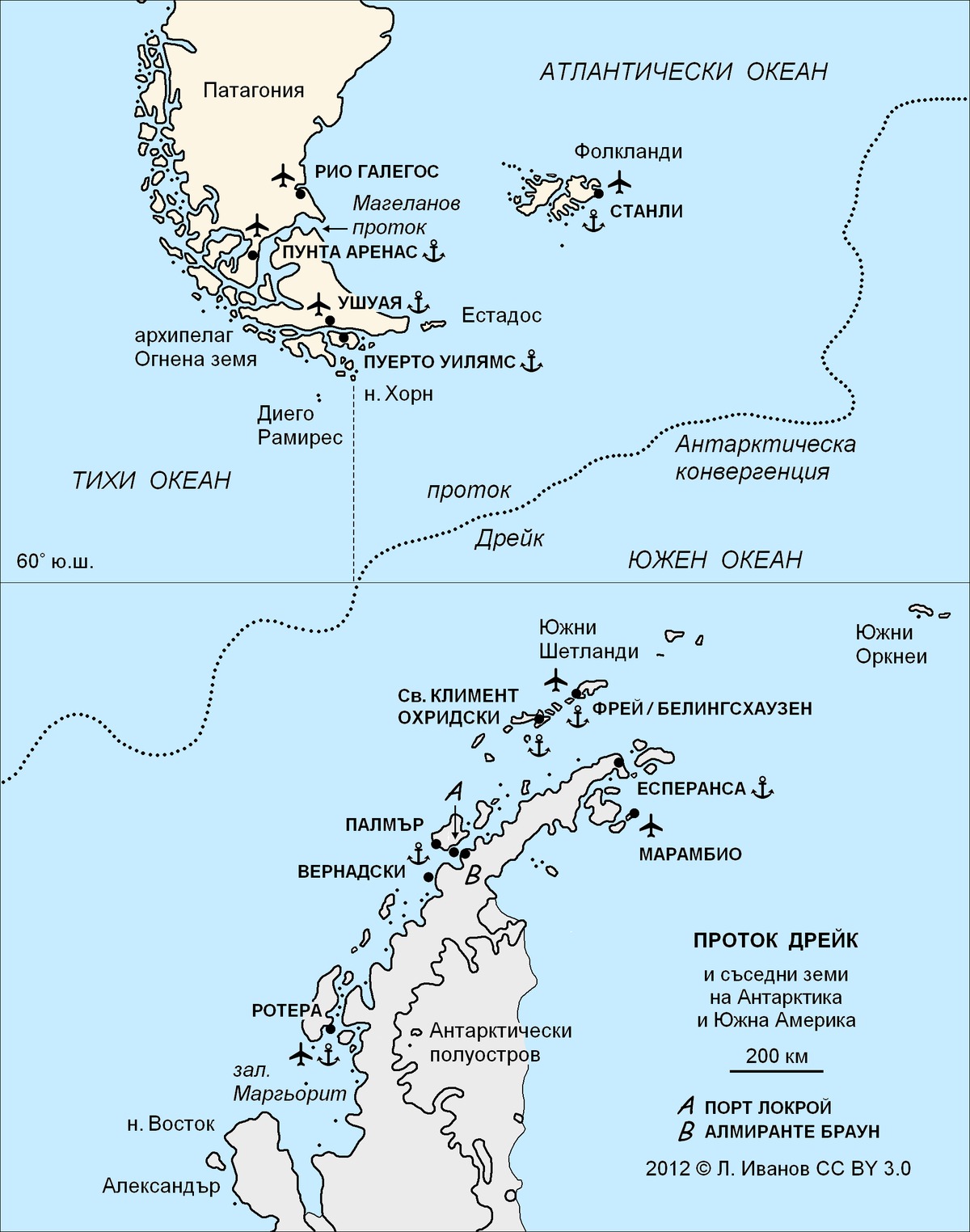
The Drake Passage is not a port of call — it is a transit, an 800-kilometre body of open ocean that every Antarctica-bound cruise ship must cross. There is no terminal, no pier, no taxi rank. Your "port" for these 36 to 48 hours is the ship itself. Expedition vessels departing from Ushuaia typically enter the Drake in the evening, passing through the Beagle Channel before reaching open water near Cape Horn. From there, the ship heads south across the Southern Ocean toward the South Shetland Islands and the Antarctic Peninsula.
Most expedition companies run ships carrying 100 to 200 passengers — small enough to meet Antarctic Treaty landing regulations. Larger cruise ships from mainstream lines occasionally transit the Drake as part of longer South American itineraries, though these vessels typically do not make landings on the Antarctic continent. The crossing itself is the same regardless of ship size: 600 miles of uninterrupted ocean, no land visible in any direction, and weather conditions that range from glassy calm to violent swells depending entirely on the day you cross.
Getting Around
During the Drake crossing, your world shrinks to the dimensions of your expedition ship. Getting around means navigating interior corridors, climbing between decks, and venturing outside when conditions allow. In rough seas, the ship's crew ropes off exterior decks and posts crew members at stairwells. Handrails become essential — keep one hand free at all times. Most ships position grab rails along every corridor, and experienced Drake passengers learn to walk with a wide stance, absorbing the roll with bent knees.
The main gathering spaces during the crossing are the observation lounge, the lecture hall, the library, and the dining room. Many passengers spend the bulk of their Drake time in the forward observation lounge, watching the sea and the seabirds. The ship's bridge is often open to visitors on expedition vessels — an invitation rare on mainstream cruise ships and well worth accepting, as the bridge offers the best forward views and the chance to speak with the navigation officers about sea conditions, routing, and wildlife sightings ahead.
For passengers with mobility concerns, the Drake presents particular challenges. The constant motion makes wheelchair use difficult and walking aids unreliable. Expedition ships generally have accessible cabins on lower decks, which experience less motion. Passengers who use mobility aids should speak with the expedition leader before the crossing about the safest routes between key areas of the ship. Elevators operate during the crossing but can be disorienting when the ship is rolling heavily. The medical centre is staffed throughout and can provide motion sickness injections for passengers who cannot keep oral medication down.
Excursions
Booking guidance: Ship excursion packages for Antarctica voyages typically include all Drake-crossing programming. Book ahead through your expedition company to guarantee your spot on onboard lectures and workshops, as popular sessions fill quickly on ships with 150+ passengers. If you book independently through a third-party Antarctica operator, confirm what onboard programming is included in your fare before departure.
Expedition Lectures and Presentations
Every Antarctic expedition company schedules a programme of lectures and briefings during the Drake crossing. Topics include penguin biology, Antarctic history, ice navigation, marine mammalogy, climate science, and IAATO visitor guidelines. These are led by the expedition team — typically six to twelve naturalists, historians, and marine biologists who sail with the ship. Lectures run throughout the day in the main lounge and are included in the voyage fare at no additional cost ($0). On most ships the programme runs from 9:00 AM through early evening, with breaks for meals and wildlife announcements.
Wildlife Watching from Deck
The Drake Passage is home to some of the world's most spectacular seabirds. From the ship's outer decks — when conditions permit — passengers can observe wandering albatross (wingspan up to 3.5 metres), black-browed albatross, grey-headed albatross, cape petrels, giant petrels, and Wilson's storm petrels. Whale sightings are less common in the Drake itself but increase near the Antarctic Convergence. No booking required — simply dress warmly and station yourself on the lee side of the ship. The expedition team typically makes PA announcements for notable sightings. Binoculars are strongly recommended; a quality pair costs $150-$300 and makes an enormous difference for spotting distant birds. Photography workshops focused on seabird techniques are offered on many ships for $25-$50 per session, and wheelchair-accessible viewing areas on the outer decks are available on most newer expedition vessels.
Photography Workshops
Many expedition companies offer dedicated photography programmes during the Drake crossing, knowing that passengers want to prepare their camera skills for Antarctica landings. These range from basic wildlife photography sessions (included in fare, $0) to intensive workshops led by professional photographers ($75-$150 for multi-session programmes). Topics cover cold-weather camera protection, bird-in-flight techniques, and composition for icy landscapes. These sessions fill fast — book ahead when you reserve your voyage, especially on ships with a dedicated photography guide. Accessibility note: workshops are held in interior spaces and are fully accessible for passengers with mobility limitations.
Zodiac Training and Biosecurity Briefings
During the Drake crossing, the expedition team runs mandatory zodiac boarding drills and biosecurity briefings in preparation for Antarctic landings. Passengers practice stepping in and out of inflatable zodiac boats, learn waterproof layering techniques, and vacuum all outer clothing to prevent introducing foreign seeds or organisms to Antarctica. These briefings are included in the voyage fare ($0) and are required for all passengers who wish to make shore landings. The ship excursion programme guarantees return to the vessel for every zodiac operation, with crew members managing timing and headcounts at each landing site.
Fly-Cruise Alternative
For passengers who want to avoid the Drake crossing entirely, several operators offer fly-cruise options departing from Punta Arenas, Chile. A two-hour charter flight takes you directly to King George Island in the South Shetlands, skipping the Drake in one direction or both. Fly-cruise packages typically cost $2,000-$4,000 more than traditional crossings. The trade-off is real: you save two sea days but miss the wildlife, the lectures, the camaraderie of the crossing, and the earned feeling of arriving at the bottom of the world by ship.
Sea Crossing: The Drake Passage is not a destination but the 600-mile ocean crossing between South America and Antarctica. This guide helps you prepare for what many consider the world's roughest seas.
Depth Soundings
The Drake Passage is the great equalizer of Antarctic travel. There is no shortcut, no alternative route, no way to buy your way past it (unless you fly, which costs thousands more and skips the very experience that makes Antarctica feel earned). My honest recommendation is to embrace the crossing rather than dread it. Pack medication, choose a mid-ship cabin, and surrender to the rhythm of the Southern Ocean.
The outbound crossing is usually harder — not because the seas are worse, but because anticipation amplifies every wave. The return crossing feels different. You have Antarctica behind you, a head full of memories, and the Drake feels like a closing chapter rather than an ordeal. If you are prone to severe motion sickness, the fly-cruise option is genuinely worth the extra cost. There is no shame in it, and you will still see Antarctica.
What stays with you after the Drake is not the discomfort. It is the albatross that followed your ship for hours without flapping. It is the grey horizon that stretched forever. It is the moment the sea went still and the cold Antarctic light poured in through the observation windows. The Drake gives more than it takes, if you let it.
Last reviewed: February 2026
Photo Gallery



Frequently Asked Questions
Q: Will I definitely get seasick crossing the Drake Passage?
A: Not necessarily. Many passengers cross comfortably with preventive medication such as scopolamine patches or meclizine. Start medication before entering the Drake, not after nausea begins. Those prone to motion sickness should prepare carefully.
Q: Can I fly to Antarctica instead of crossing the Drake?
A: Yes, fly-cruise options depart Punta Arenas for King George Island, skipping the Drake entirely. These cost $2,000-$4,000 more than traditional crossings but save two full sea days.
Q: Is the Drake Passage crossing dangerous?
A: Modern expedition ships are built for Southern Ocean conditions. Stabilizers, experienced crews, and conservative routing keep crossings safe. It is uncomfortable, not dangerous.
Q: How long does the Drake Passage crossing take?
A: Typically 36 to 48 hours each way, depending on sea state and vessel speed. Faster ships and calmer conditions shorten the transit.
Q: What wildlife can I see in the Drake Passage?
A: Wandering albatross, black-browed albatross, cape petrels, storm petrels, and occasionally whales and dolphins. The Antarctic Convergence zone brings nutrient-rich waters that attract diverse seabirds.
Q: What is the best cabin location for the Drake Passage?
A: Mid-ship, lower deck cabins experience the least motion. Avoid bow cabins and upper decks where roll and pitch are most pronounced.
Q: When is the best time to visit the Drake Passage?
A: The glance Temperature reads "21-42°F — Southern Ocean crossing" and Daylight reads "5-20 hours (seasonal)." The Wind entry adds "Some of the strongest ocean winds in the world."
Q: When is Drake Passage's storm season?
A: The hazard-note on this page reads: "The Drake Passage is 600 miles of the world's roughest ocean. Drake Shake vs. Drake Lake — conditions are unpredictable. Pack seasickness medication regardless of your usual tolerance." The glance Wind entry reads "Some of the strongest ocean winds in the world."
Q: What should I pack for the Drake Passage crossing?
A: The glance Temperature reads "21-42°F — Southern Ocean crossing" and Wind reads "Some of the strongest ocean winds in the world." The hazard-note advises: "Pack seasickness medication regardless of your usual tolerance." Pack expedition layers and a fully waterproof outer shell.
Q: Will rain ruin the Drake Passage experience?
A: The glance Rain entry reads "Frequent precipitation; sea spray." The hazard-note adds: "Drake Shake vs. Drake Lake — conditions are unpredictable." Sea state is the experience-defining variable, not rain.
Drake Passage — The Price of Antarctica
Photo Credits
All images used on this page are sourced from Wikimedia Commons, Unsplash, Pixabay, Pexels, and Flickr under Creative Commons or equivalent licences. Full attribution details are provided in each image caption. We are grateful to the photographers who documented these remote waters.