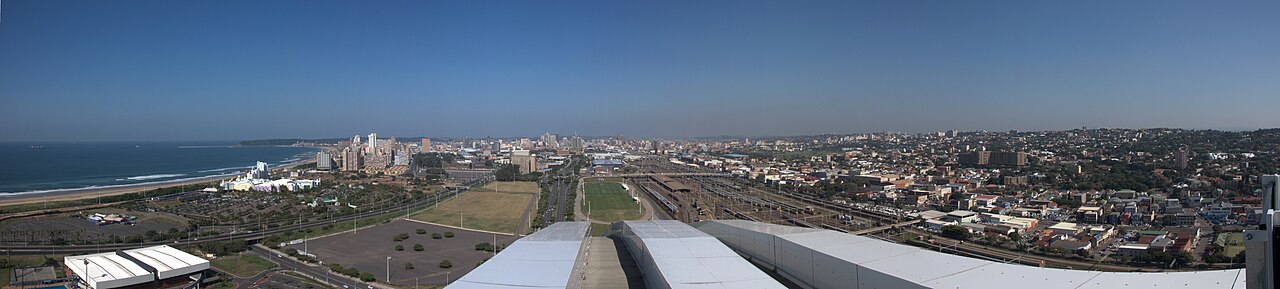
Photo: Wikimedia Commons (CC BY-SA)
Last reviewed: February 2026
Sunny Beaches and Zulu Heritage
Captain's Logbook
Captain's Logbook
Durban, South Africa
Port Call: Durban, KwaZulu-Natal
The warm embrace of the Indian Ocean hits you first when you step off the ship in Durban. I felt that subtropical humidity carry salt air and spice across the harbor as we docked at the cruise terminal. I've pulled into South Africa's busiest port half a dozen times now, and each visit peels back another layer of this remarkable city where Zulu roots meet Indian culture, where golden beaches stretch beneath a skyline of modern towers, and where the warmth extends far beyond the climate.
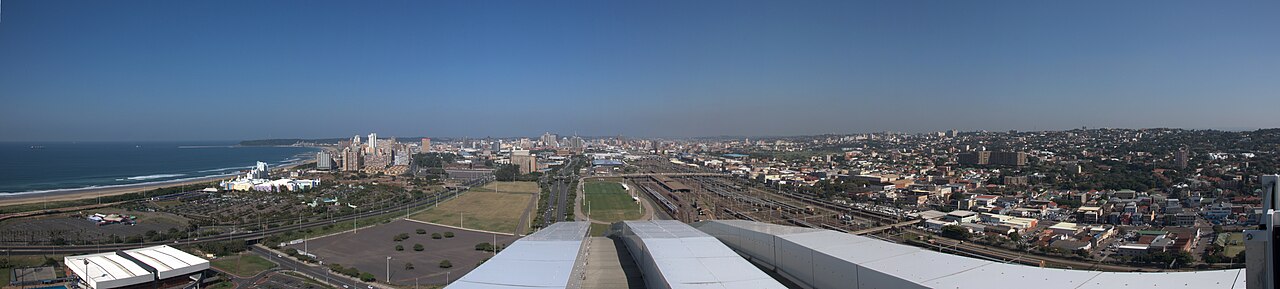
Durban doesn't announce itself with grand monuments. Instead, it welcomed us with genuine smiles, the sizzle and aroma of curry from sidewalk stalls, and that endless stretch of sand they call the Golden Mile. I watched surfers catching waves before breakfast while rickshaw runners in elaborate headdresses posed for visitors along the wide promenade. My wife and I walked the beachfront at dawn, and I heard the roar of the Indian Ocean mixing with the calls of street vendors setting up for the day. The sound was unmistakable. Although other ports in South Africa have their own character, Durban felt more alive to me, more immediate, as though the city itself were reaching out to shake your hand.
We took a taxi to Victoria Street where I tasted my first bunny chow, Durban's signature dish of curry served inside a hollowed-out loaf of bread. The flavor was rich, almost overwhelmingly savory, and I felt the warmth of spices lingering on my lips long after we left. My hands were sticky with curry and bread, and I wouldn't have it any other way. I looked around at the colorful stalls of spices and crafts and felt something shift inside me. However, it was not just the food that moved me. It was the way the vendors welcomed us, pressing free samples of dried mango and cardamom into our palms, insisting we try before we buy. There was a generosity in these small gestures that no guidebook had prepared me for.
Later that afternoon, we visited uShaka Marine World. The aquarium tunnels were cool and dim after the bright heat outside, yet the colors inside were even more vivid. Ragged-tooth sharks glided overhead, and schools of tropical fish swirled in clouds of silver and gold. I stood in the tunnel for a long time, watching a sea turtle drift past with an expression of ancient patience. Despite having seen aquariums around the world, this one felt different. It was built around the hull of a sunken cargo ship, and the designers had left enough of the original wreck visible to remind you that the ocean claims everything eventually. My wife squeezed my hand. We didn't need to say anything.
On our second morning, I walked the Golden Mile alone while the city was still waking up. The beach was nearly empty, though a few surfers were already paddling out. The sand was soft and warm beneath my feet, and the breeze carried the scent of frangipani from the gardens along the promenade. I spotted a fisherman casting from the rocks at the far end, his line arcing against the pale sky. He nodded as I passed. It was a quiet moment of connection, stranger to stranger, and it reminded me why I travel. Not for the monuments or the famous views, but for these small exchanges that prove we are all more alike than we are different.
The Moment That Stays With Me:
Standing atop Moses Mabhida Stadium in the SkyCar, I watched the arc of Durban's coastline curve away to both horizons. The harbor behind me bustled with container ships, and the Indian Ocean ahead danced with afternoon light. My eyes welled with unexpected tears as I finally understood why they call this the "City of Good Fortune." It wasn't about luck. It was about people who chose to weave their lives together instead of tearing them apart. I whispered a quiet prayer of gratitude for this moment. Below, surfers paddled out through waves. A cargo ship slipped past the breakwater. And somewhere in the streets, a vendor was hollowing out a loaf of bread to fill with curry. Something shifted in my understanding of this place. Durban doesn't just preserve its past; it makes it delicious.
Looking back, I realized that Durban taught me something I hadn't expected. In a country with so much painful history, this city chose to build bridges out of bread and spice and shared waves. The lesson was clear: sometimes the most courageous thing a place can do is simply invite everyone to the same table. I carry that with me still, and I am grateful for the gift. Even so, I know that Durban is not perfect. Poverty is visible, and parts of the city carry scars that are still healing. But the overwhelming spirit of this place is one of hope and warmth, and that is what I choose to remember.
The Cruise Port
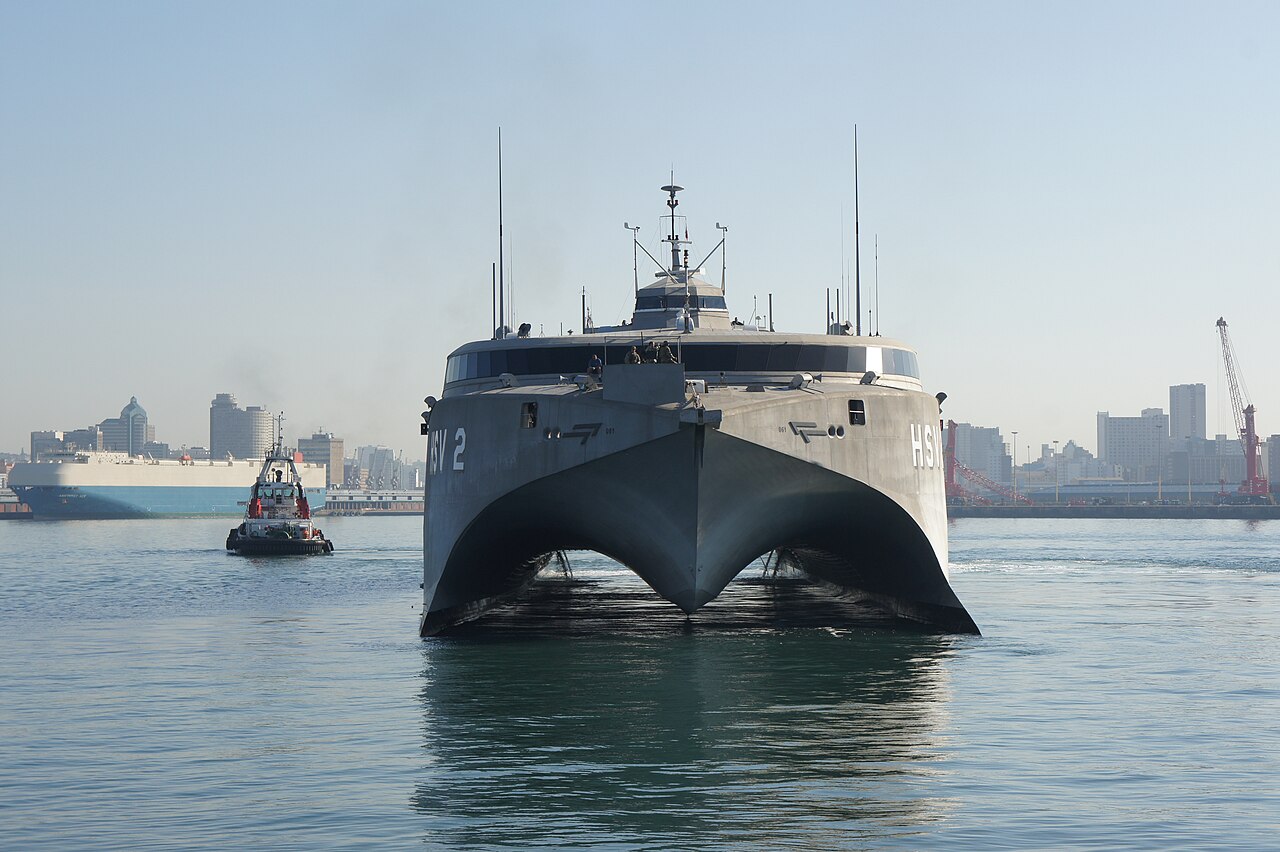
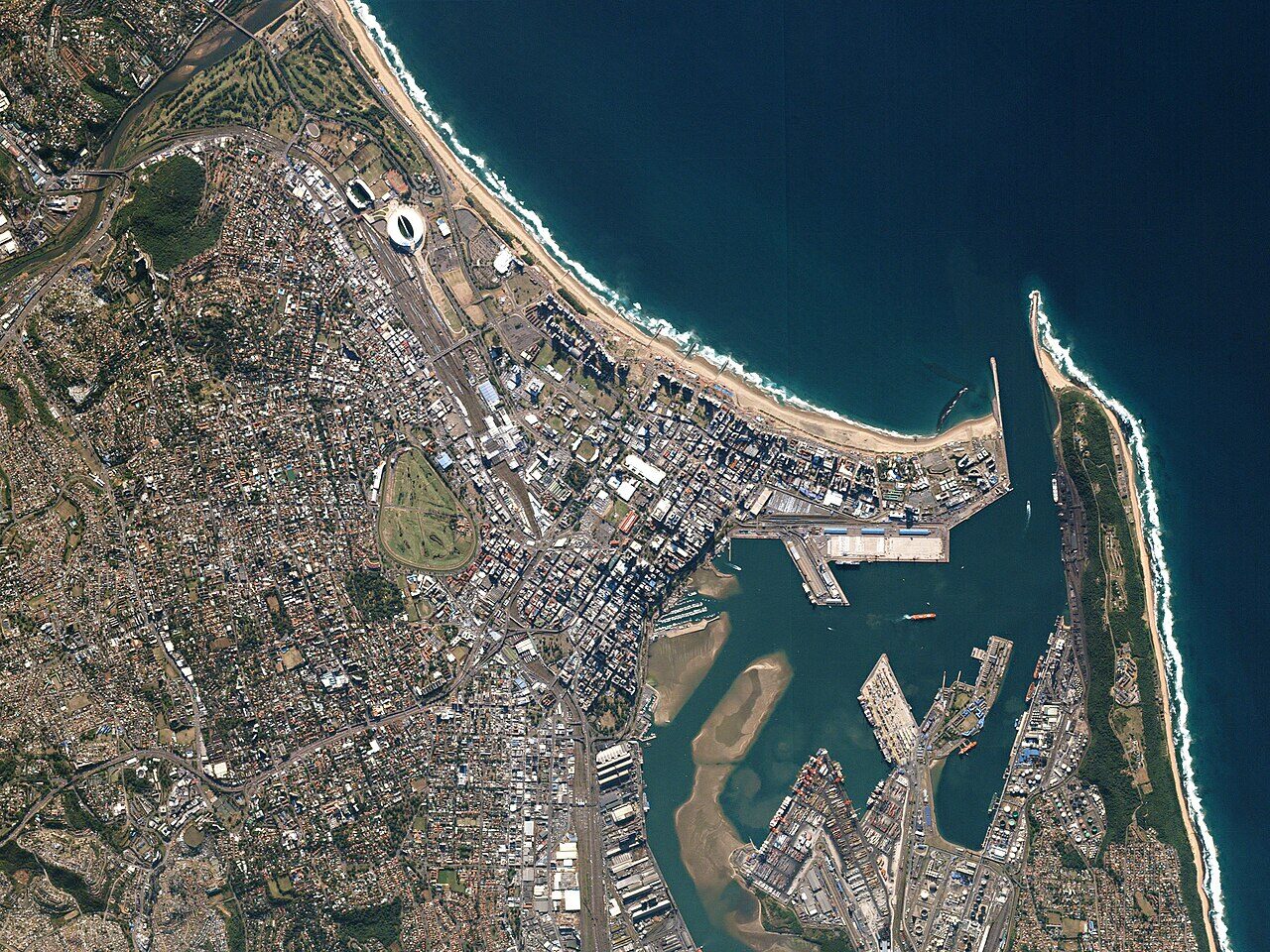
The Durban Cruise Terminal sits in the working harbor, a functional gateway that gets you on your way quickly. Most ships dock within easy reach of the city center, and the terminal usually arranges shuttle services to the beachfront. A taxi or Uber fare from the terminal to the Golden Mile runs about $5-$8 (R80-R150), giving you more flexibility than the shuttle.
You'll need South African Rand for most transactions. ATMs are plentiful along the Golden Mile and in shopping centers, and typically offer better rates than the exchange bureau at the terminal. The beachfront is wheelchair accessible along the promenade, and many of the main attractions offer mobility assistance for visitors who need it.
Durban's subtropical climate means warm weather year-round, with summer (December-February) bringing heat and afternoon thunderstorms, and winter (June-August) offering mild, dry days ideal for exploring. The Indian Ocean stays swimmable in all seasons. English is widely spoken, along with Zulu and other languages. South Africans are generally friendly and helpful to visitors, though standard urban caution applies.
Getting Around
Durban is a sprawling city, but the main sights cluster along the beachfront and in the city center, making it relatively easy to navigate as a cruise visitor. The cruise terminal usually offers shuttle buses to the Golden Mile, which puts you within walking distance of many beaches and the beachfront promenade. The fare for the shuttle is typically around $3 (R50) per person each way.
Taxis and ride-sharing services (Uber and Bolt both operate here) are the most practical option for getting around quickly and safely. A taxi from the beachfront to Victoria Street stalls costs about $4-$6 (R60-R100). Always use registered taxi services or ride apps rather than unmarked vehicles. Your ship's shore excursion desk can provide taxi company numbers, or ask the terminal staff for recommendations.
The beachfront promenade itself is highly walkable and accessible for wheelchair users along paved sections. You can easily stroll from one end to the other in a couple of hours, stopping at beaches, cafes, and viewpoints along the way. This is a low-walking option ideal for those with limited mobility. For visiting the Victoria Street stalls or the Botanic Gardens, you'll want vehicle transport.
If you're heading to the Valley of 1000 Hills or other inland sites, I strongly recommend booking a tour or hiring a private driver for the day. A full-day guided tour typically costs $60-$90 (R1,000-R1,500) per person. The roads can be confusing for visitors, and having a knowledgeable guide enhances the experience significantly. This is a moderate-activity option that involves some walking on uneven ground.
Port Map
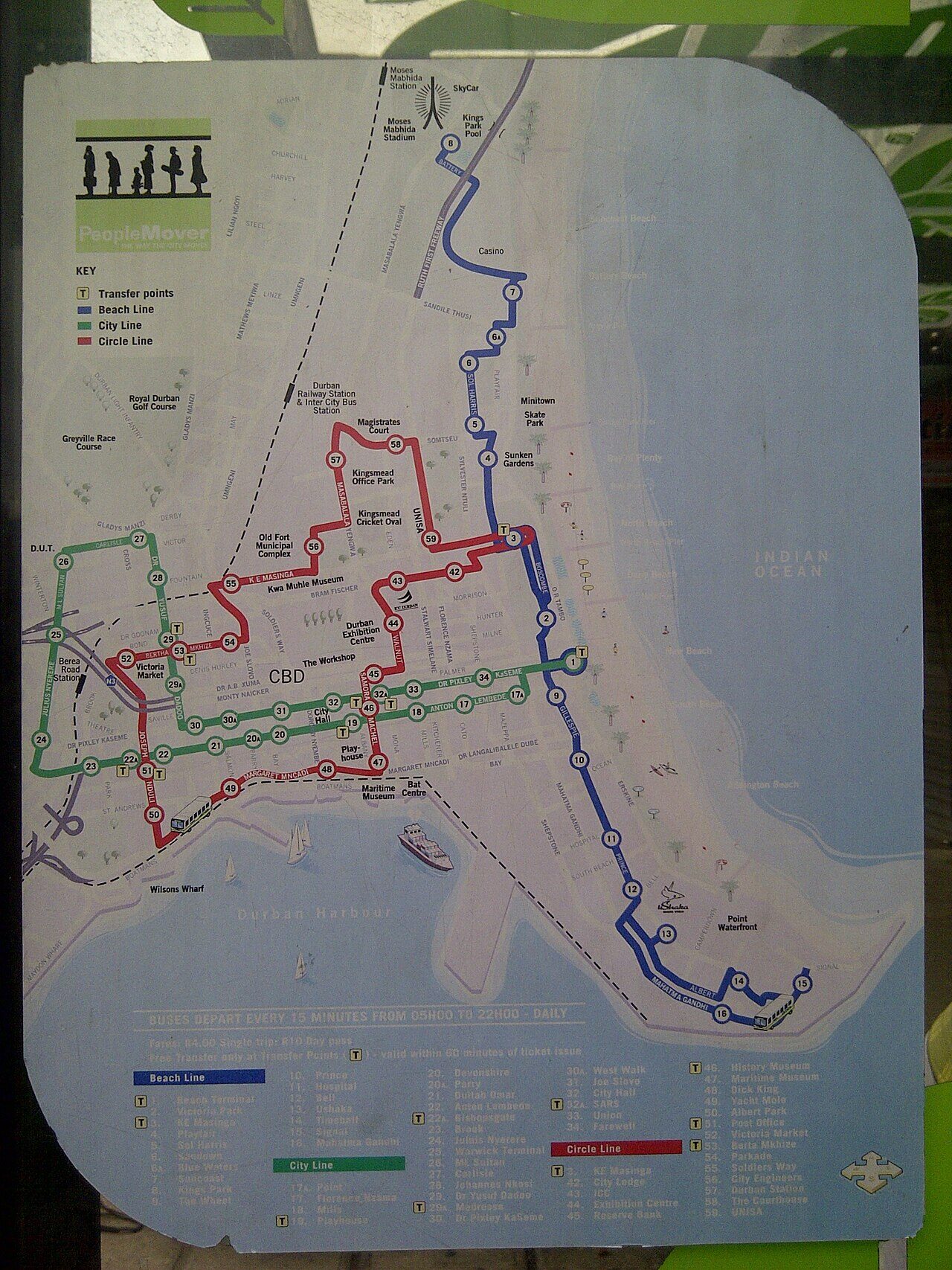
Interactive map showing Durban Cruise Terminal, Golden Mile beaches, and major sights. The Golden Mile stretches north from uShaka Marine World, with most places within a few kilometers of the beachfront.
Beaches
Durban's Golden Mile stretches along four miles of palm-fringed Indian Ocean beachfront. The beaches have lifeguards and shark nets, and the water stays warm year-round at 70-77 degrees F (21-25 degrees C). North Beach and Dairy Beach are best for swimming. The promenade is flat and paved, making it accessible for all visitors.
Top Excursions
uShaka Marine World
Part aquarium, part water park, uShaka is one of the world's largest marine theme parks, built around the wreck of a 1920s cargo ship. Admission costs about $18 (R300) for adults and $12 (R200) for children. The aquarium section takes you through underwater tunnels where ragged-tooth sharks glide overhead. If you book ahead, you can reserve dolphin encounters. Open daily from 9 AM; plan 3-4 hours minimum. You can book this as a ship excursion through the cruise line, or go independent for a lower price and more flexibility. The guaranteed return to the ship is easy since it's only a ten-minute taxi ride from the terminal.
Moses Mabhida Stadium SkyCar
The 2010 World Cup left Durban with this architectural marvel. The SkyCar ride costs about $7 (R120) and takes you up the distinctive arch to a viewing platform 350 feet high. On clear days, you can see for miles up and down the coast. The more adventurous can walk up the arch (about 500 steps) or try the Big Rush Big Swing for $25 (R420). Even if heights aren't your thing, the stadium precinct has restaurants and often hosts events. This is a moderate-activity excursion suitable for most visitors, and you can book ahead online to skip queues.
Valley of 1000 Hills Day Trip
If your ship stays overnight or you have a full day, consider heading inland to the Valley of 1000 Hills. Several operators offer day trips from $60-$90 (R1,000-R1,500) per person. You'll visit working Zulu communities, see beehive huts, watch energetic dancing, and gain insight into a way of life that predates European contact by centuries. PheZulu Safari Park combines wildlife viewing with demonstrations. I recommend this as a ship excursion or through a reputable independent operator who can guarantee your return to the ship on time. Book ahead during peak season as these tours sell out quickly.
Durban Botanic Gardens
Established in 1849, this is Africa's oldest surviving botanical garden. Admission is free, though donations of about $2 (R30) are appreciated. The rare cycad collection includes specimens that were ancient when dinosaurs walked the earth. On weekends, local families picnic on the lawns. This is a low-walking, accessible option perfect for travelers who prefer a slower pace. The paths are mostly paved and suitable for wheelchair users.
Local Food & Drink
Durban's food scene reflects its rich diversity, with Indian cuisine taking center stage alongside South African dishes and fresh seafood from the Indian Ocean.
Bunny chow is the dish you must try. This curry-in-bread creation was invented by Indian workers who needed a portable lunch. Order yours at Victoria Street stalls or Indian restaurants throughout the city. A quarter-loaf bunny chow costs about $3-$5 (R50-R80). Eat it with your hands, using chunks of the scooped-out bread to mop up curry.
For seafood, the line-fish of the day is always a good bet. Prawns are particularly good here, often served peri-peri style. South African wines are world-class; try a Chenin Blanc or Pinotage with your meal.
Depth Soundings
Durban is a city that rewards the curious and the patient. The beachfront is beautiful, but the real depth of this place lies inland, in the aromatic stalls of the Indian district, in the rolling green valleys where Zulu communities welcome visitors with genuine warmth. It is a city of contrasts: modern towers beside informal settlements, surf culture alongside ancient heritage, first-world infrastructure meeting developing-world realities.
The honest story is that Durban is not without its challenges. Poverty is visible, and you should be aware of your surroundings, especially away from the tourist zones. But the overwhelming experience is one of warmth, generosity, and a city that has chosen to move forward together. The people here are proud of their home, and that pride is infectious.
What makes Durban special is its layered identity. This is not a single-story city. It is Zulu and Indian and British and Afrikaans and everything in between, all coexisting in a subtropical setting that softens the edges. If you only have one day, walk the Golden Mile, eat bunny chow, and take the SkyCar up Moses Mabhida. If you have two days, venture to the Valley of 1000 Hills. Either way, you will leave with a deeper understanding of what South Africa truly is.
Photo Gallery
Weather & Best Time to Visit
Frequently Asked Questions
Q: What's the best time of year to visit Durban on a cruise?
Typical range 52-83°F subtropical; rain: Wet summers (Oct-Mar); dry winters. Peak cruise months: Mar, Apr, May, Oct, Nov. Avoid months: Jan, Feb.
Q: Is there a severe weather or storm season that affects Durban?
Durban is not marked as a warm-water hurricane zone in our seasonal guide. Local concern: seasonal weather swings.
Q: What should I pack for Durban's weather?
For Durban, pack for 52-83°F subtropical. Light clothing for summer; Light layers for winter; Rain gear for summer storms; Sunscreen year-round
Q: Will rain ruin my Durban port day?
Brief rain is common enough around Durban that a flexible plan beats canceling. Summer (Dec-Feb) brings intense afternoon thunderstorms; Shark nets protect main beaches but check conditions
Gallery