
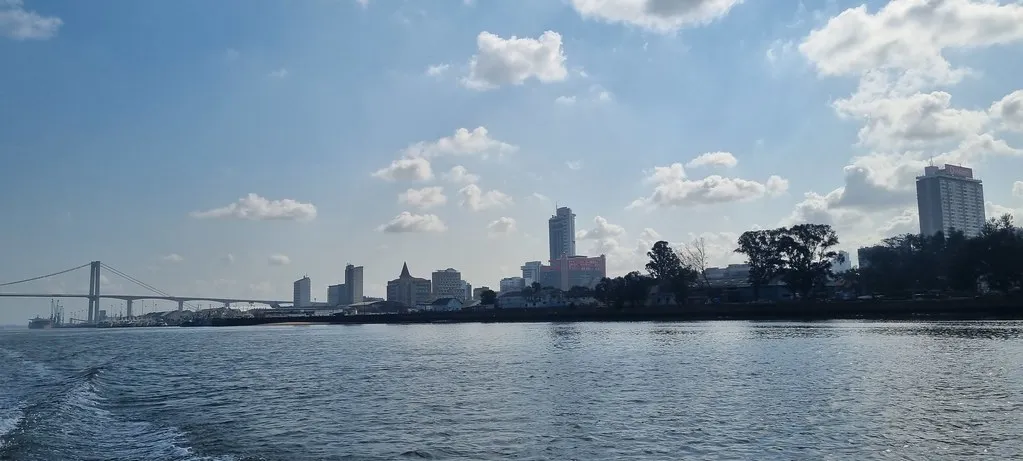
Photo: Rckr88 / Flickr (CC BY-SA)
My Logbook: Where Portuguese Elegance Meets African Soul
I stepped off the gangway into Maputo on a Tuesday morning and the scent hit me before anything else — grilled prawns seasoned with piri piri, mingling with warm salt air and the faint sweetness of jacaranda blossoms drifting down from the avenue above. My shoes touched African soil for the first time, and I felt a nervous electricity in my chest. The harbor stretched wide and blue behind me, the ship's horn sounding a low farewell as I walked toward the terminal gate. A taxi driver named Eduardo waved from across the road, grinning. "Bom dia, amigo!" he called out. I raised my hand and smiled back, though my heart was already racing with the anticipation of a city I had only seen in old photographs and half-remembered documentaries.
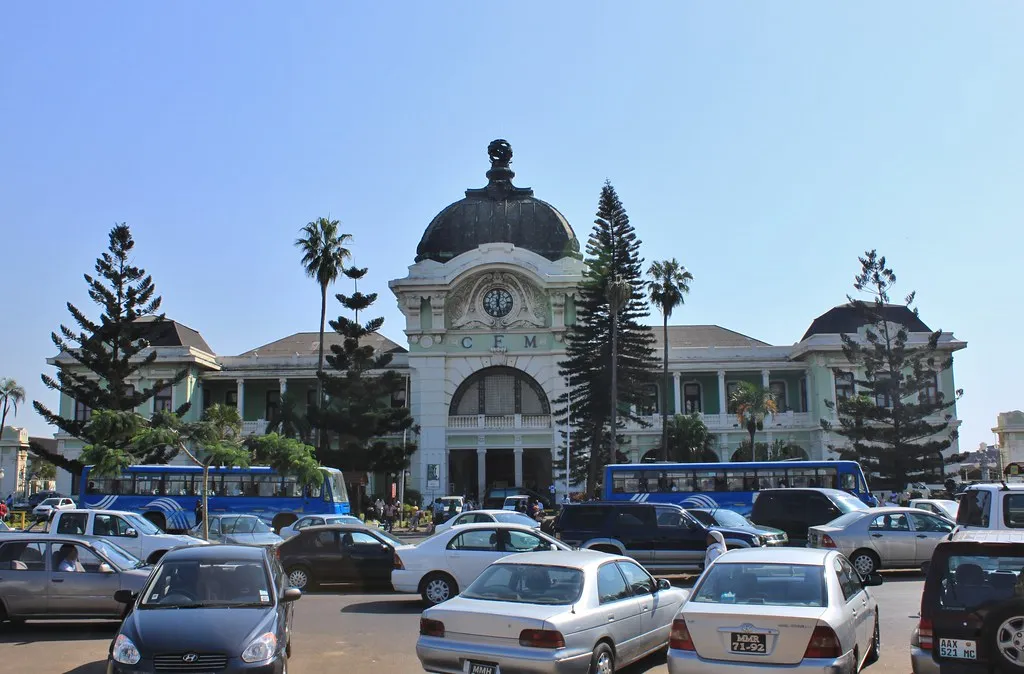
Eduardo drove me first to the CFM Railway Station, and when we rounded the corner and I saw it for the first time, I understood why people compare it to a European palace dropped onto African soil. The copper dome, turned green with age, caught the morning light and threw it back in soft gold. The building was designed in 1910 by engineers from Gustave Eiffel's workshop — the same firm that built the tower in Paris — and even after more than a century, the wrought-iron pillars and ornamental arches still carry a weight of ambition and beauty that stopped me in my tracks. I stood beneath the dome and looked up at the latticed ironwork overhead, watching sunlight filter through the gaps like light through a cathedral window. A woman in a bright capulana swept the marble floor with a hand broom, and the soft rhythm of her sweeping echoed off the walls. I closed my eyes and listened, and for a moment the sound was the only thing in the world.
From the station, we drove to the Iron House — the Casa de Ferro — a prefabricated metal building reportedly designed by Eiffel himself and shipped to Maputo in pieces to serve as the governor's residence. The structure is modest, almost comically small for a governor's home, but there is something charming about its corrugated walls and its stubborn refusal to rust after all these years. Eduardo laughed when I asked if anyone lived there now. "Only ghosts," he said, "and tourists with cameras." I took my photograph and we moved on.
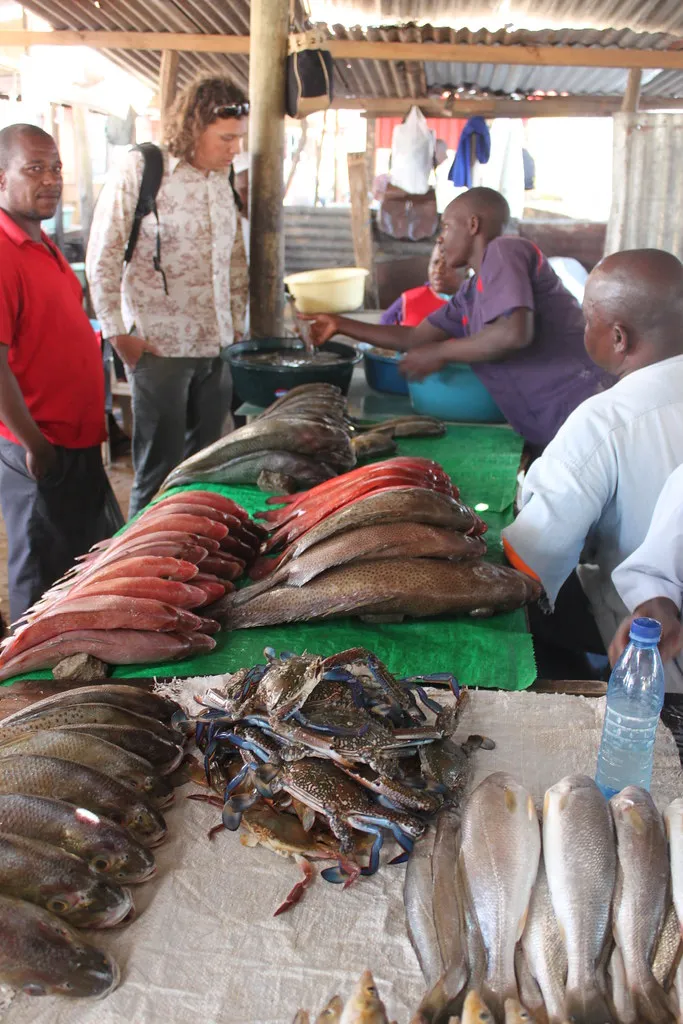
The fish market changed everything. Eduardo had been gentle and patient all morning, but when we arrived at the Mercado do Peixe he became animated, waving his hands and insisting I try the prawns before I did anything else. The market was a sprawling open-air space of concrete tables and charcoal grills, and the smell of smoke and garlic and chili hit me like a warm wall. I watched a woman lay out enormous tiger prawns on a grill — each one the size of my hand — while her daughter fanned the coals with a flattened cardboard box. I ordered a plate of piri piri prawns with rice and a cold Tipo Macaneta lager for about $12, and I sat at a plastic table under a corrugated tin roof while the Indian Ocean breeze carried smoke across my face. The prawns were extraordinary — charred and sweet and ferociously spicy, the kind of food that makes you close your eyes and shake your head in disbelief. I ate every one, then ordered a second plate. Eduardo watched me with quiet satisfaction and said nothing, but I saw him nod.
After lunch, Eduardo took me into the Baixa — the old downtown — where colonial-era buildings in pale yellow and faded pink lined streets shaded by jacaranda and flame trees. I saw the fortress, the Fortaleza da Nossa Senhora da Conceicao, its thick stone walls holding five centuries of history. I walked through streets where Portuguese tile work decorated crumbling facades, where art-deco apartment blocks stood next to corrugated-iron shops selling capulana fabric by the meter. However, it was the contrast that held me — not the beauty alone, but the way beauty and struggle existed side by side without apology. A man sold cashew nuts from a basket balanced on his head. Children played football in an empty lot between buildings. Somewhere nearby, a radio played marrabenta music, and the melody drifted through an open window like smoke.
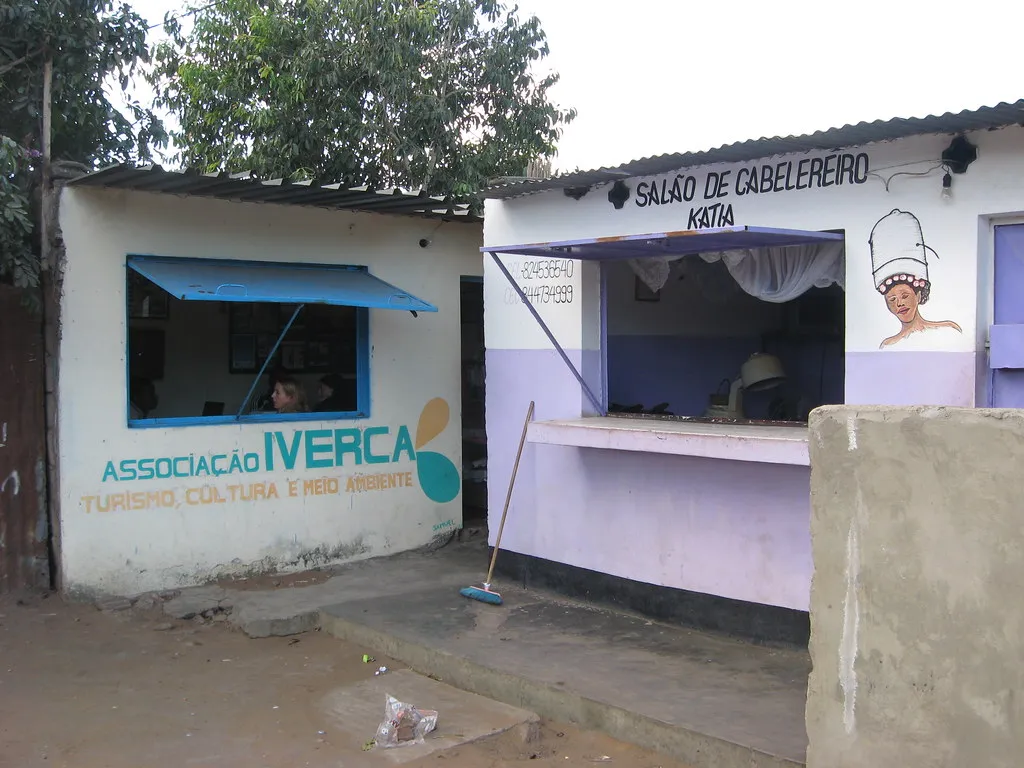
I asked Eduardo to take me to the Mafalala neighborhood, the historic district where many of Mozambique's artists and revolutionaries grew up. The streets were narrow and unpaved, yet the walls were alive with murals. An elderly man sat on a plastic chair outside his house and waved me over. He spoke Portuguese and a few words of English, and through Eduardo's patient translation, he told me he had been born in this house and had watched the neighborhood change across seven decades. His eyes were kind and tired, and when he smiled, I felt something shift inside my chest — a quiet recognition that I was standing on ground that mattered, that carried weight, that had witnessed both suffering and grace.
It was on the drive back to the port, though, that Maputo broke me open. We passed a small church on a side street, and through the open door I heard singing — a choir of women's voices rising in harmony so pure and unadorned that Eduardo pulled the car to the side without my asking. I got out and stood on the pavement, listening. The voices rose and fell, carrying a hymn I did not recognize but felt in my bones. My eyes filled with tears. I whispered a prayer of gratitude for the gift of being here, for the kindness of a stranger who had become a friend in a single morning, for the women whose voices turned a concrete building into a cathedral. Something changed in me on that pavement — not dramatically, not with fireworks, but quietly, the way dawn changes the sky. I realized I had come to Maputo expecting architecture and food, and I was leaving with something far deeper: the knowledge that grace lives in the smallest places, and that the world is wider and more generous than I had dared to believe.
I made it back to the ship with an hour to spare, sunburned and carrying a paper bag of cashews Eduardo insisted I take as a gift. As the ship pulled away from the harbor, I stood at the rail and watched Maputo's skyline flatten into a line of lights against the darkening coast. What Maputo taught me — what it finally said when I stopped talking long enough to listen — was that beauty does not require polish, and that the deepest hospitality comes from people who have every reason to keep their doors closed but choose to open them anyway. I carry that lesson with me still, and I suspect I always will.
Weather & Best Time to Visit
The Cruise Port
Ships dock at the Maputo Cruise Terminal in the city's main commercial harbor, a short distance from the historic downtown area. The terminal building is basic — a covered area with security screening and a small waiting zone, but no shops or restaurants inside the facility. Taxis queue immediately outside the port gate, and a standard taxi to downtown or the CFM Railway Station costs approximately $5. Port security requires passengers to show their ship card when returning. The terminal area has accessible ramps at ground level, though surfaces can be uneven in places. Most of Maputo's key attractions sit within a fifteen-minute drive of the port, making this a convenient stop for independent exploration. USD is widely accepted at tourist-facing venues, but you will get better value paying in Mozambican meticais at local markets and restaurants.
Getting Around
Maputo is a sprawling city, but the cruise-relevant sights cluster within a manageable radius of downtown. Registered taxis are the recommended transport option — negotiate the fare before boarding, as meters are uncommon. A taxi from the port to the CFM Railway Station costs roughly $5, and a full-day private driver with air-conditioned car costs $40-60, which is the most comfortable way to see multiple sites including the fortress, the fish market, and the Mafalala neighborhood. Some visitors hire tuk-tuks for shorter trips around downtown for $2-3 per ride, though these offer no air conditioning, which matters in Maputo's tropical humidity.
City buses (chapas) run frequent routes but are crowded, confusing for first-time visitors, and not wheelchair accessible. Walking is feasible in specific areas — the Baixa (old downtown) and the waterfront promenade are walkable neighborhoods — but Maputo's sidewalks can be broken and uneven, so wheelchair users and those with mobility limitations should plan on vehicle transport between areas. The heat and humidity make walking long distances uncomfortable even for fit travelers, particularly during the wet season from October to March. Carry water and take breaks in shaded cafes. Budget extra time for traffic during morning and evening rush hours if your ship departs before 6 p.m.
Maputo Port Map
Interactive map showing cruise terminal and Maputo attractions. Click any marker for details.
Excursions & Activities
CFM Railway Station
The most accessible and rewarding cultural visit in Maputo. The CFM station sits about ten minutes from the port and features a stunning 1910 copper-domed building designed by engineers from Gustave Eiffel's workshop. Entry to the main hall is free. Allow 30-45 minutes. This is a low-energy visit suitable for most mobility levels, with flat ground-level access to the main concourse. You can visit independently by taxi for $5 each way, or a ship excursion typically combines the station with other city highlights for $50-80.
Iron House (Casa de Ferro)
A short walk from the railway station, the Iron House is a prefabricated metal building reportedly designed by Eiffel himself and shipped to Maputo in pieces. Exterior viewing is free; the small museum inside charges approximately $2 entry. Allow 20-30 minutes. Low-energy, flat access. Visit independently alongside the railway station.
Fish Market (Mercado do Peixe)
A sprawling open-air market where local vendors grill fresh Indian Ocean seafood to order. Tiger prawns with piri piri sauce cost $8-15 per plate depending on size. The market operates mornings and afternoons. Allow 1-2 hours for browsing and eating. Moderate energy level; the market floor is concrete but uneven in places. Visit independently by taxi — no need to book ahead. Simply show up, choose your seafood, and watch it grilled fresh.
Fortaleza da Nossa Senhora da Conceicao
The 18th-century Portuguese fortress overlooking the harbor houses a small museum of Mozambican history. Entry costs approximately $3. Allow 45 minutes to an hour. Moderate energy level with some steps and uneven stone surfaces. Visit independently by taxi, or include it in a ship excursion city tour. The fortress offers good views of the harbor and the ship from its ramparts.
Inhaca Island Day Trip
The most popular full-day excursion from Maputo, Inhaca Island lies about 32 km offshore and offers pristine beaches, snorkeling in a marine reserve, and a biological research station. The public ferry takes 2.5 hours each way and costs approximately $10 round trip. Organized speed-boat tours cost $60-90 and cut travel time significantly. A ship excursion costs $80-120 and guarantees your return to the vessel — this is one port where booking the ship excursion is wise because ferry schedules can be unreliable and the journey leaves little margin for error. Independent travelers should book ahead with a reputable local operator and depart the ship as early as possible.
Mafalala Walking Tour
A guided walk through the historic neighborhood where many of Mozambique's cultural and political figures grew up. Tours last 2-3 hours and cost $15-25 per person. Moderate energy level with some unpaved roads. Book ahead through a local guide service, as this neighborhood is not well-signed for independent visitors.
Depth Soundings
Mozambique uses the Mozambican Metical (MZN). As of early 2026, $1 USD buys approximately 63-65 MZN. ATMs are available in the downtown area and most accept international cards, though withdrawal fees vary. Credit cards work at hotels, larger restaurants, and tourist venues, but the fish market, street vendors, and tuk-tuk drivers require cash. US dollars are widely accepted at tourist-facing businesses, but you will receive better value paying in meticais at local establishments. Carry small denominations for market purchases.
Tipping is appreciated but not obligatory. A 10% tip at restaurants is generous. Portuguese is the official language, but English is limited outside tourist areas — learning "obrigado" (thank you) and "por favor" (please) goes a long way. Maputo requires standard urban caution: stick to well-traveled areas during daylight, use registered taxis, and avoid displaying expensive jewelry or electronics. The tourist areas around the Baixa and waterfront are generally safe during port hours. Budget planning is straightforward here — Maputo is remarkably affordable compared to most cruise destinations, and a full day of sightseeing, meals, and transport can cost well under $50 per person.
Photo Gallery
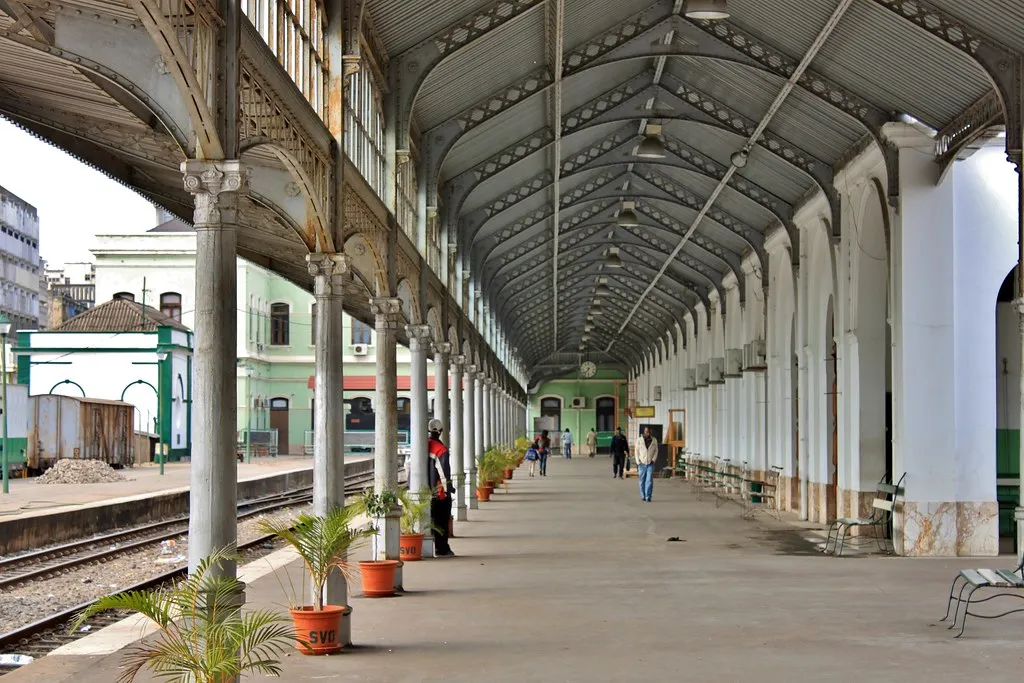
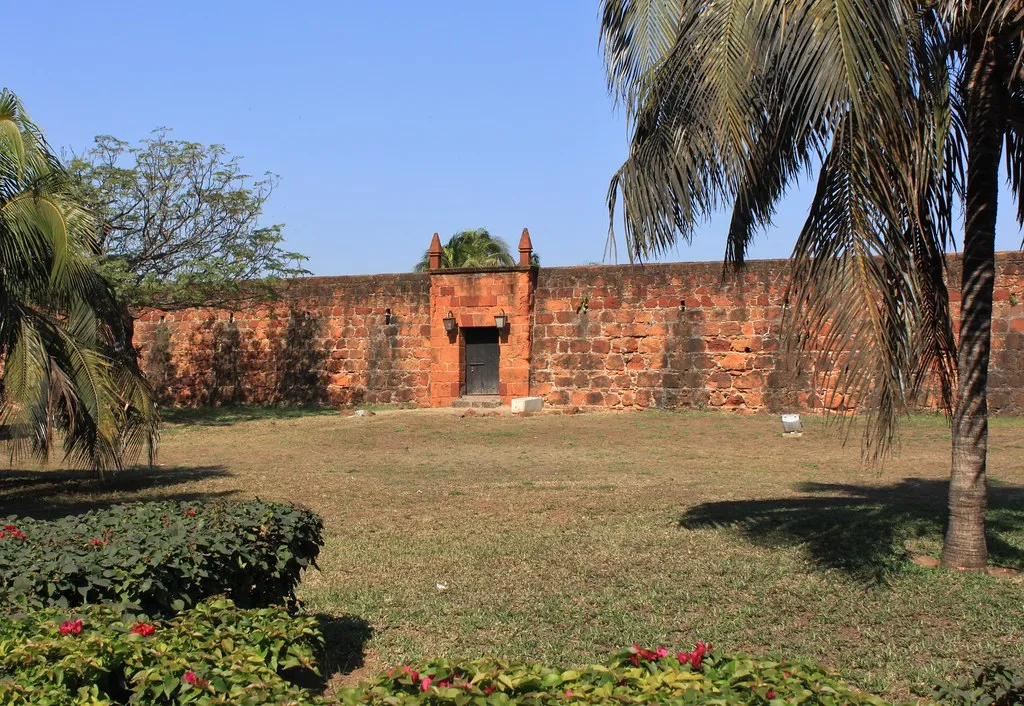
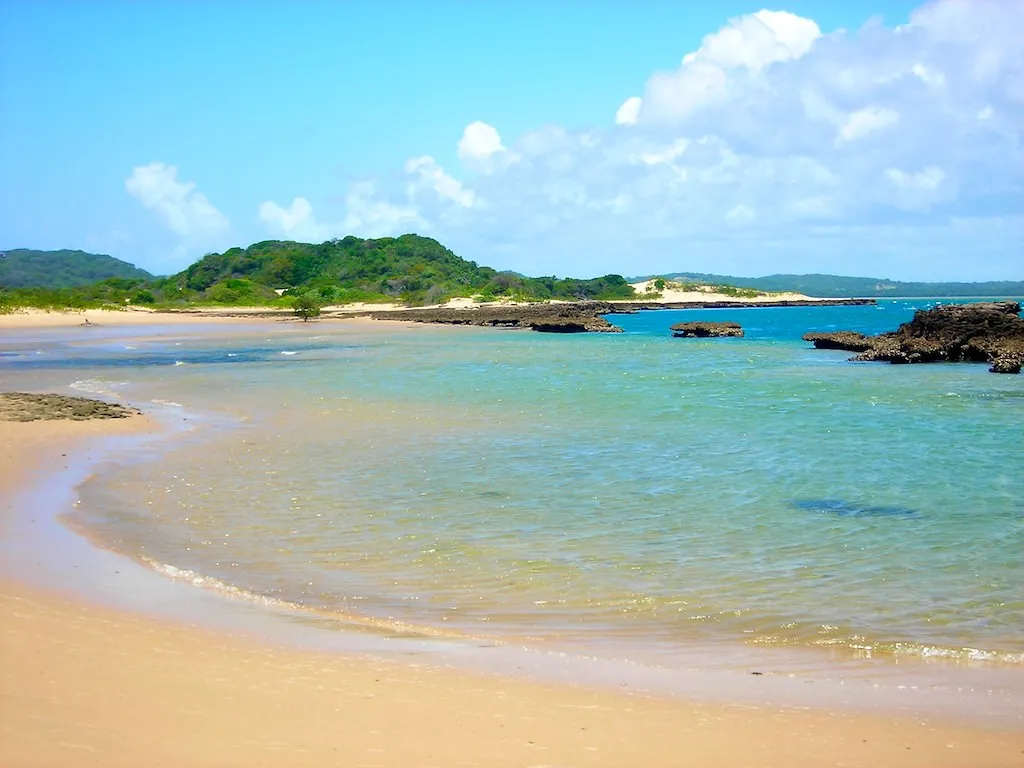
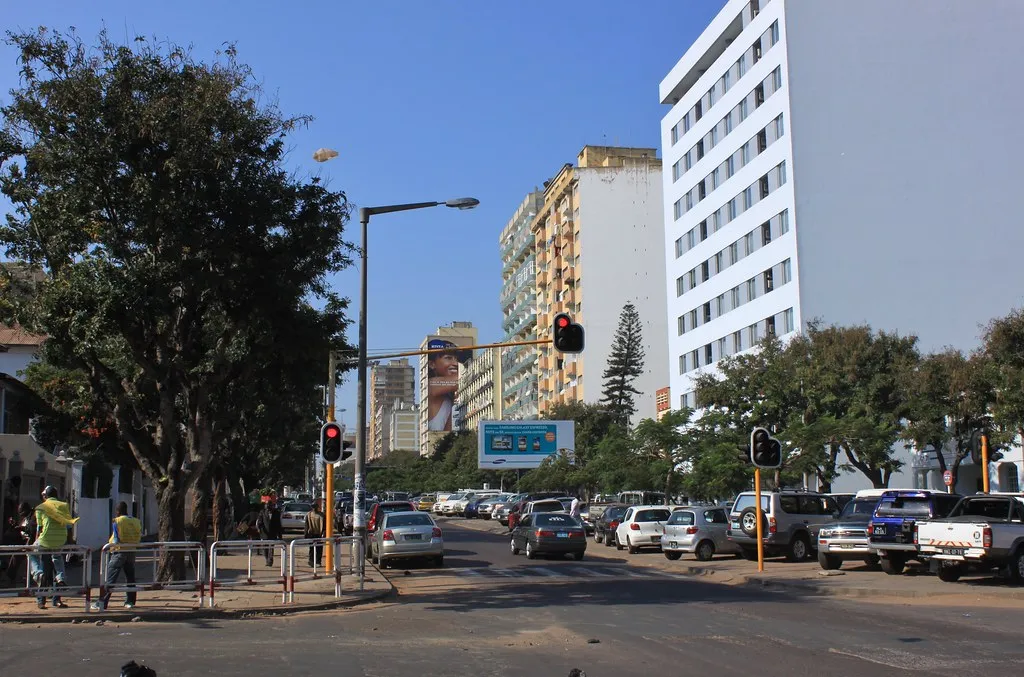
Image Credits
All photographs on this page are used under Creative Commons licenses. Most images by zug55 on Flickr (CC BY-NC-SA 2.0). Additional photos by Rckr88, Paulo Miranda, and pelangio957 on Flickr.
Frequently Asked Questions
Where do cruise ships dock in Maputo?
Ships dock at the Maputo Cruise Terminal in the city's commercial harbor. The terminal is basic with taxis available outside the gate. Downtown is about ten to fifteen minutes by taxi, costing approximately $5.
What is the CFM Railway Station and can I visit it?
The CFM Railway Station is a stunning 1910 building designed by engineers from Gustave Eiffel's workshop. The copper-domed station features ornate wrought-iron work. Entry to the main hall is free during operating hours.
Is Maputo safe for cruise passengers?
Maputo requires standard urban caution. Stick to well-traveled tourist areas, use registered taxis, and avoid displaying valuables. The downtown and waterfront areas are generally safe during daylight hours.
What should I eat in Maputo?
Piri piri prawns are the signature dish — large Indian Ocean prawns grilled with chili sauce, costing $8-15 per plate at the fish market. Also try matapa (cassava leaf stew) and fresh grilled fish.
Can I visit Inhaca Island on a cruise day?
Inhaca Island trips are possible but tight. The ferry takes 2.5 hours each way. Speed-boat tours cut the time but cost $60-90. Consider a ship excursion for guaranteed return to the vessel.
What currency is used in Maputo?
The Mozambican Metical (MZN) is the local currency. US dollars are widely accepted at tourist venues, but meticais give better value at markets and local restaurants. ATMs are available downtown.
Maputo, Mozambique — Port Guide
Last reviewed: February 2026