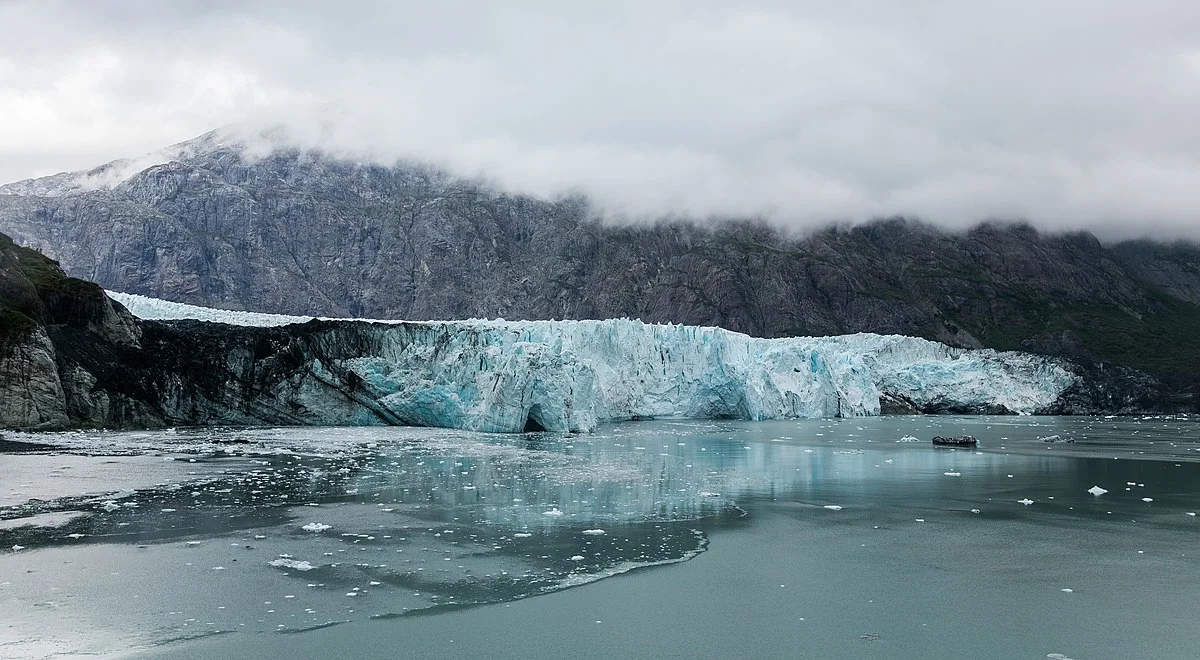
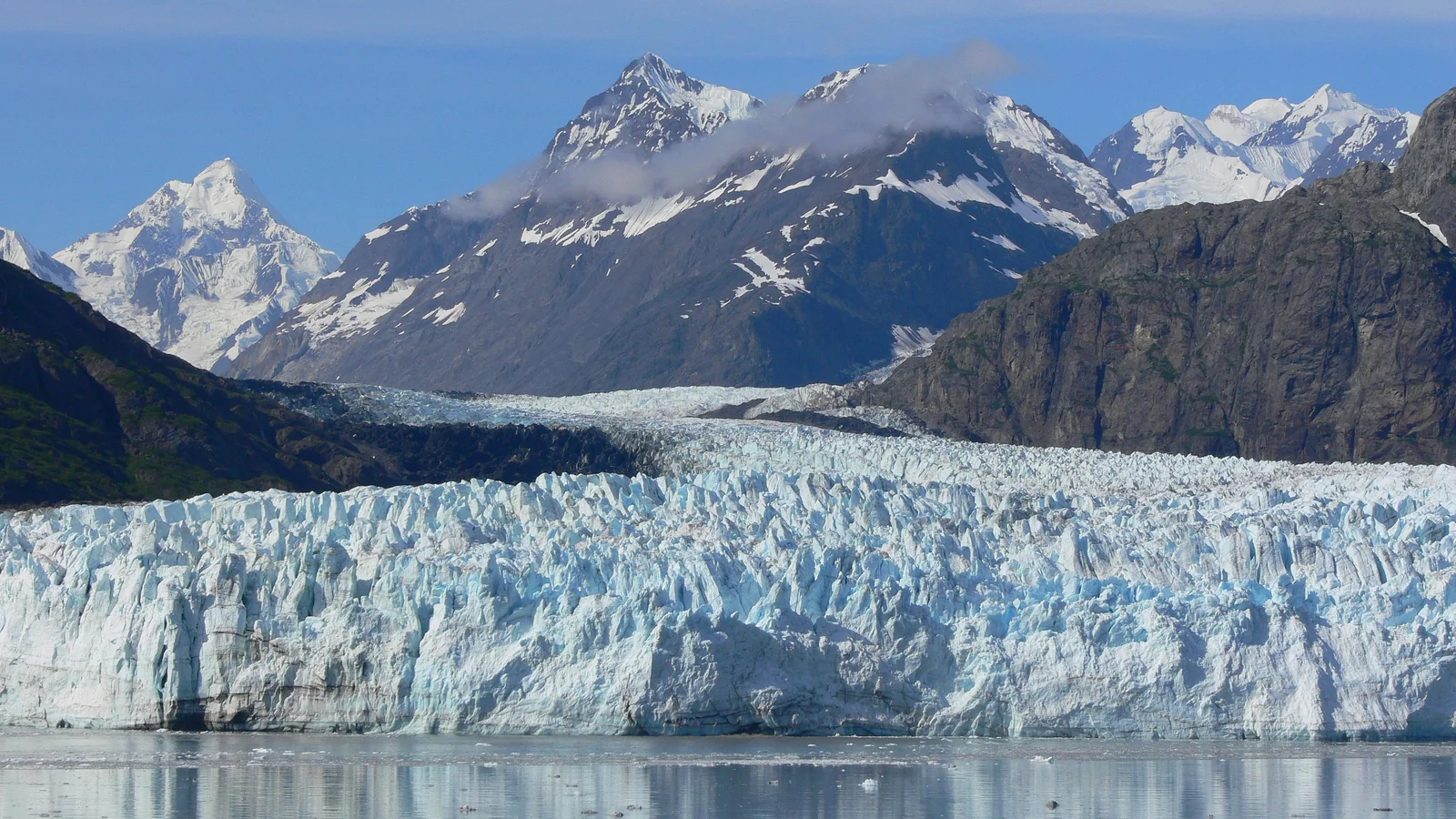
Margerie Glacier in Glacier Bay National Park with cruise ship in foreground

Glacier Bay

Photo: Diego Delso / Wikimedia Commons (CC BY-SA 4.0)

Tender Port

Ships anchor offshore and passengers take small boats (tenders) to reach the pier.

Glacier Bay, Alaska

Region: Alaska  |  Season: May – September  |  Type: Scenic Cruising (no landing)

Weather & Best Time to Visit

Last reviewed: January 2026

Captain's Logbook

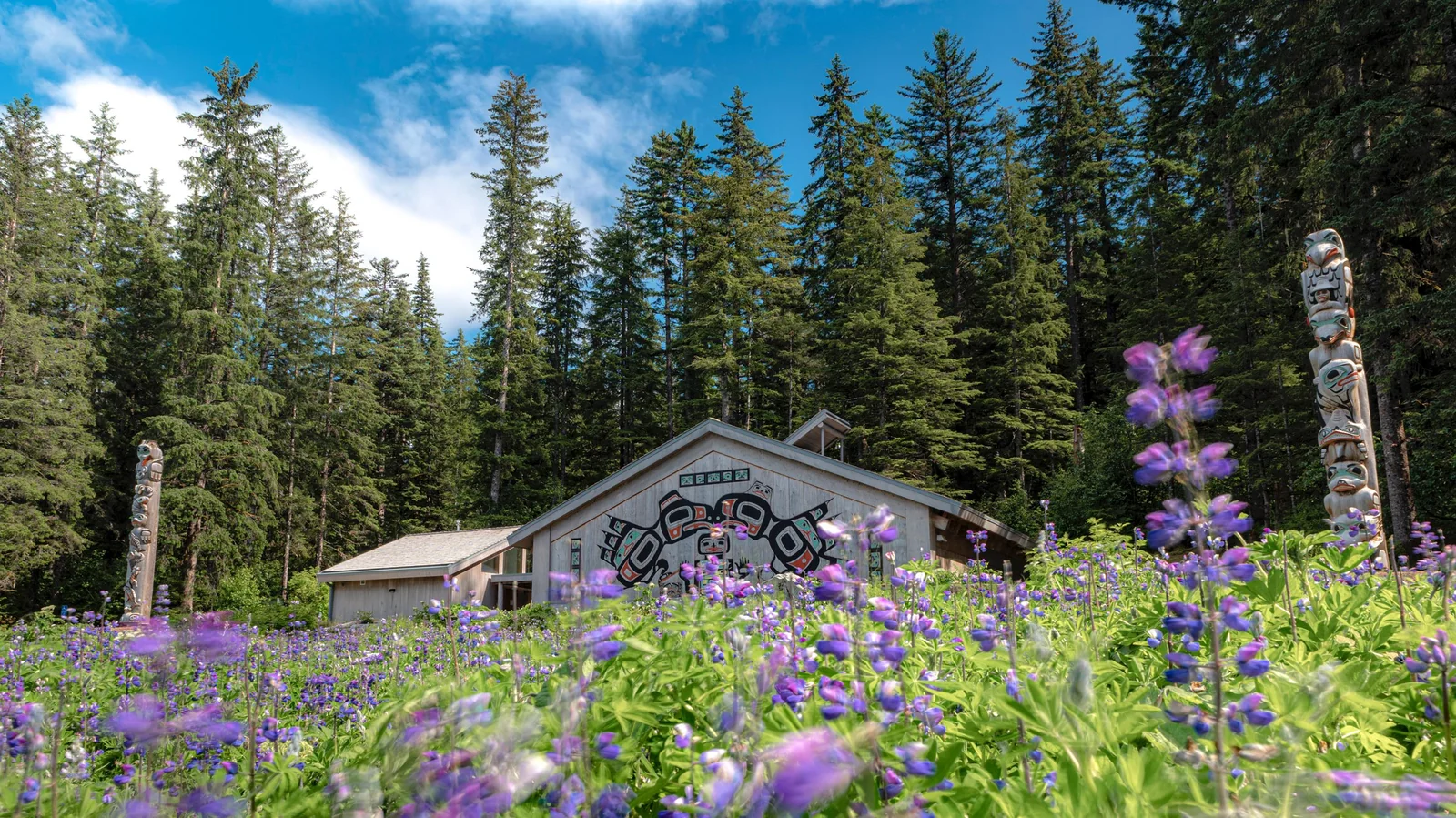
I woke at 5:30 a.m. without an alarm — pure excitement — and grabbed coffee before heading to the bow deck. We were just entering the mouth of Glacier Bay, sliding into a 3.3-million-acre UNESCO World Heritage Site that shelters more than a thousand glaciers. Two National Park Service rangers had boarded via pilot boat and were already setting up at the forward deck, pointing out wildlife and sharing stories over the ship's PA system. Their narration would continue all day, and it transformed everything from passive viewing to active learning. The Tlingit cultural interpreter who joined them told stories of how his ancestors lived in this landscape for thousands of years before the ice retreated.

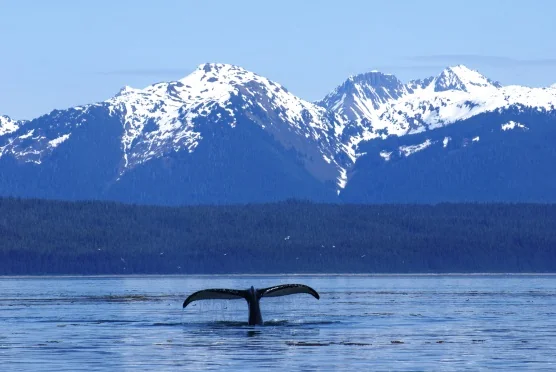
We spotted our first humpback whales within the first hour — a mother and calf surfacing together, their breath hanging in the cold air like smoke signals. Over the course of the day, I counted at least fifteen separate whales, including a spectacular bubble-net feeding event where a group of six humpbacks worked together to corral fish before lunging through the surface with mouths agape. The rangers explained that Glacier Bay is one of the best whale watching locations in Alaska because the nutrient-rich waters attract massive concentrations of prey. I also watched orcas hunting in a pod, Steller sea lions hauled out on rocky points, harbor porpoises racing alongside the ship, and sea otters floating on their backs in kelp beds.

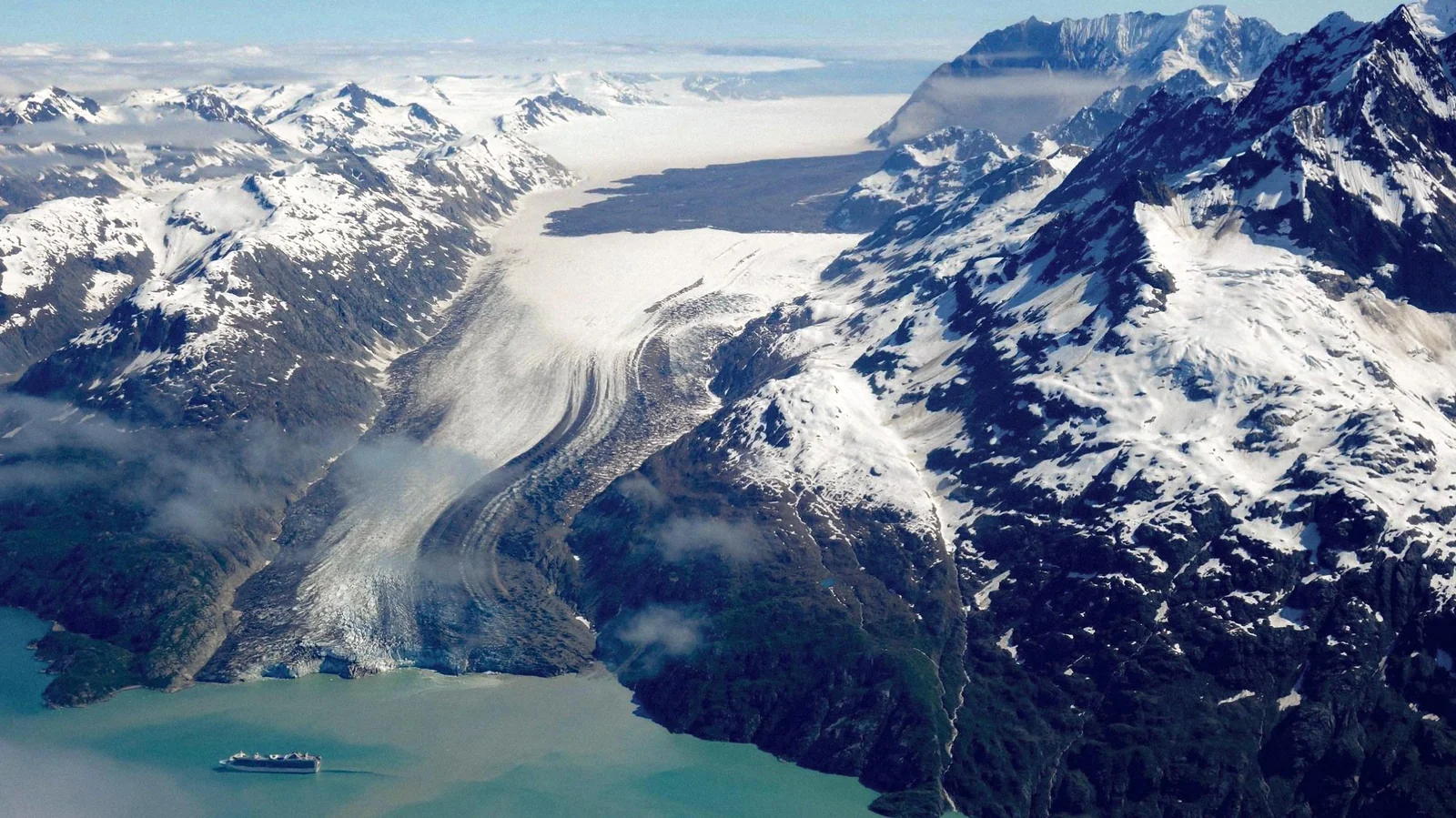
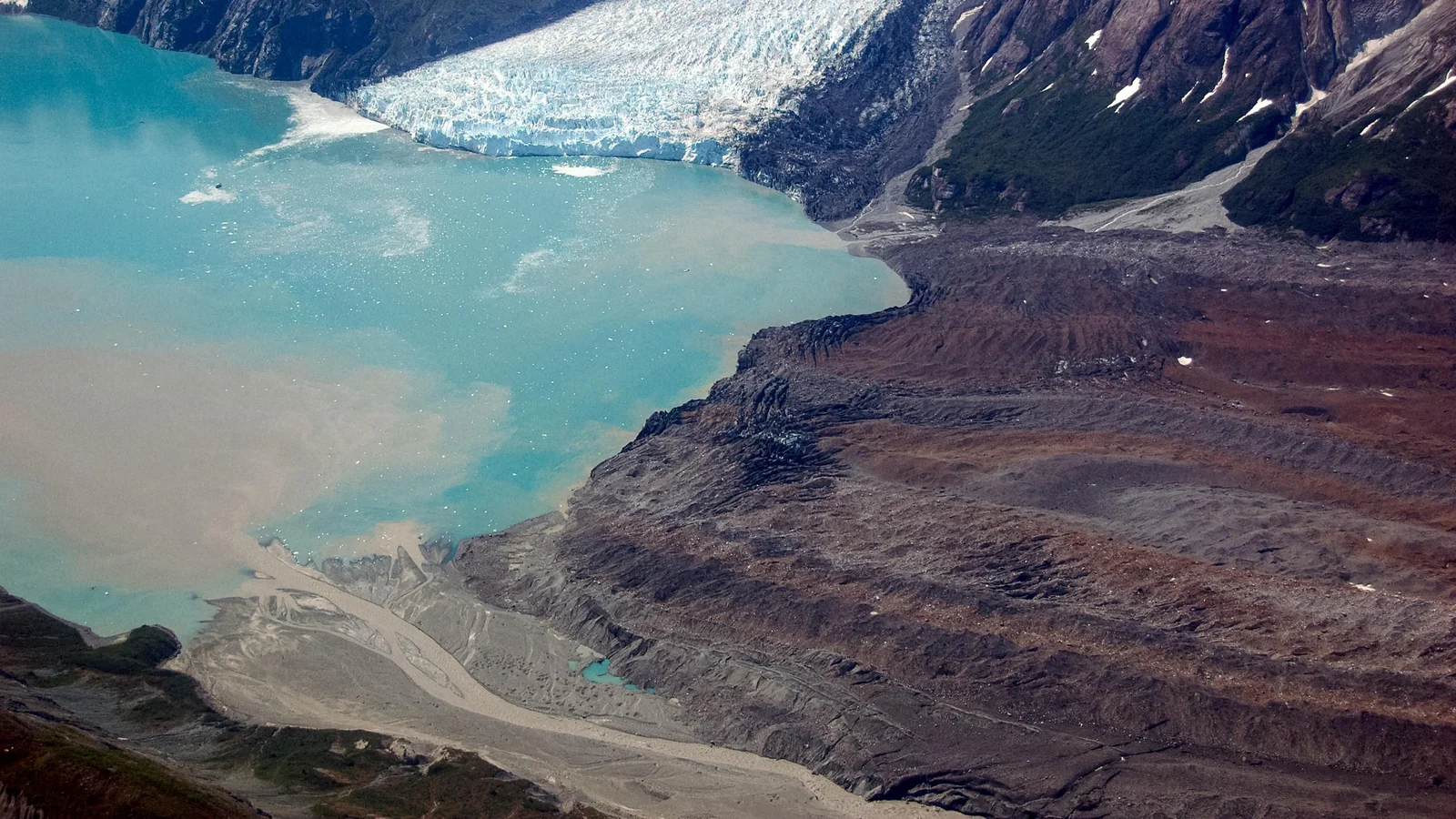
But the glaciers are why we came. The ship cruised past Lamplugh Glacier first — glowing turquoise in the morning light, one of fifteen active tidewater glaciers that pour from the mountains directly into the bay. Then Johns Hopkins Glacier in its own dramatic inlet. The ranger explained that what we were seeing was geologically remarkable: in 1750, at the peak of the Little Ice Age, this entire bay was choked with a single massive glacier over 4,000 feet thick. When George Vancouver sailed past in 1794, he charted only a slight indentation in the coastline. By the time John Muir explored here in 1879, the ice had retreated 45 miles. This is the fastest glacial retreat documented anywhere on Earth.

Then came the main event: Margerie Glacier. The ship approached slowly, engines barely turning, until we were perhaps a quarter mile from a wall of ice 250 feet tall and over a mile wide. The captain announced he would rotate the ship 360 degrees so every cabin and deck position would get unobstructed views. For nearly an hour we drifted, watching the blue-white face for movement. I heard the glacier before I saw it calve — a crack like rifle fire, then a deep rumble, and suddenly a house-sized chunk of ice separated from the face and crashed into the water with a boom that shook the ship. Everyone on deck gasped simultaneously. I saw three major calving events during our time at the face, each one sending waves radiating outward and small icebergs spinning.

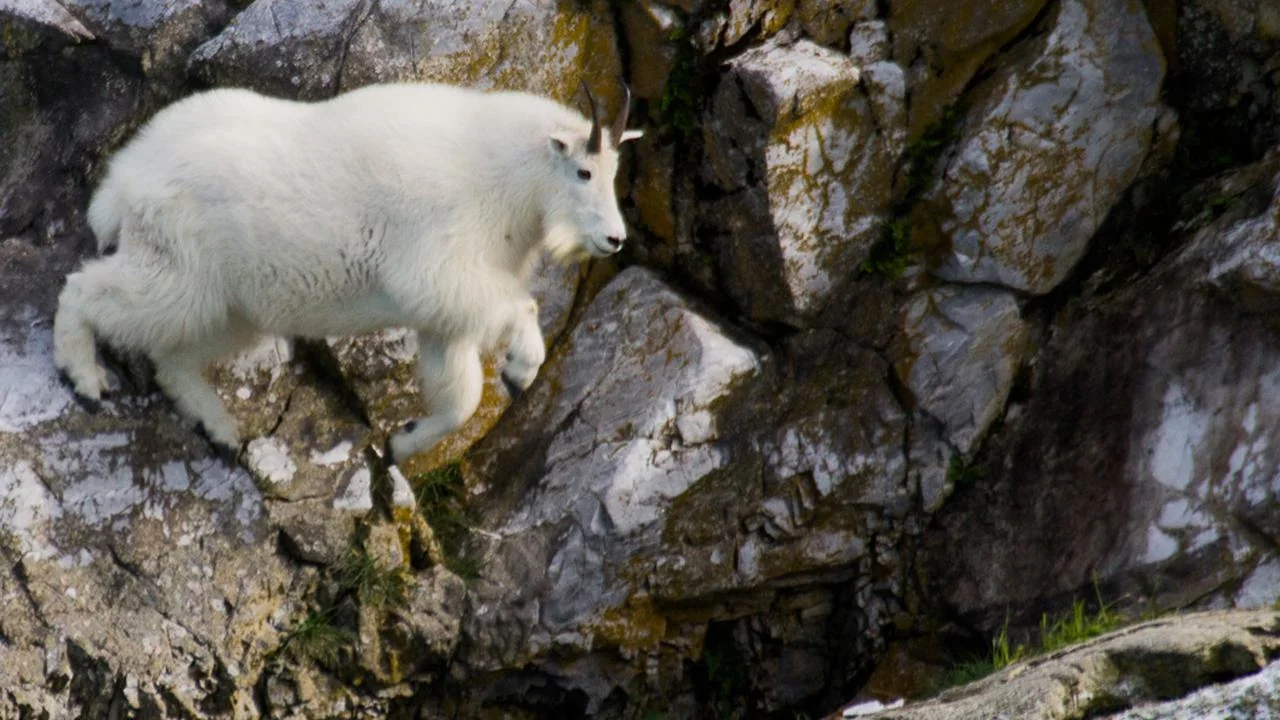
Harbor seals dotted the floating ice throughout the bay — mothers nursing pups on flat bergs that drifted past the bow. Brown bears appeared on distant shores, digging for clams at low tide. Bald eagles patrolled from snags. Mountain goats perched on impossible cliff faces. The wildlife density was extraordinary, and the rangers helped us spot creatures I never would have noticed on my own. However, the real magic was simply the silence when the captain cut the engines — no sound except cracking ice, raven calls, and the distant thunder of glaciers calving into the sea.

Lunch was room service on our balcony as we drifted through Johns Hopkins Inlet, glaciers visible in three directions. The ship felt small against the scale of everything — mountains rising directly from the water, ice flowing down valleys that have been carved over millennia. I finally understood why Alaska cruisers say Glacier Bay is the highlight of the entire trip. It's not just scenery; it's witnessing geological time, watching ice do what ice has done for eons while knowing that this particular bay didn't even exist 250 years ago.

The Moment That Stays With Me: Engine cut, total silence except for the glacier growling for ten straight minutes, then a section the size of a city block let go with a roar that shook the entire ship while two thousand people on deck gasped as one — and I forgot to take photos because I was too busy crying.

The pros: the most spectacular scenery imaginable, expert ranger narration that makes everything richer, world-class wildlife viewing, and a day you'll remember for the rest of your life.

The cons: weather can close in — fog or rain can limit visibility, though even moody weather adds drama. The day is long and exhausting in the best way. You'll take 500 photos and wish you'd taken 500 more.

Tips: Wake up early and claim a spot on the bow by 6 a.m. — bring coffee, binoculars, a warm jacket, and a camera with a charged battery. Order room service for breakfast and lunch so you don't miss anything. Move around throughout the day; different spots offer different perspectives. And put down the camera sometimes to just watch with your own eyes.

What Glacier Bay taught me has little to do with glaciers. Standing on the bow as house-sized chunks of ice crashed into the sea, I realized I was witnessing geological time — processes that began when humans were still figuring out fire. The ranger explained that 250 years ago, where our ship floated, ice stood 4,000 feet thick. I understood then why they limit access to just two ships per day. Some places are too magnificent for crowds, too fragile for carelessness, too important for commerce to determine their fate. I learned that the best things in life sometimes require limits, and that watching a glacier calve teaches patience no vacation can hurry.

Cruise Port

Glacier Bay is unique among Alaska "ports" because you never leave the ship. This is pure scenic cruising — the entire day spent gliding through a 65-mile fjord surrounded by tidewater glaciers, mountains, and exceptional wildlife. Instead of docking at a pier, your ship becomes your viewing platform for one of the most spectacular natural environments on Earth.

Access to Glacier Bay is strictly limited to protect the fragile ecosystem. Only two cruise ships are permitted to enter each day during the peak season (June through August), making a total of just 153 large ship visits per summer. This means not every Alaska cruise includes Glacier Bay — check your itinerary carefully when booking. Ships that do include it typically spend 8-10 hours cruising through the bay, entering around 6 a.m. and departing in late afternoon.

National Park Service rangers and a Tlingit cultural interpreter board your ship via pilot boat at the mouth of the bay. They narrate throughout the day over the ship's PA system and set up at viewing stations on deck to answer questions and help spot wildlife. This ranger program is a highlight that sets Glacier Bay apart — their expertise transforms the experience from passive viewing to active learning about glaciology, wildlife biology, and Indigenous history.

The day typically includes cruising past several tidewater glaciers before the main event: 45 minutes to an hour stationed in front of Margerie Glacier while the captain slowly rotates the ship 360 degrees so every cabin gets unobstructed views of the glacier face. This is when calving events are most likely to be witnessed up close.

Getting Around

Since you never leave the ship, "getting around" in Glacier Bay means knowing where to position yourself for the best views. Prime spots fill early, so plan ahead and be willing to move throughout the day as the ship repositions.

Top Deck / Open Air

  • Forward Bow: The best unobstructed forward views, especially during the approach to glaciers. Fills very early — stake out your spot by 6 a.m. with coffee and a warm jacket. Rangers often set up here.
  • Top Deck / Sun Deck: Higher vantage point with 360-degree views. Less crowded than the bow, accessible for wheelchair users, but can be windier and colder.
  • Helicopter Pad: If your ship opens the helipad, this offers unobstructed views in all directions. Check with guest services for accessibility.

Comfortable Indoor Options

  • Private Balcony: If you have one, your balcony offers comfort, privacy, and protection from wind. ideal for extended viewing and room service meals without missing anything.
  • Observation Lounge: Most ships have a forward-facing lounge with floor-to-ceiling windows. Climate-controlled, with seating and bar service. Fills quickly on Glacier Bay day.
  • Promenade Deck: Walking areas on lower decks offer protected viewing. Good for mobility-limited passengers who can't access higher decks.

Tip: Don't camp in one spot all day. Move around as the ship repositions — the best angle changes constantly. During the 360-degree rotation at Margerie Glacier, every position on the ship will have a turn at the best view.

Glacier Bay Area Map

Interactive map showing glaciers, wildlife areas, and scenic points. Note: Glacier Bay is scenic cruising only — no shore landing.

Note: Ships cruise the full length of the bay (65 miles), stopping at Margerie Glacier for the main viewing experience.

Ship Programs & Activities

Since Glacier Bay is scenic cruising without a port stop, "excursions" are actually onboard programs and activities designed to enhance your viewing experience. Some cruise lines offer unique experiences available only on Glacier Bay day.

Ranger Programs (Free)

National Park Service rangers board every cruise ship and provide narration throughout the day (included free with your cruise — no booking required). They set up at stations on deck to answer questions, help spot wildlife, and explain the geology and ecology of the park. Attend any ranger presentations scheduled in the ship's theater — these typically cover glaciology, wildlife, and the remarkable story of this landscape's transformation over 250 years. The Tlingit cultural interpreter shares Indigenous perspectives on this ancestral homeland.

Kayaking Excursions

Some cruise lines (including Holland America and smaller expedition lines) offer kayaking excursions launched directly from the ship ($150-300, 2-3 hours). Paddling among the icebergs with glaciers towering above is an extraordinary experience for those seeking adventure. These book quickly and sell out early — reserve as soon as booking opens if interested. Participants should be moderately fit and comfortable in cold, wet conditions.

Camera Workshops

Many ships offer special photography sessions or workshops on Glacier Bay day ($50-100), with professional guidance on capturing glaciers, wildlife, and dramatic landscapes. Even without a formal program, this is a day to charge all batteries, clear memory cards, and consider bringing a tripod for stability during long zoom shots of calving glaciers.

Independent Viewing Strategy

The best "excursion" is free: spending the day moving around the ship with binoculars, camera, and layers. Book a balcony stateroom if budget allows ($200-500 more than inside cabins) — it serves as your private viewing platform all day. Order room service for meals ($5-15 gratuity) so you don't miss anything. Bring a thermos for hot drinks on deck — the ship's coffee bar charges $4-6 per specialty drink. The ship rotates 360 degrees at Margerie Glacier, so every position eventually gets prime views.

Booking Tips

Kayaking excursions sell out months before sailing — book as early as possible through your cruise line. Ranger programs are free and don't require booking. For the best experience, pre-book a balcony stateroom when you book your cruise. Compare ship excursion prices with what's available independently, though kayaking in Glacier Bay is typically only offered through the ship due to the remote location and logistics.

Depth Soundings

Everything you need to know for your Glacier Bay day.

Weather & What to Bring

Glacier Bay can be cold even in summer — temperatures on deck typically range from 40-55°F (4-13°C). Pack warm layers, a windproof jacket, hat, and gloves for extended outdoor viewing. Weather changes rapidly; fog and rain are common but add drama to the scenery. Even overcast days offer spectacular views, and glaciers photograph beautifully in soft light.

Essential Gear

  • Binoculars: Essential for spotting wildlife and glacier detail. If you don't own a pair, some ships offer rentals.
  • Camera with zoom lens: Bring extra batteries (cold drains them fast) and cleared memory cards. A 200mm+ lens helps capture distant wildlife and glacier detail.
  • Warm layers: Dress in layers you can add or remove. Windproof outer layer is critical.
  • Thermos: Fill with hot coffee or cocoa for deck viewing.
  • Sunscreen and sunglasses: Ice and water reflect UV intensely, even on cloudy days.

Useful Details

  • WiFi/Cell: No cell service in Glacier Bay. Ship WiFi may be limited or unavailable during cruising.
  • Meals: Consider ordering room service for breakfast and lunch to avoid missing viewing time. The buffet is quick, but seated service venues require you to leave the views.
  • Ship announcements: Listen for PA announcements about wildlife sightings and glacier approaches. Some ships have dedicated Glacier Bay commentary channels.
  • Accessibility: Most ships have accessible viewing areas. Check with guest services for locations and elevator access to top decks.

Wildlife Viewing Tips

  • Whales: Watch for spouts (misty breath) and dark dorsal fins. Humpbacks often breach or slap their tails.
  • Bears: Scan shorelines, especially at low tide when bears dig for clams.
  • Mountain goats: Look for white dots on steep cliff faces — they're surprisingly common.
  • Sea otters: Float on their backs in kelp beds, often in groups called rafts.
  • Seals: Rest on floating ice throughout the bay, especially near glaciers.

Pro Tip: This is an all-day experience — pace yourself. Take breaks in your cabin or the observation lounge, but don't miss the approach to Margerie Glacier (typically mid-morning to early afternoon).

Frequently Asked Questions

Q: When is the best time of year to visit Glacier Bay?

June through August offers the best weather, with temperatures around 45-60°F, extended daylight (18+ hours), and peak wildlife activity. July typically has the warmest, driest conditions. May and September offer fewer crowds but cooler, wetter weather.

Q: What should I pack for Glacier Bay weather?

Pack warm layers including fleece, a windproof jacket, hat, and gloves — glacial winds make deck temperatures feel 15-20°F colder than actual temperatures. Bring binoculars, extra camera batteries (cold drains them fast), a thermos for hot drinks, sunglasses, and sunscreen since UV reflects intensely off ice and water.

Q: Does Glacier Bay have a rainy season?

September through November sees the most precipitation, but rain is possible year-round in this maritime climate. The cruise season (May-September) generally offers the driest conditions, though fog and mist can roll in quickly. Even overcast days provide spectacular glacier viewing — many photographers prefer the soft, dramatic light.

Q: How cold does it get on deck while viewing glaciers?

Deck temperatures typically range from 40-55°F (4-13°C) even in summer, but cold air flowing off glaciers creates a wind chill that can make it feel 15-20°F colder. Dress in layers and take warming breaks inside. Hypothermia is a real risk for those who stay on deck too long without proper clothing.

Q: What weather hazards should I be aware of in Glacier Bay?

Key hazards include hypothermia from extended cold exposure, intense UV reflection off ice and water causing sunburn, slippery decks from morning dew and mist, and for kayakers, dangerous waves from glacier calving events. Always follow ranger and crew instructions regarding safety.

Q: Can fog affect glacier viewing in Glacier Bay?

Yes, marine fog can roll in quickly and obscure glaciers for hours. However, fog often adds dramatic atmosphere to photography, and it typically clears in patches throughout the day. Rangers will narrate wildlife sightings even in reduced visibility, and the ship may adjust its route to find clearer conditions.

Q: Is there a hurricane or storm season that affects Glacier Bay cruises?

Alaska is not in a hurricane zone. The main weather concerns are fog, rain, and occasionally rough seas in the Gulf of Alaska during transit. The protected waters of Glacier Bay itself are typically calm. The cruise season runs May through September, carefully avoiding the harsh winter weather that closes the bay to large ships from October through April.

Q: Will rain ruin my Glacier Bay experience?

Rain is common in Glacier Bay but rarely ruins the experience. The maritime climate brings moisture frequently, but rain often comes in light drizzle or passing showers rather than daylong downpours. Many photographers actually prefer overcast or misty conditions for the soft, dramatic light on glaciers. Pack a waterproof jacket and embrace the weather as part of the Alaska experience — some of the most memorable glacier viewing happens in moody conditions.

Is Glacier Bay worth it on an Alaska cruise?

Absolutely — Glacier Bay is consistently rated the single best day of Alaska cruises. The combination of massive tidewater glaciers actively calving into the sea, exceptional wildlife (humpback whales, bears, mountain goats, seals), expert ranger narration, and pristine wilderness creates an unforgettable experience. Many cruisers specifically choose itineraries that include Glacier Bay over those that don't.

Do passengers get off the ship in Glacier Bay?

No — Glacier Bay is scenic cruising only. There's no port, pier, or landing. You experience everything from the ship's decks, balconies, and indoor viewing areas. Some cruise lines offer kayaking excursions launched from the ship for those seeking a more immersive experience, but the vast majority of passengers view from onboard.

How long does the ship stay in front of Margerie Glacier?

Typically 45 minutes to 1 hour. The captain slowly rotates the ship 360 degrees so every cabin and deck position gets unobstructed views of the 250-foot glacier face. This is when calving events are most likely and represents the emotional highlight of the entire day.

What's the best spot on the ship to view Glacier Bay?

The forward bow offers the best views but fills early — arrive by 6 a.m. Your private balcony (if you have one) provides comfort and solitude throughout the day. The top deck offers 360-degree views and is wheelchair accessible. Move around throughout the day as the ship repositions; during the 360-degree rotation at Margerie Glacier, every position eventually gets the best view.

Will I see glaciers calving (breaking off into the water)?

Very likely! Margerie Glacier is one of the most active in Alaska, and calving events happen frequently throughout the day. You'll often hear the glacier before you see it calve — a crack like rifle fire followed by a rumbling roar as ice crashes into the water. Keep your camera ready and watch the glacier face continuously during your time at Margerie.