
From the Logbook
I stepped off the tender at Greenock on a morning so grey the sky and the Clyde seemed to have merged into one vast sheet of pewter. The air smelled of salt and diesel and something older — industrial grit embedded in the stones of a port town that once built ships for the entire British Empire. My wife squeezed my hand and said nothing, which meant she was thinking the same thing I was: this looked nothing like the postcard Scotland of kilts and castles. However, that was exactly why I wanted to come. I had read that Glasgow was Scotland's real city, the one that worked while Edinburgh posed, and I needed to see it for myself.
The train from Greenock Central rattled along the Clyde estuary for forty-five minutes, past shipyards and council estates and sudden views of green hills rolling south toward Ayrshire. I watched the landscape shift from coastal industrial to suburban to urban, and when we finally pulled into Glasgow Central station my ears filled with the echoes of Victorian ironwork overhead — great arched glass ceilings that turned the concourse into a cathedral of transit. I stood on the platform and listened to the station breathe: announcements in that unmistakable Glaswegian accent, the clatter of heels, a busker playing something by The Proclaimers on an old guitar. The sound of a living city, not a museum piece.
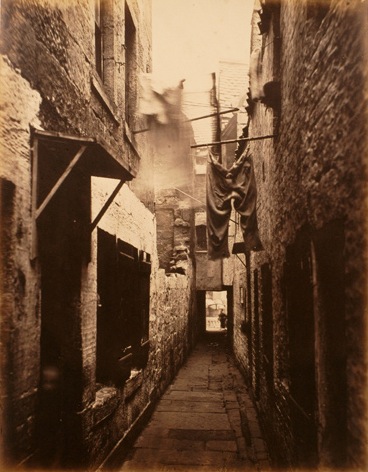
I walked from the station through George Square, where the City Chambers rose in an extravagance of Italian Renaissance marble that seemed entirely out of proportion for a city known primarily for shipbuilding. But Glasgow has always been a city of contrasts — grit beside grandeur, tenement beside townhouse, rain beside sudden sunshine that makes the red sandstone glow amber. My feet carried me along Buchanan Street toward the West End, and I noticed how the architecture shifted from Victorian commercial to Edwardian residential, each block telling a different chapter of the city's story. I felt the warmth of weak Scottish sunlight on my face as I crossed Kelvingrove Park, and for a moment the rain held off long enough for me to see the University of Glasgow's Gothic tower silhouetted against a sky the color of brushed steel.
Kelvingrove Art Gallery stopped me cold. I had expected a regional museum with a few decent paintings. Instead I found a red sandstone palace housing twenty-two galleries of astonishing range — Dali's Christ of St John of the Cross hanging impossibly above a Mark X Spitfire, Old Masters beside Charles Rennie Mackintosh furniture, Egyptian mummies near a stuffed elephant. The building itself smelled of polished wood and old stone, and my footsteps echoed against tile floors that millions of Glaswegians have walked since 1901. I sat beneath the Dali for twenty minutes, watching the light change through stained glass windows while organ music drifted up from somewhere below. Although I have stood in the Louvre and the Met, I realized this free museum in a rainy Scottish city moved me more deeply than either. Sometimes the places that ask nothing of you give the most.
Glasgow Cathedral was darker and quieter. I descended into the lower church where St Mungo's tomb sits in a forest of stone pillars, and the cold air touched my skin like fingers reaching across eight centuries. The silence down there felt heavy with prayer and memory. I whispered a quiet prayer of my own — for safe travels, for gratitude, for the privilege of standing where medieval pilgrims once knelt. The smell of damp stone mingled with the faint sweetness of old candle wax, and I understood why this building has survived when so much else in Glasgow has been torn down and rebuilt. Some things persist because they hold something the city cannot afford to lose.
For lunch I found a chip shop near the Barras market where my fish supper cost £8.50 and came wrapped in paper so hot it nearly burned my fingers. The batter was crisp and golden, the fish flaky and white inside, and I ate standing on the pavement while rain dotted my jacket. A man at the next table nodded and said "no bad, eh?" and I agreed. Yet the real discovery was the Riverside Museum near the shipyards — Zaha Hadid's jagged zinc building housing Glasgow's transport collection. I saw the oldest surviving bicycle in Scotland, a wall of model ships, and a recreated 1930s Glasgow street complete with a functioning pub facade. My wife tasted the shortbread samples at the gift shop and bought three boxes. The cost was £4.50 per tin, and worth every penny.
I spent my last hour walking back through Kelvingrove Park as the rain returned. The park smelled of wet grass and earth and the particular green freshness that only Scottish rain produces. Joggers passed without umbrellas, students from the university hurried with books under their arms, and a father pushed a pram while singing something in Gaelic that I could not understand but felt in my chest. Despite the grey sky, despite the drizzle, despite my sore feet and the long train ride ahead, I did not want to leave. Glasgow had surprised me the way only honest places can — not with polish or performance, but with the quiet confidence of a city that knows exactly what it is and does not need you to approve. What I learned in Glasgow changed how I approach every port: stop looking for the famous thing, and start looking for the real thing. They are rarely the same.
The Cruise Port
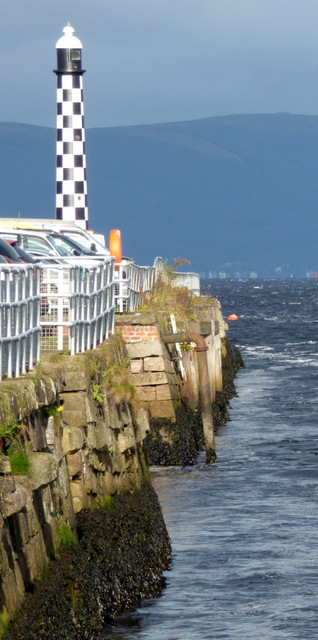
Docking Location: Cruise ships dock at Greenock Ocean Terminal on the Firth of Clyde, approximately 40 kilometres (25 miles) west of Glasgow city centre. The terminal is a dedicated cruise facility with basic amenities including restrooms and a small information desk. Tour operators and taxis wait outside the terminal building on port days.
Getting to Glasgow: ScotRail trains run from Greenock Central station to Glasgow Central every 30 minutes, taking about 45 minutes. The fare is approximately £10 return. Taxis charge around £45-55 each way. Ship excursions and shuttle buses are also available. The train is the most reliable and affordable option for independent travelers.
Accessibility: The terminal itself is flat and wheelchair accessible. Greenock Central station has step-free access. Glasgow Central station has lifts and ramp access. Low stamina level for the terminal area; moderate stamina needed for exploring Glasgow on foot due to hills in some neighborhoods.
Getting Around
Train (Greenock to Glasgow): ScotRail services from Greenock Central to Glasgow Central run every 30 minutes and take about 45 minutes. Return tickets cost roughly £10. This is the most practical option for cruise visitors and avoids road traffic on the A8. Trains are wheelchair accessible with designated spaces and ramps at stations.
Glasgow Subway: Glasgow's subway — locals call it the "Clockwork Orange" for its circular route and orange carriages — connects 15 stations across the city centre and West End. A single journey costs £1.90, a day pass £4.20. Useful for reaching Kelvingrove, the University, and Hillhead. Some stations have lift access though older ones have stairs only.
Buses: First Glasgow operates an extensive bus network across the city. The hop-on hop-off sightseeing bus costs about £17 and covers major attractions including the cathedral, George Square, and the West End. Standard city buses accept contactless payment.
Walking: Glasgow city centre is walkable, though hillier than it appears on maps. From Glasgow Central station to Kelvingrove is about 25 minutes on foot through the park. Comfortable shoes are essential as pavements mix flagstone, cobbles, and modern concrete. Rain gear is non-negotiable regardless of forecast.
Taxis: Black cabs are plentiful in Glasgow and use meters. A ride from Glasgow Central to Kelvingrove costs roughly £6-8. Uber also operates in the city. From Greenock terminal to Glasgow city centre, expect to pay £45-55 each way by taxi.
Glasgow Port Map
Interactive map showing Greenock Ocean Terminal, Glasgow city centre attractions, and key points of interest.
Excursions & Activities
Glasgow City Highlights — Independent by Train (£10 return, 4-6 Hours)
Take the train from Greenock Central to Glasgow Central and explore independently. Kelvingrove Art Gallery (free), Glasgow Cathedral (free), George Square, and the Riverside Museum (free) are all reachable on foot or by subway. Budget £10 for the train, £4.20 for a subway day pass, and £10-15 for lunch. This is the most flexible and affordable way to experience Glasgow. Ship excursion versions of the Glasgow highlights tour typically cost £65-85 per person and cover similar ground with a guide. Go independently if you are comfortable navigating public transport. Low to moderate stamina level depending on how much walking you choose.
Loch Lomond and Trossachs National Park (£55-95 ship excursion, 5-6 Hours)
Scotland's first national park lies about an hour north of Greenock. The scenery includes lochs, mountains, and forests celebrated in song and literature since the 18th century. Ship excursions typically include a coach ride through the Highlands, a stop at the bonnie banks, and sometimes a short boat cruise on the loch. Independently, you can hire a taxi or join a local tour from Greenock for roughly £40-60 per person. The terrain at lakeshore stops is mostly flat and accessible for wheelchair users, though trails into the hills require moderate stamina. Bring layers as Highland weather shifts quickly.
Edinburgh Day Trip (£85-120 ship excursion, 8-10 Hours)
Scotland's capital is roughly 1.5 hours from Greenock by road or a combination of train connections. Edinburgh Castle admission costs £19.50 adults. The Royal Mile and Arthur's Seat are free to explore. Ship excursions provide transport and a guided overview, typically costing £85-120 per person. Going independently by train requires a connection in Glasgow and costs about £25-30 return total, but allows more flexibility. This is a full-day commitment. Moderate to high stamina level due to Edinburgh's steep hills and cobblestone streets. Wheelchair users should note that Edinburgh's Old Town has significant inclines.
Whisky Distillery Tour (£45-75 ship excursion, 3-4 Hours)
Lowland distilleries like Auchentoshan and Glengoyne sit within an hour of Greenock. Tours include the production process, warehouse visits, and guided tastings. Auchentoshan charges about £15 for a standard tour; Glengoyne from £12.50. Ship excursions bundle transport and tour for £45-75 per person. Book independently through the distillery websites if you prefer to go on your own. Distillery tours involve walking and standing for 60-90 minutes. Low stamina level on flat ground, though some areas have stairs.
Charles Rennie Mackintosh Architecture Trail (Free-£10, 3-4 Hours)
Glasgow's most famous architect left his mark across the city. The Lighthouse (free, Scotland's Centre for Design and Architecture), Glasgow School of Art exterior, Willow Tea Rooms (afternoon tea from £25 per person), and the Mackintosh House at the Hunterian Museum (£8) form a walkable trail through the city centre and West End. Go independently — no ship excursion needed. Moderate stamina level with city walking.
Depth Soundings
The Distance Problem: Glasgow's biggest drawback as a cruise port is that you are not in Glasgow. The 40 km between Greenock and the city means you lose at least 90 minutes of your port day to travel. However, the train ride along the Clyde is scenic, and the cost is modest at roughly £10 return. Budget your time carefully.
Weather Honesty: Glasgow averages 170 rainy days per year. Summer temperatures hover around 15-19 degrees Celsius, which feels cool compared to Mediterranean ports. Yet the rain is part of Glasgow's character — it makes the sandstone glow, keeps the parks impossibly green, and gives you an excuse to duck into one of the city's excellent pubs or cafes. Nevertheless, waterproof layers are not optional. Even in July, a dry day in Glasgow is the exception rather than the rule.
Time Pressure: With travel time eating into your port day, you need to choose between Glasgow and day-trip destinations like Edinburgh or Loch Lomond. Trying to do both Glasgow and Edinburgh in one day is possible but exhausting and unsatisfying. Despite the temptation to see everything, picking one destination and exploring it properly yields a better experience than rushing between two.
The Free Museum Advantage: Glasgow's major museums — Kelvingrove, Riverside Museum, People's Palace, Gallery of Modern Art — are all free. This makes Glasgow exceptionally good value for cruise visitors, especially compared to ports where every attraction carries an entrance fee. Although the train and food will cost something, the core cultural experiences cost nothing.
Photo Gallery
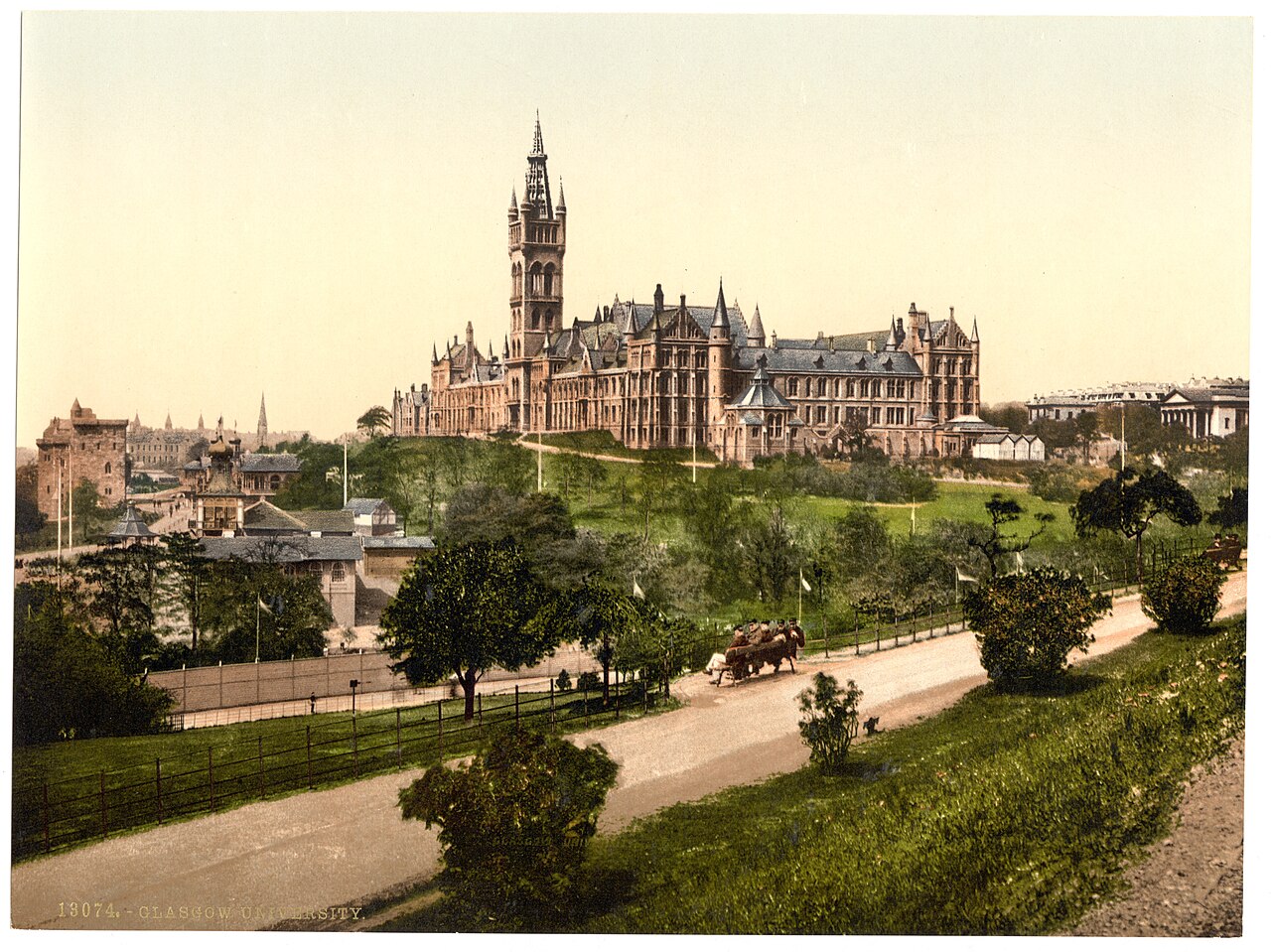
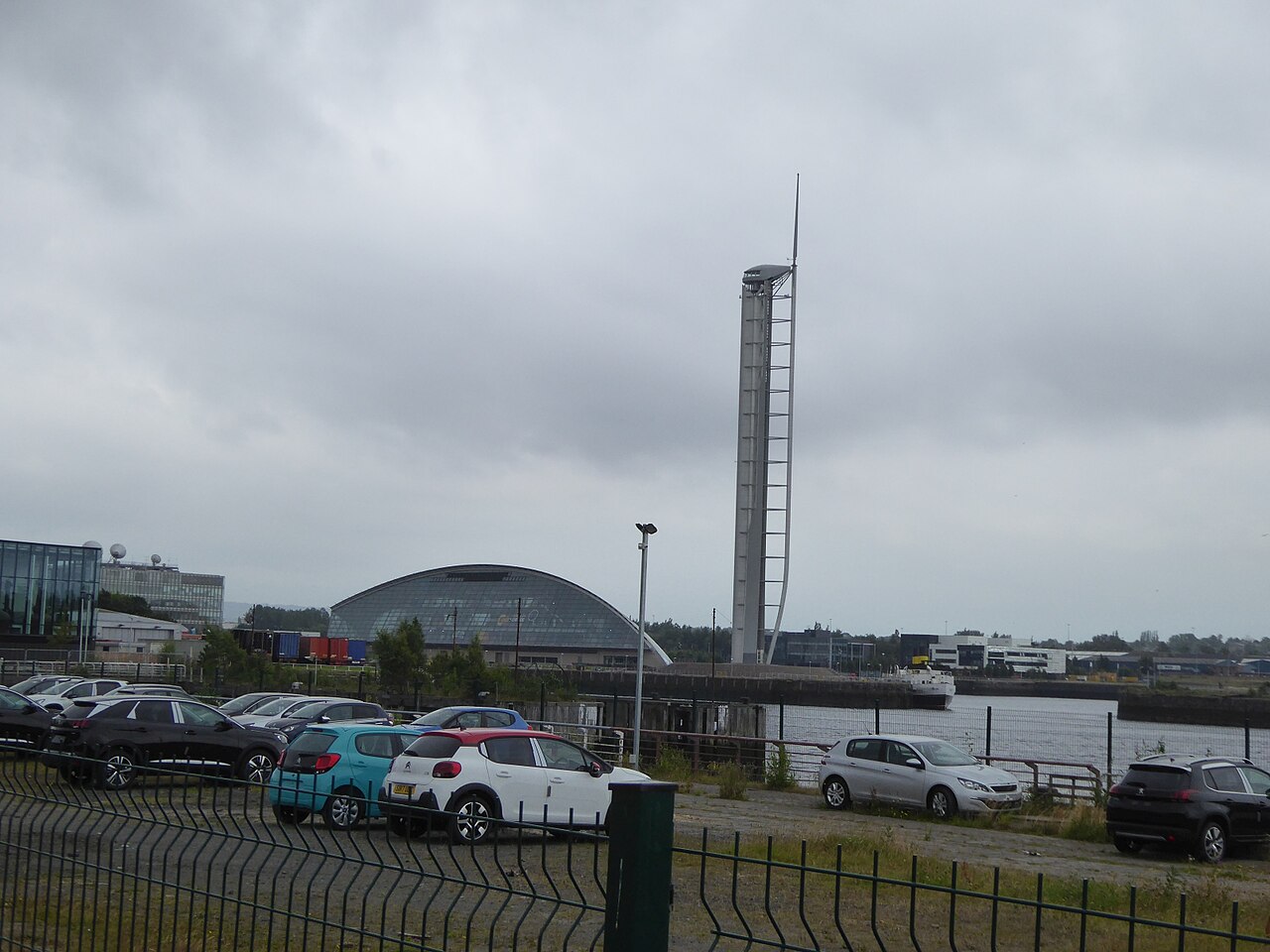
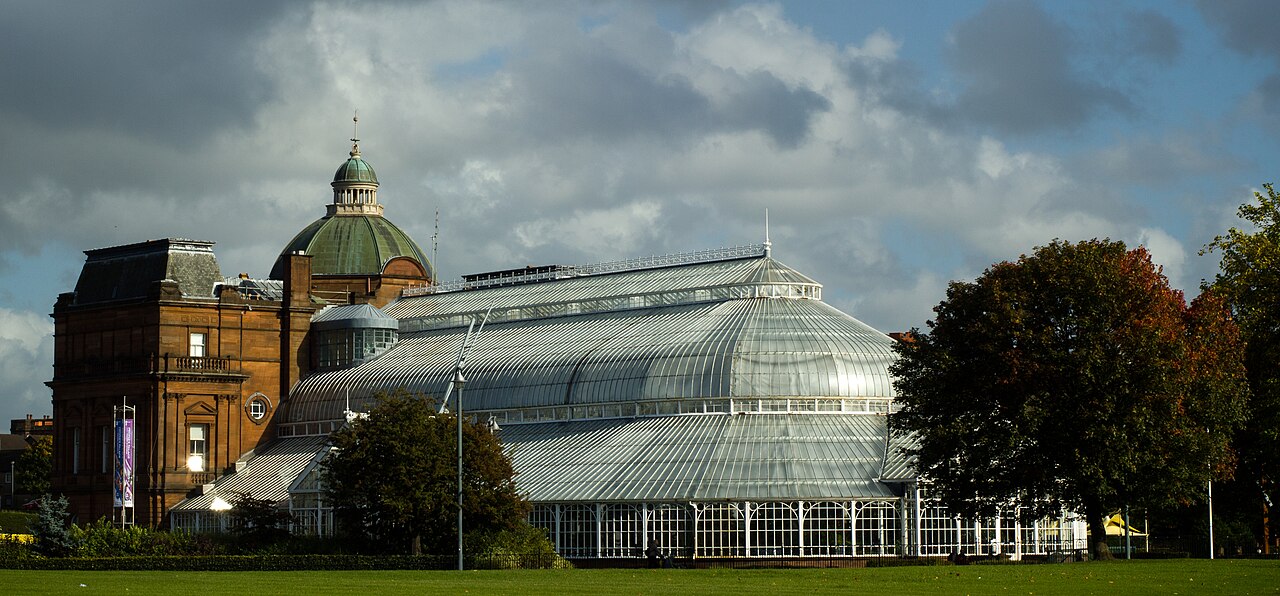
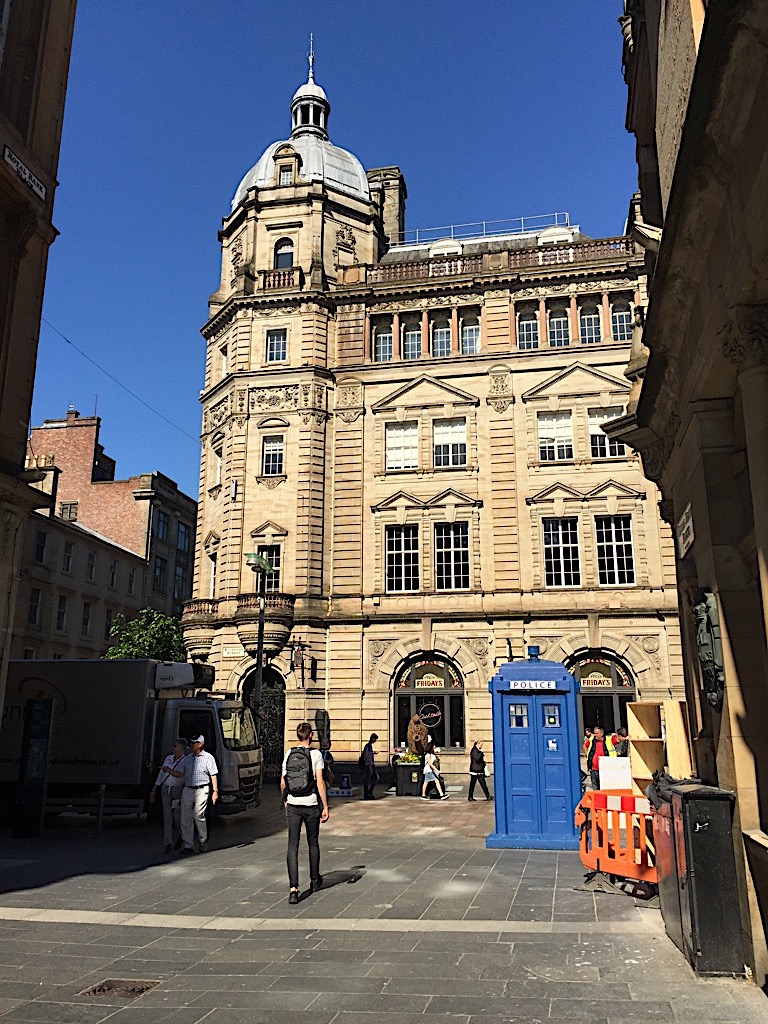
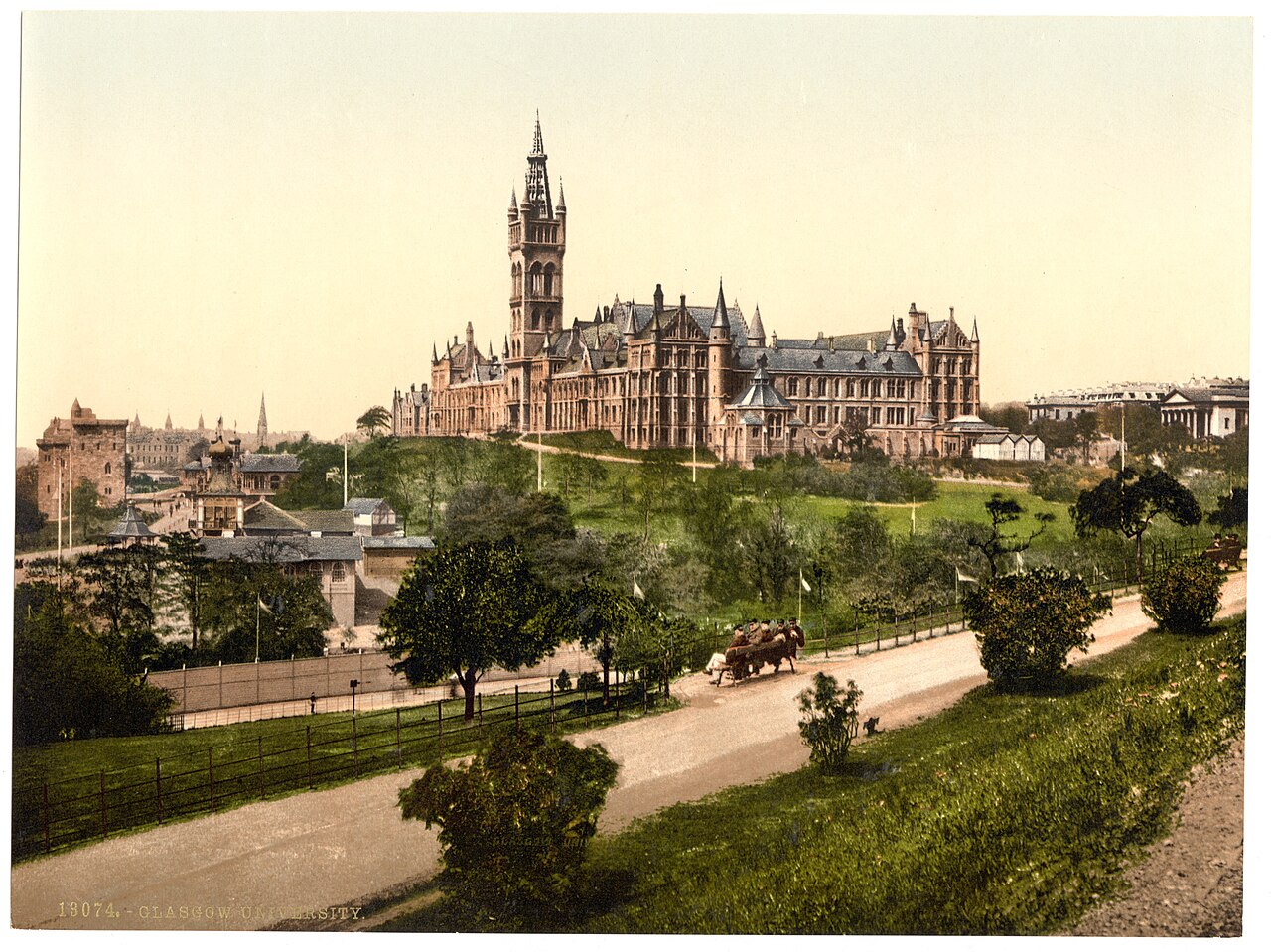
Photo Credits
All photographs used under Creative Commons or Public Domain licenses. Individual credits appear beneath each image. Sources include Wikimedia Commons contributors: Photochrom Print Collection, Thomas Annan, Glen Bowman, David Smith, Emmi Hakka, Robin Stott, Thomas Nugent, Richard Webb, and wfmillar. Full attribution details are available at the source links provided with each photograph.
Frequently Asked Questions
Q: How far is Greenock from Glasgow city centre?
A: About 40 km or 25 miles west. The ScotRail train takes 45 minutes from Greenock Central to Glasgow Central and costs roughly £10 return. Taxis charge about £45-55 each way.
Q: Can I visit Edinburgh on a Glasgow cruise day?
A: Yes, but it requires at least 8 hours of port time. The journey from Greenock is roughly 1.5 hours each way by road. Ship excursions simplify the logistics considerably.
Q: Is Kelvingrove Art Gallery really free?
A: Yes, admission is entirely free and donations are welcome. The collection includes Dali, Old Masters, Mackintosh furniture, and a suspended Spitfire aircraft. Open daily from 10am.
Q: What currency does Glasgow use?
A: British Pound Sterling (GBP). Scottish banknotes are legal tender but sometimes cause confusion in English shops. Contactless cards and chip-and-pin are accepted widely throughout the city.
Q: Is Glasgow walkable from Greenock?
A: No. Greenock is 40 km from Glasgow. You will need a train, bus, taxi, or ship excursion to reach the city centre. Greenock itself has limited attractions for cruise visitors.
Q: What should I pack for Glasgow's weather?
A: Glasgow is mild but rainy year-round. Summer temperatures average 15-19°C with frequent showers. Pack waterproof layers and comfortable shoes regardless of the forecast. A dry day is the exception. Warm layers matter even in midsummer; the Packing Tips section in the seasonal panel above adds windproof essentials for the Firth-coast Greenock approach.
Q: When is the best time to visit Glasgow?
A: The Scottish cruise season runs May-September. June-August offers the warmest weather (15-19°C highs) and the longest daylight. May and September are transitional with thinner crowds at Kelvingrove and the Cathedral. Winter cruise calls are infrequent — Glasgow winters are dark, cold, and reliably wet. The live weather widget in the seasonal panel above is the primary source for short-term conditions on a specific sailing date.
Q: When is hurricane and storm season in Glasgow?
A: The Weather Hazards panel above labels Glasgow's heavy-weather window "Atlantic Storms & Year-Round Rain" with "Season: Oct – Mar (storm peak); rain year-round" and "Peak risk: Nov, Dec, Jan." Glasgow (Greenock pier) sits at ~55°N on Scotland's west coast — outside the tropical-cyclone tracks but firmly in the Atlantic-storm path. Late-season Atlantic hurricanes occasionally recurve toward the British Isles (see the UK Met Office for named storm history). The live weather widget in the seasonal panel above is the primary source for current conditions on a specific sailing date.
Q: Will rain ruin my Glasgow port day?
A: Scottish rain is part of the experience, and Glasgow is built for it. Kelvingrove Art Gallery (free, world-class), the Riverside Museum, Glasgow Cathedral, the SEC retail district, and the underground vaulted Buchanan Galleries are all substantially indoor. The train from Greenock keeps you dry getting in. Loch Lomond and Stirling excursions are more weather-sensitive — heavy rain or low cloud obscures the Highland scenery. The live weather widget in the seasonal panel above is the primary source for short-term forecasts on a specific sailing date.
Last reviewed: February 2026
I've sailed this port myself. This guide reflects conditions during my visit, supplemented by ongoing research from trusted sources and fellow cruisers. Verify current details with your cruise line before your voyage, and if you have been here recently, I would welcome hearing your experience.