


Captain's Logbook
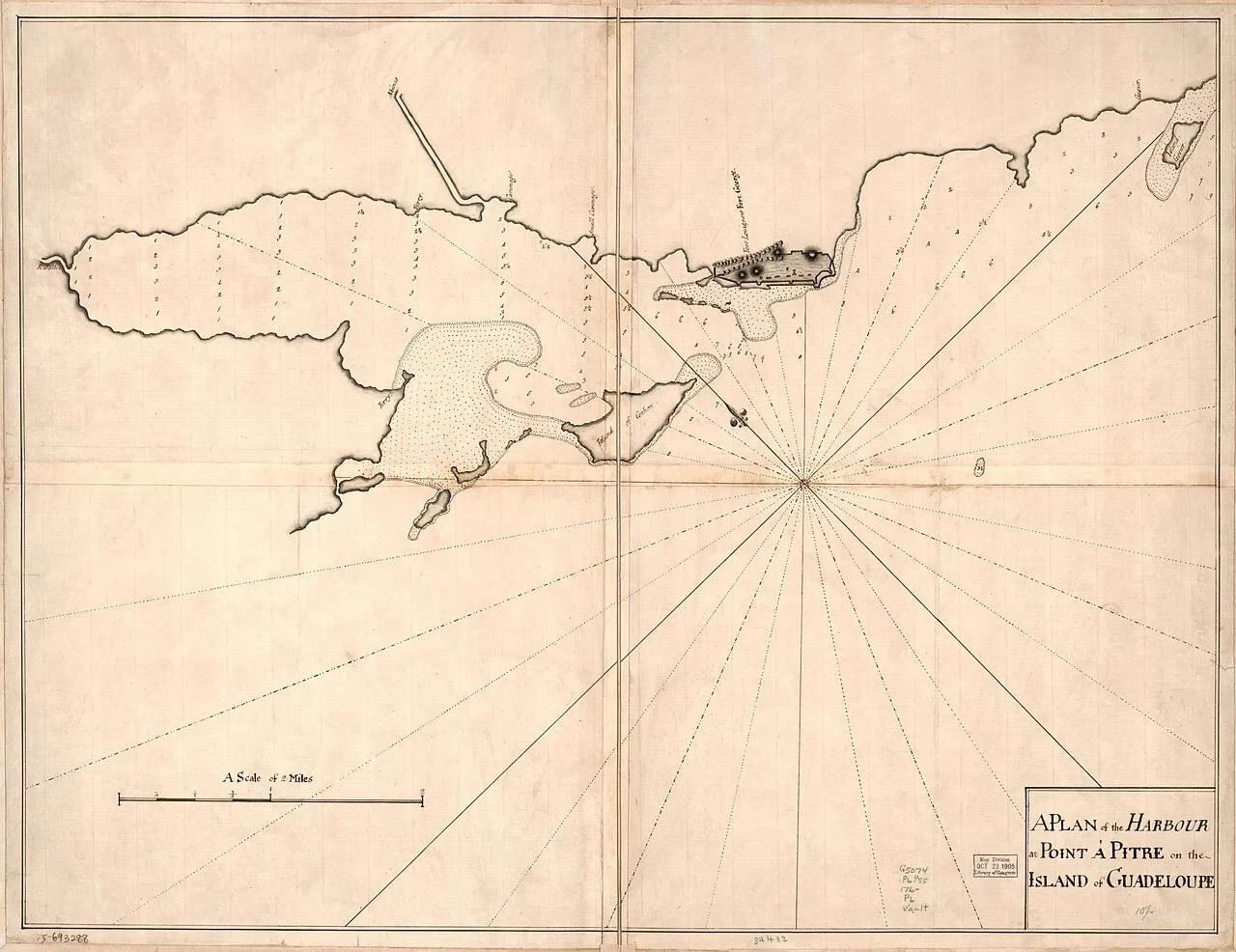
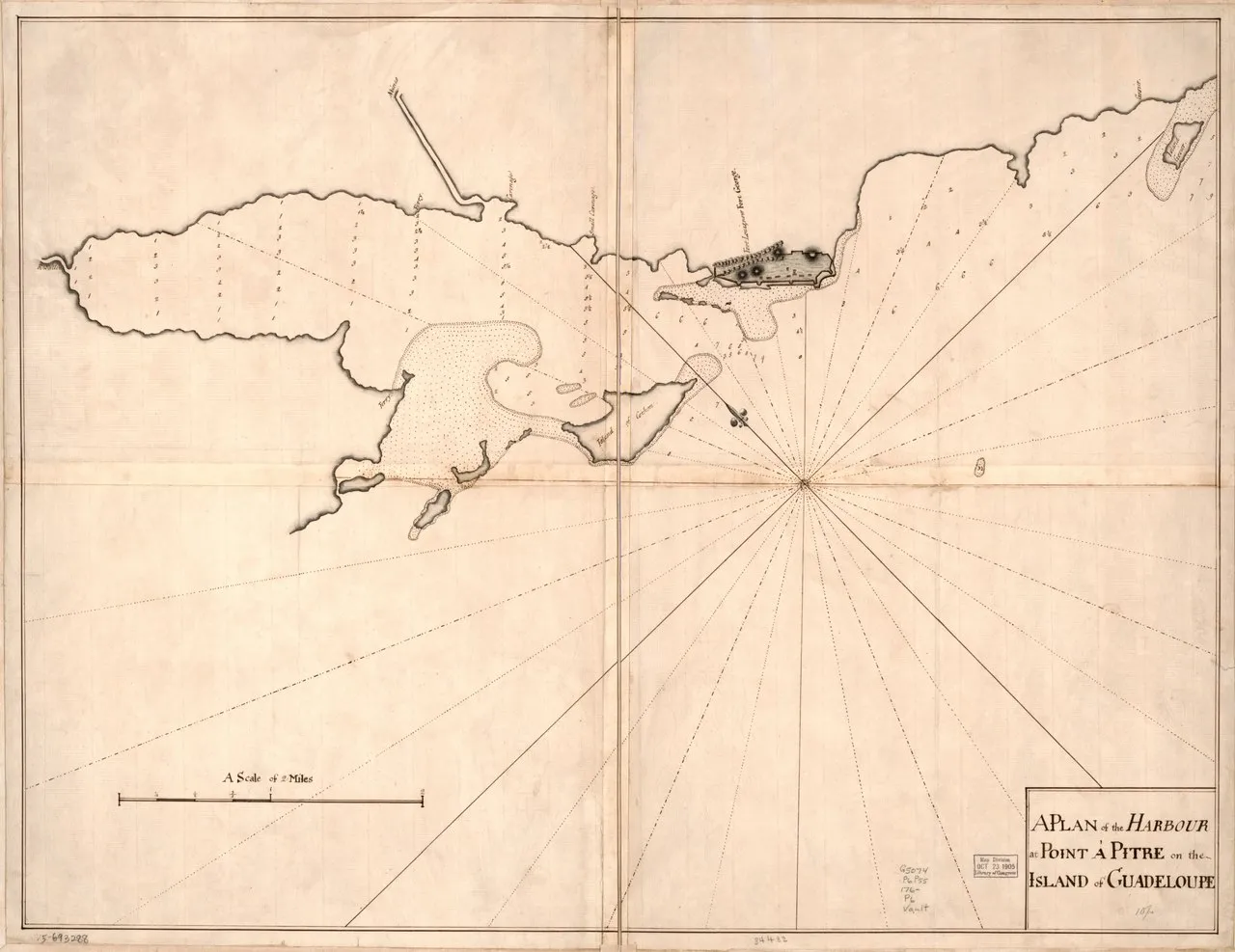
We sailed into Pointe-a-Pitre at sunrise and the first thing that hit me was the smell — warm baguettes and diesel fuel tangled together with frangipani drifting off the hills. I stood at the rail watching the harbour come into focus: a jumble of brightly painted market buildings, fishing boats with peeling blue hulls, and a cathedral spire catching the early light. My breath caught a little. This was not the sanitised Caribbean I had expected. This was France dropped into the tropics, and the collision was beautiful.
The cruise terminal itself is modern enough, but the second I stepped through the gate I was somewhere else entirely. Gendarmes in kepis stood at the roundabout. Women on scooters wove past with actual baguettes sticking out of their baskets. Every second shopfront was either a patisserie or a pharmacy, and I could not decide which I needed more. I ducked into the first bakery I found and bought a pain au chocolat that was still warm from the oven, its layers cracking apart as I bit into it. Butter and chocolate melted across my tongue and I closed my eyes right there on the pavement. My wife laughed at me, but I did not care. That single pastry told me everything about what kind of day this would be.
From the air, Guadeloupe looks like a butterfly floating on the sea — two wings connected by a narrow salt river called the Riviere Salee. The locals call it Karukera, the Carib name meaning Island of Beautiful Waters, which Columbus heard when he landed here on 4 November 1493. Grande-Terre to the east is rolling sugarcane fields and white-sand coves, while Basse-Terre to the west rises sharply into cloud forest, banana groves climbing the flanks of La Soufriere, an active volcano that stands 1,467 metres above the waterline. The French claimed Guadeloupe in 1635, and they valued it so highly that they traded the whole of Canada for it in 1763. Today it remains a full French overseas department: euros in your pocket, tricolour on the flagpole, bureaucracy in triplicate, and butter in everything. I found that history fascinating, and it taught me something about how empires assign value to land.
We hired a taxi for the day — a negotiation that took ten minutes and three rounds of friendly back-and-forth before we agreed on a price of EUR 200 for a full island loop. Our driver, a man named Marcel with a deep laugh and a rattling Peugeot, drove us first to Sainte-Anne beach on Grande-Terre. The road wound past sugarcane fields and crumbling stone walls, past villages where old men played dominoes under mango trees and roosters wandered across the street without urgency. When we reached Sainte-Anne, I understood why people come back here year after year. The sand was white and fine, the water shifted from turquoise to deep sapphire as it deepened, and coconut palms leaned over the shore at angles that looked engineered for photographs. We rented two loungers for EUR 10 each and I swam out to the reef line with my mask and snorkel. I saw massive brain coral heads the size of washing machines, schools of sergeant majors flashing yellow and black, a porcupinefish that puffed up indignantly when I drifted too close, and — the moment that stopped me — a hawksbill turtle with a shell the colour of polished mahogany, gliding through the seagrass with the sort of unhurried grace that reminded me how little control I actually have over anything. I floated there watching her until my fingers pruned and the sun had moved two handspans across the sky.
Lunch was at a beachside bokit stand: fried dough pockets stuffed with salt cod accras, shredded lettuce, and a spicy sauce that made me hiccup. I washed it down with the finest ti' punch of my life — agricole rhum, a squeeze of lime, and just enough cane syrup to soften the edges. The rum was grassy and sharp, nothing like the sweet molasses spirit I was used to back home. I sat on a plastic chair with my feet in warm sand, listening to zouk music drifting from a speaker wired to a car battery, and I thought: this is what the Caribbean sounds like when it speaks French. The contrast between the refinement of the pastry and the roughness of the bokit stand struck me. Both were authentic. Both were Guadeloupe. Neither apologised for the other.
After lunch Marcel drove us across the Riviere Salee to Basse-Terre, and the island changed utterly. The flat sugarcane gave way to steep jungle hillsides dripping with moss and ferns. Waterfalls appeared around bends in the road, thin silver threads tumbling down black volcanic rock. The air grew cooler and heavier with moisture. We stopped at the Carbet Falls viewpoint and I stood at the railing staring at three cascades plunging into a green canyon while mist settled on my arms and soaked through my shirt. I could hear tree frogs singing from somewhere in the canopy, a high-pitched chorus that sounded almost electronic. The smell was wet earth and rotting leaves and something floral I could not name — rich and alive in a way that made my suburban lawn back home feel like a parking lot. I whispered a quiet prayer of gratitude standing there, because the sheer extravagance of that place felt like a gift I had done nothing to earn.
We did not have time for the full La Soufriere summit hike — Marcel said it takes four to five hours round trip and the trail was socked in with cloud — but we drove partway up and I could feel the volcano's presence, a heaviness in the ground and a faint sulphur tinge in the air. On the way back down we stopped at a rum distillery, Domaine de Severin, where a woman in a floral dress walked us through the cane-crushing process, the fermentation vats bubbling like swamp water, and the copper stills gleaming in the afternoon light. I tasted three vintages of rhum vieux, the oldest aged seven years in French oak, and I learned that agricole rum — made from fresh cane juice rather than molasses — has a complexity that surprised me. It was like discovering that the cousin you always underestimated actually has a doctorate.
Back in Pointe-a-Pitre before the ship's horn, I walked through the Marche Saint-Antoine with its rainbow piles of spice — colombo powder, cinnamon bark, vanilla pods the length of my hand. I bought a jar of colombo and a bundle of vanilla that still makes my kitchen smell like that afternoon whenever I open the cupboard. The market women called out in Creole and laughed when I fumbled my French, but they were patient and warm once I made the effort. That warmth was not automatic; it had to be earned with a genuine bonjour and the willingness to look foolish. However, once it arrived, it was generous and real in a way that tourist-facing smiles rarely are.
The things I would have done differently: I would have brought more euro cash because several market stalls and the bokit stand did not accept cards. I would have started earlier — the best light on Basse-Terre is morning light, and by afternoon the volcano summit was lost in cloud. And I would have tried harder with my French, because every small effort was rewarded tenfold. Guadeloupe taught me that the French Caribbean is not a diluted version of mainland France or a polished version of the islands. It is something entirely its own — a place where a perfect croissant and a roadside accra stand exist three blocks apart, where volcanic jungle and white sand are separated by a twenty-minute bridge crossing, and where the rhythm of life is neither hurried nor lazy but something in between that I have not found a word for. I learned that real travel is not about collecting sights. It is about being caught off guard by a place that refuses to be what you expected.
Weather & Best Time to Visit
The Cruise Port
Ships dock at the modern cruise terminal in Pointe-a-Pitre on the Grande-Terre side of the island. The terminal sits within walking distance of downtown, roughly a ten-minute stroll past the marina to Place de la Victoire. Inside the terminal building you will find a small tourist information desk, a few souvenir shops, and taxi dispatchers who can arrange fixed-rate transport. There is no tendering here — large ships berth directly at the pier.
ATMs near the terminal dispense euros. Credit cards are accepted at larger shops and restaurants but many market stalls, bokit vendors, and smaller establishments deal only in cash. The terminal area is flat and wheelchair-accessible at ground level, though the older streets of Pointe-a-Pitre have uneven pavements and narrow sidewalks. Taxis gather at the port exit with posted rate sheets. Negotiate the price before departing, especially for full-day or round-island tours.
Getting Around
Taxis are the most practical option for cruise visitors. Rates are posted at the terminal but always confirm the price before you get in. Expect roughly EUR 30-40 to Sainte-Anne beach, EUR 50-60 to the Carbet Falls area on Basse-Terre, and EUR 150-200 for a full-day island tour with stops. Drivers speak French and varying degrees of English. Tipping is not expected but a few euros are appreciated for good service.
Local buses run from the Bergevin terminal in Pointe-a-Pitre to destinations across both islands. Fares are about EUR 1-2 per ride, making them extremely affordable. However, schedules are irregular, buses can be crowded, and route signs are in French only — not ideal if you are on a tight ship schedule. For independent travellers with confidence driving on the right, car rental agencies operate near the port from roughly EUR 40-55 per day for a compact vehicle. Roads on Grande-Terre are decent; roads on Basse-Terre are winding and steep in places. Wheelchair-accessible taxis can be arranged with advance notice through the cruise terminal desk. The flat terrain around Pointe-a-Pitre makes downtown walkable for most mobility levels, though uneven pavement and narrow sidewalks can be challenging for power chairs or heavy scooters.
Guadeloupe Area Map
Interactive map showing cruise terminal and Guadeloupe attractions. Click any marker for details.
Shore Excursions
Booking guidance: Ship excursion packages guarantee your return to port. Independent local operators typically charge less. Book ahead for popular tours during peak cruise season — these fill up when multiple ships are in port. Reserve in advance where possible.
Sainte-Anne Beach Day
The go-to beach for cruise visitors on Grande-Terre, about 35 minutes by taxi (EUR 30-40 one way). White sand, calm turquoise water, and reef snorkeling within wading distance. Lounger rental runs approximately EUR 10 per chair. Snorkel gear can be rented from beach vendors for EUR 8-12. Beachside bokit stands serve lunch for EUR 5-8. This is a low-energy option suitable for families, older travellers, and anyone who simply wants a beautiful Caribbean beach day without a complicated itinerary. Wheelchair access to the sand is limited but the paved promenade behind the beach offers shade and sea views.
Jacques Cousteau Reserve Snorkeling
The protected marine reserve off Pigeon Island on the Basse-Terre coast is considered among the finer snorkeling and diving sites in the Caribbean. Glass-bottom boat trips cost roughly EUR 25-35 per person and depart from Malendure beach. Guided snorkel tours run EUR 30-45 including gear. Scuba dives for certified divers start around EUR 55-70 per single tank. The reserve features coral gardens, sea turtles, parrotfish, and barracuda. This is a moderate-energy excursion: about an hour's drive from port each way plus time in the water. Book through a local dive operator such as Les Heures Saines or Plongee Caraibe, or reserve through your ship's excursion desk for guaranteed return.
La Soufriere Volcano Hike
The summit hike to the highest point in the Lesser Antilles takes roughly four to five hours round trip from the Bains Jaunes trailhead. The trail passes through cloud forest, across volcanic vents, and up to the 1,467-metre summit where views stretch across the archipelago on clear days. This is a high-energy excursion — proper hiking shoes, rain gear, and a litre of water per person are essential. The trailhead is about 90 minutes from the cruise terminal by taxi. No entry fee is charged. Guided hikes through the Guadeloupe National Park office or local operators cost roughly EUR 40-60 per person. Not recommended for those with mobility difficulties or breathing conditions due to the steep terrain and sulphur fumes near the summit.
Deshaies Botanical Garden
A lush tropical garden on the northern coast of Basse-Terre, about an hour's drive from the cruise port. Admission is approximately EUR 15.90 for adults and EUR 10 for children. The garden features tropical flowers, hummingbirds, koi ponds, and views of the Caribbean Sea. Paths are gravel and mostly flat, making this a low-to-moderate energy option. The adjacent village of Deshaies has waterfront restaurants where lunch runs EUR 15-25 per person.
Rum Distillery Tour
Guadeloupe produces rhum agricole — rum distilled from fresh sugarcane juice rather than molasses. Distilleries such as Domaine de Severin, Damoiseau, and Bologne offer tours and tastings for roughly EUR 5-12 per person. Most are on the Basse-Terre coast, about 30-60 minutes from port. The tours are self-guided at some distilleries and guided at others; check opening hours in advance as some close on Sundays. A distillery stop pairs well with a beach day or botanical garden visit on the same side of the island.
Local Food and Drink
- Bokit: Fried dough stuffed with salt cod, chicken, or vegetables — EUR 4-7 from street vendors
- Accras: Salt cod fritters, crispy and spiced — usually EUR 3-5 for a portion
- Ti' Punch: Rhum agricole, lime, cane syrup — EUR 3-5 at a bar or beach stand
- Colombo: Creole curry brought by Indian labourers — goat or chicken, EUR 10-15 at a local restaurant
- Pain au chocolat: French pastry, perfectly executed — EUR 1.50-2 at any boulangerie
Depth Soundings
My recommendation for Guadeloupe depends on your priorities and how much time you have in port. If you have a short call — six hours or less — stay on Grande-Terre. Taxi to Sainte-Anne beach, spend the morning snorkeling and eating bokits, and walk through the Pointe-a-Pitre spice market before reboarding. You will get a genuine taste of the French Caribbean without the stress of a long drive.
If you have a full day, cross to Basse-Terre. The volcanic side of the island is where Guadeloupe reveals its deeper character: cloud forest waterfalls, the sulphur vents of La Soufriere, and the Jacques Cousteau Reserve. Combine a morning at the Carbet Falls with an afternoon snorkel at Malendure beach and a rum distillery stop on the way back. However, budget at least ninety minutes each way for driving — the mountain roads are winding and you do not want to be racing the ship's horn.
For families with small children or travellers with limited mobility, Sainte-Anne offers the most comfortable experience: flat beach, calm water, and food vendors within walking distance of the loungers. The Deshaies Botanical Garden is another gentle option with mostly flat paths and shade throughout. Guadeloupe rewards those who make an effort — even a halting bonjour opens doors — but it does not punish those who simply want to lie on white sand and drink rum in the sunshine. Either way, bring euros in cash. Many of the places that make this island special do not take plastic.
Last reviewed: February 2026
Photo Gallery
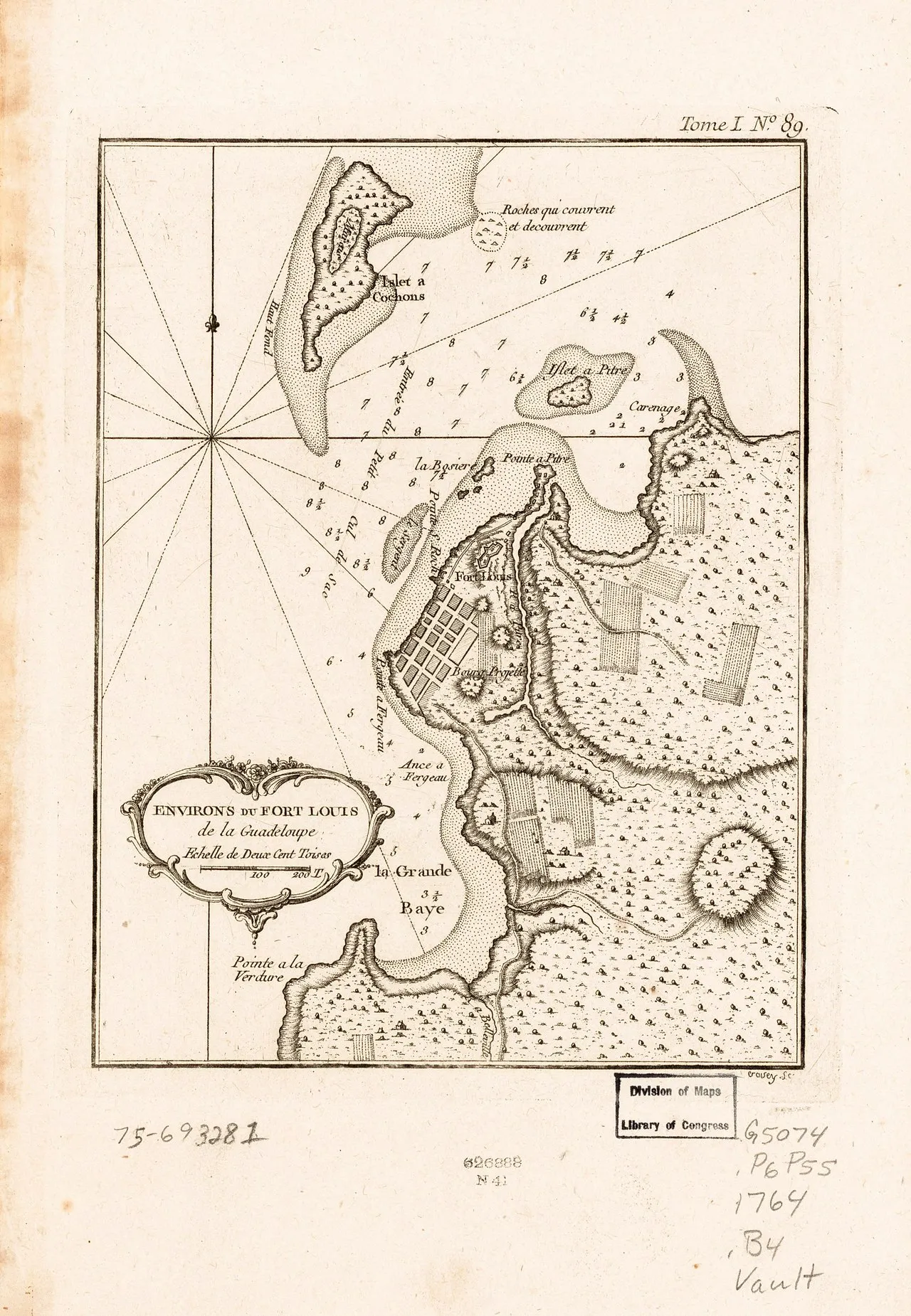
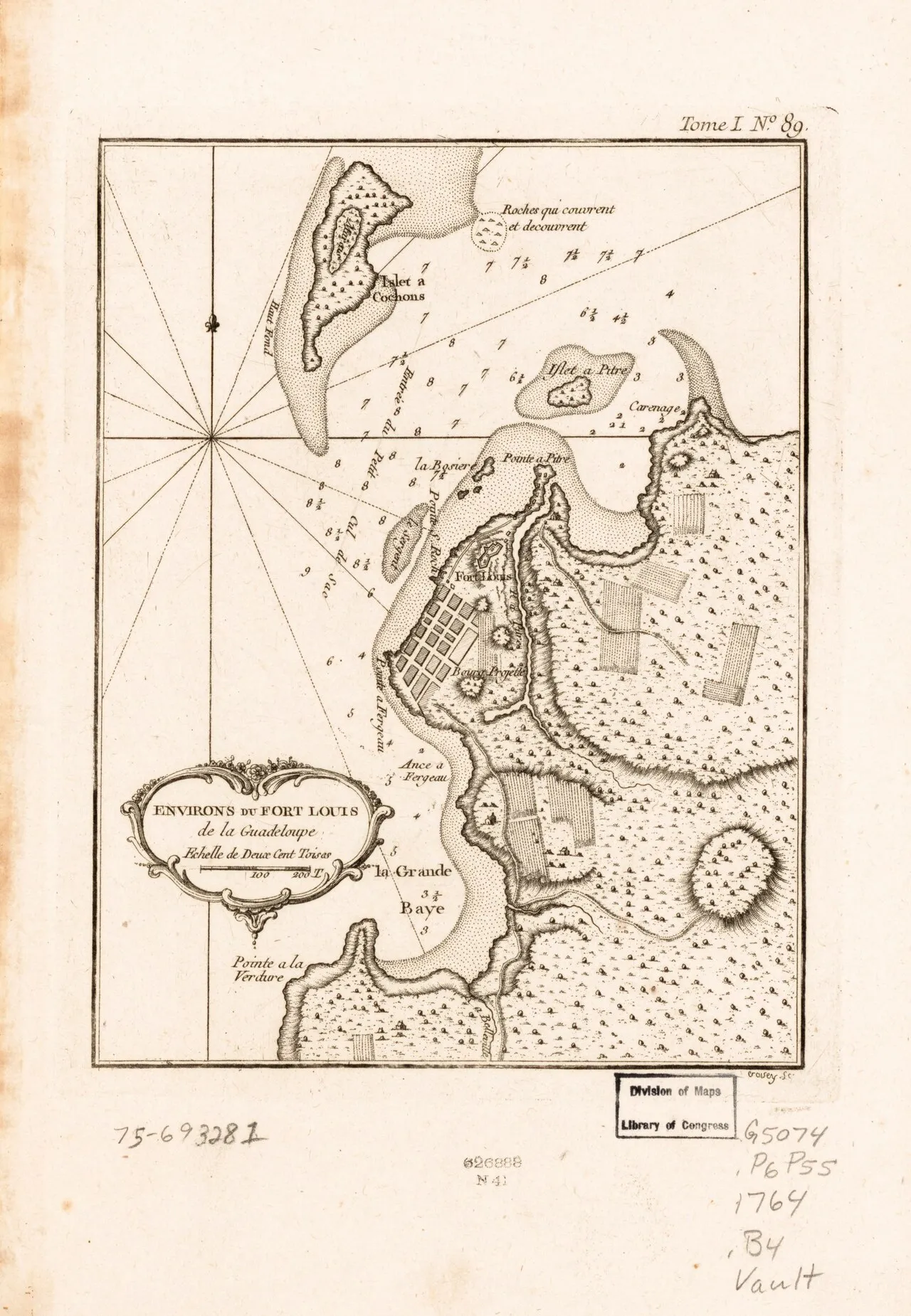
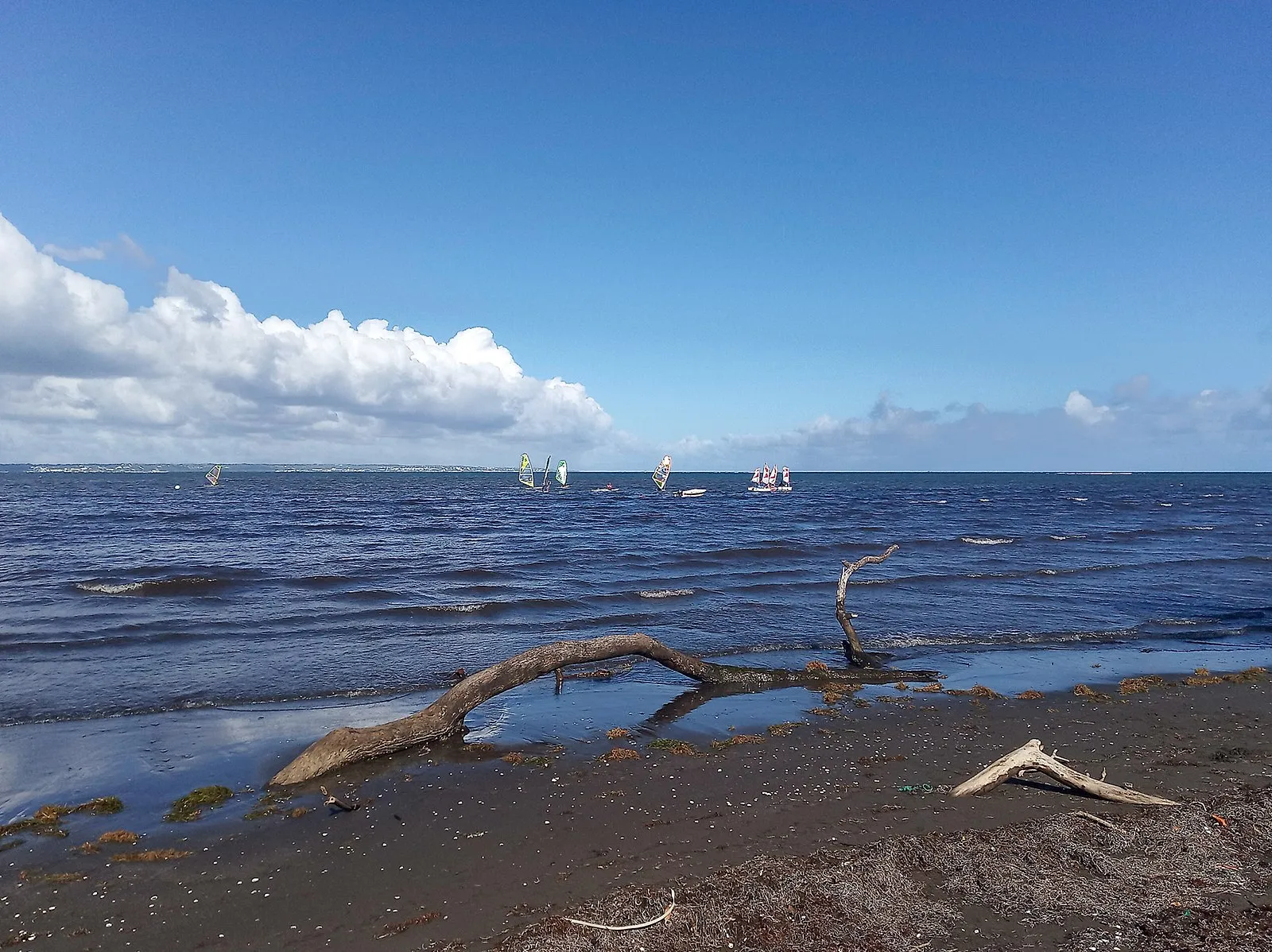
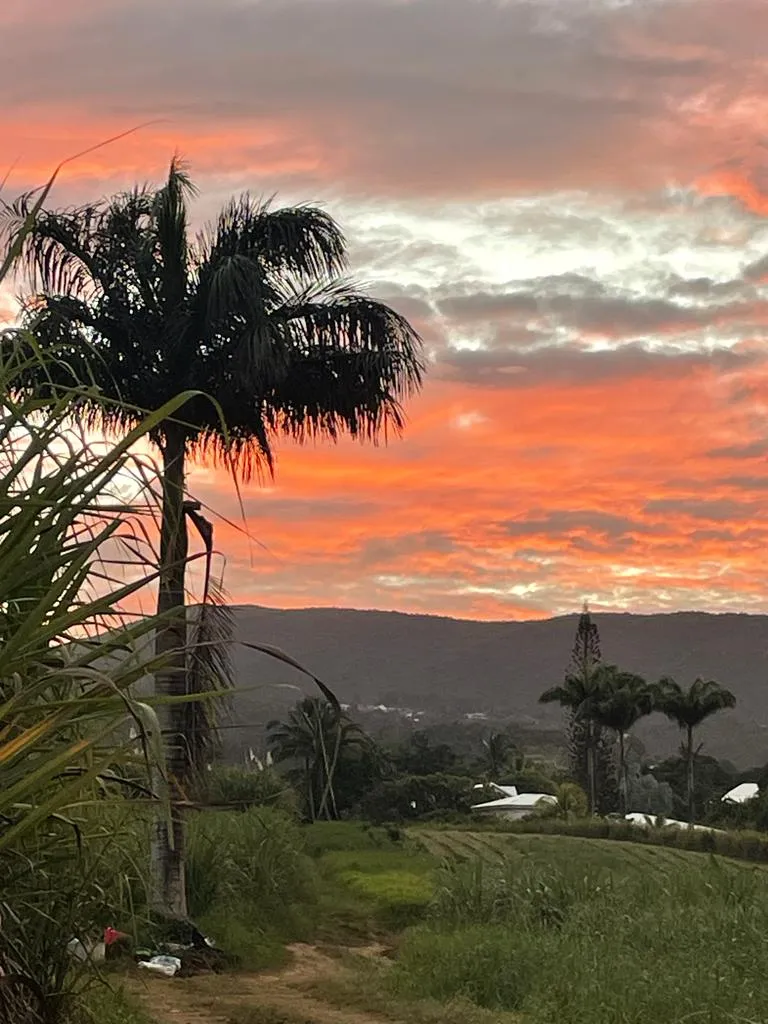


Image Credits
- guadeloupe-1.webp: Pointe-a-Pitre harbour — Wikimedia Commons (CC BY-SA)
- guadeloupe-2.webp: Carbet Falls — Wikimedia Commons (CC BY-SA)
- guadeloupe-3.webp: Sainte-Anne beach — Wikimedia Commons (CC BY-SA)
- guadeloupe-4.webp: Pointe des Chateaux — Wikimedia Commons (CC BY-SA)
- guadeloupe-5.webp: La Soufriere — Wikimedia Commons (CC BY-SA)
- guadeloupe-6.webp: Cousteau Reserve — Wikimedia Commons (CC BY-SA)
- guadeloupe-7.webp: Marche Saint-Antoine — Wikimedia Commons (CC BY-SA)
- guadeloupe-8.webp: Rhum distillery — Wikimedia Commons (CC BY-SA)
- guadeloupe-9.webp: Deshaies Botanical Garden — Wikimedia Commons (CC BY-SA)
- guadeloupe-10.webp: Place de la Victoire — Wikimedia Commons (CC BY-SA)
- guadeloupe-11.webp: Aerial view — Wikimedia Commons (Public domain)
Images sourced from Wikimedia Commons under Creative Commons licenses. All gallery images used under CC BY-SA or Public Domain.
Frequently Asked Questions
Q: Where do cruise ships dock in Guadeloupe?
A: Ships dock at the cruise terminal in Pointe-a-Pitre on Grande-Terre. Downtown is a 10-minute walk from the pier.
Q: What currency is used in Guadeloupe?
A: Guadeloupe is a French department so the currency is the euro. Bring cash — many market stalls and small vendors do not accept cards.
Q: Do I need to speak French?
A: French is the official language and Creole is spoken widely. English is limited outside tourist areas. Even basic phrases like bonjour and merci make a real difference.
Q: What is the best beach near the cruise port?
A: Sainte-Anne on Grande-Terre is about 35 minutes by taxi and offers white sand and calm snorkeling water. Plage de la Caravelle is another strong option nearby.
Q: Is Guadeloupe good for snorkeling?
A: Yes. The Jacques Cousteau Reserve off Pigeon Island on Basse-Terre is a protected marine area with coral, sea turtles, and tropical fish. Sainte-Anne also has reef snorkeling from shore.
Q: Can I hike the volcano on a port day?
A: The full La Soufriere summit hike takes four to five hours plus 90 minutes driving each way. It is possible on a long port day but tight. Start early and confirm your ship's departure time.
Q: When is the best time to visit Guadeloupe?
A: The glance Temperature reads "25-31 °C (77-88 °F) year-round; coolest Dec-Mar" and the Rain entry reads "Dry season Jan-May; wet season Jun-Nov with afternoon showers." The seasonal panel above lists Peak Season as Dec-Apr, with the avoidance note flagging "Sep, Oct" for "hurricane risk." The Wind entry adds: "Steady trade winds 15-25 km/h from the east year-round."
Q: When is hurricane season in Guadeloupe?
A: The hazard-note on this page reads: "Ships may reroute during active storms; travel insurance recommended. Hurricane Maria caused severe damage in 2017." The avoidance note in the Best Time block flags "Sep, Oct" for "hurricane risk." The Rain entry identifies "wet season Jun-Nov with afternoon showers." For current tropical-system status on a specific sailing date, the live weather widget in the seasonal panel above is the primary source.
Q: What should I pack for Guadeloupe's weather?
A: The glance Temperature reads "25-31 °C (77-88 °F) year-round" and Humidity "70-85% typical; higher Jun-Nov during wet season" — pack for warm humid conditions. The Packing Tips section lists "Sunscreen and sunglasses — essential year-round"; "Light layers for variable temperatures"; "Comfortable walking shoes for exploring"; "Rain jacket or compact umbrella." For wet-season sailings the rain jacket matters.
Q: Will rain ruin my Guadeloupe port day?
A: The glance Rain entry reads "Dry season Jan-May; wet season Jun-Nov with afternoon showers." The Best Time block's avoidance note flags "Sep, Oct" for "hurricane risk." The live weather widget in the seasonal panel above is the source for short-term forecasts on a specific sailing date.