


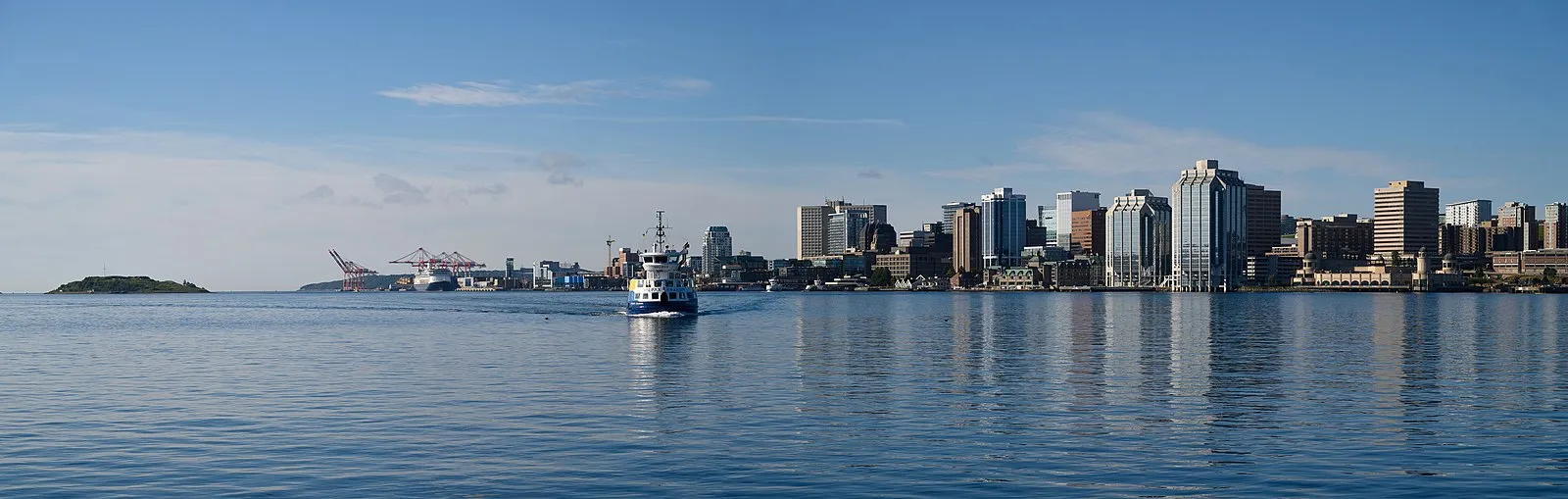
The pros of Halifax are clear: it is super walkable, the people are genuinely friendly and warm, and the seafood is outstanding. However, the weather can turn in ten minutes — we went from bright sunshine to sideways rain in one afternoon, and I was glad I had packed my jacket. Despite the occasional drizzle, every moment felt worthwhile. The waterfront boardwalk stretches 3 km end-to-end — ideal for stretching sea legs. Although the brewery tour books up fast, it is worth the effort to reserve online if possible.
The Moment That Stays With Me: Sitting on the waterfront at dusk with fish and chips in my hands, watching the Theodore Tugboat puttering around the harbor while a busker played "Barrett's Privateers" and the whole crowd sang along. For the first time in months, I felt completely at ease — no schedule, no rush, just the sound of laughter and waves and an old folk song carrying across the water. Something shifted in me that evening. I realized that travel is not about checking off destinations; it is about finding moments of quiet grace in unexpected places.Captain's Logbook
The City That Received the Dead
The bagpiper was playing "Amazing Grace" on the pier as we walked down the gangway, and my daughter — four years old, small enough that Halifax was still mostly legs and kneecaps to her — stopped and looked up at the sound with an expression I had never seen on her face before. Not fear. Not delight. Something closer to recognition, as if the pipes were speaking a language she already knew from somewhere she had never been.
We had booked this New England and Canada cruise for the fall colours. The itinerary promised Boston, Bar Harbor, Saint John, and Halifax, and I had circled Halifax on the cabin calendar not for any particular reason but because I liked the sound of the name. I knew almost nothing about the city. I knew it was in Nova Scotia. I knew, vaguely, that something bad had happened here a long time ago. What I did not know — what nobody had told me — was that this quiet, wind-scrubbed port at the edge of the Atlantic was the city that had received the Titanic's dead.
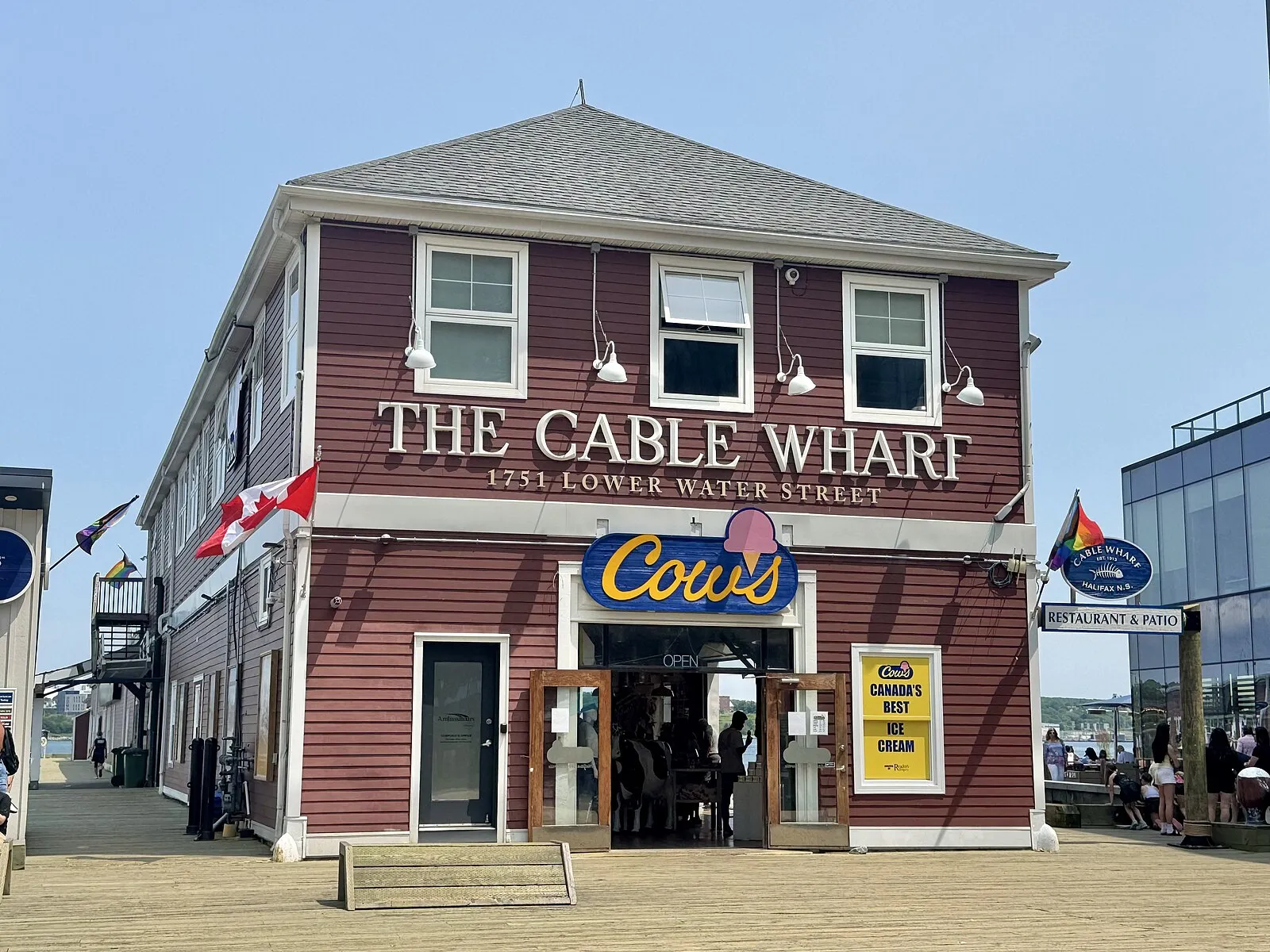
The waterfront boardwalk stretched south from the pier, flat and clean, the kind of walking path a stroller handles without complaint. My wife and I took turns pushing our daughter past old warehouses converted into shops and restaurants, past the Cable Wharf where a fisherman's bronze statue looked out over the harbour, past a busker playing fiddle beside a bench. The air smelled of salt and fried fish and cold autumn. We stopped at Cow's Ice Cream and I ordered a scoop of something absurd — Gooey Mooey — and my daughter tried to lick it faster than it melted. The harbour was bright grey, the sky a slightly paler grey, and somewhere beyond the harbour mouth the Atlantic opened toward the place where, on April 15, 1912, over fifteen hundred people died in water so cold it killed them in minutes.
We reached the Maritime Museum of the Atlantic before the crowds. The Titanic gallery is small — a single room, really — but the objects in it stop you. A deck chair, the only surviving one. A child's shoes. A fragment of the grand staircase carved in oak. Letters that were never sent. I stood in front of a display case containing a list of the dead, arranged by class — first, second, third, crew — and the arithmetic of who was saved and who was not was as damning as any sermon I have heard. Of the 710 third-class passengers, 174 survived. Of the 325 first-class passengers, 202 survived. My daughter was pulling at my hand. I picked her up and held her against my chest and kept reading.
The museum also tells the story of the 1917 Halifax Explosion — a munitions ship colliding with a relief vessel in the harbour narrows, the largest man-made explosion before Hiroshima, which killed nearly two thousand people and levelled the city's north end. Halifax rebuilt. Then in 1945, another magazine explosion. Halifax rebuilt again. This city has been knocked down so many times that endurance is not a civic virtue here — it is the baseline.
We took a taxi to Fairview Lawn Cemetery that afternoon. My daughter was asleep in her car seat by the time we arrived. I carried her against my shoulder while we walked the rows. The graves are arranged in the shape of a ship's hull — I did not know that until I saw the aerial photograph on the cemetery map. One hundred and twenty-one Titanic victims lie here, their headstones small grey slabs engraved with a number, a name when known, a date: April 15, 1912.
I found the grave of the unknown child. His name was Sidney Leslie Goodwin — they identified him through DNA in 2007, nearly a century after the sinking. He was nineteen months old. My daughter stirred against my shoulder, warm and heavy with sleep, and I understood with a suddenness that hollowed me out that Sidney Goodwin had been almost exactly her age. A child who liked being carried. A child who had no say in getting on that ship. I put my hand on the headstone and wept, and my wife stood beside me and did not say anything, because there was nothing to say.
Looking back, Halifax taught me something about dignity. This city received the Titanic dead when nobody else would. Local fishermen pulled bodies from the water. Local churches held the funerals. Local cemeteries gave them plots. Halifax did not ask for this burden. It was simply the closest port, and being closest meant being responsible. I think about that when I consider my own responsibilities — the ones I did not choose, the ones that arrived because I happened to be near. My daughter will grow up not remembering the bagpiper or the cemetery or the way her father cried beside a stranger's grave. But I will. And I will try to be the kind of person who, when the wreckage floats in, goes out to meet it instead of turning away.
The Cruise Port

Halifax's cruise terminal sits right in the heart of downtown, making it one of the most convenient port arrivals in all of North America. Ships dock at Pier 20-22 along the waterfront, and you literally step off the gangway into the city. The terminal building offers basic amenities including restrooms, a small visitor information desk, and free WiFi. There is no need for shuttle buses or taxis to reach the main attractions — the waterfront boardwalk, Maritime Museum, and downtown dining are all within a five-minute walk. The pier area is wheelchair accessible with ramps and smooth surfaces throughout. During peak season from May through October, multiple ships may dock simultaneously, so arriving early gives you the best start. Taxi stands are located just outside the terminal for those heading to Peggy's Cove or other outlying destinations. The terminal area is flat and well-maintained, suitable for visitors with mobility considerations and those using wheelchairs or scooters.
Getting Around Halifax
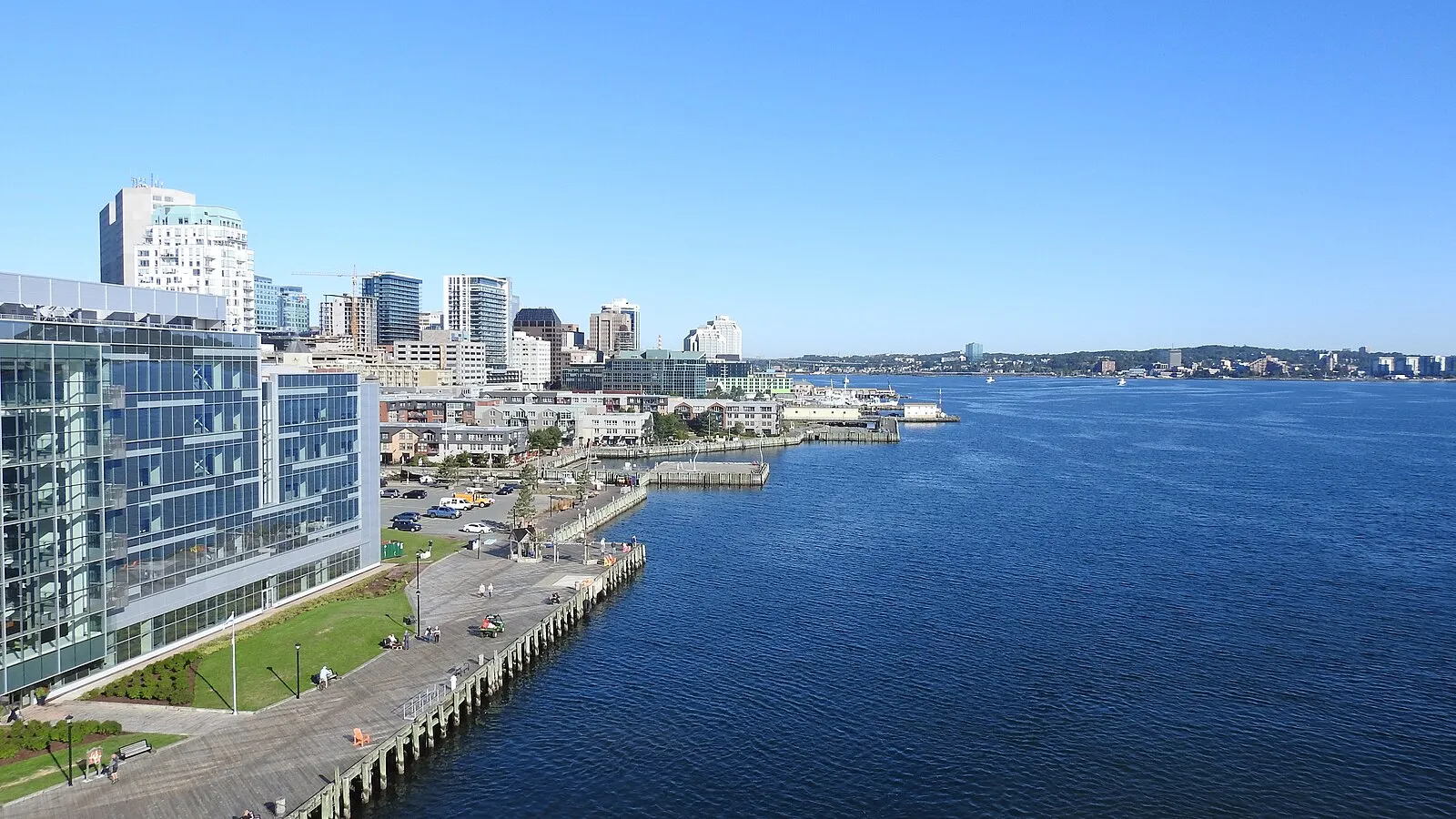
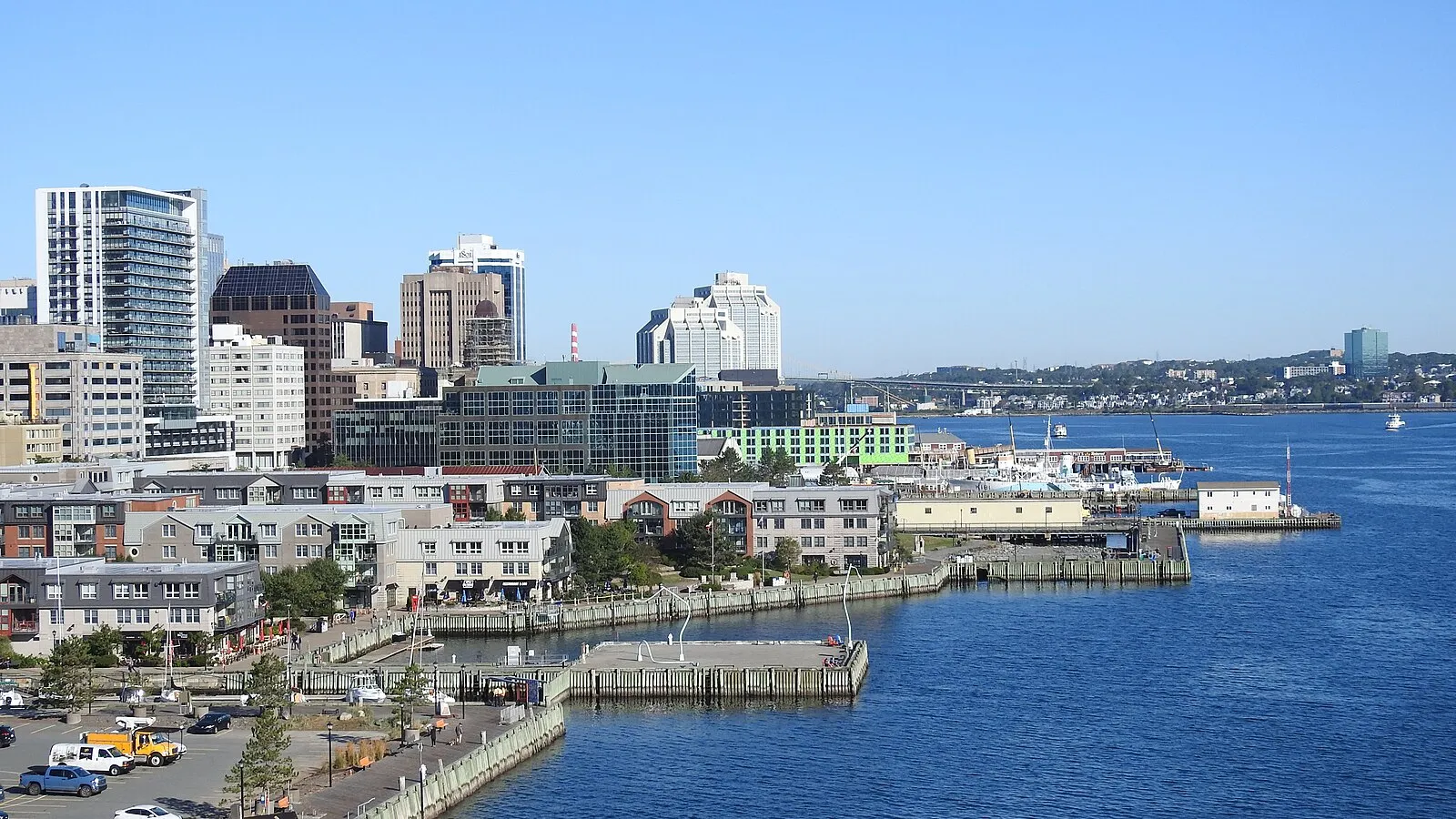
Halifax is exceptionally walkable — the waterfront boardwalk stretches 4 km from Seaport to the northern end, all flat and accessible for visitors with mobility needs. Bagpipers often greet arriving cruise ships at the pier, setting a festive tone for the day. The downtown core is compact, and you can reach Citadel Hill, the Public Gardens, and the Maritime Museum on foot within 15 to 20 minutes from the pier.
Peggy's Cove (half-day, $60-$80 ship excursion): Canada's most photographed lighthouse, built in 1868, stands 45 km or about 50 minutes from port. Local legend says it is named after an orphaned girl named "Peggy of the Cove," the sole survivor of a shipwreck. The keeper's cottage is a working post office — mail a postcard with the famous lighthouse stamp. Do not miss the de Garthe Monument, a 100-foot relief carved directly into granite depicting 32 fishermen and their families. Go early or late to avoid midday cruise crowds. The granite barrens are slippery when wet — heed the warning signs. You can book ahead through your cruise line for a guaranteed return to the ship, or go independent via taxi for about $150 CAD round-trip.
Fairview Lawn Cemetery (free, self-guided): Final resting place of 121 Titanic victims, including the "unknown child" whose identity was confirmed by DNA in 2007. The graves are arranged in the shape of a ship's hull. Free to visit, located 4 km from downtown — a $12 taxi ride each way, or take Halifax Transit bus route 7.
Maritime Museum of the Atlantic ($9.90 CAD adult): The Titanic exhibit features the only surviving deck chair and heartbreaking personal artifacts. The museum also covers the 1917 Halifax Explosion that leveled half the city. Walkable from the pier — no ship excursion needed.
Alexander Keith's Brewery Tour ($25 CAD): Actors in period costume guide you through 1820s brewing history with ale tastings and sea shanty singalongs. Book ahead — this is one of the most popular attractions and sells out on busy cruise days. The tour runs about 60 minutes and is independently accessible from the pier.
Citadel Hill (free grounds, $12 CAD for exhibits): Star-shaped fortress with daily noon gun firing. Arrive 15 minutes early for a good viewing spot. Kilted Highland regiment guides patrol the grounds and offer free talks. Low walking difficulty for the grounds, though the hill climb is moderate effort.
Pier 21 National Historic Site (free admission): Canada's version of Ellis Island. From 1928 to 1971, over one million immigrants arrived through these halls. Interactive exhibits, searchable databases, and the actual processing rooms. Walkable from the cruise terminal — no ship excursion required. Allow 90 minutes to explore properly. This is one of the most emotionally powerful stops in Halifax and well worth the time investment.
Shore Excursions & DIY Options
Halifax is one of the most walkable cruise ports in North America — the terminal sits downtown, so many top attractions need no transport at all. Book ship excursions for Peggy's Cove (guaranteed return time), but everything else is easily self-guided.
Peggy's Cove & South Shore ($60–$80 ship excursion / $150 CAD taxi round trip)
The most photographed lighthouse in Atlantic Canada stands on a granite headland 50 minutes from port. The keeper's cottage operates as a working post office — mail a postcard with the famous lighthouse stamp. The de Garthe Monument nearby is a 100-foot relief carved directly into the granite, depicting 32 fishermen and their families. Go early or late to dodge the midday crush when multiple ships are in port. The rocks are slippery when wet — heed the warning signs. Ship excursions run approximately 3 hours and guarantee return time; independent taxis cost roughly $150 CAD round trip for a 3-hour tour. Book ship excursions in advance through your cruise line's app or shore excursion desk.
Maritime Museum of the Atlantic ($9.90 CAD adult / free for children under 5)
A five-minute walk from the pier. The Titanic gallery holds the only surviving deck chair, a child's shoes, and personal artefacts recovered from the wreck site. The museum also covers the devastating 1917 Halifax Explosion. Allow 90 minutes. No booking required — walk in directly from the ship.
Fairview Lawn Cemetery — Titanic Graves (Free)
Final resting place of 121 Titanic victims, their headstones arranged in the shape of a ship's hull. The "unknown child" grave (Sidney Leslie Goodwin, identified by DNA in 2007) is the most visited. Located 4 km from downtown — a $12 CAD taxi each way or Halifax Transit bus route 7. Self-guided; no booking needed. Allow 30–45 minutes.
Citadel Hill National Historic Site (Free grounds / $12 CAD for interior exhibits)
Star-shaped fortress overlooking the city. The noon gun fires daily — arrive 15 minutes early for a good spot. Kilted Highland regiment guides offer free talks and photo opportunities. The hill climb is moderate effort; accessible routes reach the main courtyard. A 15-minute walk from the pier, no booking needed.
Pier 21 — Canadian Museum of Immigration (Free)
Canada's Ellis Island, where over one million immigrants arrived between 1928 and 1971. Interactive exhibits, searchable databases of passenger records, and the actual processing halls. Walkable from the cruise terminal in under 10 minutes. Allow 90 minutes. No booking required — one of the most emotionally powerful stops in Halifax.
Alexander Keith's Brewery Tour ($25 CAD)
Costumed actors guide you through 1820s brewing history with ale tastings and sea shanty singalongs. The tour runs about 60 minutes and is located on Lower Water Street, a short walk from the pier. Book ahead through the brewery's website — this sells out on busy cruise days with multiple ships in port.
Harbour Hopper Amphibious Tour ($40 CAD adult / $25 CAD child)
A converted military amphibious vehicle drives through the streets of Halifax, then splashes directly into the harbour for a water tour. Departs from the Cable Wharf near the cruise terminal. Runs roughly 55 minutes. Book ahead online or at the kiosk — this is the most popular family excursion and fills quickly during peak season.
Booking guidance: Ship excursions guarantee return time and are best for Peggy's Cove. For everything downtown (museum, cemetery, citadel, Pier 21, brewery), save money and go independently — the terminal is steps from all of them. Pre-book Keith's Brewery and the Harbour Hopper online. The Dartmouth ferry ($2.75 CAD) offers excellent harbour views for almost nothing.
Depth Soundings Ashore
Practical tips before you step off the ship.
Weather: Atlantic weather laughs at forecasts — pack layers and a rain jacket even on sunny days. Temperatures range from 15-25 degrees Celsius in summer, but wind chill off the harbor can make it feel much cooler. I have seen visitors caught off guard by sudden fog rolling in from the Atlantic, so always carry a light waterproof layer.
Currency: Canadian dollars are the standard. US dollars are sometimes accepted at shops but at poor exchange rates — you will lose 10-15% versus using an ATM. There are ATMs inside the cruise terminal and along the waterfront boardwalk.
Tipping: Standard tipping is 15-20% at restaurants, same as the United States. Taxi drivers expect 10-15%.
The Donair: Halifax invented this late-night delicacy in the 1970s — spiced meat, sweet garlic sauce, wrapped in pita. Not pretty to eat, but delicious. King of Donair on Grafton Street is the original. A donair costs about $8-$12 CAD.
Free WiFi: Available at the cruise terminal, the public library on Spring Garden Road, and most waterfront restaurants and cafes.
Accessibility: The waterfront boardwalk is fully accessible with smooth paving and wheelchair-friendly ramps. Citadel Hill has accessible routes to the main level, though some upper ramparts require stairs. The Maritime Museum is fully accessible with elevator access to all floors.
Weather & Best Time to Visit
Photo Gallery

Frequently Asked Questions
Q: When is the best time of year to visit Halifax on a cruise?
A: Late June through September offers the best combination of warm weather (18–24°C / 65–75°F), long daylight hours, and full operation of seasonal attractions. October sailings catch spectacular autumn foliage but bring cooler, windier conditions. Spring cruises (May–June) can be breezy and overcast — pack layers.
Q: Does Halifax get hurricanes or major storm season disruptions?
A: Halifax does not sit in the primary hurricane zone, but Atlantic hurricanes occasionally track northward and arrive as post-tropical storms by late August or September. These can bring heavy rain and strong winds. Most cruise lines monitor conditions closely and will adjust itineraries if needed. The Atlantic storm season peaks September–October — pack a waterproof layer for fall sailings.
Q: Is Halifax worth visiting on a cruise?
A: Absolutely — Halifax is one of the friendliest, most walkable ports in North America. The waterfront boardwalk, Citadel Hill, Maritime Museum with Titanic exhibits, and authentic local culture make it a rewarding port day. You can explore independently without any ship excursion for most attractions.
Q: What is the best attraction in Halifax?
A: Peggy's Cove for scenery, the Maritime Museum for Titanic and Halifax Explosion history, and Citadel Hill for panoramic harbor views and the noon gun ceremony. Budget about $10 CAD for the museum and allow at least 90 minutes.
Q: Can you walk from the Halifax cruise port to downtown?
A: Yes — you step off the ship directly into downtown Halifax. The waterfront boardwalk, Pier 21, Maritime Museum, and restaurants are all within easy walking distance. The entire downtown core is accessible on foot within 15-20 minutes from the pier.
Q: How long does it take to visit Peggy's Cove from Halifax?
A: Plan 4 to 5 hours round-trip including 50 minutes of drive time each way and time exploring the lighthouse, rocky coast, and de Garthe Monument. Most cruise lines offer half-day ship excursion options with guaranteed return to the vessel, or you can go independent by taxi for about $150 CAD round trip.
Q: What should I pack for Halifax weather?
A: Essentials include sunscreen, comfortable walking shoes, and layers for variable conditions. Atlantic weather can change rapidly — pack a rain jacket even on sunny mornings. Check the packing tips section in our seasonal guide for detailed recommendations.
Q: Will rain ruin my port day in Halifax?
A: Brief showers are common but rarely last long enough to significantly impact your day. Have a backup plan for indoor attractions like the Maritime Museum or Pier 21. Many activities continue in light rain, and the boardwalk is enjoyable even with an umbrella.
Q: Is Halifax accessible for visitors with mobility challenges?
A: Halifax is one of the more accessible cruise ports. The waterfront boardwalk is fully wheelchair accessible with smooth surfaces and ramps. The Maritime Museum and Pier 21 both have elevator access. Citadel Hill has accessible routes to the main courtyard, though some upper areas require stairs.
Until I have sailed this port myself, these notes are soundings in another's wake. This guide draws from published accounts, fellow cruisers, and careful research — but it does not yet carry the weight of my own anchor. I am working my way through the world's cruise ports, one by one, to write what I see with my own eyes and feel with my own heart. This page awaits that day.
Key Facts
- Country
- Canada
- Region
- Atlantic
- Currency
- Canadian dollars are the standard. US dollars are sometimes accepted at shops but at poor exchange rates — you will lose 10-15% versus using an ATM. There are ATMs inside the cruise terminal and along the waterfront boardwalk
- Language
- English
Last reviewed: February 2026