

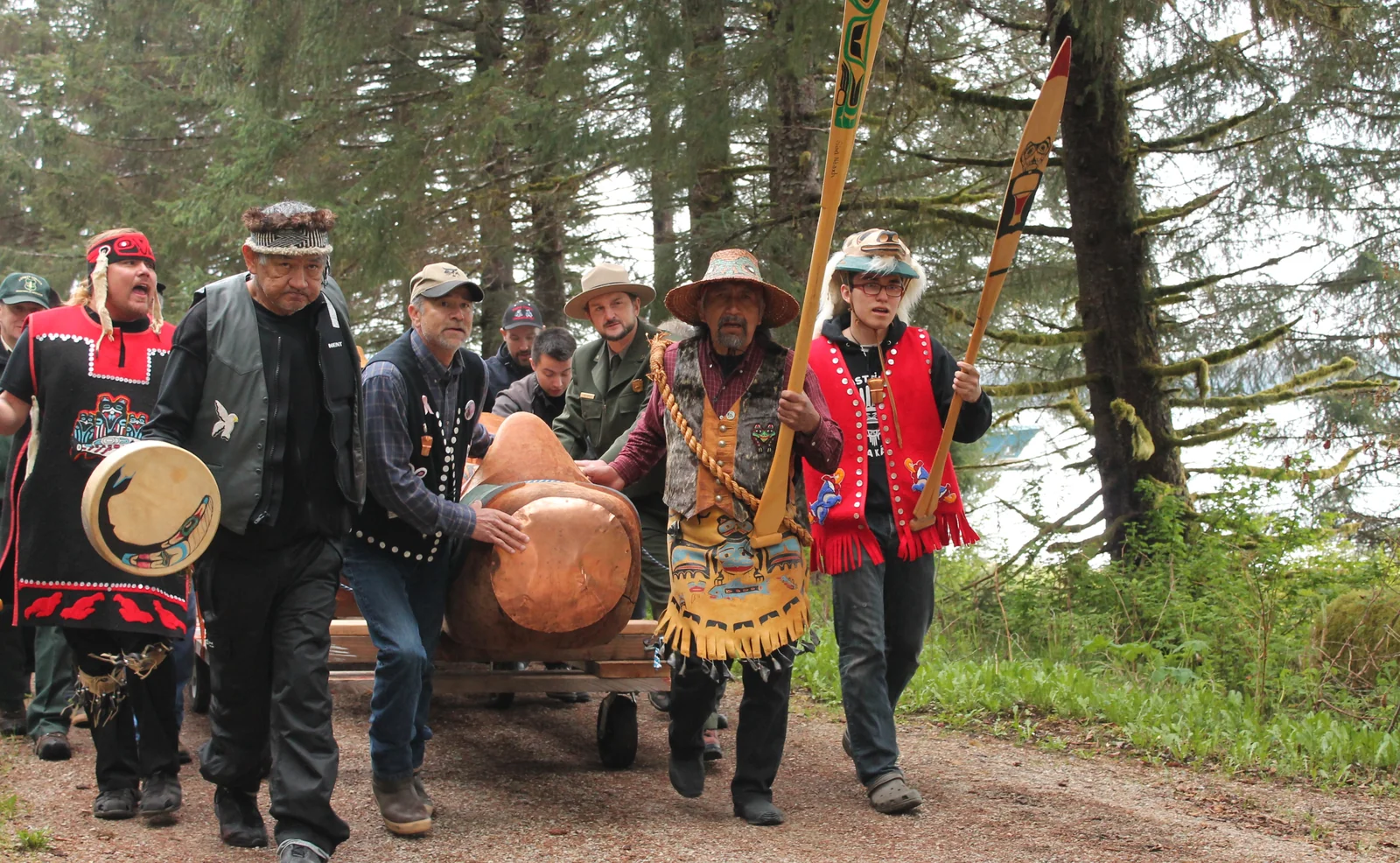
Photo: NPS Photo (public domain) · more Huna Tlingit imagery at commons.wikimedia.org
Icy Strait Point, Alaska
Region: Alaska | Season: May – September | Dock: Tender-free pier at cannery

Photo: NPS Photo (public domain) · more Huna Tlingit imagery at commons.wikimedia.org
Region: Alaska | Season: May – September | Dock: Tender-free pier at cannery
The ship docked literally in wilderness — no tourist traps, no jewelry stores, no fake frontier facades. The pier is the restored Hoonah Packing Company cannery, built in 1912 and once Alaska's most productive salmon processing plant. In 1917, it packed a record-breaking 152,505 cases of salmon. The air smelled of salt, spruce, and alder smoke from beach fires. Everything here — every shop, every tour, every restaurant — is owned by the Huna Tlingit through their Huna Totem Corporation. All profits go directly to the community of Hoonah. This isn't corporate cruise tourism; it's Indigenous economic self-determination, and you feel the difference immediately.
We did whale watching first thing — a small boat departed directly from the dock, and within 20 minutes we were surrounded by humpbacks at Point Adolphus. One breaching male launched completely clear of the water seven times in a row while our Tlingit guide quietly said "he's showing off for you — that's a gift." The sound of 40 tons hitting the water is thunderous and humbling. I also spotted Steller sea lions on rocky haul-outs, tufted puffins rafting like little footballs on the swells, and Dall's porpoises riding our bow wave. Our guide said Point Adolphus is better than Juneau for whale watching because the nutrient-rich waters where Icy Strait meets the ocean create a feeding ground that draws humpbacks from across Southeast Alaska.
Then came the ZipRider — and I need to be honest here. I'm terrified of heights, but my wife insisted. The numbers: 5,330 feet long, 1,300-foot vertical drop, speeds up to 65 mph. You sit in a harness chair at the top of a mountain, look down at rainforest and Port Frederick spread below you, and then you just... fall. The 90-second ride is simultaneously the most terrifying and exhilarating thing I've ever done. I screamed the entire way down, laughed when I landed, and immediately wanted to do it again. The view of glacial peaks, forested islands, and distant open ocean is absolutely worth the fear.
Lunch was fresh Dungeness crab cracked tableside at the Crab Station ($35-45 for a generous portion) and reindeer sausage grilled over alder wood ($12). We sat on the beach eating while ravens tried to steal fries from tourists who weren't paying attention. The setting was genuinely surreal — a beautifully restored historic cannery, towering forested mountains, bald eagles circling overhead, and authentic Alaska hospitality. However, unlike other cruise ports, there's no franchise restaurants or chain stores. Everything is local, authentic, and Tlingit-owned.
The afternoon forest trail walk took us on boardwalks through old-growth Sitka spruce and western hemlock. Interpretive signs in both Tlingit and English explained the traditional uses of plants — which bark makes rope, which berries are edible, which roots cure ailments. Bear scat was everywhere (fresh, too), but we made noise on the trails as instructed and saw only the back end of one brown bear disappearing into the brush. Our guide explained that the Huna Tlingit were displaced from Glacier Bay by advancing glaciers in the 1750s and established the permanent village of Hoonah; this land has been their home for over 10,000 years.
I visited the cultural center where Tlingit elders demonstrated traditional weaving and carving. A master carver was working on a canoe — the first ocean-going canoe built in Hoonah in over 100 years. He let me touch the adze marks and explained that the cedar came from a tree struck by lightning, which the Tlingit consider spiritually significant. These weren't performances for tourists; these were artisans doing their work and allowing visitors to watch.
The pros: this is the most authentic Alaska experience you'll get on a megaship cruise — genuine wilderness, exceptional wildlife, Indigenous-owned and operated, and zero cruise-ship kitsch. All profits stay in the local community.
The cons: only one or two ships visit per day due to limited pier capacity, so excursions book up fast. The port is small — you can see everything in 4-5 hours — though that's actually refreshing after the chaos of larger ports. Weather can turn quickly, so be prepared for rain even on sunny mornings.
Practical tips: Book whale watching and ZipRider as early as possible — they sell out weeks before sailing. Do the zipline first thing or last to avoid midday lines. Wear layers and bring rain gear. The free shuttle to Hoonah village is worth the trip if you want to see a real working Alaska Native community rather than a tourist zone.
What I learned at Icy Strait Point has stayed with me longer than the adrenaline of the zipline or the wonder of the whales. Here was a community that chose sovereignty over easy money — 100% Tlingit-owned, with every dollar staying in local hands. I realized that authentic travel isn't about finding places untouched by tourism, but finding places where the people who live there control the story being told. The Huna Tlingit aren't performing their culture for cruise passengers; they're sharing it on their own terms. Sometimes the lesson is simply learning to be a better guest.
Last reviewed: February 2026
Icy Strait Point is unique among Alaska cruise ports: it's 100% owned by the Huna Totem Corporation, the village corporation of the Huna Tlingit people. Unlike Juneau or Ketchikan where cruise traffic supports a mix of local and outside businesses, every dollar spent here directly benefits the Indigenous community of Hoonah. The port opened in 2004 after the community restored the historic Hoonah Packing Company cannery, transforming a derelict salmon processing plant into Alaska's most authentic cruise destination.
The multi-million dollar dock expansion in 2016 (with Norwegian adding a second pier in 2020) allows ships to dock directly without tendering. You step off the gangway onto the restored cannery pier — shops, restaurants, the cultural center, and tour departures are all steps away. There's no shuttle required to reach attractions unless you want to visit Hoonah village, which is about 1 mile away with complimentary shuttle service. The port sits 22 miles from Glacier Bay National Park, making it a natural pairing on Alaska itineraries.
Capacity is deliberately limited to maintain the wilderness atmosphere — typically only one or two ships visit per day. This means smaller crowds but also means excursions book up faster than at high-volume ports. The port is wheelchair accessible with paved paths connecting the main attractions, though forest trails and some tour vehicles may have limited accessibility. Guest services at the cannery can arrange accommodations for mobility-impaired visitors.
Icy Strait Point is wonderfully compact — almost everything you'd want to do is within walking distance of the pier. The historic cannery complex houses shops, restaurants, the cultural center, and tour check-in desks all connected by paved, accessible walkways. You don't need transportation for most activities.
Accessibility Note: The main cannery area is wheelchair accessible with paved paths. Some forest trails have boardwalks suitable for wheelchairs. Contact Huna Totem guest services in advance to arrange accessible tour options and transportation.
Interactive map showing Adventure Landing, Wilderness Landing, the cannery complex, ZipRider launch, and the Hoonah shoreline walk.
Note: Hoonah village is ~1–1.6 miles from Adventure Landing along a marked coastal path; the cruise-day shuttle runs between the port and the village on a frequent schedule.
Icy Strait Point excursions focus on what makes this place unique: exceptional wildlife, authentic Indigenous culture, and genuine Alaska wilderness. All tours are operated by the Huna Totem Corporation, ensuring quality and that profits benefit the local community.
Point Adolphus whale watching ($150-200, 2.5-3 hours) is consistently rated among Alaska's best. Many locals consider it superior to Juneau because the nutrient-rich waters where Icy Strait meets the open ocean create an exceptional feeding ground for humpbacks. Expect to see multiple humpbacks, often breaching and bubble-net feeding, plus orcas, Dall's porpoises, seals, sea otters, and abundant seabirds. Boats are small (12-20 passengers) with Tlingit guides who share both natural history and cultural perspectives. Book early through your cruise line — this excursion sells out weeks in advance.
The ZipRider ($150-180) is 5,330 feet long with a 1,300-foot vertical drop — certified as the world's longest zipline. Riders reach speeds up to 65 mph during the approximately 90-second descent over rainforest and Port Frederick. Six parallel cables allow groups to ride together. Weight limits: 90-275 lbs. Not recommended for those with heart conditions, back problems, or fear of heights (though I survived!). Book ahead and bring a GoPro — the views are spectacular.
Remote bear viewing excursions ($500-700, 4-5 hours) travel by float plane or boat to locations where Alaska brown bears fish for salmon. Small groups (6-8 people) observe from safe distances while expert guides explain bear behavior. This is one of the few places where cruise passengers can see wild brown bears in their natural habitat. Best during salmon runs (July-September). Not wheelchair accessible due to remote terrain.
The Huna Heritage Cultural Center ($25-40 for guided tours) offers authentic encounters with Tlingit culture — master carvers at work, traditional weaving demonstrations, storytelling by elders, and exhibits on Huna history. This isn't a performance; it's a window into living culture. The guided cannery museum tour ($15-25) explains the salmon processing history and the community's journey from displacement to economic self-determination. Fully wheelchair accessible.
Guided kayaking tours ($120-180, 2-3 hours) paddle the protected waters of Port Frederick surrounded by old-growth forest. Calm conditions make this suitable for beginners. Wildlife sightings (eagles, seals, sea otters) are common. Kayaks accommodate most body sizes; tandem options available for those wanting a partner. Dress in layers — you will get splashed.
Whale watching and ZipRider sell out quickly — book as early as possible through your cruise line when booking opens. Ship excursion prices are typically 10-15% higher than booking direct, but include guaranteed return to ship. For independent exploration, the cannery complex, beach walks, and forest trails are free and don't require booking. Compare ship excursion costs with Huna Totem's direct offerings at icystraitpoint.com — you may save money booking ahead independently, but ship tours guarantee return even if schedules run late.
This is the only port in Alaska that is 100% Indigenous-owned — every dollar stays in the Huna Tlingit community. The ZipRider is genuinely thrilling (one of the world's longest zip lines) and books out fast. The free cannery museum is better than you expect. Hoonah village is worth the free shuttle ride for authentic Alaska that most ports cannot offer.
Everything you need to know before stepping ashore.
Southeast Alaska weather is unpredictable — expect temperatures between 50-65°F (10-18°C) in summer with frequent rain. Pack waterproof layers, sturdy walking shoes, and bring rain gear even on sunny mornings. Afternoons often turn misty. Bring binoculars for whale watching and wildlife spotting.
Pro Tip: Arrive early for the ZipRider (lines build by late morning) or go last — the afternoon light makes for better views. And yes, you can do whale watching and ZipRider in the same day if you book the early whale tour.
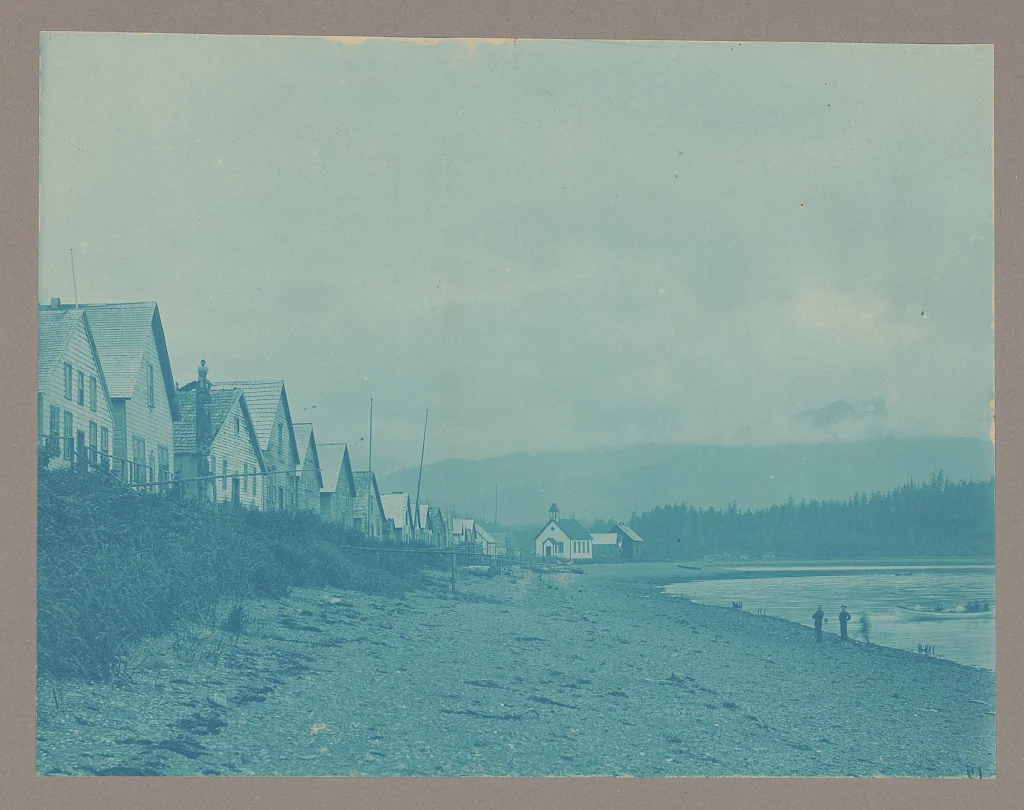
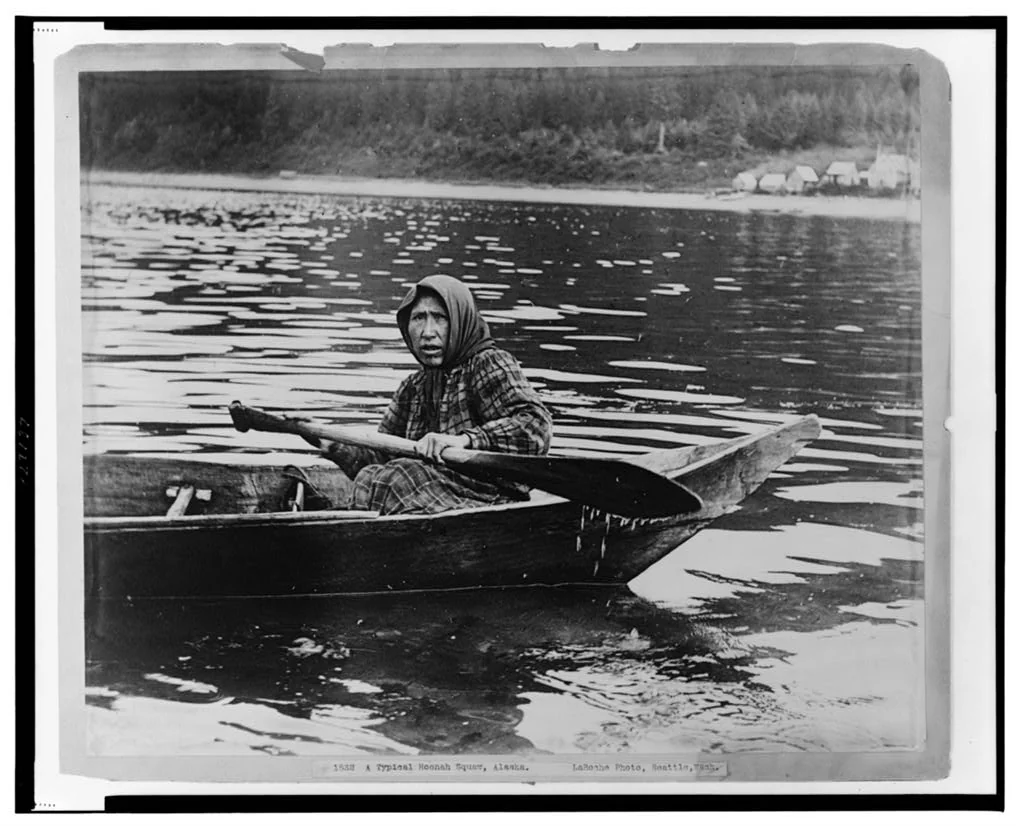
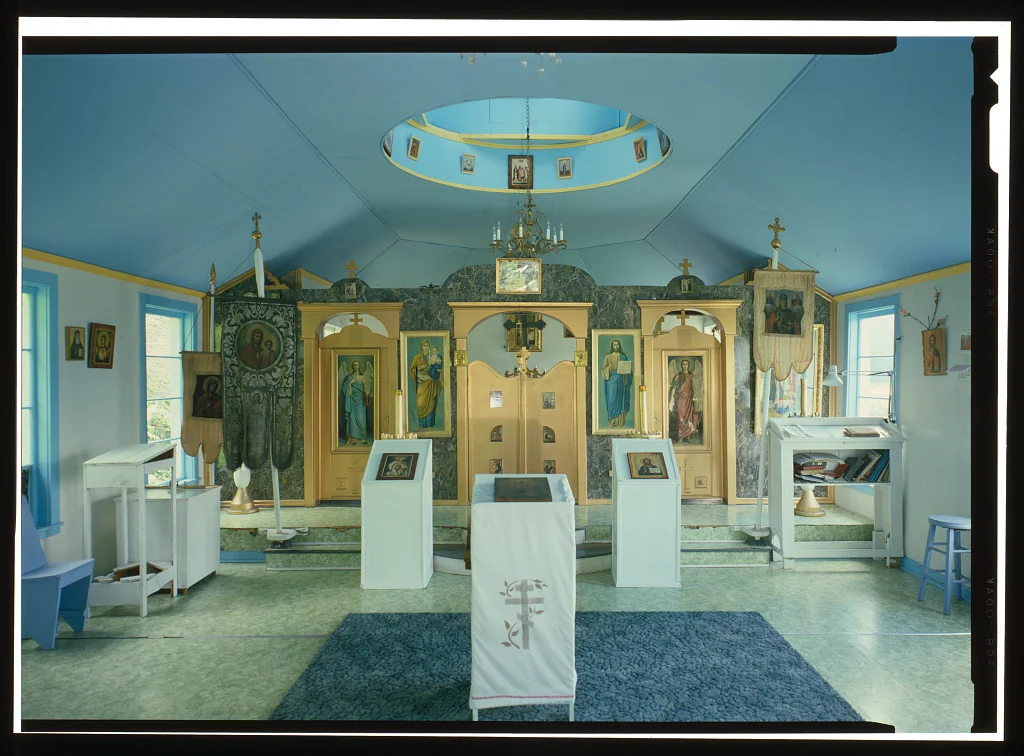
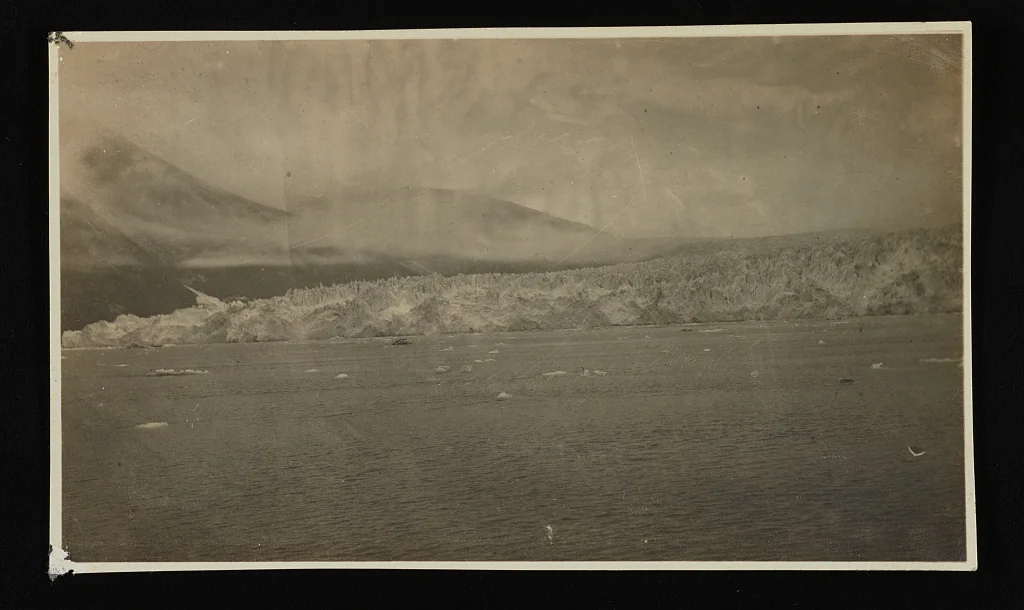
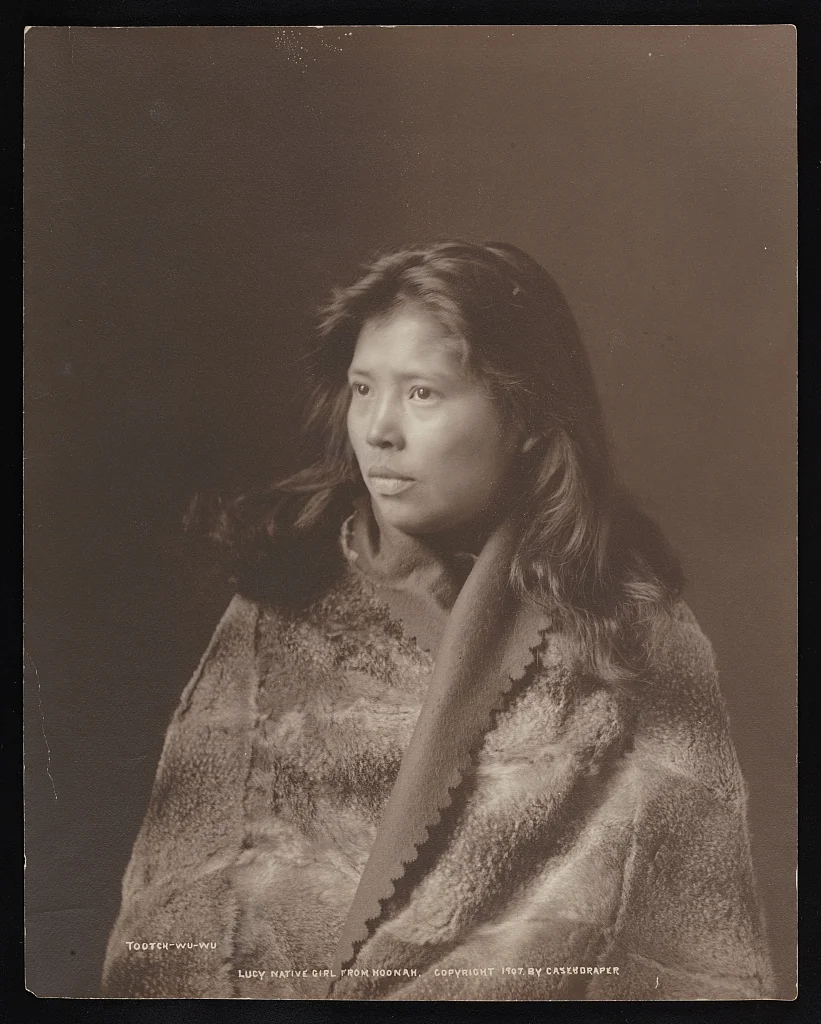
Gallery rebuilt 2026-04-12 with verified public-domain images. Two NPS photos of Huna Tlingit culture at Xunaa Shuká Hít in Glacier Bay (the continuing cultural link between the park and the Hoonah village community); three Library of Congress historical photos of Hoonah from 1884, ~1910, and the HABS documentation of St. Nicholas Russian Orthodox Church. Seven prior generic-boilerplate "Wikimedia Commons contributor" files were removed per admin/CAREFUL.md Image Verification Protocol.
June through August offers the warmest, clearest conditions. Hoonah Airport averages summer highs 58–65°F (14–18°C) and lows in the upper 40s, and humpback whales are reliably present at Point Adolphus from roughly May through September. Peak cruise traffic runs late May through early September.
Pack a waterproof-and-windproof outer shell, fleece mid-layer, warm base layer, hat, gloves, and non-slip walking shoes. Southeast Alaska is cool, wet, and often overcast, so assume rain on any given day. Binoculars and a telephoto lens are essential for whale watching at Point Adolphus, and if you book the ZipRider bring gloves — the ride is cold fast.
Alaska is not in a hurricane zone. The concern is Gulf of Alaska extratropical storms that intensify from late August through winter. Summer cruise days rarely encounter severe weather, though fog is common in Icy Strait and can affect boat excursions and ZipRider visibility. Whale-watch operators build weather flexibility into the day.
Rarely. Hoonah is cool and wet year-round but most summer rain arrives as drizzle or passing showers; whale-watch boats, the cannery museum, the cultural theater, and the Hoonah walk all continue through light rain. Pack waterproof layers, follow the path between Wilderness Landing and Adventure Landing by gondola or boardwalk, and the rain rarely changes the day's plan.
Icy Strait Point has two direct-berth cruise piers. Adventure Landing (opened 2016) is a 400-ft floating dock next to the historic cannery and Adventure Center. Wilderness Landing (completed around 2020–2021) is about half a mile away in deeper water and can accommodate larger ships. A free enclosed Transporter Gondola links the two in about four minutes. Routine tendering is no longer required.
Icy Strait Point is owned and operated by Huna Totem Corporation, the Alaska Native Claims Settlement Act (ANCSA) village corporation for Hoonah. Its roughly 1,450–1,650 shareholders are Huna Tlingit with ancestral ties to Glacier Bay. Profits support shareholder and community benefit. The port opened to cruise ships on 23 May 2004, and Huna Totem marked its 20th anniversary in May 2024.
The Icy Strait Point ZipRider is roughly 5,330–5,495 feet long with a vertical drop of about 1,300 feet. Up to six riders launch in parallel, reaching speeds near 60 mph on a ride of about 90 seconds. Standalone prices typically run around $130–$160 per person through cruise-line shore excursions; combined packages (ZipRider + ATV) are higher. Book ahead — walk-up availability is limited.
Point Adolphus, across Icy Strait from Glacier Bay, is one of the most reliable humpback feeding grounds in Southeast Alaska — strong tidal currents and nutrient upwelling concentrate prey and whales through the summer feeding season. Icy Strait Point's own Whale & Marine Mammals Cruise guarantees at least one humpback sighting during the 2.5-hour tour.
No. Chichagof Island has one of the world's highest brown-bear densities (1–2 bears per square mile in core habitat), and tour operators report historical success rates around 70% on the Spasski River Valley Wildlife & Bear Search. But these are genuinely wild bears on wild ground, not a zoo — no reputable operator guarantees a sighting. Go in with realistic expectations and you will not be disappointed either way.
Hoonah is roughly 1 to 1.6 miles from the Icy Strait Point cruise complex along the shore of Port Frederick. You can walk the marked coastal path in about 25–30 minutes, or take the shuttle bus (typically $5–$10 round trip, running every 15–30 minutes on cruise days). Walking is highly rewarded — whales, eagles, and sea lions are often visible offshore, and signage explains the history along the way.
The Huna Tlingit (Xunaa Káawu) are one of thirteen Tlingit kwaan. Their ancestral homeland is Glacier Bay (Sit' Eeti Gheeyi), which they occupied for thousands of years until advancing Little Ice Age ice in the 1700s forced them to relocate across Icy Strait to what became Hoonah around 1754. Today Xunaa Shuká Hít, the Huna Tribal House dedicated in 2016 at Bartlett Cove, symbolizes their continuing connection to the park's four matrilineal clans: T'akdeintaan, Kaagwaantaan, Wooshkeetaan, and Chookaneidí.
The site began as the Hoonah Packing Company salmon cannery, built around 1912 and operating intermittently until about 1953. The buildings sat derelict for decades until Huna Totem Corporation purchased the site in 1996 and restored the cannery as a museum, boardwalk, shops, and restaurants, preserving a mid-1930s cannery line as a working display. The restored cannery remains the architectural heart of Icy Strait Point.
Walk through the restored cannery and free cannery museum, watch a Tlingit Tribal Dance & Cultural Legends performance if one is scheduled, then either ride the gondola between Wilderness and Adventure Landing or walk the shoreline path to Hoonah village. With 4+ hours, add a Point Adolphus whale watch or the Spasski River Valley bear search, and consider the ZipRider if you're adventurous.