


Invergordon — Port Guide
Last reviewed: February 2026
My Logbook: Mist, Mutiny, and the Monster
I heard the gulls before I saw the shore. Standing on the upper deck as our ship nudged into the Cromarty Firth, I watched a grey curtain of mist peel back to reveal green hills rolling down to a quiet harbour. The air smelled of wet grass and salt, and the cold bit at my cheeks in a way that felt honest — no tropical sweetness here, just the raw breath of the Scottish Highlands welcoming me at latitude fifty-seven. I pulled my jacket tighter, grabbed my daypack, and walked down the gangway onto Invergordon's pier with the kind of anticipation that only comes when you know the landscape ahead has been shaped by centuries of drama.
Invergordon's harbour was established in 1828, and I felt that history the moment my boots touched the quayside — deep water that once sheltered the Royal Navy's Atlantic Fleet now welcomes cruise ships instead. This town became a police burgh in 1863, but it is the naval legacy that shapes the shoreline: the institute designed in 1914 by Edinburgh architect Stewart Kaye still stands, a dignified stone reminder of when battleships, not tour coaches, defined this place. I walked along the waterfront and let my fingers trail the cold iron railing as I thought about September 1931.
On September 11th of that year, ten warships of the Atlantic Fleet steamed into the Cromarty Firth — Hood, Adventure, Dorsetshire, Malaya, Norfolk, Repulse, Rodney, Valiant, Warspite, York. The sailors learned from newspaper reports, not official channels, that their pay would be slashed. By the evening of September 12th, they gathered on the football field. What followed on September 15th and 16th was extraordinary: twelve thousand ratings carried out a non-violent mutiny. Crews of HMS Hood and HMS Nelson simply refused everything except essential harbour duties. No violence. No drama. Just quiet, unified defiance. The ripples reached London instantly. The Stock Exchange panicked, there was a run on the pound, and by September 21st Britain was forced off the Gold Standard — an economic earthquake that changed the course of the 1930s. Standing in this quiet harbour, it was hard for me to imagine those battleships anchored where our ship sat, or that such a peaceful act of protest rewrote financial history. However, the memorial plaques along the waterfront made it real. Since 1978, the former naval base has welcomed cruise passengers instead of warships — a gentler purpose for these deep waters.
We boarded the coach at eight in the morning, and I watched the scenery shift from harbour town to open moorland within minutes. The road to Loch Ness winds through glens that still feel untouched — heather and bracken stretching to the horizon, sheep dotting the hillsides like scattered cotton, and the occasional stone croft standing alone against the sky. My seatmate on the coach was a retired teacher from Devon, and we barely spoke during the drive because the landscape demanded silence. I pressed my forehead against the cold glass window and watched Scotland unfold, and I felt a kind of reverence I had not expected.
We reached the banks of Loch Ness by half past nine — the water black and still, Urquhart Castle ruins dramatically perched on the shore like a broken crown. The Jacobite cruise took us halfway down the loch while the guide told monster stories and sonar pinged the 230-meter depths below. I stood on the open deck despite the cold, feeling the mist settle on my face and tasting the damp Highland air on my lips. No definitive Nessie sighting, but we saw dark ripples that made my heart race and my imagination run wild. The loch has a weight to it — a presence — that I had not felt at any other body of water. It is not just deep; it feels old, as though the water itself remembers things we have forgotten.
It was at Urquhart Castle, though, that Invergordon broke me open. I climbed the stone steps to the Grant Tower and stood alone on the upper level, looking out across the loch while wind whipped through the ruined walls. The castle was deliberately blown up in 1689 to prevent Jacobite forces from using it, and standing in its skeleton I could feel the weight of that decision — the garrison choosing destruction over surrender, carrying out their orders and walking away from a fortress that had stood for five hundred years. I thought about the sailors in this same firth two centuries later, choosing a different kind of defiance. I felt my eyes fill with tears — not from the wind, but from something deeper. I whispered a quiet prayer of thanks for the courage of ordinary people in extraordinary moments, for the hands that built these walls and the hands that chose to let them fall. Something shifted inside me on that tower, and I stood there for a long time, not wanting to move, not wanting to break the spell of standing where so much history had unfolded in silence.
In the afternoon we went to Cawdor Castle — Shakespeare's Macbeth connection, still lived in by the Dowager Countess, gardens bursting with roses and a maze we got gloriously lost in. I could hear birds singing in the hedgerows and smell the damp earth beneath the yew trees, and the contrast between the dark drama of Urquhart and the gentle beauty of Cawdor made both places richer in my memory. We had lunch on the return — Cullen skink soup, creamy smoked haddock that tasted like the Highlands distilled into a bowl, and a dram of single malt that warmed me from the inside out.
I made it back to the ship just before the gangway closed, windburned and carrying a bottle of Glen Ord whisky. As the ship pulled away from Invergordon, I stood at the rail and watched the Cromarty Firth grow wide and silver in the evening light. Looking back, I learned that courage does not always roar — sometimes it is twelve thousand sailors refusing to work, sometimes it is a garrison blowing up their own castle, and sometimes it is simply standing still in a cold wind and letting a place tell you its story. What Invergordon taught me is that the quietest acts of defiance echo the longest. I carry that lesson with me still, and I know I will hear it again whenever I smell wet heather or taste peat smoke on the wind.
Weather & Best Time to Visit
The Cruise Port
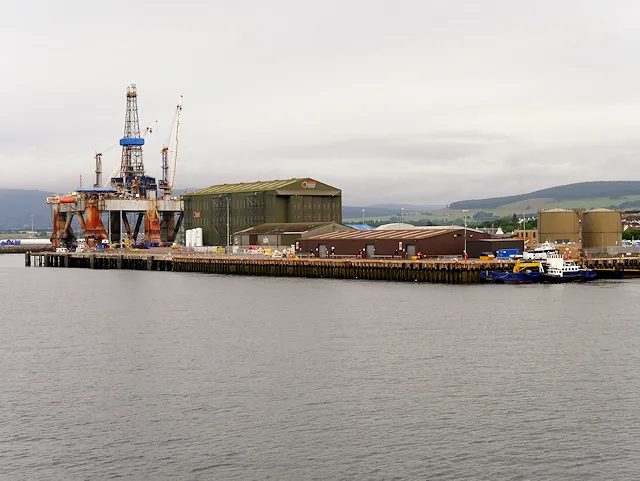
Ships dock at Invergordon Harbour on the Cromarty Firth, one of the deepest natural harbours in Europe. The pier is a short walk from the town centre — about five minutes on flat, accessible ground. A temporary cruise welcome tent usually operates on busy port days, offering maps and local information. There are no shops or restaurants inside the port area itself, but the town's High Street begins just beyond the gate. Invergordon is a small working town, not a tourist resort, so facilities are modest but genuine. The pier surface is level concrete, and wheelchair users can navigate from ship to town without difficulty on the main route, though some side streets have uneven pavement. Taxis sometimes queue at the pier, but supply is limited — pre-booking through your ship or a local operator is wise if you plan to travel independently. Most visitors use ship excursions or pre-booked private coaches, since the main Highland attractions are 30 to 90 minutes away by road.
Getting Around
Invergordon itself is tiny — you can walk the entire town in twenty minutes on flat ground, making it accessible for most mobility levels. The High Street has murals painted on building walls that are worth a slow stroll. However, the real attractions lie well beyond walking distance. Loch Ness is 90 minutes by coach, Inverness is 30 minutes, and Cawdor Castle is 40 minutes. Ship excursions are the most popular option and guarantee your return to the vessel on time — critical when your coach is navigating single-track Highland roads.
Private coaches and minibus tours operate from the pier and can be booked in advance through operators like Inverness-based WOW Scotland or Rabbie's. A private guide with vehicle costs roughly £250–350 for a full day for up to four passengers. Local taxis exist but are few; do not count on finding one at the pier without a booking. There is no hop-on-hop-off bus service. For those with limited mobility, most coach excursions can accommodate wheelchair users if notified in advance, though some castle sites involve steps and uneven terrain. The town itself offers a low-energy alternative — the murals, a coffee at the harbour cafe, and the Highland Museum of Childhood provide a gentle half-day without any transport at all.
Invergordon Port Map
Interactive map showing cruise terminal and Invergordon attractions. Click any marker for details.
Excursions & Activities
Loch Ness & Urquhart Castle
The signature excursion from Invergordon. The ship excursion fare is typically £80–120 per person (approximately $100–150) and fills the entire port day — the coach drive takes 90 minutes each way through dramatic Highland scenery. At Loch Ness, a Jacobite boat cruise (about £18 independently) takes you across the dark water while sonar searches the 230-metre depths. Urquhart Castle entry costs £14 (about $18) for adults. The castle ruins sit on a promontory above the loch and offer unforgettable views. This is a moderate-energy day with some steps at the castle, though the visitor centre and lower courtyard are wheelchair accessible. Because the drive is long and timing is tight, booking the ship excursion is wise — they guarantee your return before sailing. Independent travelers should book ahead with a local operator and leave the ship as early as possible.
Inverness City
The Highland capital is only 30 minutes by coach. Inverness Castle sits on a bluff above the River Ness and offers panoramic views. The Victorian Market is a covered arcade with local shops, and the riverside walk is pleasant and flat. A ship excursion to Inverness costs around £50–70 ($65–90). Independently, a pre-booked taxi costs about £40–50 each way. This is a low-energy, fully accessible half-day option suitable for those who want to avoid the long Loch Ness drive.
Cawdor Castle & Gardens
Shakespeare's Macbeth connection, Cawdor Castle is a 14th-century tower house still inhabited by the family. The entry fee is £14.50 (about $19) for adults. The gardens include a hedge maze and ancient yew trees. Allow three to four hours including the 40-minute drive. Ship excursions combine Cawdor with other stops for around £70–90. You can visit independently by pre-booked taxi or hire car. Moderate energy with some uneven garden paths; the ground floor of the castle is largely accessible.
Glen Ord Distillery
A working single malt distillery in the Black Isle, 30 minutes from port. Tours cost around £15 per person and include a tasting. It is a low-energy, indoor activity well-suited to rainy days. Book ahead during peak cruise season as tours fill quickly. You can visit independently by taxi (about £35 each way) or combine it with a ship excursion that includes additional stops.
Invergordon Town Walk
For those who prefer to stay near the ship, Invergordon has a surprising number of large-scale murals painted on High Street buildings, each depicting local history. The Highland Museum of Childhood (free entry) is a small, charming collection. A coffee at the harbour cafe costs about £3. This is a low-energy, wheelchair-accessible option requiring no transport at all.
Depth Soundings
Scotland uses the British Pound (GBP). Card payments are widely accepted in shops, restaurants, and at attraction ticket desks, but carry some cash for small purchases, market stalls, and tips. ATMs are available in Invergordon town centre, a five-minute walk from the pier. A cup of coffee costs about £3 ($4), a pint of local ale about £5 ($6), and a bowl of Cullen skink around £8 ($10). Tipping is not expected in most casual settings, but 10% at a sit-down restaurant is appreciated.
Highland weather changes fast — bring waterproof layers even on clear mornings, and wear sturdy shoes with good grip if visiting castle ruins. Summer temperatures rarely exceed 17 °C, and wind on exposed loch shores makes it feel cooler. Midges (tiny biting insects) are a nuisance from June through September, especially in still, damp conditions near water; local Smidge-brand repellent is effective and available at Inverness shops for about £6. Wheelchair users will find the Invergordon pier-to-town route smooth and level, but castle sites vary widely in accessibility — Urquhart Castle has accessible paths to the visitor centre and lower levels, while Cawdor Castle's upper floors require stairs. Let your excursion provider know about mobility needs when you book ahead.
Photo Gallery
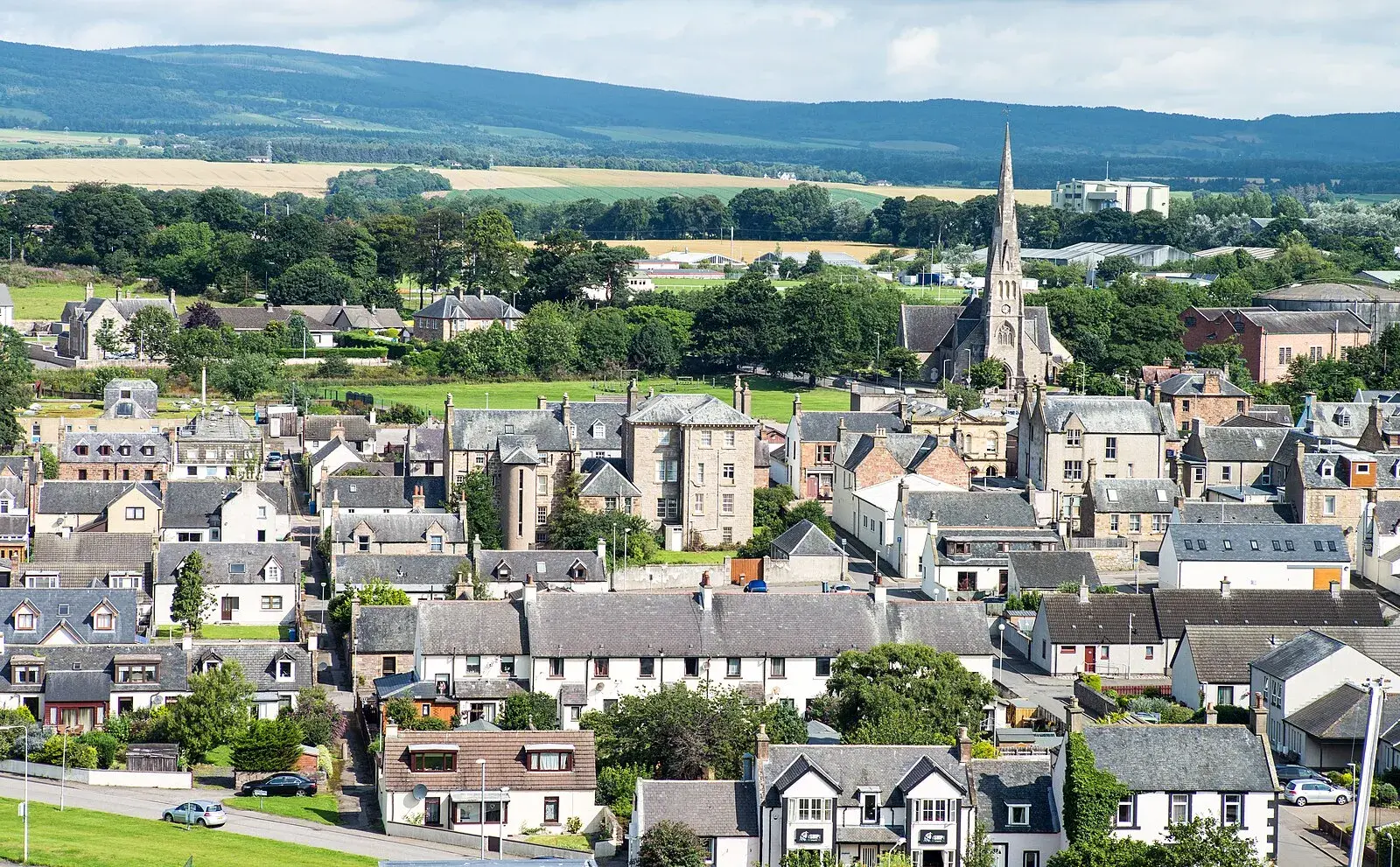
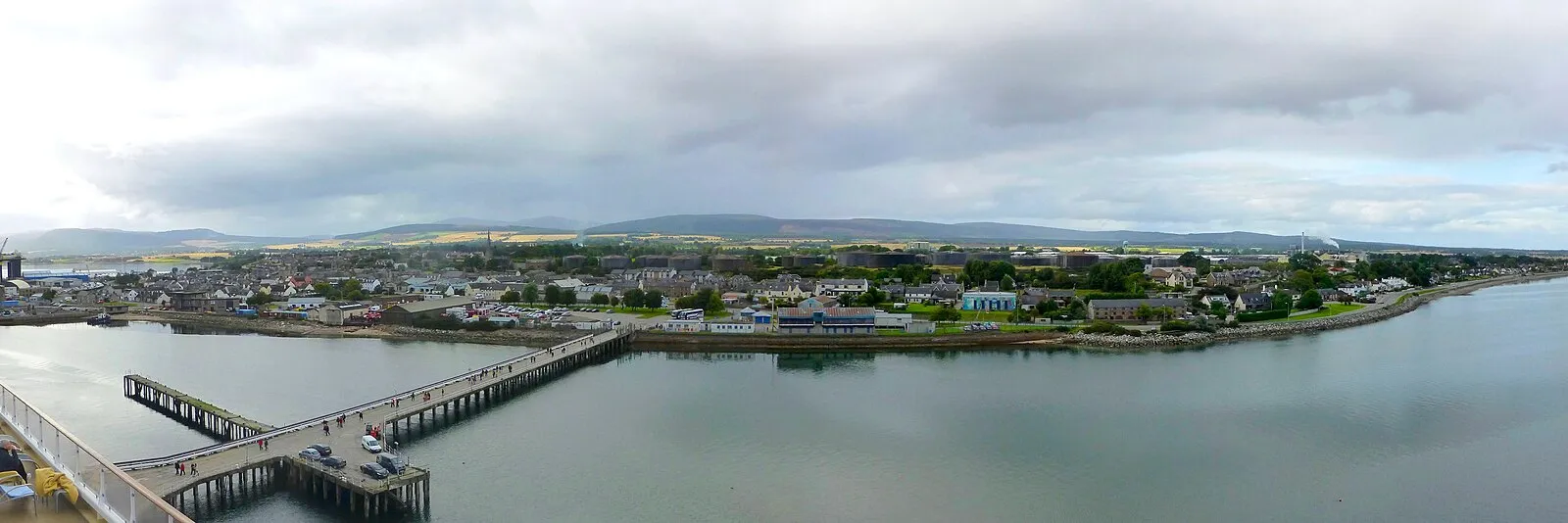


Image Credits
All photographs on this page are used under Creative Commons or free-use licenses. Images sourced from Wikimedia Commons, Unsplash, Pixabay, Pexels, and Flickr.
Frequently Asked Questions
Is Invergordon worth visiting on a cruise?
Invergordon is the gateway to Loch Ness, Urquhart Castle, and the Scottish Highlands. The town itself is small, but the excursions available from here rank among the most dramatic in northern European cruising.
Can I walk from the cruise pier to town?
Yes. Invergordon town centre is a five-minute flat walk from the pier. The route is paved and wheelchair accessible. However, major attractions like Loch Ness and Inverness require coach or taxi transport.
How long does it take to reach Loch Ness from Invergordon?
About 90 minutes each way by coach through Highland scenery. A full port day is needed. Most tours depart at eight in the morning and return by late afternoon.
What should I wear for a day in the Scottish Highlands?
Waterproof jacket, warm layers, and sturdy shoes with grip. Even in summer, temperatures stay around 12–17 °C and rain can arrive without warning. Wind at castle ruins makes it feel colder.
Are midges really that bad in Scotland?
From June through September, Highland midges can be fierce near lochs and glens, especially on still, damp evenings. Carry insect repellent — the local Smidge brand (about £6) works well.
Do I need British Pounds in Invergordon?
Card payments work at most shops and attractions. Carry some cash for small purchases, tips, and market stalls. ATMs are available in the town centre, a short walk from the pier.