

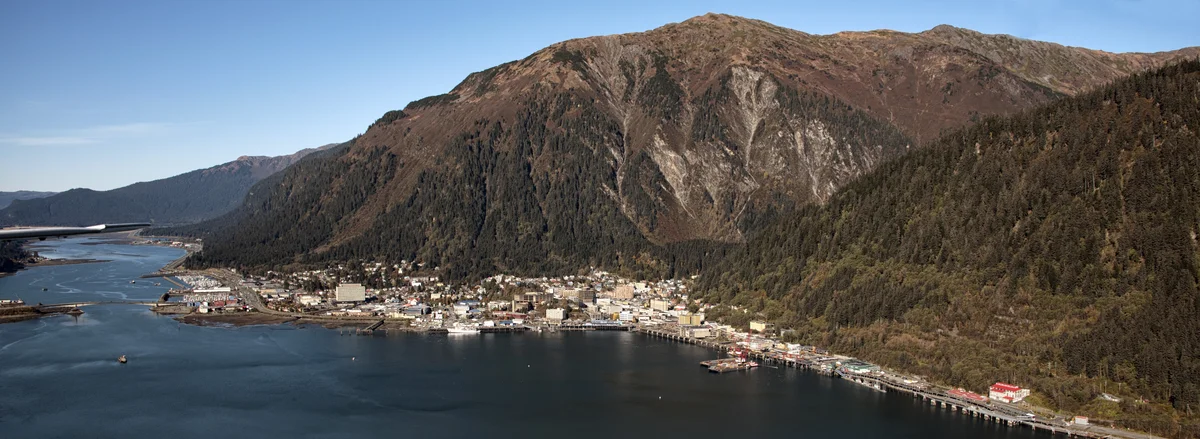
Photo: Carol M. Highsmith / Library of Congress (public domain) · also at Wikimedia Commons
Juneau, Alaska
Region: Alaska | Season: May – September | Tender: No (direct dock)

Photo: Carol M. Highsmith / Library of Congress (public domain) · also at Wikimedia Commons
Region: Alaska | Season: May – September | Tender: No (direct dock)
I've been lucky enough to visit Juneau multiple times on Royal Caribbean Alaska cruises between 2023 and 2025, and every single time it blows me away. There's something about sailing into the Gastineau Channel with those dramatic mountains dropping straight into the sea, eagles soaring overhead, and that crisp pine-scented air that makes you feel more alive than you've felt in months. Juneau is consistently one of the highest-rated ports across Cruise Critic, Reddit, and Royal's own feedback — often scoring 4.8–5 stars from thousands of cruisers — and I completely understand why.
What I love most about Juneau is how it perfectly blends raw wilderness adventure with accessible city charm. This is Alaska's capital, but there are no roads in or out — you arrive by air or sea only, and that isolation gives it a frontier authenticity that Ketchikan and Skagway don't quite match. The downtown is walkable and surprisingly cosmopolitan, but you're never more than a few minutes from glaciers, bears, whales, and waterfalls. It feels like the heart of Alaska.
What makes Juneau even more remarkable is its history and unique position in the American landscape. This is the only state capital in the entire country you cannot reach by road — no highways connect it to the outside world, only seaplanes and cruise ships can deliver you to its doorstep. Juneau became Alaska's capital in 1906, replacing the older Russian settlement of Sitka, but the modern city's story truly began in 1880 when prospectors Richard Harris and Joe Juneau struck gold at Gold Creek, sparking Alaska's first major gold rush. Thousands poured into these mountains chasing fortune, and the legacy of that era still echoes through old mining tunnels and museum exhibits downtown. But long before the gold-seekers arrived, this land belonged to the Tlingit, Haida, and Tsimshian peoples, whose rich cultures and deep knowledge of these waters stretch back thousands of years across Southeast Alaska's Inside Passage — that breathtaking labyrinth of fjords, islands, and channels carved between towering coastal mountains and the icy waters of the Pacific.
The whale-watching tours are legendary, and they've earned that reputation — Juneau ranks among the top places on Earth to see humpback whales in their summer feeding grounds. I've done the guaranteed-sighting excursions multiple times, and on my most memorable trip we encountered dozens of humpbacks bubble-net feeding right next to the boat. If you've never seen this behavior, it's mesmerizing — a group of whales works together to blow bubbles in a spiral that traps fish, then they lunge through the surface with their mouths wide open in coordinated precision. We also saw breaching, tail-slapping, and spy-hopping so close I could have reached out and touched them. The operators know these waters intimately. They know where the whales congregate. You will see whales.
Mendenhall Glacier is the headliner attraction, and it deserves the hype. The visitor center is excellent — great exhibits, rangers who genuinely want to share their knowledge, and huge windows framing the glacier and Nugget Falls. The hike to Nugget Falls is my favorite easy option: a well-maintained trail, about 30–45 minutes each way, leading to a massive waterfall pouring off the rocks with the glacier looming behind it. You can walk right up to the base and feel the icy mist on your face. It's spectacular and accessible to most fitness levels. For more adventure, the trails to East Glacier and West Glacier viewpoints are longer but worth every step.
If your budget allows, the helicopter glacier landing is worth it. I'm not someone who usually splurges on big-ticket excursions, but flying over the Juneau Icefield and setting down on Mendenhall or Herbert Glacier for dog-sledding or a walking tour is genuinely transformational. You see crevasses and meltwater pools and the sheer scale of the ice in a way that's impossible from the shore. It's expensive, but this is Alaska — you might only come once.
Back in town, the Mount Roberts Tramway gives you that instant wow-factor view over the city, channel, and cruise ships without any effort — just buy a ticket and ride up. At the top there are hiking trails, a raptor center, a nature theater, and the Timberline Bar & Grill where I've nursed a local beer while watching eagles circle below me. The downtown itself is charming in a rough-edged Alaskan way: art galleries, jewelry shops, and the famous Red Dog Saloon with its sawdust floors, live music, mounted animal heads, and "duck fart" shots that taste better than they sound. Tracy's King Crab Shack is mandatory — the crab bisque alone is worth rearranging your port day around, and the crab legs are as fresh as it gets.
I've also done the salmon bakes and highly recommend them for an authentic Alaskan experience — all-you-can-eat fresh-caught salmon, halibut, and reindeer sausage cooked over open fires in the rainforest, with storytelling and local beer. The Alaska State Museum in the new heritage center is exceptional if you want to understand Native Tlingit culture and Alaska's history. And honestly, just walking the streets and looking at the mountains is enough. The glacial peaks surrounding Juneau are so dramatic they don't look real.
Juneau is Alaska condensed into one port day. You can whale watch and glacier hike and eat king crab and explore a gold-rush capital all before 5 PM. The aggregate reviews from thousands of cruisers put it at or near the top of every Alaska port ranking, and I've never met anyone who regretted prioritizing it. If you only do one Alaska cruise in your life and you only have one day to truly invest in, make it Juneau.
Last reviewed: February 2026
Juneau welcomes over one million cruise passengers annually, making it Alaska's busiest cruise destination and one of the most visited ports in North America. The city operates four primary docking facilities along the downtown waterfront, with plans for a fifth berth on Douglas Island opening in 2027. Ships dock directly at the pier in most cases — no tender required — and passengers walk off the gangway into the heart of downtown within five minutes.
The main cruise ship docks include the AJ Dock (closest to downtown), the Intermediate Vessel Float, and berths at Marine Park and S. Franklin Street. On peak days when five or more ships arrive simultaneously, some vessels anchor in Gastineau Channel and tender passengers ashore. The city's cruise infrastructure includes a modern visitor center at Marine Park with restrooms, maps, and friendly staff who can answer questions about everything from whale watching to bear safety.
Port facilities are excellent: free WiFi zones, ATMs, accessible pathways, and a taxi stand are all within steps of the gangway. The Mount Roberts Tramway base station sits directly opposite the cruise docks. Most downtown attractions — the Red Dog Saloon, Tracy's King Crab Shack, jewelry shops, galleries, and the Alaska State Museum — are within a ten-minute walk on flat, well-maintained sidewalks. Wheelchair users and those with mobility challenges will find Juneau's waterfront district highly accessible.
Juneau is one of the easiest Alaskan ports to navigate — it's an easy walking town. Most Royal Caribbean ships dock right downtown at the AJ Dock, Franklin Dock, or nearby berths — you walk off the gangway into the heart of the city in under 5 minutes.
Three main cruise terminals serve Juneau: Marine Park, Ferry Terminal, and S. Franklin Dock — all within easy walking distance to town. When 4+ ships dock simultaneously, vessels may anchor and tender passengers ashore. A new $54M floating berth on Douglas Island is scheduled to open in spring 2027.
The visitor center right at the pier has free maps and friendly locals ready to point you in the right direction.
Interactive map showing downtown Juneau cruise berths, Mount Roberts Tramway, Mendenhall Glacier, Auke Bay whale-watching departure, and the Tongass rainforest trails. Click any marker for details.
Note: Mendenhall Glacier is 13 miles from downtown. Whale watching departs from Auke Bay, 30 minutes away.
Juneau offers varied shore excursions in Alaska, ranging from helicopter glacier landings to budget-friendly downtown walking tours. The key to booking Juneau excursions is planning early — popular tours like helicopter dog-sledding and whale watching with guaranteed sightings sell out months in advance, especially during peak season from late June through mid-August.
Juneau is consistently ranked among the world's best whale watching destinations. Most operators offer guaranteed sightings — if you don't see whales, you get a refund or free future trip. Tours typically last 3–4 hours and cost $150–200 per person. You'll likely encounter humpback whales, orcas, sea lions, harbor seals, and bald eagles. The highlight experience is witnessing bubble-net feeding, where humpbacks work together to corral fish. Book through operators like Juneau Tours, Allen Marine, or Gastineau Guiding for the best experience. Reserve at least 60 days ahead for summer sailings.
The glacier visitor center is accessible via $35–45 round-trip shuttle from downtown, but guided tours offer richer experiences. Glacier trekking tours ($150–250) include ice hiking with crampons and expert guides who explain glacial geology. Kayak tours ($180–220) paddle right up to the glacier face. The most affordable option is the shuttle plus self-guided exploration of trails to Nugget Falls — plan 3–4 hours total and bring rain gear. For accessibility, the visitor center and main viewing areas are wheelchair-friendly.
These premium experiences justify their price tags. Helicopter glacier landings ($350–500) fly over the Juneau Icefield — the fifth-largest ice field in the Western Hemisphere — and land on remote glacier surfaces for walking tours or dog-sledding. Dog-sledding on the glacier ($550–650) is available only in Juneau and is an extraordinary experience not to be missed. Floatplane tours to Taku Lodge ($300–350) include a wilderness salmon bake. Book these excursions 90+ days ahead and confirm weather cancellation policies before purchase.
Beyond whales, Juneau offers bear viewing tours to Admiralty Island ($600–700 for full-day floatplane trips) where brown bear density rivals Katmai. Rainforest canopy zip-line tours ($150–180) combine adventure with ecosystem education. Salmon hatchery tours are often free and educational. The Mount Roberts Tramway ($50 all-day pass) provides immediate alpine access with hiking trails, a raptor center, and mountain views without requiring a guide.
Reserve helicopter and whale watching tours 60–90 days before your cruise — these popular excursions sell out quickly, so book ahead to secure your spot. Compare ship excursion prices with independent operators; you'll often save 20–30% booking direct, though cruise line tours offer guaranteed return to the ship even if tours run late. Check weather-related refund policies carefully. For budget travelers, the best free activities include hiking to Nugget Falls, exploring downtown galleries, and visiting the Alaska State Museum. Always confirm tour pickup locations relative to your ship's dock.
Juneau gets 62 inches of rain a year — bring a waterproof jacket regardless of the forecast. Helicopter tours are weather-dependent and cancel frequently; book a backup plan. Tracy's King Crab Shack has a line for a reason — the crab legs are spectacular, but go early. The Mount Roberts Tramway ($50) is the best quick activity if your time is limited.
Practical tips before you step off the ship.
"It rains a lot here" — Juneau sits in a temperate rainforest, and that famous liquid sunshine is part of what keeps everything so vibrantly green, the waterfalls roaring, and the glaciers feeding. Pack a light waterproof jacket and embrace those surprise rainbows that pop out over the mountains after a passing shower — they turn an ordinary walk into a memorable moment. Pro tip: Book weather-dependent excursions (helicopter tours, glacier landings) on arrival rather than in advance when possible, to maximize your chances of clear skies.
Downtown Juneau offers specialty shops featuring Native design jewelry, carved silver bracelets with totemic designs, authentic totem poles, and Tlingit artwork. These make meaningful souvenirs that support local artisans.
Important: Always book your helicopter or whale watching excursions early — they sell out months ahead for good reason.
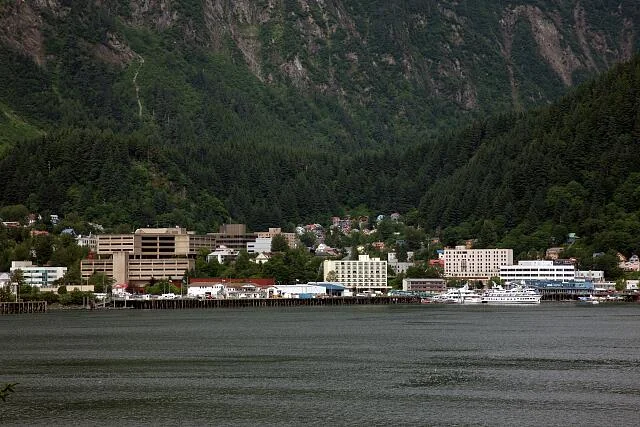
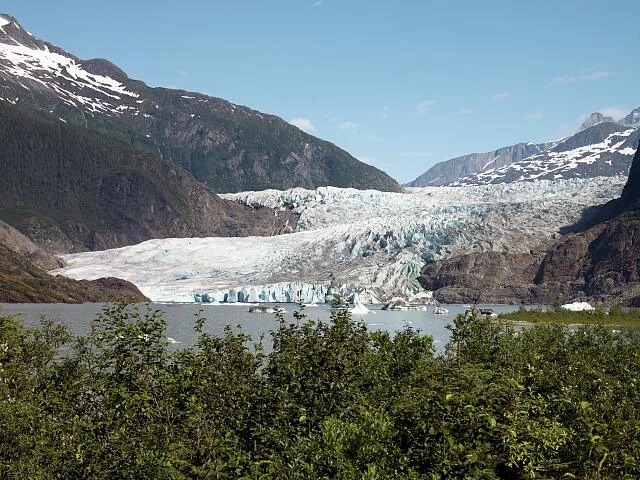
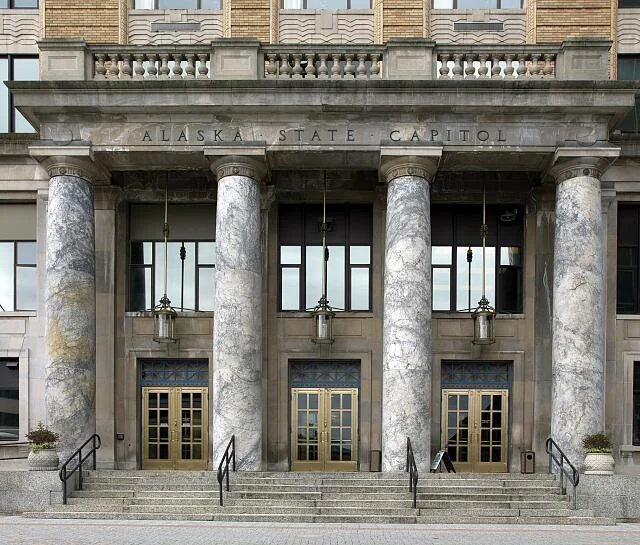
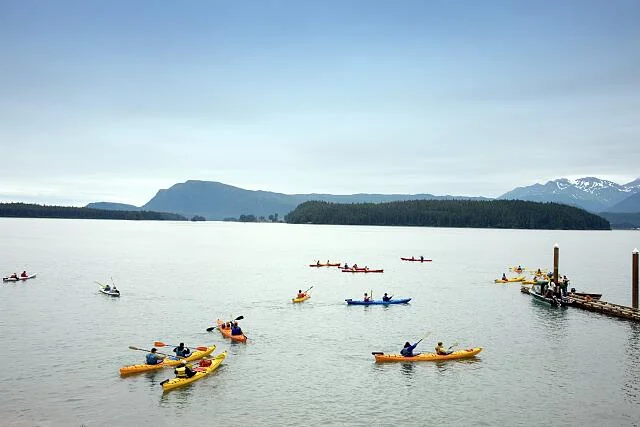
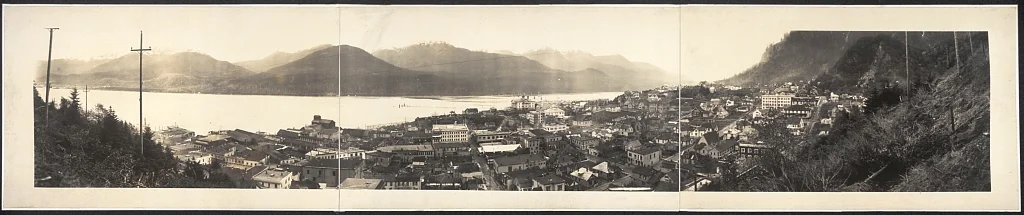
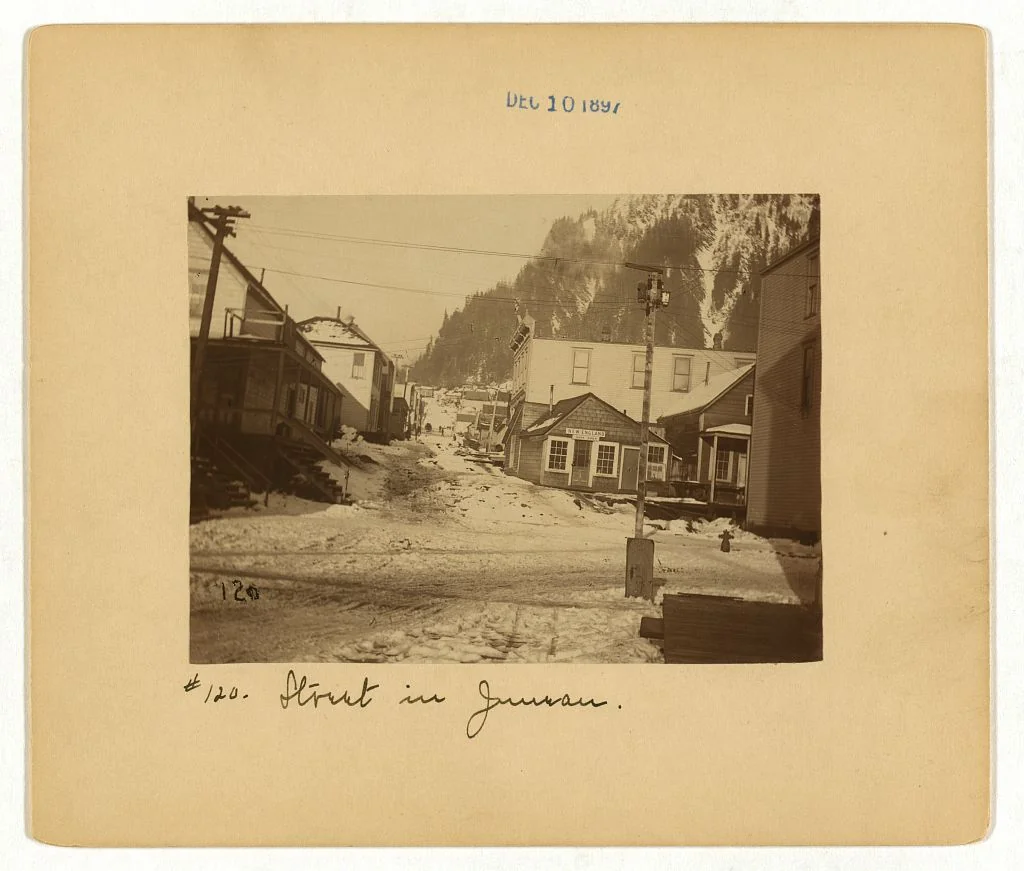
Gallery rebuilt 2026-04-12 with verified public-domain images. Four 2008 Carol M. Highsmith photographs from the LoC Carol M. Highsmith Archive (dedicated to the public domain by the photographer per her 1991 LoC agreement), plus two pre-1928 historical photographs from the LoC Prints & Photographs Division. Eight prior generic-boilerplate "Wikimedia Commons contributor" files were removed per admin/CAREFUL.md Image Verification Protocol.
Late June through early August offers the most reliable weather — highs in the upper 50s to mid-60s°F, long daylight (~18 hours at the June solstice), and peak humpback whale activity at Auke Bay and Stephens Passage. May and September are quieter shoulder months with cooler, wetter conditions and lower prices.
Pack a waterproof-and-windproof outer shell (umbrellas are useless in the wind), fleece mid-layer, warm base layer, hat, gloves, and non-slip waterproof walking shoes. Juneau averages ~62 inches of precipitation a year and rain is the default. Binoculars and a telephoto lens are essential for whale watching.
Alaska sits outside the warm-water storm belt — no typhoons or the like. The real weather concern is Gulf of Alaska mid-latitude low-pressure systems, which intensify from late August through winter. Summer cruise days rarely encounter severe weather. Helicopter and flightseeing tours can be cancelled due to low cloud cover — build flexibility into your day.
No. Juneau sits in a temperate rainforest where ~62 in/yr of precipitation is normal; locals say there is no bad weather, only bad gear. Whale watching runs rain or shine, the Mendenhall Glacier visitor center is covered, Mount Roberts Tramway operates in low cloud, and Alaska State Museum and Red Dog Saloon are good indoor backups.
Mendenhall Glacier is about 13 miles north of downtown Juneau. Shuttle buses run constantly from the cruise pier with round-trip fares of $35–$45, the city bus is cheaper but drops off two miles from the visitor center, and taxis run about $30–$40 one way. The scenic drive takes 20–30 minutes through Tongass rainforest.
Yes. Juneau's main cruise berths — AJ Dock, Intermediate Vessel Float, Marine Park, and S. Franklin Street — are all within a 5-minute walk of downtown on flat paved sidewalks. When five or more ships arrive together, some vessels anchor in Gastineau Channel and tender passengers ashore. A new floating berth on Douglas Island is scheduled to open in 2027.
Most reputable operators offer guaranteed sightings — if you do not see whales, you receive a refund or credit. Humpback whales are reliably present in the Juneau area from roughly May through September. Boats depart from Auke Bay (about 30 minutes by shuttle from the cruise pier) rather than from downtown.
For many cruisers, yes. Helicopter tours to the Juneau Icefield cost about $350–$650 per person depending on whether you add a glacier walking tour or dog-sled experience. Flying over the icefield and landing on a glacier is one of the most memorable Alaska experiences available. Tours are weather-dependent; cancellations get full refunds.
Humpback whales (reliable May–September), orcas, harbor porpoises, Steller sea lions at Benjamin Island, sea otters, bald eagles (extremely common), black bears (sometimes visible at Mendenhall salmon streams and on forest trails), and mountain goats on steep cliffs near the tramway.
A 6-minute aerial tram from the downtown cruise pier area to 1,800 feet on Mount Roberts. The top offers restaurants, trails, a nature center, and views across Gastineau Channel to Douglas Island. Tickets run about $50–$55 for adults and include all-day access. Great backup for bad weather since the upper restaurant and exhibits are indoors.
Tracy's King Crab Shack is legendary for its crab bisque and king crab legs. The salmon bakes (Taku, Gold Creek) serve all-you-can-eat fresh salmon and reindeer sausage cooked over open fires. The Red Dog Saloon is a tourist-friendly historic bar with sawdust floors. For fine dining try Salt or The Hangar on the Wharf.
Whale watching at Auke Bay runs about $150–$200 per person; Mendenhall Glacier shuttle plus entry fee $35–$45; Mount Roberts Tramway $50–$55; helicopter glacier tours $350–$650; bear-viewing flights from nearby airports $500–$800. Ship excursions typically cost 10–20% more than booking direct but include guaranteed return to ship.
The downtown cruise waterfront is highly accessible — flat paved sidewalks, accessible visitor center at Marine Park, taxi stand, and accessible vehicles. Mendenhall Glacier visitor center and its short paved trail are accessible. Mount Roberts Tramway is wheelchair accessible. Some hiking trails and boat excursions may have limited accessibility — confirm with operators before booking.