


Photo: Wikimedia Commons
My Logbook: Five Thousand Years in the Wind
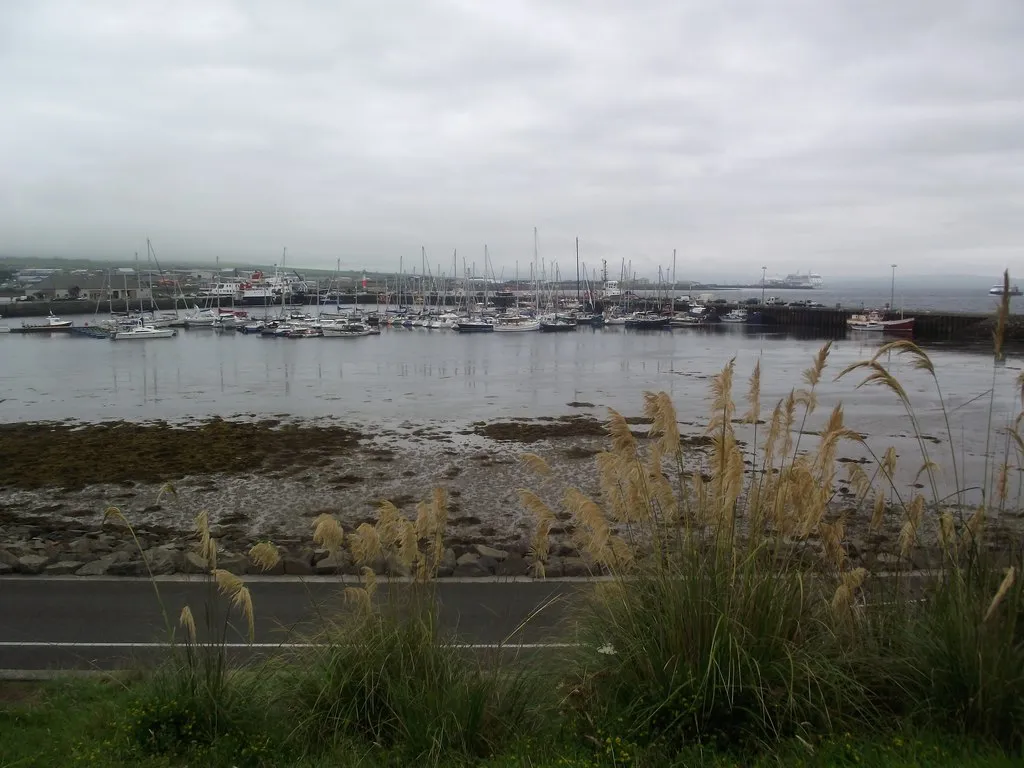
I heard Kirkwall before I saw it. Standing at the ship's rail as we eased toward Hatston Pier, the wind hit me like an open hand — a steady, salt-heavy gust that made my jacket snap and my eyes water. The sky was a moving canvas of grey and silver, clouds racing south at a speed that felt almost theatrical, and below them the low green coastline of Orkney stretched in every direction with barely a tree in sight. Someone behind me on deck muttered, "Where are we, the edge of the world?" I thought it was a fair question. My hands were already cold. I zipped my jacket to the throat, shouldered my daypack, and walked down the gangway into a place that had been waiting five thousand years for visitors like me.
The shuttle bus dropped us at the town centre, and I walked the narrow flagstone streets toward St. Magnus Cathedral. The building rose above the rooftops in bands of red and yellow sandstone, warm against the grey sky, and when I stepped inside the temperature barely changed — these northern churches hold their cold like cellars. But the light was extraordinary. Stained glass threw patches of colour across stone pillars that had stood since 1137, when Viking Earl Rognvald built this place in honour of his martyred uncle Magnus. I pressed my palm against a column and felt the rough grain of eight hundred years of weather and prayer beneath my fingers. In 1919, workers found bones hidden inside one of these columns — a skull split by an axe blow, confirming the martyrdom legend as historical fact. I stood there a long time, my hand on that cold stone, thinking about the people who had hidden those bones and trusted that someday the truth would surface.
From the cathedral I caught a taxi west toward Skara Brae, and the Orkney landscape opened up around me like something from another age. Green fields rolled toward grey cliffs, and sheep stood in the wind with their wool blown sideways, looking unbothered by conditions that had me gripping my hat with both hands. The driver — a quiet local woman named Margaret — told me that Orkney folk measure wind the way other people measure temperature: anything below twenty miles an hour is a calm day. She said this without a trace of irony. I liked her immediately.
Skara Brae sits on the edge of the Bay of Skaill, and the first thing I noticed was the sound — Atlantic waves smashing against the beach with a deep, rhythmic roar that made conversation difficult. The village itself lies in a shallow depression, protected from the worst of the wind, and I walked along the raised pathway looking down into stone houses that were old when the pyramids were still a blueprint. Stone dressers. Stone beds. Stone hearths with channels cut for drainage. Five thousand years ago, someone arranged their belongings on those shelves, lay down on those beds, and listened to the same waves I was hearing now. The scale of that continuity hit me somewhere in the chest. I felt my eyes fill with tears, standing there on that windswept cliff, and I did not try to wipe them away. I whispered a quiet prayer of gratitude for the nameless people who had built these homes and lived their ordinary lives in this extraordinary place, never knowing that fifty centuries later a stranger from a cruise ship would stand above their hearths and weep.
Margaret drove me next to the Ring of Brodgar, and something shifted inside me when I saw it. Twenty-seven standing stones arranged in a perfect circle on a narrow isthmus between the Loch of Stenness and the Loch of Harray, the water grey on both sides, the sky enormous overhead. The wind was ferocious here — I had to lean into it to walk — but the stones stood as they had for four thousand years, indifferent to weather and time and the small dramas of human life passing between them. I walked the full circumference slowly, touching each stone as I passed, feeling the lichen rough under my fingertips. Some of the stones had runic graffiti carved by Viking visitors a thousand years ago — tourists, even then. I laughed at that, alone in the wind, and the sound was snatched away before it reached the nearest stone.
Back in town I found the Standing Stones Hotel and ordered an Orkney crab sandwich and a dram of Highland Park 12-year whisky. The sandwich cost £9 and the whisky £6, and both were worth every penny. The crab was sweet and fresh, pulled from traps that morning, and the whisky tasted of peat smoke and heather honey with a finish that lingered like a good memory. The hotel was warm and quiet after the wind, and I sat by the window watching rain streak across the glass and thinking about what I had seen. The honest truth is that Orkney is not comfortable. The wind never stops. The rain comes sideways. The landscape offers no shelter and no pretence. But that rawness is precisely what makes it feel so alive, so honest, so close to something fundamental about the human experience of place and time.
I made it back to the ship with an hour to spare, wind-burned and happy and carrying a bottle of Highland Park that cost £45 from the distillery shop. As we pulled away from Hatston Pier, I stood at the rail again and watched Orkney shrink into the North Sea dusk. The cathedral spire was the last thing visible, a dark needle against the pale sky. Looking back, what Orkney taught me is that the oldest things are often the simplest — stone walls, standing stones, bread and fish and fire. The people of Skara Brae did not have much by our standards, but they had homes and hearths and each other, and they built them to last five thousand years. That is the lesson I carry with me from Kirkwall: that what endures is not what is grand or expensive or clever, but what is made with care, in community, against the wind.
Weather & Best Time to Visit
The Cruise Port
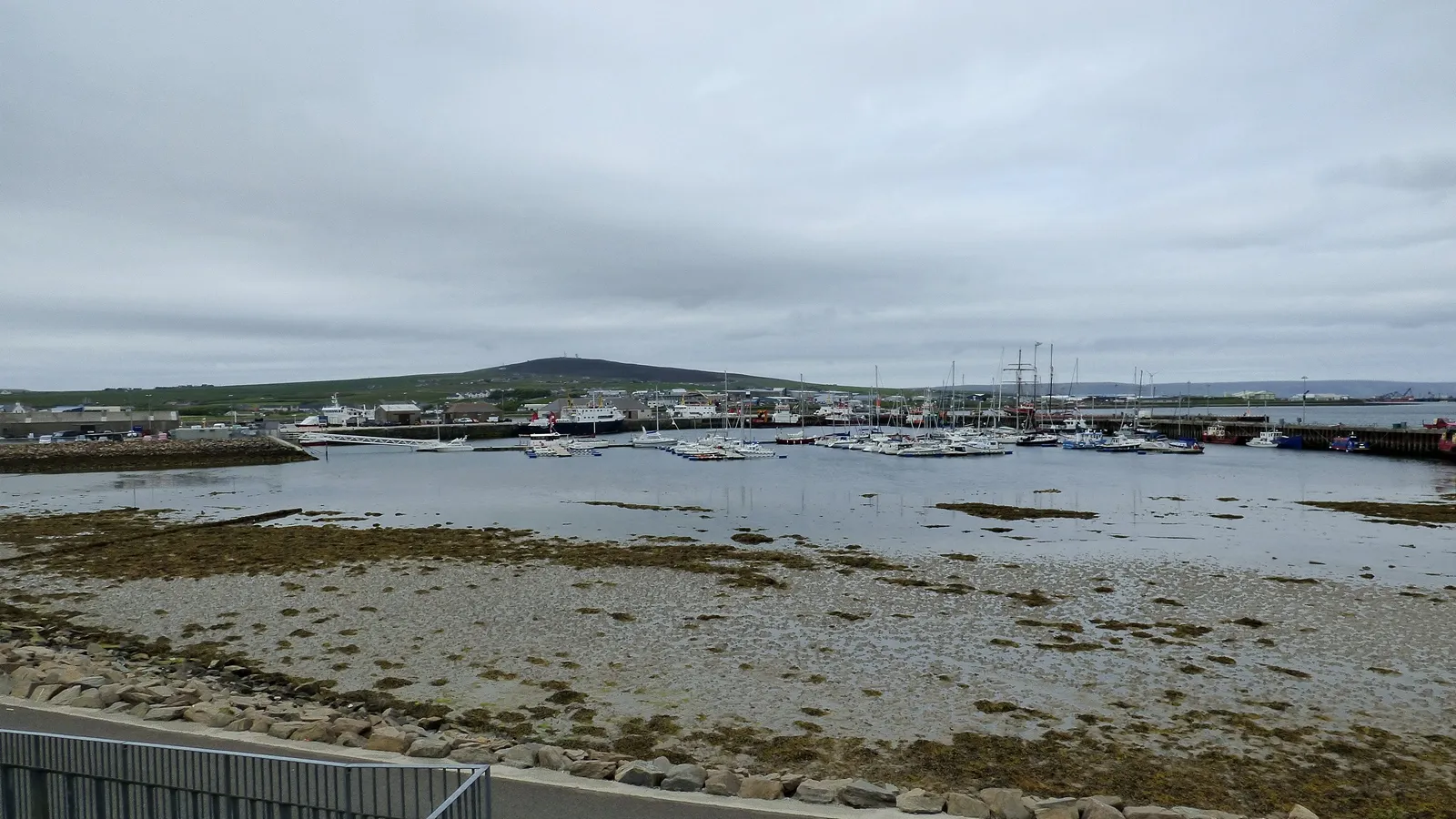
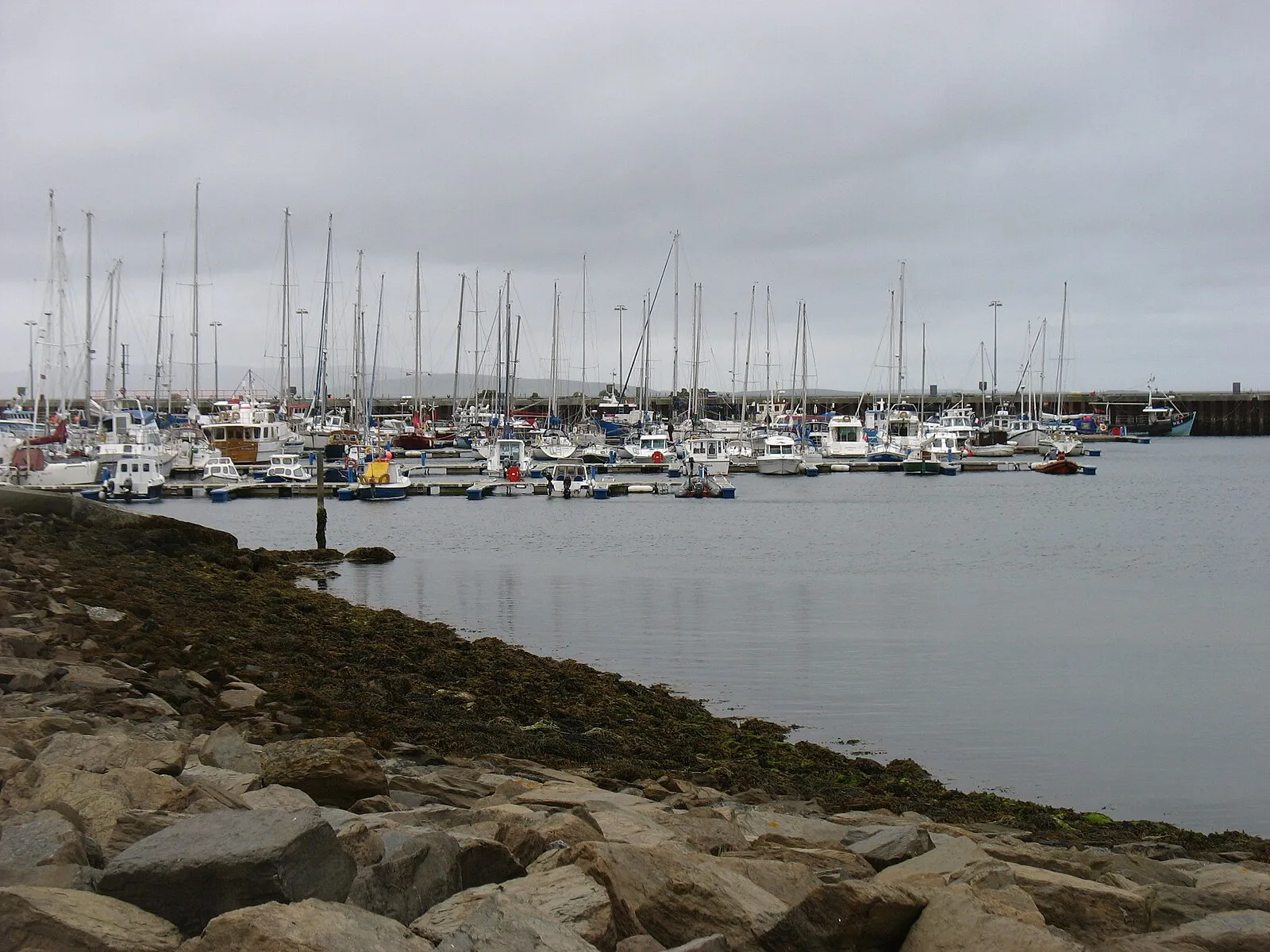
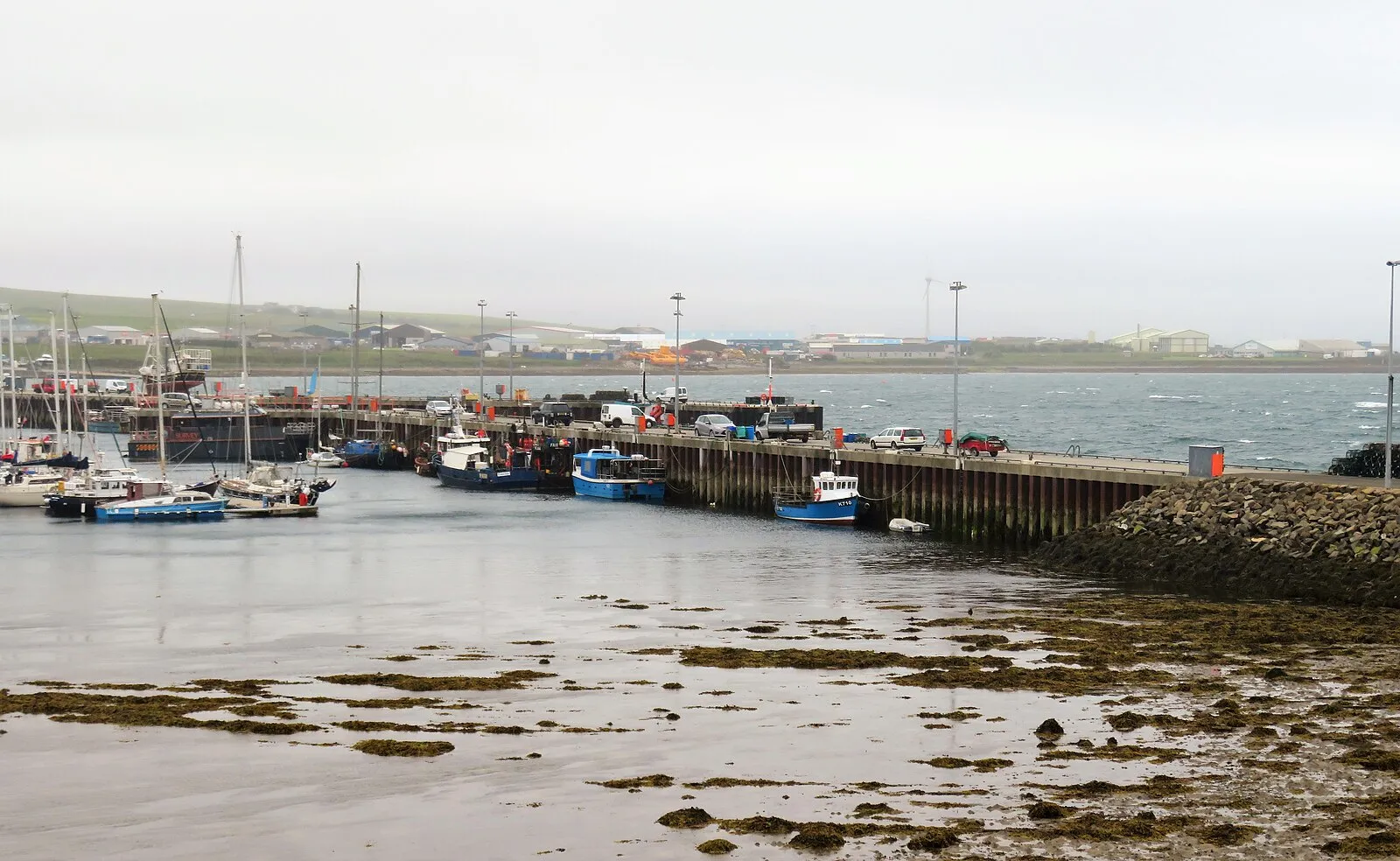
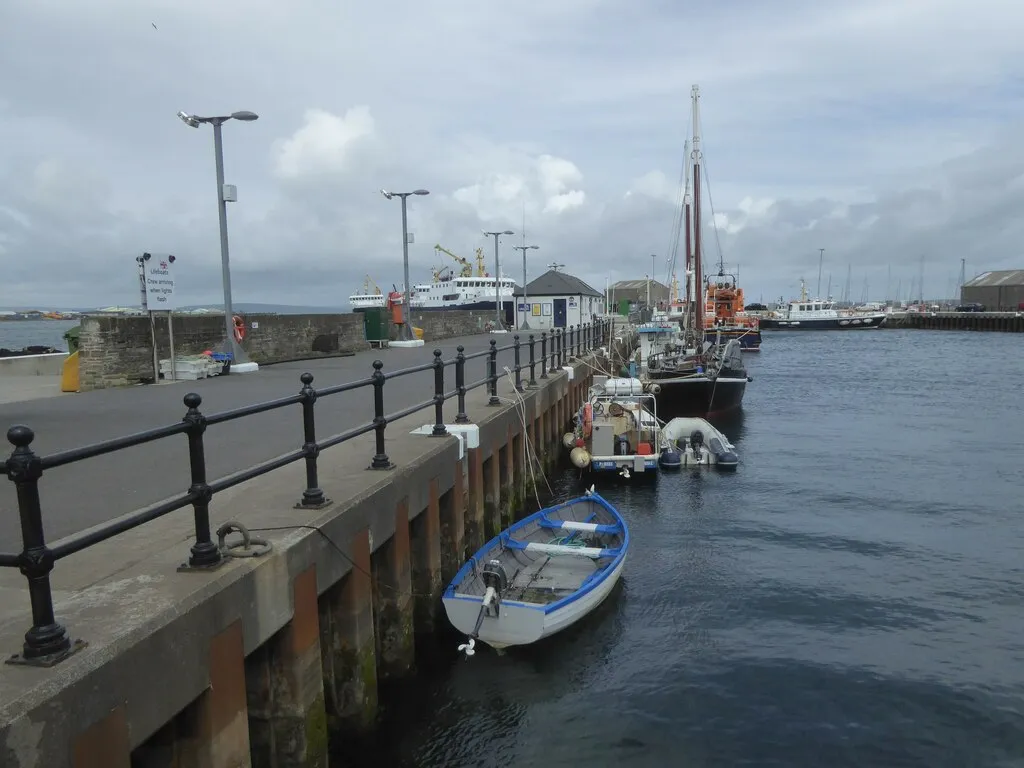
Ships dock at Hatston Pier, a modern facility about two miles north of Kirkwall town centre. The pier can accommodate large cruise vessels alongside, meaning no tender operations are required in normal weather conditions — though severe winter gales occasionally force cancellations. The terminal area is basic: an open pier with a small covered waiting shelter, portable toilets, and a tourist information stand staffed on cruise ship days. There are no shops or restaurants at the pier itself. Shuttle buses operated by the port authority run continuously between Hatston and the town centre, costing approximately £5 return per person. Taxis queue at the pier when ships arrive and charge around £8 for the ride into Kirkwall. The pier area is flat and accessible for wheelchair users, though the shuttle buses vary in accessibility — ask the port staff to direct you to the low-floor vehicle if needed. Most cruise lines offer organised excursion coaches that depart directly from the pier.
Getting Around
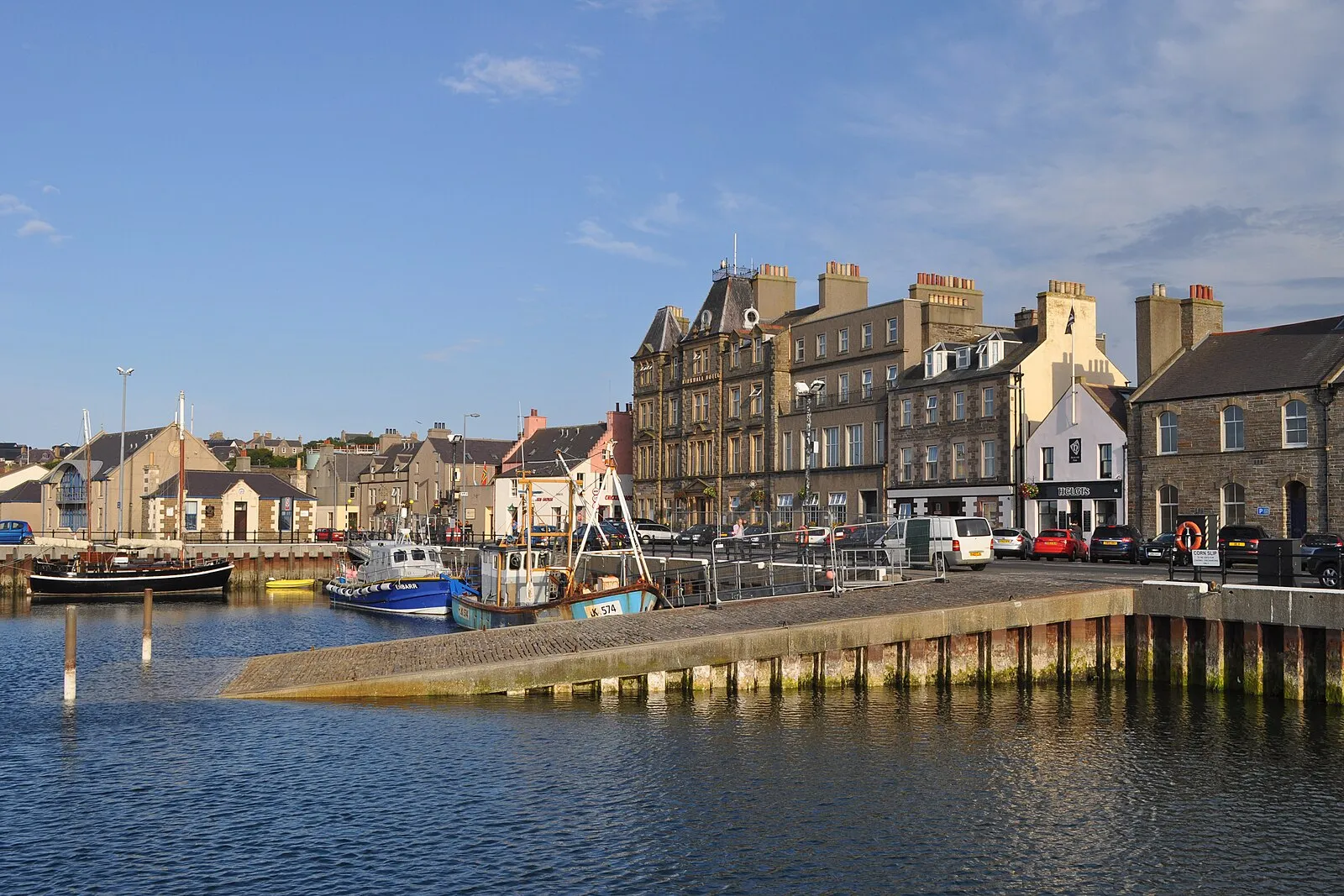
Kirkwall town centre is compact and walkable once you arrive from the pier. The main street runs from the cathedral to the harbour in about ten minutes on foot, and most shops, restaurants, and the Highland Park Distillery are within a fifteen-minute walk. Pavements are generally flat and in good condition, making the town centre accessible for wheelchair users and those with limited mobility. However, the major archaeological sites — Skara Brae, the Ring of Brodgar, Maeshowe, and the Italian Chapel — are scattered across the Orkney mainland and require transport.
Taxis are the most flexible option for independent exploration. A return trip to Skara Brae and the Ring of Brodgar by taxi costs approximately £40-50 for a half-day, and most drivers will wait while you explore each site. There is no Uber or ride-hailing service in Orkney. Local minibus tours operate from the pier on cruise days, typically costing £30-40 per person for a three-to-four-hour circuit of the main sites. Public buses run between Kirkwall and Stromness (for Skara Brae) but schedules are infrequent and not well timed for cruise passengers. Car hire is available in Kirkwall from around £45 per day, though availability is limited and booking ahead is strongly recommended in summer. The roads are single-track in places with passing places, and driving requires patience and courtesy. Budget extra time for any transport — Orkney operates on island time, and rushing defeats the purpose of being here.
Kirkwall Port Map
Interactive map showing cruise terminal and Kirkwall attractions. Click any marker for details.
Excursions & Activities
Skara Brae Neolithic Village
The premier archaeological site in Orkney and among the oldest preserved settlements in Europe. Skara Brae is a cluster of stone houses dating to roughly 3100 BC, uncovered by a storm in 1850. Visitors walk along a raised pathway looking down into the roofless dwellings, each with its stone dresser, bed platform, and central hearth still intact. The adjacent visitor centre includes a replica house you can enter. Admission costs £10 for adults, £6 for children. Allow two hours including the drive. The site is partially wheelchair accessible — the visitor centre and replica house have level access, but the path along the original village is gravel and uneven in places. You can visit independently by taxi or hire car, or join a ship excursion that typically combines Skara Brae with the Ring of Brodgar for $70-90. Book ahead for ship excursions as they sell out quickly on Orkney calls.
Ring of Brodgar
A Neolithic stone circle of twenty-seven remaining stones set on a dramatic isthmus between two lochs. Entry is free and the site is open year-round. The full walk around the circle takes about thirty minutes on a grass path that can be muddy after rain. This is a moderate-energy walk on uneven ground — wheelchair users will find the terrain challenging. The wind is typically fierce here, so dress warmly. Visit independently by taxi or combine with Skara Brae on a guided tour. No need to book ahead for independent visits.
St. Magnus Cathedral
Founded in 1137 by Viking Earl Rognvald, this red and yellow sandstone cathedral remains in active use and is a ten-minute walk from the town centre shuttle stop. Entry is free, with donations appreciated. The interior features Norse-era architecture, memorial plaques, and the hidden bones of St. Magnus himself. Allow forty-five minutes to an hour. The cathedral has step-free entry at ground level and is accessible for wheelchair users. Visit independently — no booking required.
Highland Park Distillery
Scotland's most northerly single malt distillery sits a fifteen-minute walk from the town centre. Standard tours cost £15 and last about an hour, including a tasting of the 12-year expression. Premium tours with additional tastings run to £30-50. The distillery shop sells exclusive bottlings not available elsewhere, with prices starting around £45. Moderate accessibility — the tour involves stairs and uneven floors in the production areas, though staff can arrange ground-floor-only visits on request. You can walk here independently from town, but book ahead in summer as tours fill quickly when cruise ships are in port.
Italian Chapel
A remarkable chapel built by Italian prisoners of war during World War II from two Nissen huts and whatever materials they could salvage. The painted interior is a testament to faith and creativity under impossible conditions. Entry is free, with a donation box. The chapel is about fifteen minutes by taxi from Kirkwall, costing around £20 return. Low-energy visit suitable for all mobility levels — the interior is small and flat. Visit independently or as part of a ship excursion that typically includes the Churchill Barriers and Scapa Flow viewpoints for $50-70.
Maeshowe Chambered Cairn
A 5,000-year-old burial chamber famous for its Viking runic graffiti — Norse crusaders broke in during the twelfth century and carved messages on the walls. Entry costs £10 and is by timed ticket only, booked through Historic Environment Scotland. The interior is accessed via a low, narrow passage that requires stooping — not suitable for those with claustrophobia or significant mobility limitations. Allow one hour including the guided introduction. Book ahead as tickets are limited and sell out on cruise ship days.
Depth Soundings
Practical tips before you step off the ship.
Orkney uses the British Pound Sterling (GBP). Scottish banknotes are common and accepted everywhere. Card payments work in most shops and restaurants, but carry some cash for small purchases, donations at churches, and taxi fares. ATMs are available on the main street in Kirkwall. Tipping is not expected in Orkney but appreciated — rounding up a taxi fare or leaving a pound or two at a restaurant is generous by local standards.
The wind is the defining feature of Orkney weather and it never truly stops. Even on a calm summer day, expect steady breezes of fifteen to twenty miles per hour at exposed sites like the Ring of Brodgar and Skara Brae. A windproof jacket and warm hat are essential kit, not optional extras. Sunscreen matters in summer despite the cool temperatures — the northern latitude means long UV exposure during the eighteen-hour daylight days of June and July. Orkney folk are famously welcoming and understated. English is the only language you will need. The local accent is distinctive — a rolling, Norse-influenced cadence that takes a moment to tune into but rewards the effort. Shops close early by mainland standards, typically by five or five-thirty, so plan your souvenir shopping accordingly.
Photo Gallery
Frequently Asked Questions
Where do cruise ships dock in Kirkwall?
Ships dock at Hatston Pier, about two miles north of town. Shuttle buses cost around £5 return, and taxis charge approximately £8 for the ride into the centre. The pier is flat and wheelchair accessible.
Can I visit Skara Brae independently from the cruise port?
Yes. Hire a taxi from Hatston Pier for around £40-50 return, or join a shared minibus tour for £30-40 per person. The drive takes about twenty-five minutes each way. Ship excursions cost $70-90 and guarantee your return to the vessel.
What should I wear in Orkney?
Layers and a windproof jacket are essential year-round. Temperatures range from 3 to 15 degrees Celsius. Sturdy walking shoes help on uneven archaeological paths. Even in summer, bring a warm hat.
Is Kirkwall accessible for wheelchair users?
The town centre is mostly flat and accessible. St. Magnus Cathedral has step-free entry. However, Skara Brae and the Ring of Brodgar have uneven grass and gravel paths that present challenges for wheelchair users and those with limited mobility.
How long do you need for the main sites?
Five to six hours covers Skara Brae, Ring of Brodgar, and St. Magnus Cathedral comfortably. Add an extra hour if you want to include Highland Park Distillery or the Italian Chapel.
What currency is used in Kirkwall?
British Pound Sterling (GBP). Scottish banknotes are common and accepted everywhere in Orkney. Card payments work in most shops and restaurants. ATMs are available on the main street.
Kirkwall, Orkney — Port Guide
Last reviewed: February 2026