
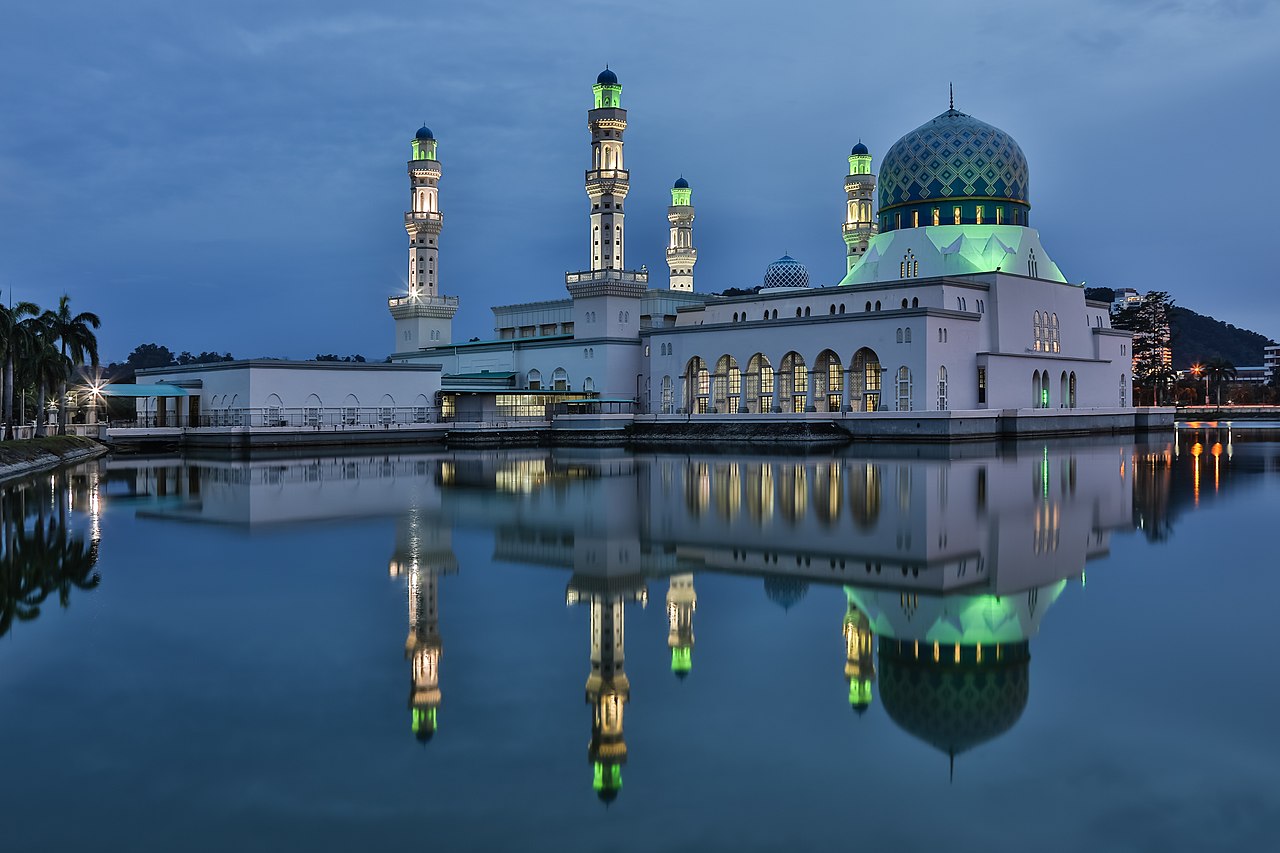
Photo: Wikimedia Commons
My Logbook: Where the Mountain Watches Over the Sea
There's a particular quality to the light in Kota Kinabalu at dawn — soft and golden, filtering through the palms along the waterfront promenade as the South China Sea stretches calm and endless before you. I've arrived in this Borneo city half a dozen times now, and each visit reminds me why they call Sabah "The Land Below the Wind," safely south of the typhoon belt, blessed with steady breezes and those impossibly clear mornings when Mount Kinabalu reveals itself on the distant horizon like a benediction.
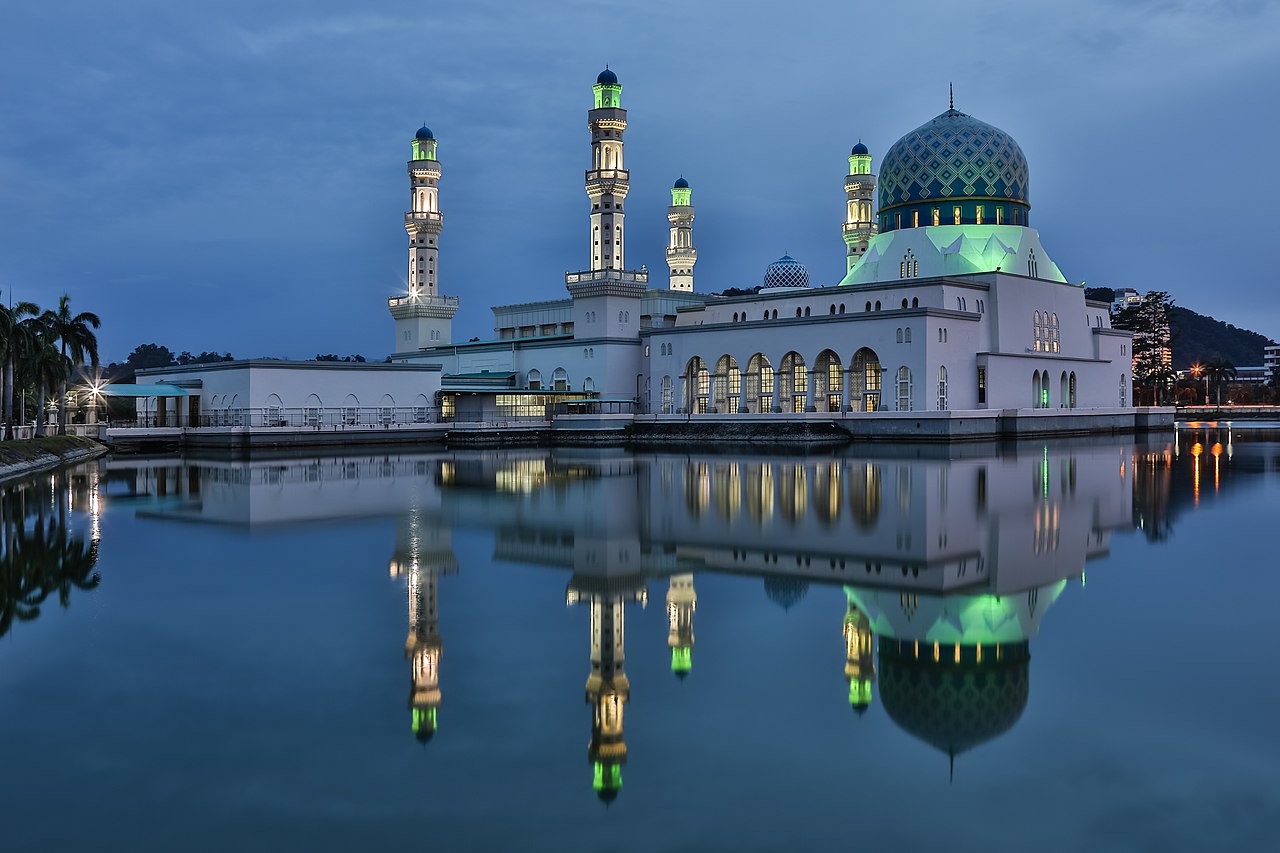
The city wears its Malaysian Borneo identity proudly — a vibrant blend of indigenous Kadazan-Dusun heritage, Chinese trading roots, and Filipino maritime connections, all animated by the easy rhythms of tropical life. Unlike the peninsula's megacities, Kota Kinabalu maintains an approachable scale, where you can walk from your ship to the Filipino stalls, catch a boat to a marine park island, and still have time to watch the sunset from Signal Hill, all in a single unhurried day.
Standing at Signal Hill Observatory Platform as the sun descended toward the South China Sea, the entire city spread below in the gathering dusk. Mount Kinabalu, ninety kilometers distant, glowed pink in the alpenglow, its granite peaks catching the last light long after the lowlands had surrendered to evening. An elderly Kadazan woman beside me gestured toward the mountain and said simply, "Aki Nabalu — our revered place of the dead." I couldn't speak for a long moment, my eyes welling with unexpected tears at the weight of her words. My heart swelled with something I can only call reverence — not just for the mountain, but for a people who have lived in its shadow for centuries, drawing strength from its presence. I finally understood that this city lives always in conversation with that sacred peak, measuring time by its moods. The mountain disappeared into darkness, but its weight remained — a quiet prayer answered in stone and cloud, a reminder that some presences shape a place even when invisible.
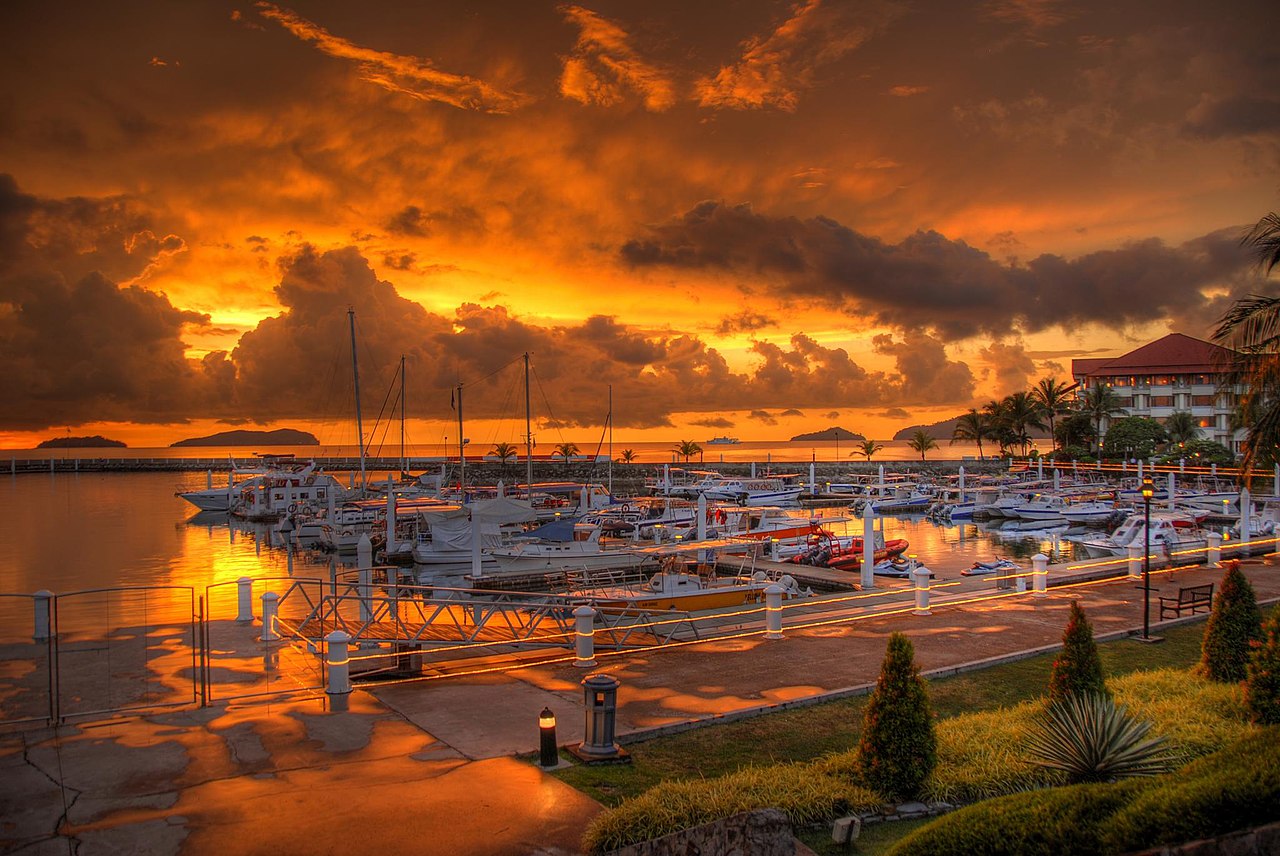
Most cruise ships dock at one of two locations in Kota Kinabalu. The main port at Sapangar Bay sits about 25 kilometers north of the city center — a modern facility where larger vessels berth, with shuttle buses or taxis providing the connection to downtown. Some smaller ships dock at Jesselton Point Ferry Terminal, right in the heart of the city along the waterfront, a position so convenient you can practically walk to the Filipino stalls and Central area before breakfast.
The five islands of Tunku Abdul Rahman Marine Park float just offshore from Jesselton Point, so close you can see their jungle-covered hills from the waterfront. I've spent mornings on Manukan Island, snorkeling in water so clear you can count the sergeant majors and parrotfish from the surface, then walking the boardwalks through mangrove forests where monitor lizards sunbathe on fallen logs. Sapi Island offers similar pleasures with fewer crowds — turquoise shallows, white coral sand, and that particular peace that descends when you're floating in bathwater-warm seas with nothing but coconut palms and birdsong for company.
At the Sabah State Museum complex, set on a hill overlooking the city, I've spent quiet hours examining tribal artifacts — brass gongs, ceremonial costumes, head-hunting swords — each piece a reminder that Borneo's peoples run deep and diverse. The Heritage Village shows how indigenous Bornean communities lived, while the museum galleries trace Sabah's path from prehistory through the colonial period to modern statehood. However, nothing quite prepared me for the raw emotional force of Mari Mari Cultural Village, about twenty minutes from the city, where I watched demonstrators start fires with bamboo friction, tap rubber trees, and pound sago palm into flour.
Sabahan cuisine blends Malay, Chinese, and indigenous influences with a particular emphasis on fresh seafood. I've eaten memorably at the night scene along the waterfront — grilled stingray slathered with sambal, butter prawns fragrant with curry leaves, and satay served with peanut sauce and rice cakes. The taste of tuaran mee, those springy egg noodles stir-fried with char siu, lingers in my memory like a postcard from a place I never want to leave. I've sipped thick kopi at kopitiams, sweetened with condensed milk and served with kaya toast — the smell of roasted beans mixing with the briny tang of fresh mackerel from the nearby stalls.
I've returned to my ship from Kota Kinabalu as the sun sets, painting the marine park islands in silhouette against a sky of rose and amber. I realized what matters is presence — simply being here, noticing the textures, participating in the daily rhythms of Borneo life. This city offers something increasingly rare in Southeast Asian cruise ports: a genuine sense of place unmarred by over-tourism, where the culture remains lived rather than performed. Whether you spend your day floating in the marine park's turquoise waters, climbing toward Mount Kinabalu's cool highlands, or simply wandering with no agenda beyond observation, Kota Kinabalu rewards you with grace. And in a world that increasingly feels homogenized, that gift feels worth accepting.
Weather & Best Time to Visit
The Cruise Port
Most cruise ships calling at Kota Kinabalu dock at Sapangar Bay Container Port, located approximately 25 kilometers north of the city center. The facility handles both cargo and cruise traffic, with a dedicated passenger area providing basic amenities including currency exchange, tourist information desks, and duty-free retail. Shuttle buses organized by the cruise line typically run between Sapangar Bay and the downtown waterfront, with the journey taking 30-40 minutes depending on traffic conditions. Taxi fare from Sapangar Bay to downtown runs approximately RM 60-80 ($13-17).
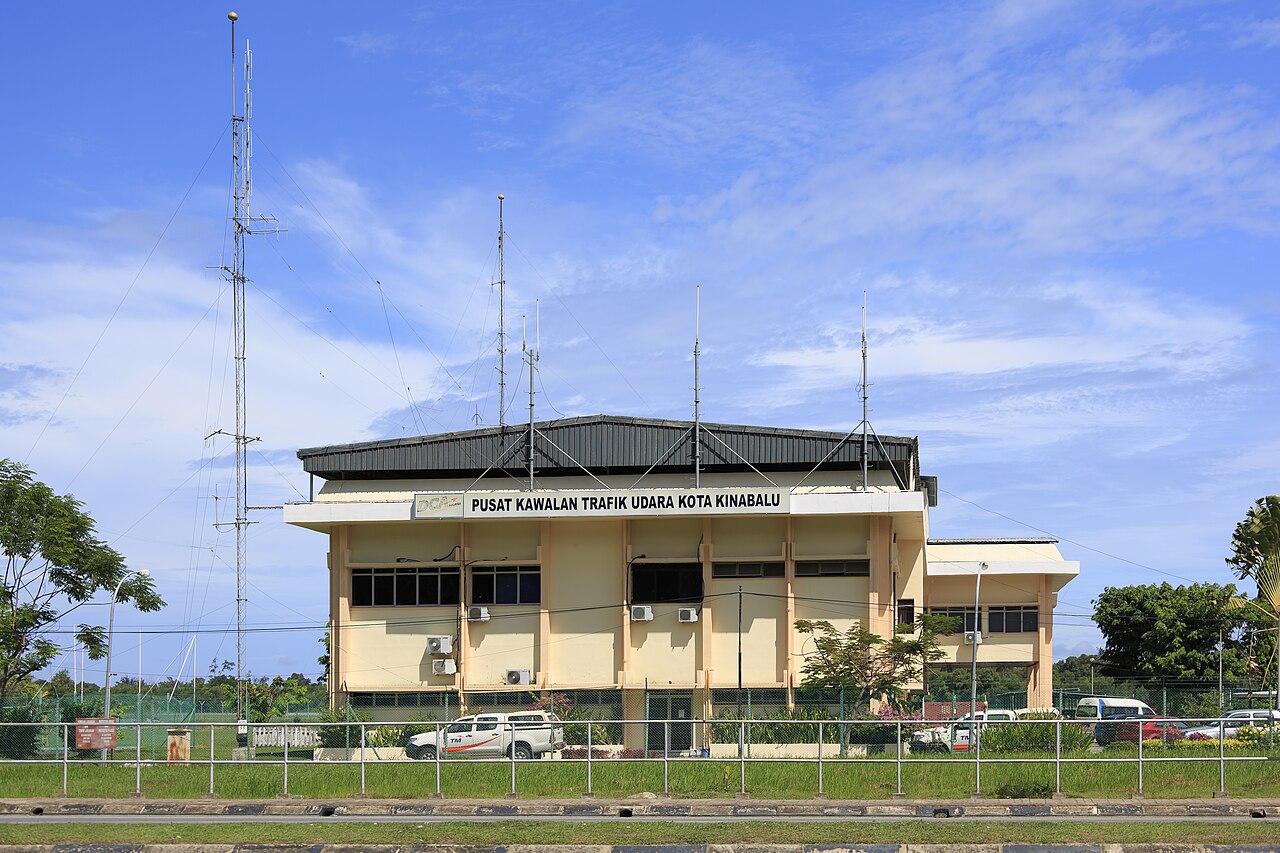
Smaller vessels sometimes dock at Jesselton Point Ferry Terminal, located right on the downtown waterfront. This is the more convenient berth, placing passengers within walking distance of the Filipino area, Central stalls, Gaya Street, and the island boat ticket counters. The terminal is wheelchair accessible at ground level, though some older areas of the waterfront have uneven surfaces. Mobility-impaired visitors should note that Sapangar Bay requires vehicle transfer to reach all attractions. No tender is required at either berth — ships dock directly at the pier.
Getting Around
- Cruise Line Shuttle: Most ships docking at Sapangar Bay provide shuttle service to the downtown waterfront area. Check with your cruise line for schedule and any fee (typically $10-15 round trip). This is the simplest option for reaching the city center.
- Grab (Rideshare): Southeast Asia's leading rideshare app works well in Kota Kinabalu, offering transparent pricing and air-conditioned vehicles. Fare from Sapangar Bay to downtown approximately RM 50-70 ($11-15). Useful for Signal Hill, the museum, or Kinabalu Park trips.
- Taxis: Available at both port locations. Agree on the fare before departure as not all taxis use meters. Fare from Sapangar to downtown approximately RM 60-80 ($13-17). From Jesselton Point to Signal Hill around RM 15-20 ($3-4).
- Walking: If docked at Jesselton Point, the downtown waterfront area is entirely walkable. The Filipino stalls, Central area, Gaya Street, and Atkinson Clock Tower are all within a 15-minute walk. Moderate walking stamina required for Signal Hill on foot.
- Island Boats: Speedboats to Tunku Abdul Rahman Marine Park depart continuously from Jesselton Point. Buy tickets at the ticket counters — packages include boat transfers, snorkeling equipment, and island entrance fees. Cost approximately RM 40-60 ($9-13) per island. Return boats run throughout the day.
- Tour Operators: Shore excursion operators at the port offer organized tours to Mount Kinabalu Park (cost approximately RM 250-400 / $55-87), Mari Mari Cultural Village, and combination city-and-island packages. These handle all transportation and timing.
Kota Kinabalu Area Map
Interactive map showing cruise terminal and Kota Kinabalu points of interest. Click any marker for details.
Excursions & Shore Tours
Booking guidance: Marine park island trips need no advance booking — just buy tickets at Jesselton Point. Mount Kinabalu Park and Mari Mari require transport arrangements. Ship excursions offer guaranteed return to the vessel but cost more. For independent exploration, Grab rideshare works well. Book ahead for Kinabalu Park tours during peak season (March-August) as transport fills quickly.
Tunku Abdul Rahman Marine Park Island Hopping
Five islands float just offshore from Jesselton Point, reachable by speedboat in 15-20 minutes. Manukan Island offers the best facilities with restaurants, changing rooms, and well-maintained reef access for snorkeling. Sapi Island is quieter with excellent eastern reef snorkeling. Island entry fee approximately RM 10 ($2), boat transfers RM 30-50 ($7-11) depending on package. This is an ideal independent half-day excursion — no ship excursion needed since boats run continuously and the crossing is short. Budget RM 80-120 ($17-26) per person including snorkel rental and lunch.
Mount Kinabalu Park Day Visit
Southeast Asia's highest peak (4,095m) and a UNESCO World Heritage site. While summiting requires multiple days and advance permits, the park headquarters at 1,500m elevation offers botanical gardens with highland orchids, pitcher plants, and cool montane air. The drive takes about 90 minutes each way. Ship excursion cost typically $80-120 per person; independent tours from local operators run RM 200-350 ($44-76) including transport and park entry (RM 15 / $3). Book ahead during peak months as van seats fill quickly. Moderate walking on well-maintained trails — accessible paths exist at park HQ.
Mari Mari Cultural Village
A living museum about 25 minutes from the city, recreating houses of five indigenous Bornean peoples — Kadazan-Dusun, Lundayeh, Murut, Bajau, and Rungus. Demonstrations include fire-starting, rubber tapping, and sago processing. Entry approximately RM 180 ($39) including guided tour and refreshments. The performances can feel touristic, but the underlying information is genuine and respectfully presented. Can be visited independently by Grab taxi (RM 30-40 each way) or through a ship excursion. Low walking difficulty on mostly flat ground — wheelchair users should inquire about specific longhouse accessibility.
Signal Hill Observatory & City Walk
A short taxi ride (RM 15 / $3) or vigorous uphill walk from downtown brings you to this hilltop lookout where the entire city spreads before you — the waterfront, the marine park islands, and on clear days, Mount Kinabalu presiding from the east. Combine with a walk through Gaya Street (Sunday morning flea scene is exceptional), the Atkinson Clock Tower, and the waterfront. Free admission. This is the best independent option for travelers with limited time or mobility concerns, as Signal Hill itself requires only moderate walking once you arrive by vehicle.
Local Food & Drink
Sabahan cuisine blends Malay, Chinese, and indigenous influences with an emphasis on fresh seafood at remarkable value:
- Night Waterfront Stalls ($): Grilled stingray with sambal, butter prawns, satay, and fresh seafood — the quintessential KK dining experience. Most dishes RM 8-25 ($2-5). Open evenings along the waterfront.
- Kedai Kopi Fatt Kee ($): Local favorite for tuaran mee (springy egg noodles) and ngiu chap (beef noodle soup). Hearty meals under RM 15 ($3). Near Gaya Street.
- Welcome Seafood Restaurant ($$): Excellent sit-down seafood. Try the butter prawns and black pepper crab. Expect RM 40-80 ($9-17) per person. Reservation recommended for dinner.
- Kopitiams (Coffee Houses) ($): Thick kopi with condensed milk and kaya toast for RM 5-8 ($1-2). The taste of Sabahan mornings. Found throughout downtown.
- Hinava (Kadazan-Dusun ceviche): Raw fish "cooked" in lime juice with ginger, shallots, and chili — ask for it at local Sabahan restaurants. A unique regional specialty worth seeking out.
Budget tip: The Central food stalls offer excellent, affordable meals for RM 5-15 ($1-3). For the freshest seafood, visit the waterfront evening scene where you can select live seafood and have it cooked to order — one of the great bargains of Southeast Asian cruise ports.
Depth Soundings
Practical tips before you step off the ship.
Kota Kinabalu is the capital of Sabah, Malaysian Borneo — a modern, safe city with good infrastructure and welcoming locals. Currency is the Malaysian Ringgit (MYR/RM), with an exchange rate of approximately RM 4.5 = $1 USD. Credit cards work at larger establishments, but cash is essential for stalls, small vendors, and island visits. ATMs are plentiful downtown. English is widely spoken alongside Malay.
Safety is excellent by Southeast Asian standards. Standard urban awareness applies, but violent crime against tourists is rare. The main considerations are practical: the equatorial sun is intense (bring reef-safe sunscreen), afternoon thunderstorms are common year-round (carry a light rain jacket), and the humidity can be exhausting — pace yourself and stay hydrated. Tap water is not recommended for drinking; bottled water costs RM 1-3 ($0.25-0.65).
The waterfront area near Jesselton Point is largely flat and accessible for wheelchair users. Island boats require stepping down into speedboats, which presents a challenge for those with limited mobility — speak with boat operators about boarding assistance. Signal Hill is accessible by vehicle but not on foot for mobility-impaired visitors. The cruise terminal at Sapangar Bay has basic accessible facilities, though the distance to town means vehicle transport is essential for all visitors from that berth.
Scenes From Kota Kinabalu
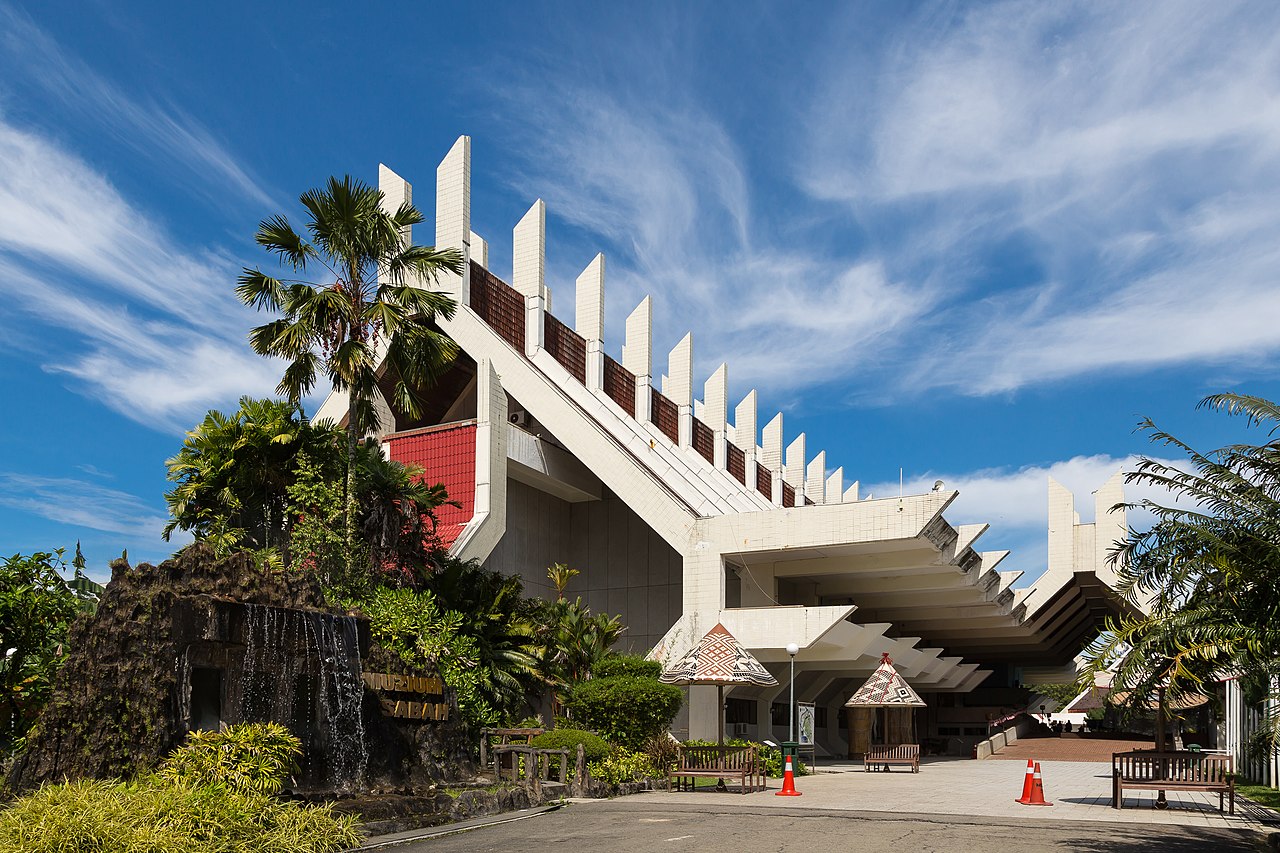
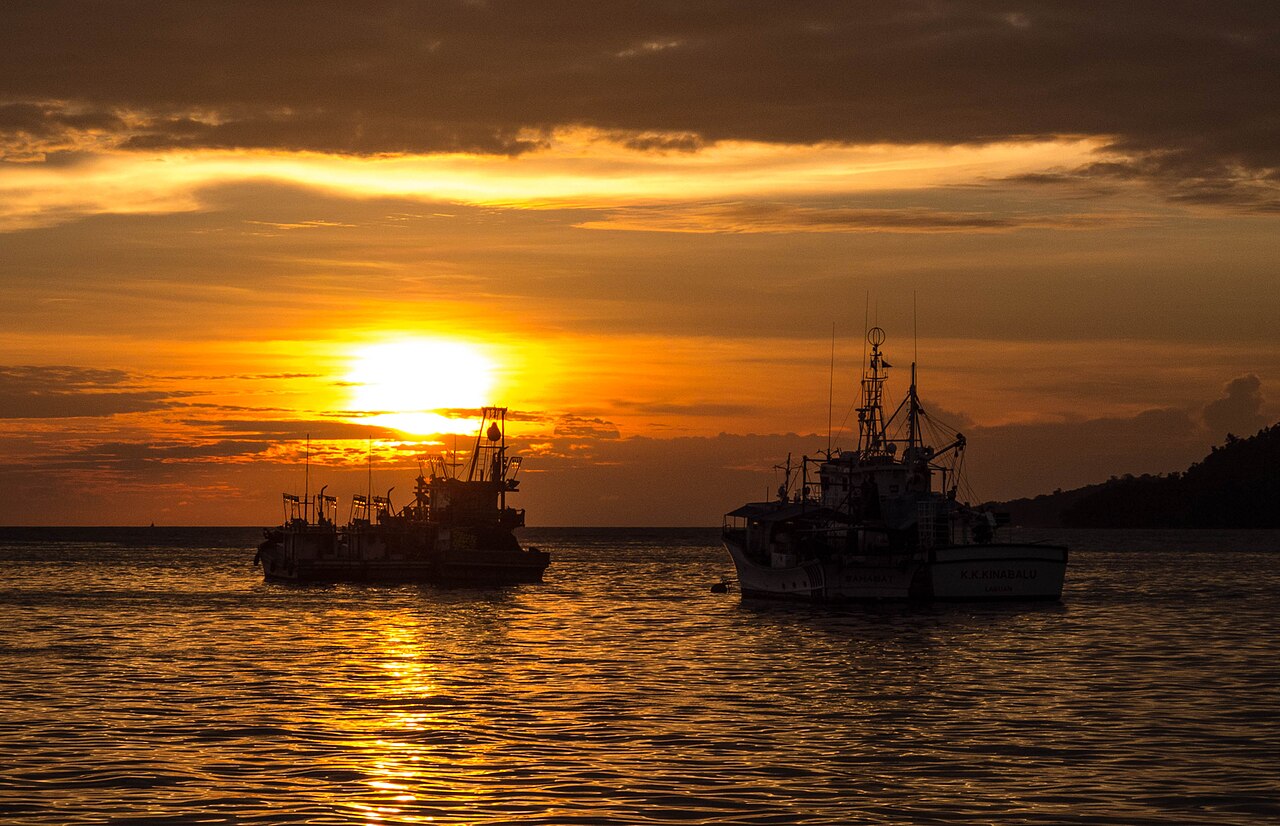
Image Credits
- kota-kinabalu-hero.webp: Wikimedia Commons
- kota-kinabalu-panorama.webp: Wikimedia Commons
- kota-kinabalu-harbor.webp: Wikimedia Commons
- kota-kinabalu-street.webp: Wikimedia Commons
- kota-kinabalu-attraction-1.webp: Wikimedia Commons
- kota-kinabalu-attraction-2.webp: Wikimedia Commons
- kota-kinabalu-attraction-3.webp: Wikimedia Commons
- kota-kinabalu-food.webp: Wikimedia Commons
- kota-kinabalu-gallery-1.webp: Wikimedia Commons
- kota-kinabalu-gallery-2.webp: Wikimedia Commons
- kota-kinabalu-gallery-3.webp: Wikimedia Commons
- kota-kinabalu-landmark.webp: Wikimedia Commons
All images used with permission. Photo credits link to original sources.
Frequently Asked Questions
Q: Where do cruise ships dock in Kota Kinabalu?
A: Most cruise ships dock at Sapangar Bay, about 25km north of the city center, requiring a 30-40 minute shuttle or taxi (fare approximately RM 60-80 / $13-17). Some smaller ships dock at Jesselton Point Ferry Terminal, which is centrally located and walking distance to waterfront attractions.
Q: Can you see Mount Kinabalu from Kota Kinabalu?
A: On clear mornings, Mount Kinabalu is visible from the city, rising majestically about 90km away. Signal Hill Observatory offers the best views. The mountain is often cloud-covered by afternoon, so early morning visits are recommended for the best chance of clear sightings.
Q: Is Tunku Abdul Rahman Marine Park worth visiting on a cruise day?
A: Absolutely. The five islands are easily accessible from Jesselton Point by speedboat (15-20 minutes). Snorkeling, clear waters, and coral shores make it a natural fit for a half-day visit. Manukan and Sapi islands are most popular. Budget RM 80-120 ($17-26) per person.
Q: What currency is used in Kota Kinabalu?
A: Malaysian Ringgit (MYR or RM). Exchange rate approximately RM 4.5 = $1 USD. Credit cards are accepted at larger shops and restaurants. Cash is essential at waterfront stalls and small vendors. ATMs are readily available throughout the city center.
Q: What's the best time of year to visit Kota Kinabalu?
A: March through August offers the driest weather and calmest seas, suited to island visits and outdoor activities. The monsoon season (November-January) brings heavier rainfall and rougher seas that may disrupt island boat services. However, Kota Kinabalu is south of the typhoon belt, so severe storms are rare year-round.
Q: Is Kota Kinabalu safe for cruise visitors?
A: Yes, very safe. Standard travel awareness applies, but violent crime against tourists is rare. The main risks are sun exposure, dehydration, and occasional afternoon thunderstorms rather than security concerns.
Q: How much should I budget for a port day in Kota Kinabalu?
A: KK is remarkably affordable. A full day including island boat trip ($10-15), lunch at waterfront stalls ($3-5), taxi rides ($5-10), and souvenirs could cost as little as $30-50 per person. This makes it one of the most budget-friendly cruise ports in Southeast Asia.
Q: Will rain ruin my port day?
A: Brief afternoon showers are common but rarely last more than an hour. Mornings are typically clear. Carry a light rain jacket and plan outdoor activities for the morning. The Sabah State Museum and indoor attractions make excellent rain alternatives.
Last reviewed: February 2026