My Labadee Logbook
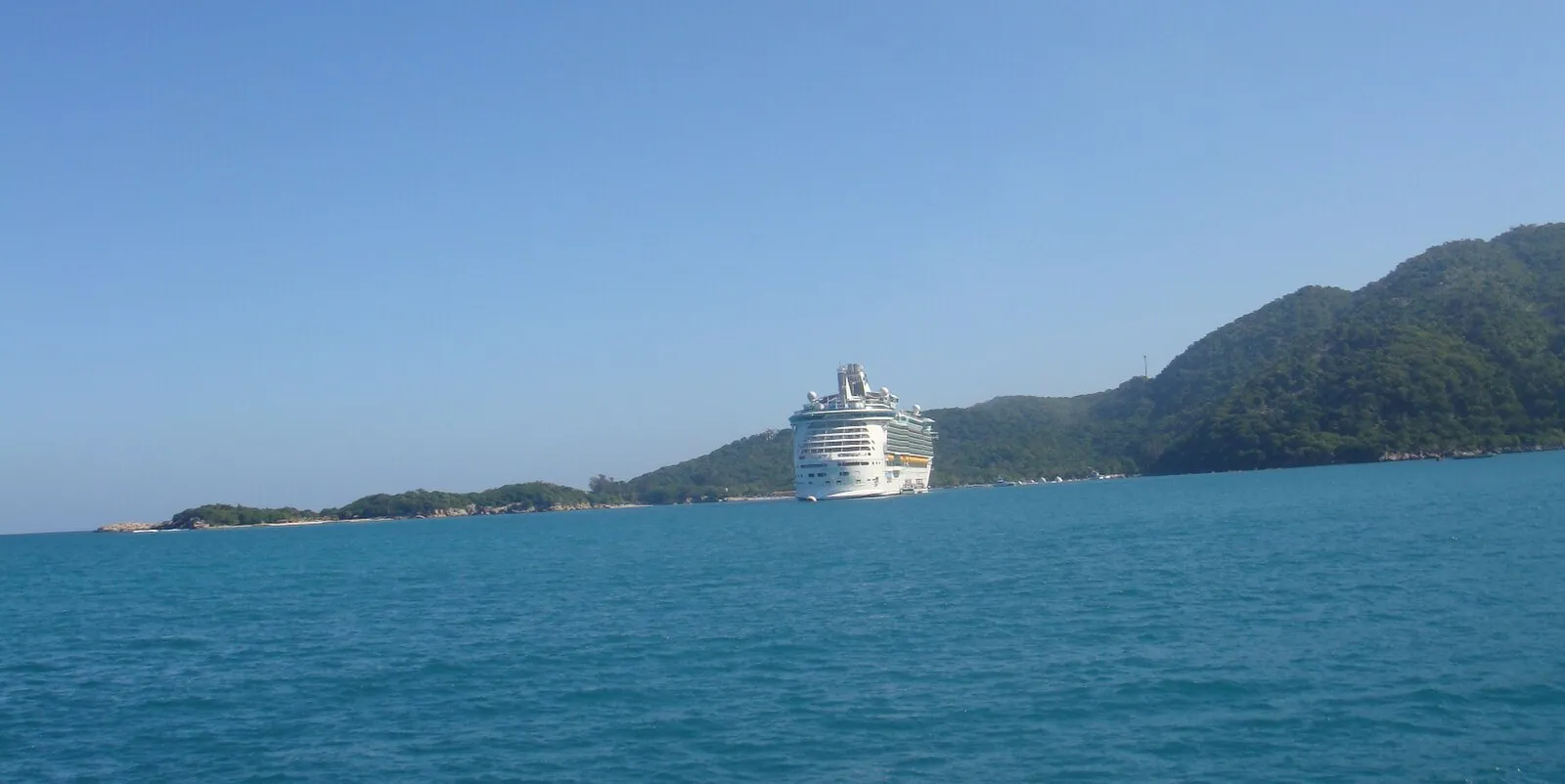
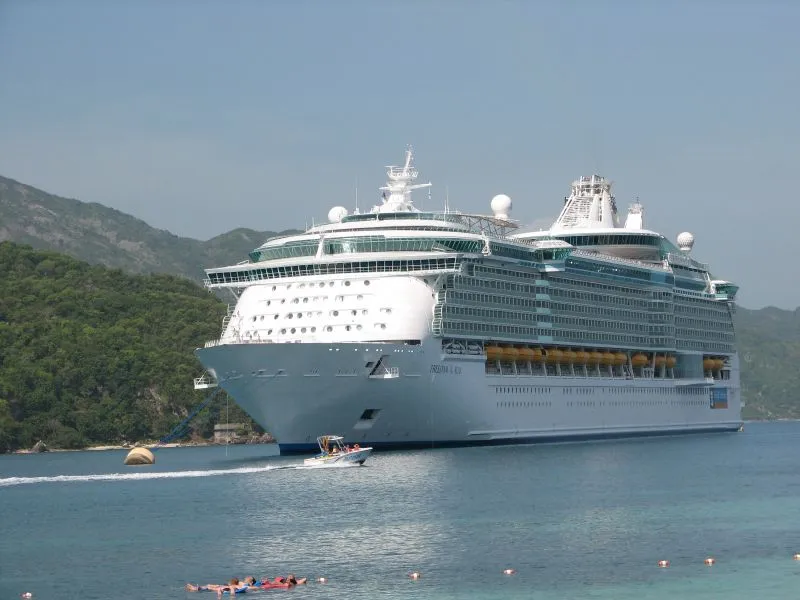
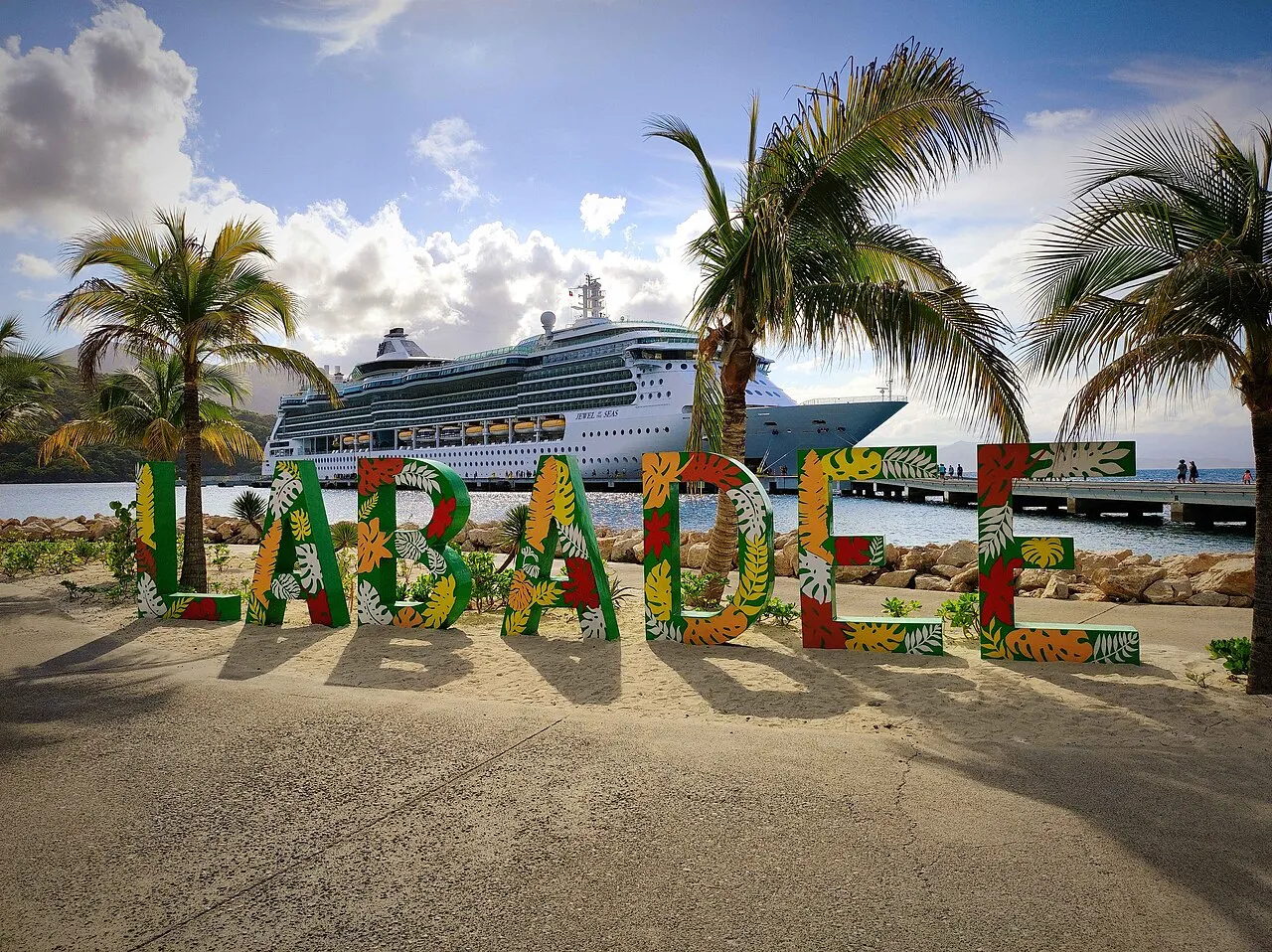
Labadee holds a complicated but beautiful place in my cruise memories. I first visited in 2018 on Independence of the Seas, and even now, years later, certain images remain impossibly vivid: the ship rounding the peninsula and those green mountains rising straight from turquoise water, the colorful wooden boats bobbing in the harbor, the zip line launching platform clinging to the clifftop like something from an adventure movie. Labadee is Royal Caribbean's original private destination — they've been operating here since 1986 — and it shows in the maturity of the landscaping, the sophistication of the infrastructure, and the genuinely warm relationship with the local Haitian staff who have worked here for decades.
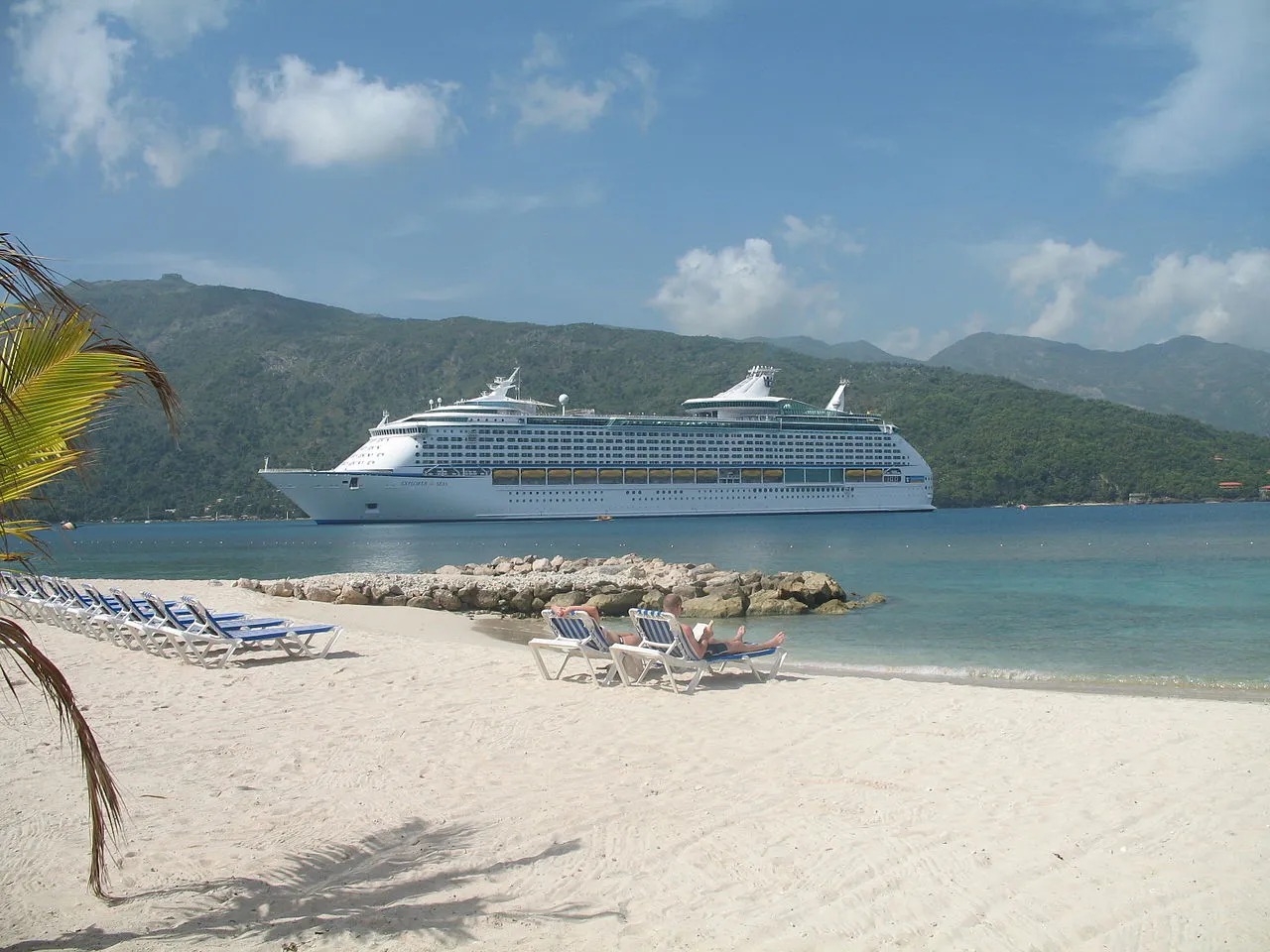
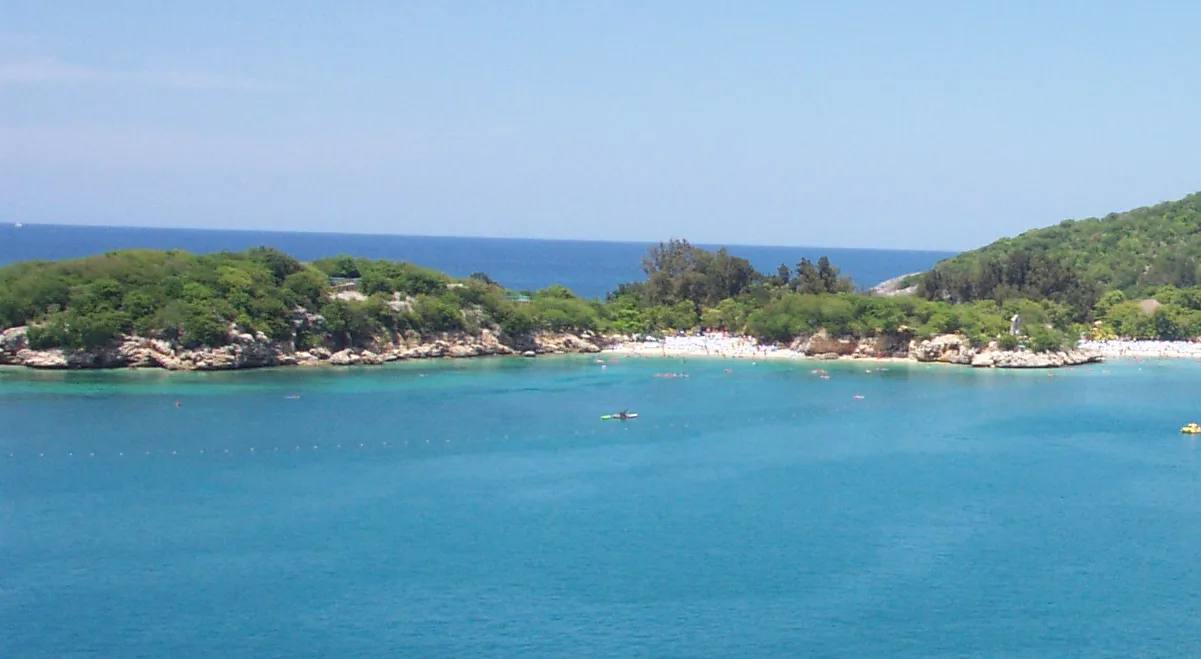
The setting is simply more dramatic than CocoCay. Where CocoCay is flat and manufactured (gorgeously so), Labadee has real topography — forested mountains cascading down to rocky coves and sandy beaches, with the ship anchored in a natural harbor that feels ancient and earned. Walking from Barefoot Beach up to the zip line base, you pass through tropical forest with glimpses of the bay appearing suddenly between trees. It feels like a place that existed before the tourists arrived, because it did.
The Layers of History Here
The history of this peninsula runs deeper than cruise brochures typically acknowledge. Long before any European ships rounded these cliffs, the Taino people — part of the broader Arawak cultural group — inhabited Hispaniola, living in harmony with these mountains and bays. They fished these waters, farmed cassava and yams on the hillsides, and built communities that thrived for centuries. When Columbus arrived in 1492, everything changed. The Taino population was decimated through disease, forced labor, and violence — a tragedy that deserves to be remembered even when we're on vacation.
By the late 17th century, the French had claimed the western third of Hispaniola, establishing Saint-Domingue as one of the world's richest sugar colonies built on the backs of enslaved Africans. This particular bay was known as Port François in the 1700s — a harbor where French merchant ships loaded sugar and coffee bound for European markets. The peninsula's current name honors the Marquis de La'Badie, a French settler who claimed land here in the 17th century. That colonial legacy ended in 1804 when Haiti became the first Black republic, winning independence through revolution — a moment of extraordinary courage that reshaped the Atlantic world.
Royal Caribbean arrived in 1986 with a different vision: a 260-acre resort peninsula leased from the Haitian government through 2050. The company invested heavily from the start, but the real transformation came in 2009 with a $55 million upgrade that added the deep-water dock (eliminating tendering), Dragon's Breath, the Dragon's Tail Coaster, and expanded beach facilities. The Arawak Aqua Park — that floating playground you see in the bay — was named deliberately to honor the indigenous heritage of the island, a small acknowledgment of who was here first. Today, Royal Caribbean employs approximately 300 local Haitians in various resort roles, allows 200 artisans to sell their work in the market, and pays the Haitian government $12 per tourist who visits. It's not a perfect arrangement, and reasonable people can debate the ethics of private resort enclaves in economically struggling nations. But the Haitian families I've spoken with — the woman carving mahogany figurines, the young man managing beach chair inventory, the chef preparing jerk chicken at the buffet — have consistently expressed gratitude for stable employment and the chance to interact with visitors who sometimes leave with a deeper understanding of Haiti than they arrived with.
The Dragon's Breath zip line is the headliner, and rightfully so. At 2,600 feet, it's the longest zip line over water in the world, and the experience is nothing like the tame zip lines you've probably done elsewhere. You launch from the mountain, accelerate to what feels like unreasonable speed, and soar over the beach, over the bay, over the ships anchored below, with nothing but the Caribbean Sea stretching to the horizon and the wind screaming past your helmet. The whole thing lasts maybe a minute, but it's an extraordinary minute. Book early — Dragon's Breath sells out on most sailings.
The Moment That Stays With Me: I had finished Dragon's Breath and wandered, still buzzing with adrenaline, into the Artisan's Market near the pier. An older Haitian woman sat at a stall carving mahogany figurines, and she looked up at me with this enormous smile and said, "You survived!" I laughed and nodded, and she held up a small carved dolphin she was working on and said, "This is my granddaughter's favorite to make, but her hands are too small still, so I teach her piece by piece." My eyes welled unexpectedly—something about the tenderness of that image, grandmother and granddaughter shaping wood together, made me think of my own family traditions passed down through patient hands. We talked for twenty minutes about her family, the village she lives in down the coast, how her son works on the ship maintenance crew. She was so proud — not of the tourist tips or the carved trinkets, but of this place, this peninsula where her community has worked alongside Royal Caribbean for nearly forty years, where employment is steady and the schools get funding and the cruise passengers who actually stop and talk leave understanding that Labadee isn't just a beach. It's a partnership. That dolphin carving is on my desk right now, and I think about her hands shaping it every time I see it.
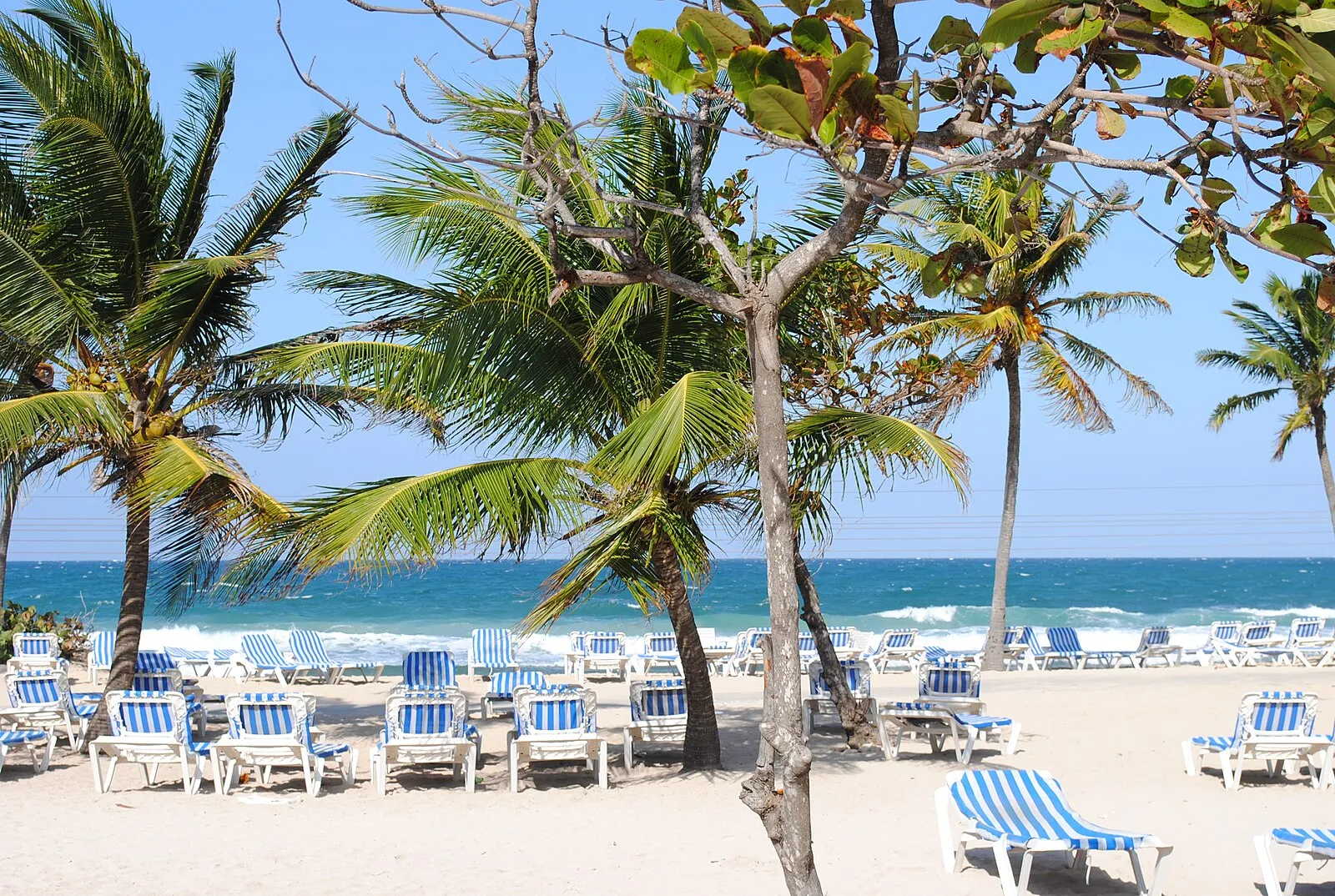
The beaches are beautiful, and each has its own personality. Barefoot Beach is the main area with the most loungers and food service — lively, social, easy. Columbus Cove is calmer and better for families with small children (the water is shallower and gentler). Nellie's Beach is the premium option — exclusive cabanas with butler service and upgraded food, worth the splurge if you want to feel like royalty. I've done all three on various visits, and honestly, I've been happy everywhere. The water is consistently gorgeous, the sand is well-maintained, and there's rarely a crowd problem because the whole peninsula has been carefully designed to distribute guests across multiple zones.
The Dragon's Tail Coaster is another favorite — an alpine coaster that winds down from the mountain, half-ride and half-controlled descent, with beautiful views the whole way. The Arawak Aqua Park is floating in the bay with trampolines, slides, and obstacles for anyone who wants playground-style water play (and yes, that name is a deliberate nod to the Taino's parent cultural group, which I appreciate as a small gesture toward historical acknowledgment). Kayaking and paddleboarding are available if you prefer self-powered exploration. And the food has been excellent every time — the complimentary buffet serves Haitian-accented dishes alongside Caribbean standards, and the jerk chicken in particular is better than anything I've had at Jamaican ports.
I want to address the elephant in the room, because it would be dishonest not to: Labadee is in Haiti, and Haiti has struggled with political instability and security concerns, which is why Royal Caribbean has suspended visits periodically over the past few years. The private peninsula is fully fenced and secured — you are not interacting with mainland Haiti during your visit, and the security infrastructure is substantial. Whether that arrangement makes you comfortable or uncomfortable is a personal decision, and I respect both perspectives. What I will say is that when Labadee is operating, the local employees I've spoken with have expressed genuine gratitude for the jobs, the stability, and the cross-cultural exchange. The market artisans are talented craftspeople selling authentic work, not mass-produced imports. It's not a perfect solution to a complex situation, but it's something.
When Labadee is on your itinerary and operating normally, it's a genuinely special day. The natural beauty rivals anywhere in the Caribbean. The adrenaline activities (zip line, coaster, aqua park) are top-tier. The Haitian food and crafts add cultural texture you won't find at any other private destination. And that view — the mountains, the harbor, the ship floating in the bay — stays with you longer than you'd expect from a beach day. I learned something here about what makes a place meaningful: it's not the zip lines or the beaches, though those are wonderful. It's the human connections—a grandmother teaching her granddaughter, a son working to give his family stability, a community that has chosen partnership over isolation.