


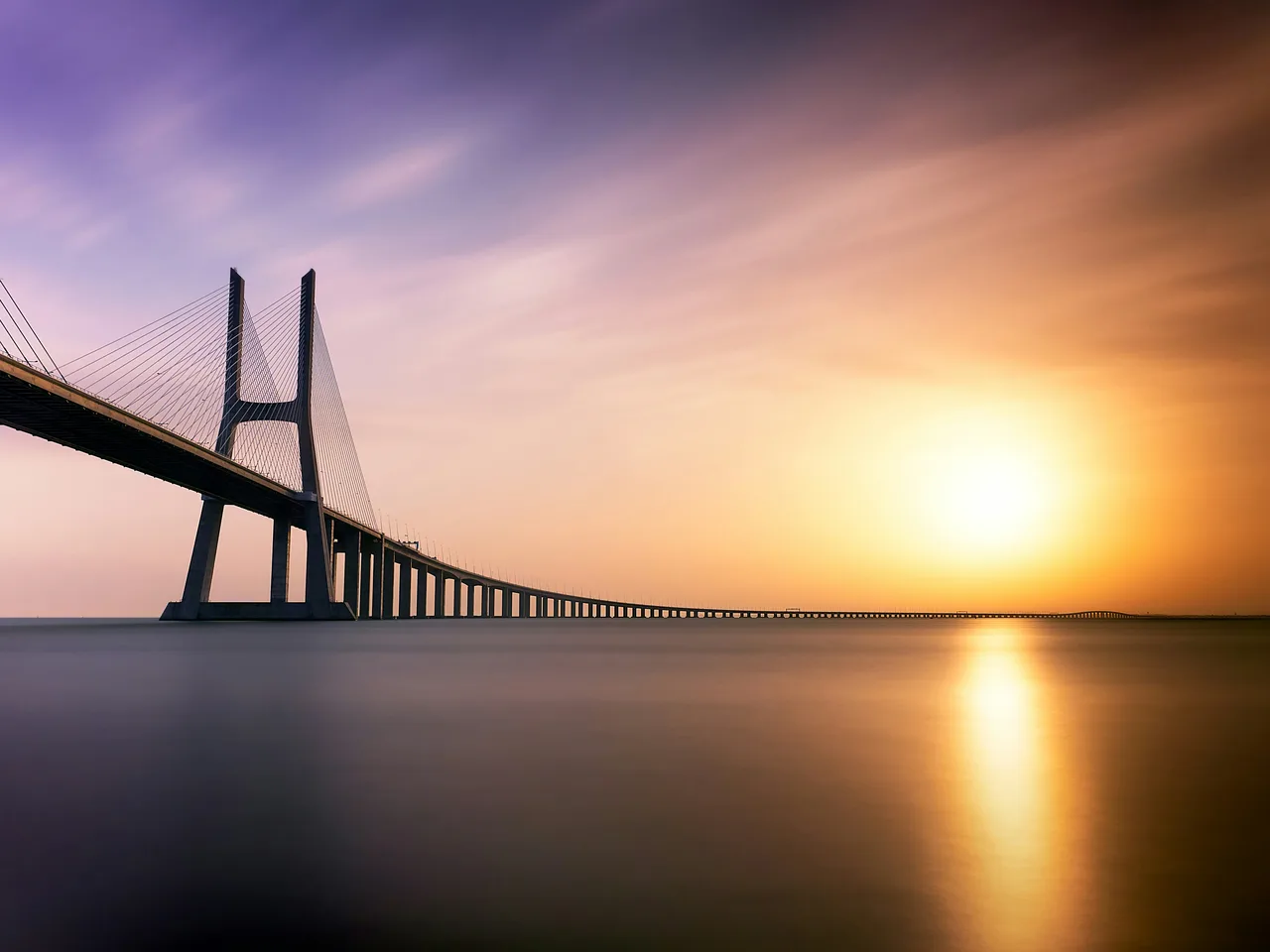
Photo: William Warby / Unsplash
My Logbook: The Seven Hills of Soul
I sailed under the 25 de Abril Bridge at sunrise and the city appeared like a terracotta dream stacked across seven hills above the Tagus River. The air smelled of salt and coffee and something warm I couldn't name — maybe baking bread from the Alfama bakeries already firing up below. This is the harbor where Vasco da Gama departed in 1497 to find the sea route to India, where Magellan set sail to circumnavigate the globe. The very waters that launched the Age of Discovery. The 16th-century Belém Tower stood watch at the river's edge just as it had for five centuries, that UNESCO fortress looking exactly like every romantic painting promised.
I had one full port day and a late departure, which meant I could stay into the evening — a gift in a city that saves its best light for the last hour before dark. Lisbon had survived the devastating 1755 earthquake that leveled most of what was then one of Europe's grandest capitals. What rose from that catastrophe was the elegant grid of Pombaline architecture in the Baixa district, straight streets built with methodical grace over the rubble of the old world. I kept thinking about that as I walked — a city that learned how to be beautiful again after everything fell down.
I caught the iconic yellow Tram 28 early, before the lines grew impossible, and rattled through streets so narrow the buildings nearly scraped the windows on both sides. Alfama opened up around me — Lisbon's oldest neighborhood where Moorish origins still whisper from every cobblestone and winding alley. Old ladies hung laundry between buildings painted in faded pastels. Somewhere deeper in those medieval lanes, a fado guitar started its afternoon lament, and I followed the sound until I found a tiny bar with the door propped open, a woman singing with her eyes closed while two men played guitar. I stood in the doorway and listened. Nobody asked me to leave or buy a drink. That's Lisbon — it lets you in.
I climbed to São Jorge Castle for the panoramic view — the whole city spread below like a living map, every miradouro viewpoint revealing another angle of beauty across those famous hills. My legs burned from the cobblestone ascent, but at the top the wind came off the river and cooled everything and I could see all the way to the Cristo Rei statue across the water. Then Belém in the afternoon: Jerónimos Monastery glowing honey-gold in the slanting light, its Manueline stonework carved like frozen lace, Vasco da Gama's tomb resting quietly in the sanctuary. Next door at Pastéis de Belém, the bakery that has used the same recipe since 1837, I devoured three pastel de nata standing at the counter with cinnamon and powdered sugar still warm on my fingers. The custard was silky and slightly caramelized on top, the pastry so thin it shattered at the first bite. I ordered three more.
The train to Sintra took forty minutes and dropped me into a fairy tale — romantic palaces perched on misty hilltops, Pena Palace rising like a fever dream in sherbet yellows and reds, the ruins of the Moorish Castle crumbling picturesquely along the next ridge. The forest smelled of eucalyptus and damp stone. I hiked between the palaces and felt the centuries layering over each other — Moorish walls from the 8th century, Gothic chapel from the 15th, Romantic palace from the 19th — all piled on the same hillside as though time had decided not to clean up after itself.
I watched sunset from Miradouro da Senhora do Monte with the whole city at my feet — São Jorge Castle lit up, the river turning copper, someone playing fado on a bench nearby while the light turned everything golden. Lisbon's seven hills are absolutely no joke. My calves ached for two days afterward. But every breathless climb earned me another view that made me stop and just look, which is maybe the point. The city's soul reveals itself only to those willing to go upward, one steep cobblestone street at a time.
What I learned in Lisbon is something I didn't expect. I came for the history and the pastéis de nata, but what stayed with me was the earthquake — the fact that this entire city was shattered in 1755 and chose to rebuild itself more beautifully than before. Every tiled facade, every miradouro lookout, every candlelit fado bar is an act of defiance against the idea that destruction gets the last word. That's a lesson worth climbing seven hills for.
Weather & Best Time to Visit
The Cruise Port
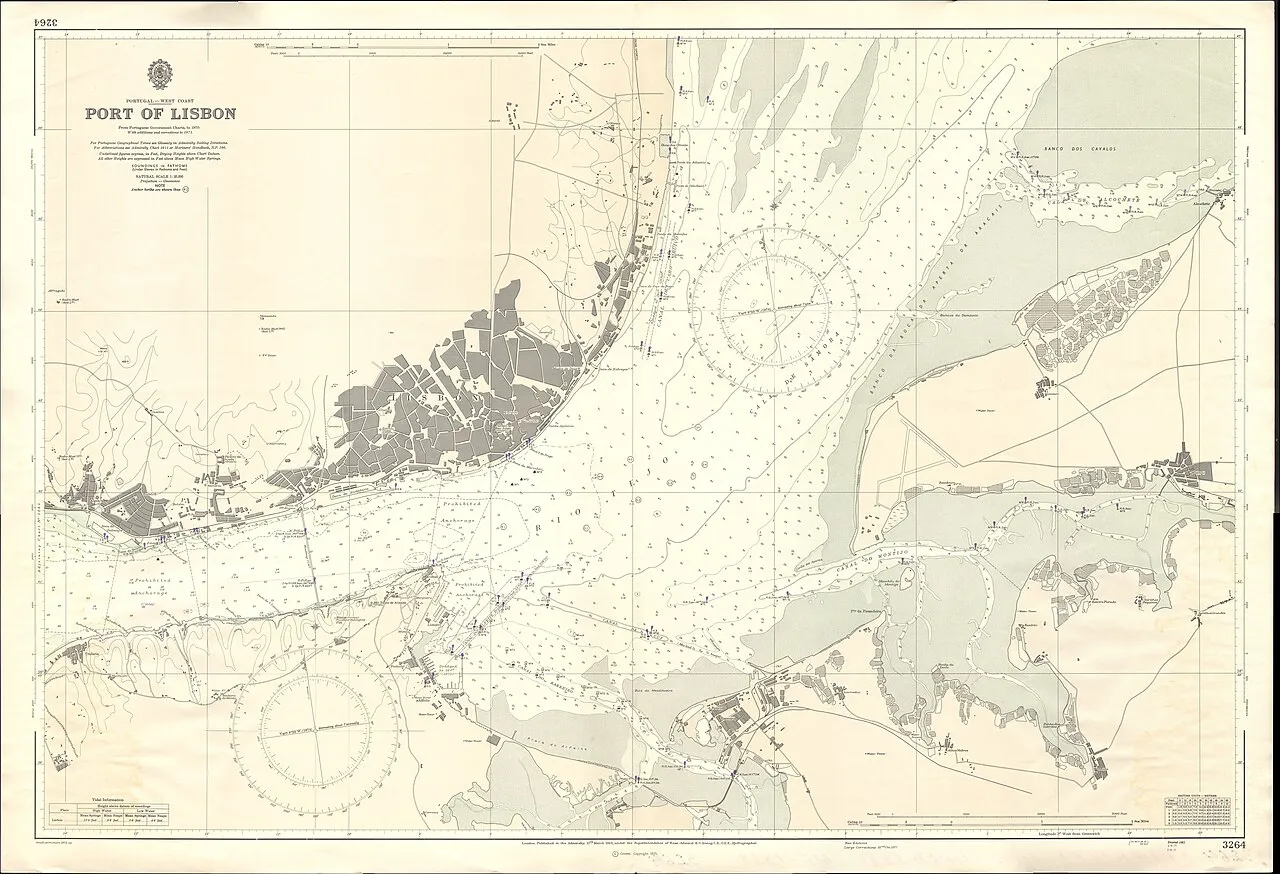
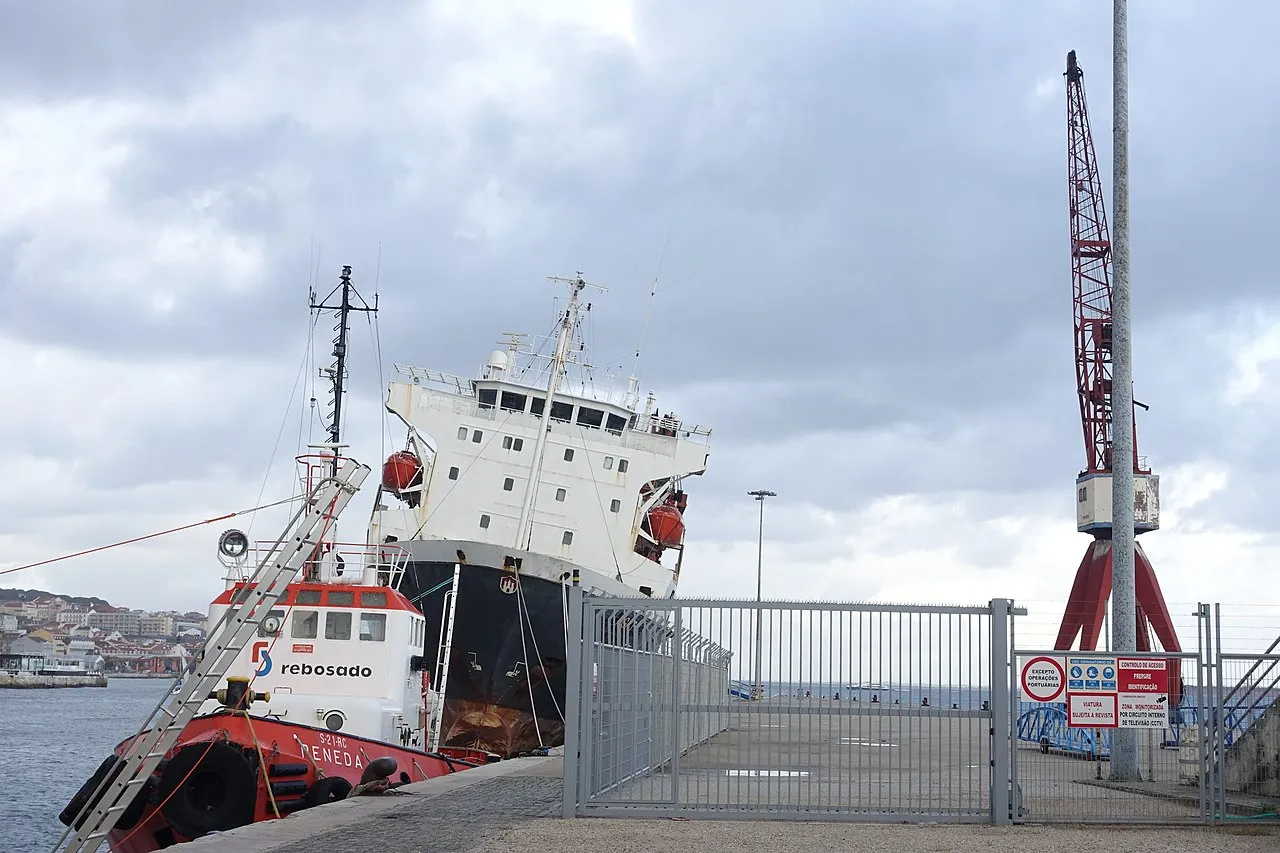
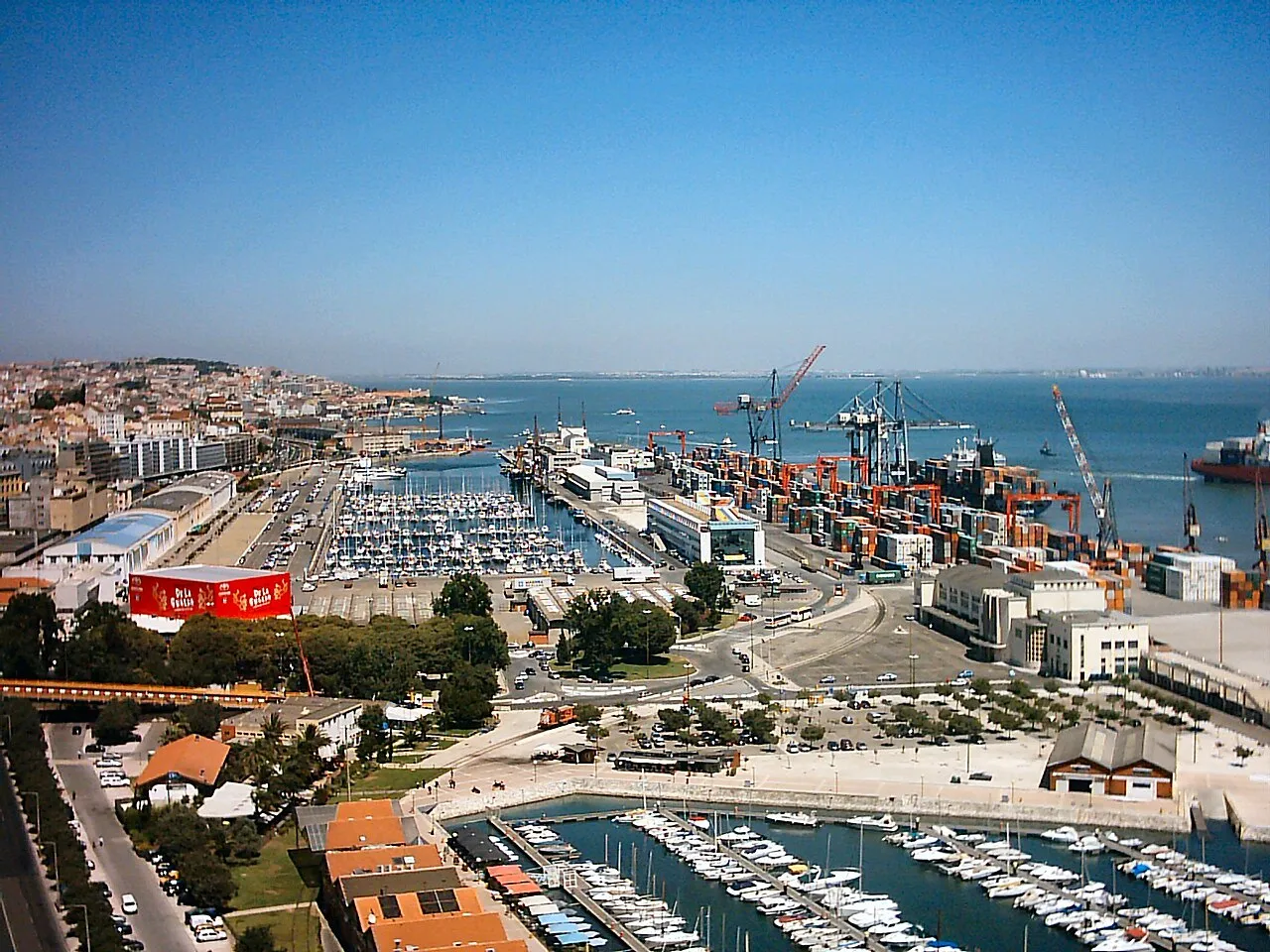
Ships arrive at one of four cruise terminals along the Tagus River: Alcântara (the newest and largest, about 4 km west of downtown), Rocha Conde de Óbidos (just east of Alcântara, similar distance), Jardim do Tabaco (closest to the Alfama district, about 1.5 km from Praça do Comércio), and Santa Apolónia (near the main train station, roughly 2 km from city center). Most large cruise ships dock at Alcântara or Rocha Conde de Óbidos. Lisbon does not use tenders — all terminals are dock-side. Your arrival up the river itself is part of the experience, passing Belém Tower, the Monument to the Discoveries, and the Cristo Rei statue standing watch across the water.
All terminals have basic facilities including taxis, and several offer shuttle buses to Praça do Comércio (the main waterfront square) for a few euros. Jardim do Tabaco is the only terminal within genuine walking distance of the old city. The western terminals (Alcântara and Rocha) sit near the Tram 15 route to Belém, which is convenient if that's your first stop. Wheelchair users should be aware that while the terminals themselves are accessible, the city beyond is notoriously hilly with cobblestone streets — the elevator at Santa Justa and the various funiculars help, but planning ahead for mobility is essential.
Getting Around
- Tram 28 (€3.00 single / free with 24-hour pass): The iconic yellow tram rattles through Alfama's medieval streets from Martim Moniz to Campo Ourique. Breathtaking and deeply crowded — go before 9 AM or after 5 PM. Pickpockets work the packed cars, so keep valuables secure. Walking the same route through Alfama is honestly more rewarding.
- Tram 15 to Belém (€3.00 single): Modern tram running from Praça do Comércio west to the Belém district. Frequent service, less crowded than Tram 28, and drops you near Jerónimos Monastery and Belém Tower. The best option for reaching the Age of Discovery monuments.
- 24-Hour Transit Pass (€6.80): Unlimited rides on metro, trams, buses, and funiculars within central Lisbon. Sold at metro stations and kiosks. Well worth it if you plan to ride more than twice.
- Hop-on Hop-off Bus (~€20-25): Multiple companies serve all cruise terminals. Two routes cover Belém, Alfama, Bairro Alto, and the newer Parque das Nações district. Audio guides included. A reasonable option if you're short on time and want a city overview.
- Metro (€1.65 single + €0.50 rechargeable Viva Viagem card): Clean, efficient, and covers major areas, though the old neighborhoods (Alfama, Bairro Alto) aren't directly served. Useful for reaching Rossio station or Parque das Nações.
- Taxis & Uber (€8-15 to most destinations): Readily available throughout the city. Uber is widely used and generally cheaper than metered taxis. A taxi from Alcântara terminal to Praça do Comércio runs about €8-10.
- Train to Sintra (€2.30 each way, ~40 min): Frequent trains from Rossio station in the city center. Runs every 20-30 minutes. Budget a full half-day for a Sintra visit — the palaces are spread across hilltops and require local buses or tuk-tuks between them.
- Funiculars & Elevators: The Elevador da Glória, Elevador da Bica, and Elevador de Santa Justa help conquer Lisbon's steep hills. The Santa Justa elevator (€5.30) is a wrought-iron landmark worth riding once for the rooftop view alone.
Lisbon Port Map
Interactive map showing the cruise terminal, historic districts, and attractions. Click any marker for details.
Top Excursions & Things to Do
Belém District (half-day, self-guided): The essential Lisbon stop. Jerónimos Monastery (entry €10, or €12 combined with Belém Tower) is a UNESCO World Heritage masterpiece of Manueline architecture — allow at least an hour for the church and cloisters. Belém Tower (€8) is the iconic 16th-century riverside fortress. Both are closed Mondays. Between them, the Monument to the Discoveries celebrates Portugal's Age of Exploration. Book monastery tickets online in advance during summer months to avoid lines that can stretch an hour or more. Afterward, walk to Pastéis de Belém for the original Portuguese custard tarts — the bakery has used the same secret recipe since 1837.
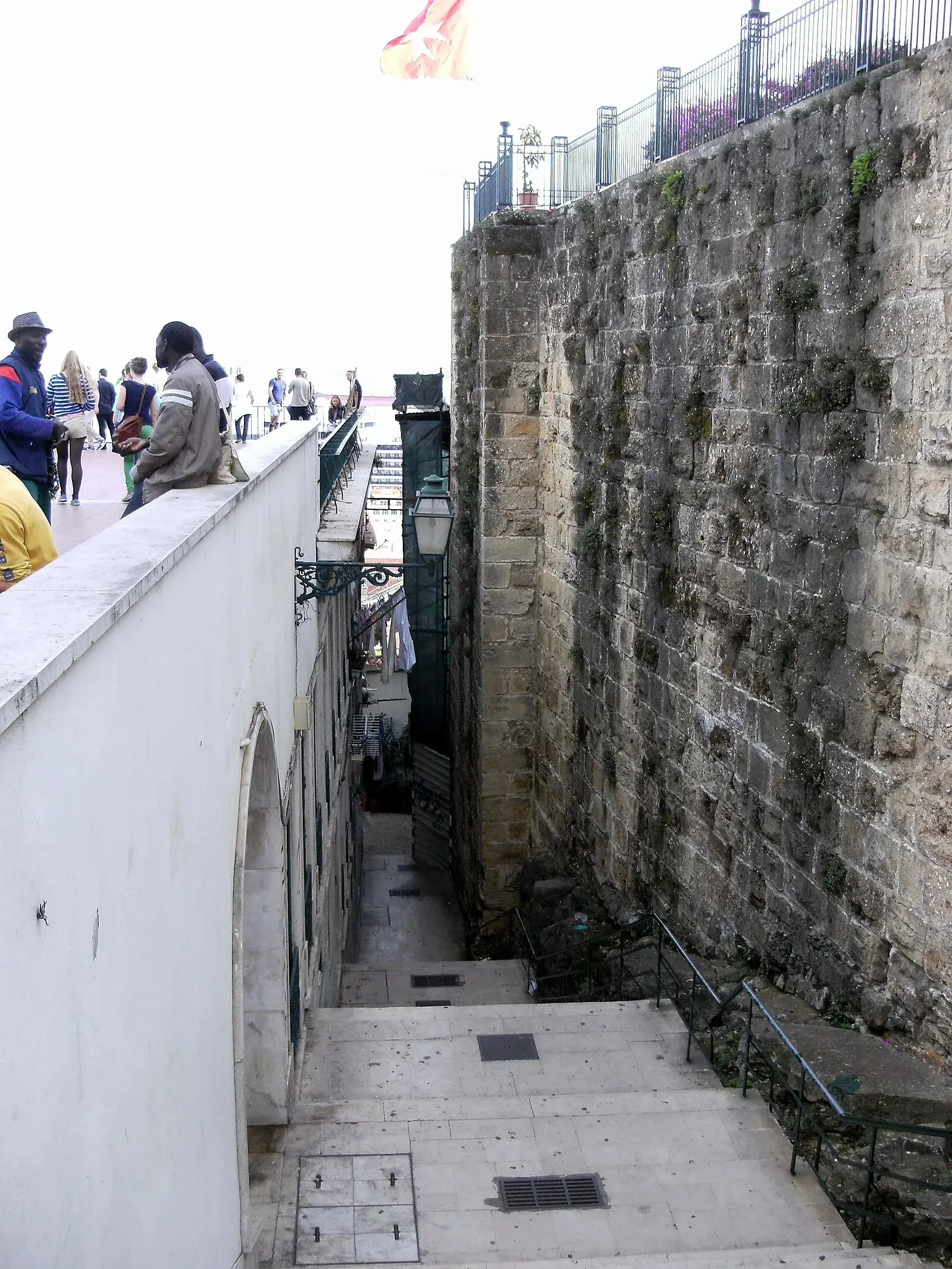
Alfama Walking Tour (half-day): Self-guided or with a local guide (walking tours from €15-25 per person, bookable through GetYourGuide or Viator). The medieval quarter rises steeply from the riverfront to São Jorge Castle (entry €10), whose ramparts offer the best panoramic view in the city. Wind through narrow alleys with faded azulejo tiles on every surface, and listen for fado music drifting from open doorways. The Fado Museum (€5) near the waterfront explains the tradition. For an evening fado show with dinner, expect €40-60 per person at venues like Clube de Fado or Mesa de Frades — book in advance, as the intimate rooms fill quickly.
Sintra Day Trip (full day): Forty minutes by train from Rossio station (€2.30 each way). Pena Palace (€14) is the technicolor hilltop landmark; the Moorish Castle ruins (€8) sit on the adjacent ridge. A combined ticket saves a few euros. Local bus 434 connects the station to both sites (€7 hop-on hop-off), or hire a tuk-tuk (~€30 for a loop). This is a full-day commitment — leave Lisbon by 9 AM to see both palaces and return before your ship's all-aboard. Ship excursion packages run €80-120 per person and include transport with guaranteed return to the pier, so book ahead or go independent if you prefer to save and move at your own pace.
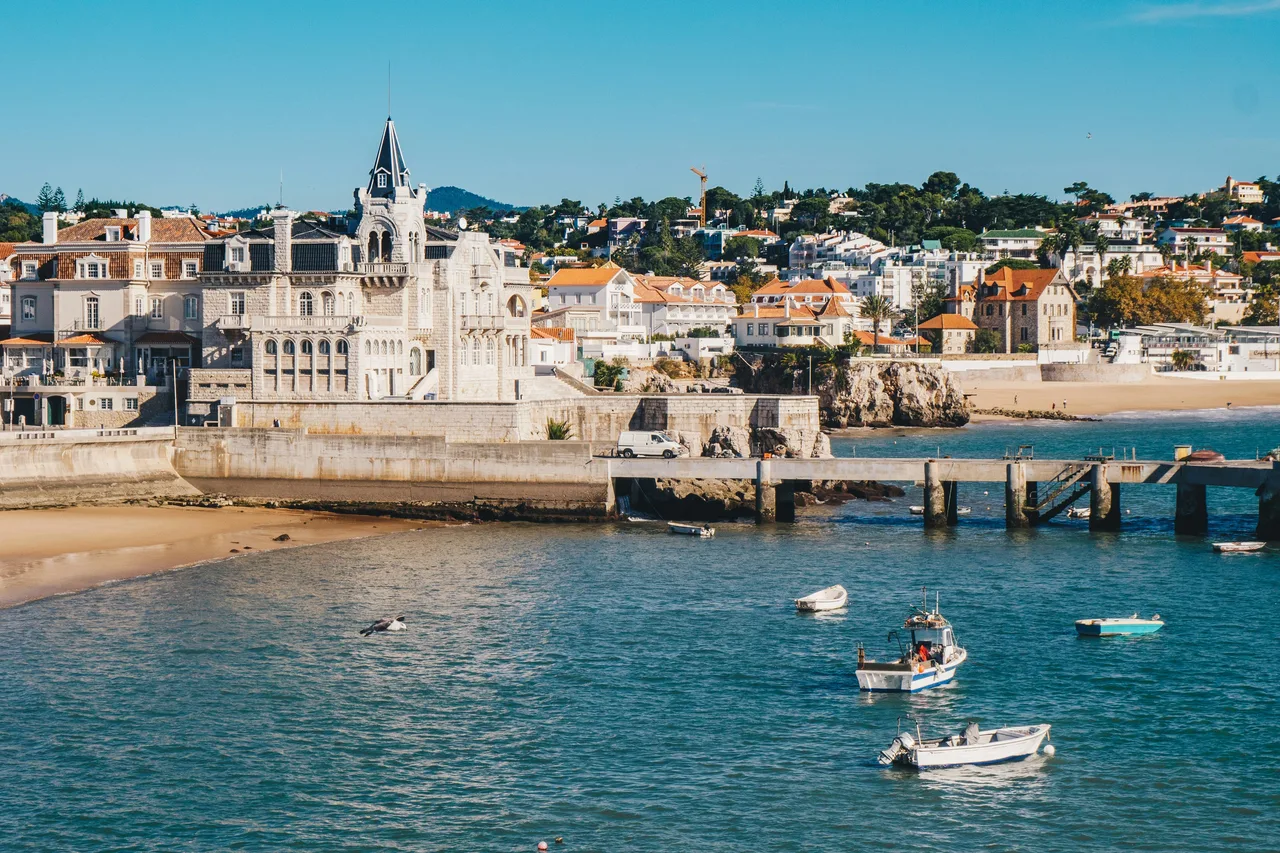
Cascais & the Coast (half-day): The seaside town of Cascais is 40 minutes by train from Cais do Sodré station (€2.30). Beaches, the dramatic Boca do Inferno sea cave, and waterfront seafood restaurants make it a relaxed alternative to Lisbon's hills. Combine with a stop in Estoril if time allows.
Time Out Market (lunch stop): At Cais do Sodré, this food hall collects the best of Portuguese cuisine under one roof — stalls curated from Lisbon's top chefs. Budget €10-20 per person. Open daily, busiest at lunch. A practical option between morning sightseeing and an afternoon excursion.
Accessibility note: Lisbon's hills and cobblestones create genuine challenges for wheelchair users and anyone with mobility limitations. The Alfama quarter and castle approaches are steep and uneven. Belém is flatter and more accessible. The Tram 28 is not wheelchair accessible, but the modern Tram 15 and metro system are. Funiculars and the Santa Justa elevator help bridge some of the steepest climbs.
Depth Soundings Ashore
Practical tips before you step off the ship.
Currency: Euro (EUR). ATMs are plentiful throughout the city. Credit cards accepted at most restaurants and shops, though smaller tascas and market vendors may prefer cash.
Language: Portuguese. English is widely spoken in tourist areas, restaurants, and transport — younger Lisboetas especially tend to speak it well. A few words of Portuguese ("obrigado/obrigada" for thank you) go a long way.
Tipping: Not obligatory but appreciated. Rounding up or leaving 5-10% at restaurants is standard. Taxi drivers appreciate rounding to the nearest euro.
The hills: Lisbon's seven hills are genuine, and cobblestone streets are everywhere. Wear sturdy, broken-in walking shoes with good grip — this is not a sandals city. The funiculars and elevators exist precisely because the locals got tired of climbing too.
Safety: Lisbon is generally safe for tourists. Pickpocketing is the primary concern, especially on Tram 28, in crowded viewpoints, and around Rossio station. Keep phones and wallets in front pockets or a secure bag.
Connectivity: Free WiFi available at most cafés and the Time Out Market. Portugal uses Type F power outlets (European two-pin round). Voltage is 230V.
Accessibility: Wheelchair users face real challenges in the old quarters due to steep cobblestoned streets and narrow sidewalks. The Belém district, Parque das Nações, and the metro system are considerably more accessible. The Santa Justa elevator and funiculars help with vertical movement but can have queues.
Photo Gallery
Frequently Asked Questions
Q: Is Lisbon worth visiting on a cruise?
A: One of the top European cruise ports. Age of Discovery history, seven hills of architecture, fado music, and pastéis de nata — all within easy reach of the terminal.
Q: What are the must-see attractions?
A: Jerónimos Monastery and Belém Tower (UNESCO sites), São Jorge Castle, Tram 28 through Alfama, and pastéis de nata at the original Pastéis de Belém bakery. Sintra's fairy-tale palaces if you have a full day.
Q: Can I walk from the cruise port to the city center?
A: Only from Jardim do Tabaco terminal (about 15 min to Praça do Comércio). The western terminals are 4+ km away — take Tram 15, a taxi, or the shuttle bus.
Q: How long should I spend in Belém?
A: Three to four hours for the monastery, tower, and a pastéis de nata stop. Longer if you add the Monument to the Discoveries or the MAAT museum.
Q: What's the best time of year to visit?
A: April through June and September through October offer warm weather, manageable crowds, and comfortable walking conditions. July and August are hot and crowded. Winter is mild but rainy.
Q: Are the hills really that bad?
A: Yes. Lisbon's seven hills are steep, cobblestoned, and relentless. Funiculars, the Santa Justa elevator, and Tram 28 help. Wear shoes with good grip and pace yourself.
Q: What's the storm season for Lisbon?
A: Lisbon sits at ~38°N on Portugal's Atlantic coast — outside the tropical-cyclone tracks. The relevant heavy-weather pattern is Atlantic winter storms (Oct-Mar) which bring rain, strong winds, and rough sea conditions at Cascais and Estoril. Late-season Atlantic hurricanes occasionally recurve toward Iberia (see IPMA Portugal or NOAA's National Hurricane Center for named storm history). Cruise season largely avoids the worst weather. The live weather widget in the seasonal panel above is the primary source for current conditions on a specific sailing date.
Q: What should I pack for Lisbon's weather?
A: Layered clothing for the wide temperature range (summer 25-30°C; winter 10-15°C). Comfortable walking shoes with grip — the seven hills' calçada portuguesa cobblestones are notoriously slippery, especially in light rain. A light waterproof jacket year-round (Atlantic Iberian weather can shift fast). Sunglasses and high-SPF sunscreen for the summer sun. Modest clothing for visits to Jerónimos Monastery and the cathedrals.
Q: Will rain ruin my Lisbon port day?
A: Atlantic Iberian rain is concentrated Oct-Apr and tends to arrive in pulses rather than sustained downpours. The Jerónimos Monastery cloisters, the Maritime Museum, the National Tile Museum (Museu Nacional do Azulejo), the Gulbenkian Museum, the Calouste Gulbenkian Foundation gardens (covered sections), and the LX Factory shopping district are all substantially indoor refuges. Tram 28 still runs in light rain (umbrella in hand). The Sintra day trip is more weather-sensitive — Pena Palace fog is photogenic but Quinta da Regaleira's grottos and gardens lose appeal in heavy rain. The live weather widget in the seasonal panel above is the primary source for short-term forecasts on a specific sailing date.
Last reviewed: February 2026
Key Facts
- Country
- Portugal
- Region
- Western Europe / Atlantic
- Currency
- Euro (EUR)
- Language
- Portuguese
- Time Zone
- WET (UTC+0) / WEST (UTC+1 summer)
Tram 28 is the iconic Lisbon experience — and every tourist knows it. The tram fits maybe 30 people and the line can be 100+ deep. Either go first thing in the morning or skip it entirely and walk the same route through Alfama, which is more rewarding anyway. Lisbon's hills are no joke — the climb from Baixa to São Jorge Castle will test anyone's fitness. The elevators and funiculars exist for a reason; use them and save your energy for exploring once you reach the top.
Image Credits
- lisbon-1.webp through lisbon-8.webp: WikiMedia Commons (CC BY-SA)
- lisbon-9.webp: Photo by António Azevedo, Unsplash License
- lisbon-10.webp: Photo by William Warby, Unsplash License
- lisbon-11.webp: Photo by CALIN STAN, Unsplash License
Images sourced from WikiMedia Commons and Unsplash under their respective licenses.