


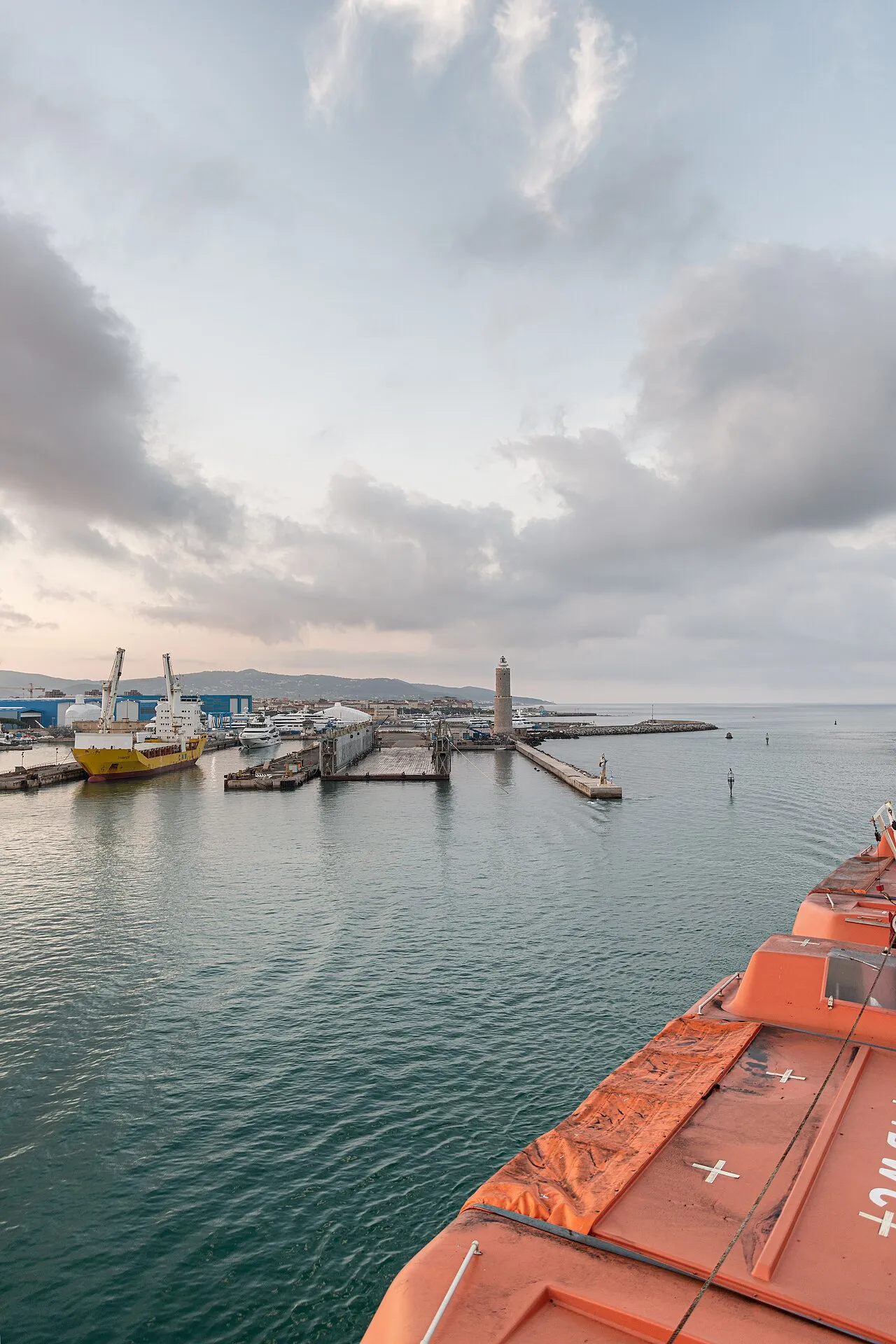
My Visit to Livorno
I confess that the first time I sailed into Livorno, I made the same mistake most cruisers make — I treated it like a bus stop, a forgettable industrial waypoint between my ship and the treasures of Florence and Pisa. But on my third visit, when I had a few hours before the last shuttle, I stayed behind and walked the waterfront, and that's when Livorno whispered its secret to me: this place isn't just a gateway. It's a story of transformation, of the Medici family's grand vision, and of a city that welcomed the world long before cruise ships ever existed.
Livorno began as a humble fishing village, a scattering of nets and small boats along the Tyrrhenian Sea. Then in the late 16th century, the powerful Medici family — the same dynasty that gave Florence its greatest art, architecture, and banking empire — looked at this quiet stretch of coast and saw something grander. They transformed Livorno into one of Italy's most important port cities, building fortifications, canals, and a harbor that would become one of the busiest in all of Italy. In 1593, Ferdinando I de' Medici declared it a "porto franco" — a free port — and suddenly merchants from across Europe and the Mediterranean came rushing in. Jews fleeing persecution, Greek traders, English merchants, Dutch captains — Livorno became a cosmopolitan trading hub where the world met to do business, and the city still carries that open, welcoming spirit today.
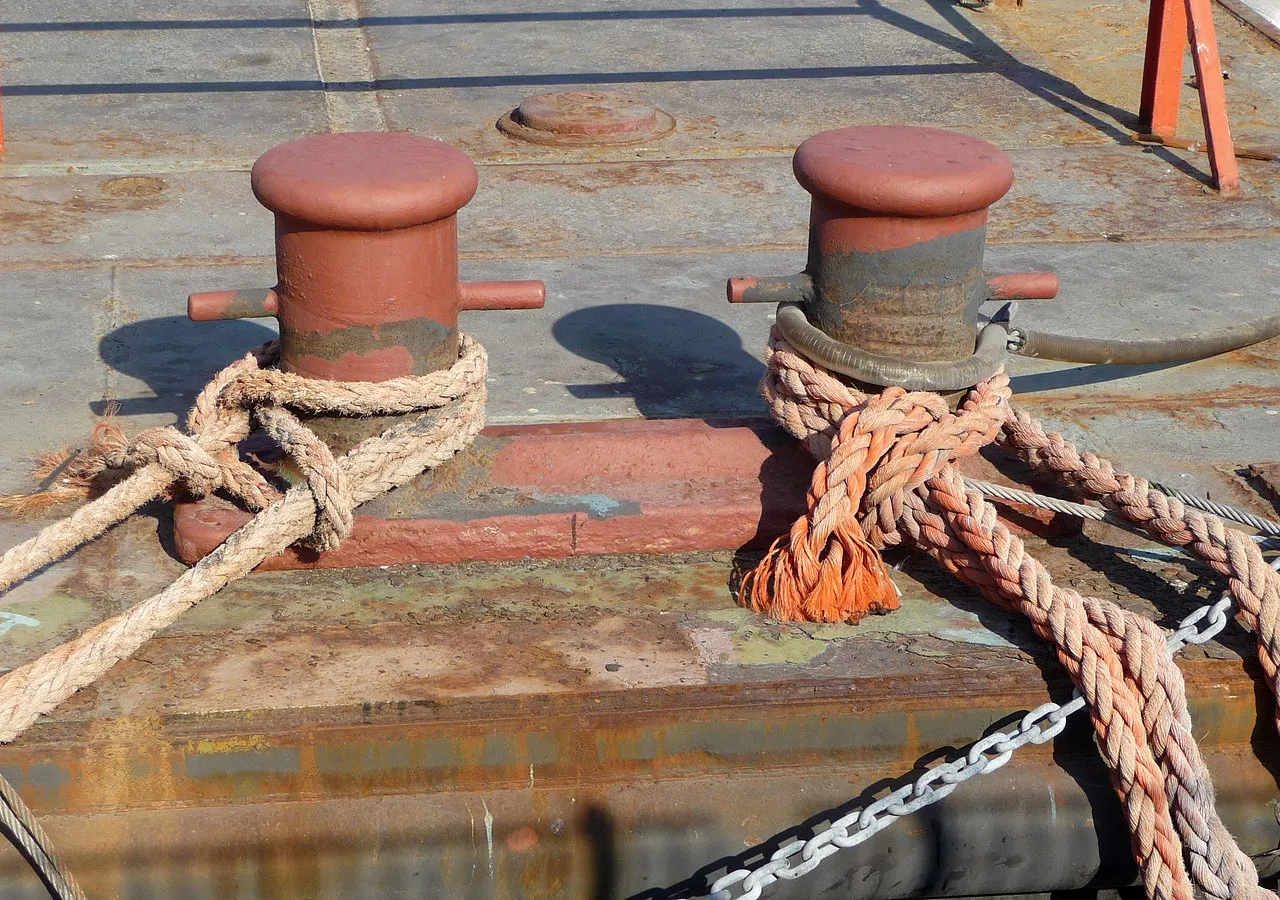
When I finally took the time to explore, I found myself at the Terrazza Mascagni, and it stopped me in my tracks. This enormous seaside promenade stretches along the water like a grand ballroom without walls, its surface covered in a mesmerizing checkerboard pattern of black and white tiles that seems to ripple toward the horizon. It's named after Pietro Mascagni, the composer who gave the world the opera "Cavalleria Rusticana," and who was born right here in Livorno. Locals stroll it at sunset, children race across the tiles, and I stood there looking out at the Tyrrhenian Sea — the same waters that carried Medici trade ships centuries ago — and felt the warm wind and salt on my face and heard the gentle crash of waves against the seawall and thought: this is what I came for. Not just the famous sights, but these quiet, beautiful moments that no guidebook can truly describe.
But let's be honest: Livorno is also one of Italy's busiest cruise ports precisely because it's the primary gateway to two of the most magnificent destinations in all of Tuscany — Florence and Pisa. When we docked at sunrise on a September morning, I joined the rush onto the first express coach to Florence, and we were there in exactly ninety minutes, door-to-door. We stepped into Piazza del Duomo just as the morning light hit Brunelleschi's dome and turned it rose-gold, and the city felt like it was welcoming us home. The line for the Accademia was already snaking around the corner, but seeing Michelangelo's David in person is one of those moments that actually stops your heart — he's enormous, impossibly alive, veins bulging in marble arms, eyes fixed on some distant enemy we can't see. We wandered to the Uffizi next (pre-booked tickets are absolutely non-negotiable) and stood in front of Botticelli's Birth of Venus while tears rolled down my face — the colors are so much more vivid, so much more tender in real life.
We had lunch at Trattoria Mario near the Mercato Centrale, where they serve bistecca alla fiorentina cooked rare and red, with Chianti poured from unlabeled carafes, and the aroma of roasted garlic and fresh bread filled the room while the waiters yell orders like they're calling across a family dinner table. I could taste the smoky char on the steak and the earthy richness of the Chianti, and for a moment my eyes welled with gratitude for this simple, perfect meal. In the afternoon we took the train to Pisa — just thirty minutes away — and the Leaning Tower is even more ridiculous and beautiful in person, gravity-defying and somehow still standing, and climbing it feels wonderfully, deliciously wrong. The pros: you get Florence, the most perfect Renaissance city on Earth, and Pisa's iconic campanile, all in a single cruise day. The cons: it's a full day with a lot of walking and zero downtime, and by evening you'll be exhausted and exhilarated in equal measure. However, every step is worth it.
Standing alone in the quiet gallery in front of the David at 9:15 a.m., looking up into those marble eyes that have watched the world for more than five centuries, and feeling the full weight of human genius and divine inspiration hit me all at once — I couldn't speak for a long moment, and something shifted deep inside me. And then, hours later, walking the checkerboard tiles of Terrazza Mascagni at dusk, I finally understood that Livorno itself had been waiting patiently all day to show me its own kind of beauty.Looking back, I realized that my earlier visits to Livorno had taught me nothing because I had refused to slow down. I had treated this city as a means to an end, a turnstile to Florence. But the real gift of Livorno is what it teaches you about patience and about the quiet grace of places that don't shout for attention. Sometimes you have to stay behind when everyone else rushes off, and that's when the true story reveals itself. What matters is not just what you see, but whether you give yourself permission to really look.
Weather & Best Time to Visit
The Cruise Port
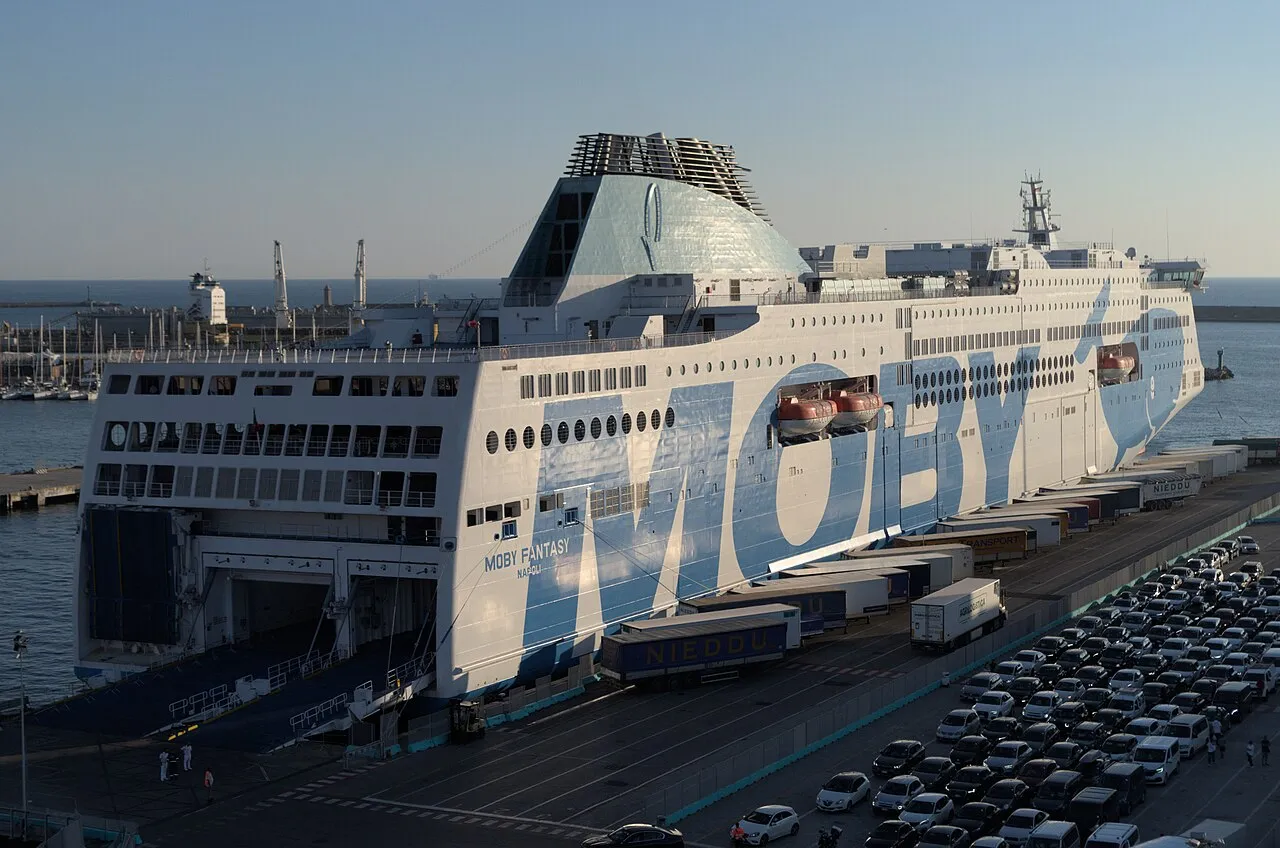
Livorno's cruise terminal is a large, functional facility located in the commercial port area, handling hundreds of thousands of passengers each year. The terminal itself is industrial in character — don't expect a charming waterfront welcome — but it's efficiently organized with clear signage, a small duty-free area, and taxi ranks just outside. Most major cruise lines dock here, and on busy days you may find three or four ships in port simultaneously. Shuttle buses run by the port authority connect the terminal to Livorno's Piazza Grande and the central train station for about €5 per person round-trip. Wheelchair accessible ramps are available at the terminal, and mobility assistance can be arranged through your cruise line in advance. The terminal area has accessible restrooms and level boarding platforms for those with walking difficulty. Taxis from the terminal to Livorno center cost approximately €15, while private transfers to Florence run around €120–€180 each way for a car. The port is well-served by tender boats when ships anchor offshore, though most vessels dock directly at the pier.

Getting Around
Livorno sits on the western coast of Tuscany, perfectly positioned as your jumping-off point for some of Italy's most beloved destinations. Florence is approximately 90 minutes away by coach or car, while Pisa is a quick 30-minute journey. Most cruise lines offer organized shore excursions with comfortable motor coaches and English-speaking guides, and these are wonderfully stress-free if you want someone else to handle the logistics. A typical ship excursion to Florence and Pisa costs around €95–€150 per person.

If you prefer to go independent, the excellent "Pisa Mover + train" combo is a local favorite: take a shuttle bus or taxi from the port to Pisa Centrale station, then catch a regional train to Florence (about an hour, costing around €9 each way). Trains run frequently, tickets are affordable, and you'll feel like a proper Italian traveler. Private drivers are also available if you want maximum flexibility and zero stress — they'll meet you at the ship, whisk you to Florence or Pisa, wait while you explore, and bring you back to the port with time to spare.
If you have just a few hours in port or want to explore Livorno itself, the Terrazza Mascagni is an easy 15-minute walk or quick taxi ride from the cruise terminal. It's the perfect spot for a leisurely Italian coffee, a seaside passeggiata, and a glimpse of authentic local life away from the tourist crowds. For those with mobility concerns, the promenade is flat and fully accessible with smooth paved surfaces.
Livorno Port Map
Interactive map showing cruise terminal and attractions including nearby Pisa. Click any marker for details.
Top Excursions
Livorno's greatest strength as a cruise port is its proximity to Florence and Pisa, two of Italy's most beloved destinations. Whether you book ahead with a ship excursion or venture out independent, you'll find a day rich with Renaissance art, ancient architecture, and Tuscan flavors. Here are the top ways to spend your port day.
Florence: The Renaissance Capital
Florence is the undisputed highlight for most visitors and the reason Livorno is one of Italy's busiest cruise ports. A ship excursion to Florence typically costs €100–€150 per person and includes coach transport, a guided walking tour, and a guaranteed return to the ship. Going independent by train costs around €9 each way from Pisa Centrale. You should book ahead for Accademia Gallery tickets (€16 per person) and Uffizi Gallery tickets (€20–€25 per person) to avoid hours-long queues. The Accademia houses Michelangelo's David, one of the most extraordinary sculptures ever created, while the Uffizi holds masterworks by Botticelli, Leonardo, and Raphael. Allow six to eight hours for a full Florence day including transit time.
Pisa and the Leaning Tower
Pisa is just 30 minutes from Livorno by train or shuttle, making it an easy half-day excursion or a perfect afternoon add-on after a morning in Florence. Climbing the Leaning Tower costs €20 per person (book ahead online to guarantee your time slot). The Piazza dei Miracoli also includes the stunning Cathedral and Baptistery, both worth visiting. Ship excursion packages combining Pisa and Florence cost approximately €130–€170 per person with guaranteed return to the pier. For those with mobility needs, note that the Tower climb involves narrow spiral stairs and is not wheelchair accessible, though the piazza itself is fully accessible on flat ground.
Lucca: The Walled City
For travelers who prefer a quieter, more intimate experience, Lucca is a wonderful alternative about 60 minutes from Livorno. This perfectly preserved walled city is famous for its tree-lined ramparts (which you can walk or bike around for about €4 per hour for bicycle rental), charming piazzas, and Puccini's birthplace. Lucca offers a more relaxed pace than Florence with fewer crowds, and it pairs beautifully with a morning in Pisa. An independent day visiting both Pisa and Lucca is a moderate walking day that rewards you with incredible variety without the intensity of Florence. Whether you choose to go with a ship excursion or explore independently, you should always book ahead for popular attractions and allow extra time for the return journey to the cruise terminal.
Depth Soundings Ashore
Practical tips before you step off the ship.
Florence is a walking city paved with ancient, uneven stones, and the cobblestones can be unforgiving after a few hours. Wear your most comfortable, broken-in shoes — this is not the day for sandals or dress shoes. Start early if you can; the Accademia and Uffizi are most peaceful in the morning before the tour buses arrive, and the soft morning light makes the city look like a Renaissance painting come to life.
Pre-book your tickets for the Accademia (to see David) and the Uffizi Gallery online, weeks in advance if possible. Walk-up lines can be hours long, and with limited port time, you simply can't afford to waste it standing in queue. If you're visiting Pisa, you can usually buy Leaning Tower tickets on the spot, but booking ahead guarantees your preferred time slot.
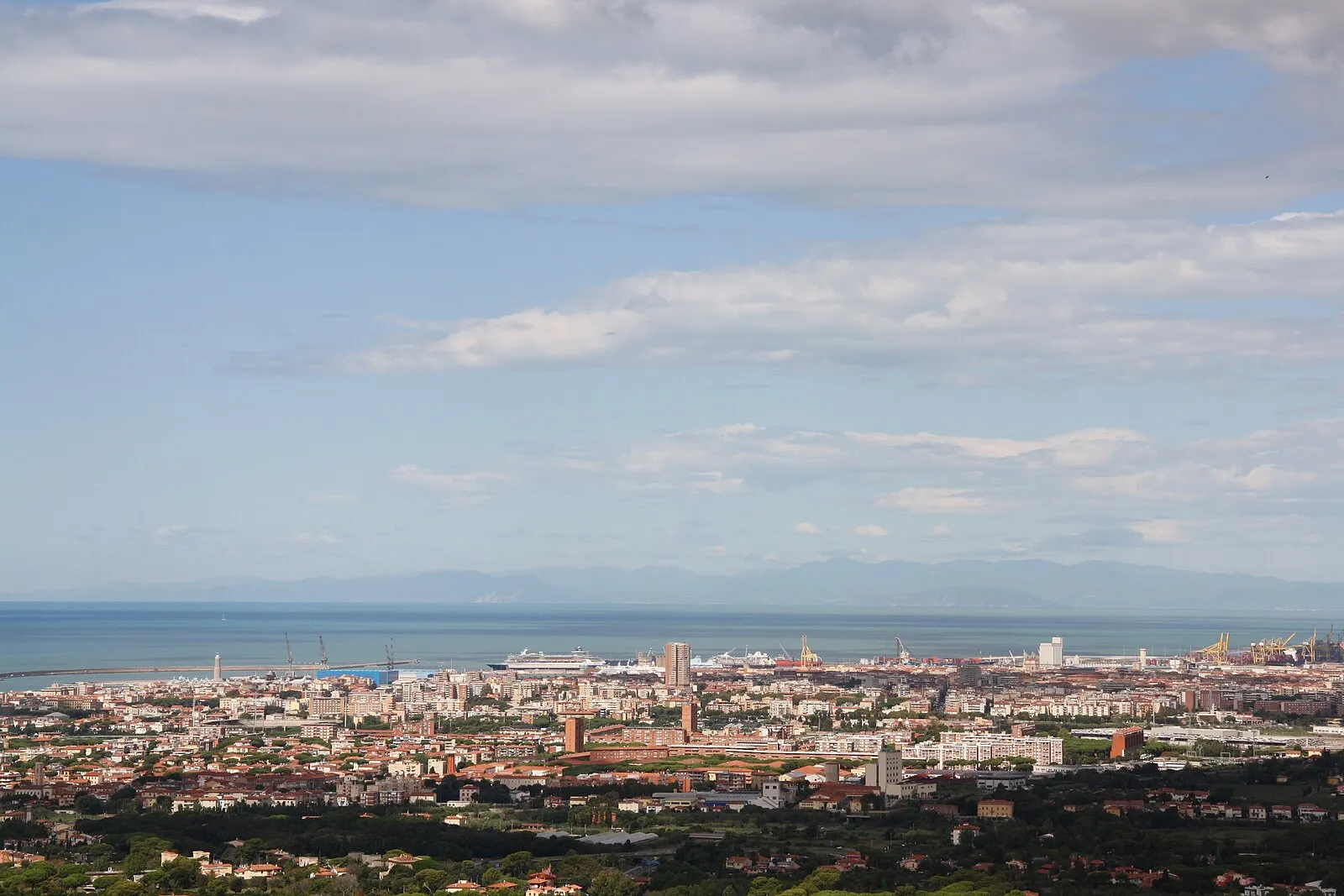
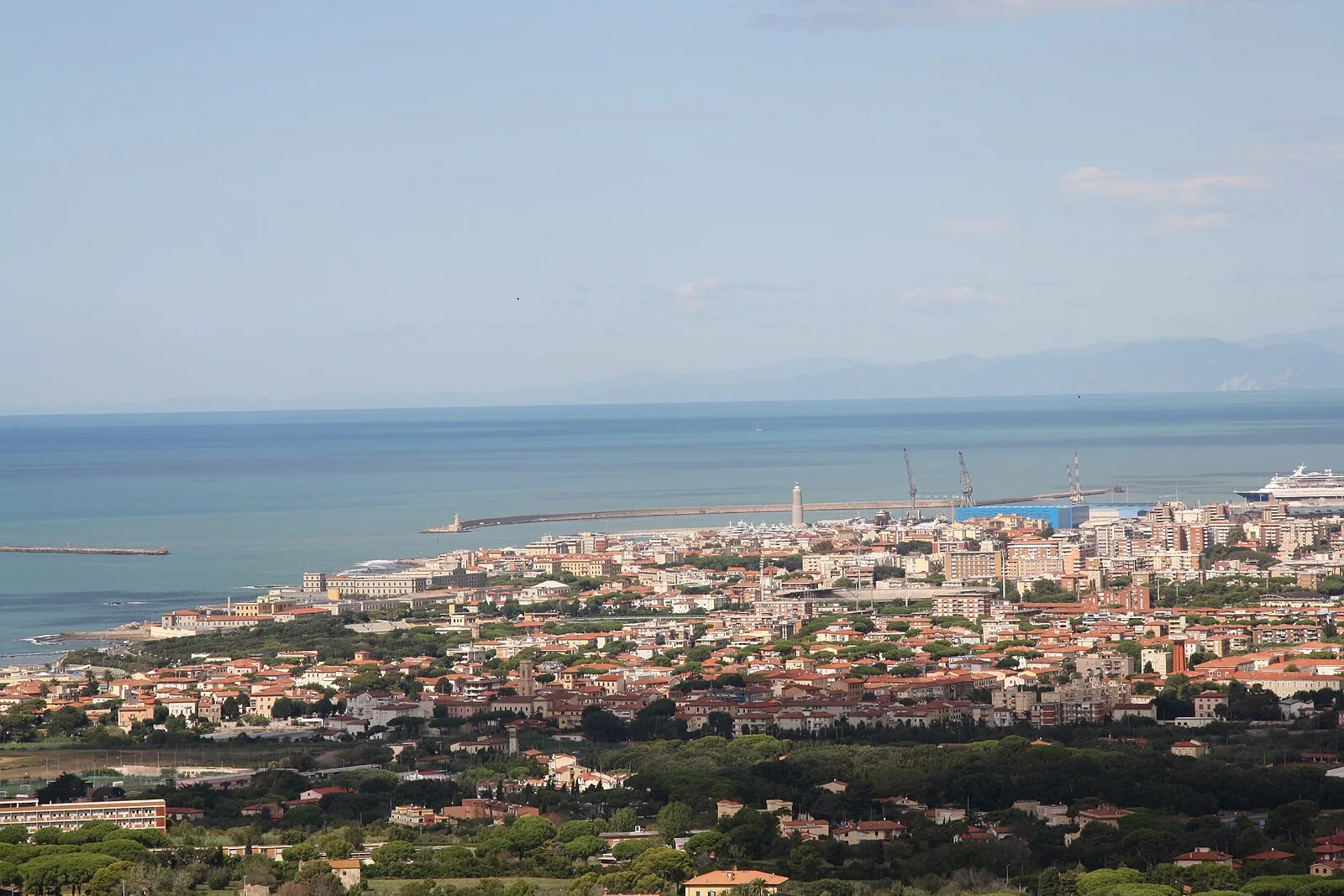
Livorno is a working port city, so the immediate area near the cruise terminal is industrial and functional rather than charming. But don't let that discourage you — the heart of Livorno, especially the Terrazza Mascagni and the old Venezia Nuova canal district, is worth exploring if you have the time. And remember: you're standing in a city that the Medici family built to welcome the world. That spirit of hospitality is still here, waiting for you to discover it.
Photo Gallery
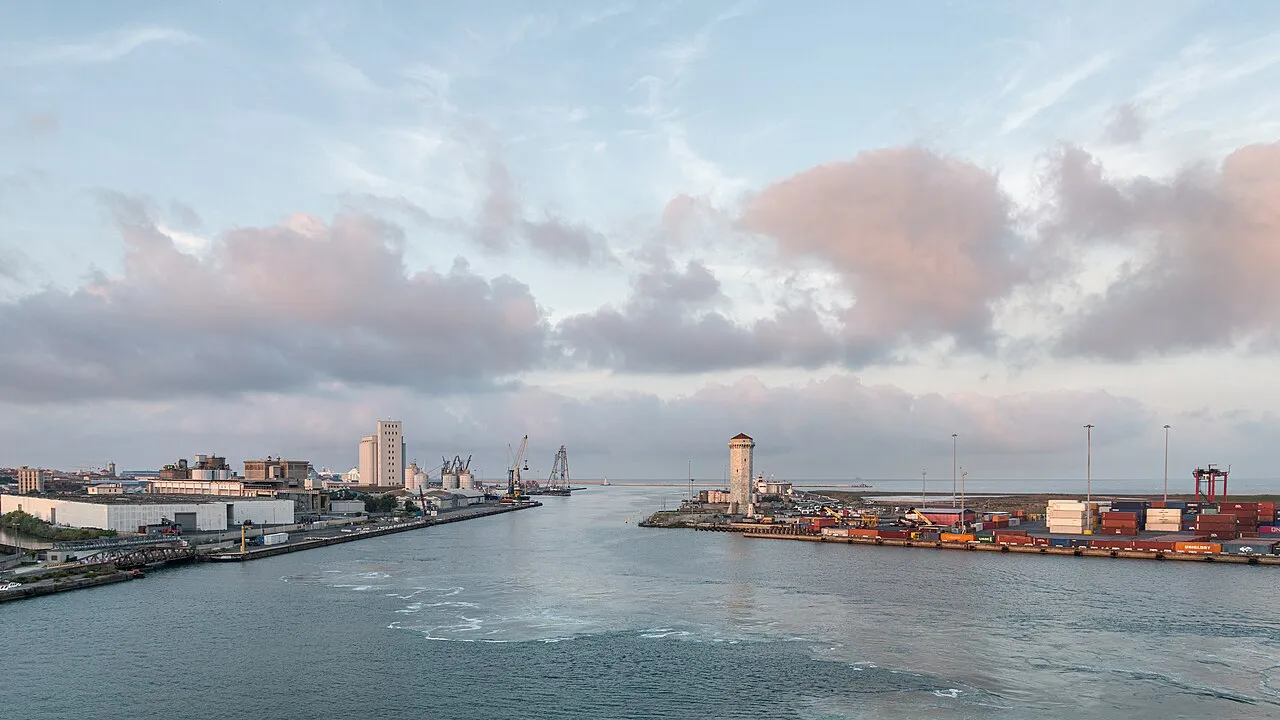
Image Credits
- livorno-1.webp: Wikimedia Commons (CC BY-SA)
- livorno-2.webp: Wikimedia Commons (CC BY-SA)
- livorno-3.webp: Wikimedia Commons (CC BY-SA)
- livorno-4.webp: Wikimedia Commons (CC BY-SA)
- livorno-5.webp: Wikimedia Commons (CC BY-SA)
- livorno-6.webp: Wikimedia Commons (CC BY-SA)
- livorno-7.webp: Wikimedia Commons (CC BY-SA)
- livorno-8.webp: Wikimedia Commons (CC BY-SA)
All images sourced from Wikimedia Commons under Creative Commons licenses.
Frequently Asked Questions
Q: Is Florence/Livorno worth it on a Western Mediterranean cruise?
A: Absolutely — it's the single best art-and-history day you can have from a cruise ship. Florence is the cradle of the Renaissance, and having access to it via Livorno is a gift. The fare for a regional train from Pisa to Florence is about €9 each way.
Q: What's the best excursion from Livorno?
A: Florence on your own with pre-booked tickets for the Accademia (David, €16) and Uffizi Gallery (€20–€25). You'll save hours in lines and have the freedom to linger where your heart leads you.
Q: How long should I spend in Florence?
A: Six to eight hours is perfect if you're efficient. That gives you time for the major museums, a leisurely lunch, and a stroll through the historic center.
Q: Can you walk from the cruise terminal into Livorno?
A: The immediate port area is industrial, but you can take a quick taxi or shuttle to the Terrazza Mascagni and the historic center. It's worth it if you have a few hours and want to experience authentic, unhurried Livorno.
Q: Should I visit Pisa or Florence?
A: If you can only choose one, Florence offers more depth and variety. But Pisa is only 30 minutes away, and many visitors do both in a single day — Florence in the morning, Pisa in the afternoon.
Q: Is Livorno accessible for visitors with mobility challenges?
A: The cruise terminal has wheelchair ramps and accessible facilities. The Terrazza Mascagni promenade is flat and paved. However, Florence's cobblestone streets and multi-story museums can be challenging. The Uffizi has an elevator, and the Accademia is mostly on one level, but plan ahead and notify your cruise line for mobility assistance.
Q: When is the best time to visit Livorno?
A: The seasonal panel above lists Peak Season as "May, Jun, Jul, Aug, Sep," Transitional Season as "Apr, Oct," and Low Season as "Nov, Dec, Jan, Feb, Mar." The avoidance note flags "Jan, Feb" with reason "(cold weather, limited daylight)."
Q: When is Livorno's storm season?
A: The Weather Hazards panel above labels Livorno a "Winter Weather" zone with "Season: Nov – Mar" and "Peak risk: Jan, Feb." The hazard-note reads: "Shorter days, possible storms; dress warmly in layers." For current conditions on a specific sailing date, use the live weather widget in the seasonal panel above.
Q: What should I pack for Livorno's weather?
A: Specific Livorno temperature ranges are not detailed on this page — the glance Temperature entry reads "Varies by season — check forecast." The Packing Tips section lists "Sunscreen and sunglasses — essential year-round"; "Light layers for variable temperatures"; "Comfortable walking shoes for exploring"; "Rain jacket or compact umbrella." The Winter Weather hazard-note adds "dress warmly in layers" for Nov-Mar.
Q: Will rain ruin my Livorno port day?
A: The seasonal panel does not give Livorno-specific rainfall data — the Rain entry reads "Seasonal variation — check forecast." The Winter Weather hazard-note notes "possible storms" across the Nov-Mar window. For short-term forecasts on a specific sailing date, the live weather widget in the seasonal panel above is the primary source.
Last reviewed: February 2026