Captain's Logbook
Málaga: Where Three Thousand Years of Stories Meet the Andalusian Sun
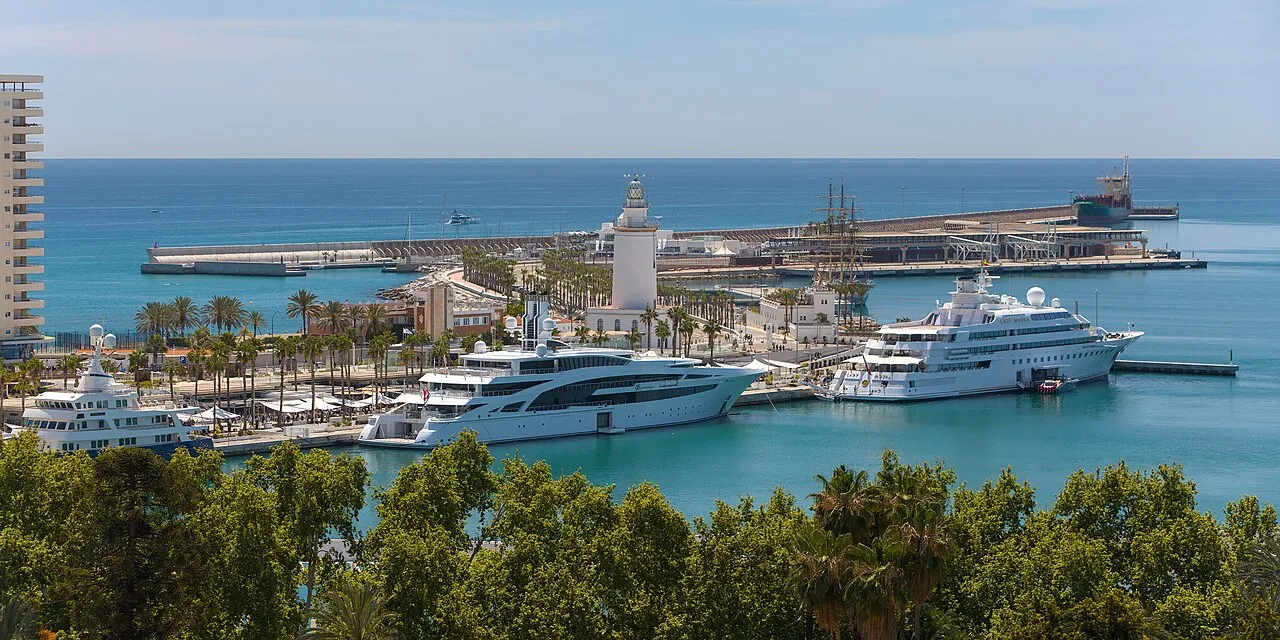
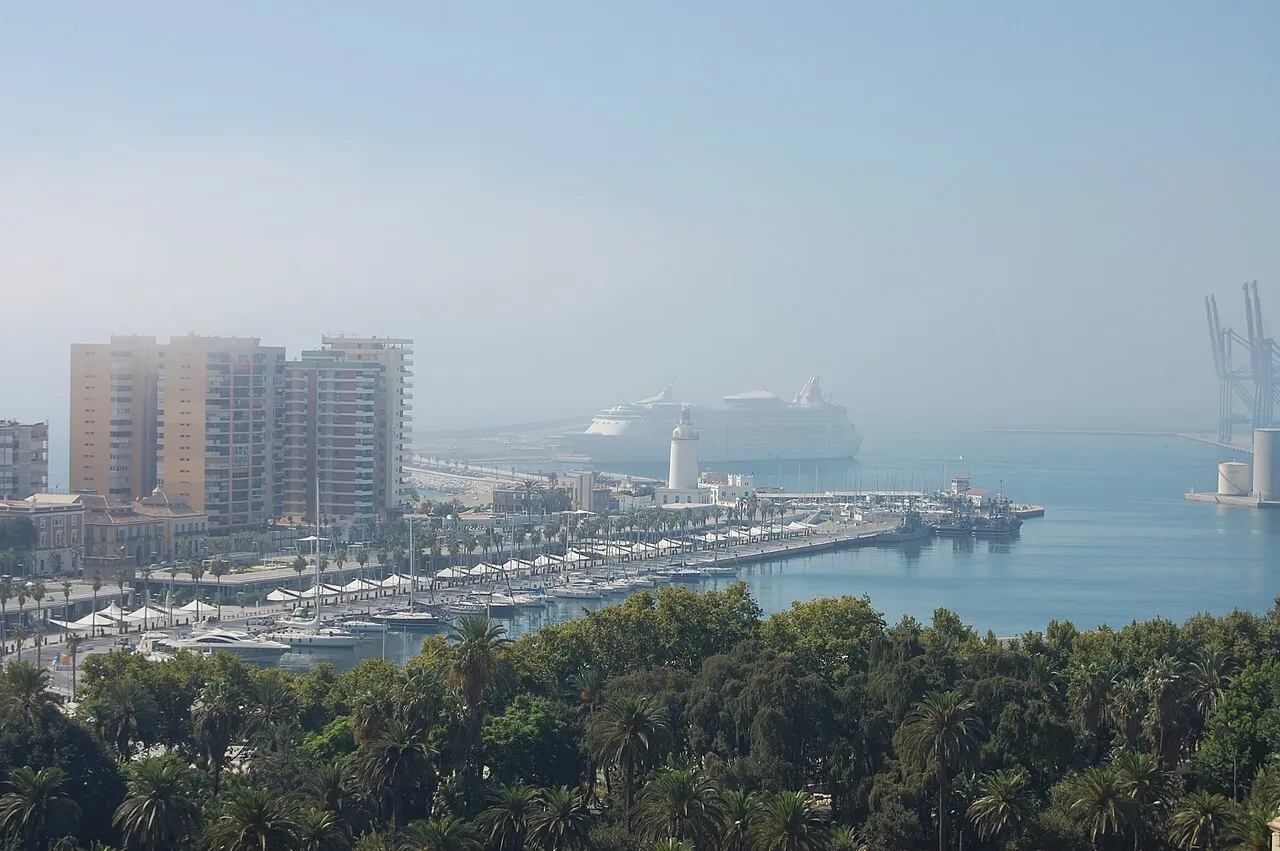
I confess — the first time I saw Málaga on my cruise itinerary, I assumed it would be just another Costa del Sol resort town. How spectacularly wrong I was. This harbor has welcomed ships for three millennia, since Phoenician traders founded their settlement here around 1000 BC. Standing on the cruise terminal today, watching the same Mediterranean light that illuminated ancient Roman galleys, I feel the weight of that history — and I feel grateful that Málaga hasn't squandered it.
The Romans knew what they had here. This port shipped iron, copper, lead, olive oil, wine, and garum — that pungent fermented fish relish the Romans loved — across their empire. When I walk the old town streets now, I'm walking paths that have known the footfalls of Phoenician merchants, Roman centurions, Moorish caliphs, and now cruise passengers with sensible shoes and cameras. We're all part of the same unbroken story of arrival and wonder.
Picasso's Málaga: Art Born in Sunlight
On October 25, 1881, at 15 Plaza de la Merced, María Picasso López gave birth to a son she named Pablo. That apartment is now the Casa Natal Picasso, a pilgrimage site for anyone who loves his work. I stood in those rooms on my last visit, looking at the sketches and early pieces, trying to imagine the boy who would reshape how we see the world. The light coming through those windows — that fierce, clarifying Andalusian light — is the same light that illuminated his first drawings.
But the real treasure is the Museo Picasso Málaga in the Buenavista Palace, a stunning 16th-century building that houses over 200 of Picasso's works donated by his family. I spent a quiet morning there, watching how his style evolved from the academic realism of his youth to the explosive innovation of his later years. The museum isn't overwhelming — it's intimate, thoughtful, and deeply moving. This is Picasso at home.
Seven Centuries of Moorish Majesty
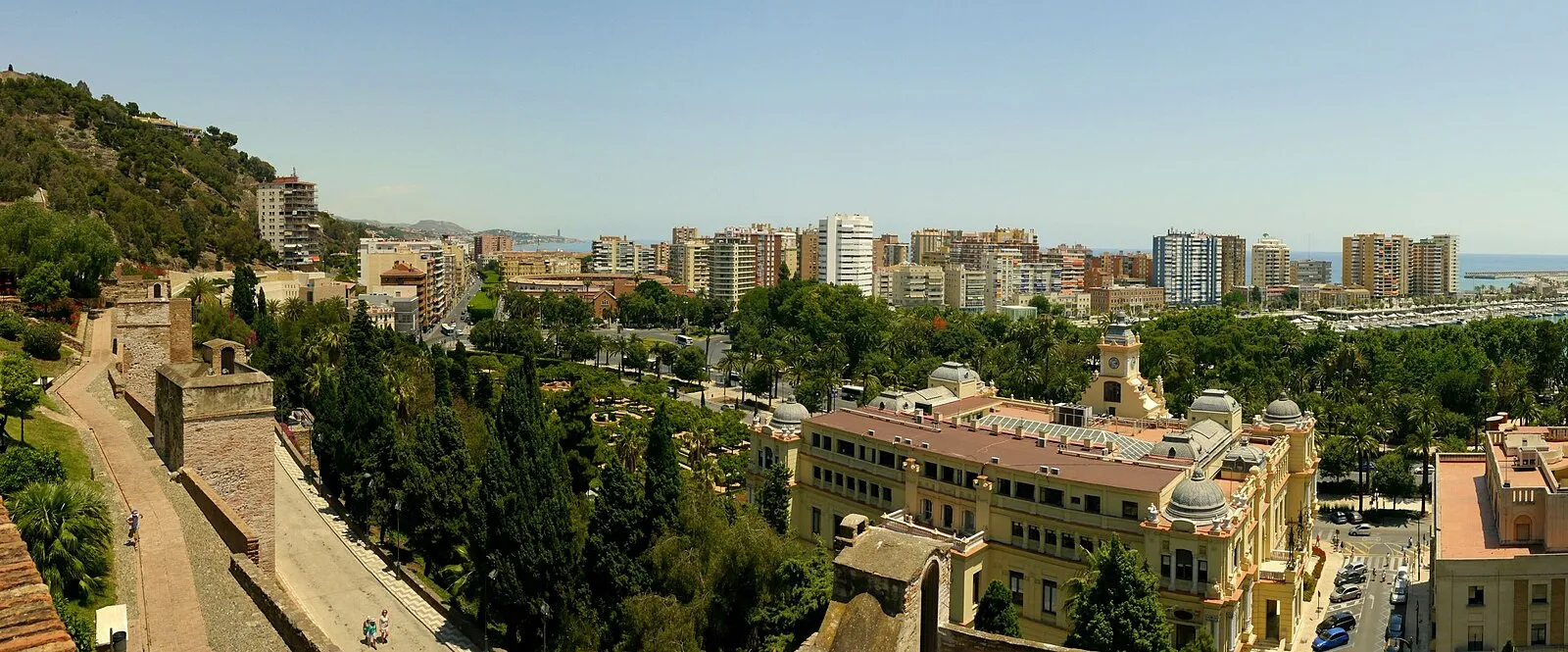
The Alcazaba rises above the city like a stone dream — an 11th-century Moorish palace-fortress built for the Arabian caliphs who ruled here for seven centuries. I climbed its ramparts on a golden afternoon, passing through horseshoe arches and courtyards where fountains still whisper and jasmine grows wild. The views over the city and harbor are breathtaking, but what moved me most were the small details: geometric tile work, carved wooden ceilings, the way light and shadow play across ancient stone.
What astonished me was discovering that the Alcazaba was built using stones recycled from the Roman Theatre below — a 1st-century amphitheater from the time of Emperor Augustus that served the city until the 3rd century. History literally built on history. A winding path connects the Alcazaba to Gibralfaro Castle on the hill above, an even older fortress offering panoramic views that sweep from the bullring to the beaches to the shimmering Mediterranean beyond.
I sat down on the stone seats of the Roman Theatre — seats worn smooth by two thousand years of use — and looked up at the Alcazaba towering above, its Islamic arches framed against the afternoon sky. A Spanish grandmother was sitting two rows down, feeding pigeons from a paper bag while her grandson ran circuits on the ancient stage below. She caught me staring and shrugged, as if to say: this is just my neighbourhood. I thought about my own grandmother, who died the year before in a small apartment she had lived in for forty years, and how she used to sit on her front step watching the street with exactly that same expression of patient ownership. My throat tightened. Here in this theatre built for entertainment, recycled into a fortress, rediscovered by archaeologists, and now serving as a pigeon-feeding bench for a woman who does not need a ticket to sit in her own city — I felt the whole weight of how places outlast the people who love them, and how we keep sitting in the same seats, generation after generation, feeding birds and watching children play.
Looking back, Málaga taught me that history is not something you visit behind glass or read on a placard. It is something you sit on, eat lunch beside, and walk through without noticing until the light catches an arch at just the right angle and you realize you are standing where a Roman soldier stood, where a Moorish caliph prayed, where Picasso first learned what colour could do. I came expecting a beach town. I left understanding why this harbour has drawn people for three millennia — not because it performs its past, but because it simply goes on living in it.
Weather & Best Time to Visit
The Cruise Port
Cruise ships dock at the Port of Málaga (Muelle de Levante), a modern facility on the eastern edge of the city center. The terminal building has restrooms, tourist information, a café, and Wi-Fi. From the terminal exit, the historic center is about a 20-minute walk along the Paseo del Parque promenade — one of the pleasantest port-to-city walks in the western Mediterranean. Ships dock directly; no tender required. Some larger ships use the outer berth (Dique de Levante), which adds another 10 minutes of walking or a short shuttle ride.
Málaga is one of Spain's busiest cruise ports, served by Royal Caribbean, MSC, Costa, Norwegian, Celebrity, Holland America, Princess, and numerous luxury lines. The city sits on Spain's Costa del Sol, and many Mediterranean itineraries stop here year-round thanks to the mild Andalusian climate. The port averages over 400 cruise calls per year.
Quick Facts
Getting Around
Málaga's historic center is compact and pedestrian-friendly. Once you walk from the cruise terminal to the old town (20 minutes), everything clusters within a small area. The Alcazaba, Cathedral, Picasso Museum, and main shopping streets are all within a 10-minute walk of each other.
On foot: The 20-minute walk from the cruise terminal through the Paseo del Parque (a tropical garden promenade) is one of the highlights of arriving in Málaga. From the park entrance, the historic center begins immediately. The Alcazaba, Roman Theatre, Picasso Museum, and Cathedral are all within a few blocks. Budget 3-4 hours for a comfortable walking tour of the main sites. The terrain is flat in the city center; the Alcazaba and Gibralfaro Castle involve uphill walks. Wheelchair users can access the Alcazaba via elevator from Calle Guillén Sotelo.
By taxi: Taxis are available at the cruise terminal. A ride to the city center costs €8-12. To Gibralfaro Castle (avoiding the steep walk), expect €10-15. Taxis are metered and reliable. Uber operates in Málaga.
By bus: EMT Málaga city buses connect the port area to the center and beyond. A single ride costs €1.30. The Hop-on Hop-off bus (~€22/day) stops at the cruise port and circulates past major attractions including the Alcazaba, Cathedral, and Malagueta Beach.
Mobility considerations: The city center is largely flat with good sidewalks. The Alcazaba has an elevator for accessibility from street level. Gibralfaro Castle requires a steep uphill walk or taxi. The Paseo del Parque promenade is fully paved and shaded. Most museums are wheelchair accessible.
Málaga Port Map
Interactive map showing cruise terminal and Málaga attractions. Click any marker for details.
Excursions
Málaga is ideal for independent exploration — the historic center is walkable from the port, attractions cluster together, and the city is safe and well-signed. Ship excursions are mainly useful for day trips outside the city (Granada, Ronda, Nerja). Book ahead for the Picasso Museum during summer and for any Alhambra visit, which requires advance timed-entry tickets.
The Alcazaba and Gibralfaro Castle
The 11th-century Moorish palace-fortress sits above the Roman Theatre, with views over the city and harbor. Combined ticket for Alcazaba + Gibralfaro: €5.50. Alcazaba alone: €3.50. The Alcazaba is a 10-minute walk uphill from the city center (elevator access available from Calle Guillén Sotelo). The connecting path to Gibralfaro adds another 20-minute climb — steep but rewarded with panoramic views of the bullring, beaches, and Mediterranean. Ship excursions including both run €40-60. Independent visitors save significantly. Allow 2-2.5 hours for both sites.
Picasso Museum
Born in Málaga in 1881, Pablo Picasso is the city's most famous son. The Museo Picasso Málaga, housed in a 16th-century palace, holds 233 works donated by the Picasso family. Admission: €12 (combined with temporary exhibitions: €15). Timed entry — book online in advance during peak season to avoid queues. Located in the old town, 5 minutes from the Cathedral. Allow 1.5-2 hours. Ship excursions including the museum run €50-70. Picasso's birthplace at Plaza de la Merced is a separate museum (€4) two blocks away.
Málaga Cathedral (La Manquita)
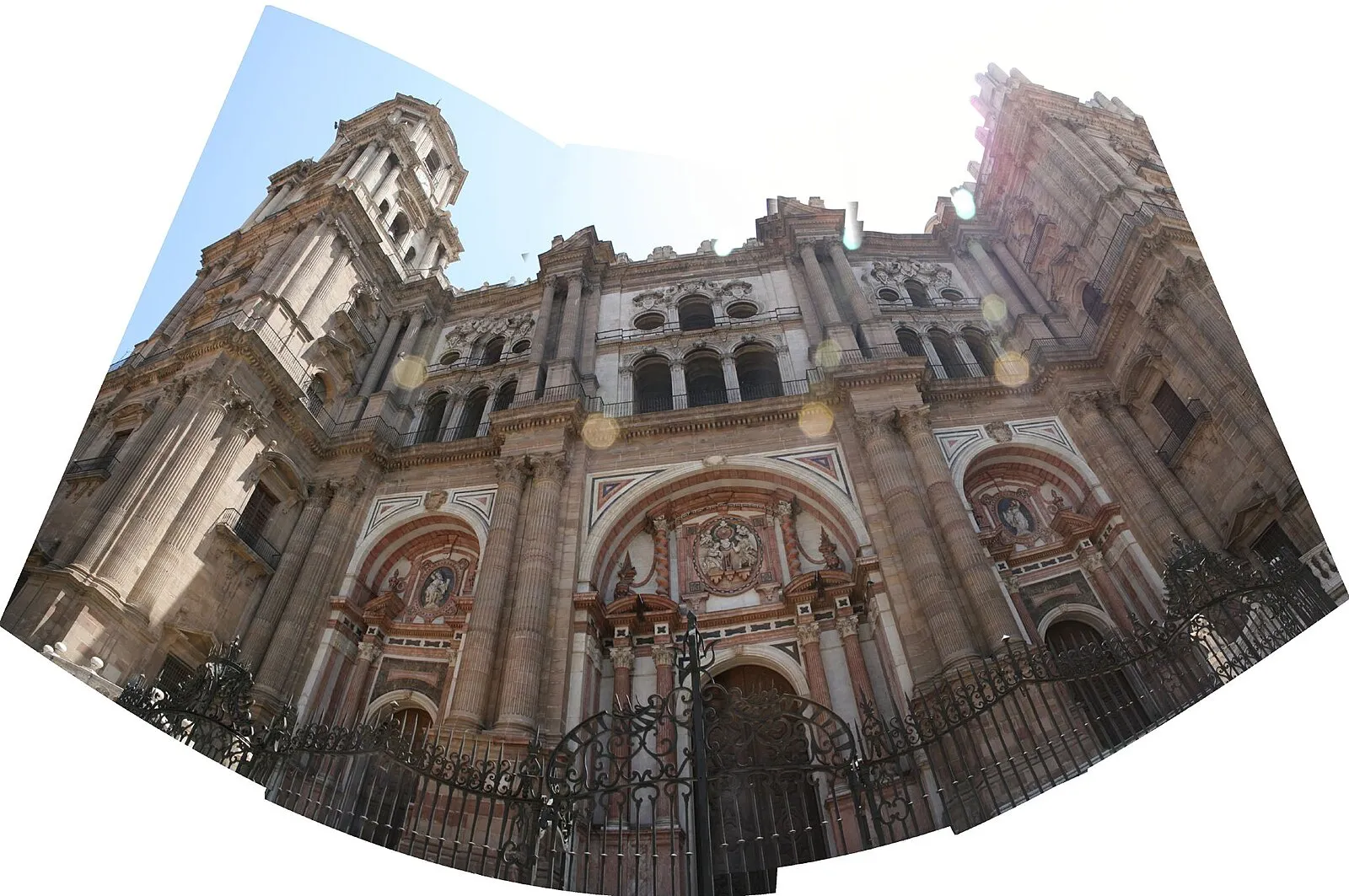
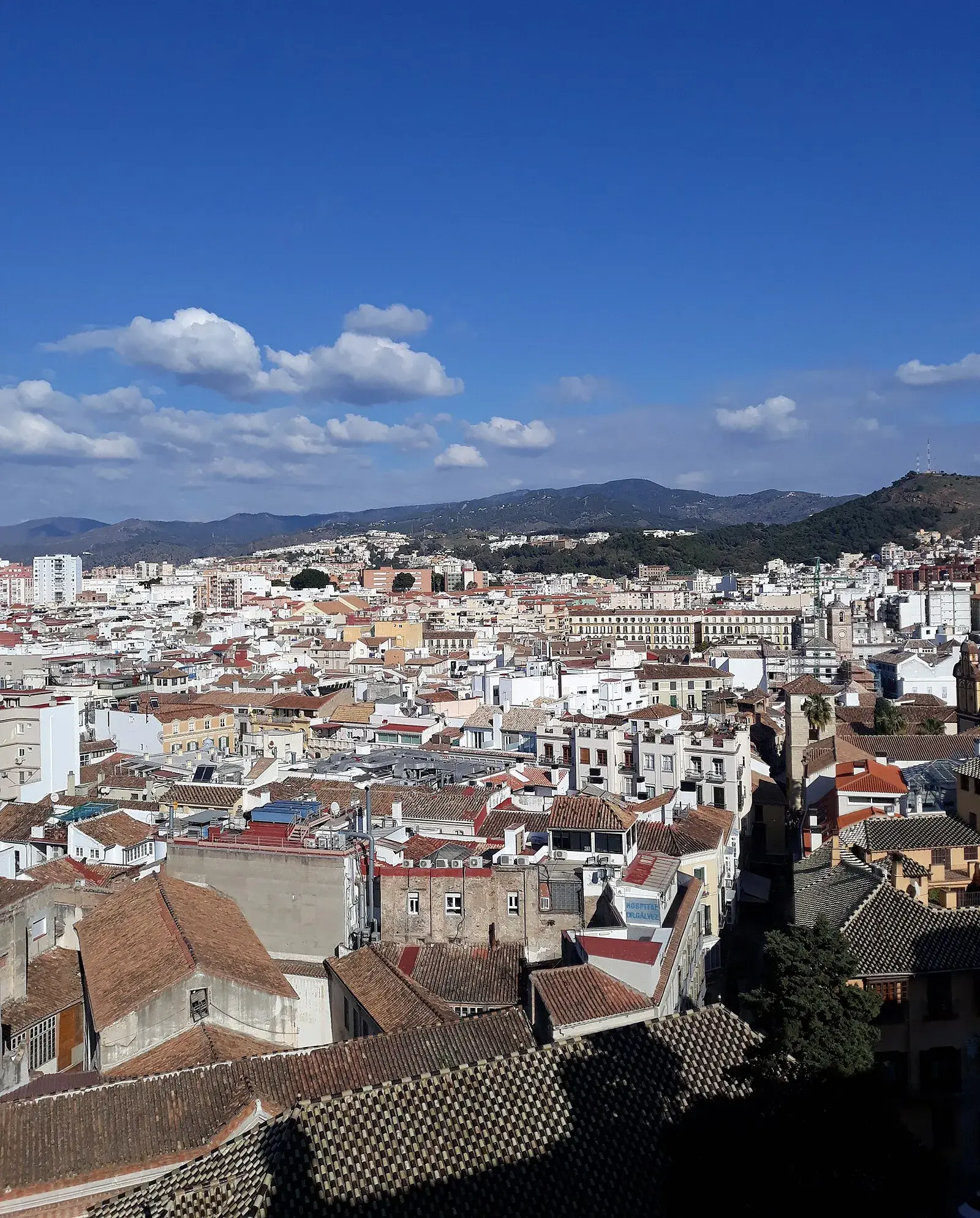
The Renaissance cathedral, nicknamed "La Manquita" (the one-armed lady) because its second tower was never completed, dominates the old town skyline. Admission: €8 (includes rooftop terrace with city views). Open Monday-Saturday. The interior features Renaissance choir stalls and Baroque chapels. Allow 1 hour. Located in the heart of the old town. No advance booking needed.
Tapas Tour
Málaga's tapas scene is among Andalusia's best and most affordable. The streets around Plaza de la Merced and Calle Marqués de Larios are packed with tapas bars where a glass of local wine and two tapas cost €5-8. Ship-organized food tours run €60-90 per person. Independent visitors can simply stroll from place to place — locals eat tapas standing at the bar, ordering 2-3 small plates at each stop. Try espetos (charcoal-grilled sardines on a stick, €3-4 at beach chiringuitos) and ajoblanco (cold almond and garlic soup). No booking needed for independent exploration.
Day Trip: Granada and the Alhambra
The Alhambra palace complex, a UNESCO World Heritage Site, is 130 km inland (about 1.5 hours by bus). This is Spain's most-visited monument and tickets sell out weeks in advance. Ship excursions run €100-150 (full day). Independent visitors must pre-book Alhambra tickets at alhambra-patronato.es well ahead — same-day tickets are nearly impossible. The combined logistics (transport + timed entry + return to ship) make this one of the few excursions where a ship tour genuinely adds value. Only attempt independently if your ship has a 10+ hour call and you've secured tickets in advance.
Day Trip: Ronda
The dramatic clifftop town 100 km west of Málaga, famous for the Puente Nuevo bridge spanning the 120-meter El Tajo gorge. Ship excursions run €70-100 (half day). Independent visitors can take a bus from Málaga bus station (about 2 hours each way, ~€13 round trip), but the tight timing makes this difficult on a typical 8-hour port call. Ship excursions handle the logistics. Ronda's old town, bullring, and gorge views can be covered in 2-3 hours.
Last reviewed: February 2026
Key Facts
- Country
- Spain
- Region
- Mediterranean
- Currency
- Euro (EUR)
- Language
- Spanish