


Palma de Mallorca: My Mediterranean Island Paradise
My Visit to Palma
I stepped out onto the open deck at dawn, and there it was: the Bay of Palma spreading wide under a sky that was turning from violet to gold, the silhouette of La Seu cathedral rising like a crown of honey-colored stone above the waterfront. My wife stood beside me, holding her coffee, and for a long moment neither of us spoke. The air smelled of salt and warm pine carried from the distant Serra de Tramuntana mountains, and I could hear the low thrum of our ship's engines slowing as the pilot boat came alongside. After days at sea, the sight of this city — ancient, sun-drenched, impossibly beautiful — felt like something I had been waiting for without knowing it.
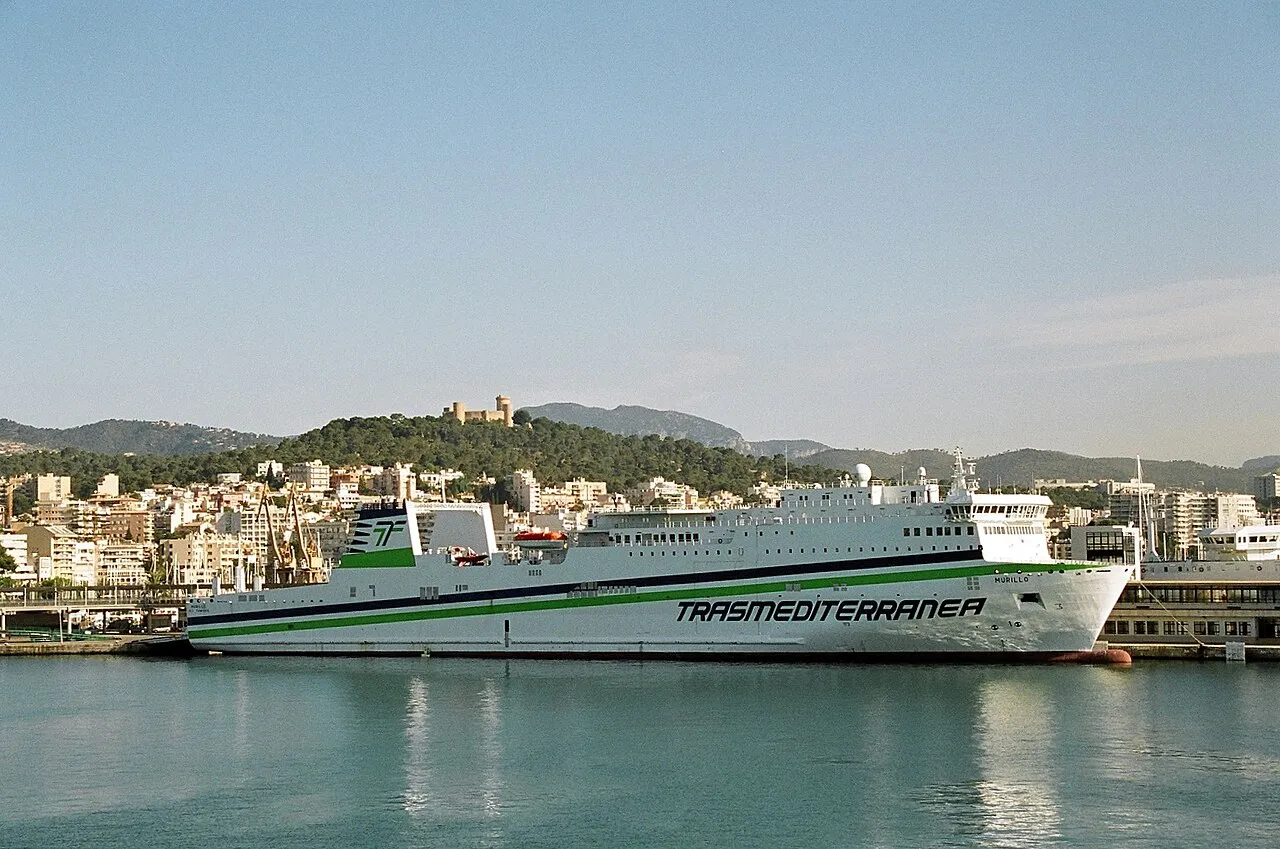
We docked at the Estació Marítima terminal around eight in the morning. The terminal itself is modern and well-organized, with clear signage and a helpful tourist information desk. Shuttle buses run regularly to the old town, but we decided to walk. The Paseo Marítimo stretches along the waterfront, shaded by palms, with joggers and cyclists already out in the early light. The walk takes about forty-five minutes at an easy pace, though you can also grab a taxi for about €12–15 if the heat is too much. I preferred the walk. It gave me time to settle into the rhythm of the place, to feel the warm stone under my feet and watch the fishing boats rocking gently in the marina.
La Seu cathedral is the reason most travelers come to Palma, and I understood why the moment I stepped through the main doors. The interior is vast — one of the tallest Gothic naves in Europe — and the morning sun was streaming through the eastern rose window, scattering jeweled light across the stone floor in reds, blues, and golds. I tilted my head back and stared upward at the ribbed vaulting, my neck aching, my breath caught somewhere in my chest. Four centuries of labor went into this building. Construction began in 1229, the year King James I of Aragon reclaimed the island from Moorish rule, and they did not finish until 1601. Seventeen generations of masons and craftsmen devoted their working lives to these walls. That thought alone was enough to humble me.
But what truly stopped me was Gaudí's contribution. Between 1903 and 1914, Antoni Gaudí was invited to renovate parts of the interior, and his wrought-iron Crown of Thorns canopy above the main altar is unlike anything I have seen in any other cathedral. It hangs suspended in the air — a tangle of thorns, lamps, and colored lights that seems to breathe and shimmer as the sun moves. I stood beneath it for ten minutes, simply watching the light change. My wife touched my arm and whispered, "It looks alive." She was right. Gaudí had a way of making stone and iron feel organic, as though the building itself were growing, and this was his quiet grace note in a cathedral built by thousands of hands over hundreds of years.
From the cathedral we climbed toward Castell de Bellver, Spain's only circular Gothic castle, perched 112 meters above sea level on a pine-covered hill. The taxi cost about €10, though you can also take bus 46. The castle was built between 1300 and 1311 for King James II — remarkably fast for its era — and its symmetry is striking: a perfect circle with three semicircular towers and one freestanding keep, all connected by a graceful arched gallery. I walked the upper terrace slowly, running my hand along the cool stone, and at each turn the view opened up in a new direction: the city to the east, the harbor to the south, the mountains to the north, and to the west, nothing but the endless blue Mediterranean stretching toward the horizon. The wind was warm and carried the scent of pine resin and wild rosemary from the hillside below.
However, it was back in the old town that I lost my heart to Palma. The streets are narrow and winding, and behind nearly every heavy wooden door is a hidden courtyard — there are over two hundred of them scattered through the old quarter. Some are grand, with sweeping stone staircases and wrought-iron balconies; others are simple, just a lemon tree and a trickling fountain. I peered through iron gates and caught glimpses of potted geraniums, old tiles, laundry drying on lines strung between walls that had stood for five hundred years. It felt private and sacred, like reading someone's diary — though the Palmesanos seem happy for you to look.
We found the Banys Arabs almost by accident, tucked away on a side street behind an unmarked door. These are the remnants of tenth-century Moorish baths, and stepping inside felt like entering another century. The horseshoe arches curved overhead, soft light filtered through star-shaped openings in the domed ceiling, and the silence was so complete I could hear water dripping somewhere beneath the floor. I sat on the stone bench and closed my eyes. The cool air on my skin, the faint smell of damp earth, the distant sound of church bells — for a moment I forgot the century I was living in.

Lunch was at a small tapas bar near Mercat de l'Olivar — pa amb oli with ripe tomatoes rubbed into crusty bread, fresh prawns sizzling in garlic and olive oil, and a glass of local white wine that tasted of sunshine and sea air. The cost was about €18 each, and it was perfect. Afterward, we walked to Forn des Teatre for an ensaïmada — Mallorca's signature spiral pastry, light as air, dusted with powdered sugar, flaky from the lard that gives it its distinctive texture. I took my first bite standing on the pavement outside the bakery and felt an almost childlike delight spread through me. The sweetness on my tongue, the powdered sugar on my fingers, the afternoon sun warm on the back of my neck — it was a small, perfect moment.
That afternoon, something happened that I did not expect. We were sitting on a bench along the Passeig des Born, the tree-lined boulevard at the heart of Palma's public life, watching people stroll past — couples with dogs, children chasing pigeons, an old man reading a newspaper in the shade. My wife reached over and took my hand. "Do you remember," she said quietly, "the first time we traveled together?" I did. It had been twenty years earlier, and we had been young and uncertain and so full of hope it hurt. Sitting there in the warm Mallorcan light, I felt my heart swell with something I can only call gratitude — for the years between then and now, for the fact that we were still here, still traveling, still holding hands on a bench in a foreign city. I squeezed her hand and finally said, "I remember everything." It was a quiet moment, nothing dramatic, but it was the truest thing I had felt all day.
Looking back, I realize what Palma taught me. It is not the grandeur that stays — though La Seu is magnificent and Bellver Castle takes your breath away. What stays is the texture of the place: the sound of a fountain in a hidden courtyard, the taste of sugar on my lips, the feeling of my wife's hand in mine on a sun-warmed bench. Palma is a city that has been welcoming travelers for centuries, and it does so not with spectacle but with warmth — the kind that seeps into your bones and makes you want to return. I learned that the finest moments of travel are not the ones you plan for. They are the ones that find you when you are sitting still, paying attention, open to whatever comes. We sailed from Palma in the late afternoon, and as the cathedral shrank to a golden speck against the darkening sky, I whispered a quiet prayer of thanks for a day that had given me far more than I had any right to expect.
Featured Images
The Cruise Port
What you need to know before you dock.
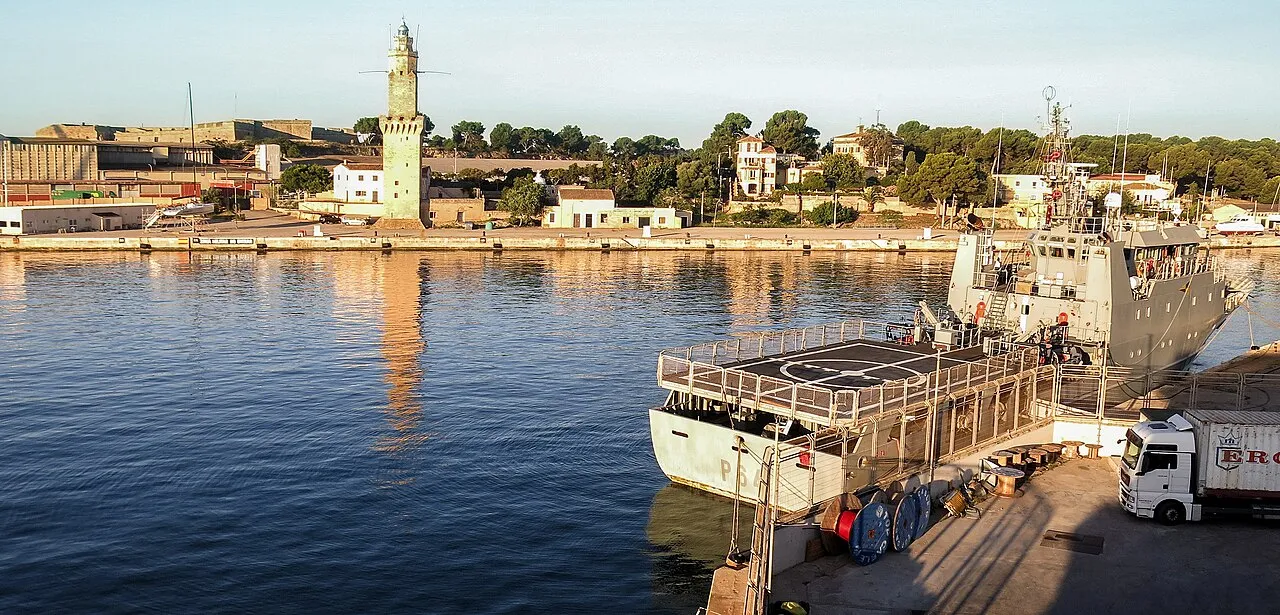
- Terminal: Estació Marítima — Palma's modern cruise terminal with tourist information, ATMs, Wi-Fi, and taxi ranks. The terminal area is wheelchair accessible with ramps and level boarding areas for guests with mobility needs. Multiple berths can handle several large ships simultaneously, making Palma one of the busiest Mediterranean cruise ports.
- Distance to City Center: Approximately 6 km from the terminal to the old town. Shuttle buses run regularly (about 10 minutes). Walking along the Paseo Marítimo waterfront takes 40–45 minutes. Taxis cost €12–15.
- Tender: No — ships dock directly at the pier. Palma has deep-water berths that accommodate even the largest cruise ships.
- Currency: Euro (€); credit cards widely accepted; ATMs at port and throughout city
- Language: Spanish and Catalan (Mallorquín dialect). English widely spoken in tourist areas and at all major attractions.
- Driving: Right side; EU driving license accepted. Scooter and car rentals available in town.
- Best Season: May through October for warmest weather; spring and autumn offer pleasant temperatures with fewer crowds.
- Time Zone: Central European Time (CET), one hour ahead of London.
Getting Around
Transportation tips for cruise visitors.
- Walking: Palma's old town is compact and very walkable once you arrive from the terminal. The cathedral, Banys Arabs, Passeig des Born, Mercat de l'Olivar, and most tapas bars are all within a twenty-minute walk of each other. The waterfront promenade from the cruise terminal is flat and fully accessible, with smooth paving suitable for wheelchair users and those with limited mobility. Streets in the old quarter are cobblestoned and can be steep in places, so sturdy walking shoes are recommended.
- Shuttle Buses: Most cruise lines operate shuttle buses from the terminal to the old town. The ride takes about ten minutes. Some are complimentary, others charge €5–8 round trip. Check your ship's daily program for schedules and pickup points.
- Taxis: Metered and plentiful at the cruise terminal. Fare to the old town runs about €12–15. To Castell de Bellver, expect €10 from city center. Taxis to the Sóller train station at Plaça d'Espanya cost approximately €15 from the port.
- Hop-On Hop-Off Bus: Two routes cover the major attractions including the cathedral, Bellver Castle, and Poble Espanyol. A 24-hour pass costs about €20 and is a practical option if you want to cover ground efficiently. Stops at the cruise terminal.
- City Buses (EMT Palma): Efficient public transport with fares around €2 per ride. Bus 46 goes to Bellver Castle. Routes connect the port area with Plaça d'Espanya (Sóller train station) and the main shopping streets.
- Sóller Train: The vintage 1912 narrow-gauge railway departs from Plaça d'Espanya. Round trip costs approximately €25 and takes about one hour each way through orange groves and mountain tunnels. A connecting tram runs from Sóller to Port de Sóller for about €8.
Palma de Mallorca Port Map
Interactive map showing cruise terminal and Palma attractions. Click any marker for details.
Excursions & Activities
How to spend your time ashore. For popular activities like the Sóller train, book ahead during peak season to secure your spot. Many visitors choose to explore independent of the ship excursion options for flexibility and cost savings, though a ship excursion offers guaranteed return to the vessel before departure.
La Seu Cathedral & Old Town Walking Tour
The Gothic cathedral is Palma's centerpiece, and a guided walking tour of the old town covers La Seu (entry €9), the Royal Palace of Almudaina (€7), the Banys Arabs (€3), and the hidden courtyards scattered through the medieval streets. Allow 3–4 hours. Many cruise lines offer this as a ship excursion for about €55–75, or you can book ahead with a local guide independently for €20–30 per person. The cathedral and old town are largely accessible for visitors with mobility challenges, though some side streets have cobblestones and steps.
Castell de Bellver
Spain's only circular Gothic castle, 112 meters above sea level with panoramic views. Entry costs €4 (free on Sundays). Taxi from the old town is about €10, or take bus 46. The castle houses the city history museum and has a beautiful arcaded courtyard. Allow 1–2 hours. This makes a good independent half-day combined with the old town.
Sóller Vintage Train
One of Europe's most scenic railway journeys. The 1912 narrow-gauge train winds through thirteen tunnels and acres of orange and lemon groves in the Serra de Tramuntana mountains. Round trip from Palma costs about €25 and takes roughly two hours total. From Sóller, a vintage tram (€8) descends to the picturesque Port de Sóller on the coast. Book ahead in summer — this route sells out quickly. Allow 4–5 hours for the full experience. Available as a ship excursion (typically €70–90) or independently.
Valldemossa & the Tramuntana Mountains
The hilltop village where Frédéric Chopin and George Sand spent the winter of 1838–39. Visit the Royal Charterhouse (Cartuja) where they stayed, explore the stone streets, and enjoy coca de patata (sweet potato pastry) at a village café. About 30 minutes from Palma by taxi or tour bus. Often combined with Sóller on a full-day independent tour. Ship excursions typically cost €65–85.
Es Trenc Beach
The finest beach on Mallorca — a long stretch of white sand with turquoise water that rivals the Caribbean. Located about 45 minutes from Palma by car. Best reached by rental car, organized tour, or ship excursion (about €50). Bring your own towel and sunscreen. There are basic beach bars for food and drink. Ideal for a relaxed half-day if you have seen the city before.
Local Food Tours & Culinary Experiences
Palma's food scene is outstanding. Walking food tours of the old town run about €65–80 per person and typically include tastings of pa amb oli, ensaïmada, local cheeses, and Mallorcan produce. Mercat de l'Olivar is free to explore and perfect for sampling local specialties. For those interested in the island's grape-growing heritage, the Binissalem region is about 25 minutes from Palma, with cellar tours starting at €15.
Depth Soundings Ashore
Lessons learned the hard way.
- Shuttle vs. Walk: The walk from the terminal along the Paseo Marítimo is flat and scenic, but it is 6 km — that is farther than it sounds in the midday heat. If temperatures are above 30°C, take the shuttle or a taxi and save your energy for the old town cobblestones.
- Sóller Train Timing: The round trip takes about two hours of train time, plus whatever you spend in Sóller and Port de Sóller. Budget at least four to five hours total. If your ship departs before 5pm, you need the morning train. Book ahead online — walk-up tickets often sell out by 10am in peak season.
- Cathedral Entry: La Seu is free for Mass (usually early morning), but the tourist entry fee of €9 is worth it for access to the museum, treasury, and terrace. The rose window catches the best light in the morning hours.
- Ensaïmada Strategy: Forn des Teatre is legendary, but the queue can be long. Ca'n Joan de s'Aigo (est. 1700) also serves excellent ensaïmada with thick hot chocolate, and the atmosphere is more relaxed.
- Multiple Ship Days: Palma is one of the busiest cruise ports in the Mediterranean. When several large ships dock on the same day, the cathedral and Bellver Castle get crowded by midmorning. Go early or visit in the afternoon when the first wave of passengers has returned to their ships.
- Sun Protection: Even in spring and autumn, the Mediterranean sun is strong. Bring sunscreen, a hat, and water. The old town has limited shade on some stretches, and Bellver Castle's hilltop terrace is fully exposed.
Photo Gallery
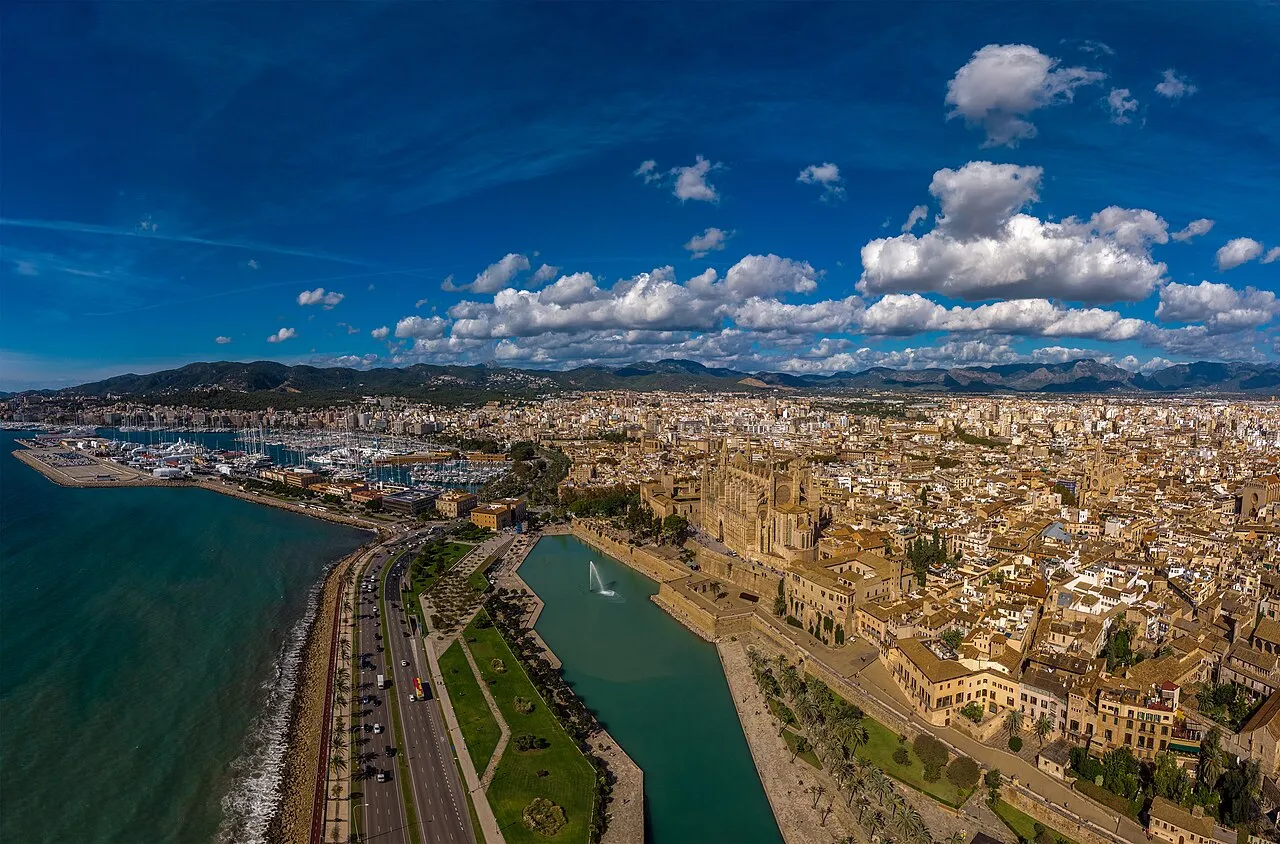
Image Credits
Frequently Asked Questions
Q: Can I walk from the cruise terminal to Palma's old town?
A: Yes, it is a pleasant walk along the Paseo Marítimo waterfront, about 40–45 minutes at an easy pace. The path is flat and fully accessible for wheelchair users. Alternatively, shuttle buses run regularly from the Estació Marítima terminal (about 10 minutes), and taxis cost around €12–15.
Q: Is the Sóller train worth it on a port day?
A: Absolutely. It is one of Europe's most scenic train rides. The vintage 1912 narrow-gauge railway winds through orange groves and mountain tunnels to the beautiful town of Sóller. The round trip takes about 2 hours total (1 hour each way). Book tickets early as it sells out, especially in summer. Cost is approximately €25 round trip.
Q: What is an ensaïmada and where should I try it?
A: Ensaïmada is Mallorca's signature spiral pastry — light, fluffy, and dusted with powdered sugar. It is made with lard (which gives it that incredible flaky texture) and is best enjoyed fresh from a traditional bakery. Forn des Teatre in Palma is legendary for their ensaïmadas.
Q: What are the top attractions in Palma on a port day?
A: La Seu cathedral (with Gaudí's Crown of Thorns canopy) is the standout — one of Europe's largest Gothic cathedrals with stunning rose windows. Castell de Bellver, Spain's only circular castle, offers 360-degree views 112 meters above the sea. The Banys Arabs (Moorish baths) and hidden courtyards in the old town are also worth exploring. If time permits, take the vintage Sóller train or visit Es Trenc beach.
Q: Is Palma accessible for visitors with limited mobility?
A: The cruise terminal and waterfront promenade are fully accessible. The cathedral has wheelchair access to the main nave. The old town is mostly flat but some streets have cobblestones and steps. Bellver Castle is partially accessible — the ground floor courtyard is reachable but the upper terrace involves stairs. Taxis and the hop-on-hop-off bus are good alternatives to walking.
Q: What should I pack for a port day in Palma?
A: Comfortable walking shoes (cobblestones are hard on your feet), sunscreen, a hat, and a water bottle. A light jacket is wise for spring and autumn evenings. If visiting the cathedral, shoulders and knees should be covered.
Q: What is the best time to visit Palma?
A: The seasonal panel above lists Peak Season as "May, Jun, Jul, Aug, Sep," Transitional Season as "Apr, Oct," and Low Season as "Nov, Dec, Jan, Feb, Mar." The avoidance note flags "Jan, Feb" with reason "(cold weather, limited daylight)." Use the live weather widget in the seasonal panel for current short-term conditions.
Q: What is Palma's storm season?
A: The Weather Hazards panel above labels Palma a "Winter Weather" zone with "Season: Nov – Mar" and "Peak risk: Jan, Feb." The hazard-note reads: "Shorter days, possible storms; dress warmly in layers." The avoidance note in the Best Time block also flags "Jan, Feb" with reason "(cold weather, limited daylight)." Specific storm history is not detailed on this page; use the live weather widget in the seasonal panel above for current conditions on any sailing date.
Q: Will rain ruin my Palma port day?
A: The seasonal panel does not give Palma-specific rainfall data — the Rain entry reads "Seasonal variation — check forecast." The Best Time block lists "May, Jun, Jul, Aug, Sep" as Peak Season, with "Jan, Feb" flagged in the avoidance note (for "(cold weather, limited daylight)"). The Winter Weather hazard-note notes "possible storms" across the Nov-Mar window. The live weather widget in the seasonal panel is the source for short-term forecasts.
Key Facts
- Country
- Spain (Mallorca)
- Region
- Mediterranean
- Currency
- Euro (€); credit cards widely accepted; ATMs at port and throughout city
- Language
- Spanish and Catalan (Mallorquín dialect). English widely spoken in tourist areas and at all major attractions