Captain's Logbook
Panama Canal: The Wonder and the Graves
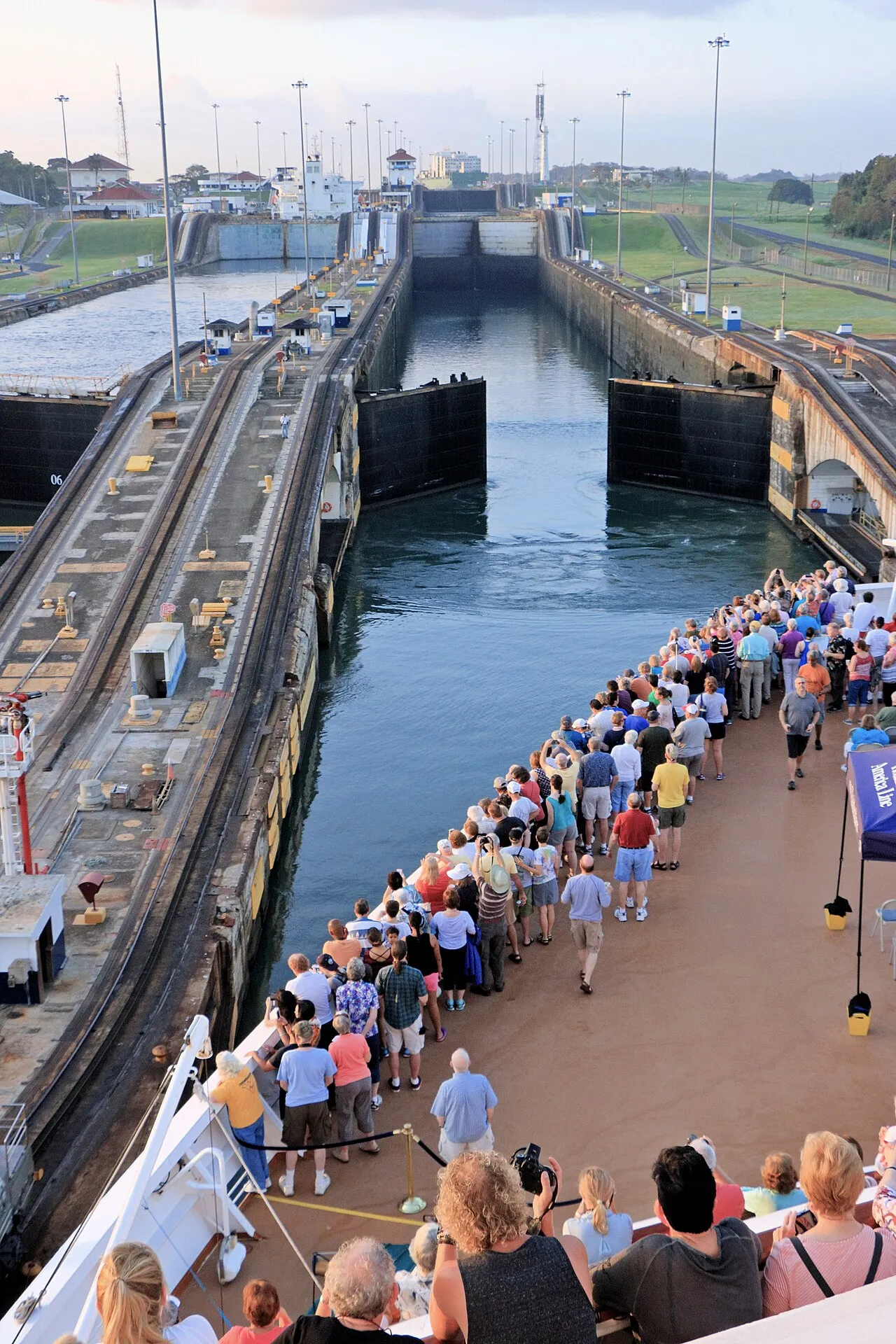
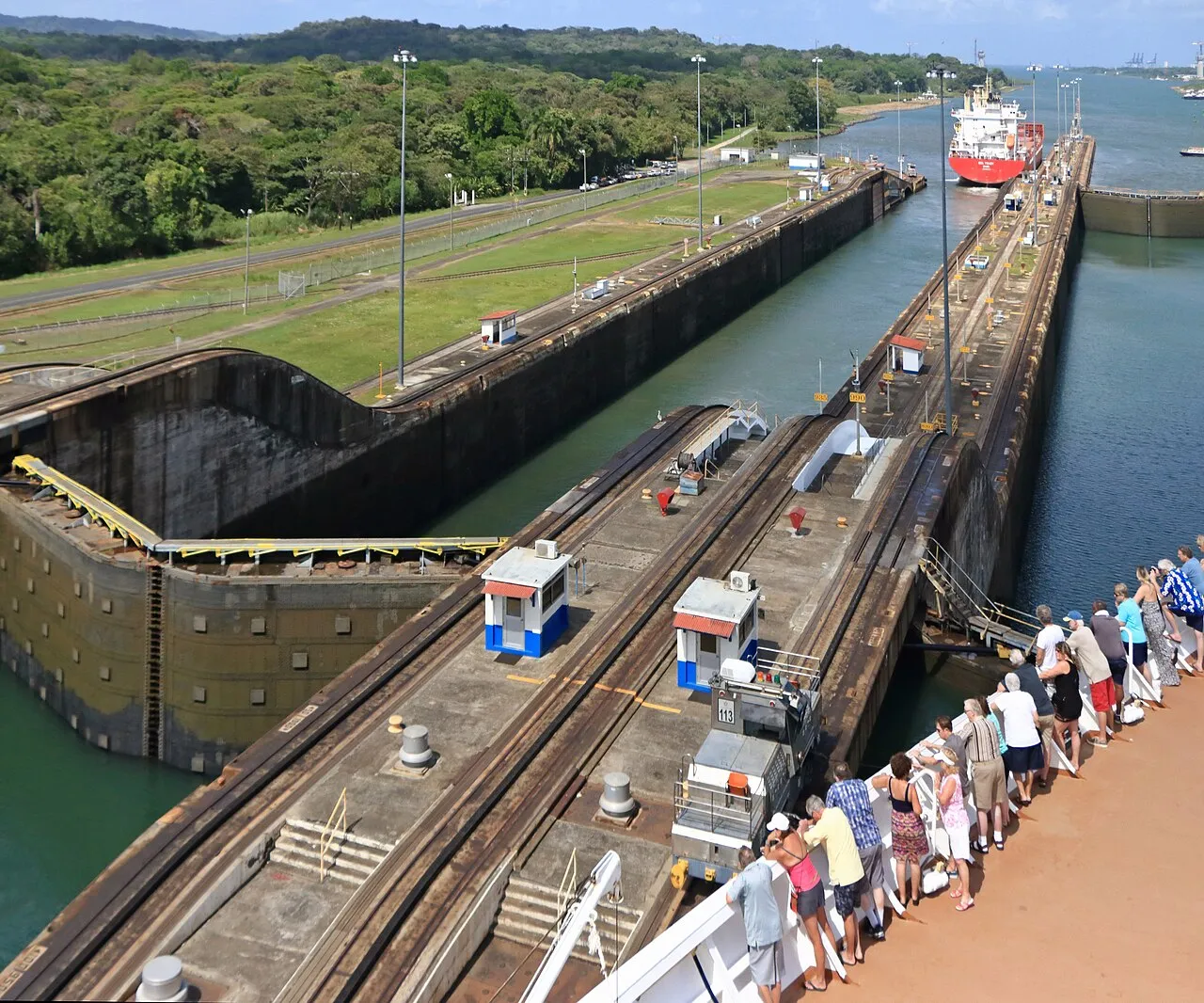
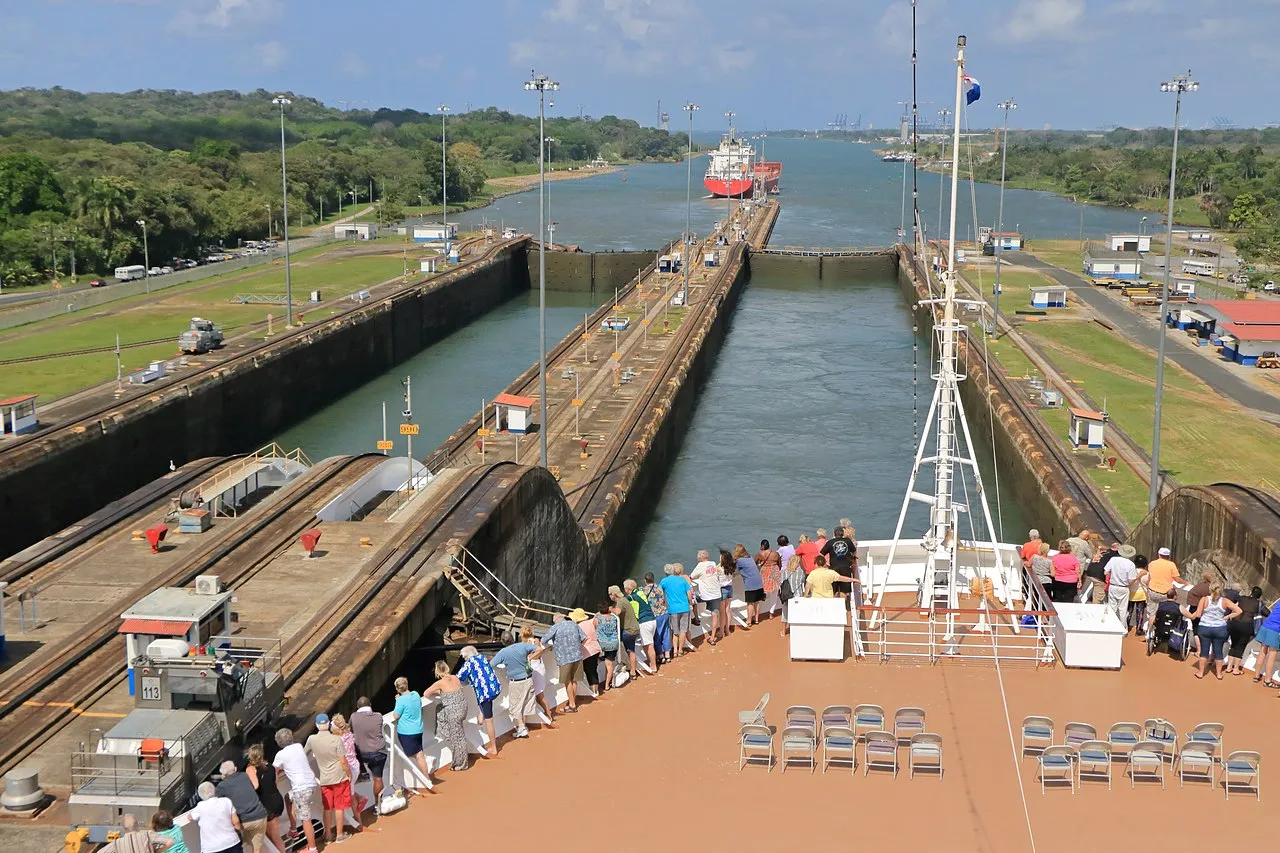
We were on the bow at 5 a.m. as we approached the Gatun Locks at dawn — watching the ship being raised 85 feet in three chambers, inches from the lock walls, with the mules pulling us through. The French first broke ground here on January 20, 1882, driven by the same dream that would ultimately claim 20,000 lives before they surrendered to yellow fever and bankruptcy. When the United States acquired the project on February 23, 1904, they conquered disease first — mosquitoes and medicine before dynamite and dirt.
My wife handed me a coffee and we stood at the rail in the half-dark, surrounded by hundreds of passengers wrapped in blankets and hotel robes, their phones lifted toward the approaching walls. The lock gates opened slowly, massive steel doors parting like the covers of a book, and our ship eased into the first chamber with what felt like inches to spare on either side. I could have reached out and touched the concrete wall. The water began to rise, and I watched the ship lift beneath us with a quiet, hydraulic patience — no drama, no rushing, just the steady insistence of water doing what water does when you give it a channel and a purpose.
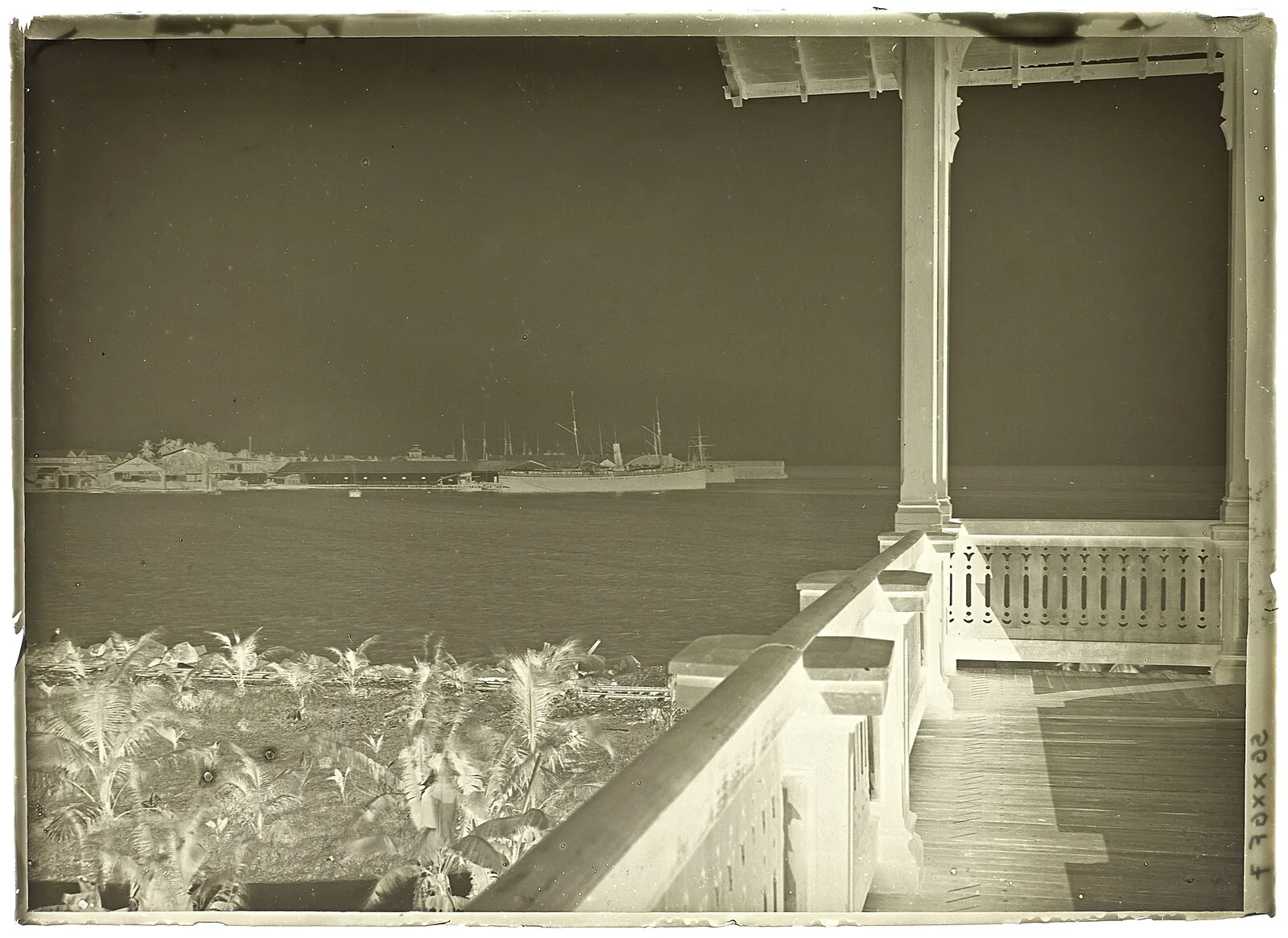
On August 15, 1914, the steamship SS Ancon became the first vessel to officially transit these waters — 50 miles from deep water to deep water, the culmination of over $350 million and 5,600 more American lives added to the French toll. Standing here more than a century later, gliding through what 25,600 workers never lived to see, I felt the full measure of what this passage cost.
My grandfather built bridges. He told me once that every major construction project has a cemetery behind it — not always literal, but real. Workers who fell, who got sick, who broke their backs against things that refused to move. I had read about the canal's death toll before this trip, but standing here, watching the jungle press against the canal's edges as if it still wanted to reclaim what was taken, I felt the numbers become people. Twenty-five thousand, six hundred. Each one had a name. Most of those names are lost.
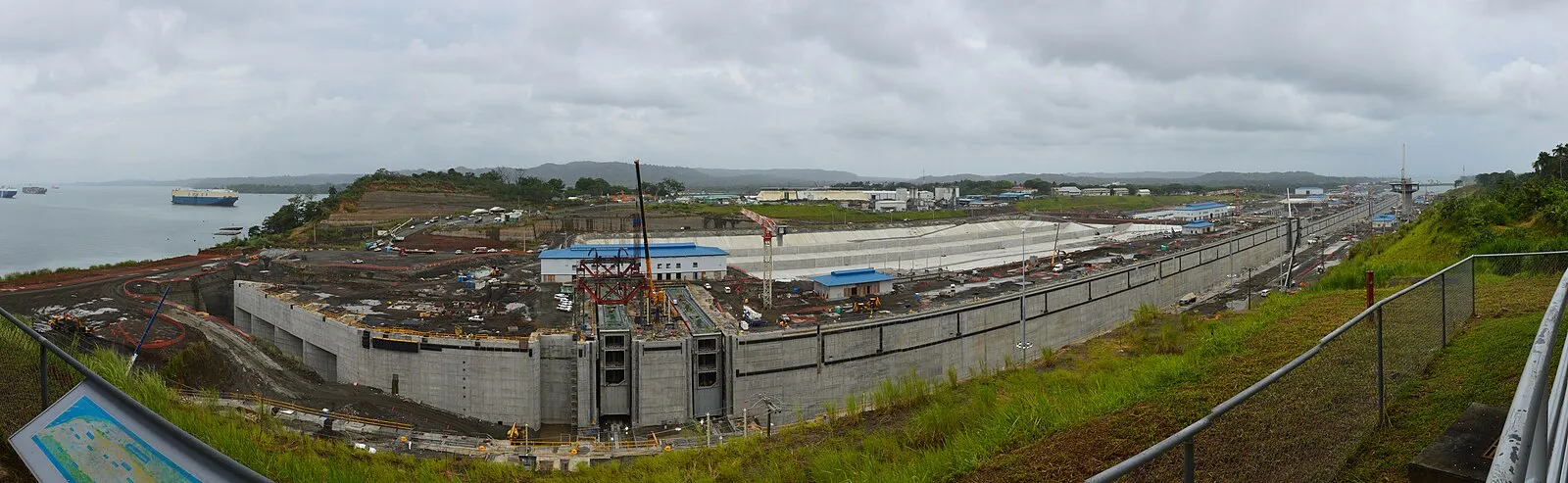
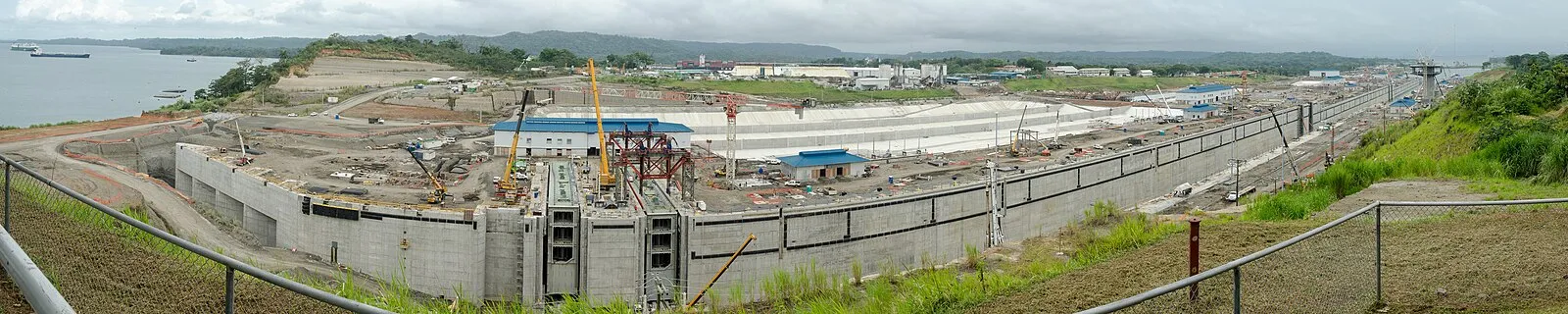
We sailed through the Gaillard Cut — the narrowest part — with jungle pressing in on both sides, howler monkeys roaring just as they did when men carved through this mountain with steam shovels and dynamite. I saw crocodiles sunning on the banks, toucans flying overhead, and the Bridge of the Americas at the Pacific side marking the end. This waterway was named one of the Seven Wonders of the Modern World. After Panama gained full control on December 31, 1999, they honoured that legacy with an expansion completed in June 2016 to welcome the Neopanamax ships that now share these locks with us.
The ship's naturalist said something through the PA system that stopped the chatter on deck: most of the workers who died during the French era were buried where they fell, their graves unmarked, swallowed by the same jungle we were gliding through. I looked at the green walls on either side of the Gaillard Cut and thought about what was underneath them. Not just rock and clay — bones. The canal is built on them. Every ship that passes, including ours, floats over a graveyard so vast that no one will ever fully map it. My daughter, four years old and sitting on my shoulders, pointed at a toucan in the trees and laughed. I held her ankles and my eyes burned with tears I could not explain to her — tears for men whose names nobody remembers, whose bones lie beneath the water that was now carrying us so gently through the wonder they built and never saw.
Looking back, the Panama Canal taught me the difference between a wonder and a sacrifice. The guidebooks call it one of the Seven Wonders of the Modern World. And it is. But wonders have a cost that the word does not acknowledge. I watched my ship glide through fifty miles of what twenty-five thousand men died to build, and I felt the weight of every mile. My grandfather was right about construction: every great thing has a cemetery behind it. The canal's beauty is inseparable from its sorrow. I am glad I stood on that bow at dawn. I am glad I did not look away from what it cost. And I hope my daughter, when she is old enough to understand what she was laughing above, will hold both truths at once — the wonder and the graves — and not let either one cancel the other.
Weather & Best Time to Visit
The Cruise Port
The Panama Canal is unlike any other "port" — you experience it from your ship during a transit that takes 8 to 10 hours from ocean to ocean (roughly 50 miles). Full transits cross from the Atlantic to the Pacific or vice versa. Partial transits enter the Gatun Locks, sail through Gatun Lake, and return the same way. Some itineraries dock at Colón on the Atlantic side (a working city with limited tourist appeal outside the Colón 2000 cruise terminal) or at Fuerte Amador near Panama City on the Pacific side (a causeway with restaurants, shops, and city access).
During a full transit, no disembarkation is required — the canal experience happens entirely on deck. Colón 2000 terminal has restrooms, shops, and tour operator desks but the surrounding neighbourhood requires caution. Fuerte Amador is safer and better positioned for exploring Panama City, about a $5–$10 taxi ride to Casco Viejo. Ships using the original locks pass with feet to spare; those using the expanded Neopanamax locks (opened 2016) have more clearance but less drama.
Quick Facts
Getting Around
During a transit: You stay on the ship. The best viewing spots are the forward observation deck (arrive by 5:30 a.m. for Gatun Locks) and upper-deck balconies facing the lock walls. Bring binoculars for wildlife in the Gaillard Cut — howler monkeys, toucans, and crocodiles are common sightings. Pack sunscreen, water, and a hat; equatorial sun on the open deck is fierce.
From Colón (Atlantic side): Colón 2000 cruise terminal has taxi queues and tour operators at the gate. Negotiate fares before getting in any vehicle — metered taxis are rare. A taxi to Gatun Locks costs approximately $30–$40 round trip. Do not walk into Colón city centre independently; security concerns are real. Use ship-organized excursions or pre-booked private guides for anything beyond the terminal area.
From Fuerte Amador (Pacific side): The causeway is walkable with restaurants and the Biomuseo (Frank Gehry's biodiversity museum). Taxis to Casco Viejo cost $5–$10 and take 10 minutes. Uber works in Panama City and is often cheaper than taxis. The Miraflores Locks Visitor Center is a $15–$20 taxi ride from the causeway. For the canal viewing experience, go to Miraflores — it has grandstand seating, a museum, and a restaurant overlooking the locks.
Accessibility: Ship decks are your main venue during transit. Colón 2000 terminal is flat and wheelchair accessible. The Miraflores Visitor Center has elevator access to all four viewing floors. Casco Viejo's cobblestoned streets are challenging for wheelchairs; the waterfront Cinta Costera path is smooth and accessible.
Panama Canal Area Map
Interactive map showing cruise terminal and Panama Canal attractions. Click any marker for details.
Shore Excursions & DIY Options
If your ship docks at Colón or Fuerte Amador (rather than a non-stop transit), you have half a day to explore. Ship excursions are strongly recommended from Colón for safety. From Fuerte Amador, independent exploration is straightforward.
Miraflores Locks Visitor Center ($20 USD adult / $12 USD child)
The best land-based canal experience. Four floors of viewing galleries overlook the original locks where ships pass close enough to read their hull markings. The museum covers construction history, engineering, and the ecosystem of Gatun Lake. A restaurant on the top floor lets you watch transits while eating. Allow 2–3 hours. From Fuerte Amador, a taxi costs $15–$20 each way; from Colón, book through your ship ($60–$80 excursion) as the drive takes 90 minutes through the city. Book ship excursions early — this is the most popular stop and fills fast.
Casco Viejo — Panama City Old Quarter (Free to walk / $10–$15 taxi from Fuerte Amador)
UNESCO World Heritage colonial quarter with churches, plazas, rooftop bars, and some of the best ceviche in Central America. The Cathedral and Plaza de la Independencia anchor the district. Street art, jazz cafés, and restored colonial mansions compete for attention. Budget 2–3 hours for a comfortable self-guided walk. Uber and taxis are widely available. Ship excursions to Casco Viejo typically cost $50–$70 and include a guide, but independent visits are safe and simple from Fuerte Amador.
Gatun Locks Observation Point ($15 USD / Free from some ship excursions)
The Atlantic-side viewing platform at Gatun is less crowded than Miraflores and offers a different perspective — you watch ships being lifted in the triple-flight locks. The observation area is basic compared to Miraflores but the views are excellent. Accessible only from Colón, about 15 minutes by taxi ($10–$15). Book through your ship if docking at Colón; independent visits are possible but arrange return transport in advance.
Emberá Indigenous Village ($80–$120 ship excursion)
A guided boat trip up the Chagres River to an Emberá community in the rainforest. Traditional music, dance demonstrations, handcrafted baskets and tagua nut carvings for purchase, and a traditional lunch. The river journey through primary rainforest is part of the experience — howler monkeys and tropical birds are common. This is a ship-only excursion; independent visits are not practical. Half-day, departing from Gatun Lake area. Book well in advance as group sizes are limited.
Biomuseo — Frank Gehry's Biodiversity Museum ($22 USD adult)
Located on the Amador Causeway near Fuerte Amador, this is the only Frank Gehry building in Latin America. Exhibits cover Panama's role as a land bridge between continents and the resulting explosion of biodiversity. The building itself is the main attraction — shattered geometry in tropical colours. Allow 90 minutes. Walkable from Fuerte Amador cruise berth in 15 minutes. No advance booking needed.
Booking guidance: From Colón, use ship excursions — the city is not safe for independent walking and taxis require negotiation. From Fuerte Amador, Uber works, taxis are metered, and the causeway is walkable. Pre-book ship excursions for Miraflores and the Emberá village through your cruise line's app, as both sell out weeks before sailing. For Casco Viejo from Fuerte Amador, save money and take an Uber ($5–$8).
Depth Soundings Ashore
Practical tips before you step off the ship.
The sun on the decks is intense — bring a hat, water, and patience for the best views are worth fighting for.
Money: ATMs are generally available near the port area, though fees vary. Credit cards are widely accepted at tourist-oriented establishments, but carry some local cash for markets, street food, and smaller vendors. Your ship's exchange rate is typically unfavorable — withdraw from a bank ATM instead.
Timing: Start early if your ship arrives at dawn — the first hours offer pleasant conditions and smaller crowds. Allow at least 30 minutes buffer before all-aboard time. Set a phone alarm as backup.
Safety: Standard port-town awareness applies — keep valuables close and stick to well-traveled areas during daylight. Your ship's ID card is your most important item — losing it creates a genuine headache at the gangway.
Communication: Wi-Fi is often available at cafés and restaurants near the port. Consider downloading offline maps before disembarking — cellular data roaming charges can be substantial and surprising.
Panama Canal Gallery
Frequently Asked Questions
Q: Worth it?
The most educational and awe-inspiring day you'll ever have at sea.
Q: How long does the transit take?
Full transit ~10–12 hours bow to stern.
Q: Best vantage point?
Forward decks, early.
Q: Can you feel the ship moving in the locks?
Nope — smooth as an elevator ride.
Q: What's the best time of year to visit the Panama Canal on a cruise?
Peak transit / dry-leaning months are roughly Dec–Apr; transitional shoulder May–Jun and Nov; wetter low season often Jul–Oct. Sep–Oct also carry higher tropical-storm awareness for ships routing toward the Caribbean. Check the seasonal panel and live weather widget before sailing.
Q: Does the Panama Canal have a hurricane or storm season that affects transit?
The canal corridor can face tropical-weather disruption mainly in late summer/early fall; cruise lines may retime or reroute around active systems. Travel insurance and the ship's daily updates matter more than land excursions here because most of the day is spent onboard the transit.
Q: What should I pack for a Panama Canal transit day?
Sunscreen and sunglasses year-round; light layers; rain jacket or compact umbrella; comfortable shoes for deck walking; binoculars for lock operations along Gaillard Cut. Jungled shores mean brief showers are routine even when locks keep moving.
Q: Will rain ruin a Panama Canal transit day?
Usually no — the locks operate in weather that would stop many land tours. Short rainforest showers pass; use covered decks and walk between open and enclosed viewing. Weather mainly changes comfort, not whether the transit continues.
Photo Gallery