

Tender Port: Ships anchor in the bay and tender to the historic jetty at Port Arthur Historic Site.
Captain's Logbook
Booking guidance: Ship excursion options provide guaranteed return to port and are worth considering for first-time visitors. For those who prefer to explore independently, entry tickets ($44 AUD adult) can be purchased at the visitor center upon arrival. Whether you choose a ship excursion or go independent, confirm tender schedules and last-tender times before heading out.
From the Logbook
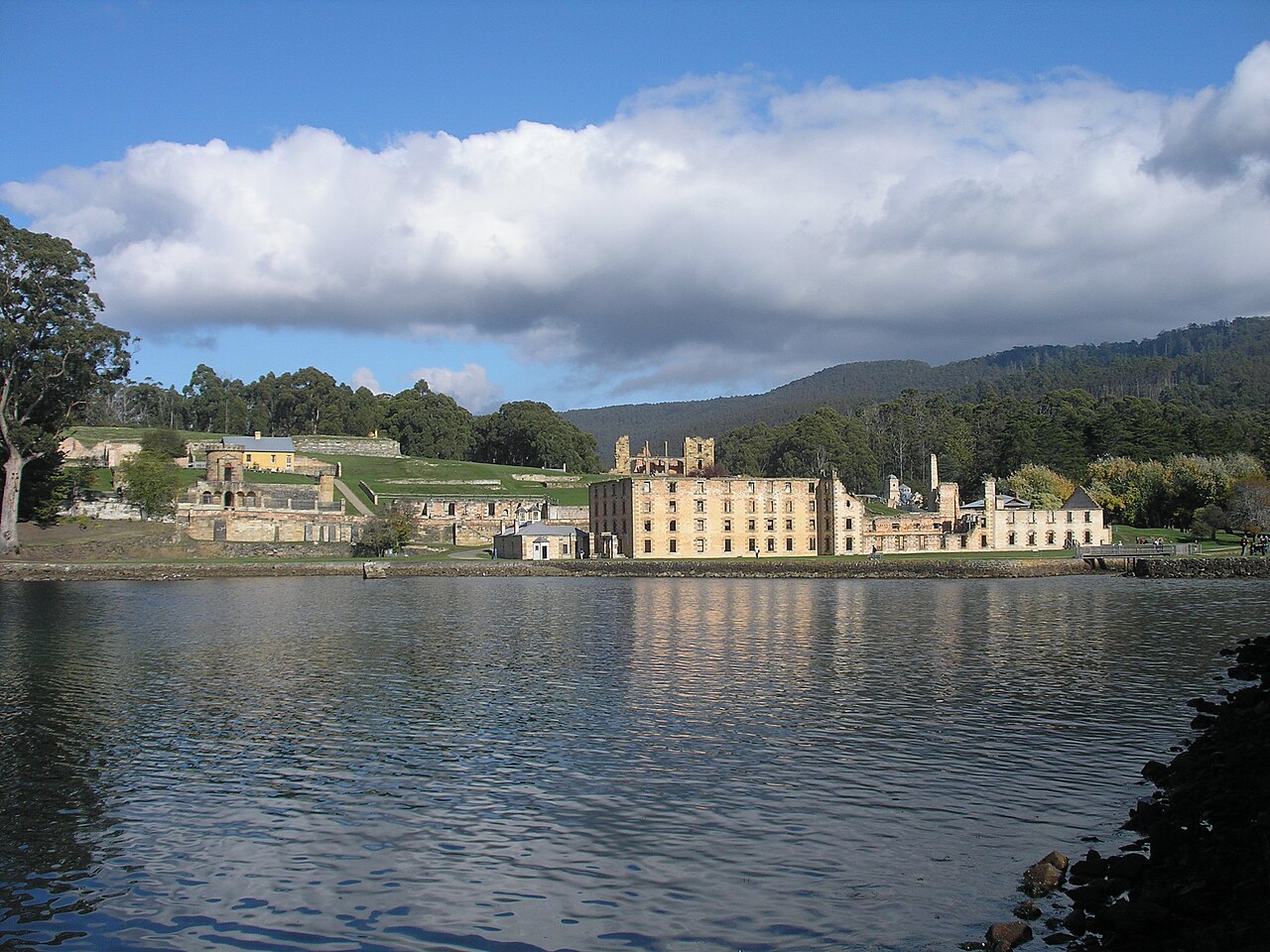
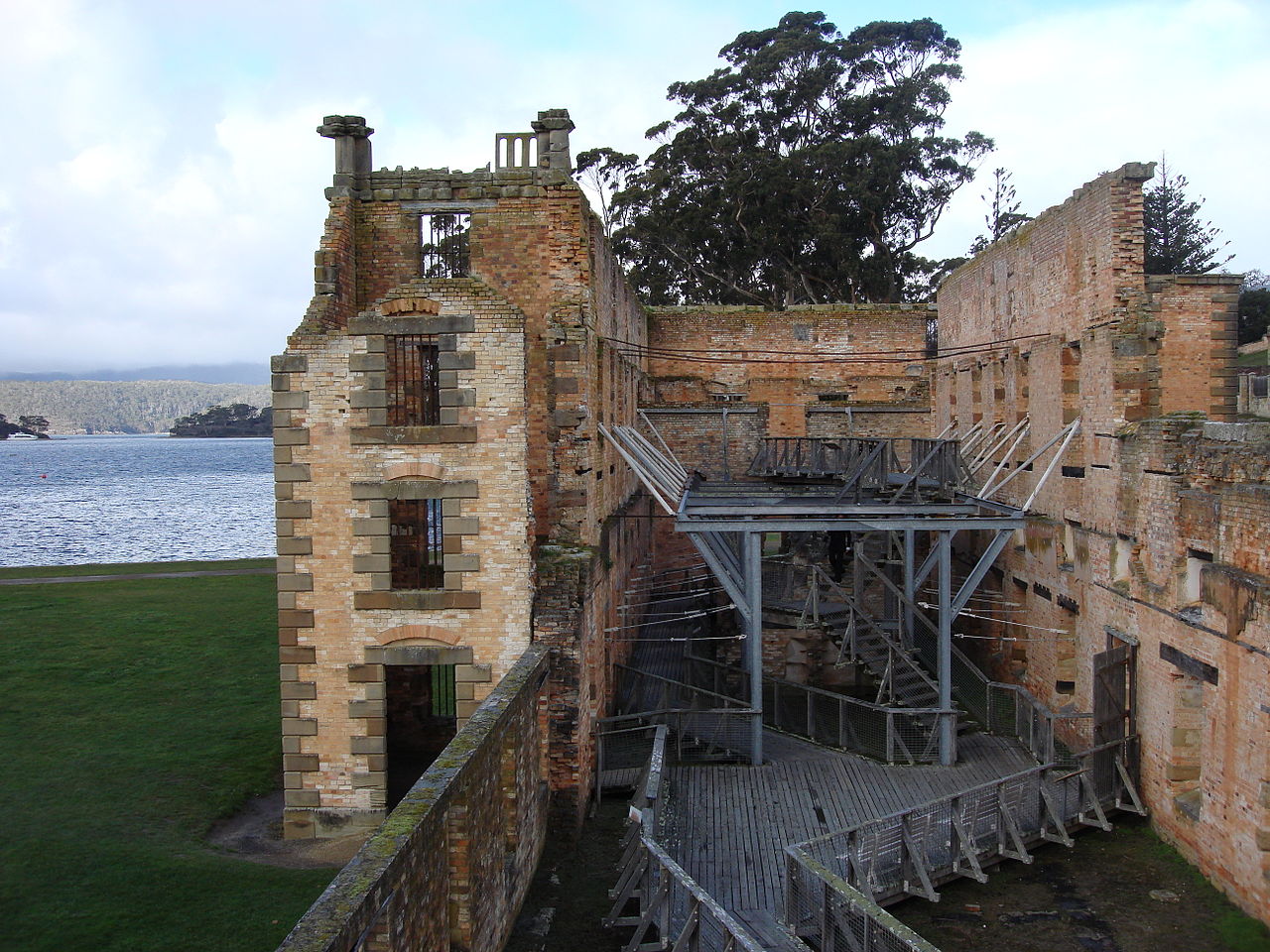
The penitentiary ruins stand silent against a Tasmanian sky that can't decide between sun and rain—much like the moral complexity of what happened here. Between 1830 and 1877, Port Arthur was the end of the line: the place where convicts deemed incorrigible were sent to contemplate their sins through solitary confinement and hard labor. The "Model Prison" was considered progressive—psychological punishment replacing physical—though walking its silent corridors, I wondered what the prisoners would have said about that distinction.
In the memorial garden for the 1996 massacre, I found a wall of names and a pond where reflections blend past and present. Thirty-five people died here in an act of violence that changed Australian gun laws forever. Port Arthur carries multiple layers of grief, centuries apart, and somehow bears them with quiet dignity.
I walked the perimeter of the penitentiary slowly, running my fingers along sandstone blocks that convicts had quarried and shaped with their own hands. The texture was rough and cold, even in the midday sun. Eucalyptus scent drifted from the surrounding hills, mixing with the salt air coming off the harbor. I could hear bellbirds calling from the tree line, their sharp notes cutting through the silence like small declarations. My footsteps echoed on the flagstone paths, and I became acutely aware that I was walking where thousands of men had shuffled in chains.
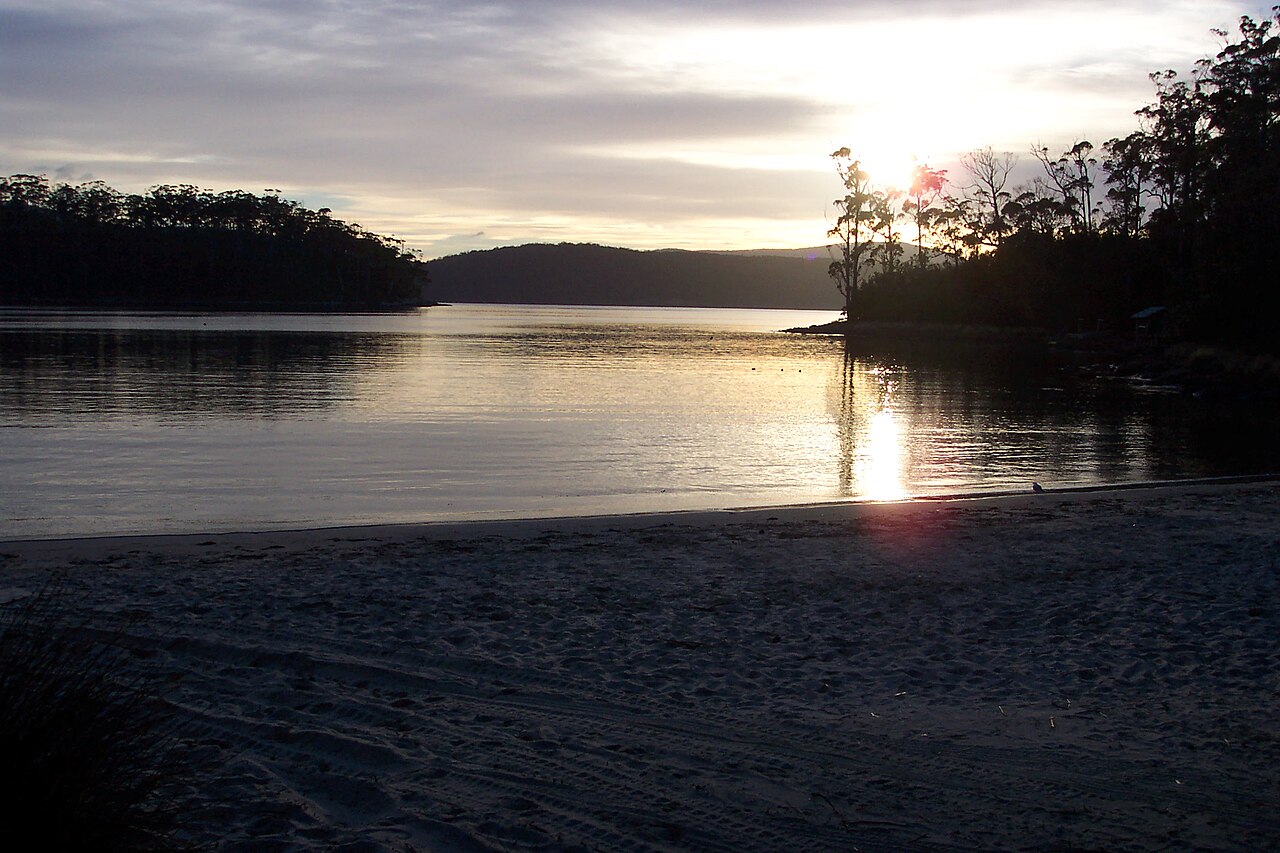
Inside the Model Prison, I stood in one of the solitary cells and closed my eyes. The darkness was total. I tried to imagine spending days, weeks, months in that space with nothing but my own thoughts. When I opened my eyes again, I felt my chest tighten. I had to step outside and breathe. The harbor stretched out before me, impossibly beautiful — turquoise water lapping against a stone seawall, green hills rolling toward the horizon. The contrast between the beauty of this landscape and the suffering it witnessed hit me harder than I had expected.
I spent nearly an hour at the church ruins, sketching the Gothic arches in my notebook while other visitors passed through. An older woman from our ship sat on the bench beside me and told me her grandfather had been a convict transported from Ireland. Her eyes were wet. I did not know what to say, so I simply sat with her. That shared silence felt more meaningful than any guided tour.
Down by the waterfront, I watched the tenders coming and going, each one delivering another group of visitors to this place of reckoning. The late afternoon light turned the sandstone walls golden, and for a brief moment I forgot the weight of the history. Then I noticed a small plaque near the jetty — a list of boys, some as young as nine, sent to Point Puer. My throat tightened again. I whispered their names under my breath, one by one, because it felt like someone should. I left Port Arthur quieter than I arrived. Some places ask you to admire them; this one asks you to remember, and remembering is the harder gift. In retrospect, I realized that Tasmania's convict history is not a chapter sealed behind glass — it is a living wound that the landscape itself carries, and standing in that silence I learned that the truest form of respect is simply to bear witness without looking away.
Weather & Best Time to Visit
The Cruise Port
Cruise ships anchor in Mason Cove and tender passengers directly to the historic jetty within Port Arthur Historic Site. The tender landing puts you steps from the visitor center and entrance. Expect the tender ride to take roughly ten minutes each way, depending on sea conditions and queue length. Staff on the jetty are welcoming and provide site maps upon arrival.
This is one of the few cruise calls where the destination and the port are one — there is no separate town or commercial district to navigate. Everything you came to see surrounds you the moment you step ashore. A small cafe near the visitor center serves light meals and coffee ($5-8 AUD for a flat white) if you need a break between explorations.
Getting Around
Port Arthur is unlike most cruise ports in that walking is the primary and often only mode of transport. The tender delivers you directly inside the Port Arthur Historic Site, and the entire 40-hectare complex is explored on foot along well-maintained paths and boardwalks. The main circuit — from the visitor center through the penitentiary, church ruins, Model Prison, and waterfront — takes 2-3 hours at a comfortable pace. Paths are mostly flat with some gentle slopes, though certain ruins involve steps and uneven stone surfaces.
Shuttle buses from the pier to the historic site visitor center are the standard transfer — cruise lines arrange these on port days, and the short ride takes just a few minutes. Beyond the historic site, shuttle services to the Tasman Peninsula lookouts and coastal formations may be available through your ship's excursion desk. Taxis are extremely limited in this remote part of Tasmania and should be pre-booked well in advance if you want one; do not count on finding a taxi at the site on arrival. Contact a Hobart-based taxi company before your cruise day to arrange pickup times and rates. If your ship offers an organized excursion that includes Tasman Peninsula stops (Remarkable Cave, Tasman Arch), this is the most practical way to see scenery beyond the immediate historic site. Most visitors stay within the Port Arthur Historic Site grounds for the duration of their call, and the site offers more than enough to fill a full day. For passengers with mobility challenges, golf buggy transport within the site can be arranged at the visitor center — ask upon arrival, as availability is first-come, first-served.
Site Map
Shore Excursions
Port Arthur Historic Site is the primary excursion and the reason ships call here. General admission costs $44 AUD (approximately $29 USD) per adult and includes a guided introductory walking tour, access to all buildings and ruins, and the harbor cruise around the Isle of the Dead and Point Puer. Children aged 4-17 enter for $18 AUD. Most ship excursion packages ($75-120 AUD) bundle the entry fee with tender priority and a guided group experience. Independent visitors can purchase tickets at the visitor center upon arrival.
Isle of the Dead boat tour costs an additional $15 AUD per person and is highly recommended if your schedule permits. The 45-minute guided tour of the cemetery island, with its 1,100+ graves of convicts, soldiers, and free settlers, is one of the most powerful experiences at Port Arthur. Tours run on a set schedule — check timing at the visitor center as soon as you arrive to ensure you can fit it in before the last tender.
Ghost tours are Port Arthur's most famous evening offering ($28 AUD per adult), running lantern-lit walks through the ruins after dark. Unfortunately, these are not available on standard cruise calls since ships typically depart before nightfall. If you ever return independently, they are worth planning around.
Tasman Peninsula lookouts offer dramatic coastal scenery for those with time beyond the historic site. Tasman Arch and Devil's Kitchen are free-access geological formations about 15 minutes drive north. Remarkable Cave, accessible at low tide, is a further 10 minutes south of the historic site and features a cave opening that frames the Southern Ocean. Ship-organized Peninsula tours ($90-130 AUD) typically combine the historic site with these coastal stops. Independent access requires pre-arranged transport, as there is no public transit on the peninsula.
Three Capes Track taster — while the full Three Capes Track is a multi-day hiking experience, some ship excursions offer a shorter guided walk along the coastal cliffs near Waterfall Bay, showcasing the dramatic dolerite sea cliffs that plunge 300 meters into the Tasman Sea. These excursions ($100-150 AUD) last 3-4 hours and combine moderate coastal hiking with the historic site visit. The scenery is extraordinary — towering columns of rock, sea caves, and views across to Cape Pillar that rival anything on the Australian coastline.
Convict heritage interpretation within the site itself deserves special mention as an excursion in its own right. The Model Prison, based on the Pentonville system of silent isolation, is one of the most intact examples of 19th-century penal architecture anywhere. The Separate Prison's exercise yards, punishment cells, and chapel — where prisoners sat in individual wooden cubicles unable to see one another — provide a visceral understanding of the convict system that no textbook can match. The included harbor cruise passes Point Puer, where boys as young as nine were imprisoned and put to work. Allow at least 2 hours for a thorough exploration of the convict heritage elements alone.
Key Features
Port Arthur Historic Site
The UNESCO World Heritage site preserves over 30 buildings, ruins, and structures across 40 hectares. Entry ($44 AUD adult, $18 AUD child) provides access to guided tours, buildings, and grounds.
- The Penitentiary: Originally a granary, converted to hold 480 prisoners in the 1850s. The ruins remain hauntingly intact.
- The Model Prison (Separate Prison): Solitary confinement based on psychological rather than physical punishment. Prisoners wore hoods and were forbidden to speak.
- The Church: Never consecrated, never completed—its Gothic shell frames the sky.
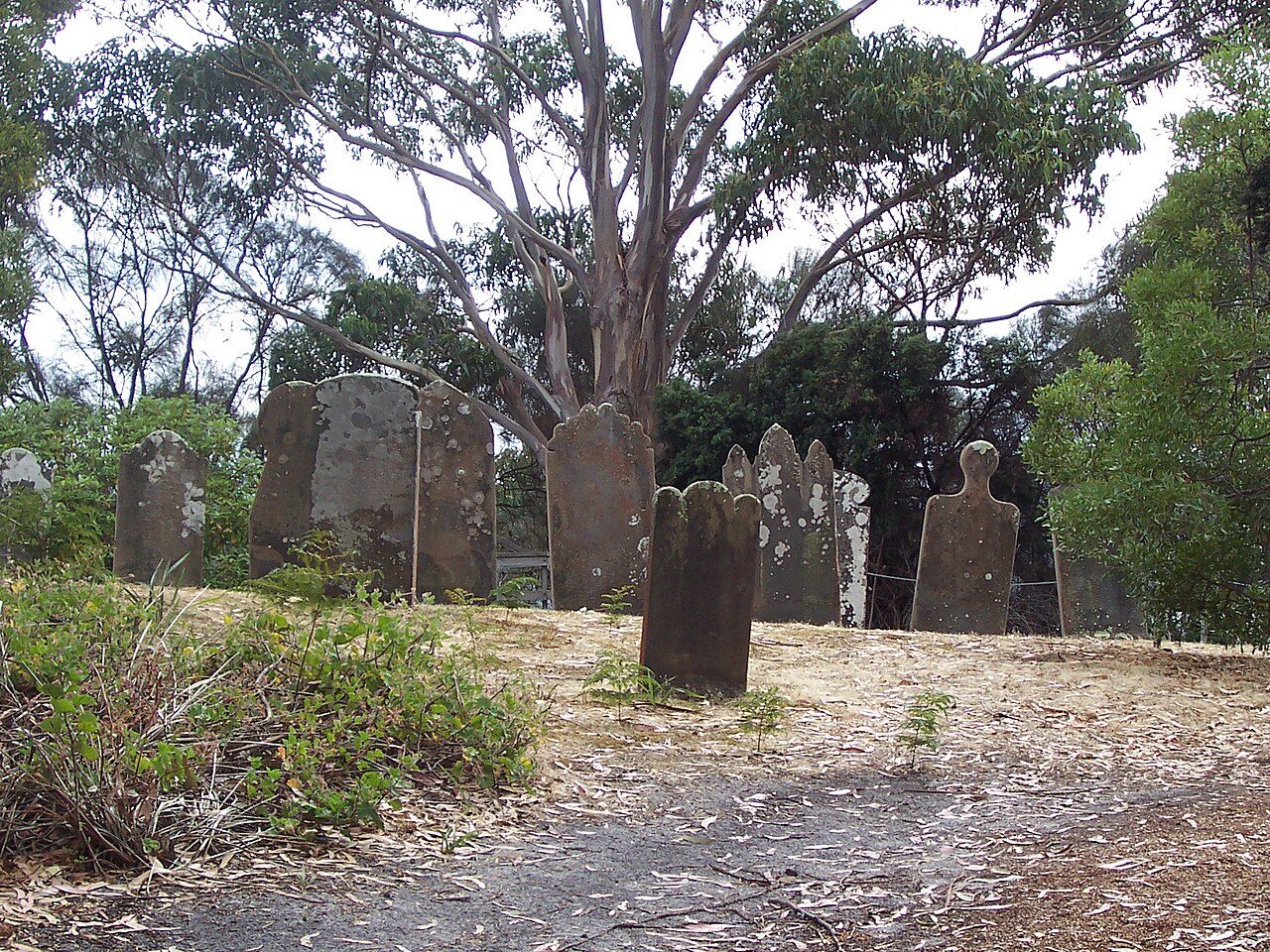
- Isle of the Dead: Cemetery island with 1,100+ graves. Boat tours available.
- Point Puer: Boys' prison, one of the first juvenile detention facilities.
Visiting Tips
- Introductory walking tour included—highly recommended for context.
- Allow 3-4 hours minimum; longer if doing Isle of the Dead tour.
- The Memorial Garden for 1996 massacre victims is a place for quiet reflection.
- Ghost tours are famous but only run at night—not available on cruise calls.
Tasman Peninsula
If time permits (typically on longer port calls or independent travel), the Tasman Peninsula offers dramatic coastal scenery:
- Tasman Arch & Devil's Kitchen: Sea caves and coastal formations.
- Remarkable Cave: Accessible at low tide.
- Eaglehawk Neck: Historic "dog line" where dogs prevented convict escape.
Depth Soundings
Booking guidance: Ship excursion options provide guaranteed return to port and are worth considering for first-time visitors. For those who prefer to explore independently, local operators often offer competitive rates — book ahead during peak season to secure your preferred times. Whether you choose a ship excursion or go independent, confirm departure times and meeting points before heading out.
Money: The local currency is AUD. ATMs are generally available near the port area, though fees vary. Credit cards are widely accepted at tourist-oriented establishments, but carry some local cash for markets, street food, and smaller vendors. Your ship's exchange rate is typically unfavorable — withdraw from a bank ATM instead. Budget $30–$80 per person for a comfortable day including lunch, transport, and a few entry fees.
Timing: Start early if your ship arrives at dawn — the first hours offer pleasant conditions and smaller crowds. Allow at least 30 minutes buffer before all-aboard time. Set a phone alarm as backup. Most port visits allow 8–10 hours on shore, which is enough to see the highlights without rushing if you prioritize well.
Safety: Standard port-town awareness applies — keep valuables close and stick to well-traveled areas during daylight. Your ship's ID card is your most important item — losing it creates a genuine headache at the gangway.
Communication: Wi-Fi is often available at cafés and restaurants near the port. Consider downloading offline maps before disembarking — cellular data roaming charges can be substantial and surprising. Google Maps offline mode or Maps.me work well for navigation without data.
Food & Water: Tap water safety varies by destination — ask locally or buy bottled water to be safe. The best food often comes from busy local restaurants rather than tourist-facing spots near the port. Lunch at a popular local place typically costs $8–$20 per person. Street food can be excellent value if you choose busy stalls with high turnover.
Practical Information
Money
Australian Dollar (AUD). Credit cards accepted. Small cafe on site for refreshments.
Weather
Tasmania is changeable. Summer (Dec-Feb) is mildest but still cool. Layer up. Rain possible any time of year.
Time Needed
Minimum 3 hours for meaningful visit. 4-5 hours ideal if including Isle of the Dead.
Sensitivity
This is a site of profound historical trauma and also a site of recent tragedy. Approach with appropriate respect.
Photo Gallery




FAQs
Is Port Arthur depressing?
It's somber and thought-provoking. The site deals honestly with difficult history. Most visitors find it moving rather than depressing—educational and important rather than grim tourism.
Can I visit the Isle of the Dead?
Yes, if ship timing permits. Boat tours run regularly. The guide explains headstone symbols and convict burial practices. About 45 minutes.
How is access for mobility issues?
Main paths are accessible but some ruins require steps or uneven surfaces. Golf buggy transport available for those with mobility challenges.
Q: What is the best time to visit Port Arthur?
A: Cruise season runs November through March — Southern Hemisphere summer in a cool maritime climate (36-70°F). There are no months to avoid for weather, though the site is largely outdoors so dress for whatever conditions you find.
Q: Do I need to exchange currency before arriving?
A: The local currency is AUD. Most tourist-facing businesses accept major credit cards. ATMs near the port offer competitive exchange rates. Carry some local cash for small purchases, markets, and tips. Avoid exchanging money on the ship — the rates are typically unfavorable compared to local bank ATMs.
Q: Can I explore independently or should I book a ship excursion?
A: Both options work well. Ship excursions guarantee return to the vessel and handle logistics, making them ideal for first-time visitors. Independent exploration costs less and allows more flexibility — just keep track of time and allow a 30-minute buffer before all-aboard. Many passengers combine approaches: an organized morning tour followed by free afternoon exploration.
Q: Does Port Arthur have a hurricane or storm season?
A: Port Arthur is not in a hurricane zone. The exposed coastal location makes it often windy. The historic penal settlement is largely outdoors — dress for weather.
Q: What should I pack for Port Arthur's weather?
A: Warm layers essential. Waterproof jacket. Sturdy walking shoes. Warm hat and gloves for winter. Sunscreen for summer visits.
Q: Will rain ruin my port day in Port Arthur?
A: Rain is frequent year-round; winter slightly wetter. Cruise season concentrates in the Southern Hemisphere summer (November through March).
Author's Note: Port Arthur is one of Australia's most significant historical sites. Allow enough time to engage meaningfully with the history.