


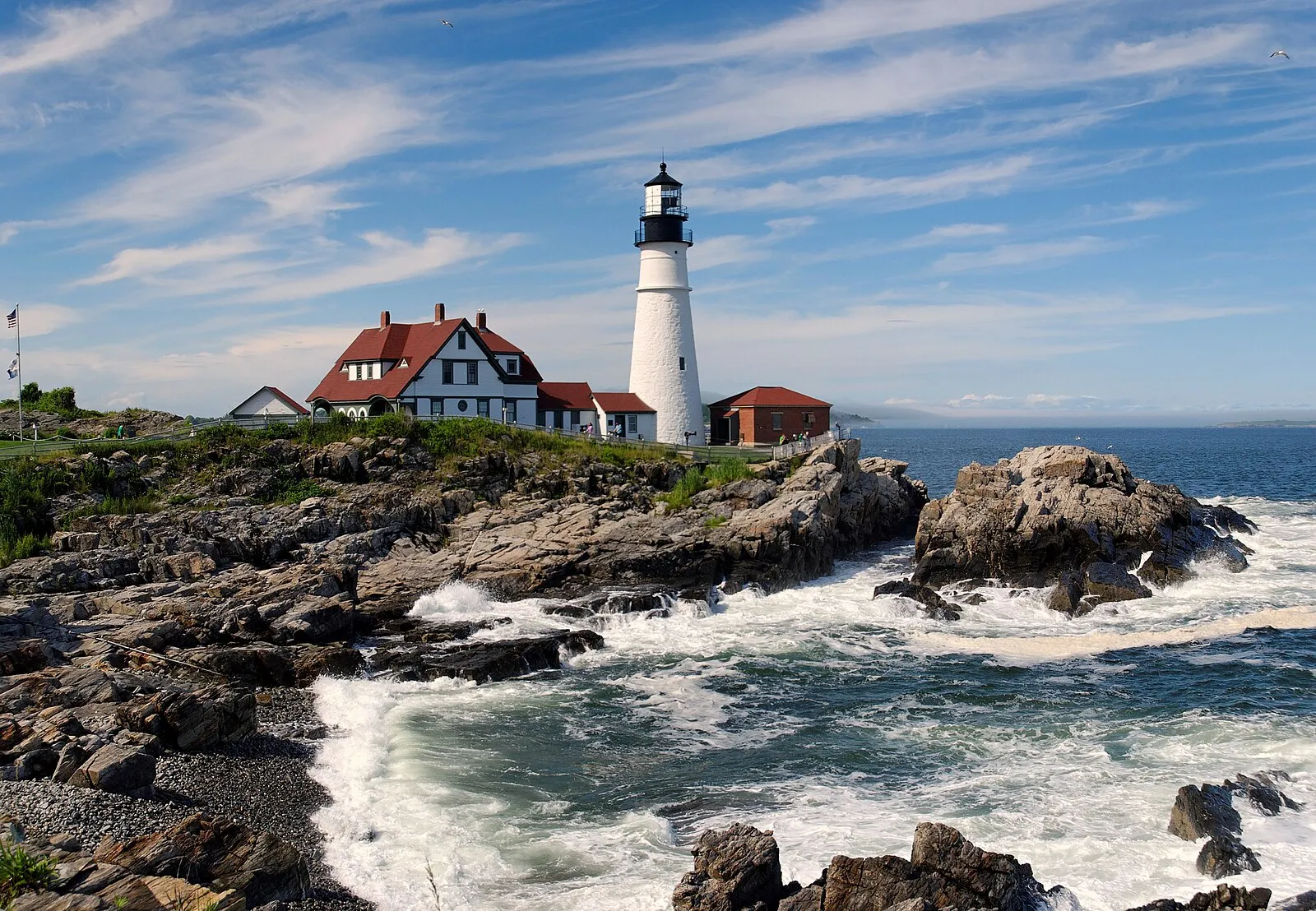
Portland, Maine: Lighthouse Keeper's Dream
My Visit to Portland
I stepped off the gangway at Ocean Gateway Terminal on a cool September morning, and the first thing that hit me was the smell of salt and brine rising off the working waterfront, mingled with something sweet drifting from a bakery somewhere up the hill. The harbor spread out before me in the early light, lobster boats rocking gently at their moorings, gulls wheeling overhead, and beyond them the brick facades of the Old Port glowing warm in the low sun. My wife stood beside me on the pier, breathing it in, and neither of us spoke for a long moment. We had visited dozens of cruise ports together, but something about Portland felt different from the first breath. This was not a city dressed up for tourists. This was a place that still worked for a living.
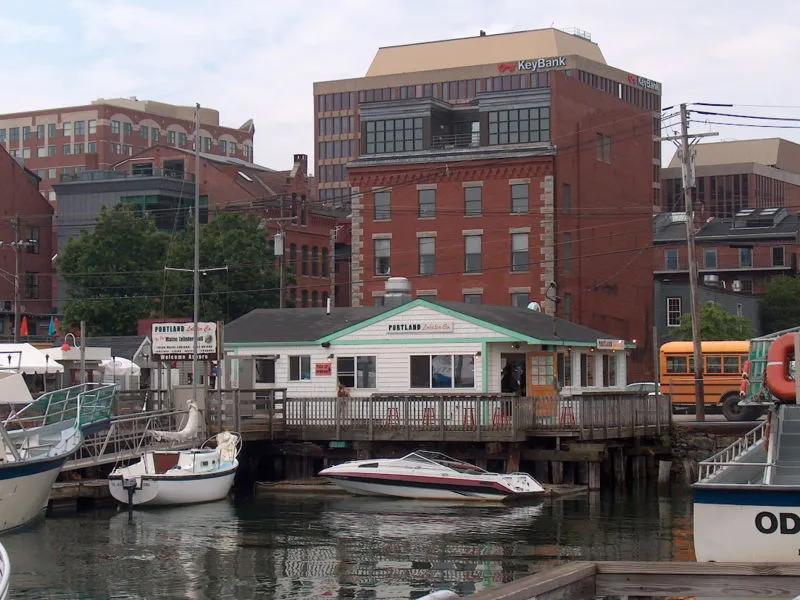
We walked up Commercial Street toward the Old Port, and within five minutes the cobblestones were underfoot, uneven and weathered from two centuries of foot traffic and cart wheels. The brick warehouses that line these streets were built in the 1860s after the Great Fire, and they have aged with a kind of stubborn dignity that I found deeply appealing. Art galleries and independent bookshops occupied the ground floors. A hand-lettered sign in one window read "Maine Potters Market," and I watched my wife disappear inside before I had finished reading the second line. I stood on the sidewalk and looked up at the rooflines against the blue sky, feeling the cool breeze coming off Casco Bay, and I thought about how rare it is to find a waterfront district that has not been polished into something generic. Portland's Old Port feels earned, not curated.
We had booked an afternoon slot on Lucky Catch Cruises, a working lobster boat tour that cost about $40 per person. The captain, a weathered man with hands like leather and a voice roughened by decades on the water, handed us rubber gloves and put us to work. We hauled traps that came up dripping with seaweed and barnacles, measured lobsters with a brass gauge to check they were legal size, and learned the difference between keepers and throwbacks. The cold Atlantic spray hit my face each time the boat rolled over a wave, and the smell of bait and ocean was so strong I could taste it on my lips. I watched my wife hold a lobster up triumphantly before dropping it back into the barrel, her face lit with the kind of uncomplicated joy that you cannot manufacture. The captain told us that lobstering season runs from May through October, and that his family had been hauling traps from these waters for four generations. I asked him what kept him coming back. He looked at me as though the question made no sense. "Where else would I go?" he said.
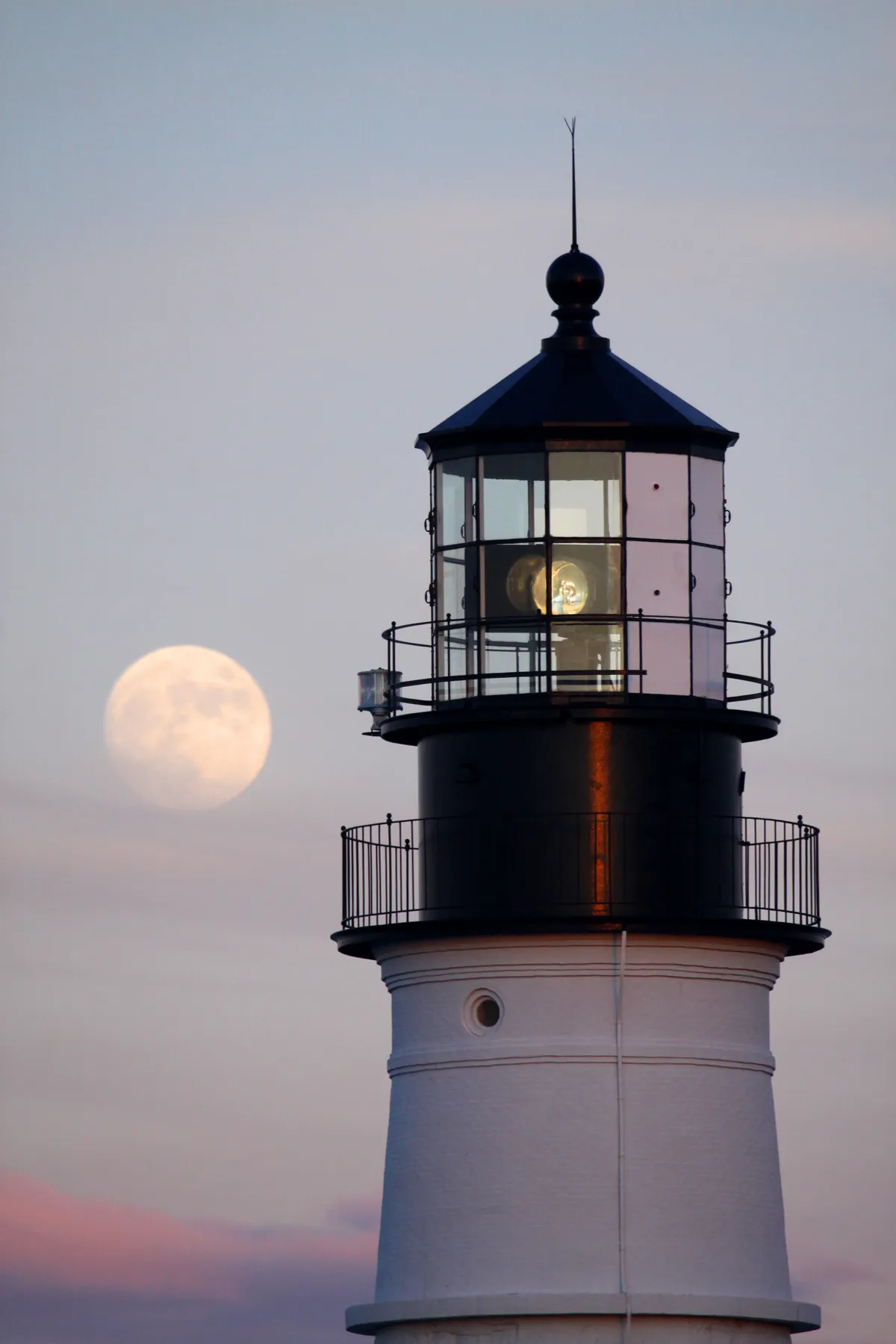
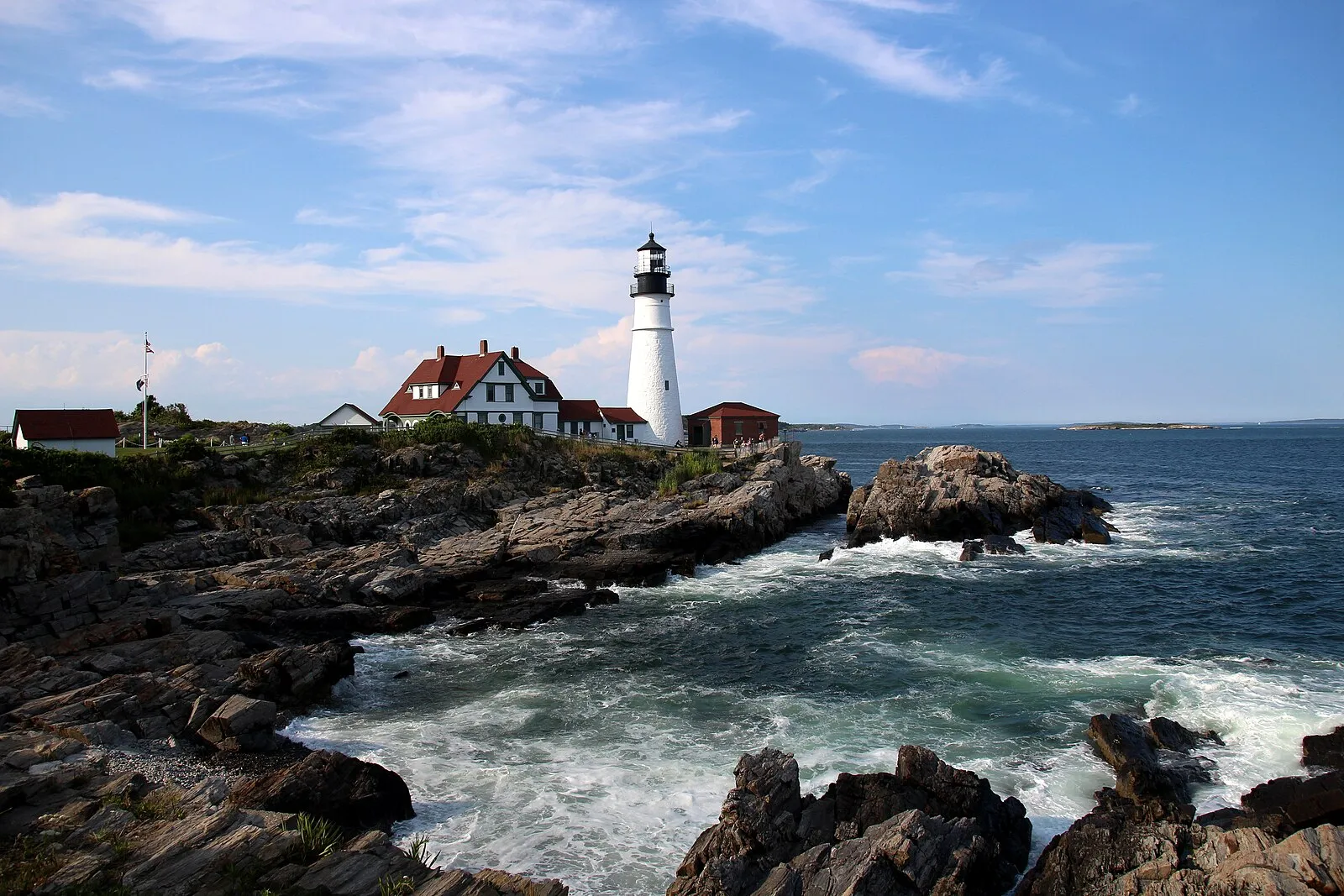
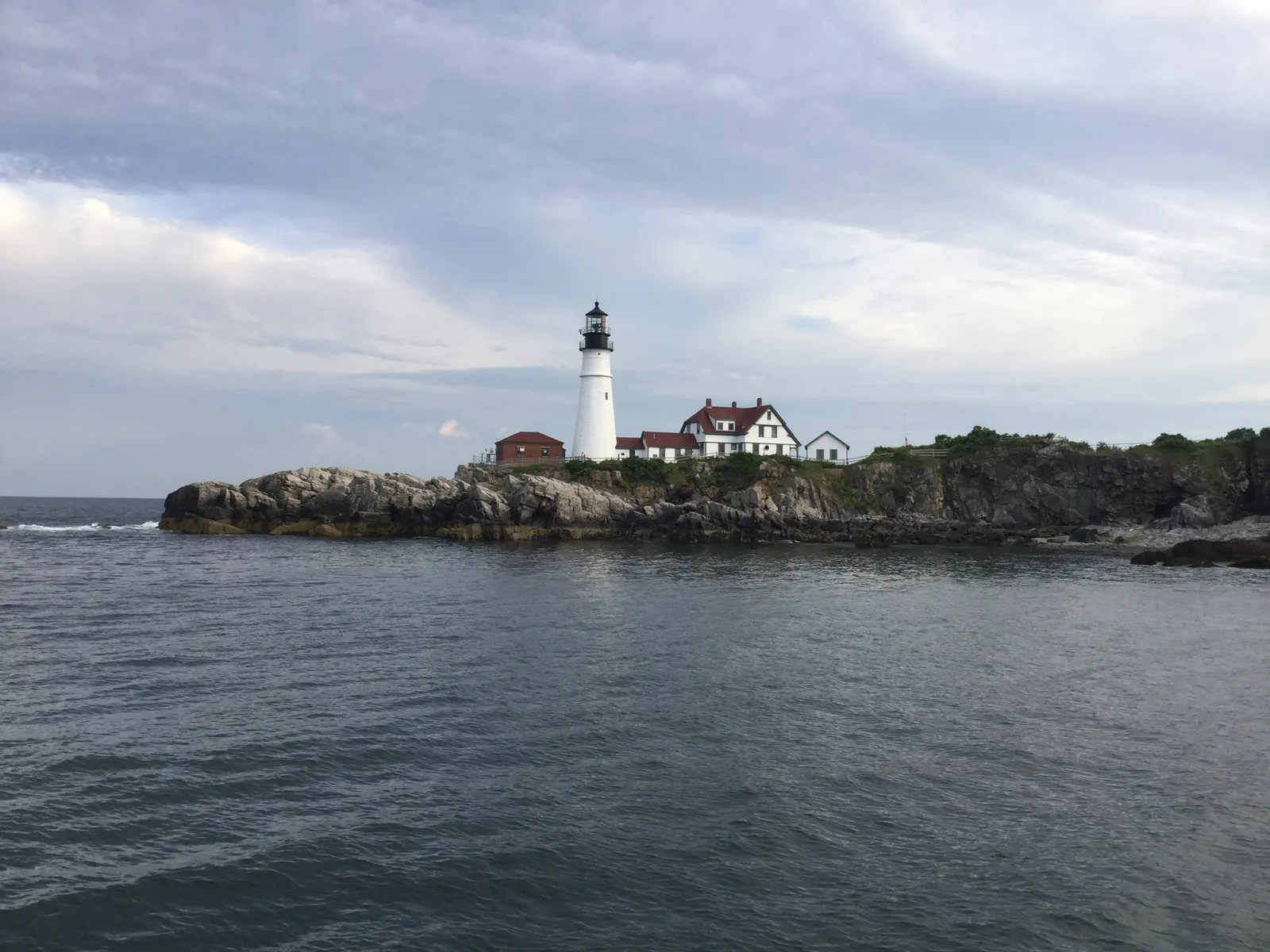
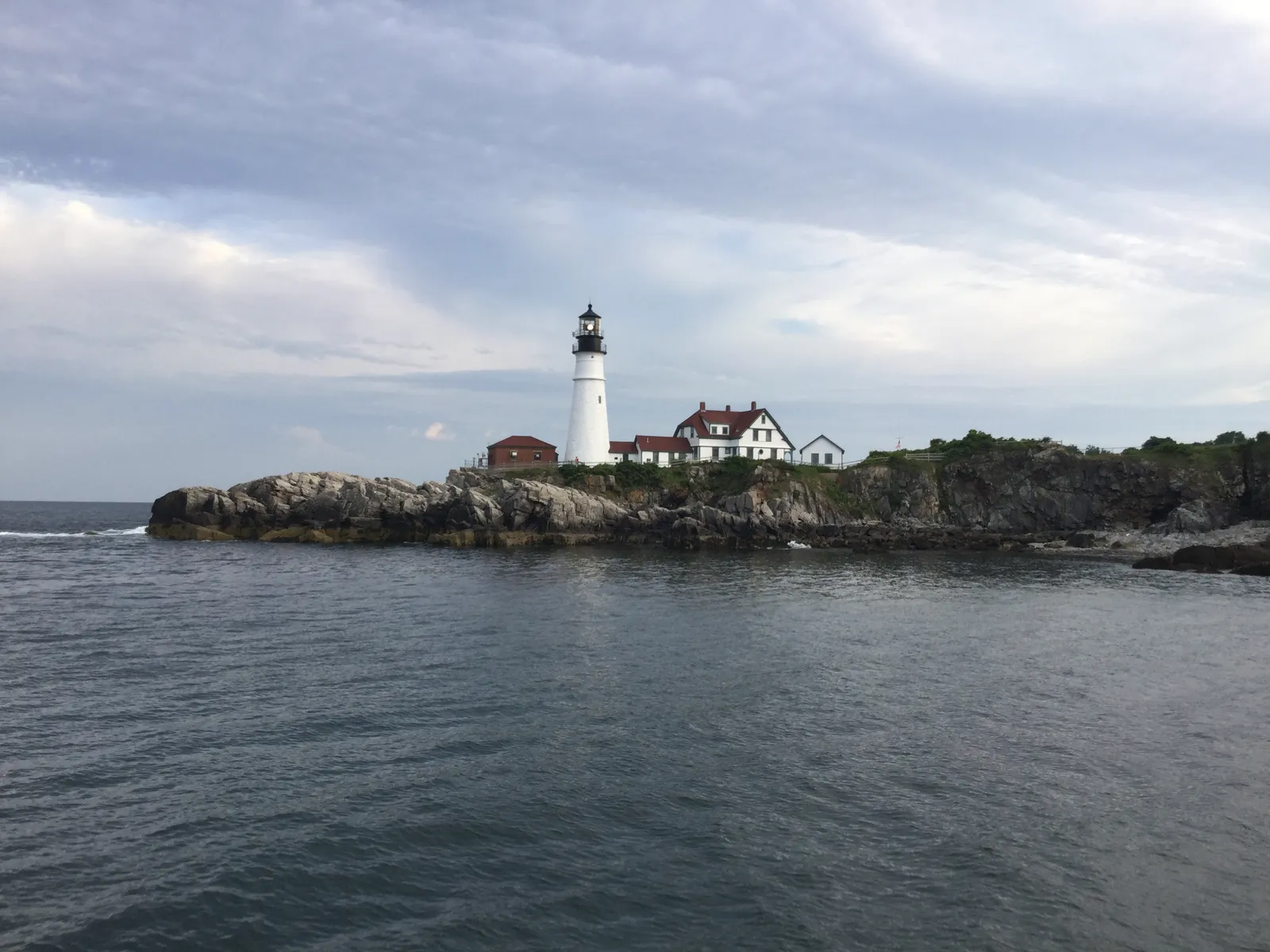
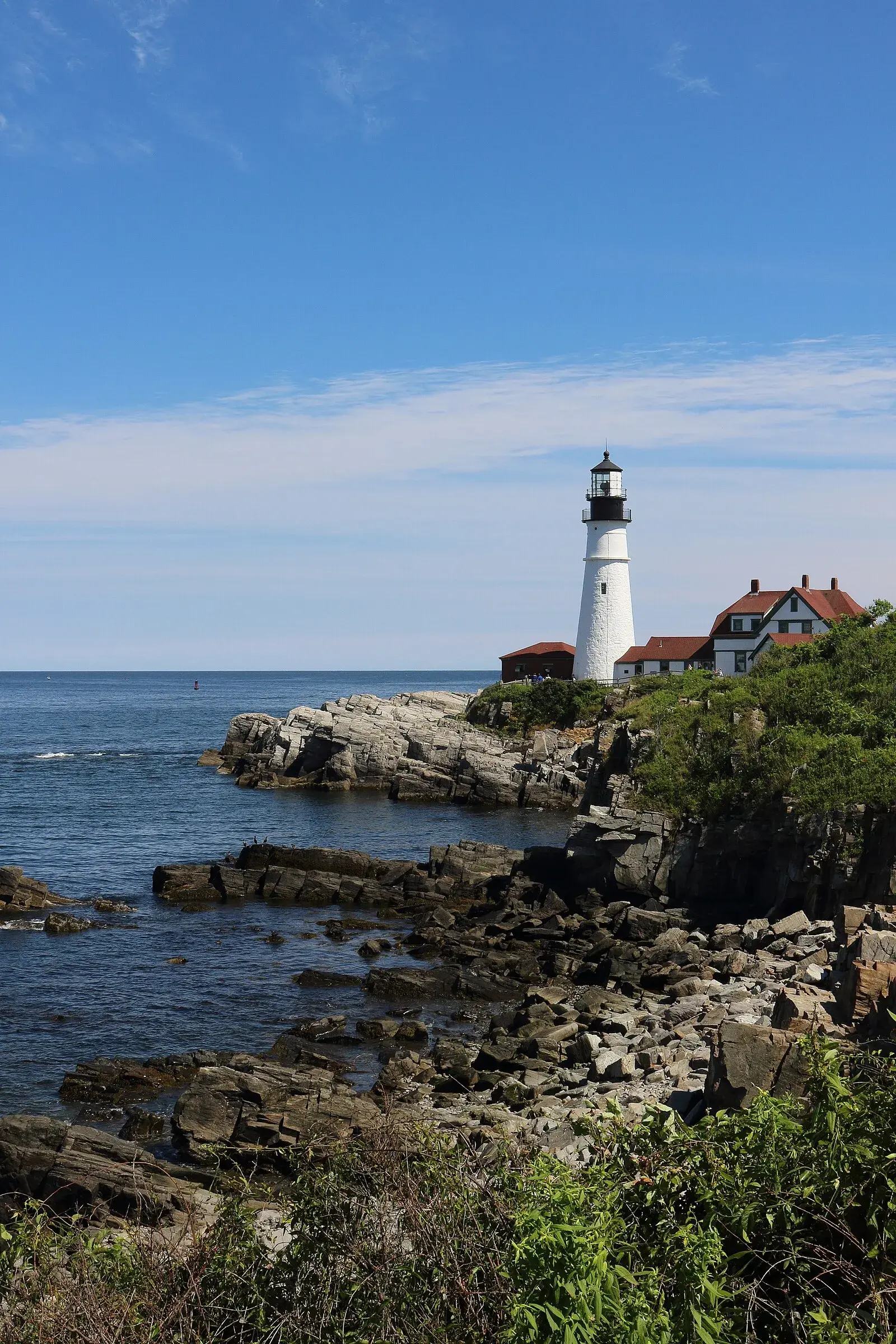
We took a taxi fifteen minutes to Cape Elizabeth and Portland Head Light. I had seen photographs of this lighthouse a hundred times, but standing at its base at golden hour was something else entirely. The white tower rose above granite cliffs while waves crashed against the rocks below with a sound like slow thunder, and the keeper's quarters, now a museum, sat beside it with the quiet composure of a building that has weathered every storm the Atlantic has thrown at it since 1791. George Washington himself commissioned this lighthouse, one of his last acts as president, to ensure that ships could find safe harbor in Maine's treacherous waters. The museum inside charged a small fee of about $2, and we spent an hour studying Fresnel lenses and nineteenth-century logbooks, the handwritten entries of keepers who recorded fog, wind, and the passage of ships with meticulous devotion. I ran my fingers along the glass case holding a keeper's diary from 1847 and felt the rough wood beneath, worn smooth by generations of visitors before me.
But what moved me most was standing outside afterward, watching the light begin its slow rotation as evening settled over the headland. The beam swept across the darkening water in steady arcs, and I thought about all the sailors who had looked for that light through fog and storm, trusting it to guide them home. My wife reached for my hand. I realized I had tears in my eyes, and I could not quite explain why. Something about the faithfulness of it, perhaps. Two hundred and thirty-four years of light, unbroken, through war and weather and the slow erosion of time. Someone had always climbed those stairs. Someone had always kept the flame burning. It was a small act of devotion repeated every night for centuries, and standing there in the fading light, I finally understood what it means to keep watch over something larger than yourself.
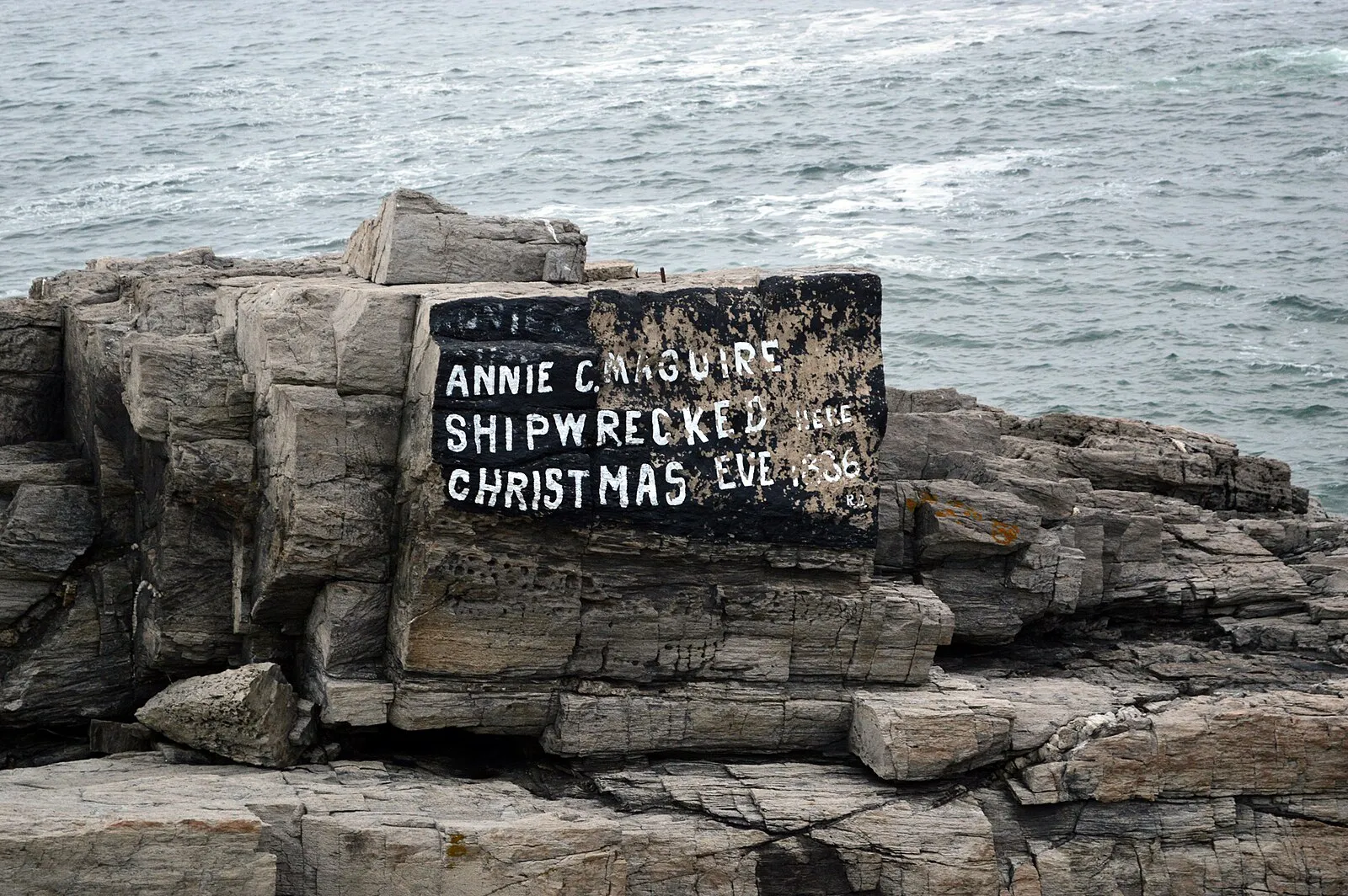
The next morning we walked to Spring Point Ledge, the only caisson-style lighthouse in America that visitors can walk to. A granite breakwater stretches out into the harbor, each stone uneven and sea-slicked, and it took us about fifteen minutes of careful stepping to reach the base of the 1897 cast-iron tower. The wind was fierce out there, and I could feel the cold spray on my face as waves broke against the stones on either side. Despite the rough footing, we felt safe, though I would not recommend the walk for anyone with mobility concerns. Looking back toward the city from the end of the breakwater, Portland's skyline was a low ribbon of brick and steeple against the sky, and I felt the kind of solitude you can only find when surrounded by water.
We had lunch at Eventide Oyster Co., where a brown butter lobster roll on a steamed bun cost about $24 and tasted like nothing I had ever eaten before. The butter was nutty and rich, the lobster sweet and firm, and I closed my eyes with the first bite and simply sat there, savoring it. Later we drove twenty minutes to the Lobster Shack at Two Lights, perched on the rocks below twin lighthouses, where they have been serving lobster in the rough since 1920. We sat at wooden picnic tables with the Atlantic crashing twenty feet below, cracking shells with our hands, the warm meat tender and briny, while the wind carried the scent of rockweed and ocean across our table. A lobster dinner there cost about $30 per person. The fare is simple and unpretentious, and that is precisely the point.
In the afternoon I visited the Portland Museum of Art to see Winslow Homer's seascapes. Living in Portland shaped his entire artistic vision, and standing in front of his storm-tossed waves felt like seeing Maine's soul committed to canvas. The gallery was quiet, and I sat on a bench for a long time, looking at a painting of a fisherman hauling nets against a grey sea, and I thought about how Homer understood something essential about this coast, the way labor and beauty are woven together here, inseparable and honest. We had coffee afterward at Tandem Coffee Roasters, then walked the Eastern Promenade with Casco Bay spread out before us. The bay holds over two hundred islands, and I could see Jewell Island in the distance with its World War II naval observation towers still standing guard after eighty years.
We caught sunset from the working waterfront, watching lobster boats come home with their holds full after a long day hauling traps. However grand the lighthouses and museums had been, this was the image I carried away. Ordinary men and women doing hard, honest work on cold water, coming home to a city that still values what they do. Portland has not abandoned its waterfront to condominiums and chain restaurants. The lobster still comes off the boat and onto the plate the same day. The fishermen still know each other's names.
Looking back, I realize what Portland taught me. It is not the grand gestures that stay with you, not the iconic lighthouse photograph or the museum masterpiece, though those were wonderful. What stays is the quiet: the smell of salt on the morning air, the sound of lobster traps being stacked on the pier, the taste of butter and brine on a cold roll eaten at a wooden table above the sea. Portland is a city built by people who understood that honest work has its own kind of beauty, and that the best things in life are the ones that endure. I learned that faithfulness matters more than spectacle. We sailed away past a dozen islands dotting Casco Bay, each with its own lighthouse winking in the dusk, and I whispered a quiet prayer of gratitude for the gift of a place that reminded me what matters.
Featured Images
The Cruise Port
What you need to know before you dock.
- Terminal: Ocean Gateway Terminal on Commercial Street — modern facility with restrooms, tourist information desk, and Wi-Fi. The terminal is wheelchair accessible with ramp access and level boarding areas for guests with mobility needs.
- Distance to City Center: 5-10 minute walk to Old Port cobblestone district; everything is close and flat along the waterfront
- Tender: No — ships dock directly at the pier
- Currency: US Dollar ($); credit cards accepted everywhere; ATMs at port and throughout the city
- Language: English
- Best Season: May through October for lobster boat tours and whale watching; September-October for fall foliage cruises; peak cruise ship traffic in September and October
- Time Zone: Eastern Time (ET)
Getting Around
Transportation tips for cruise visitors.
- Walking: Portland is one of the most walkable cruise ports in North America. The Old Port, waterfront restaurants, galleries, and the Eastern Promenade are all within a 20-minute walk from the pier. Cobblestone streets in the Old Port can be uneven, so wear comfortable shoes with good grip. The waterfront promenade is flat and accessible for wheelchair users and guests with limited mobility.
- Taxi & Rideshare: Uber and Lyft operate in Portland. Taxis are available at the terminal. Portland Head Light in Cape Elizabeth is about $15-20 by taxi (15 minutes). Spring Point Ledge in South Portland runs about $10-12. The Lobster Shack at Two Lights is approximately $20-25 each way.
- City Bus: Greater Portland Metro operates local routes. Route 1 runs to Cape Elizabeth in summer months — useful for reaching Portland Head Light on a budget (fare about $2). Buses are accessible with wheelchair ramps and priority seating.
- Portland Explorer Trolley: Hop-on/hop-off trolley connecting major attractions including the Old Port, Arts District, and Eastern Promenade. Cost is about $5 per ride. A good option for those who prefer not to walk long distances.
- Casco Bay Lines Ferry: Runs from the waterfront to Casco Bay islands including Peaks Island (about $8 round-trip, 20 minutes). Allow several hours for island exploration. Ferries are accessible for wheelchair users.
- Bike Rental: Rent bikes to explore the Eastern Promenade Trail along the bay. Several rental shops operate near the Old Port at about $25-35 per day.
Portland Area Map
Interactive map showing cruise terminal and Portland attractions. Click any marker for details.
Excursions & Activities
How to spend your time ashore. For popular activities like lobster boat tours and lighthouse visits, book ahead during peak cruise season to secure your spot. Many visitors choose to explore independent of the ship excursion options for flexibility and cost savings, though a ship excursion offers guaranteed return to the vessel before departure.
Portland Head Light & Fort Williams Park
Maine's oldest and most photographed lighthouse, commissioned by George Washington in 1791. The keeper's quarters house a small museum (about $2 admission) with Fresnel lenses and historical logbooks. Fort Williams Park surrounding the lighthouse is free to explore with walking paths, picnic areas, and panoramic ocean views. Allow 2-3 hours including travel. Take a taxi or rideshare ($15-20 each way, 15 minutes from port). The park grounds are mostly accessible, though some coastal paths are uneven.
Working Lobster Boat Tour
Lucky Catch Cruises runs 80-90 minute tours on actual working lobster boats out of Portland Harbor. Cost is about $40 per person. You will haul traps, measure lobsters, and learn the trade from a captain whose family has fished these waters for generations. Tours run during lobstering season (May through October). Book ahead during cruise ship season — these sell out fast. Dress in layers and bring a windbreaker; it is cooler on the water. This is one of the most authentic maritime experiences available at any cruise port.
Lighthouse Trail
Six lighthouses stand within twenty minutes of Portland, each with its own character. Spring Point Ledge is the only caisson-style lighthouse in America accessible on foot, connected by a granite breakwater (15-minute walk on uneven stones). Two Lights State Park has twin lighthouses from 1874. Bug Light (Portland Breakwater Light) sits at the end of a mile-long jetty. A full lighthouse tour by car or organized excursion takes a long afternoon. Independent visitors can rent a car or book a private tour for about $150-200 for a half day.
Old Port Walking Tour
The cobblestone streets of the Old Port district are lined with brick warehouses from the 1860s, now housing art galleries, independent bookshops, craft food shops, and restaurants. Self-guided walking takes 1-2 hours. Guided food tours cost about $50-75 per person and include tastings at multiple locations. The district is compact and pedestrian-friendly with minimal walking difficulty for most visitors.
Whale Watching
Seasonal whale watching excursions depart from the waterfront (June through October). Tours last 3-4 hours and cost about $55-65 per person. Humpback, minke, and finback whales feed in the waters off the Maine coast. Book ahead during peak season as tours fill quickly. Not recommended if you are prone to seasickness — the open ocean can be rough.
Casco Bay Island Ferry
Casco Bay Lines operates ferry service to the bay's islands from the waterfront terminal, a five-minute walk from the cruise pier. Peaks Island is the closest (20 minutes, about $8 round-trip) with beaches, galleries, and bike rentals. Allow 3-4 hours for the round trip. Ferries run frequently in summer. For a longer adventure, the mail boat run loops through several islands in about three hours — a scenic and affordable way to see the bay (about $18).
Local Food & Drink
- Lobster Rolls: Eventide Oyster Co. serves a legendary brown butter lobster roll on a steamed bun (about $24). Luke's Lobster on Middle Street does classic cold rolls with just mayo and lemon. Portland Lobster Company on the pier is no-frills, fresh from the boat.
- Lobster Shack at Two Lights: Serving lobster in the rough since 1920 at picnic tables overlooking the ocean. Twenty-minute drive from port, about $30 per person for a full lobster dinner. Worth it for the setting.
- Craft Food Scene: Portland has more restaurants per capita than almost any U.S. city. Holy Donut makes potato donuts that are a local institution. Tandem Coffee Roasters is worth the walk. The food scene is independent, creative, and unpretentious.
- Craft Beverages: Allagash Brewing Company offers tours and a tasting room (Belgian-style ales). Bissell Brothers makes hazy New England IPAs. Most tasting rooms offer flights for $8-12 so you can sample multiple styles.
- Seafood Markets: Harbor Fish Market on Custom House Wharf sells fresh lobster, clams, and oysters direct from the boats. A great stop for picnic supplies or a quick shucked oyster.
Depth Soundings Ashore
Lessons learned the hard way.
- Lighthouse Timing: Portland Head Light gets crowded midday when multiple cruise ships are in port. Go early morning or late afternoon for the best photographs and smallest crowds. Golden hour light on the white tower is spectacular.
- Lobster Boat Booking: Lucky Catch tours sell out during cruise season. Reserve online at least a week ahead if possible. Lobstering season runs May through October; tours do not run in winter.
- Cobblestone Shoes: The Old Port's uneven cobblestones and hills demand comfortable, grippy footwear. Heels and thin-soled sandals are a recipe for sore ankles. Waterproof shoes are wise if you plan to walk the Spring Point Ledge breakwater, where sea spray is constant.
- Weather Layers: Maine weather changes fast, even in summer. Mornings can be cool and foggy while afternoons turn warm. Bring a windbreaker and layers. On the water for lobster boat or whale watching tours, temperatures drop quickly.
- Brewery Strategy: Most craft breweries do not serve food, so eat first or bring snacks. Allagash is the furthest from the port (about 20 minutes by taxi) but the most famous. Shipyard and Bissell Brothers are closer.
- Island Time Budget: Casco Bay island ferries require planning — allow 3-4 hours minimum for a Peaks Island visit. Do not underestimate transit time if you need to be back on the ship by a set hour.
Photo Collection
Image Credits
- Hero image: Wikimedia Commons (CC BY-SA)
- Waterfront, lobster buoys, Portland Head Light, Old Port, Spring Point Ledge, lobster dinner, Casco Bay: Wikimedia Commons (CC BY-SA)
Frequently Asked Questions
Q: What is the best lobster roll in Portland?
A: Eventide Oyster Co.'s brown butter lobster roll on a steamed bun is legendary, but expect a wait. Luke's Lobster on Middle Street serves classic cold lobster rolls with just mayo and lemon. DiMillo's on the waterfront offers harbor views with your roll. For a local favorite, the Portland Lobster Company on the working pier is no frills and fresh from the boat. The Lobster Shack at Two Lights has been serving lobster in the rough since 1920 at picnic tables overlooking the ocean — it is a twenty-minute drive but worth the trip for the setting alone.
Q: Can I go out on a working lobster boat?
A: Yes. Lucky Catch Cruises runs working lobster boat tours out of Portland Harbor. The trips last 80-90 minutes, and you will help haul traps, measure lobsters, and learn how to tell keepers from throwbacks. Tours run during lobstering season (May through October) and cost about $40 per person. Book in advance during cruise ship season — these tours fill up fast.
Q: Can I visit Portland Head Light independently?
A: Yes, it is very accessible. Take a taxi or rideshare (15-20 minutes from the port, about $15-20 each way), or use Greater Portland Metro bus Route 1 in summer months. The lighthouse grounds and Fort Williams Park are free to explore. The museum charges about $2 admission. Commissioned by George Washington in 1791, it is Maine's oldest lighthouse and one of the most photographed in America.
Q: Is Portland walkable from the cruise ship?
A: Extremely walkable. The Ocean Gateway Terminal drops you on Commercial Street, and the cobblestoned Old Port is a 5-minute stroll. The waterfront, shops, restaurants, museums, and Eastern Promenade are all within a 20-minute walk. Portland Head Light and the outer lighthouses require transportation, but the core of Portland is one of the most walkable cruise ports in North America. Wear comfortable shoes for cobblestones and hills.
Q: What is the best time of year to visit Portland, Maine?
A: Peak cruise season (May through October) offers the best weather and most available activities. Lobster boat tours run during this window. September and October bring spectacular fall foliage and lower crowds. Winter visits are cold with limited outdoor options.
Q: Are there other lighthouses besides Portland Head Light?
A: Six lighthouses stand within twenty minutes of Portland. Spring Point Ledge is the only caisson-style lighthouse in the U.S. accessible on foot. Two Lights State Park has twin lighthouses from 1874. Bug Light sits at the end of a jetty. Lighthouse enthusiasts can see all six in a long afternoon with a car.
Author's Note: Until I have sailed this port myself, these notes are soundings in another's wake — gathered from travelers I trust, charts I have studied, and the most reliable accounts I can find. When I finally drop anchor here, I will return to these pages and correct my course.