


Captain's Logbook
Porto: My Douro Dream
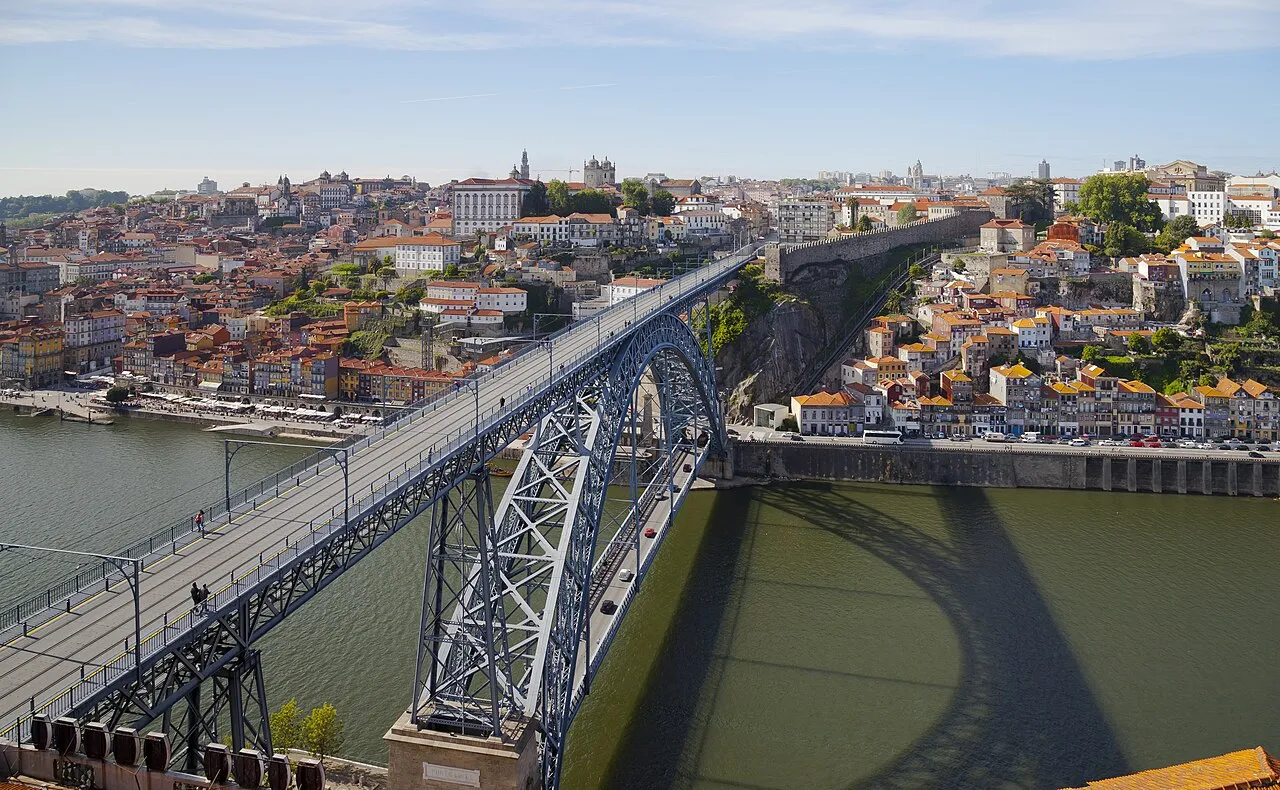
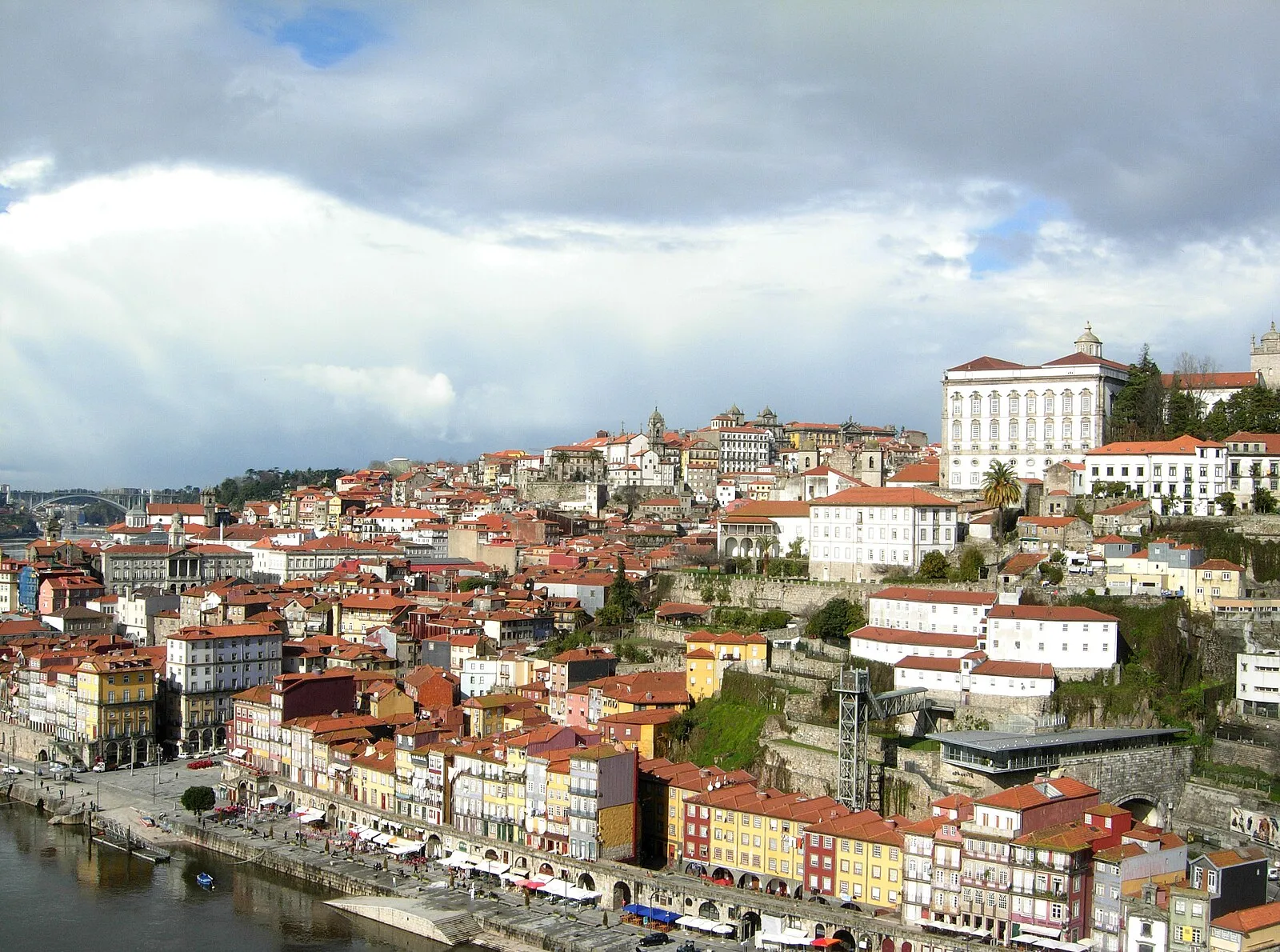
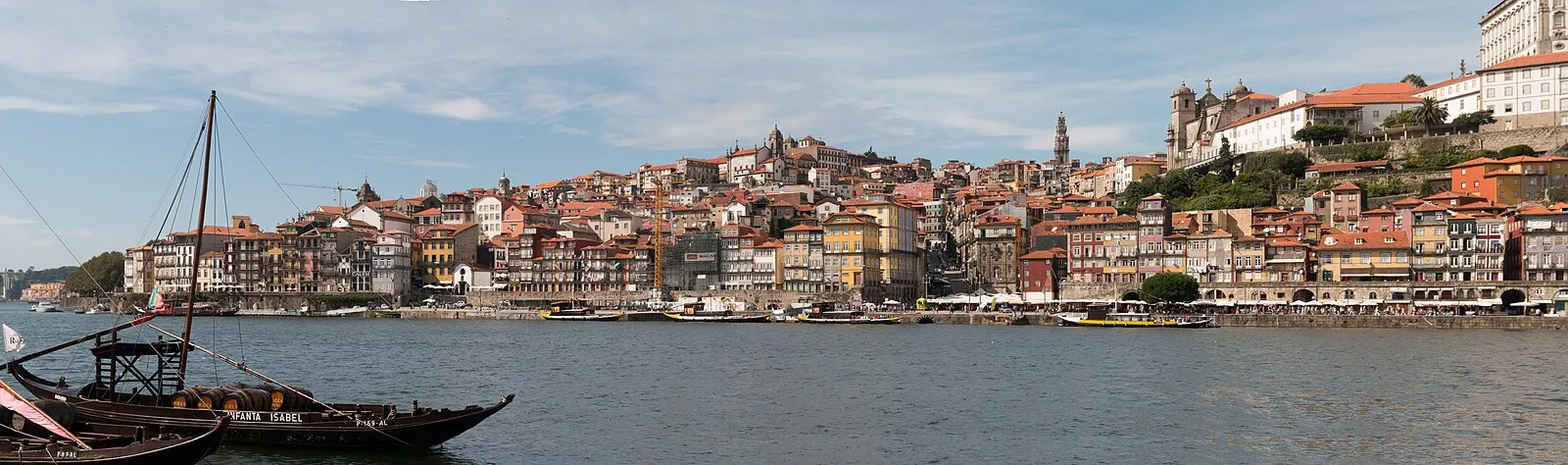
We took the shuttle to the Ribeira and the city hit us like a warm hug – colorful houses tumbling into the river, the Dom Luís I bridge towering above, buskers playing fado. The Ribeira's been Porto's beating heart since Roman times – when legions founded Portus Cale here around 136 BC on the Douro, they named a place that would eventually give Portugal itself its name. São Bento station at 9 a.m. – 20,000 hand-painted tiles telling Portugal's history while commuters rushed past like nothing. We walked across the bridge to Gaia for port tasting at Ramos Pinto – 10-year tawny that tasted like liquid Christmas.
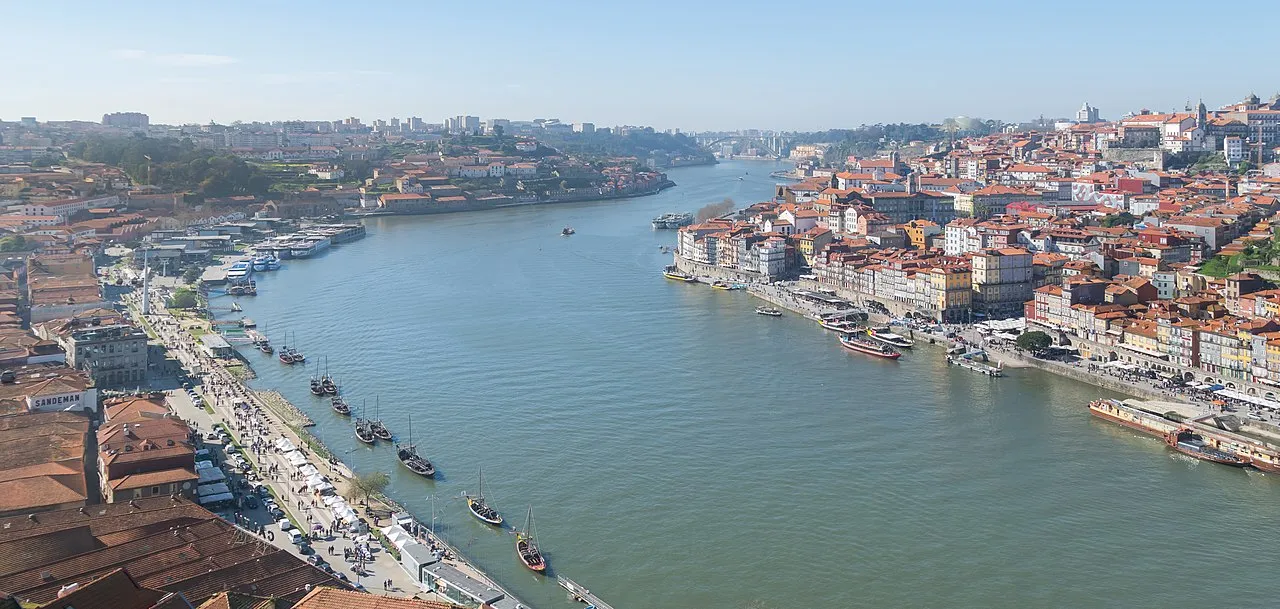
We had lunch at Casa Portuguesa do Pastel de Bacalhau – cod cake with molten Serra cheese inside, paired with Vinho Verde that fizzes on the tongue. We watched sunset from the terrace of the monastery above the bridge – the entire city turned golden while church bells rang from every hill. The pros: soulful, walkable, and genuinely welcoming. The cons: those hills are steep, but every climb earns another perfect view.
After the tasting, we climbed back across the bridge and lost ourselves in the narrow lanes behind the Ribeira. I heard the clatter of dishes from open kitchen windows and caught the heavy perfume of jasmine trailing over a crumbling garden wall. My legs burned from the steep granite steps — Porto is built on hills that show no mercy — but every landing offered another postcard view of terracotta roofs cascading down toward the green-brown Douro. An elderly woman leaned from her balcony, laundry strung between iron railings, and she smiled at us the way people smile when they know you are seeing their city for the first time. I waved back, and my heart squeezed with a tenderness I was not prepared for.
In the afternoon we stumbled upon Livraria Lello, the bookshop that some say inspired J.K. Rowling's vision of Hogwarts. The crimson staircase spiraled upward through stained glass light, and I stood at the bottom looking up with my mouth open like a child. The wood creaked beneath my feet as I climbed, running my hand along the carved banister, breathing in the musty sweetness of old paper and polished mahogany. Books lined every wall from floor to ceiling, and the light that filtered through the art nouveau skylight turned everything the color of honey. I bought a small volume of Portuguese poetry I cannot read, just to have something physical to remind me of that room. My wife found me sitting on the top step, the book pressed against my chest, and she did not ask why my eyes were damp. She already knew.
We found a tiny chapel tucked between two buildings, its interior covered floor to ceiling in blue and white azulejo tiles depicting scenes from scripture. The cool air inside smelled of old stone and candle wax, and I stood there for several minutes, letting the silence press against me. My wife reached for my hand. Neither of us said a word, but I could feel us both thinking the same thing — that we had stumbled into something sacred, not because anyone told us to come here, but because the city itself led us. I whispered a prayer of gratitude for that moment, for the unplanned gift of a quiet room in a noisy world.
Late in the afternoon, we crossed back to Vila Nova de Gaia and sat on the riverside terrace watching the rabelo boats rock gently at their moorings. These flat-bottomed wooden boats once carried barrels of port down the Douro from the vineyards in the east, and now they rest here like old men dozing in the sun. The air was thick with the smell of grilled sardines drifting from a nearby stall, their skins crackling over charcoal, and I could hear the sizzle and pop from where we sat. My wife ordered a plate and we ate them with our fingers, the oily flesh rich and smoky, the taste of salt and fire on my lips. A seagull landed on the railing beside us and tilted its head as if waiting for scraps. I tore a piece of bread and tossed it, and the bird caught it midair with a precision that made us both laugh out loud. Somewhere behind us, a man was playing guitar — not fado this time, but something softer, slower, like a lullaby for the fading day.
As the shadows lengthened across the Douro, I watched the light turn the river from green to copper to a deep, bruised purple. The port cellars on the Gaia side glowed warm yellow in their windows, and the smell of aged oak and sweet grape must drifted out whenever a door opened. My wife rested her head on my shoulder and I felt tears prick the backs of my eyes — not from sadness, but from the overwhelming tenderness of the moment. Porto had given us a day so full of beauty that my chest ached with it. I found myself whispering a small prayer for the fishermen mending nets below, for the grandmother hanging laundry on the hill, for every person who calls this steep and stubborn city home. They live inside a painting and they do not even know it.
Looking back, I learned that Porto does not reveal itself all at once. It asks you to climb, to wander, to sit with a pasteis de nata and simply watch the river traffic drift below. What matters most is not the famous landmarks — though Sao Bento alone is worth the shuttle ride — but the way the light falls through a side street at four in the afternoon, turning everything amber. I did not expect to feel so much in a single day, but Porto opened something in me that I did not know was closed. Sometimes the best discoveries happen when you stop trying to find them.
Weather & Best Time to Visit
The Cruise Port
Cruise ships dock at the Port of Leixões in Matosinhos, about 10 kilometres north of Porto's historic centre. The terminal is modern with tourist information, a café, and taxi ranks. Most cruise lines operate shuttle buses to downtown Porto (typically €5-8 round trip), dropping passengers near Praça da Liberdade or the Ribeira waterfront. The ride takes 20-30 minutes depending on traffic.
The euro (EUR) is the local currency. ATMs (called Multibanco) are everywhere in Porto and charge no foreign transaction fees on the Portuguese side — check with your own bank about their fees. Credit cards are widely accepted except at some traditional cafés and market stalls. A day in Porto is remarkably affordable — €20-30 covers transport, a port cellar visit, and lunch.
Getting Around
Metro: Porto's metro connects Matosinhos to the city centre (line A, about 30 minutes to Trindade station, €1.50 per ride plus €0.60 reusable Andante card). This is the cheapest independent option from the port area, though shuttles are more convenient.
Taxi and Uber: A taxi from Leixões to the Ribeira waterfront costs €10-15. Uber and Bolt operate in Porto and are often slightly cheaper. Rides within the city centre rarely exceed €5-8.
On foot: Porto's centre is compact but extremely hilly — the walk from the Ribeira up to the cathedral and São Bento station involves steep cobblestone streets. Wear comfortable shoes with good grip on the cobblestones. The reward is dramatic views at every turn.
Tram: Historic Tram 1 runs along the Douro riverfront from the Ribeira to Foz do Douro (the river mouth) — a scenic 20-minute ride for €3.50. Beautifully restored wooden cars, but no wheelchair access.
Mobility note: Porto is challenging for passengers with limited mobility. Steep hills, cobblestones, and narrow pavements are everywhere. The Funicular dos Guindais (€2.50) connects the Ribeira to the upper city and is wheelchair accessible. The Dom Luís I bridge upper deck has a flat, accessible walkway with spectacular views.
Porto Port Map
Interactive map showing Leixões cruise terminal and Porto attractions. Click any marker for details.
Top Excursions & Attractions
Porto's centre is compact and easy to explore independently once you reach it by shuttle or metro. Ship excursions handle Douro Valley day trips and guarantee return to the vessel. Book ahead for river cruises and Douro Valley tours — they fill quickly in summer.
Ribeira Waterfront & Dom Luís I Bridge
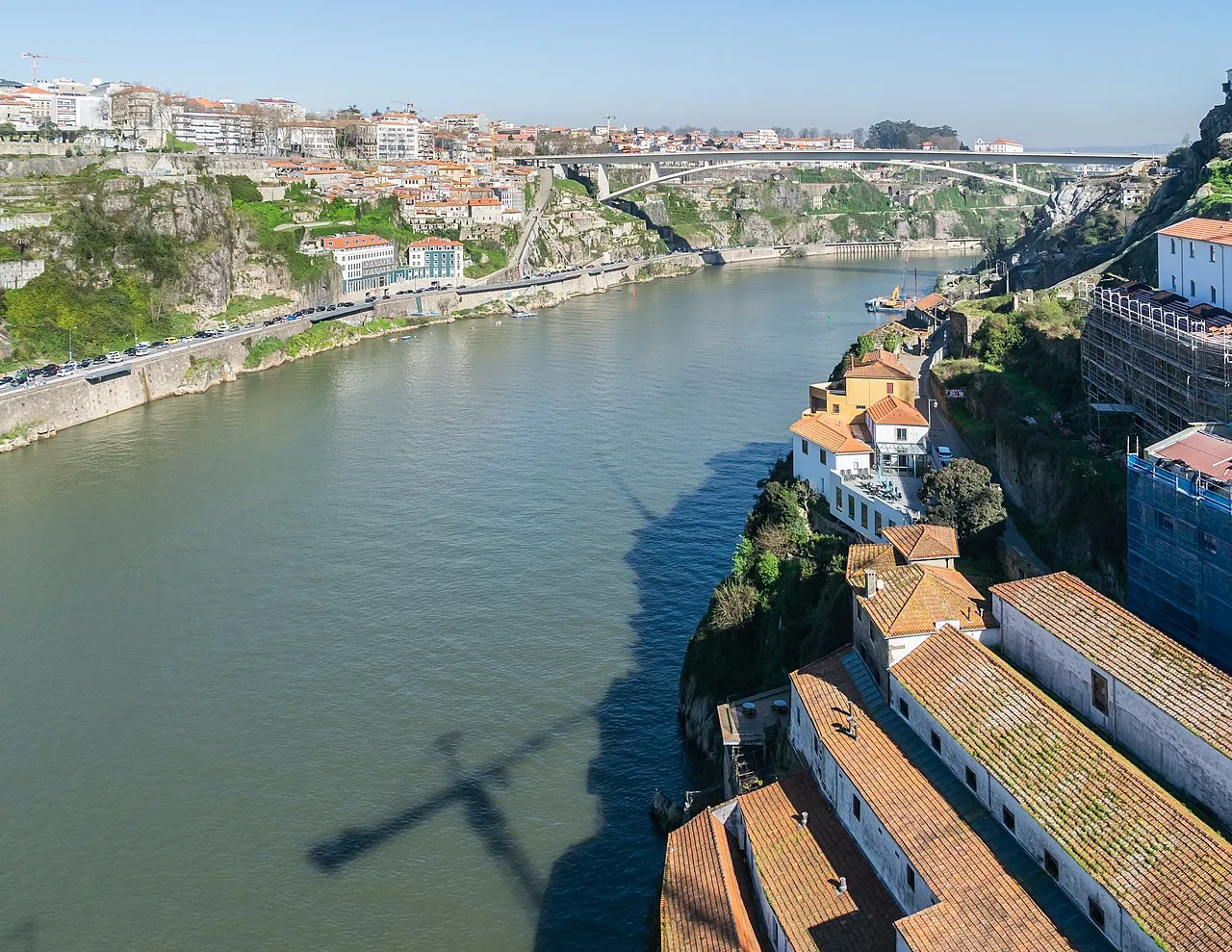
Porto's UNESCO-listed riverside quarter is the unmissable first stop — colourful townhouses cascade down to the Douro, restaurants line the quay, and the double-deck Dom Luís I Bridge frames the whole scene. Walking across the upper deck (free, 10 minutes) offers the best views in Portugal. No cost, no booking needed. The Ribeira is where every first-time visitor should start.
Port Wine Cellars (Vila Nova de Gaia)
Cross the Dom Luís I Bridge to reach the port wine lodges on the Gaia side. Taylor's, Graham's, Sandeman, and Cálem all offer guided tours with tastings (€15-25 per person depending on the number of wines). Independent visitors can simply walk in during morning hours. Ship excursions typically combine a cellar tour with a city walking tour for $60-90 USD. Book ahead for Taylor's — it's the most popular and fills up on cruise days.
São Bento Railway Station
This working train station is one of Porto's most beautiful buildings — its entrance hall is covered in 20,000 hand-painted azulejo tiles depicting Portuguese history. Free to visit (it's a public station). A 10-minute walk from the Ribeira uphill. Allow 15-20 minutes to admire the tilework. Fully accessible at ground level.
Livraria Lello
This 1906 bookshop inspired J.K. Rowling's vision of Hogwarts — its crimson staircase and neo-Gothic interior are genuinely magical. Entry costs €5 (redeemable against book purchase). Located on Rua das Carmelitas, a 15-minute walk from the Ribeira. Queues can be long; arrive early or book ahead online. Worth the wait.
Douro Valley Day Trip
The terraced vineyards of the Douro Valley (UNESCO World Heritage) lie 90 minutes east of Porto — too far for independent transport on a port day. Ship excursions to the Douro cost $100-150 USD and typically include a river cruise segment, a wine estate visit with tasting, and lunch. These guarantee return to the ship and are the best way to see the valley. Book ahead — they are among the most popular excursions in the Mediterranean.
Pastéis de Nata Tasting
Porto's famous custard tarts cost €1-1.50 each — try them warm with a dusting of cinnamon at Manteigaria or Nata Lisboa. Pair with a bica (Portuguese espresso, €0.80). No booking needed — just follow the queue. The fee for happiness in Porto is remarkably small.
Depth Soundings Ashore
Practical tips before you step off the ship.
Porto's hills are legendary – comfortable shoes and the occasional funicular make exploring pure pleasure.
Money: ATMs are generally available near the port area, though fees vary. Credit cards are widely accepted at tourist-oriented establishments, but carry some local cash for markets, street food, and smaller vendors. Your ship's exchange rate is typically unfavorable — withdraw from a bank ATM instead.
Timing: Start early if your ship arrives at dawn — the first hours offer pleasant conditions and smaller crowds. Allow at least 30 minutes buffer before all-aboard time. Set a phone alarm as backup.
Safety: Standard port-town awareness applies — keep valuables close and stick to well-traveled areas during daylight. Your ship's ID card is your most important item — losing it creates a genuine headache at the gangway.
Communication: Wi-Fi is often available at cafés and restaurants near the port. Consider downloading offline maps before disembarking — cellular data roaming charges can be substantial and surprising.
Photo Gallery
Frequently Asked Questions
Q: Is Porto worth it?
A: The most beautiful city on the Iberian Atlantic coast.
Q: Best thing?
A: Ribeira + port lodge tasting + São Bento.
Q: How long for port tasting?
A: 2 hours including Gaia visit.
Q: Walk from port?
A: No – shuttle needed.
Q: What is the best time to visit Porto?
A: Cruise season runs May through September — Atlantic-influenced mild climate (41-80°F). November through March is the slower window with wet winters. There are no months to avoid for weather.
Q: Is Porto suitable for passengers with mobility challenges?
A: Accessibility varies by area. The port vicinity and main commercial streets are generally manageable, but older historic districts may feature cobblestones, stairs, and uneven surfaces. Consider booking an accessible ship excursion if you have concerns. The ship's shore excursion desk can advise on specific accessibility options for this port.
Q: Can I explore independently or should I book a ship excursion?
A: Both options work well. Ship excursions guarantee return to the vessel and handle logistics, making them ideal for first-time visitors. Independent exploration costs less and allows more flexibility — just keep track of time and allow a 30-minute buffer before all-aboard. Many passengers combine approaches: an organized morning tour followed by free afternoon exploration.
Q: Does Porto have a hurricane or storm season?
A: Porto is not in a hurricane zone. Atlantic breezes keep the coast cooler than inland. Wet winters bring the heaviest rain November through March.
Q: What should I pack for Porto's weather?
A: Layers — temperature varies with sun/shade. Comfortable walking shoes for steep hills. Light rain jacket for winter. Sunscreen for summer. Wine-tasting appropriate attire.
Q: Will rain ruin my port day in Porto?
A: Wet winters; dry summers. Cruise season concentrates in the dry May–September window.
Last reviewed: February 2026
Image Credits
- porto-1.webp: WikiMedia Commons (CC BY-SA)
- porto-2.webp: WikiMedia Commons (CC BY-SA)
- porto-3.webp: WikiMedia Commons (CC BY-SA)
- porto-4.webp: WikiMedia Commons (CC BY-SA)
Images sourced from WikiMedia Commons under Creative Commons licenses.