

Tender Port: Puerto Montt frequently requires tendering depending on conditions and berth availability. Allow extra time for shore access.
Captain's Logbook
From the Logbook
The Osorno volcano materialized out of morning clouds like a perfect cone painted by a child who hadn't yet learned that mountains are supposed to be irregular. It floated above Lake Llanquihue, its reflection so pristine that I photographed it upside down by accident and couldn't tell the difference. This is Chile's Lake District: a landscape stolen from Bavaria and transplanted to the edge of Patagonia, complete with the German immigrants who brought their kuchen recipes and half-timbered architecture.
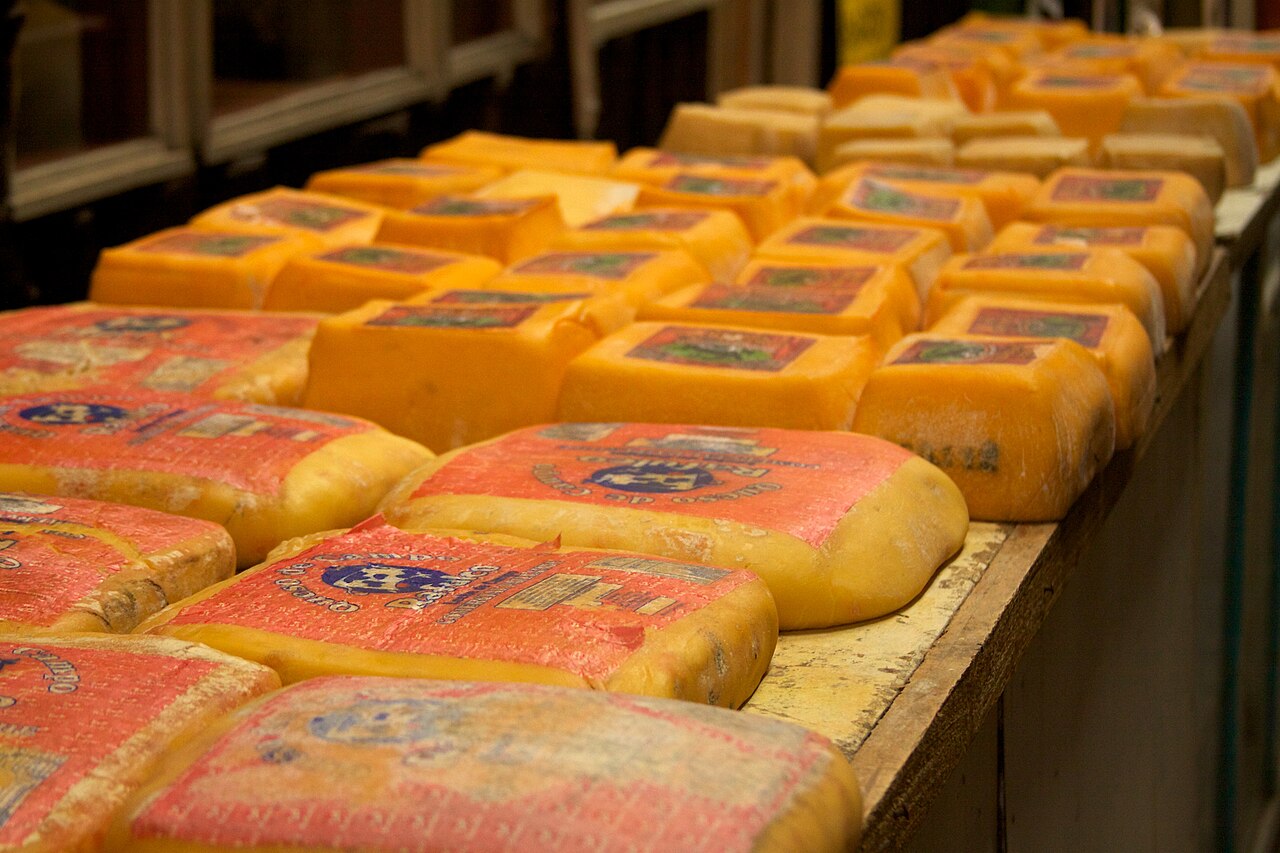
At Angelmó market, I watched a fisherman shuck sea urchins straight from the morning's catch. He handed me a shell halved to reveal sunset-orange roe inside. "Pruebe," he said. Try. The taste was the ocean made solid—briny, sweet, with a finish like clean copper. I bought a dozen more and a plastic fork, and stood there eating the Pacific while rain began to fall.
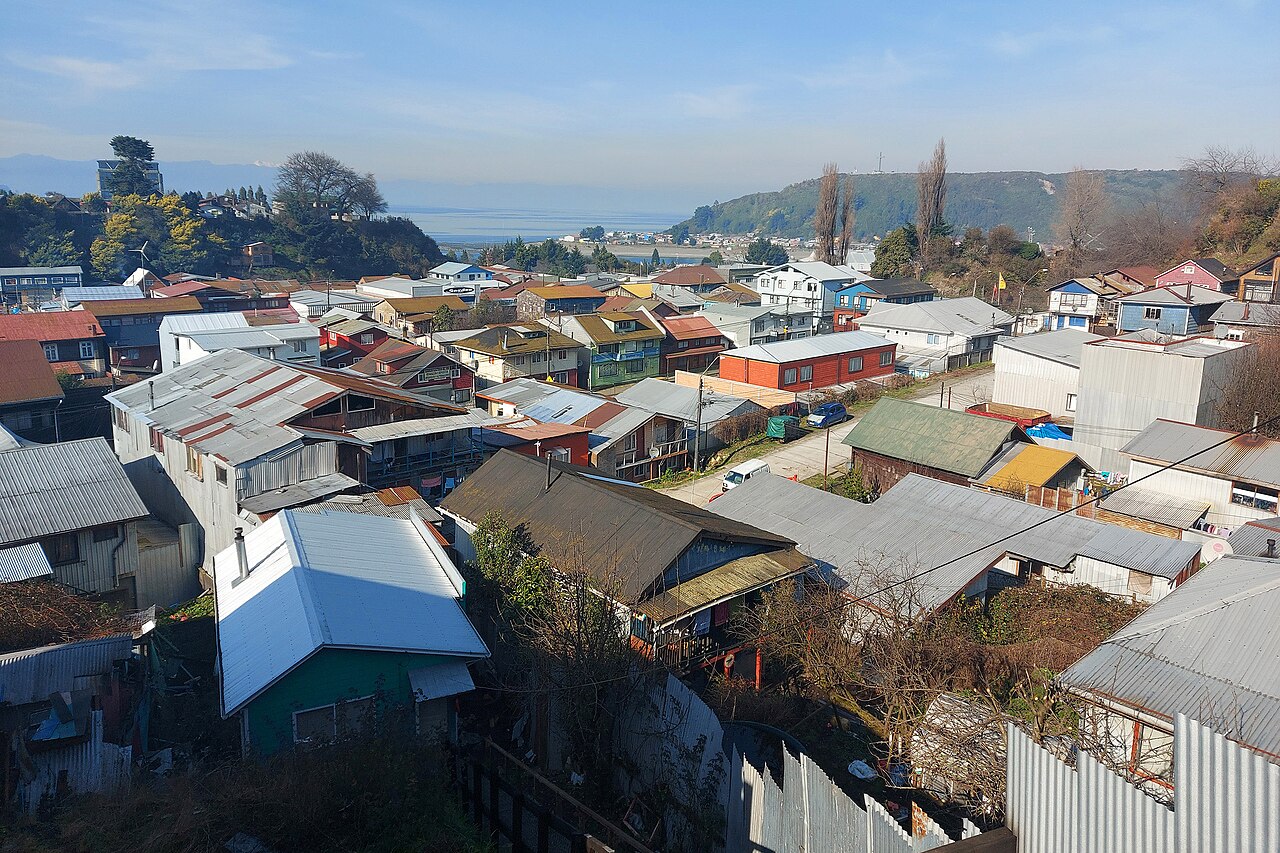
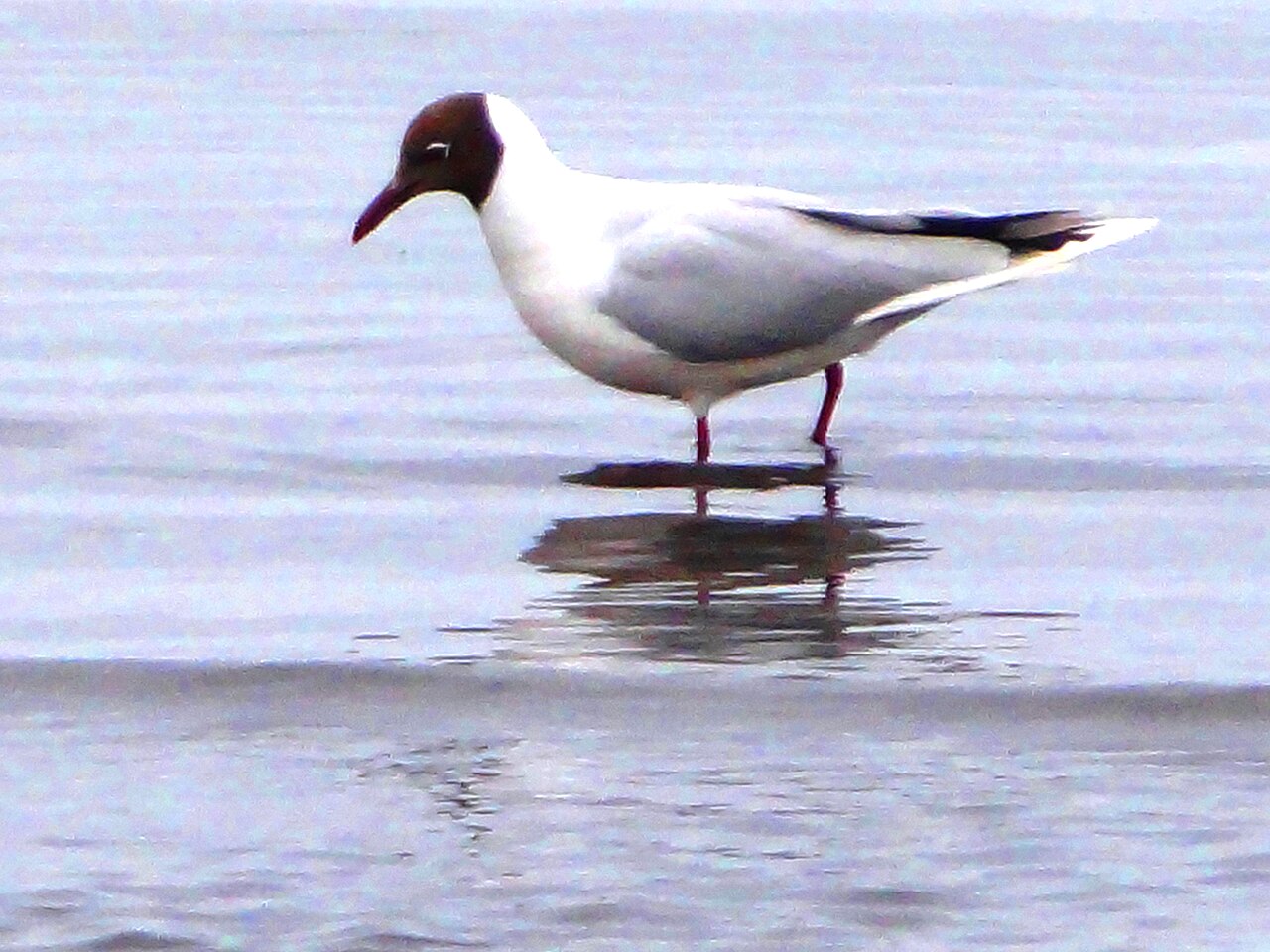
I had expected something different from Puerto Montt — something polished, perhaps, or at least conventionally beautiful. Instead, the city greeted me with the honest face of a working port. Stacks of fishing crates lined the waterfront. Gulls circled overhead, their cries mixing with the clatter of diesel engines from trawlers heading out into the grey channel. The smell hit me before I even reached the Angelmó pier: salt and woodsmoke, kelp drying on the rocks, and beneath it all the unmistakable richness of a seafood market that has been feeding people for generations. I stood there breathing it in, feeling the damp Pacific air settle on my jacket, and realized that my expectations had been wrong in the best possible way.
Our excursion to Frutillar changed the day entirely. I had read about the German colonial heritage, but reading is one thing and standing in it is another. The lakefront promenade stretched out in front of me, immaculate flower beds on one side and the vast lake on the other, and there — impossibly close, impossibly perfect — was Osorno again, its snow-covered flanks catching the midday light. I sat on a bench and ate a slice of kuchen from a bakery that smelled of butter and cinnamon, and I felt something loosen in my chest. My wife pointed out a pair of black-necked swans gliding along the shore, their reflections doubling in the still water. I took her hand and we sat there saying nothing, because some moments do not require commentary.
The drive back took us past farmland that could have been the Black Forest — green rolling hills, wooden fences, cows standing in that patient way cows have everywhere on earth. But then we crested a rise and there was the ocean again, steel-grey and endless, and I remembered where I was: the southern edge of the world, where the continent begins to fracture into fjords and islands and eventually dissolves into the Drake Passage. I pressed my forehead against the window of the bus and watched the landscape scroll past and thought about distances — how far I had come from home, how far this place was from the Germany that had seeded it, how far the salmon swimming in these cold waters had traveled from wherever salmon begin.
Back at Angelmó, I ordered curanto at a stall where a woman with weathered hands ladled the stew from a pot the size of a bathtub. The shellfish were still in their shells — mussels, clams, things I could not name. Chunks of smoked pork and sausage floated alongside potatoes that had turned golden in the broth. I burned my tongue on the first spoonful and did not care. Around me, other passengers from the ship sat at plastic tables with the same stunned expressions, tasting something that no restaurant back home could replicate. The sound of sea lions barking drifted from somewhere below the pier, punctuating the market chatter. I could hear vendors calling out prices in rapid Spanish, a radio playing somewhere behind the stalls, and the slap of fish against cutting boards.
The Cruise Port
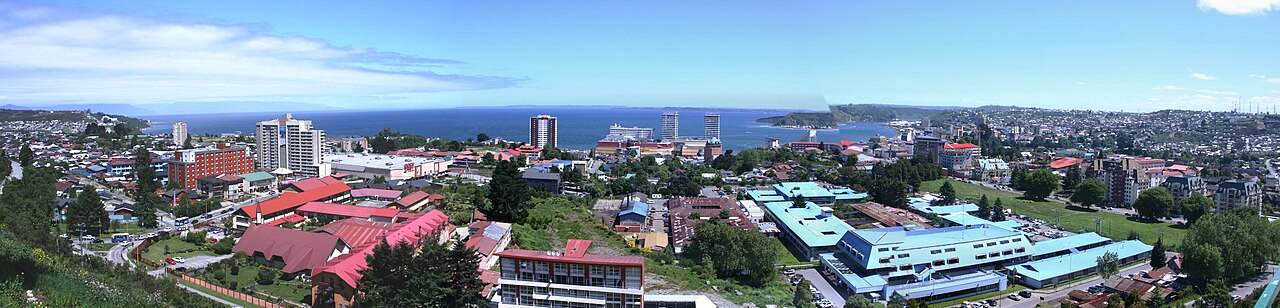
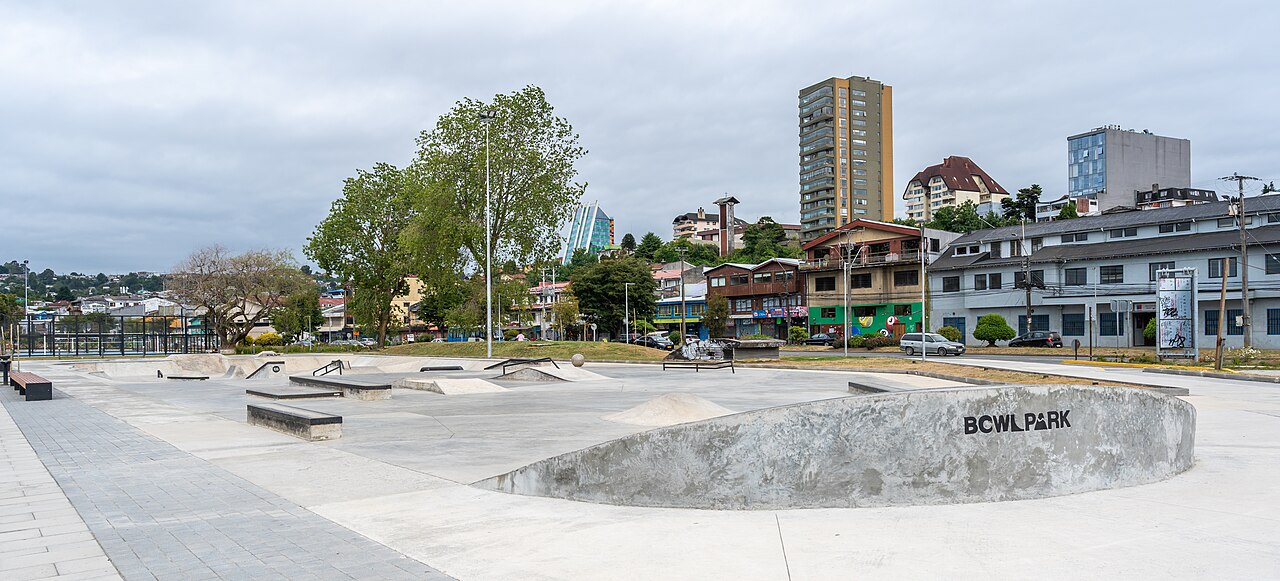
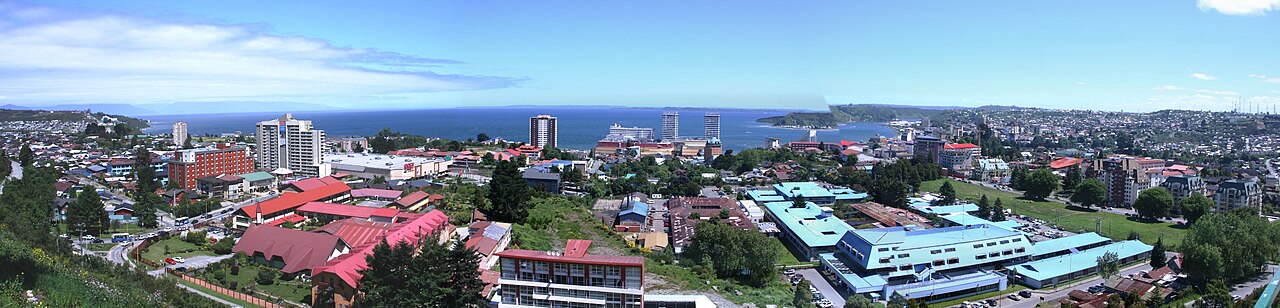
Puerto Montt sits at the northern edge of Chilean Patagonia, where the Central Valley finally meets the sea after 1,000 kilometers. The city itself is a working port town—functional rather than charming—but serves as the essential gateway to one of South America's most spectacular landscapes.
Ships may dock at the commercial pier or anchor in the bay and tender passengers to shore. The tender dock lands you at the Angelmó waterfront, conveniently adjacent to the famous seafood market. A tourism information booth and taxi stand are nearby.
The city center is about 2km from Angelmó and walkable along the waterfront. However, most visitors head directly to the Lake District attractions, which require transportation.
Getting Around
Puerto Montt offers several transportation options for cruise passengers, ranging from a pleasant waterfront walk to organized tour buses that venture deep into the Lake District. Your choice depends on how far afield you want to explore and how much independence you prefer.
Walking
The walk from the port area to Plaza de Armas in downtown Puerto Montt takes roughly 15 minutes along the waterfront road. The route is mostly flat and passes through the Angelmó market district, making it easy to combine sightseeing with your stroll. Sidewalks are generally in good condition, though rain can make surfaces slippery.
Local Buses (Micros)
Local buses known as micros run frequently from stops near the port into downtown and surrounding neighborhoods. Fares are inexpensive at around 500-700 CLP (under $1 USD). Routes are signed but rarely in English, so ask your driver or a fellow passenger for help if needed. Micros are a practical option for reaching the city center or the bus terminal for onward connections.
Taxis
Taxis queue near the pier and are readily available throughout the port area. A ride from the port to downtown Puerto Montt costs roughly $5-8 USD depending on traffic and exact destination. Agree on a fare before departing or confirm the meter is running. For longer trips to Puerto Varas or Frutillar, negotiate a round-trip rate with the driver.
Rental Cars
Rental cars are available in Puerto Montt for travelers who want the freedom to explore the Lake District at their own pace. Agencies operate from the city center and some offer port-area pickup. A rental is particularly worthwhile if you plan to visit multiple lakeside towns, drive the scenic road around Lake Llanquihue, or venture toward the national parks surrounding Osorno volcano. Book in advance during peak season (December through March) as availability can be limited.
Tour Buses
Organized tour buses, both ship-sponsored and from independent operators at the pier, are the most popular way to reach the marquee Lake District attractions. Full-day tours typically run to Petrohue Falls and Lake Todos los Santos, the German heritage town of Frutillar, or a combination of both. These coaches handle the winding mountain roads and ensure you return to the ship on schedule, which matters given that some destinations are two or more hours from port.
Port Map
Weather & Best Time to Visit
Frutillar
Lake District Highlights
This gem of German colonial architecture sits on the shore of Lake Llanquihue, 65km from Puerto Montt. The town's German heritage dates to mid-19th century immigration, and the traditions remain remarkably preserved. Walk the lakefront promenade with Osorno volcano looming across the water, visit the Museo Colonial Alemán, and absolutely stop for kuchen (German-style cake) at one of the traditional teahouses.
Puerto Varas
Closer to Puerto Montt (20km), Puerto Varas is another lakeside town with German heritage but a more developed tourist infrastructure. Rose gardens, entertainment venue, adventure tour operators, and excellent restaurants make it a popular base. The views of Osorno and Calbuco volcanoes from the waterfront are spectacular.
Osorno Volcano
The symmetrical 2,652-meter stratovolcano dominates the landscape. On clear days, excursions ascend to the ski area and viewpoint at 1,200 meters for stunning panoramas. The volcano is part of Vicente Pérez Rosales National Park, Chile's oldest protected area.
Petrohué Falls & Todos los Santos Lake
Emerald-green rapids crash through volcanic basalt formations at Petrohué Falls. Nearby, Lago Todos los Santos (All Saints Lake) offers boat trips across water the color of glacial milk, framed by three volcanoes. This crossing historically connected Chile to Argentina via Bariloche.
Angelmó Market
Even if you take an excursion, try to visit Angelmó before returning to the ship. This waterfront market is the best introduction to Patagonian seafood and one of Chile's most authentic markets.
What to Try
- Curanto: The signature dish of Chiloé island, traditionally cooked in a pit. Layers of shellfish, chicken, pork, sausage, and potatoes. Rich and overwhelming—share with friends.
- Erizos (Sea Urchins): Eaten raw with lemon, the bright orange roe tastes like concentrated ocean.
- Locos (Chilean Abalone): Chewy, flavorful mollusk, often served in salads.
- Caldillo de Congrio: The conger eel soup immortalized by Pablo Neruda's poem.
- Fresh Salmon: Chile is the world's second largest salmon producer, and it doesn't get fresher than this.
The market also sells crafts, woolens, and souvenirs—bargaining is acceptable but not aggressive.
Excursion Options
Ship Excursions
Puerto Montt's main attractions lie outside the city, making organized excursions especially valuable here. A ship excursion provides guaranteed return to the vessel — important given the distances involved and the unpredictable Patagonian weather that can cause delays on mountain roads. Most ship excursion options run as full-day tours ranging from $100 to $200 per person.
- Frutillar & Puerto Varas: Full day, $100-150. The classic Lake District tour visiting both German heritage towns. Frutillar's lakefront with Osorno volcano views is the highlight. Puerto Varas adds rose gardens and a second volcano perspective. Lunch is typically included at a traditional restaurant.
- Osorno Volcano: Full day, $120-180. Ascends to the ski area viewpoint at 1,200 meters for panoramic views of lakes and surrounding peaks. Weather dependent — clear days reveal a landscape stretching to the Argentine border.
- Petrohué Falls & Lakes: Full day, $100-150. National park scenery featuring emerald rapids through volcanic basalt and an optional boat cruise on Lago Todos los Santos.
- Chiloé Island: Full day, $150-200. UNESCO wooden churches, palafito stilt houses, and traditional culture. Requires a ferry crossing — logistics are complex, making this a strong candidate for a ship-organized tour.
Independent Exploration
For independent travelers, taxis and private tours are readily available at the port. A half-day taxi to Frutillar and Puerto Varas costs approximately $100-150 for up to four passengers, making it competitive with ship pricing for small groups. English-speaking guides can be arranged through local tour operators — book ahead during the December-to-March peak season, as the best guides fill up weeks in advance. The Angelmó waterfront area is walkable from the tender dock and makes an excellent independent half-day if you prefer to explore at your own pace. Consider combining a morning at Angelmó market with an afternoon taxi to Puerto Varas for a well-rounded day that balances structure with freedom.
Cultural Experiences: Beyond the headline attractions, consider seeking out the smaller lakeside towns and rural markets that reveal the authentic character of the region. The weekly market in Puerto Varas sells local honey, smoked salmon, and handmade woolens. Walking the Frutillar lakefront promenade in the late afternoon, when the light turns golden on the volcano, is free and unforgettable.
Booking Guidance: For first-time visitors or those with limited mobility, a ship excursion offers the most reliable option with guaranteed return and inclusive transport. Seasoned travelers comfortable with some uncertainty may prefer independent arrangements for smaller groups and more flexibility. If going independent, always confirm return logistics and allow a generous buffer before all-aboard time. Budget roughly $80-$150 per person for a full day including transport, entry fees, and lunch.
Depth Soundings
Money: The local currency is Chilean Peso (CLP). ATMs are generally available near the port area, though fees vary. Credit cards are widely accepted at tourist-oriented establishments, but carry some local cash for markets, street food, and smaller vendors. Your ship's exchange rate is typically unfavorable — withdraw from a bank ATM instead. Budget $30–$80 per person for a comfortable day including lunch, transport, and a few entry fees.
Timing: Start early if your ship arrives at dawn — the first hours offer pleasant conditions and smaller crowds. Allow at least 30 minutes buffer before all-aboard time. Set a phone alarm as backup. Most port visits allow 8–10 hours on shore, which is enough to see the highlights without rushing if you prioritize well.
Safety: Standard port-town awareness applies — keep valuables close and stick to well-traveled areas during daylight. Your ship's ID card is your most important item — losing it creates a genuine headache at the gangway.
Communication: Wi-Fi is often available at cafés and restaurants near the port. Consider downloading offline maps before disembarking — cellular data roaming charges can be substantial and surprising. Google Maps offline mode or Maps.me work well for navigation without data.
Food & Water: Tap water safety varies by destination — ask locally or buy bottled water to be safe. The best food often comes from busy local restaurants rather than tourist-facing spots near the port. Lunch at a popular local place typically costs $8–$20 per person. Street food can be excellent value if you choose busy stalls with high turnover.
Practical Information
Money
Chilean Peso (CLP) is the local currency. Approximately 900 CLP = 1 USD (2025). Credit cards widely accepted in restaurants and shops. ATMs available in town. USD sometimes accepted but at poor rates.
Weather
Puerto Montt is famously rainy—the city receives over 1,800mm annually. Summer (December-March) offers the best chance of clear weather, with temperatures around 15-20°C (59-68°F). Even in summer, pack layers and rain gear. The weather can change rapidly—you may see all four seasons in one day.
Language
Spanish is the primary language. English is limited outside tourist services. Having key phrases or a translation app helps.
Time Needed
The Lake District deserves a full day. If you have limited time, prioritize Frutillar (2 hours plus transit) over Puerto Montt city. Angelmó market can be explored in 1-2 hours.
Photo Gallery

Frequently Asked Questions
Is Puerto Montt a tender port?
Puerto Montt can be either a dock or tender port depending on conditions and berth availability. Many ships anchor in the bay and tender to the pier. Check with your cruise line for specific details about your sailing.
What is the best excursion from Puerto Montt?
The most popular excursion visits Frutillar and the Osorno volcano viewpoints. Frutillar is a beautifully preserved German colonial town on Lake Llanquihue with stunning volcano views. A full-day tour typically costs $100-150.
What should I eat in Puerto Montt?
Puerto Montt is famous for fresh seafood, especially curanto (a traditional Chiloé dish of shellfish, meat, and potatoes), salmon, and sea urchin (erizo). The Angelmó market is the best place to sample local seafood.
When is the best time to cruise to Puerto Montt?
December through March (summer in the Southern Hemisphere) offers the best weather with warmer temperatures and less rain. The Osorno volcano is most likely to be visible during clear summer days.
Can I see the Osorno volcano on a cloudy day?
Unfortunately, clouds frequently obscure the volcano. If it's cloudy in the morning, it may clear later. Some visitors report better luck in the afternoon. Even without volcano views, the Lake District towns and Angelmó market remain worthwhile.
What is Puerto Montt's storm season?
The glance Rain entry on this page reads "Wet year-round; wettest May-Jul," and the Wind entry reads "Moderate; sheltered by lakes and volcanoes." For current weather outlook on a specific sailing date, the live weather widget in the seasonal panel above is the primary source.
What should I pack for Puerto Montt's weather?
Layers — Puerto Montt's Patagonian-edge climate is famously changeable, with cool wet weather even in summer. A real waterproof jacket year-round (this is one of South America's wetter regions). Comfortable waterproof walking shoes for the muddy Angelmó market and Lake District trails. A warm fleece even in January. For winter port calls: full warm coat, hat, gloves.
Will rain ruin my Puerto Montt port day?
The glance Rain entry reads "Wet year-round; wettest May-Jul" — rain is the default condition, not an exception. For short-term forecasts on a specific sailing date, the live weather widget in the seasonal panel above is the primary source.
Author's Note: Port information reflects conditions during our visit. Tendering status, transportation options, and attractions may change. Verify current details with your cruise line before arrival.
Price Note: Prices listed are estimates from 2025 and may vary based on season, currency fluctuations, and other factors. Always confirm current pricing before booking.