


Captain's Logbook
Rhodes: My Medieval Time Machine
We walked off the ship straight through the Marine Gate and stepped directly into 1309 — the year the Knights of St. John arrived after losing Acre to the Mamluks. For 213 years they held this island fortress, turning Rhodes into Christendom's easternmost shield. I stood in the same gate where those warrior-monks once stood watch, and the weight of that history pressed down like a physical thing.
The Street of the Knights took my breath away. This isn't a museum piece — it's the real thing, cobblestones polished smooth by seven centuries of feet, the coats of arms of France, Spain, Auvergne, and Provence still carved into stone inns where actual knights slept between battles. The narrow lane runs uphill toward the Palace of the Grand Master, and walking it feels like trespassing through time. These walls withstood the Sultan of Egypt in 1444, turned back Mehmet II in 1480, and only fell to Suleiman the Magnificent in 1522 after a brutal six-month siege. The stones remember.
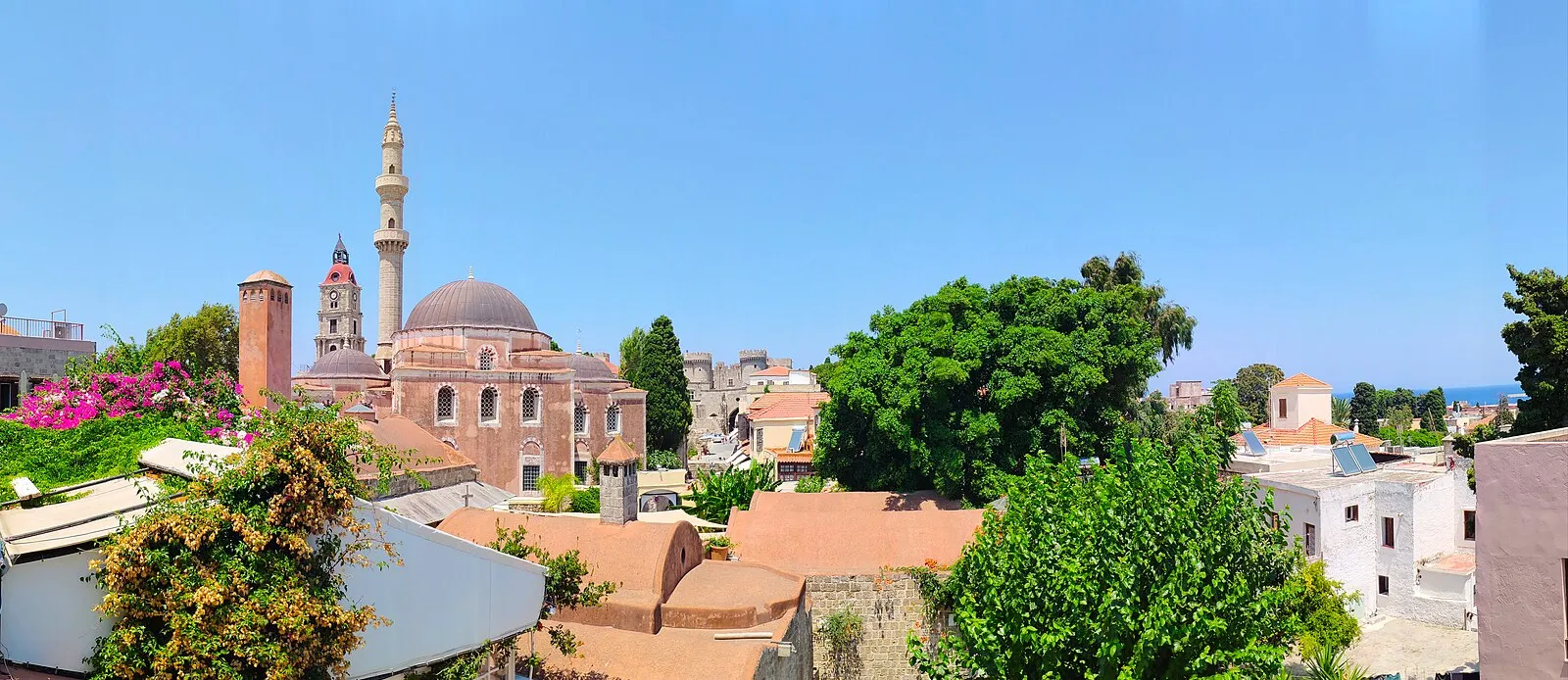
The Palace of the Grand Master crowns the Upper Town — a 14th-century fortress built on foundations that might have held the Colossus itself, that Wonder of the Ancient World that stood for only 54 years before an earthquake brought it down in 226 BC. I climbed the ramparts at golden hour (special ticket required, absolutely worth it) and had four kilometers of medieval walls nearly to myself. The fortifications divide the town just as they did when knights ruled the heights and merchants worked the Lower Town below — Gothic arches bleeding into Ottoman domes, Crusader and Turk woven into the same ancient stones.
UNESCO called this the largest inhabited medieval town in Europe when they designated it a World Heritage Site in 1988, and they weren't exaggerating — 6,000 people still live inside these walls, hanging laundry from Gothic windows, parking scooters against Hospitaller buttresses. It's alive in a way most fortress-cities aren't.
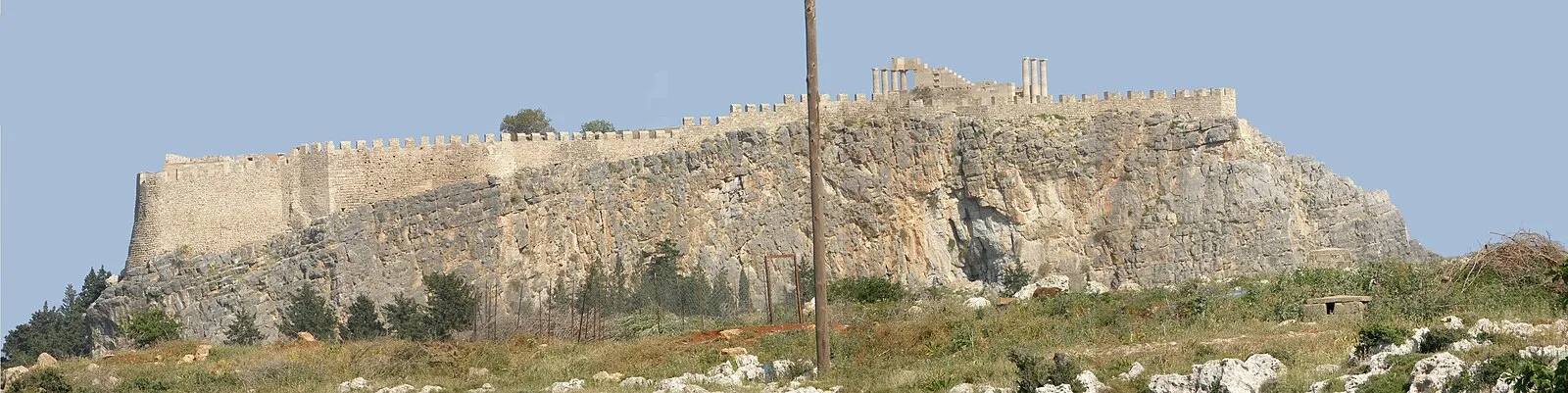
We took a taxi south to Lindos in the afternoon — pure white sugar cubes tumbling down to an impossibly blue bay. The Acropolis rises above it all, accessible by donkey or determined feet (we chose feet, felt it earned). From the top, the view spun me dizzy — turquoise water, Paul's Bay curved like a comma, the tiny village impossibly far below. We ate lunch at Mavrikos in the square afterward — octopus stifado that fell apart at the touch of a fork, local wine that tasted like bottled sunshine and island stone.
The pros: medieval atmosphere so thick you half-expect armored knights around every corner, history you can touch with your bare hands. The cons: cruise crowds mid-day can pack the Street of the Knights shoulder-to-shoulder, but they thin dramatically after 4 p.m. when most ships sail. Stay late if you can — the Old Town belongs to you then.
One practical note worth sharing: the cobblestones inside the Old Town are deeply uneven and polished smooth by centuries of foot traffic, so proper walking shoes are essential. We paid around ten euros for the Palace of the Grand Master entry and another few euros for the rampart walk — both worth every cent. The taxi to Lindos ran about thirty-five euros each way, and negotiating the fare beforehand saved us any awkwardness on the return. I noticed that the narrow lanes near Sokratous Street smelled of leather and grilled souvlaki and jasmine all at once, a combination that felt distinctly Rhodian. Cats lounged in every doorway, unbothered by the passing centuries. On the walk back to the ship through the Marine Gate, I paused at the spot where the Colossus is believed to have stood and tried to imagine a thirty-meter bronze statue greeting arriving ships — the harbor felt enormous enough to hold that kind of wonder, even now.
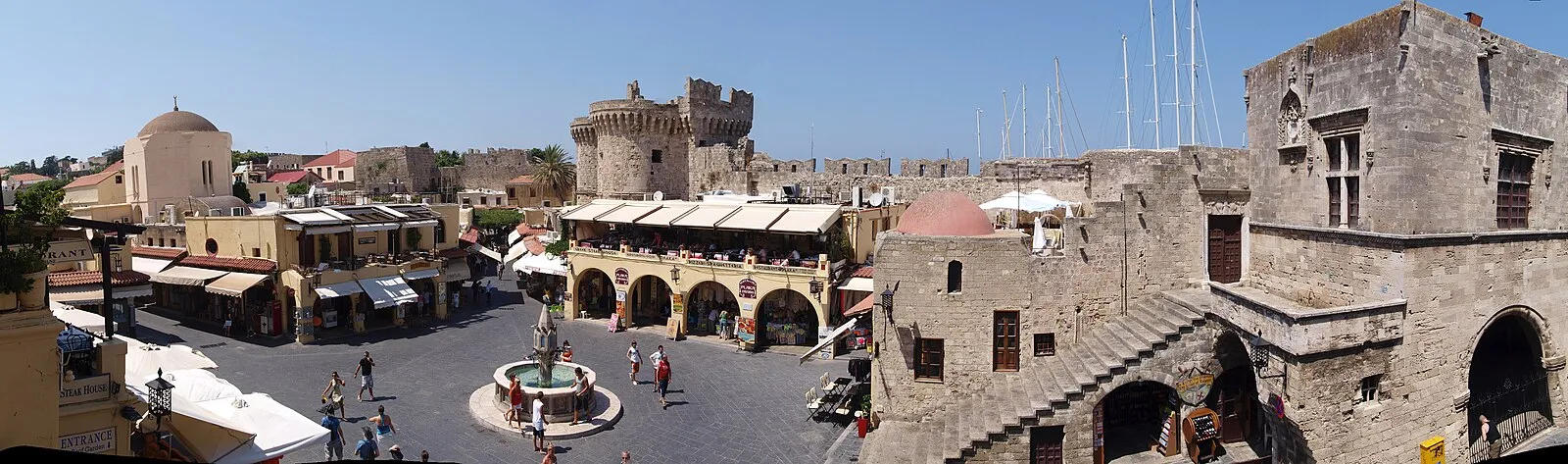
I should add that the Old Town after four in the afternoon transforms completely — the cruise crowds thin, the light turns amber, and suddenly you can hear your own footsteps on stones that the Knights of St. John once walked in armor. We found a rooftop bar near Hippocrates Square where the owner poured us glasses of local Athiri wine for four euros each and told stories about growing up inside the medieval walls. His grandmother's house, he said, shared a wall with a 14th-century Hospitaller inn. That kind of layering — the ancient and the living casually intertwined — is what makes Rhodes unlike any other port in the eastern Mediterranean. If you only have one day, give the morning to the Old Town and the afternoon to Lindos, and let the evening belong to whatever corner of this island catches your heart.
Weather & Best Time to Visit
Cruise Port Information
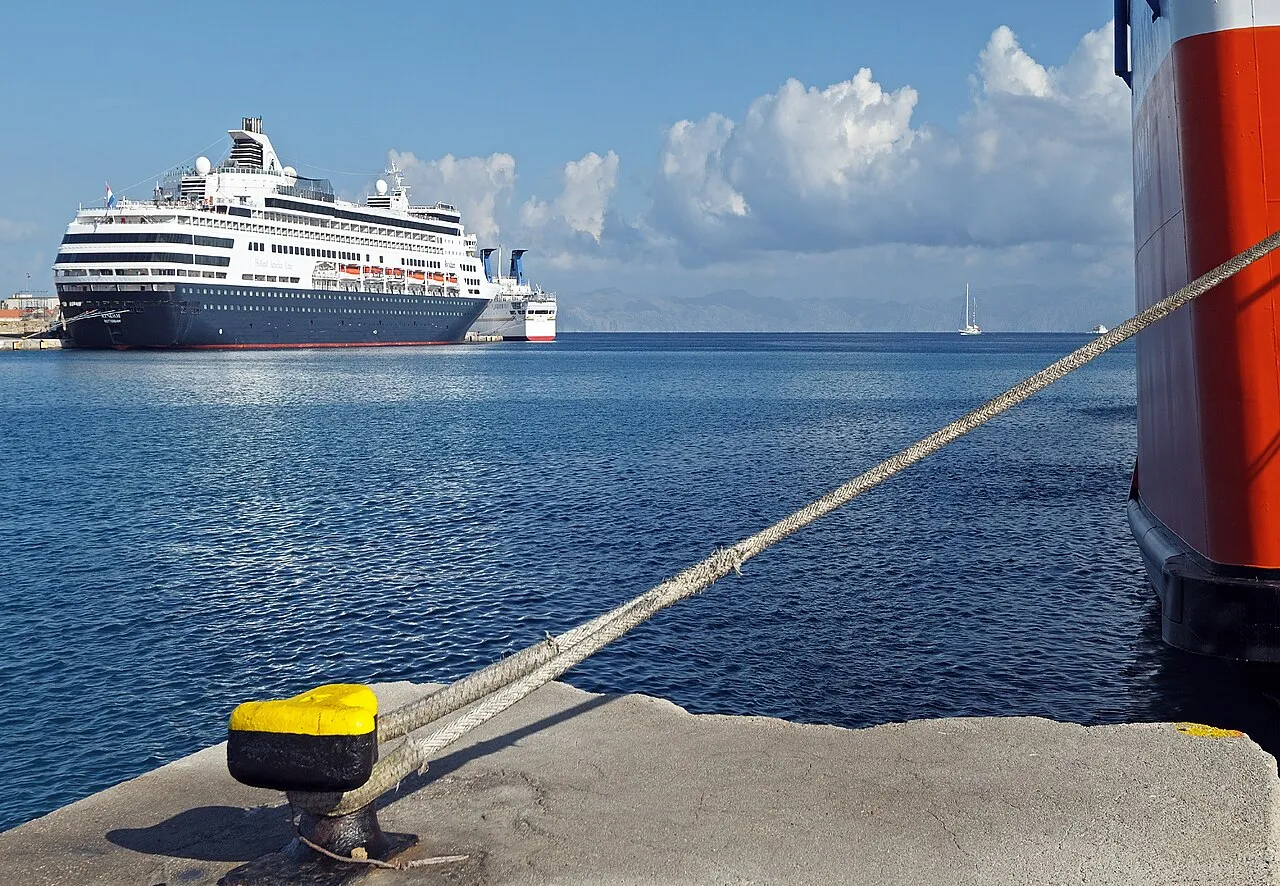
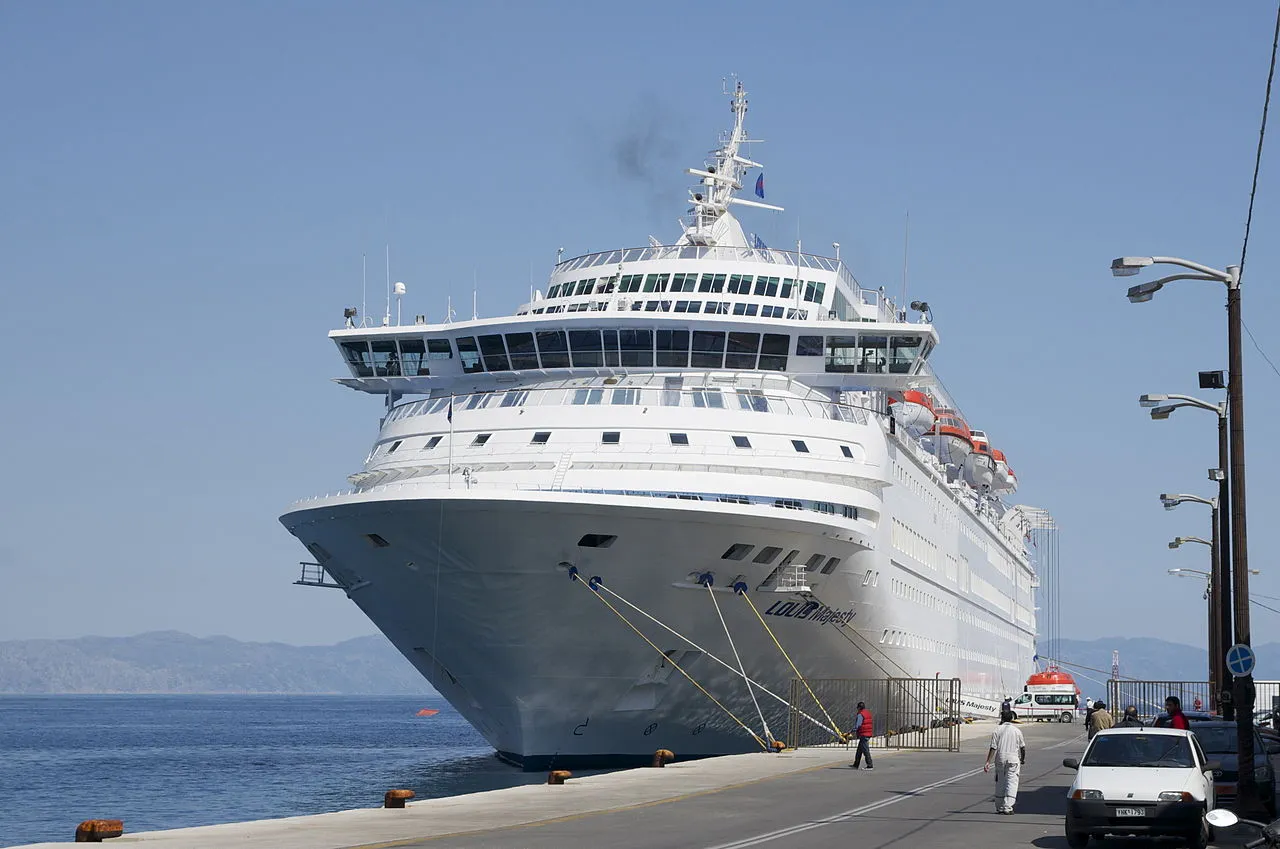
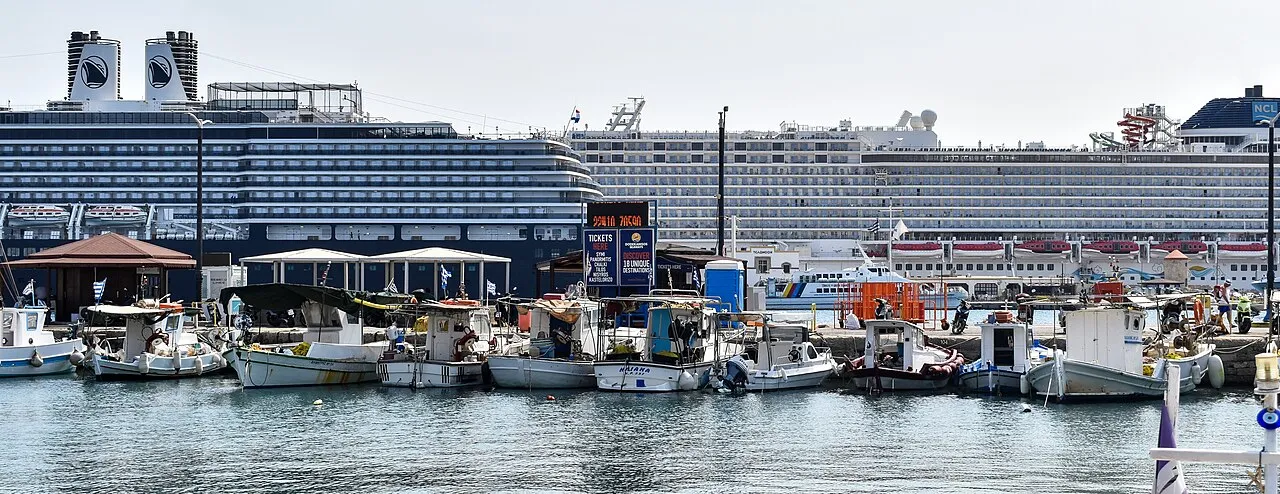
Cruise ships dock at the Commercial Harbor (Kolona Port), a deepwater quay roughly 1 km from the Old Town walls. Smaller expedition vessels sometimes berth at Mandraki Harbor, closer to town but less common for large cruise ships. Rhodes is a dock port — no tendering required. The facility can handle up to five ships simultaneously.
Terminal facilities include a passenger lounge, tourist information desk, ATMs, taxi rank, and pre-booked excursion bus staging area. From the port exit, turn right along the waterfront road and the medieval walls appear within 10 minutes — Marine Gate (Virgin Mary's Gate) is the nearest entrance into the Old Town. Norwegian, Celebrity, Holland America, Oceania, MSC, Costa, Princess, and Royal Caribbean all call here regularly between March and November.
Getting Around Rhodes
On Foot
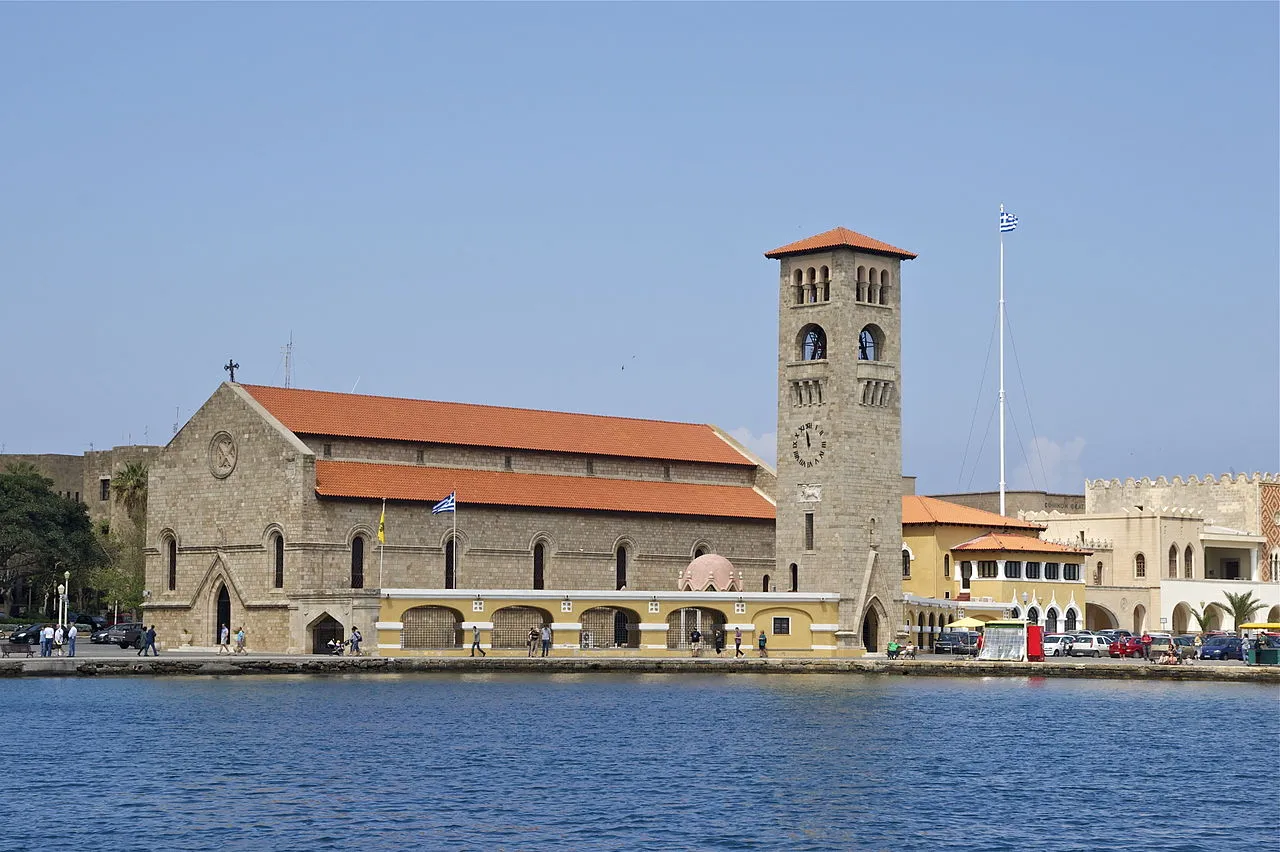
The walk from the cruise port to the Old Town's Marine Gate takes about 10-15 minutes on flat pavement. Once inside, the Street of the Knights leads uphill to the Palace of the Grand Masters in another 10 minutes. Mandraki Harbor, where the Colossus of Rhodes once stood, is 10 minutes from the port in the opposite direction. Elli Beach sits a short walk beyond Mandraki. The Old Town itself is compact — most visitors cover the key sights within a 2 km radius of the Marine Gate.
Taxis
Dark blue taxis queue at the port exit. Metered fares start at roughly €3.70 with port surcharge. A ride from the port to the Old Town runs about €5-8. The trip to Lindos (48 km south) costs €70-80 one way — negotiate a round-trip fare in advance if you plan to return by taxi. Taxis to Faliraki beach (14 km) run roughly €20. All taxis are required to accept card payments.
Buses
The KTEL bus station at Averof Street near the New Market (Nea Agora) sits about 15-20 minutes on foot from the cruise port. Key routes: Rhodes to Lindos (€5.50 one way, roughly 85 minutes, departures every 30-60 minutes from 06:15), Rhodes to Faliraki (€2.50, 35-50 minutes, every 20 minutes in summer). A hop-on/hop-off tourist bus departs from the cruise terminal area at hourly intervals for about €12.
Scooter and ATV Rental
Rental shops near the port offer scooters (€25-40/day) and quad bikes (€35-75/day), often with free delivery to the cruise terminal. A regular car license covers quad bikes in Greece. Useful for reaching beaches and sights that buses serve infrequently, though Rhodes Town traffic can be heavy in summer.
Mobility Considerations
The waterfront walk from port to Old Town is flat and accessible. Inside the medieval walls, surfaces change dramatically — deeply uneven cobblestones polished smooth by centuries of foot traffic, narrow lanes, and unexpected steps. Wheelchairs will struggle in most of the Old Town. Lindos village has steep, narrow pedestrian lanes with no vehicle access, and the Acropolis requires climbing roughly 200 steps (donkeys available for part of the route). Elli Beach and the New Town are substantially more accessible.
Rhodes Port Map
Interactive map showing the cruise terminal, medieval Old Town, Palace of the Grand Master, and Lindos. Click any marker for details.
Shore Excursions & What to See
Booking guidance: Rhodes Old Town is one of the easiest ports in the Mediterranean to explore independently — the attractions start steps from the gangway. Book ship excursions mainly for Lindos (tight bus timing on short port days) or Symi island (requires boat transfer). For everything within Rhodes Town, save your money and walk.
Rhodes Old Town
The medieval Old Town is free to enter and wander — a UNESCO World Heritage Site and the largest inhabited medieval town in Europe. Key stops include the Street of the Knights (the best-preserved medieval street in Europe), Hippocrates Square, the Jewish Quarter, and Sokratous Street for shopping. A self-guided circuit covers roughly 3.5 km and takes about 2 hours with stops. Guided walking tours run €25-50 per person depending on group size. Ship excursions package a walking tour at €50-70. Going independently with a downloaded audio guide (about €5) gives you the history without the schedule.
Palace of the Grand Masters
The imposing 14th-century fortress of the Knights of St. John crowns the upper Old Town at the top of the Street of the Knights. Inside you will find Byzantine mosaics, medieval furniture, and exhibitions covering ancient and medieval Rhodes. Entry costs approximately €20. Closed Mondays — verify before planning your day around it. The rampart wall walk is a separate ticket at about €5 and worth every cent for the views. Allow 60-90 minutes for the palace and ramparts together.
Lindos and the Acropolis
The whitewashed hilltop village with its ancient Acropolis is Rhodes' signature day trip, 48 km south of Rhodes Town. By KTEL bus: €5.50 one way, roughly 85 minutes, departures every 30-60 minutes from Averof Street station. By taxi: €70-80 one way (negotiate a round-trip fare in advance). Ship excursions combining Lindos and Rhodes Old Town run €80-120 per person. A DIY taxi round trip for four passengers plus Acropolis entry (€20 per person) works out to about €45-50 each — real savings over the ship price. The Acropolis requires climbing roughly 200 steep steps; donkeys are available for part of the ascent. Allow 5-6 hours minimum for the round trip.
Symi Island Day Trip
The nearby island of Symi, famous for its colorful neoclassical harbor, is reachable by boat from Mandraki Harbor in 50-90 minutes. Organized day cruises run €25-50 per person. Ship excursions typically cost €100-140. Independent ferry tickets on Dodekanisos Seaways start from around €15-20 one way for the fast ferry (50 minutes). The fast boat option buys you two extra hours on the island compared to tour boats. This excursion requires 8-10 hours total and is only feasible if your ship has a long port day — check all-aboard time carefully before committing.
Valley of the Butterflies
A shaded, forested gorge 26 km from Rhodes Town on the west coast where Jersey Tiger moths gather from June to September. Entry about €5. Walking paths follow a stream through dappled woodland — a welcome contrast to the sun-baked Old Town. Combine with Seven Springs (Epta Piges) on a half-day circuit. Seven Springs is free to enter — walk through a 186-meter tunnel in ankle-deep water (bring a torch and shoes you don't mind getting wet) to reach a reservoir lake ringed by pine forest.
Beach Options
Elli Beach is the closest to the port — a 10-15 minute walk with sunbed rental at €8-10 per day. Anthony Quinn Bay, 15 km south near Faliraki, has no entrance fee and sunbed rental around €10; reachable by bus in summer. Tsambika Beach (25 km south) offers golden sand, organized facilities, and water sports, though there is a 1.4 km walk down from the main road bus stop. Faliraki (14 km, bus €2.50) has the widest range of beach bars and water sports but a different character — louder, younger, more commercial.
DIY vs. Ship Excursion: Lindos & Acropolis
DIY by Taxi (€45-50/person for 4)
- Negotiate round-trip taxi fare (~€140-160 for 4)
- Acropolis entry €20/person
- Explore village and beach at your own pace
- Driver waits 2-3 hours; flexible return
Ship Excursion (€80-120/person)
- Air-conditioned coach with guide commentary
- Often combines Old Town + Lindos in one trip
- Guaranteed return to ship on time
- Fixed schedule — typically 30-45 min free time in Lindos
Depth Soundings Ashore
Practical tips before you step off the ship.
Cobblestones are brutal — leave the heels on the ship and wear your most comfortable shoes.
Money: ATMs are generally available near the port area, though fees vary. Credit cards are widely accepted at tourist-oriented establishments, but carry some local cash for markets, street food, and smaller vendors. Your ship's exchange rate is typically unfavorable — withdraw from a bank ATM instead.
Timing: Start early if your ship arrives at dawn — the first hours offer pleasant conditions and smaller crowds. Allow at least 30 minutes buffer before all-aboard time. Set a phone alarm as backup.
Safety: Standard port-town awareness applies — keep valuables close and stick to well-traveled areas during daylight. Your ship's ID card is your most important item — losing it creates a genuine headache at the gangway.
Communication: Wi-Fi is often available at cafés and restaurants near the port. Consider downloading offline maps before disembarking — cellular data roaming charges can be substantial and surprising.
Photo Gallery
Frequently Asked Questions
Q: Is Rhodes worth it?
A: My favorite Greek island port — history plus beaches perfected.
Q: Best thing?
A: Street of the Knights plus Lindos.
Q: How long for Lindos?
A: 4–5 hours round-trip.
Q: Walk from port?
A: Yes — straight into medieval magic.
Q: What is the best time to visit Rhodes?
A: Cruise season runs June through August — sunny Greek island (44-88°F). May, September, and October are the transitional months with fewer crowds. There are no months specifically to avoid.
Q: Is Rhodes suitable for passengers with mobility challenges?
A: Accessibility varies by area. The port vicinity and main commercial streets are generally manageable, but older historic districts may feature cobblestones, stairs, and uneven surfaces. Consider booking an accessible ship excursion if you have concerns. The ship's shore excursion desk can advise on specific accessibility options for this port.
Q: Can I explore independently or should I book a ship excursion?
A: Both options work well. Ship excursions guarantee return to the vessel and handle logistics, making them ideal for first-time visitors. Independent exploration costs less and allows more flexibility — just keep track of time and allow a 30-minute buffer before all-aboard. Many passengers combine approaches: an organized morning tour followed by free afternoon exploration.
Q: Does Rhodes have a storm season?
A: Rhodes is in a Mediterranean climate and is not in a tropical-storm zone. The notable seasonal wind is the Meltemi (July–August), which can make east coast beaches choppy in summer.
Q: What should I pack for Rhodes's weather?
A: Comfortable shoes for cobblestones. Sunscreen — UV is intense. Hat for ruins visits. Cash for Old Town shops.
Q: Will rain ruin my port day in Rhodes?
A: Very dry May through September; wet winters. Cruise season concentrates in the dry June–August window.
Last reviewed: February 2026
Image Credits
- rhodes-1.webp: WikiMedia Commons (CC BY-SA)
- rhodes-2.webp: WikiMedia Commons (CC BY-SA)
- rhodes-3.webp: WikiMedia Commons (CC BY-SA)
- rhodes-4.webp: WikiMedia Commons (CC BY-SA)
Images sourced from WikiMedia Commons under Creative Commons licenses.