


My Visit to Samana
I woke before dawn on the morning we arrived in Samana, pulled the curtain aside, and watched the Dominican coastline materialize through a veil of mist — a dark ridge of mountains draped in cloud, the bay below still and silver in the half-light. My wife was sleeping, but I could not stay in the cabin. Something was calling me to the upper deck. I dressed quietly and climbed the stairs, and when I stepped outside, the air hit me — warm, thick, saturated with the scent of tropical vegetation drifting from shore, mingled with the salt and diesel of the ship's wake. Below us, the water had turned from Atlantic blue to the pale jade-green of the shallows. We had arrived in the humpback whales' nursery, and I felt my heart quicken at the thought of what the day might hold.
We were here in February — peak whale season — and the naturalist on board had briefed us the evening before. This magnificent bay, forty miles long by fifteen miles wide, is part of the Marine Mammals Sanctuary established in 1986, one of the first protected whale habitats in the world. Every year between mid-January and late March, somewhere between 1,500 and 2,000 humpback whales travel more than 5,000 miles from the cold feeding grounds of the North Atlantic to these warm, shallow Caribbean waters. They come to mate, to calve, to nurse their young in the sheltered embrace of the Samana Peninsula. The migration has been happening for centuries — longer than human memory — written into the DNA of these gentle giants like a prayer they cannot stop repeating.
The ship anchored in the bay and we tendered to the dock, where a catamaran was waiting — maybe forty passengers, a good size. The fare was about $65 per person for the half-day whale watching trip. Within thirty minutes we were deep in the bay, and the captain cut the engine because we were surrounded. There was no need to search. The whales had found us.
A mother humpback — forty-five feet easy — and her calf, already eighteen to twenty feet long despite being only weeks old, were breaching in synchrony off our starboard side. They rose together, arcing through the air in a spray of white water, and slammed down with an explosion that drenched us even from a hundred yards away. The sound alone — that thunderous percussion of forty tons hitting the surface — is something you feel in your chest before you hear it with your ears. I gripped the railing and watched, and my eyes filled with tears I did not expect. There was nothing sad about it. It was the opposite. It was the most alive thing I had ever witnessed, and something in me broke open at the beauty of it.
Then a male escort started singing, and everything changed. The naturalist lowered a hydrophone into the water and played the sound over the boat's speakers — and this deep, haunting, vibrating moan rose from the depths and filled the air around us. Whale song. An otherworldly sound that seemed to resonate in the water, in the hull of the boat, in our very bones. I looked around and saw grown adults openly weeping. I was one of them. My wife reached for my hand and squeezed it, and neither of us could speak. There is something about that sound — ancient, mournful, beautiful beyond description — that reaches past every defense we build. Scientists still do not fully understand what whale song means. It may be a love song, a territorial claim, a lullaby. I believe it is a prayer. I cannot prove it, but I felt it, and that was enough.
We saw pec-slaps, tail lobs, spy-hops. At one point the mother lifted her entire head vertically out of the water — an eye above the surface, enormous and dark and intelligent — and she looked at us. I swear she looked at us with the same curiosity we felt for her. We drifted in their nursery for nearly two hours, surrounded by at least a dozen different whales, and I understood that we were guests in a place that has belonged to them for millennia. The waters here are ideal for calving: warm (77-80 degrees), shallow enough to protect newborns from deep-water predators, and sheltered by the peninsula. Mother whales give birth in these bays, then spend weeks nursing their calves before the long journey north. The success rate for sightings during season is an astonishing 95 percent. You do not come to Samana and miss the whales. You come, and they surround you.
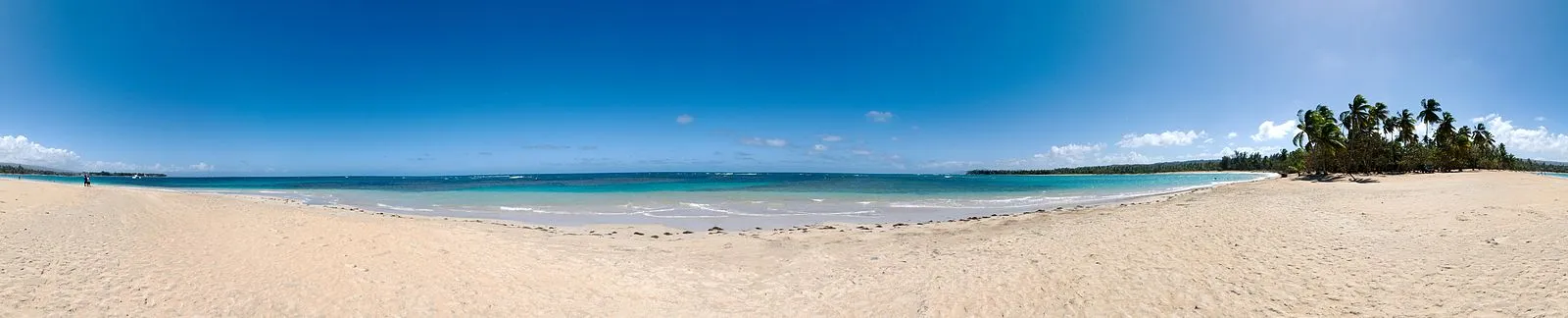
Back on land we had time for Cayo Levantado — better known as Bacardi Island because it was featured in famous Bacardi rum advertisements, and once you see it you understand why. The water taxi cost about $15 round-trip per person. The island is postcard-perfect: palm trees leaning at impossible angles over white sand, turquoise water so clear it looks digital, and beach grills preparing fresh seafood over driftwood fires. I waded in up to my waist and the water was warm as bathwater, so transparent I watched permit fish follow my fins hoping for scraps. The sand between my toes was soft as flour. Lunch was whole grilled snapper with tostones and an ice-cold Presidente beer — about $12 for the plate — while a merengue band played under a thatched palapa. The music mixed with the sound of small waves breaking on the sand, and the sweet smell of grilling fish carried on the breeze, and I thought: if the whales are Samana's soul, Cayo Levantado is its smile.
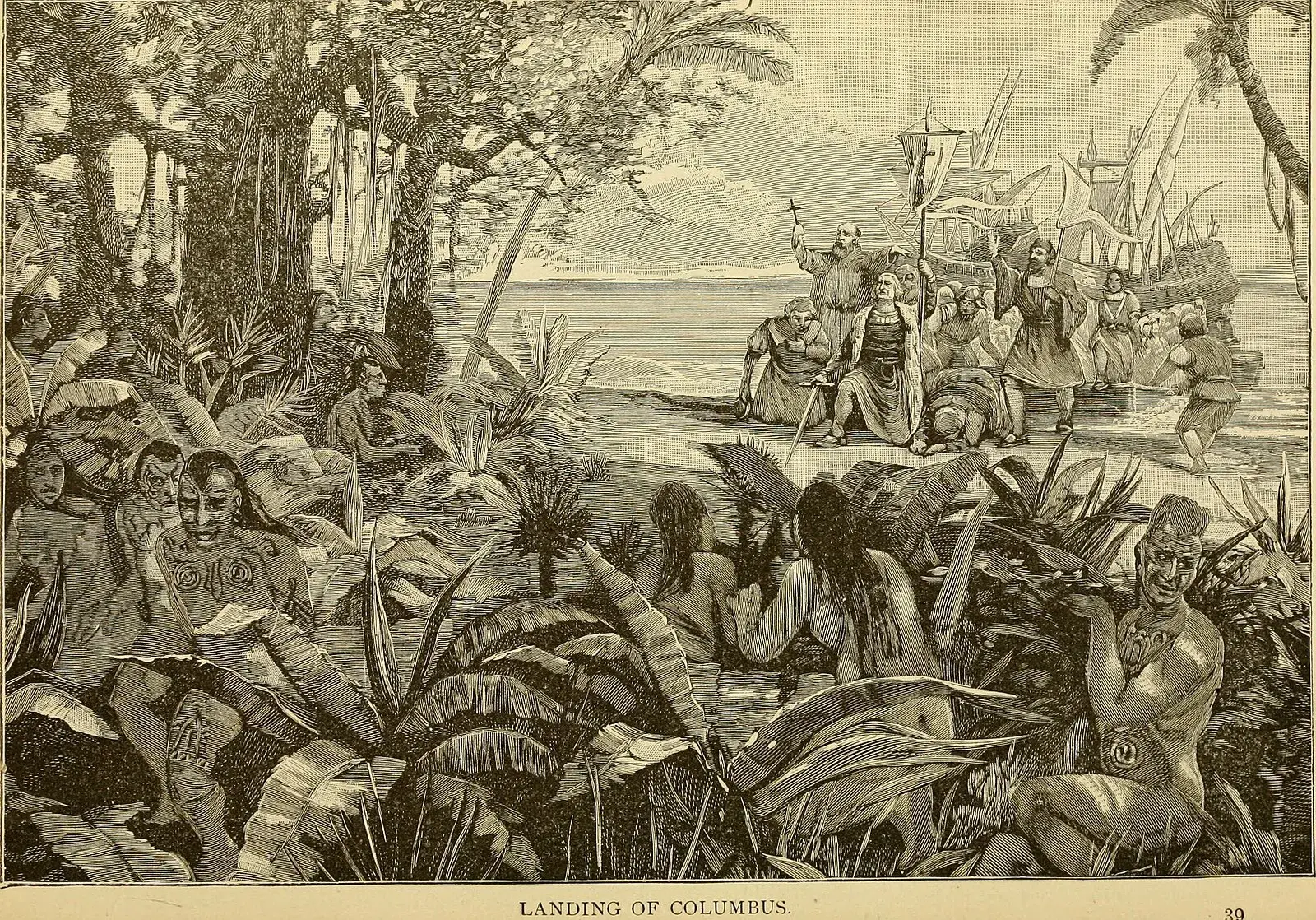
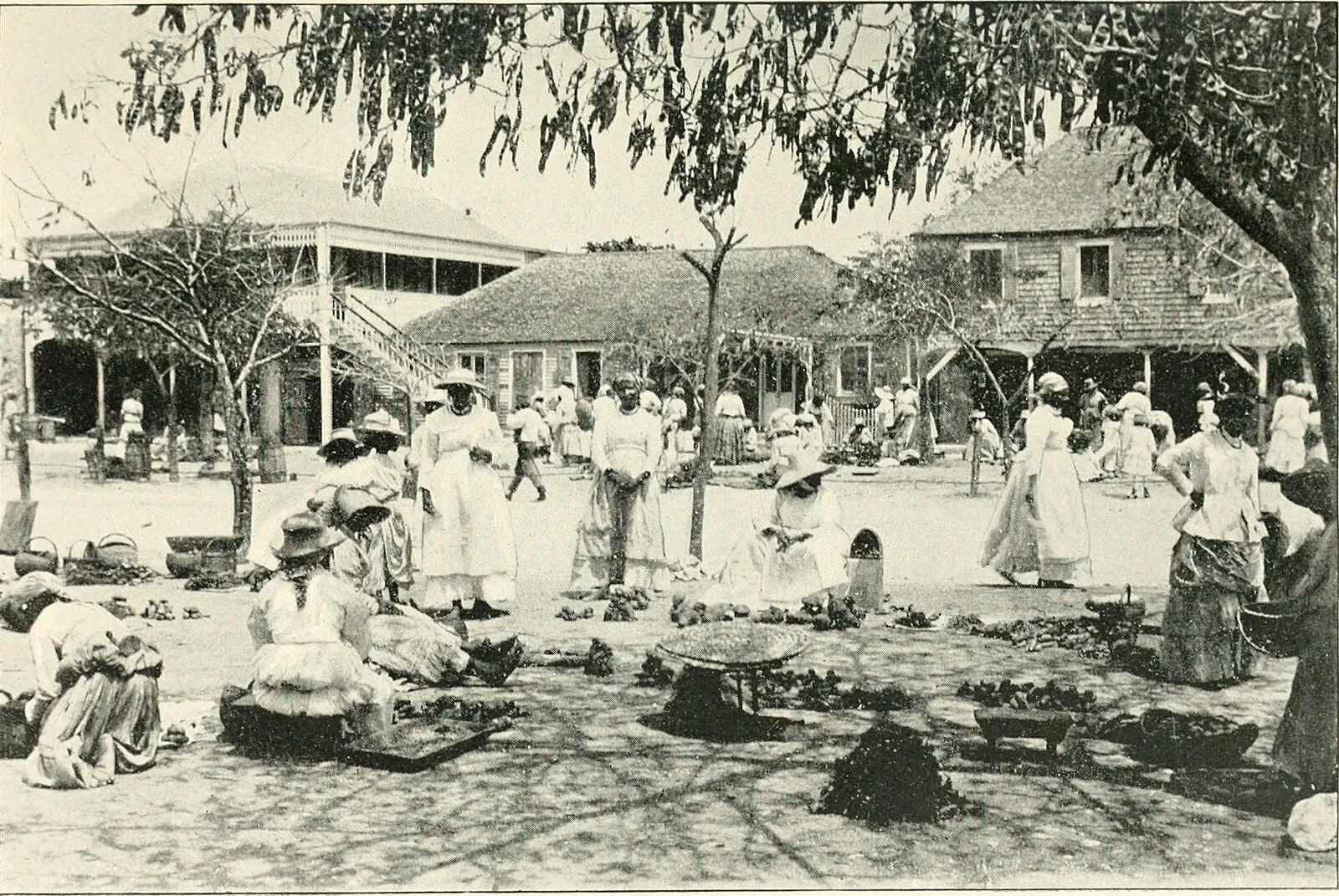
Samana has a history that sets it apart from the rest of the Dominican Republic. Around 1824, freed American slaves migrated here from Philadelphia and other cities, seeking a new life. Their descendants still live here today, and many speak English — a linguistic island in a Spanish-speaking nation. When you talk with the locals, you hear that melodic Afro-Caribbean English patois that has survived nearly two hundred years, and it reminds you that these islands hold stories far deeper than any tourist brochure reveals.
We did not have time for El Limon waterfall on this visit, though I wished we had — a 130-foot cascade thundering through lush rainforest into a clear swimming pool, accessible by horseback ride or jungle trail hike. The horseback ride costs about $25 per person from the trailhead. Los Haitises National Park, a UNESCO Biosphere Reserve covering more than 600 square kilometers, is another wonder I plan to return for — a dreamscape of limestone karst formations rising from mangrove swamps, dotted with caves holding Taino pictographs more than a thousand years old. However, even without those excursions, the day we spent among the whales was worth the entire cruise.
Looking back, I realize what Samana taught me about wonder. Not surprise — reverence. Not amusement — awe. When that calf breached fifty yards from our boat, twisting in mid-air so we saw its white belly and the barnacles already colonizing its skin, and then crashed down on its back with a thunderclap that echoed off the mountains — the whole boat screamed with delight, and I understood that we were witnessing something sacred. A creature three weeks old, discovering it could fly. A mother watching from below, patient and ancient and wise. A song rising from the deep that no one fully understands. This is why we travel. Not to collect destinations but to be changed by them. The whales of Samana changed me. They reminded me that the world is still full of things larger than my worries, older than my fears, and more beautiful than I have words for. I am grateful for that reminder, and I carry it with me still.
Weather & Best Time to Visit
Featured Images
The Cruise Port
What you need to know before you dock.
- Terminal: Samana is a tender port — ships anchor in the bay and tender passengers to the downtown pier. The tender ride takes about 10-15 minutes. The pier area is basic compared to larger Caribbean ports but has a small welcome center with tourist information. The pier and immediate waterfront area are generally accessible for wheelchair users with flat paved surfaces, though streets beyond become uneven.
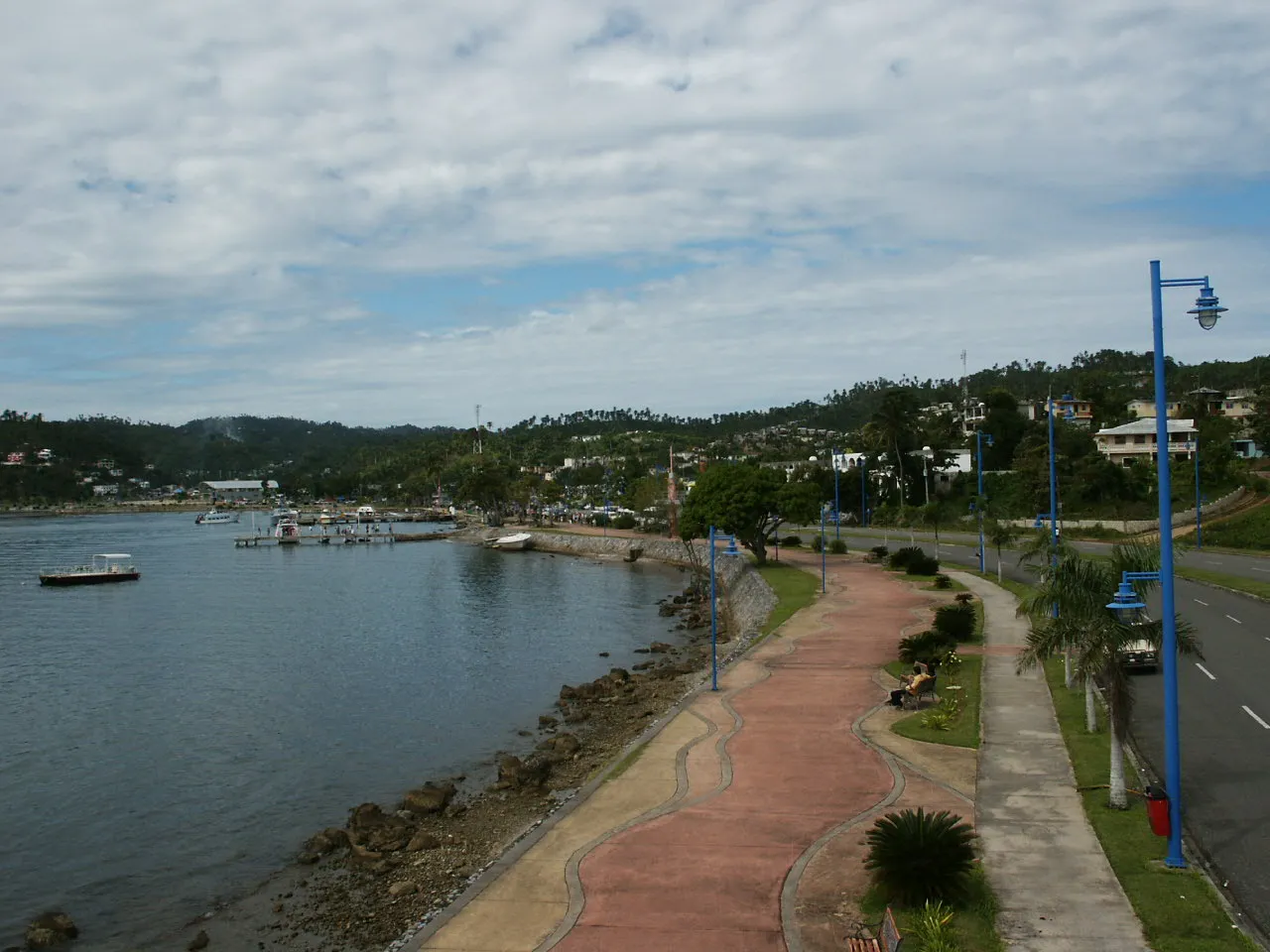
- Distance to Town: The tender pier is right in Samana town — a 5-minute walk to the main waterfront boulevard (the Malecon). Most whale watching boats and excursions depart directly from or near the tender pier.
- Tender: Yes — Samana is a tender-only port. Allow extra time for the tender process, especially on busy days with multiple ships in port.
- Currency: Dominican Peso (DOP); US dollars widely accepted at tourist-oriented businesses. ATMs available in town. Credit cards accepted at larger operators.
- Language: Spanish is the primary language, but English is widely spoken in tourist areas and by many whale watching operators. Some locals in Samana town also speak an English Creole dating back to the 1824 settlement.
- Best Season: Mid-January through late March for whale watching (95% success rate). Year-round for beaches, waterfalls, and Los Haitises National Park.
- Time Zone: Atlantic Standard Time (AST), UTC-4. No daylight saving time.
Getting Around
Transportation tips for cruise visitors.
- Walking: Samana town is small and walkable from the tender pier. The Malecon (waterfront boulevard) is flat and pleasant, running along the bay with views of the anchored ships. You can walk to restaurants, souvenir shops, and the main whale watching departure points within 5-10 minutes. Streets beyond the waterfront are less polished, with uneven surfaces in places. The waterfront promenade has accessible paving suitable for wheelchair users, though side streets may be more challenging for those with limited mobility.
- Motoconchos: Motorcycle taxis are the most common local transport. Cheap (about $2-5 for short trips around town) but not for the faint of heart — hold on tight and negotiate the fare before you climb on. Not suitable for those with mobility concerns.
- Guaguas (Minibuses): Local minibuses connect Samana to Las Terrenas, Las Galeras, and other peninsula towns. Fares are around $2-4 depending on distance. They run frequently but on loose schedules. A good option for adventurous independent travelers with time to spare.
- Taxis: Available at the pier. Negotiate the price before departing — there are no meters. A taxi to El Limon waterfall trailhead costs roughly $20-30 each way. For Playa Rincon, expect $30-40 each way or consider a boat taxi instead. Many taxi drivers speak some English and can serve as informal guides.
- Boat Taxis: Water taxis run from the pier to Cayo Levantado (Bacardi Island), about $15 round-trip per person. Boats also run to Playa Rincon, about $20-25 per person. Boat travel is often faster and more scenic than the rough roads on the peninsula.
- Organized Excursions: The most efficient way to see the highlights, especially whale watching and Los Haitises. Book through the ship or with established local operators at the pier. Most excursions pick up directly at the tender dock.
Samana Area Map
Interactive map showing cruise tender pier and Samana attractions. Click any marker for details.
Excursions & Activities
How to spend your time ashore. For whale watching and waterfall excursions, book ahead during peak season (January-March) to secure your spot. Many visitors prefer to explore independent of the ship excursion offerings for flexibility and cost savings, though a ship excursion offers guaranteed return to the vessel before departure.
Whale Watching (January-March)
The main event and the reason most cruise ships call at Samana during winter months. The Marine Mammals Sanctuary hosts 1,500-2,000 humpback whales annually, with a 95% sighting success rate during peak season. Typical excursions last 3-4 hours on the water and cost $50-80 per person depending on the operator. The ship excursion is the safest choice for guaranteed return — whale watching can run long when the whales are active. Independent operators like Kim Beddall's Victoria Marine (the gold standard) depart from the pier. Boats maintain a 100-meter minimum distance from whales, but the whales often approach closer on their own. Bring binoculars, a waterproof camera, and seasickness medication if you are prone — the bay can be choppy.
El Limon Waterfall
A 130-foot waterfall cascading through dense tropical rainforest into a natural swimming pool. Accessible by horseback ride (about $25 per person, 30 minutes each way) or hiking trail (moderate difficulty, 45 minutes each way). The trailhead is about 30 minutes by taxi from the pier — cost roughly $20-30 each way. Wear sturdy shoes and bring a swimsuit for the pool at the base. The trail is muddy and uneven in places, with moderate walking required — not suitable for those with significant mobility limitations. Allow 3-4 hours total including transport.
Cayo Levantado (Bacardi Island)
The island featured in famous Bacardi rum advertisements — and it lives up to the image. White sand beaches, leaning palms, and impossibly clear turquoise water. Water taxis depart from the pier for about $15 round-trip. Beach chairs and umbrellas available for rent (about $5-10). Grilled seafood lunches available at beach restaurants for about $10-15 per plate. Swimming, snorkeling, and relaxation — a perfect half-day beach escape. The main beach area is accessible for most visitors, with relatively flat sand near the waterline.
Los Haitises National Park
A UNESCO Biosphere Reserve covering 600+ square kilometers of limestone karst formations, mangrove forests, and caves with Taino pictographs and petroglyphs over 1,000 years old. Accessible by boat from Samana — excursion cost about $60-90 per person for a half-day tour. Book ahead through the ship or a local operator, as group sizes are limited. The boat ride through the mangrove channels and past the towering karst formations is spectacular. This is a moderate activity excursion involving boat travel and some walking on uneven cave floors.
Horseback Riding
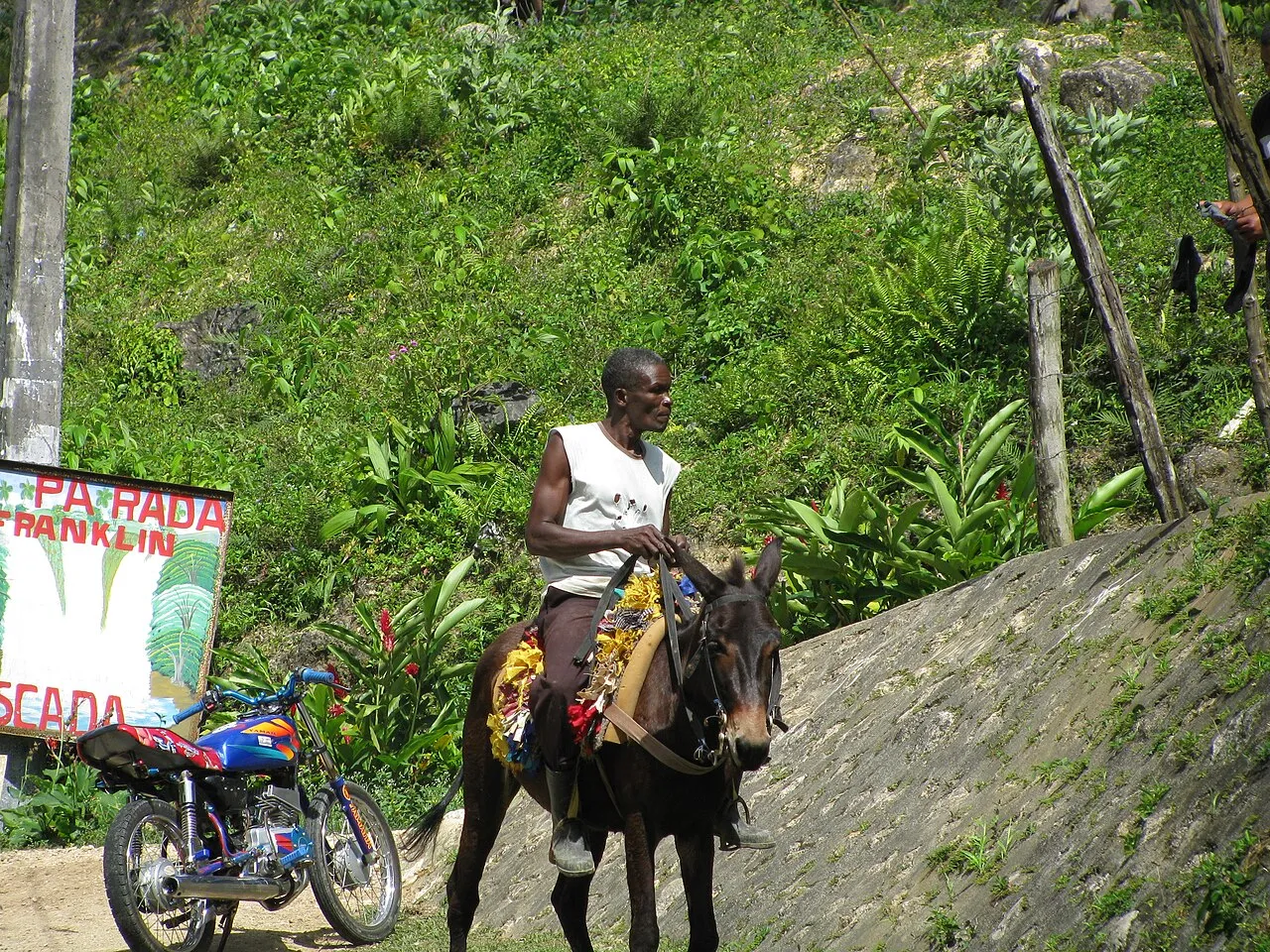
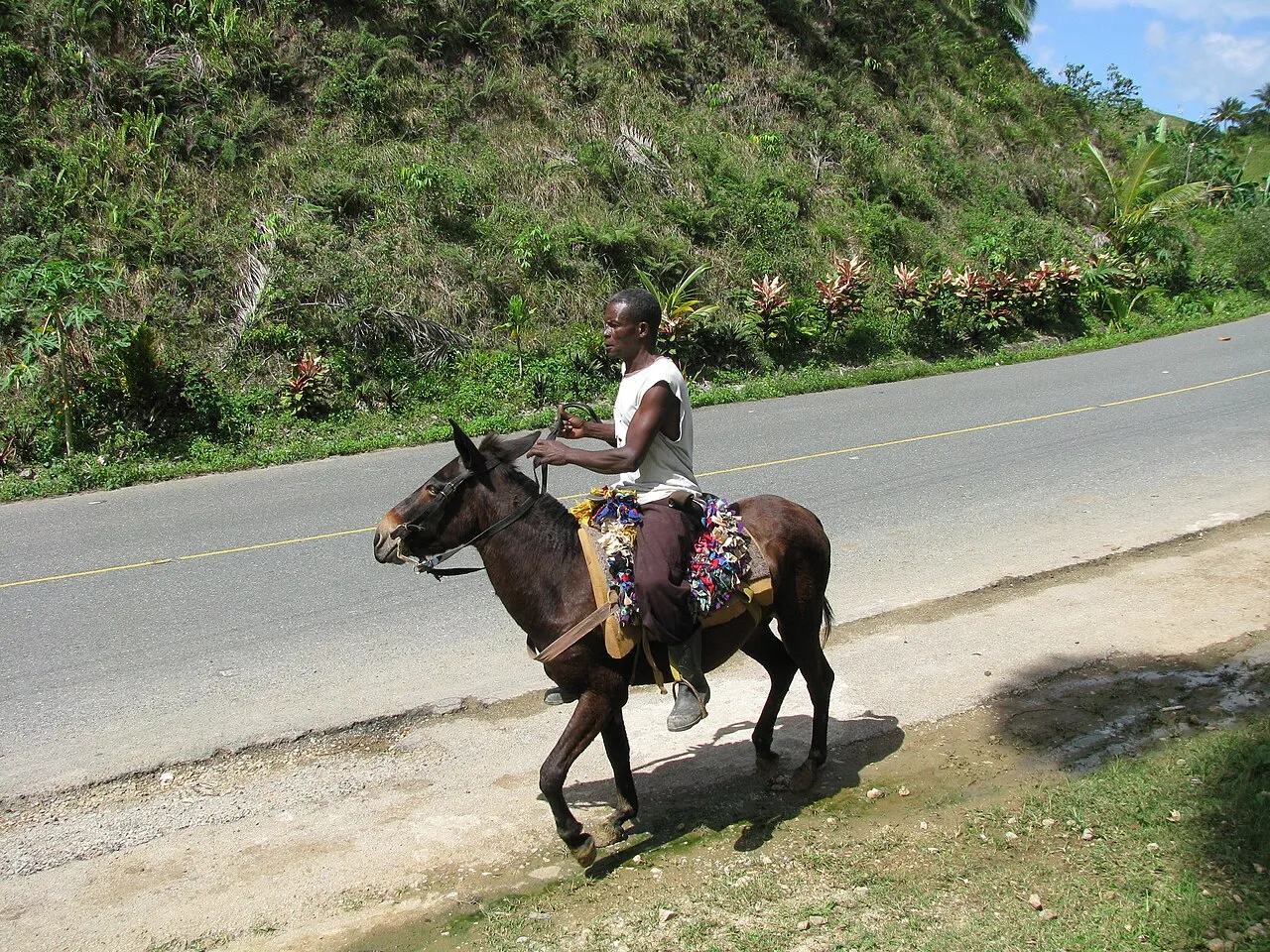
Samana is one of the best ports in the Caribbean for horseback riding, with trails winding through coconut groves, along beaches, and through the jungle to El Limon waterfall. Half-day rides cost $30-50 per person. Operators at the pier can arrange rides, or book ahead through your ship for guaranteed return. No prior riding experience necessary — the horses know the trails well.
Playa Rincon
Consistently rated among the top beaches in the Caribbean — a long, undeveloped stretch of golden sand backed by coconut palms with warm, clear water. Accessible by boat taxi ($20-25 per person round-trip) or by rough road. The boat is the better option. Simple beach restaurants serve fresh-caught fish and cold drinks for about $8-15. This is an independent explorer's paradise — no crowds, no resorts, just natural Caribbean beauty. Plan for a half-day minimum to enjoy it properly.
Depth Soundings Ashore
Lessons learned the hard way.
- Whale Watching Timing: Book the earliest available departure for whale watching. Morning seas are typically calmer, and the whales are often more active in the cooler hours. Boats maintain strict distance rules now (100 meters minimum) — respect them so these gentle giants keep returning year after year.
- Seasickness Planning: Samana Bay can get choppy, especially in February and March when trade winds are strong. Take Dramamine or meclizine at least 30 minutes before departure. Sit in the center of the boat for the smoothest ride. The cost of prevention is far less than the cost of a ruined excursion.
- Cash Is King: While US dollars are widely accepted, having Dominican pesos gives you better value at local restaurants and with taxi drivers. ATMs in town dispense pesos. Small bills are essential — breaking a $50 or $100 can be difficult at beach restaurants and with boat taxi operators.
- Tender Port Reality: Samana is a tender port, which means weather can cause delays or, in rare cases, cancellation of the port call entirely. Have a flexible mindset. If seas are rough, the tender process takes longer — factor this into your excursion planning and build in buffer time for the return.
- Waterfall Mud: The trail to El Limon waterfall is muddy even in dry season. Wear shoes you do not mind getting dirty — flip-flops are a bad idea. The horseback option is easier but still involves some walking on slippery ground.
- Off-Season Value: Outside whale season (April-December), Samana is quieter and prices drop. The waterfalls, beaches, and Los Haitises are still spectacular year-round. However, without the whales, the port loses its signature draw, and some operators may not run trips.
- Sun Protection: The tropical sun at this latitude is intense even on cloudy days. Reef-safe sunscreen, a hat, and water are non-negotiable for any shore excursion.
Photo Gallery
Frequently Asked Questions
Q: Is Samana worth visiting during whale season?
A: In whale season (mid-January to late March), Samana offers the best whale watching in the Caribbean — a 95% success rate for seeing humpbacks. The Marine Mammals Sanctuary hosts 1,500-2,000 whales annually. If your cruise visits during this window, it is one of the finest port days you will ever have.
Q: What if my cruise visits outside whale season?
A: Samana is still a beautiful port with El Limon waterfall, Los Haitises National Park, Cayo Levantado beach, and Playa Rincon. However, the whales are the signature draw, and without them the port is a pleasant beach day rather than a transformative one. Excursion costs may be lower off-season.
Q: Can you walk from the tender pier into town?
A: Yes, Samana town is right at the tender pier. The waterfront Malecon is a flat, easy walk. Most excursions and whale watching boats depart from or near the pier, so you rarely need transport unless heading to the waterfall or distant beaches.
Q: How long is a whale watching excursion?
A: Typically 3-4 hours on the water, including transit to the whale viewing areas and observation time. The fare ranges from $50-80 per person. Allow 4-5 hours door-to-door from the tender pier and back.
Q: Is Samana accessible for visitors with limited mobility?
A: The tender pier and waterfront Malecon are accessible for wheelchair users and those with mobility challenges. Whale watching boats vary in accessibility — ask the operator about boarding arrangements when you book. Cayo Levantado's beach is relatively flat near the waterline. El Limon waterfall and Los Haitises involve uneven terrain and are not wheelchair accessible. The ship excursion desk can advise on the most accessible options available.
Q: What should I pack for a day in Samana?
A: Sunscreen (reef-safe), hat, comfortable walking shoes, swimsuit, waterproof camera or phone case, binoculars for whale watching, seasickness medication if prone, cash in small bills, and a light rain layer. Water is essential — the tropical heat is relentless.
Q: Is it safe to explore Samana independently?
A: The tourist areas around the pier, Malecon, and Cayo Levantado are generally safe. Use common sense: do not flash valuables, negotiate taxi fares before departing, and stay aware of your surroundings. For whale watching, going independent is fine with reputable operators — but for guaranteed return to the ship, the ship excursion is the safest option.
Q: What is the best time to visit Samana?
A: The page's whale-season FAQ above describes "mid-January to late March" as humpback peak with a "95% success rate" for sightings. The seasonal panel lists Peak Season as "Dec, Jan, Feb, Mar, Apr," Transitional Season as "May, Jun, Nov," and Low Season as "Jul, Aug, Sep, Oct," with the avoidance note flagging "Sep, Oct" for "hurricane risk." Use the live weather widget in the seasonal panel for current short-term conditions.
Q: What is hurricane season in Samana?
A: The avoidance note in the Best Time block above flags "Sep, Oct" for "hurricane risk." Specific Atlantic-basin dates and storm history are not detailed on this page; for current tropical-system status on a specific sailing date, the live weather widget in the seasonal panel above is the primary source.
Q: Will rain ruin my Samana port day?
A: The seasonal panel does not give Samana-specific rainfall data — the Rain entry reads "Seasonal variation — check forecast." The Best Time block lists "Dec, Jan, Feb, Mar, Apr" as Peak Season, with "Sep, Oct" the only window flagged in the avoidance note (for "hurricane risk"). The live weather widget in the seasonal panel is the source for short-term forecasts on a specific sailing date.
Image Credits
- Hero image and gallery: Wikimedia Commons (CC BY-SA)
- Featured images (waterfall, Los Haitises, horseback riding): Wikimedia Commons (CC BY-SA)
- Logbook images (bay, whale, Cayo Levantado, town): Wikimedia Commons (CC BY-SA)
Last reviewed: February 2026
Samana: My Whale Watching Wonder
Key Facts
- Region
- Caribbean
- Currency
- Dominican Peso (DOP); US dollars widely accepted at tourist-oriented businesses. ATMs available in town. Credit cards accepted at larger operators
- Language
- Spanish is the primary language, but English is widely spoken in tourist areas and by many whale watching operators. Some locals in Samana town also speak an English Creole dating back to the 1824 settlement