


Photo: Wikimedia Commons
My Logbook: Sailing Into the Caldera
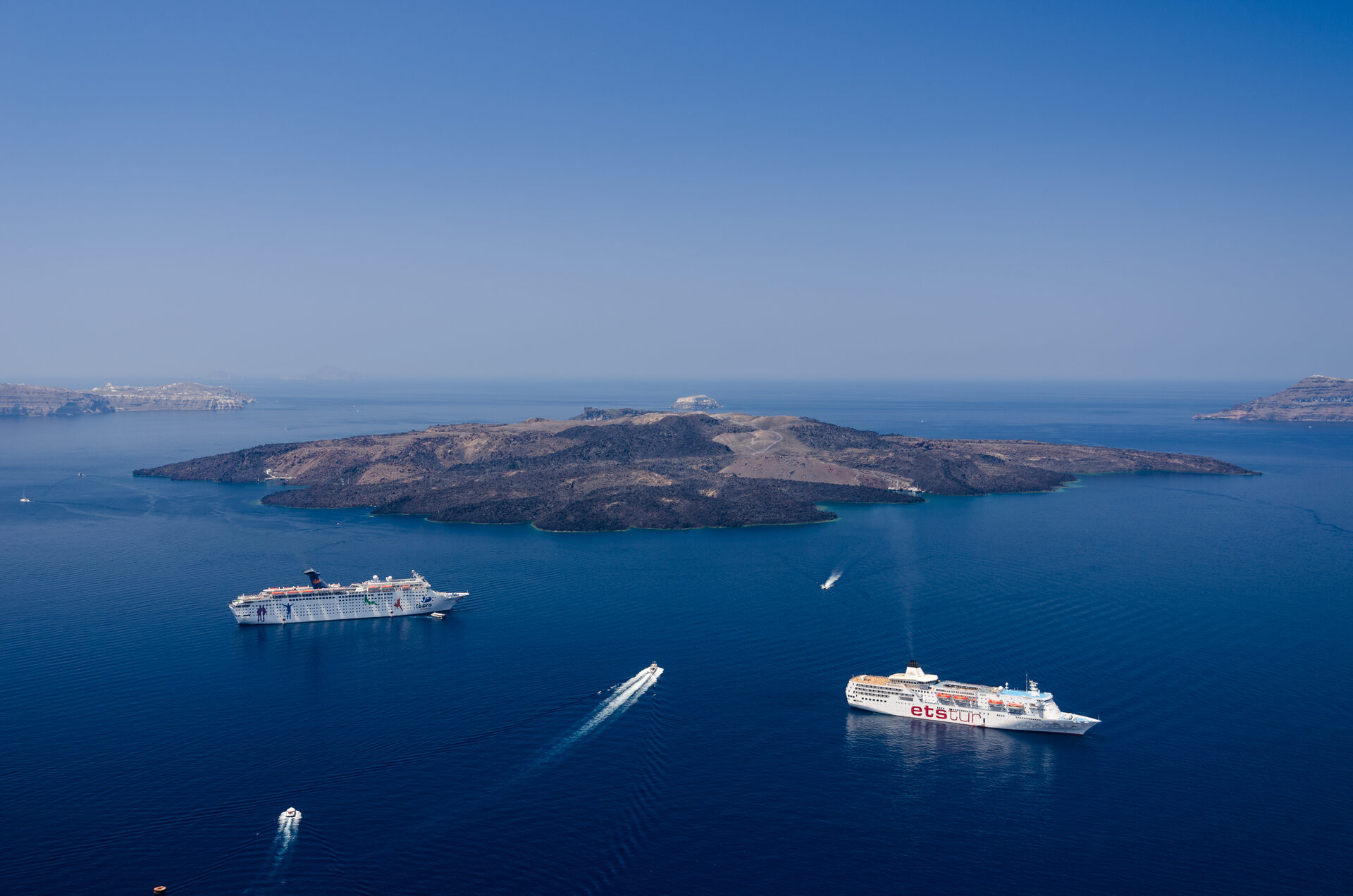
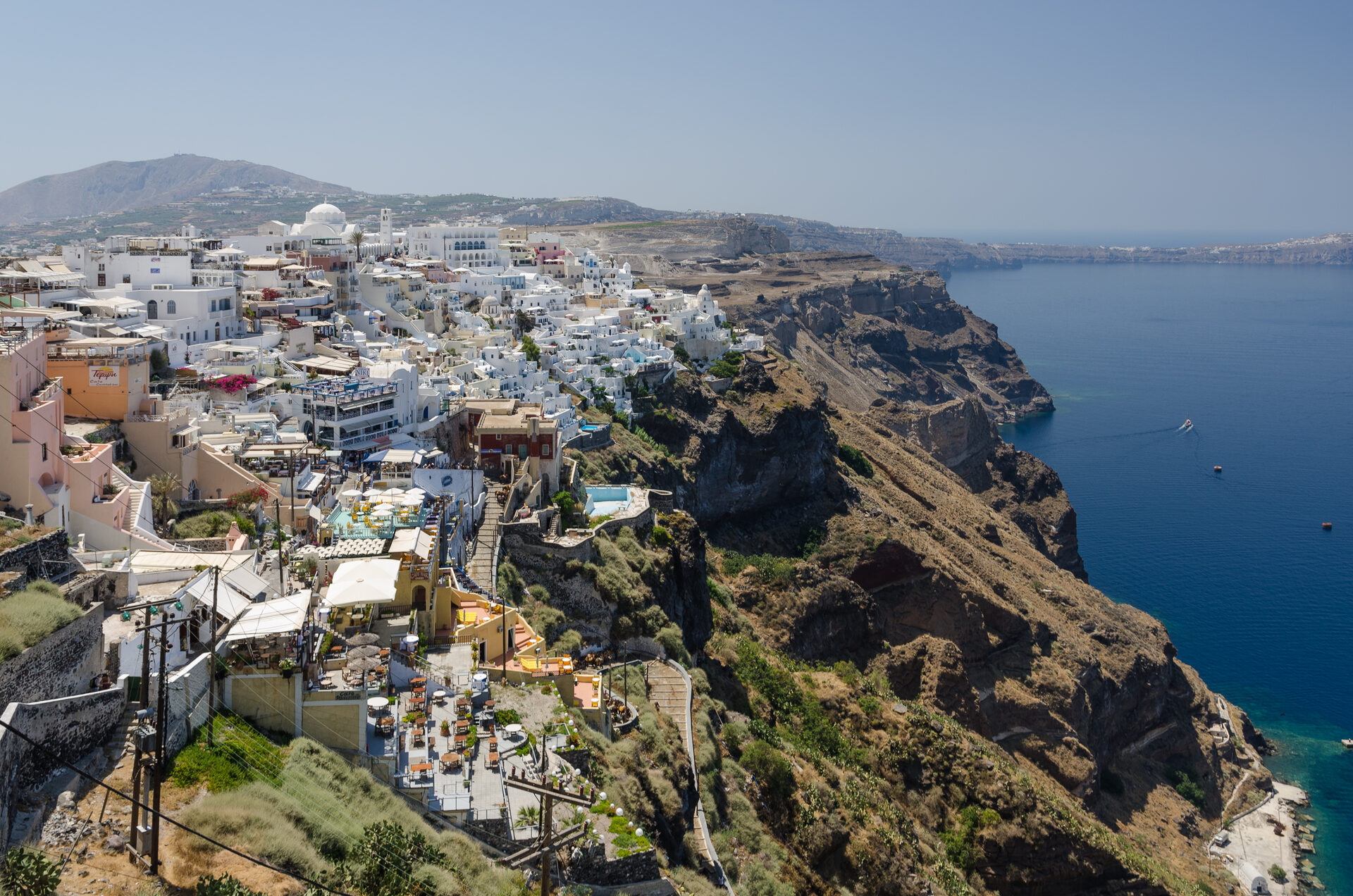
Every single time our ship rounds the northern cliffs at dawn and begins the slow approach into Santorini's caldera, I stand on deck in something approaching reverence. You're not just sailing into a pretty harbor—you're entering the collapsed heart of a volcano that exploded around 1600 BC in one of the most powerful eruptions in recorded time. That detonation was so massive that the entire center of the island simply vanished, swallowed into the depths, leaving behind a flooded crater measuring 12 kilometers by 7 kilometers. The seabed beneath our hull drops 385 meters straight down; the cliffs surrounding us rise 300 meters straight up. We're floating inside a geological wound 3,600 years old, and perched impossibly along those towering cliffs are the white-washed villages of Fira, Imerovigli, and Oia—sugar-cube buildings clinging to the abyss, defying gravity and time itself. This isn't just beautiful. It's humbling in a way that makes you feel very small and very lucky to witness it at all.
I've been lucky enough to visit Santorini on various Mediterranean itineraries, and the story never gets old—because it's a story written in fire and ash, in civilizations lost and legends born. That 1600 BC eruption didn't just reshape the island; it reshaped the ancient world. The explosion sent tsunamis racing across the Mediterranean, and likely contributed to the sudden collapse of the sophisticated Minoan civilization on nearby Crete. Some scholars believe this cataclysm—a thriving island civilization swallowed by the sea in a single day of fire and darkness—inspired Plato's legend of Atlantis. However, standing on deck as the morning sun ignites those white villages in shades of pink and gold, watching the cliffs glow against the wine-dark Aegean, you understand why myths are born in places like this. The scale of what happened here is almost beyond comprehension, yet the evidence surrounds you everywhere.
My perfect Santorini day starts early—I mean first-tender early. Since there's no cruise pier, ships anchor in the caldera's deep waters and ferry passengers ashore by tender to the old port at Skala, nestled at the base of those towering 300-meter cliffs. The goal is to reach Oia before the excursion buses arrive around 10 a.m. From Skala, I take the cable car up to Fira—a thrilling three-minute ride dangling above the cliff face, the entire caldera spreading out beneath you like a painting come to life—and then catch the first bus to Oia. Arriving early means you get Oia while it's still waking up: shopkeepers sweeping their doorsteps, cats stretching in the morning sun, and those iconic blue-domed churches framed against the caldera with nobody else in the shot. That early-morning quiet, when you have one of the world's most photographed villages nearly to yourself, is indescribable—my heart ached at the sheer beauty of it all, pure magic in a world that often feels too crowded for it. Though the famous Oia sunset is breathtaking, you'll share it with thousands—but the sunrise you can have almost alone.
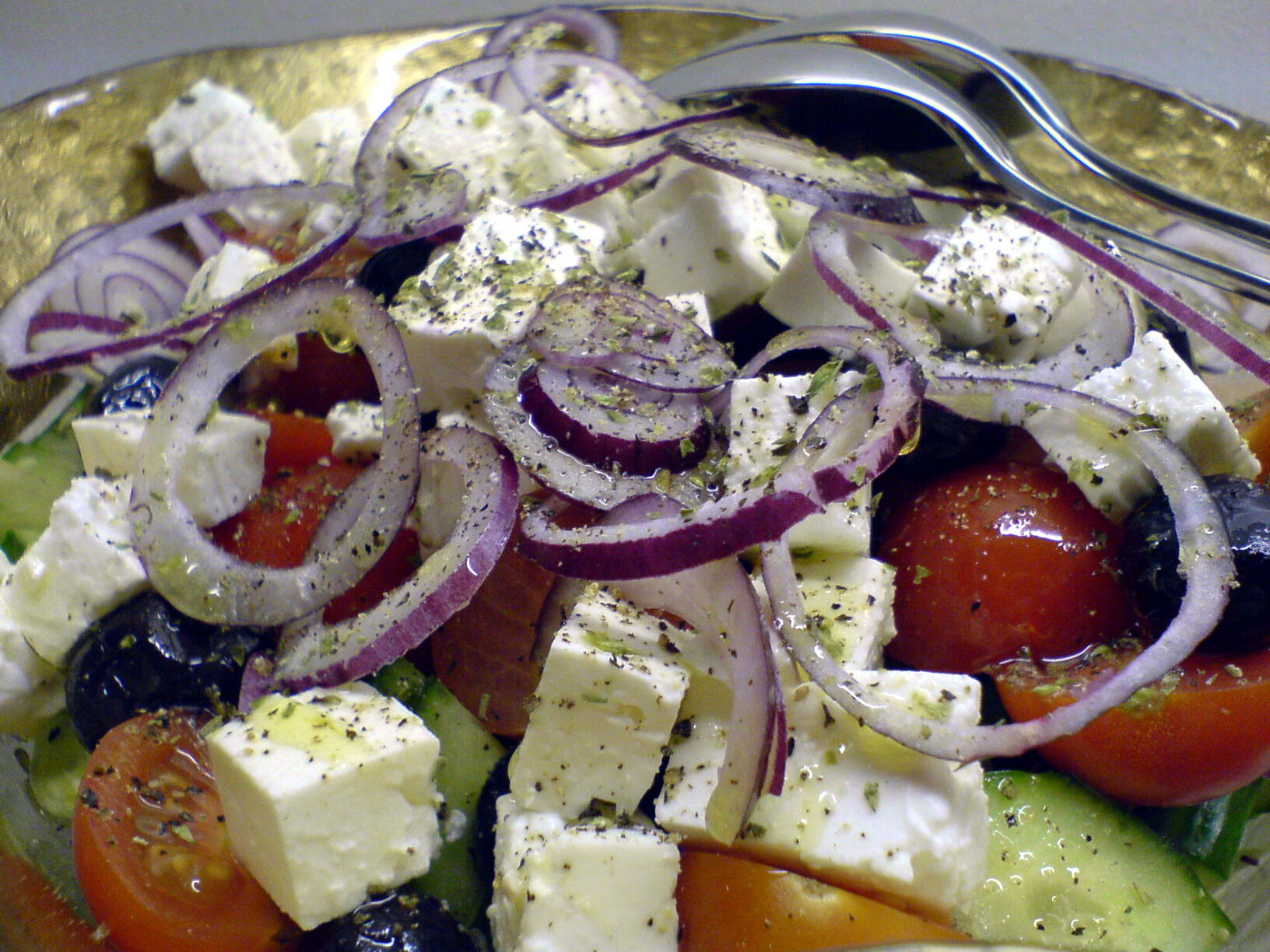
After Oia, I usually work my way back toward Fira, stopping in Imerovigli and then wandering Fira's cliffside maze in the late morning. The shopping is excellent—handmade jewelry crafted from volcanic glass, ceramics glazed in Aegean blues, local art capturing the island's dramatic light—and the food is some of the best in Greece. I always order tomato keftedes made with Santorini's famous sweet cherry tomatoes, creamy fava with capers, perfectly grilled octopus, and a Greek salad that puts every stateside imitation to shame. Santorini is famous for its Assyrtiko white wine—crisp, bone-dry, with a minerality that literally tastes of volcanic soil. Santo Wines has the most dramatic tasting-room views on the island, perched right on the caldera edge where you can sip wine and watch the sun sink into the Aegean as the sky ignites in colors that don't seem real.
For those who want to go beyond the postcard and touch deep story, the ancient ruins of Akrotiri are absolutely essential—and profoundly haunting. This Bronze Age Minoan settlement was buried and perfectly preserved under meters of volcanic ash by that same cataclysmic 1600 BC eruption. Archaeologists began excavating in 1967 and uncovered what they call the "Minoan Pompeii"—a sophisticated city frozen in the moment of catastrophe. Walking through the modern protective structure, peering down into streets and multi-story houses that still hold pottery, frescoes of dolphins and lilies, and advanced plumbing systems intact after 3,600 years, you realize this wasn't some primitive village. This was a thriving civilization with art, trade networks, and engineering prowess—all erased in a matter of hours when the volcano spoke.
Looking back at my Santorini visits, I realize this island teaches something about time. We rush through ports checking boxes, but here the caldera forces you to pause. The lesson isn't about volcanic geology or ancient civilizations—it's about recognizing when a place demands stillness, and having the wisdom to give it.
Weather & Best Time to Visit
Cruise Port Information
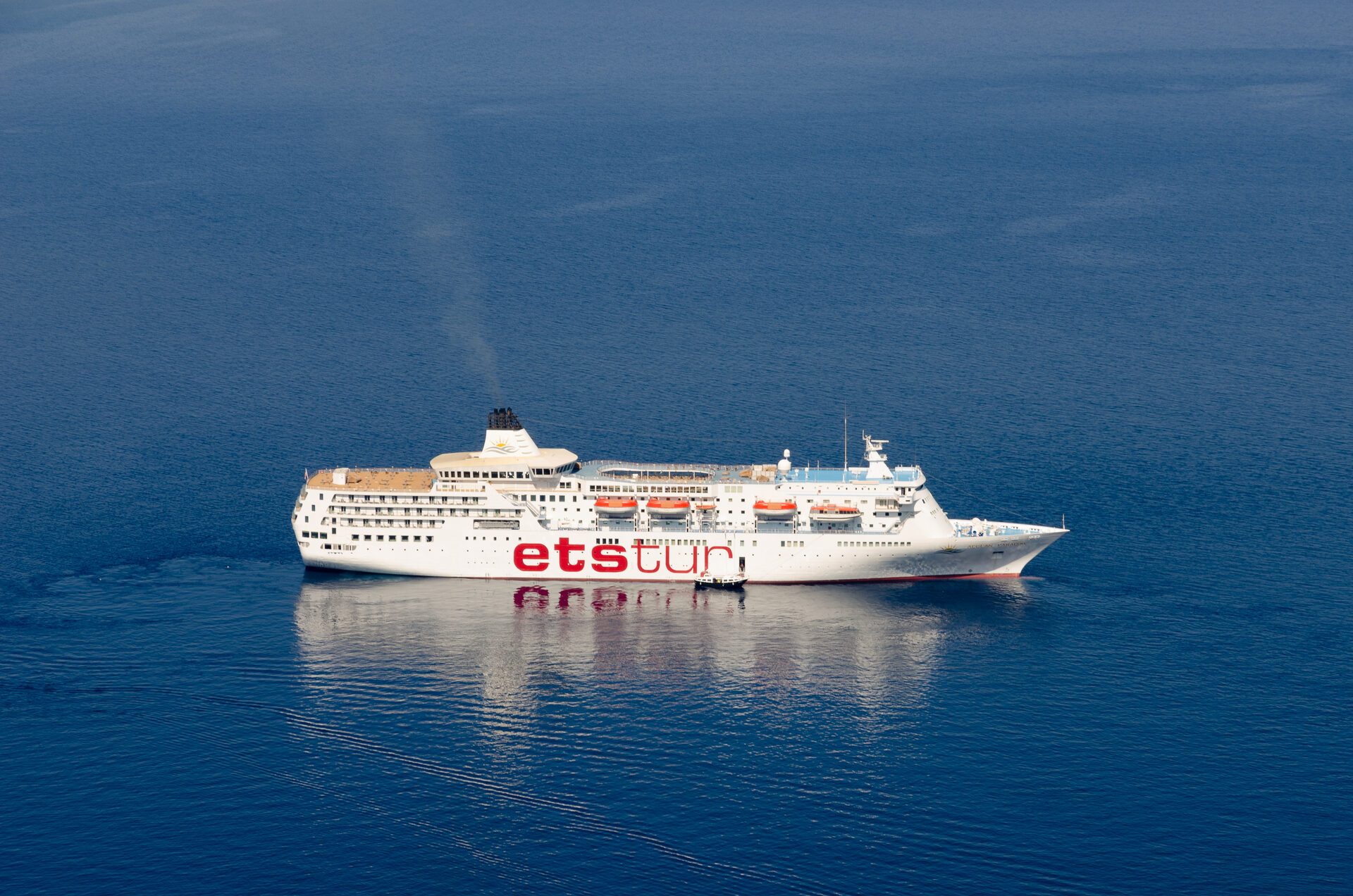
Santorini has no cruise pier—vessels drop anchor in the caldera's deep waters and ferry passengers ashore via tender boats. The dramatic setting places you at the base of towering cliffs rising more than 300 meters above sea level, creating one of cruising's most spectacular arrivals. Most tenders go to Skala (the old port), nestled directly beneath the clifftop capital of Fira. From this small harbor, three routes ascend to Fira town above: the cable car (recommended), donkey rides (controversial due to animal welfare concerns), or walking the 588 steep steps carved into the cliff.
Some ships tender to Athinios new port instead, which offers a 20-minute bus connection to Fira. Tender operations depend entirely on sea conditions—wind and waves can delay or occasionally cancel tendering altogether, so always keep close track of your ship's all-aboard time. The tender ride itself takes roughly 10-15 minutes and offers stunning perspectives of the caldera's sheer walls and perched villages above.
Getting Around Santorini
Cable Car to Fira
The cable car from Skala old port provides a thrilling five-minute ride straight up the cliff face, costing approximately six euros each way. Lines build quickly once multiple ships arrive—go early morning or late afternoon to minimize waits. Views during the ascent are breathtaking. I recommend this option for everyone; it's fast, comfortable, and scenic.
Public Buses
The island's KTEL bus system connects all major towns from Fira's central bus station. Service is frequent, affordable, and reliable during tourist season. Key routes include Fira to Oia (approximately 20 minutes, runs every 20-30 minutes), Fira to Perissa Beach (about 20 minutes), and Fira to Akrotiri (roughly 20-25 minutes). Buses can become crowded midday when cruise ships are in port, and cash is typically required for tickets.
Taxis and Private Drivers
Limited taxi availability makes advance booking essential if you want dedicated transport for the day. Pre-arrange through your ship or local contacts, as flagging cabs proves difficult during peak season. For groups, this can be a cost-effective option that offers flexibility and comfort.
Walking
Individual towns like Oia and Fira are extremely walkable—in fact, their historic cores are entirely pedestrian. Expect steep inclines, countless stairs, and uneven cobblestone surfaces throughout. The caldera rim hiking trail between Fira and Oia covers about 10 kilometers with spectacular views but takes 3-4 hours and requires proper footwear and sun protection. My advice is to bring comfortable walking shoes with good traction.
Santorini Port Map
Interactive map showing the tender pier, cable car, villages, and key attractions. Click any marker for details and directions.
Shore Excursions & What to See
Booking guidance: Catamaran cruises and wine tours fill quickly—book ahead through local operators or your ship excursion desk. Ship excursions offer guided experiences with guaranteed return to port. Independent exploration via public bus works well for confident travelers since the island is compact and well-connected.
Oia Village
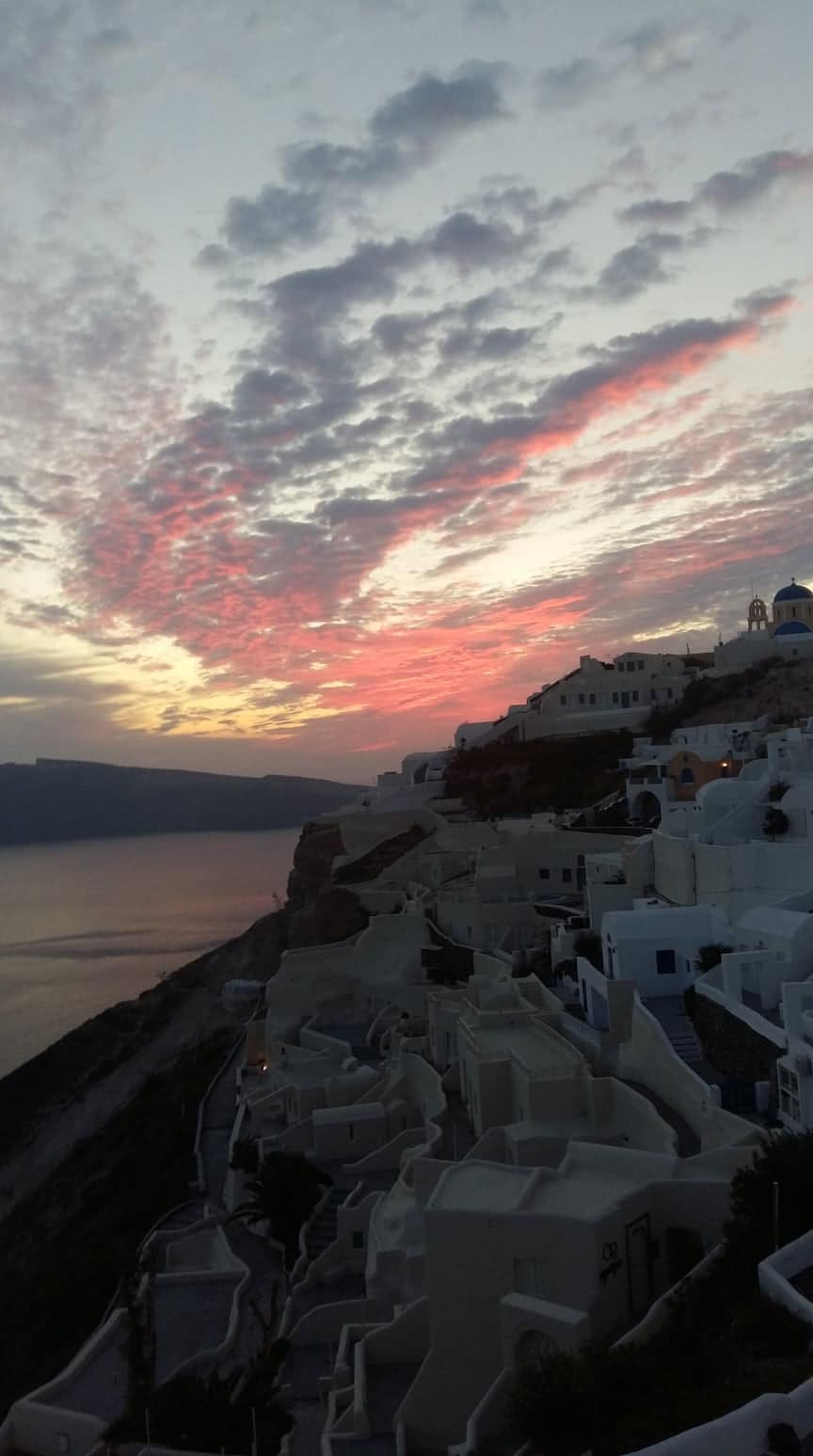
The island's postcard village, perched on the northern tip of the caldera rim. Whitewashed cave houses cascade down the cliff in perfect harmony, creating the iconic Cycladic aesthetic that defines Santorini. Oia is world-famous for sunset views—though I found the crushing crowds diminish the experience somewhat. My recommendation is arriving early morning for photography and peaceful exploration when the village is still waking up.
Akrotiri Archaeological Site
Often called the "Minoan Pompeii," this Bronze Age settlement was perfectly preserved when buried under volcanic ash around 1600 BC. Modern walkways and a protective roof system allow you to peer down into ancient streets, multi-story buildings, and rooms still holding pottery and frescoes. The sophistication of this 3,600-year-old civilization is humbling. Entrance is approximately €12, and I recommend planning 60-90 minutes for a thorough visit.
Catamaran Caldera Cruise
Viewing Santorini from water level provides completely different perspectives on the island's geological drama. Catamaran cruises (typically €80-150 depending on duration and inclusions) circle the caldera, often including swimming stops at volcanic hot springs where sulfur-warmed water creates reddish-tinted thermal zones, snorkeling at beaches inaccessible by land, and barbecue meals prepared onboard. Sunset sailing cruises are particularly magical, with wine service and front-row seats to nature's evening show.
Vineyard Tours at Santo Wines
Santorini's volcanic terroir creates mineral-rich whites found nowhere else in Greece. Santo Wines features a large terrace built for sunset sipping, perched right on the caldera edge. Tastings run approximately €15-25 for a flight of several wines with snacks. The Assyrtiko whites are crisp, bone-dry, and absolutely distinctive—you can literally taste the volcanic soil. I found the combination of excellent wine and jaw-dropping views makes this essential for any Santorini visit.
Volcanic Shorelines (Red and Black Sand)
The island's volcanic origins produce dramatic beaches: Red Beach near Akrotiri features towering crimson cliffs plunging into turquoise waters, while Perissa and Kamari offer organized black sand beaches with sunbeds (typically around €10-15 for two chairs and an umbrella), beach bars, and water sports. The dark sand absorbs heat intensely—beach shoes are practically mandatory by midday. Buses from Fira to both Perissa and Kamari run frequently during cruise season for approximately €2.30 each way. I found Perissa slightly less crowded than Kamari, though both offer excellent swimming and waterfront dining.
Volcano Hike at Nea Kameni
Boat excursions (typically €20-30 per person) take visitors to the volcanic island at the caldera's center, followed by a guided hike across the rocky lunar landscape to active crater areas where sulfur vents still emit heat and gases. The moon-like terrain fascinates geology enthusiasts, and most tours combine this with swimming at the nearby hot springs.
DIY vs. Ship Excursion: Oia Sunset & Village Walk
DIY Independent (€15-25/person)
- Cable car €6 up, €6 down (or donkey ride €5)
- Bus from Fira to Oia €1.80, 25 minutes
- Wander the blue-domed churches at your own pace
- Cable car lines can exceed 45 minutes at peak
Ship Excursion (€60-90/person)
- Tender + van transport bypasses cable car crowds
- Guided tour covers history and photo spots
- Often includes local vineyard visits or caldera views
- Fixed schedule limits free exploration time
Depth Soundings Ashore
Practical tips before you step off the ship.
Beat the cable car lines: The cable car becomes a bottleneck when multiple ships arrive simultaneously. First tender off the ship in the morning means minimal wait, as does returning to the ship late afternoon. Midday waits can exceed 45-60 minutes during peak season.
Footwear matters: Santorini is a vertical island with constant stairs, steep inclines, and cobblestone streets polished smooth by millions of feet. Wear comfortable walking shoes with good traction and arch support. You'll be on your feet extensively, often on uneven surfaces.
Bring sufficient cash: While larger establishments accept credit cards, many small shops, family tavernas, and bus services operate cash-only. ATMs exist in Fira and Oia, but lines can be long when ships are in port. Small denominations are most useful.
Hydration and sun protection: The Greek summer sun is intense, reflected and amplified by white buildings and light-colored stone. Drink water constantly—carry a refillable bottle. Apply high-SPF sunscreen repeatedly, wear a hat with a brim, and seek shade during peak heat hours.
Watch your tender schedule: Missing the last tender is every cruise passenger's nightmare, and Santorini's tender-dependent operations make this risk real. Factor in cable car waits, bus delays, and navigation through crowded streets when planning your return. Set phone alarms for your intended departure time.
Weather backup plan: Santorini's tender operations are entirely weather-dependent. Strong winds or high seas can delay tendering for hours or, in extreme cases, cancel port calls entirely. Monitor weather forecasts as your cruise approaches Santorini.
Photo Gallery
Frequently Asked Questions
How do I get from the ship to Oia?
Tender to the old port at Skala, take the cable car up to Fira (approximately six euros, five minutes), then catch a bus to Oia (around two euros, twenty minutes). Total time is about 45-60 minutes including waits. Going early gives you empty streets and the best photos without the midday crowds.
Where are the famous blue domes?
The most photographed blue domes are in Oia, near the Three Bells of Fira church. There's also a famous viewpoint looking down at blue domes with the caldera behind. Follow the crowds or ask any local—they're accustomed to pointing photographers in the right direction.
Is the catamaran cruise worth it?
Absolutely. Swimming in the volcanic hot springs, snorkeling at Red Beach, and watching the sunset from the water with wine service ranks among the top cruise-port experiences in the Mediterranean. Book ahead through local operators or your ship's excursion desk.
What caused the caldera formation?
A massive volcanic eruption around 1600 BC caused the island's center to collapse into the sea, creating the 12 by 7 kilometer caldera. This eruption was one of the most powerful in recorded time, contributing to the end of Minoan civilization and possibly inspiring Plato's Atlantis legend.
What's the best time of year to visit Santorini?
The seasonal panel above lists Peak Season as "May, Jun, Jul, Aug, Sep," Transitional Season as "Apr, Oct," and Low Season as "Nov, Dec, Jan, Feb, Mar." Use the live weather widget in the seasonal panel for current short-term conditions.
What should I pack for Santorini?
The Packing Tips section in the seasonal panel above lists: "Sunscreen and sunglasses — essential year-round"; "Light layers for variable temperatures"; "Comfortable walking shoes for exploring"; and "Rain jacket or compact umbrella." The page's Footwear note adds: "Santorini is a vertical island with constant stairs, steep inclines, and cobblestone streets polished smooth" — so good traction matters.
What is Santorini's storm season?
The Weather Hazards panel above labels Santorini a "Winter Weather" zone with "Season: Nov – Mar" and "Peak risk: Jan, Feb." The hazard-note reads: "Shorter days, possible storms; dress warmly in layers." Specific storm history is not detailed on this page; use the live weather widget in the seasonal panel above for current conditions on any sailing date.
Will rain ruin my Santorini port day?
The seasonal panel does not give Santorini-specific rainfall data — the Rain entry reads "Seasonal variation — check forecast." The Best Time block lists "May, Jun, Jul, Aug, Sep" as Peak Season. The Winter Weather hazard-note notes "possible storms" across the Nov-Mar window. The live weather widget in the seasonal panel is the source for short-term forecasts on a specific sailing date.

Tender Port
Ships anchor offshore and passengers take small boats (tenders) to reach the pier.
Last reviewed: February 2026
The cable car is the bottleneck that can ruin your day. First tender off the ship means a 5-minute wait; by mid-morning you could wait an hour. Do NOT ride the donkeys if you care about animal welfare — the path is steep and the animals are overworked. Walking the 588 steps is free and takes 20 minutes if you are reasonably fit.