


Photo: Wikimedia Commons (CC BY-SA)
Last reviewed: February 2026
My Logbook: Where Medieval Meets Modern
I stepped off the gangway and my shoes hit cobblestones before I'd even properly looked up. That's what startled me about Stavanger — there was no shuttle bus, no long pier walk, no taxi queue. Our ship was docked at Strandkaien quay, and the medieval heart of Norway's fourth-largest city was literally at our feet. The cold salt air hit my face and I heard seagulls crying overhead while the smell of fresh bread drifted from somewhere I couldn't quite locate. I turned to my wife and said, "This is different."
We walked straight into Gamle Stavanger, the old town, and I found myself surrounded by 173 white wooden houses lining narrow cobblestone lanes. The paint was so bright against the gray Norwegian sky that it almost hurt to look at. I ran my fingers along a weathered door frame and felt the rough grain of timber that has stood here since the eighteenth century. Flower boxes spilled over with geraniums — red and pink — and the faint smell of wood smoke curled from a chimney somewhere above us. A cat sat on a windowsill watching us with perfect Nordic indifference. My wife laughed and said it was the most peaceful neighborhood she had ever walked through, and I had to agree. There was no traffic noise, no music blaring from shops, just our footsteps on the stones and the occasional cry of a gull wheeling overhead.
From the old town we walked to Stavanger Cathedral, which has stood since 1125 and is the oldest cathedral in Norway still in regular use. I pushed open the heavy wooden door and stepped inside, where the air was cool and smelled of centuries-old stone. The Romanesque columns rose above me, thick and sturdy, and the light filtered through stained glass windows in muted blues and golds. I sat in a pew for a few minutes and let the silence settle into me. There is something about sitting in a place where people have prayed for nearly nine hundred years that makes your own worries feel small and temporary. I whispered my own quiet prayer there, grateful for the chance to add my voice to that long, unbroken conversation.
We continued along the harbor to Ovre Holmegate, the street the locals call the colorful street, where every building is painted a different vivid shade — purple, teal, mustard, coral. I could smell coffee roasting from a small cafe halfway down the block, and we ducked inside for two cups of strong Norwegian black coffee and a kanelbolle, that cinnamon roll that is softer and less sweet than the American kind, dusted with pearl sugar that crunched between my teeth. The warmth of the mug in my hands felt like a small mercy against the chilly morning air. Outside the window, I watched a father lift his daughter onto his shoulders so she could see the ship in the harbor, and my eyes stung unexpectedly. Sometimes the smallest moments carry the most weight.
After coffee we walked along the harbor, past fishing boats and the angular glass-and-steel shapes of the Norwegian Petroleum Museum. Stavanger made its fortune from North Sea oil, and the contrast between the eighteenth-century wooden houses behind us and the drilling platforms visible across the water told the whole story of this city in a single glance. A group of schoolchildren streamed out of the museum, laughing and nudging each other in that universal way children do everywhere in the world. The harbor water was dark and calm, reflecting the clouds above, and the cold air carried the faint diesel smell of working boats mixed with the clean salt of the fjord.
Looking back, I learned that Stavanger does not shout for your attention. It speaks quietly and trusts you to listen. What matters most about our day was not the number of sights we checked off but the feeling of walking slowly through a town that has been standing for centuries and will be standing long after I am gone. That humility — the awareness of my own smallness against something so enduring — was the real gift of this port. Sometimes you have to travel to the edge of a Norwegian fjord to remember what stillness sounds like.
The Cruise Port
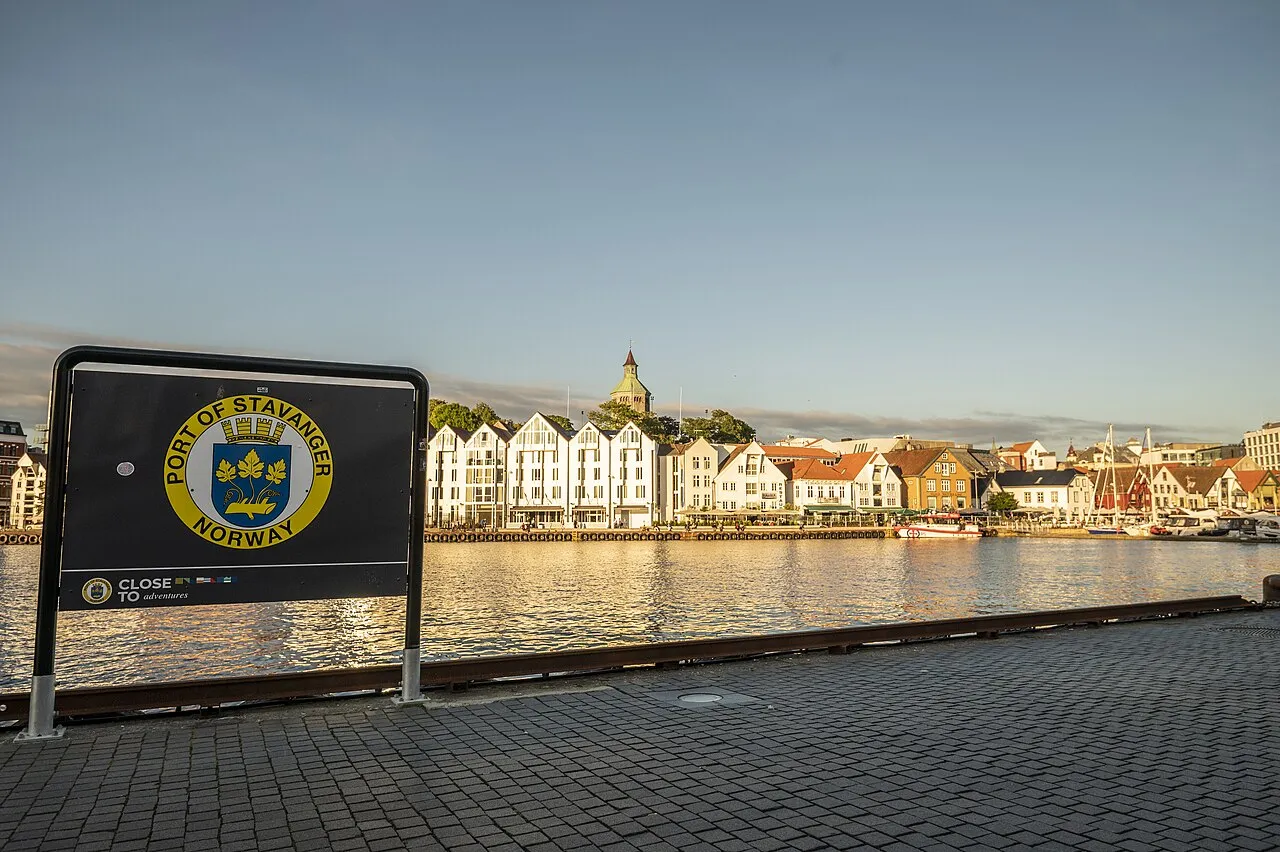
Cruise ships dock at Strandkaien quay in the heart of Stavanger's harbor, directly adjacent to the old town. This is one of the most convenient cruise port locations in Norway — you step off the gangway and you are already in the city center. No shuttle buses or lengthy walks required. The harbor area has restrooms, tourist information, and a few souvenir shops. Ships dock directly; no tender needed.
Stavanger is a regular stop on Norwegian fjords itineraries for lines including Royal Caribbean, MSC, Norwegian, Holland America, Princess, Celebrity, Costa, and several luxury lines. The cruise season runs May through September, with the longest daylight during June and July. On busy days, two or three ships may dock side by side along the harbor quay.
Quick Facts
Getting Around
Stavanger is one of Norway's most walkable cruise ports. The entire city center, including Gamle Stavanger (the old town), the cathedral, and the harbor area, sits within a 15-minute walk of the cruise berth. Unless you're heading to Pulpit Rock or the Lysefjord, you can see everything in town on foot.
On foot: From the cruise berth at Strandkaien, Gamle Stavanger's white wooden houses are a 5-minute walk. The Cathedral (Stavanger Domkirke) is 3 minutes in the other direction. The Norwegian Petroleum Museum sits on the harbor, 5 minutes from the ship. Øvre Holmegate (the color street) is 8 minutes away. The entire old town, harbor, and museum area can be covered in a relaxed 2-3 hour loop. Flat terrain throughout the center.
By bus: Kolumbus operates Stavanger's public bus network. Single tickets cost about 40 NOK (~$3.50) when bought via the Kolumbus app (more if purchased on board). Buses connect the city center to outlying areas, but most cruise visitors won't need them for in-town attractions.
By taxi: Taxis are available at the harbor. Stavanger taxis are metered and expensive by international standards — a short ride within the city costs 150-250 NOK ($14-23). For longer trips (e.g., to the Lysefjord ferry at Lauvvik), budget 500-700 NOK ($45-65) each way.
By ferry: Tourist ferries to the Lysefjord depart from the harbor area, a short walk from the cruise berth. These are the main transport option for visiting the fjord itself. Book through the ship or independently through operators like Rødne Fjord Cruises.
Mobility considerations: The harbor area and city center are flat and well-paved. Gamle Stavanger's cobblestone streets are relatively smooth. The Petroleum Museum is fully accessible. Pulpit Rock is NOT accessible for those with mobility challenges — the hike involves 4 hours of rough mountain trail. Low-mobility visitors should choose the Lysefjord cruise instead, which views Pulpit Rock from below.
Excursions
Stavanger offers both gentle in-town exploration and one of Norway's most dramatic outdoor challenges (Pulpit Rock). Most cruise passengers split into two camps: those who hike and those who don't. Both options are excellent. Ship excursions are strongly recommended for Pulpit Rock due to the logistics and timing — book ahead as these fill up fast on every ship.
Pulpit Rock (Preikestolen)
The iconic flat-topped cliff jutting 604 meters above the Lysefjord is Norway's most famous viewpoint. The hike is 4 hours round trip (8 km) over rocky, sometimes muddy mountain terrain with steep sections. Moderate to high fitness required. Ship excursions run $120-180 per person including transport to the trailhead (about 1 hour drive from Stavanger). Independent hikers can take the Preikestolen shuttle bus from Stavanger (about 250 NOK / $23 round trip), but timing is tight on a cruise port day — only attempt independently if your ship is in port 10+ hours. Bring layers, water, and sturdy hiking boots. The view is worth every step, but this is a genuine mountain hike, not a stroll.
Lysefjord Cruise
For those who don't hike, a fjord cruise from Stavanger harbor gives you views of Pulpit Rock from 604 meters below — plus waterfalls, remote farms, and the sheer granite walls of one of Norway's most dramatic fjords. Tours run 3 hours and cost about 500-700 NOK ($45-65) per person. Ship excursions run $80-120. Independent booking through Rødne Fjord Cruises departs from the harbor, a 5-minute walk from the cruise berth. Book ahead in peak season (July-August). Low stamina required — you're seated the entire time. Accessible for wheelchairs on most boats.
Gamle Stavanger
The old town's 173 white wooden houses from the 18th and 19th centuries form one of Europe's best-preserved wooden settlements. Narrow cobblestone lanes, flower boxes on every windowsill, and an atmosphere of quiet Nordic charm. Free to wander — no entry fee, no booking needed. Start at the harbor and work your way through the lanes. The Canning Museum (Hermetikkmuseet, 100 NOK / $9) tells the story of Stavanger's sardine industry. Allow 1-1.5 hours for a thorough exploration.
Norwegian Petroleum Museum
Norway's oil wealth is explained through interactive exhibits in this striking harbor-side museum. Full-scale drilling equipment, immersive films about North Sea operations, and thoughtful exhibits about energy and the environment. Admission: 180 NOK ($16) adults. Located on the harbor, 5 minutes from the cruise berth. Allow 1.5-2 hours. Good for families. No booking needed. Wheelchair accessible throughout.
Øvre Holmegate (Color Street)
This single block of brightly painted houses has become Stavanger's most photographed street. Quirky cafés, independent shops, and a cheerful contrast to the white wooden old town. Free to walk through. 8 minutes from the harbor. Stop for coffee at one of the cafés — a latte runs about 55-65 NOK ($5-6). No booking needed.
Stavanger Cathedral (Domkirke)
Norway's oldest cathedral, dating to approximately 1125, with Romanesque and Gothic architecture. Free admission. Open for visitors during daytime hours. Located 3 minutes from the harbor in the city center. A quiet, beautiful building that takes 20-30 minutes to appreciate.
Depth Soundings
Money: Norway uses the Norwegian Krone (NOK). Approximately 11 NOK equals 1 USD. Credit and debit cards are accepted almost everywhere — Norway is nearly cashless, and many shops and restaurants prefer card payment. ATMs are available in the city center. Your ship's exchange desk offers unfavorable rates. Budget 400-800 NOK ($36-73) per person for a comfortable day including lunch and a museum or two.
Timing: Start early if your ship arrives at dawn — Stavanger's compact center means you can see the in-town highlights in 3-4 hours, leaving time for a fjord cruise or the Pulpit Rock hike if your call is long enough. Allow 30 minutes before all-aboard for the walk back.
Safety: Stavanger is extremely safe. Petty crime is rare. The main risk is weather — even in summer, rain and wind can arrive suddenly. Bring a waterproof layer regardless of the forecast. For Pulpit Rock hikers: dress in layers, carry water, and take the trail seriously even if the weather looks perfect at the bottom.
Communication: Free Wi-Fi is available at many cafés and the tourist information office near the harbor. Norwegian mobile networks have excellent coverage. EU roaming rules apply for European visitors; others should check data roaming charges or download offline maps before disembarking.
Food & Water: Tap water safety varies by destination — ask locally or buy bottled water to be safe. The best food often comes from busy local restaurants rather than tourist-facing spots near the port. Lunch at a popular local place typically costs $8–$20 per person. Street food can be excellent value if you choose busy stalls with high turnover.
Photo Gallery
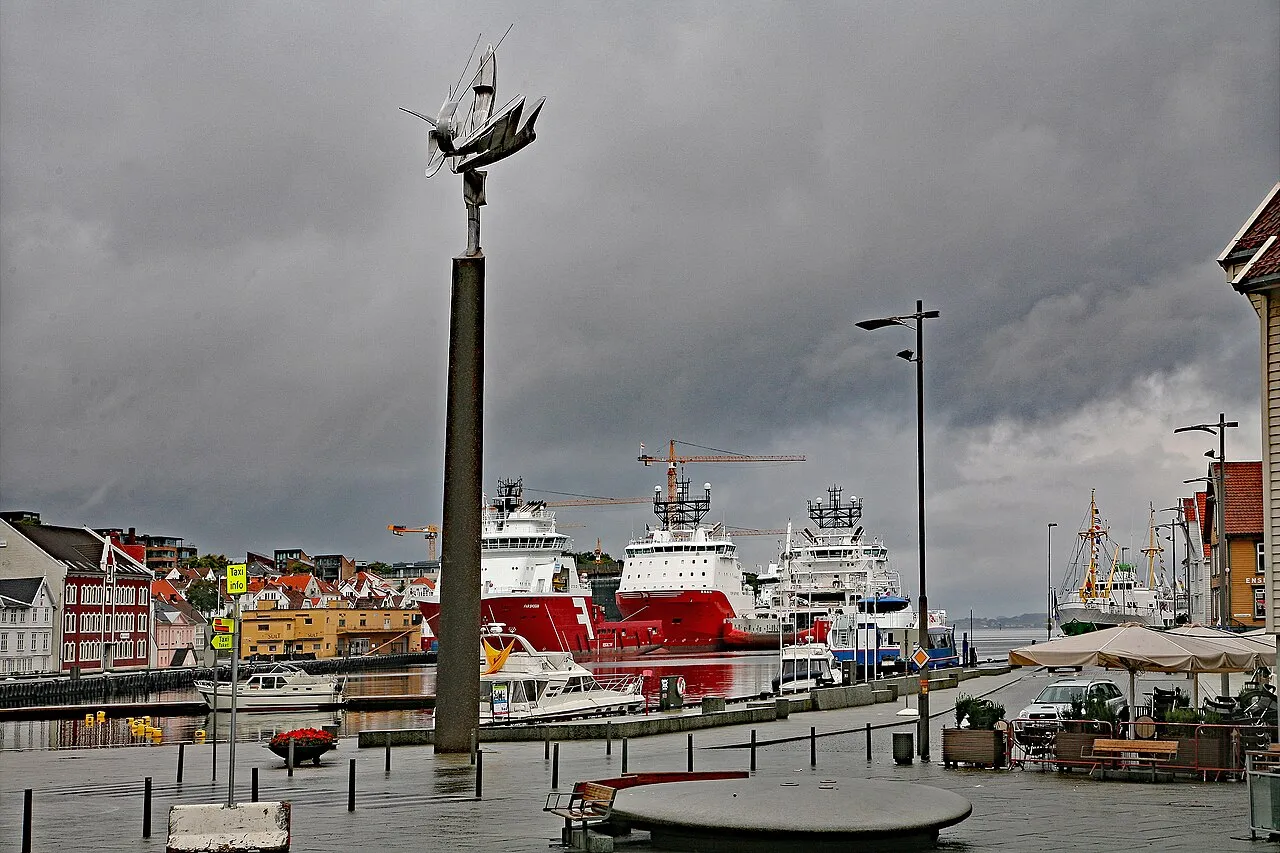
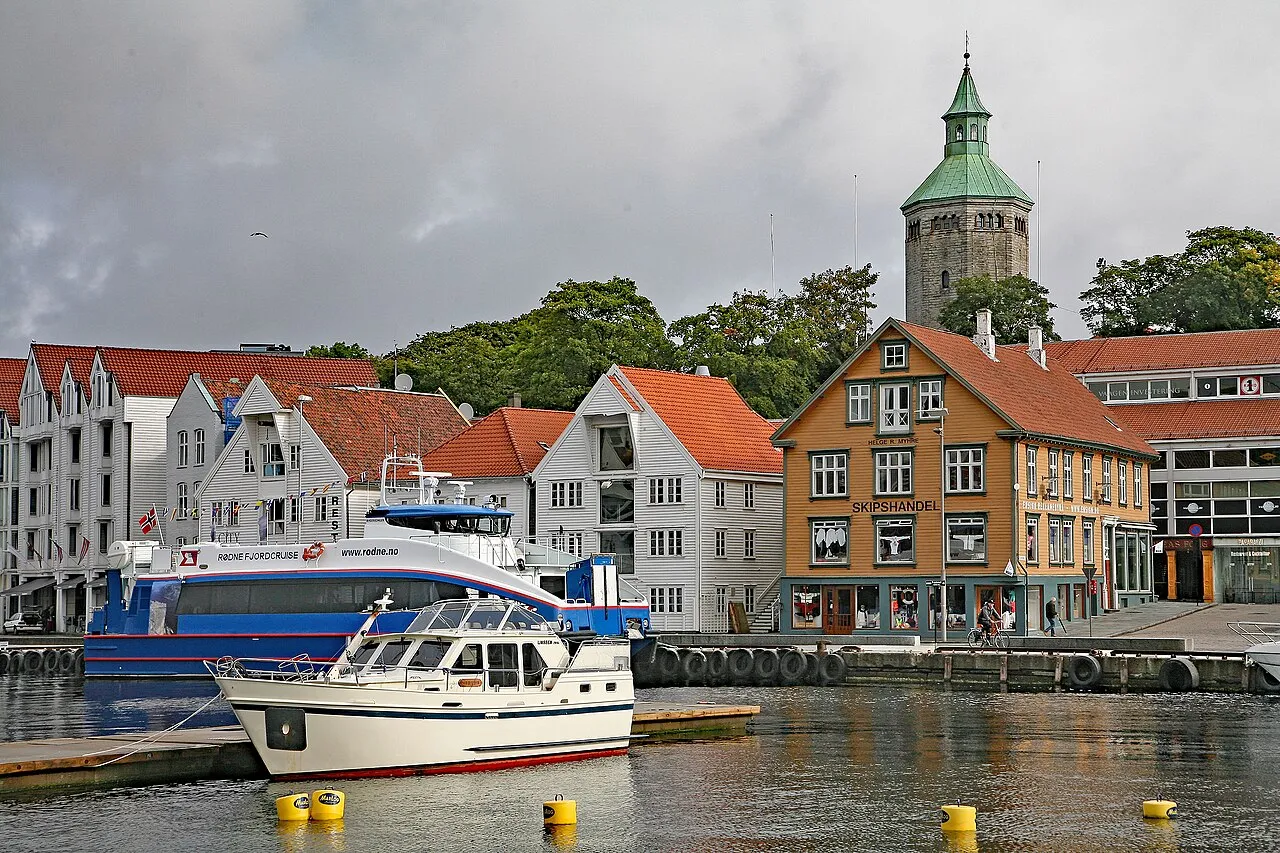
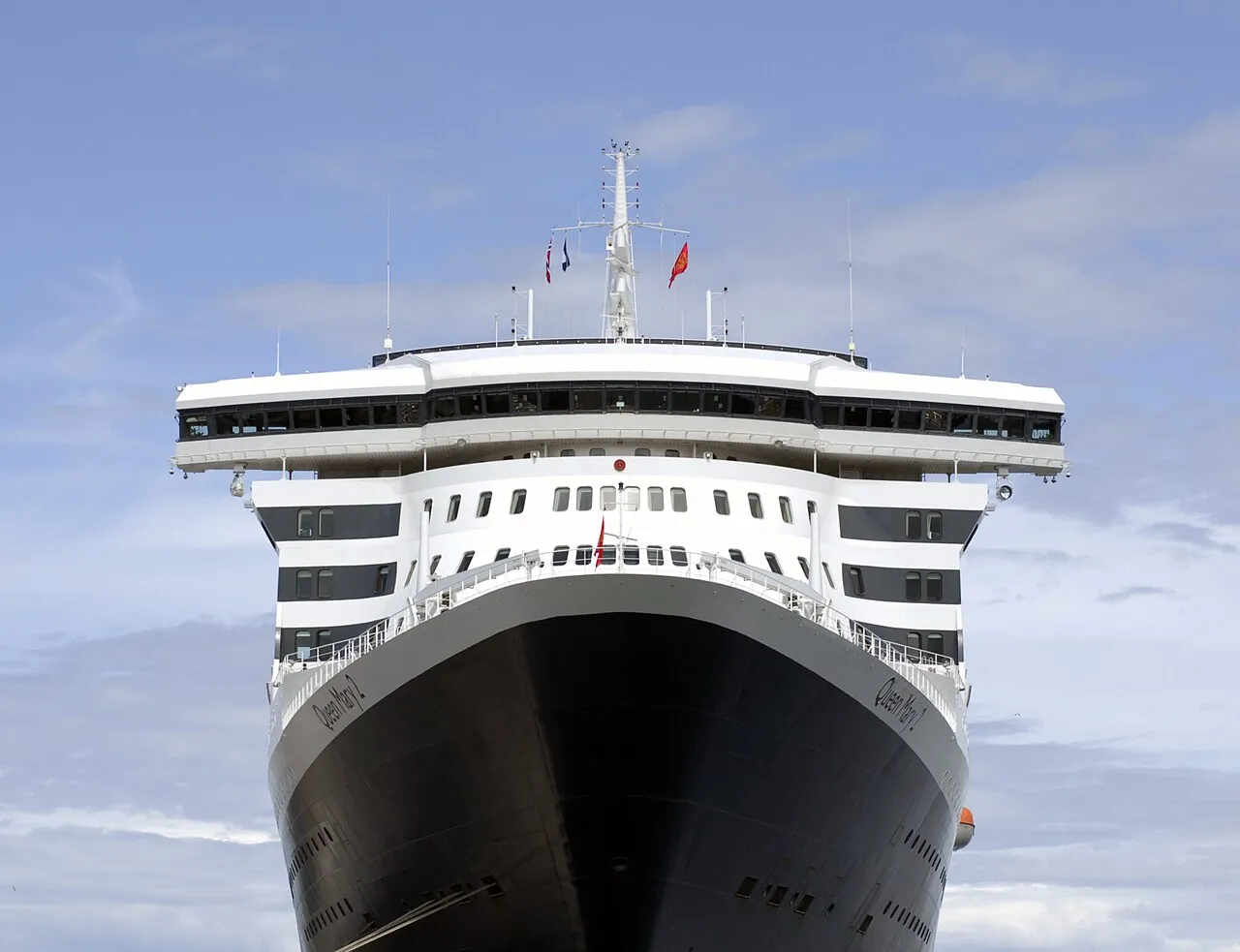
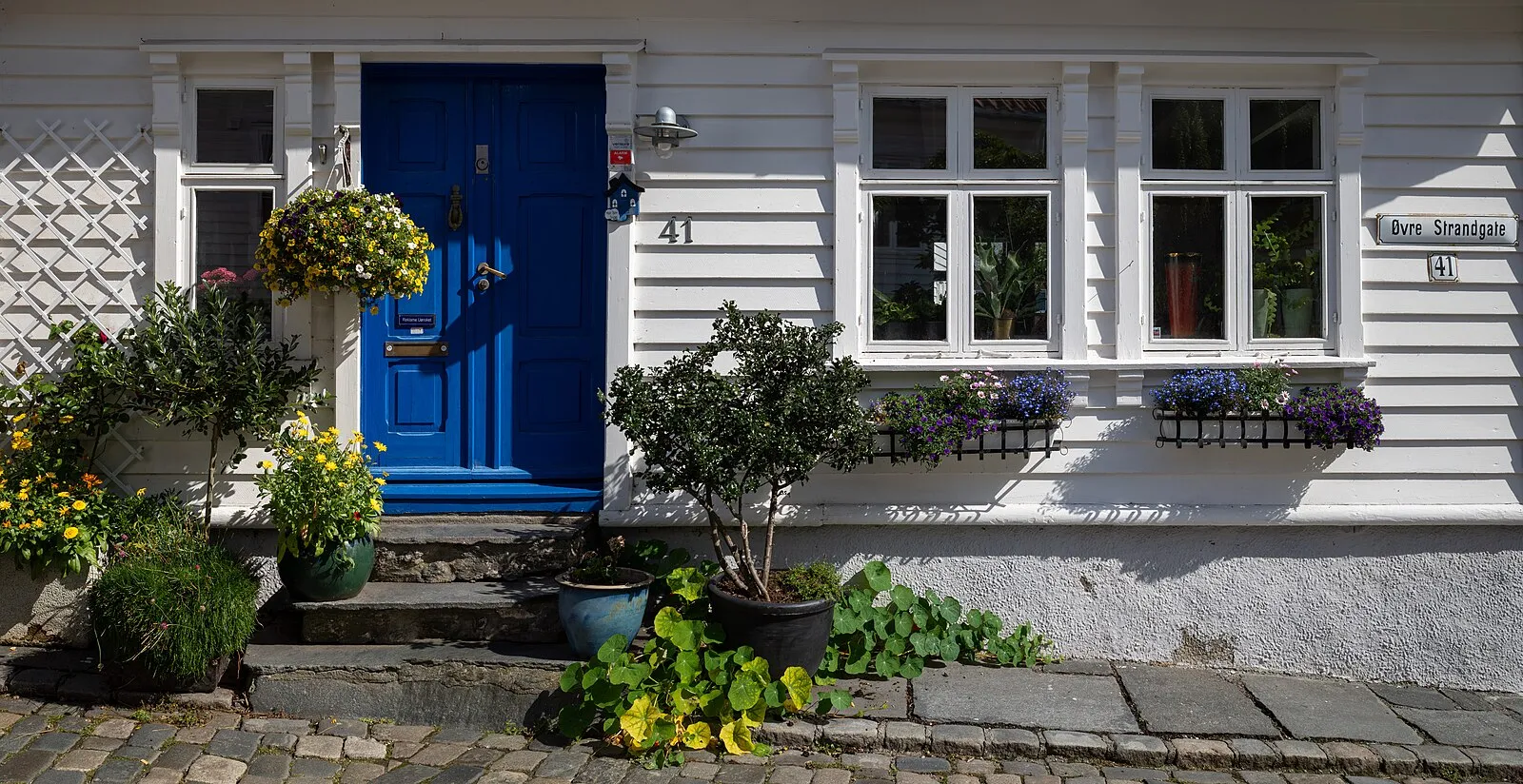
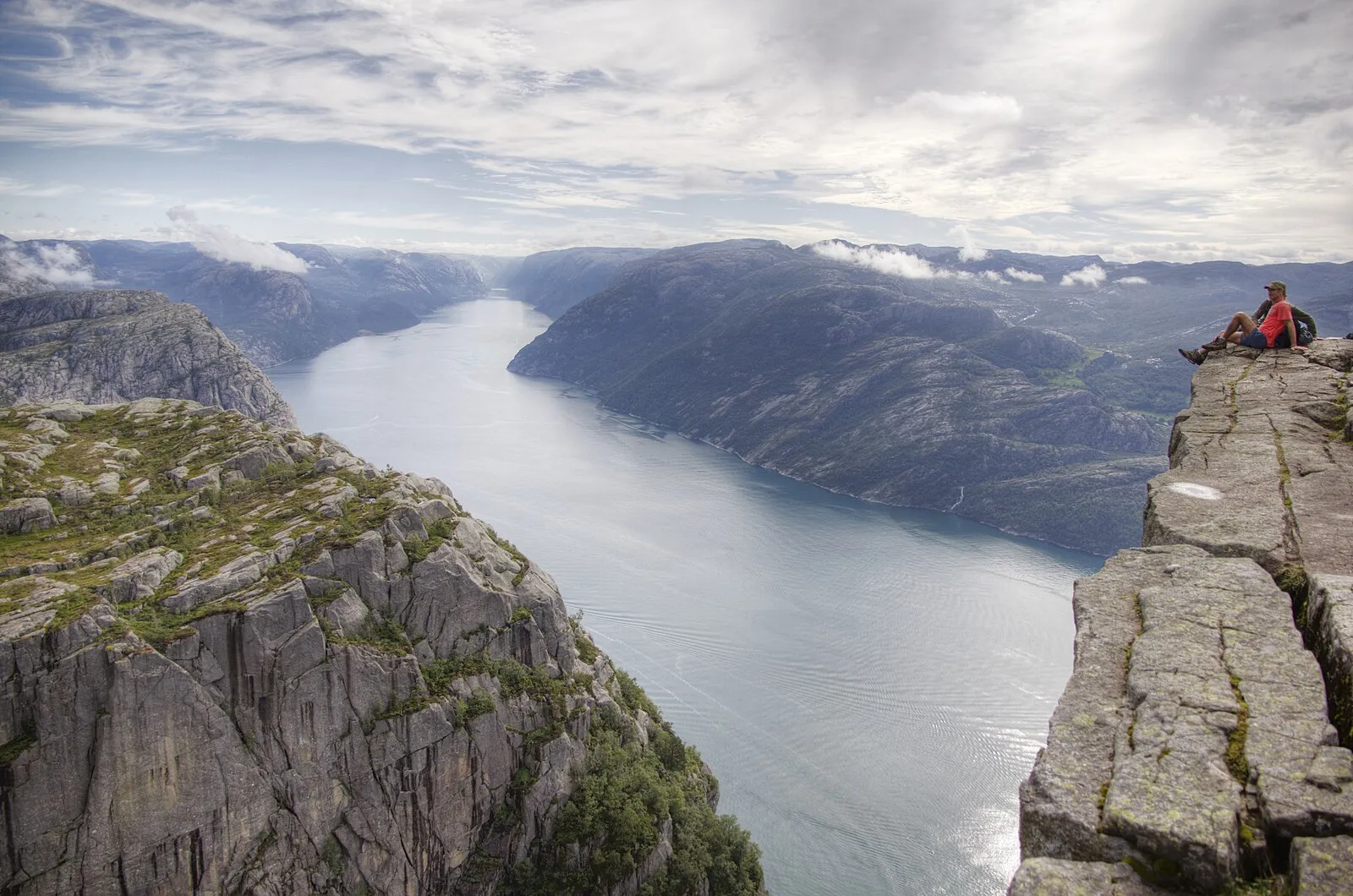
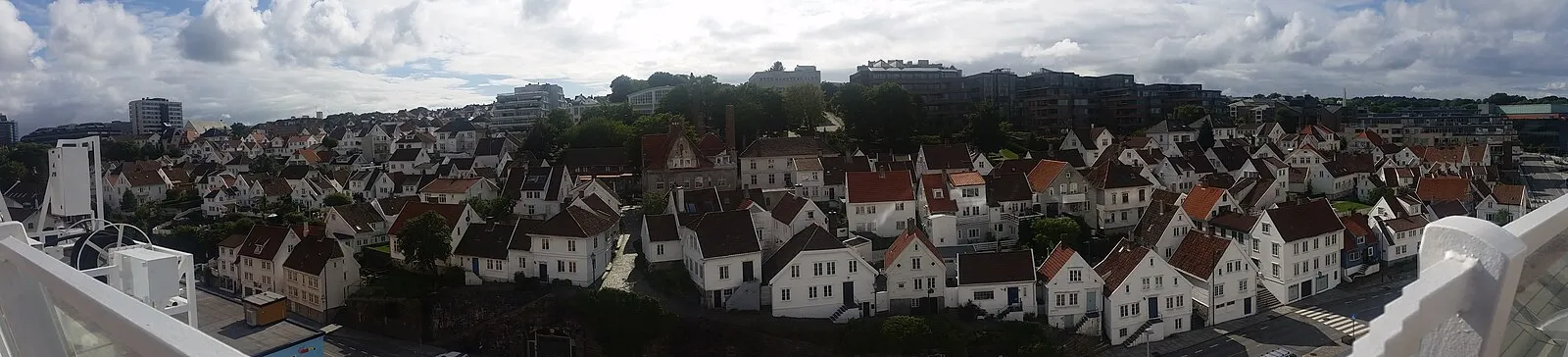
Image Credits
- stavanger-1.webp: Wikimedia Commons (CC BY-SA)
- stavanger-2.webp: Wikimedia Commons (CC BY-SA)
- stavanger-3.webp: Wikimedia Commons (CC BY-SA)
- stavanger-4.webp: Wikimedia Commons (CC BY-SA)
- stavanger-5.webp: Wikimedia Commons (CC BY-SA)
- stavanger-6.webp: Wikimedia Commons (CC BY-SA)
- stavanger-7.webp: Wikimedia Commons (CC BY-SA)
- stavanger-8.webp: Wikimedia Commons (CC BY-SA)
Images sourced from Wikimedia Commons under Creative Commons licenses.
Weather & Best Time to Visit
Frequently Asked Questions
Q: What's the best time of year to visit Stavanger on a cruise?
Typical range 27-66°F — oil capital, wet climate; rain: Wet year-round; one of Norway's wettest cities. Peak cruise months: Jun, Jul, Aug. Avoid months: Nov, Dec, Jan.
Q: Is there a severe weather or storm season that affects Stavanger?
Stavanger is not marked as a warm-water hurricane zone in our seasonal guide. Local concern: Very wet; one of Norway's rainiest cities.
Q: What should I pack for Stavanger's weather?
For Stavanger, pack for 27-66°F — oil capital, wet climate. Waterproof everything — jacket, pants, shoes; Hiking boots for Pulpit Rock; Layers for mountain weather; Cash for street food
Q: Will rain ruin my Stavanger port day?
Brief rain is common enough around Stavanger that a flexible plan beats canceling. Pulpit Rock (Preikestolen) hike is 4hr round trip — famous cliff; Lysefjord cruise is spectacular alternative to hiking
Q: Is Stavanger suitable for passengers with mobility challenges?
Accessibility varies by area. The port vicinity and main commercial streets are generally manageable, but older historic districts may feature cobblestones, stairs, and uneven surfaces. Consider booking an accessible ship excursion if you have concerns. The ship's shore excursion desk can advise on specific accessibility options for this port.
Q: Do I need to exchange currency before arriving?
Most tourist-facing businesses accept major credit cards. ATMs near the port offer competitive exchange rates. Carry some local cash for small purchases, markets, and tips. Avoid exchanging money on the ship — the rates are typically unfavorable compared to local bank ATMs.
Q: Can I explore independently or should I book a ship excursion?
Both options work well. Ship excursions guarantee return to the vessel and handle logistics, making them ideal for first-time visitors. Independent exploration costs less and allows more flexibility — just keep track of time and allow a 30-minute buffer before all-aboard. Many passengers combine approaches: an organized morning tour followed by free afternoon exploration.
Q: What should I bring on a port day?
Comfortable walking shoes are essential — you will walk more than you expect. Sunscreen, a hat, and a refillable water bottle help in warm weather. Carry your ship card (or a photo of it), a small amount of local cash, and one credit card. Leave jewelry and unnecessary valuables on the ship. A lightweight daypack beats a purse or tote for all-day comfort.