


Captain's Logbook
Tallinn: My Medieval Time Machine
The moment I walked through the Viru Gates, I understood why Tallinn is a UNESCO World Heritage Site. This isn't just a well-preserved old town – it's the best-preserved medieval city in all of Europe, and stepping into it feels like crossing through a portal into 1450. The cobblestone streets beneath my feet date to the 13th century, laid down when the Teutonic Order built their castle on what ancient legend claims is the burial mound of King Kalev, the mythical Estonian ruler. Those same streets wind exactly as they did 800 years ago, lined with merchants' houses from the 14th to 16th centuries when Tallinn was the northernmost jewel of the Hanseatic League – a powerhouse trading city where ships from across the Baltic brought amber, fur, and grain.
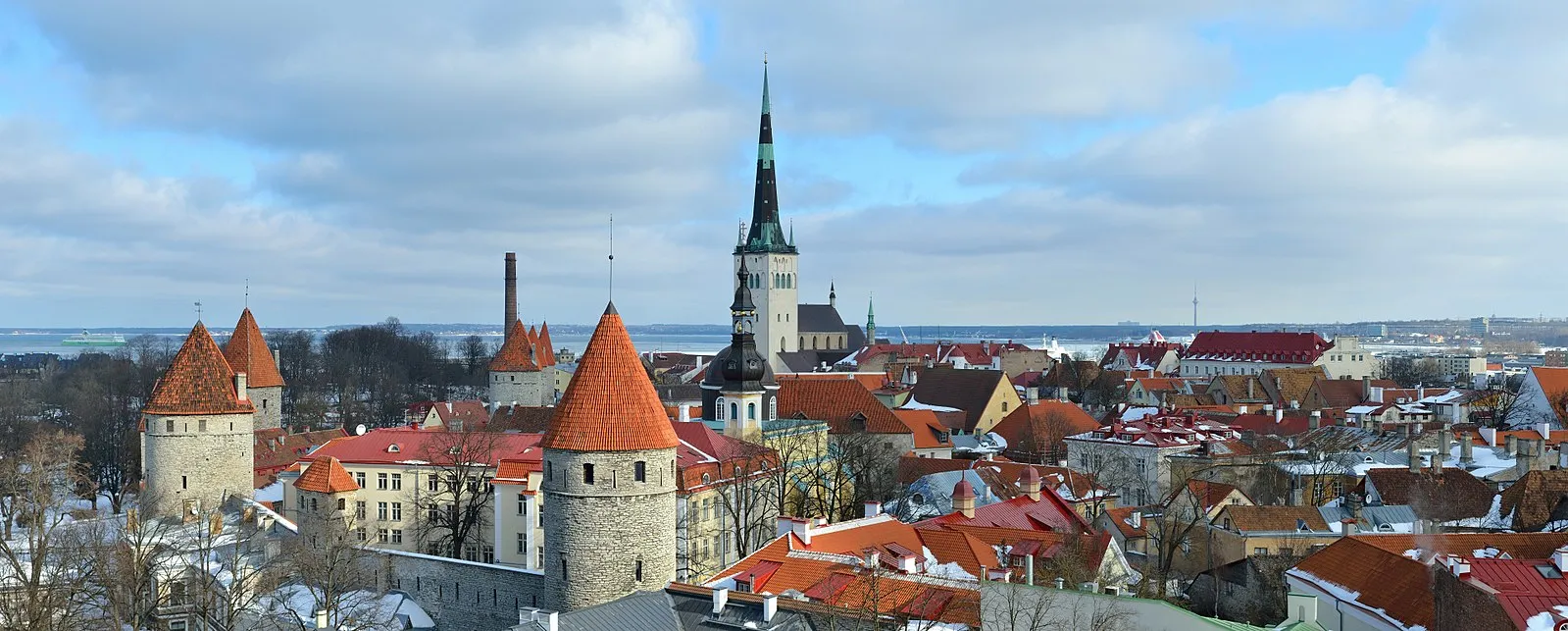
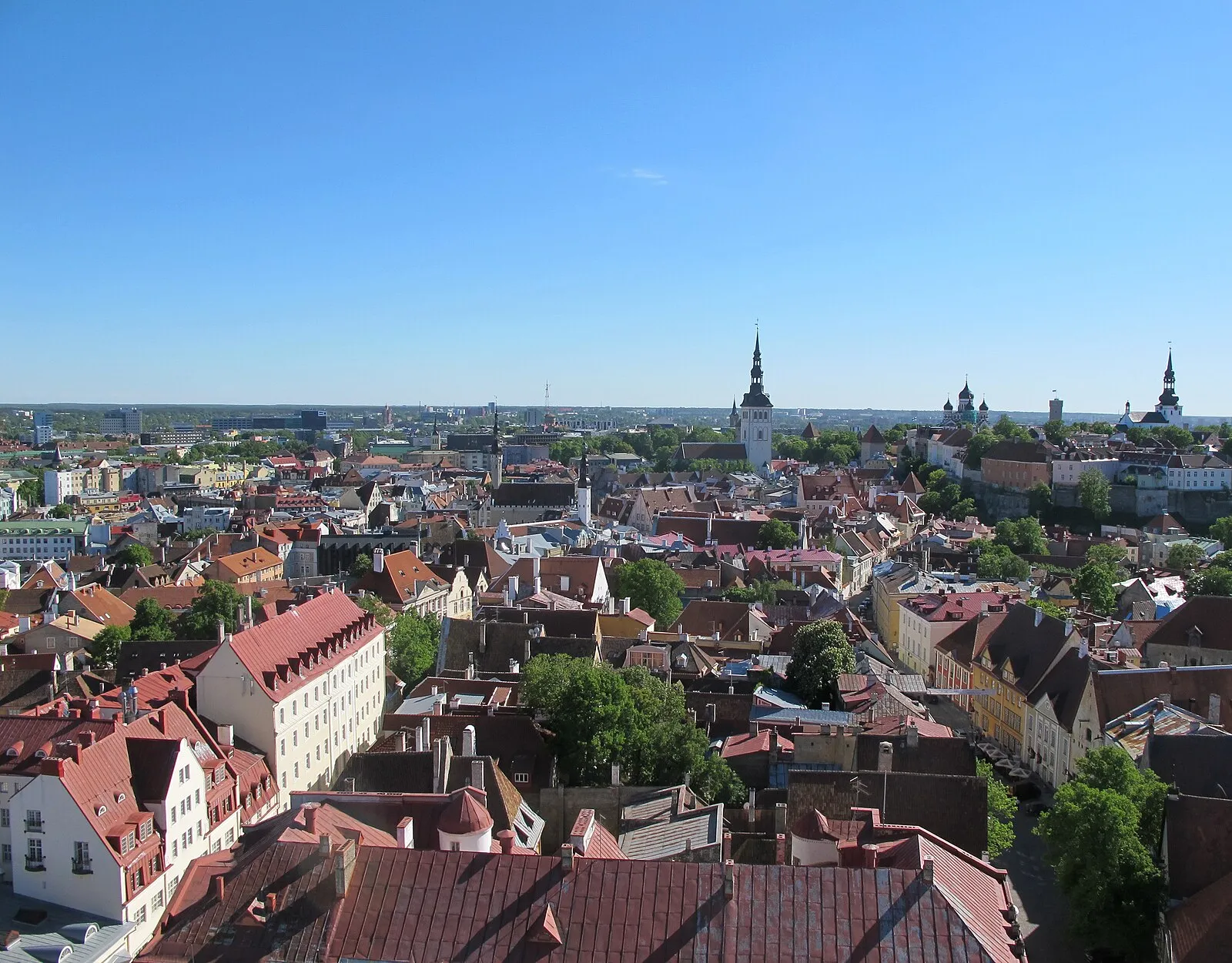
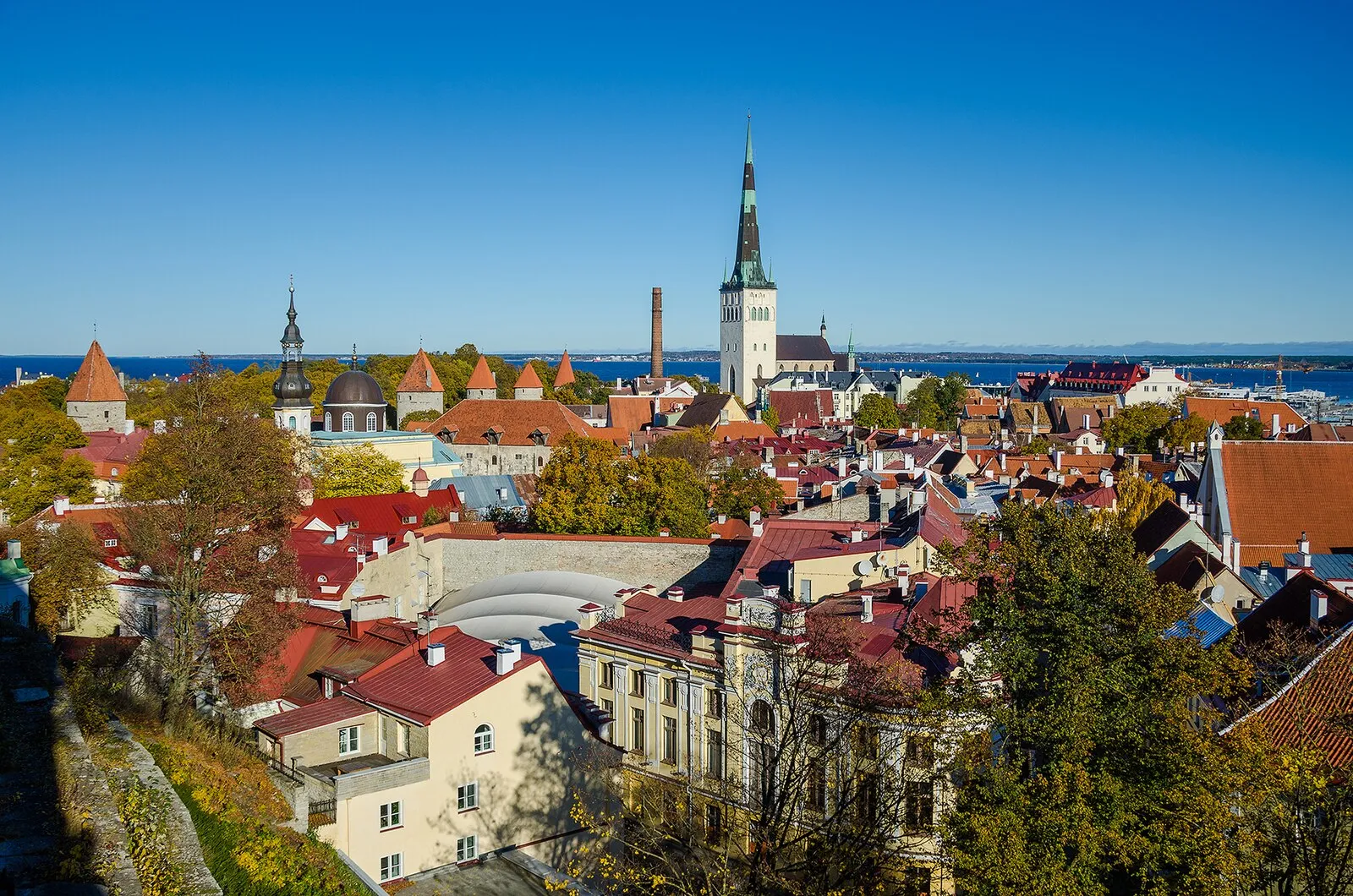
What makes Tallinn extraordinary is its two-level structure. I wandered the Lower Old Town first – pastel houses, flower sellers, the scent of cinnamon and roasting nuts – then climbed the ancient stone steps to Toompea Hill, rising thirty meters above the city like a natural fortress. Up here stands Toompea Castle, built on the ruins of an 11th century fortress and now home to Estonia's parliament. From the viewing platforms, the entire fairy tale spreads below: an endless sea of orange terracotta roofs punctuated by church spires, all enclosed by medieval walls that still stand at their original height – towering over fifteen meters in places, the same limestone ramparts that protected Hanseatic merchants six centuries ago.
I had lunch at Olde Hansa, a candlelit hall serving bear stew and honeyed beer in clay mugs while musicians played lute. In the afternoon I discovered St. Catherine's Passage, where artisans blow glass and weave exactly as they did 500 years ago. Walking these 13th century lanes, touching walls built when kings wore crowns unironically, I felt the weight of continuity – eight centuries of life flowing through the same passages. The pros: breathtakingly beautiful, surprisingly affordable, and genuinely magical. The cons: cruise crowds at midday, but they vanish if you wander the labyrinth of alleys.
The walk from the cruise terminal to the Viru Gates took about ten minutes along a well-marked path, and we could see the medieval towers rising ahead the entire way — a fine bit of anticipation. I was struck by the smell of roasted almonds from a vendor near Town Hall Square, mixed with woodsmoke from somewhere deeper in the old town. Prices were remarkably fair: lunch at Olde Hansa cost about twenty euros per person for a full medieval feast with honeyed beer, and a coffee in one of the smaller squares ran about three euros. The climb to Toompea is steep in places, with rough stone steps that demand sturdy shoes, but the Kohtuotsa viewing platform at the top is fully accessible by a gentler route around the back — worth asking at the tourist office by the port if mobility is a concern. I watched an older couple sit on a bench near the Danish King's Garden, sharing a bag of marzipan from Kalev, and the tenderness of the moment matched the city perfectly. On the walk back through the lower town, I found a tiny courtyard off Vene Street where a blacksmith was hammering iron into decorative hinges, sparks flying against the medieval walls. The sound of that hammer, ringing through stone corridors laid eight hundred years ago, followed me all the way back to the ship.
I also want to mention the Alexander Nevsky Cathedral on Toompea — its onion domes are unmistakably Russian, built in 1900 when Estonia was part of the Tsarist Empire, and stepping inside fills you with the scent of beeswax and incense while golden icons gleam in candlelight. The contrast with the Lutheran churches nearby tells the whole tangled story of Baltic history without a single word. For anyone who prefers to skip the steep climb, the lower town alone offers more than enough beauty for a full day: the Town Hall Pharmacy, open since 1422 and claiming to be the oldest continuously operating pharmacy in Europe, still sells marzipan and herbal remedies in a medieval shopfront that would not look out of place in a painting. We bought a small box of Tallinn marzipan there for about five euros and ate it on a bench in Town Hall Square, watching the afternoon light slide across facades that have stood since merchants from Lübeck and Hamburg traded here under Hanseatic law. Tallinn does not merely preserve its past — it lives inside it, comfortably and without pretense, and that is a rare thing in a world that tears down too quickly.
Weather & Best Time to Visit
The Cruise Port
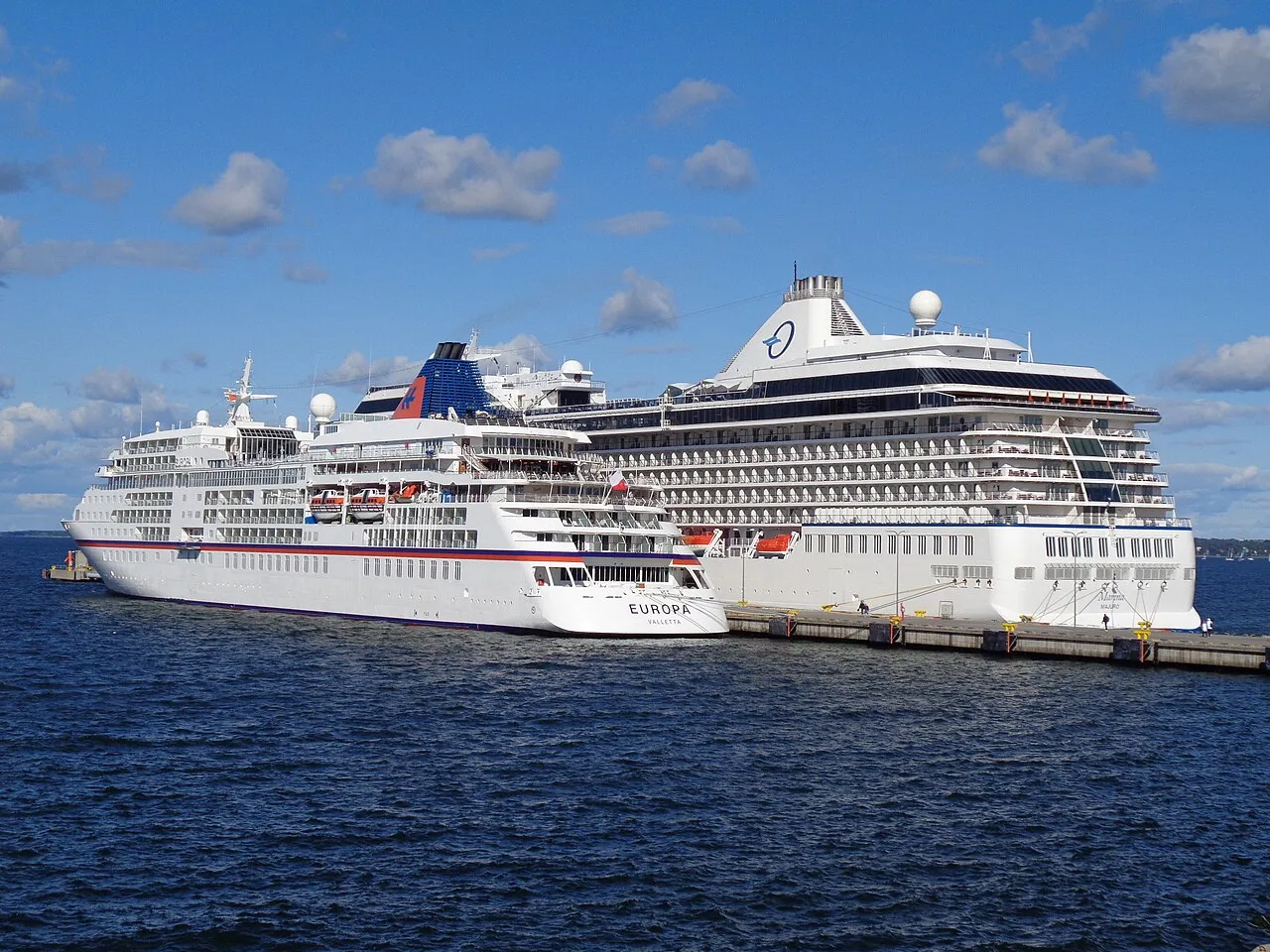
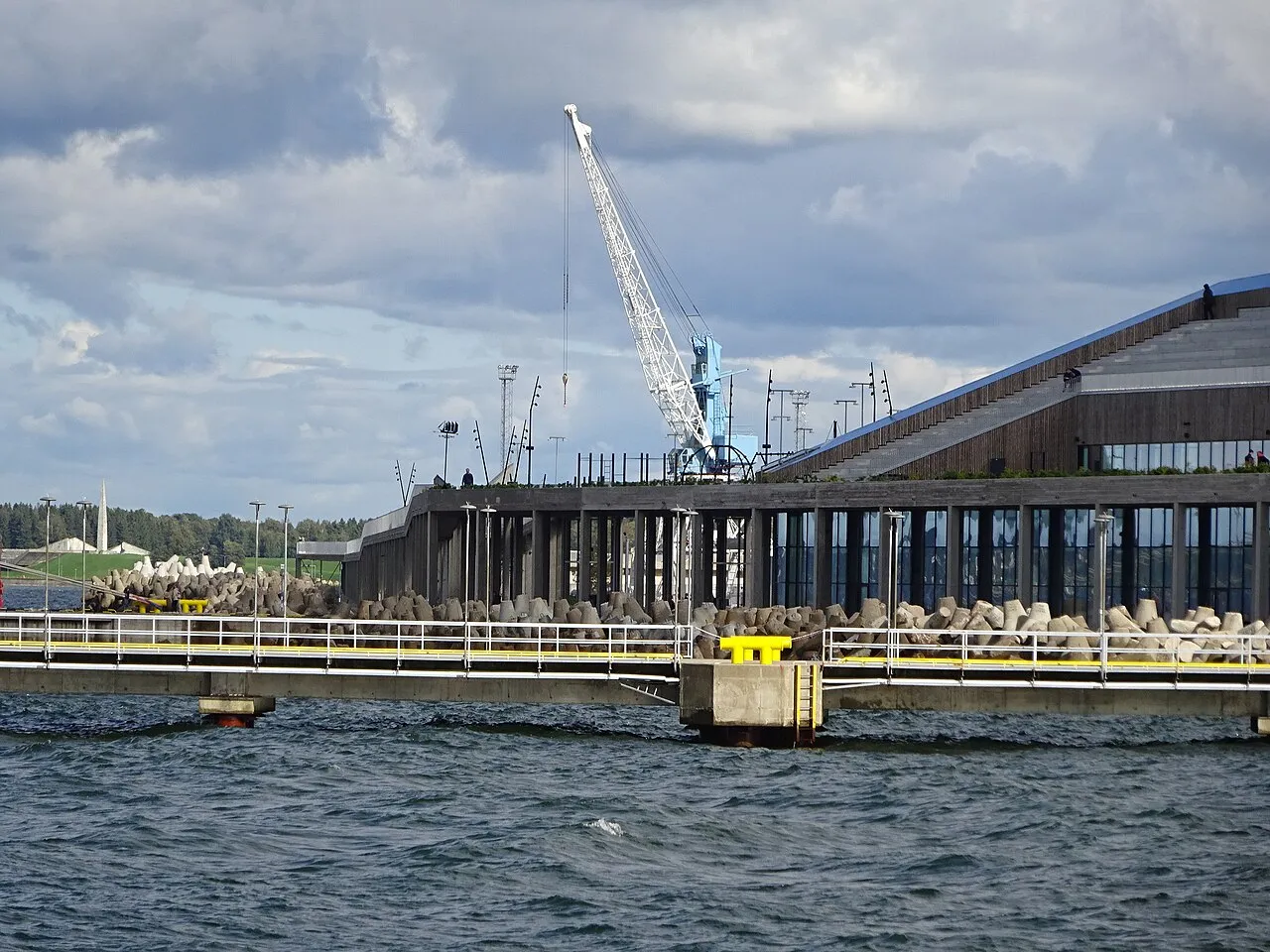
Cruise ships dock at the Old City Harbour (Vanasadam), one of the closest cruise terminals to a medieval city center anywhere in Europe. Terminal D is the primary cruise facility, a modern building with restrooms, tourist information, a small café, and free Wi-Fi. Ships dock directly — no tender required. From the terminal exit, the Viru Gates marking the entrance to Old Town are roughly a 10-minute walk along a clearly marked pedestrian path, with the medieval towers visible ahead the entire way.
Tallinn is a regular stop on Baltic cruise itineraries for lines including MSC, Norwegian, Celebrity, Holland America, Princess, and Oceania. The cruise season runs May through September, with most ships spending a full day in port. On busy days two or three ships may dock simultaneously, but the terminal handles the flow well. Taxi ranks and local tour operators set up outside the terminal gates.
Quick Facts
Getting Around
Tallinn's Old Town is one of the best-preserved medieval cities in northern Europe, and its compact size makes walking the natural choice. Everything within the city walls is reachable on foot from the cruise terminal in under 20 minutes. The lower Old Town is largely flat, though the climb to Toompea (Upper Town) involves steep cobblestone streets and rough stone steps.
On foot: From the cruise terminal, walk 10 minutes to the Viru Gates, then into the winding lanes of the lower Old Town. Town Hall Square is 5 minutes further. The climb to Toompea Hill takes 10-15 minutes via Pikk jalg (Long Leg) street — steep but manageable at a slow pace. The Kohtuotsa and Patkuli viewing platforms at the top reward the effort with sweeping views of the red rooftops and Baltic Sea. Budget 3-4 hours for a thorough walking tour of both levels.
By taxi: Taxis wait at the cruise terminal. A ride to Old Town costs €5-8, though most visitors simply walk. For destinations outside the old city — Kadriorg Palace, Pirita Beach, the TV Tower — taxis cost €8-15. Bolt (the Estonian-founded ride-hailing app) operates here and is generally cheaper than street taxis.
By tram and bus: Tallinn has an efficient public transport network. Tram line 1 and 2 connect the port area to the central city and beyond. Single tickets cost €2 from the driver or €1.50 with an electronic Ühiskaart. For the Old Town itself, public transport is unnecessary — the distances are too short.
Hop-on-hop-off buses: City Sightseeing runs a red double-decker circuit (~€25/day) connecting the port, Old Town, Kadriorg Park, Pirita, and the Song Festival Grounds. Useful for reaching attractions outside the medieval center without negotiating taxis.
Mobility considerations: The lower Old Town is cobblestoned throughout — manageable but slow for wheelchairs and walkers. The climb to Toompea via the main streets is steep, but a gentler accessible route exists around the back — ask at the tourist information office near the port. Kadriorg Park is level and paved. The cruise terminal itself is fully accessible.
Tallinn Port Map
Interactive map showing cruise terminal and Tallinn attractions. Click any marker for details.
Excursions
Tallinn is one of the easiest Baltic ports to explore without a tour — the medieval Old Town is 10 minutes from the ship, and most highlights fit comfortably into a 4-5 hour walking circuit. Ship excursions add value for Toompea history and context, but independent exploration costs a fraction of the price and works perfectly well here.
Old Town Walking Tour
Tallinn's UNESCO-listed Old Town is the main draw and the reason most itineraries stop here. Walk through the Viru Gates, explore Town Hall Square with its Gothic town hall (one of the oldest in northern Europe, dating to 1404), visit the Town Hall Pharmacy (operating since 1422 — marzipan and herbal remedies still sold), and wander the lanes lined with merchant houses. Ship excursions run €35-55 for a 2-3 hour guided walk. DIY cost: free to walk, €5-8 for optional museum entries. The self-guided circuit covers roughly 2 km and is easy to navigate without a map.
Toompea Hill and Viewing Platforms
The upper town holds the Alexander Nevsky Cathedral (Russian Orthodox, built 1900, free entry — look for the golden icons and smell the beeswax), the Lutheran Cathedral of St. Mary, the Estonian Parliament building in Toompea Castle, and two iconic viewing platforms: Kohtuotsa and Patkuli. The views across the red rooftops to the harbor and Baltic Sea are the signature image of Tallinn. Ship excursions typically combine this with the lower town for €40-60. Independent visitors climb Pikk jalg street (steep, 10-15 minutes) for free. The Danish King's Garden, where legend says the Danish flag fell from the sky in 1219, sits near the Patkuli viewpoint.
Medieval Dining at Olde Hansa
A full medieval feast experience in a candlelit 15th-century merchant house on Town Hall Square. Servers in period costume, dishes based on historical recipes, honeyed beer, and elk sausage. About €20-25 per person for a generous lunch. No ship excursion needed — walk in or book online. Fills up on busy port days, so arrive before noon. Part dinner theater, part genuine historical cooking — the bread and game meats are excellent.
Kadriorg Palace and Park
Peter the Great built this Baroque palace in 1718 for his wife Catherine. The surrounding park is one of Tallinn's green lungs, with manicured gardens, ponds, and the KUMU Art Museum (Estonia's largest). Palace admission ~€8, KUMU ~€10. About 3 km east of Old Town — walk (30 minutes), take a tram, or taxi (€8-10). Ship excursions incorporating Kadriorg run €50-70. Good for art lovers and anyone wanting a break from medieval cobblestones.
Telliskivi Creative City
A converted Soviet-era industrial complex north of Old Town, now filled with independent shops, street art, craft studios, cafés, and a weekend flea market. Free to explore, 15 minutes' walk from Old Town. No booking needed. A good contrast to the medieval theme — modern Estonian creativity in a gritty, authentic setting. Prices at the cafés and shops are reasonable by European standards.
Pirita Beach and the TV Tower
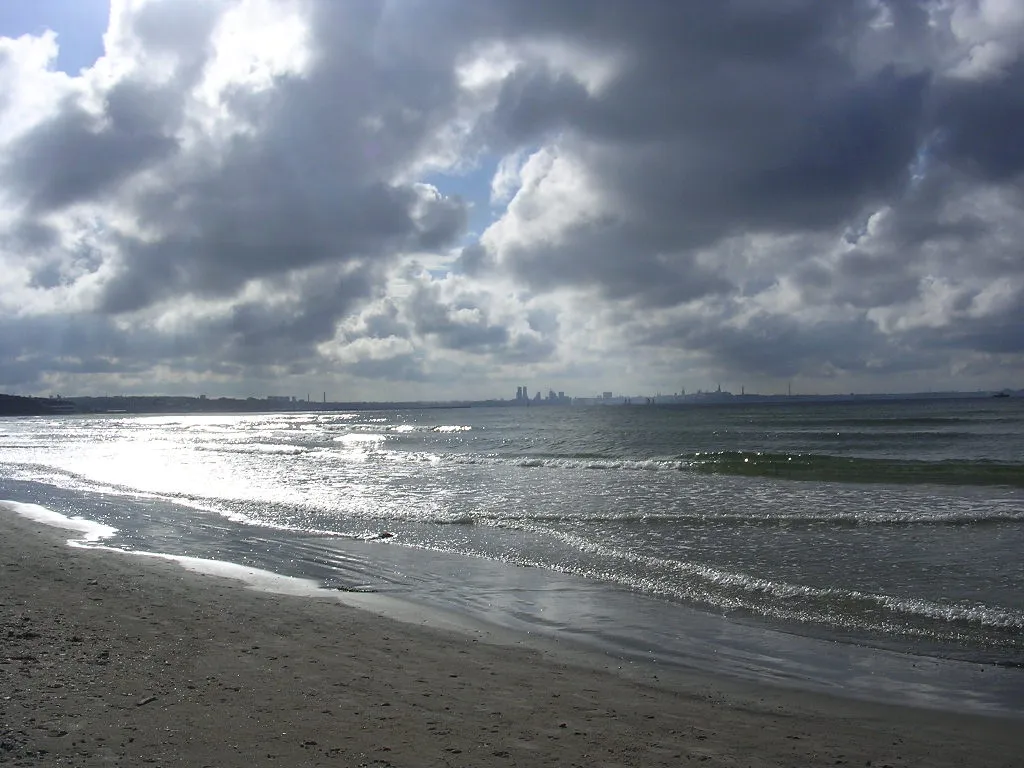
Pirita Beach stretches northeast of the city, backed by pine forest. The nearby Tallinn TV Tower (€13 admission) has a glass-floor observation deck at 170 meters. Too far to walk from the cruise port — take a taxi (€10-15) or the hop-on-hop-off bus. Ship excursions that include Pirita run €45-65. Best in warm weather; the beach is pleasant but brisk even in summer. The ruins of Pirita Convent (15th century, destroyed in the Livonian War) sit nearby.
Depth Soundings Ashore
Practical tips before you step off the ship.
The old town cobblestones are authentically uneven – comfortable shoes make exploring the fairy tale even more magical.
Money: ATMs are generally available near the port area, though fees vary. Credit cards are widely accepted at tourist-oriented establishments, but carry some local cash for markets, street food, and smaller vendors. Your ship's exchange rate is typically unfavorable — withdraw from a bank ATM instead.
Timing: Start early if your ship arrives at dawn — the first hours offer pleasant conditions and smaller crowds. Allow at least 30 minutes buffer before all-aboard time. Set a phone alarm as backup.
Safety: Standard port-town awareness applies — keep valuables close and stick to well-traveled areas during daylight. Your ship's ID card is your most important item — losing it creates a genuine headache at the gangway.
Communication: Wi-Fi is often available at cafés and restaurants near the port. Consider downloading offline maps before disembarking — cellular data roaming charges can be substantial and surprising.
Photo Gallery
Frequently Asked Questions
Q: Is Tallinn worth it?
A: The most beautiful Baltic capital.
Q: Best thing?
A: Just wander Toompea and lower town.
Q: How long needed?
A: 5–6 hours of pure joy.
Q: Walk from port?
A: Yes – straight into the Middle Ages.
Q: What is the best time to visit Tallinn?
A: Cruise season runs June through August — medieval gem on the Baltic with mild summer (14-71°F). December, January, and February are the months to avoid (cold Baltic winters).
Q: Is Tallinn suitable for passengers with mobility challenges?
A: Accessibility varies by area. The port vicinity and main commercial streets are generally manageable, but older historic districts may feature cobblestones, stairs, and uneven surfaces. Consider booking an accessible ship excursion if you have concerns. The ship's shore excursion desk can advise on specific accessibility options for this port.
Q: Can I explore independently or should I book a ship excursion?
A: Both options work well. Ship excursions guarantee return to the vessel and handle logistics, making them ideal for first-time visitors. Independent exploration costs less and allows more flexibility — just keep track of time and allow a 30-minute buffer before all-aboard. Many passengers combine approaches: an organized morning tour followed by free afternoon exploration.
Q: Does Tallinn have a hurricane or storm season?
A: Tallinn is not in a hurricane zone. The defining seasonal concern is cold Baltic winters; the Old Town remains compact and walkable. December through February are the months to avoid.
Q: What should I pack for Tallinn's weather?
A: Warm layers for cool climate. Waterproof jacket. Comfortable shoes for cobblestones. Cash for smaller shops.
Q: Will rain ruin my port day in Tallinn?
A: Rain is year-round; slightly drier in spring. Cruise season concentrates in the June–August window when conditions are mildest.
Last reviewed: February 2026
Image Credits
- tallinn-1.webp: WikiMedia Commons (CC BY-SA)
- tallinn-2.webp: WikiMedia Commons (CC BY-SA)
- tallinn-3.webp: WikiMedia Commons (CC BY-SA)
Images sourced from WikiMedia Commons under Creative Commons licenses.