


Captain's Logbook
Tangier: My African Gateway
Stepping onto Tangier's soil felt like walking into a living palimpsest – five thousand years of history layered one atop another. This was a Phoenician trading post in the 5th century BCE, passed through Roman, Vandal, Byzantine, and Arab hands, claimed by Portuguese, Spanish, and British in turn. Between 1923 and 1956, it was an International Zone – jointly administered by France, Spain, and Britain – a cosmopolitan crossroads that drew artists like Matisse, writers like Paul Bowles and William S. Burroughs, and more than a few spies during the war years. That bohemian, anything-goes reputation still perfumes the air.
We walked off the ship and straight into the Grand Socco – palm trees, women in colorful djellabas, the call to prayer echoing through centuries of stone. A local guide led us into the medina labyrinth – narrower than Marrakech, more European-flavored, easier to navigate thanks to that International Zone heritage. We climbed through the Kasbah to the former Sultan's palace, its white walls glowing against the blue strait. We bought saffron that smelled like sunshine and argan oil still warm from the cooperative.
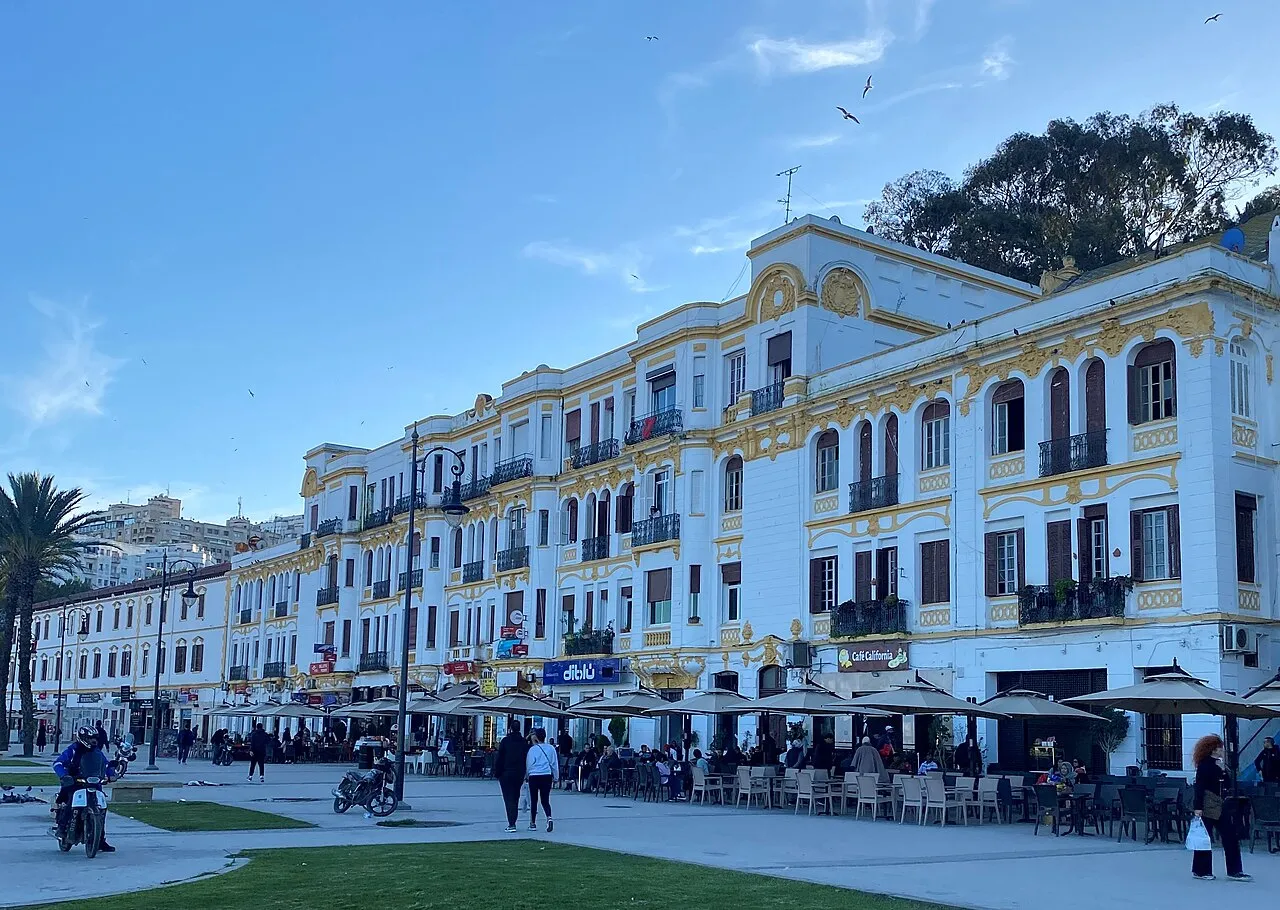
We stopped at Café Hafa for mint tea overlooking the Strait of Gibraltar – waves crashing, Spain visible just 14 kilometers away across that narrow passage where Europe and Africa nearly touch. Old men played chess at wobbly tables; the same tables where the Beat Generation once debated art and existence. We had lunch at a tiny place the guide knew – lamb tanjia slow-cooked in clay pots for 24 hours, bread still hot from the communal oven.
In the afternoon we drove 14 kilometers west to the Caves of Hercules, where legend says the demigod rested before his labors. The cave's natural opening, worn by millennia of Atlantic waves, uncannily resembles the shape of Africa itself – locals swear it's no accident. Then Cap Spartel, where the Mediterranean meets the Atlantic, waves exploding on rocks from two seas, camels posing for photos against the lighthouse. The pros: authentic Moroccan chaos layered with centuries of cosmopolitan polish. The cons: persistent touts, but a firm "la shukran" (no thank you) works wonders.
I should mention the practical side: our licensed guide cost about thirty euros for a half-day and made all the difference in the medina, where the lanes twist without logic and a friendly local presence turns potential overwhelm into pure adventure. The mint tea at Cafe Hafa ran about two euros a glass, and the lamb tanjia lunch was roughly eight euros — astonishing value for food that good. The walk from the port gate to the Grand Socco took about five minutes on flat ground, but the medina itself climbs steeply in places, with narrow steps and uneven stone that would challenge anyone with mobility concerns. I noticed the air smelled of cedar, cumin, and the salt of two seas mixing at the strait. Children ran through the alleys laughing, a spice vendor pressed a pinch of ras el hanout into my palm and told me to smell it before I bought anything, and somewhere above us a muezzin began the afternoon call. It was sensory immersion of the finest kind — not curated or sanitized, but alive and honest and older than anything I had ever walked through.
The drive to the Caves of Hercules took about twenty minutes from the medina, and our driver charged an additional ten euros for the round trip, which felt more than fair. Cap Spartel itself is free to visit and the lighthouse grounds offer a broad view of where the Mediterranean and Atlantic meet — you can actually see the color of the water change from dark blue to grey-green at the boundary, which I had always thought was an exaggeration until I stood there and witnessed it myself. On the way back, we passed farmland where women in bright headscarves were harvesting something green and fragrant that our guide identified as fresh mint destined for the tea houses. The whole day cost us less than fifty euros per person including guide, transport, lunch, and tea, which made Tangier one of the best-value port days of the entire cruise. I left feeling that this city, perched at the hinge between two continents and two oceans, offers something no other Mediterranean port can match — the genuine thrill of crossing from one world into another in a single morning's walk. Back on board, with the scent of saffron still on my fingers and the sound of the muezzin still ringing somewhere in my memory, I looked across the strait toward Spain and realized just how thin the line is between continents — fourteen kilometers of water separating entire civilizations, close enough to see buildings on the other shore, yet worlds apart in every way that matters.
If I am honest with myself, Tangier changed what I thought a port day could be. I had expected a quick taste of North Africa — a checkbox, a photo, a souvenir. What I got instead was a city that refused to be simple. The medina forced me to trust a stranger, the tea at Cafe Hafa forced me to sit still, and the view from Cap Spartel forced me to reckon with the absurd closeness of continents that feel worlds apart. I spent less than fifty euros and came away richer than any shopping spree in Barcelona could have managed. Some ports give you things to see; Tangier gave me things to feel. Looking back, I realized that Morocco did not simply show me Africa — it showed me how thin the membrane is between the familiar and the unknown, and how walking through it changes you in ways you cannot anticipate.
Weather & Best Time to Visit
The Cruise Port
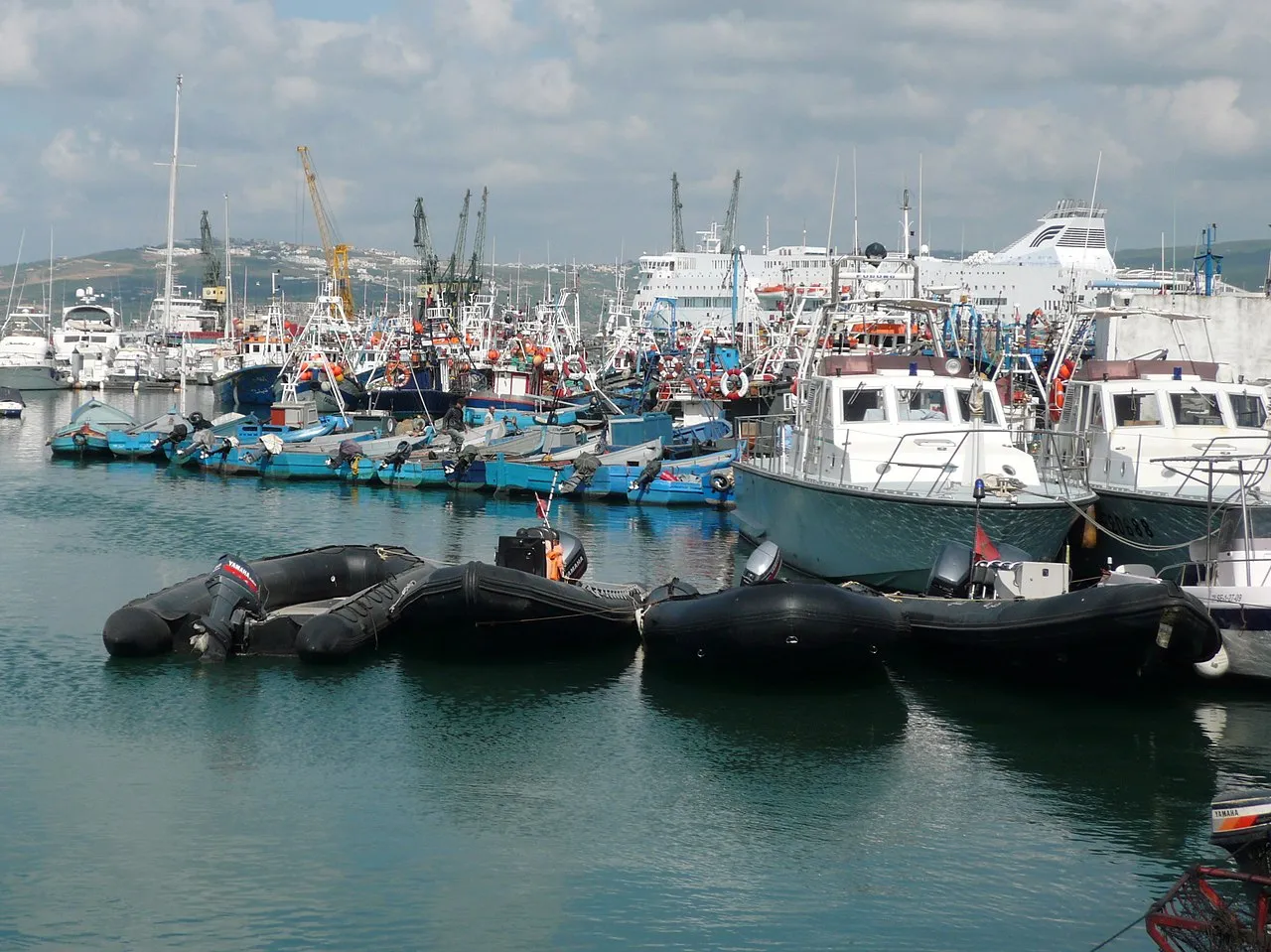
Most cruise ships now dock at Tanger Med, a modern commercial port about 50 km east of the city center. Tanger Med is a sprawling cargo and ferry hub with a dedicated cruise terminal building that has restrooms, a small cafe, and currency exchange. Because the port sits far from the city, cruise lines typically arrange shuttle buses to the medina area (often included in excursion packages, or ~100 MAD/$10 one-way by taxi arranged at the terminal). Some smaller ships and expedition vessels still use the old Tangier City Port, which sits right at the edge of the medina — a five-minute walk to the Grand Socco. If your ship uses the city port, you have hit the logistics jackpot: step off the gangway and you are essentially in the medina already. At Tanger Med, the taxi ride takes 45–60 minutes depending on traffic, so plan accordingly and factor in the return journey when watching the clock for all-aboard. Licensed taxi drivers at Tanger Med display rates on a board near the terminal exit; expect to pay 300–400 MAD ($30–40) for a round-trip with waiting time, or negotiate a flat rate before departing. Some passengers split the fare four ways, bringing individual cost down to about $8–10 per person.
Getting Around Tangier
If you arrive at the city port, Tangier is wonderfully walkable — the medina, Kasbah, Grand Socco, and Petit Socco are all within a compact area you can cover on foot in a half-day. The medina lanes are steep, narrow, and paved in smooth stone, so wear sturdy shoes with grip. Outside the old city walls, the Ville Nouvelle (new town) stretches along the waterfront with wider boulevards.
- Petit taxis: Blue compact cars that operate within city limits. Metered fares start at 5 MAD (~$0.50) and most trips within the city cost 15–30 MAD ($1.50–3). Insist the driver uses the meter or agree on a price before departing.
- Grands taxis: Larger shared Mercedes sedans that run fixed routes between cities. Useful for reaching Cap Spartel or the Caves of Hercules — expect 100–150 MAD ($10–15) for a private hire round-trip to both sites with waiting time.
- Walking the medina: The medina is best explored on foot, ideally with a licensed guide (~300 MAD/$30 for a half-day). Without a guide, stick to the main arteries between Grand Socco and the Kasbah to avoid getting thoroughly lost.
- Ferry to Tarifa: The FRS fast ferry crosses the Strait of Gibraltar to Tarifa, Spain in just 35 minutes (~€40 one-way). While not practical on a short port call, it is worth knowing about for independent travelers extending their stay.
Tangier Area Map
Booking guidance: Ship excursion options provide guaranteed return to port and are worth considering for first-time visitors. For those who prefer to explore independently, local operators often offer competitive rates — book ahead during peak season to secure your preferred times. Whether you choose a ship excursion or go independent, confirm departure times and meeting points before heading out.
Interactive map showing cruise terminal and Tangier attractions. Click any marker for details.
Excursions & Shore Tours
Tangier rewards both guided and independent exploration, but a licensed guide is strongly recommended for the medina — the lanes have no signage, the GPS signal bounces off stone walls, and a good guide transforms confusion into discovery. The touts near the port gate are not licensed guides; your ship's excursion desk or hotel can arrange a legitimate one.
Kasbah and Medina Walking Tour (half-day): The essential Tangier experience. A licensed guide leads you through the Grand Socco, into the medina labyrinth, up to the Kasbah fortress and the former Sultan's palace (now a museum, 20 MAD/$2 entry). You will pass spice stalls selling saffron (~60 MAD/$6 per gram), argan oil cooperatives, and artisan workshops. Budget 3–4 hours. Ship excursions run €45–65 per person; a private licensed guide costs about 300 MAD ($30) for the group, making independent exploration significantly cheaper for couples or families.
Caves of Hercules and Cape Spartel (half-day): A 20-minute drive west of the medina brings you to the Caves of Hercules, where the sea-carved opening resembles the outline of Africa. Entry is 10 MAD (~$1). Continue to Cape Spartel, the northwestern tip of Africa where the Mediterranean meets the Atlantic — free to visit, with a lighthouse and panoramic views. A round-trip taxi with waiting time at both sites costs 150–200 MAD ($15–20). Ship excursions that combine the medina walk with Caves and Cape Spartel run €70–95 per person.
Medina Shopping Experience: The souks offer leather goods, ceramics, brass lanterns, rugs, and spices at prices well below European markets. Haggling is expected — start at roughly 40% of the asking price and settle around 60%. A hand-painted ceramic tagine makes a beautiful souvenir for 80–150 MAD ($8–15). Argan oil (cosmetic grade) runs about 100 MAD ($10) for 100ml at a cooperative, versus three times that in European shops.
Chefchaouen Day Trip (full day): Morocco's famous "Blue City" sits in the Rif Mountains about 2 hours southeast of Tangier. The entire medina is painted in shades of blue, making it one of the most photographed towns in North Africa. This is only feasible on a long port day (10+ hours). Private drivers charge 800–1,200 MAD ($80–120) for the round trip; ship excursions run €110–150. The journey itself through the Rif countryside is spectacular.
Booking guidance: Ship excursions guarantee return to port and are worth considering for first-time visitors to Morocco, where the cultural gap can feel wider than at European ports. For those who prefer to explore independently, arrange a licensed guide through your ship's excursion desk or book in advance through a reputable local agency — peak season (June through September) fills up fast. Whether you choose a ship excursion or go independent, confirm departure times and allow at least a 45-minute buffer before all-aboard if returning from Tanger Med port.
Depth Soundings Ashore
Practical tips before you step off the ship.
The medina is a beautiful maze – a licensed guide turns potential stress into pure adventure.
Money: The Moroccan Dirham (MAD) is the local currency — roughly 10 MAD to $1 USD. ATMs are available in the Ville Nouvelle and near the Grand Socco, though not at Tanger Med port itself (bring cash or withdraw onboard before docking). Credit cards are accepted at upscale restaurants and hotels, but the medina, taxis, and market stalls are cash-only. Your ship's exchange rate is typically unfavorable — withdraw from a bank ATM in town instead.
Timing: Start early if your ship arrives at dawn — the first hours offer pleasant temperatures and smaller crowds in the medina. If docking at Tanger Med, factor in the 45–60 minute transfer each way. Allow at least 45 minutes buffer before all-aboard. Set a phone alarm as backup.
Safety: Tangier is generally safe for tourists, but keep valuables close in the medina and be prepared for persistent touts offering to be your "guide." A firm "la shukran" (no thank you) works well. Your ship's ID card is your most important item — losing it creates a genuine headache at the gangway.
Communication: Wi-Fi is available at most cafes in the Ville Nouvelle and at Cafe Hafa. Consider downloading offline maps before disembarking — cellular data roaming in Morocco can be expensive. A local SIM card from Maroc Telecom costs about 30 MAD ($3) with data if you want mobile connectivity.
Photo Gallery
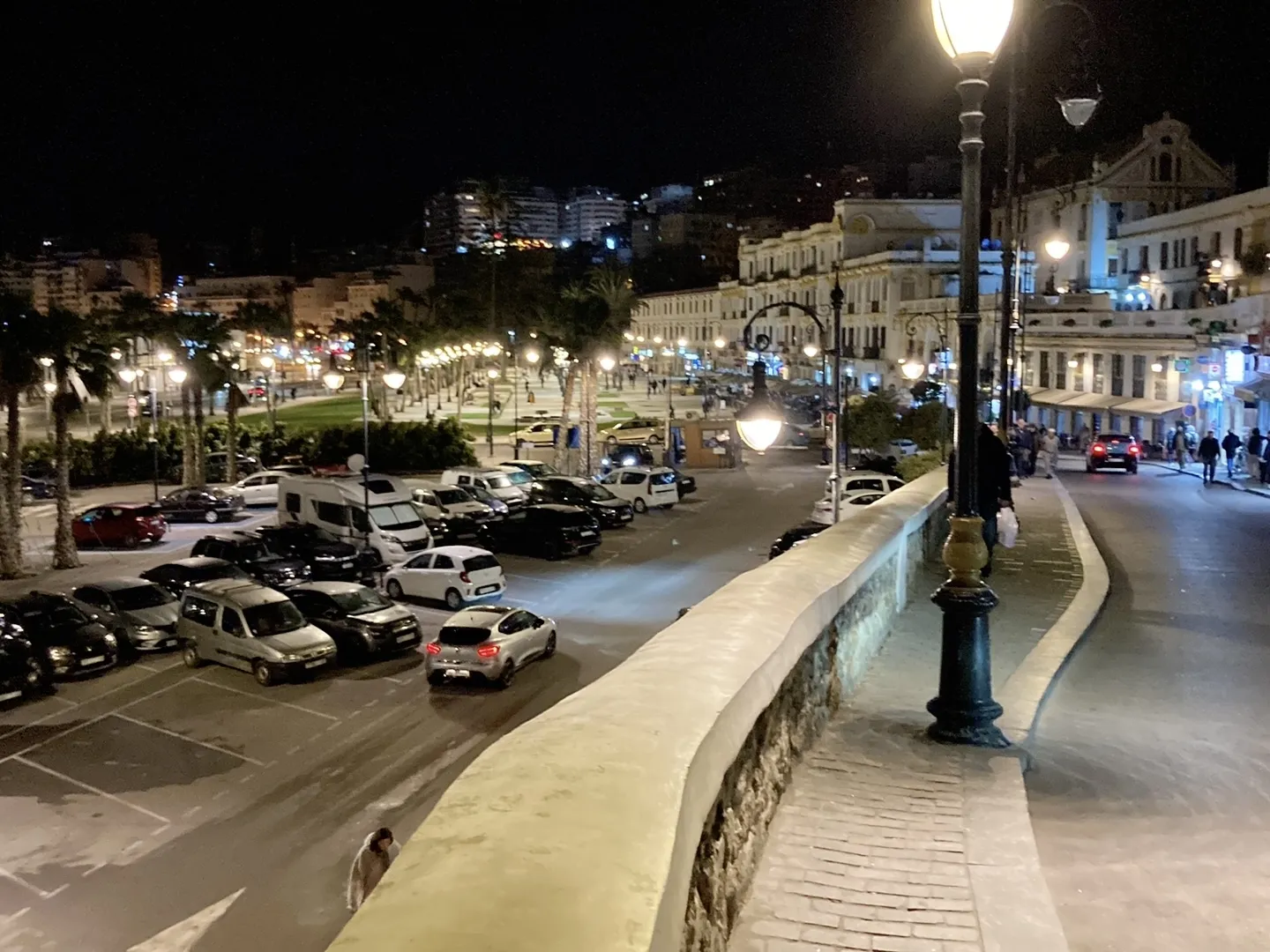
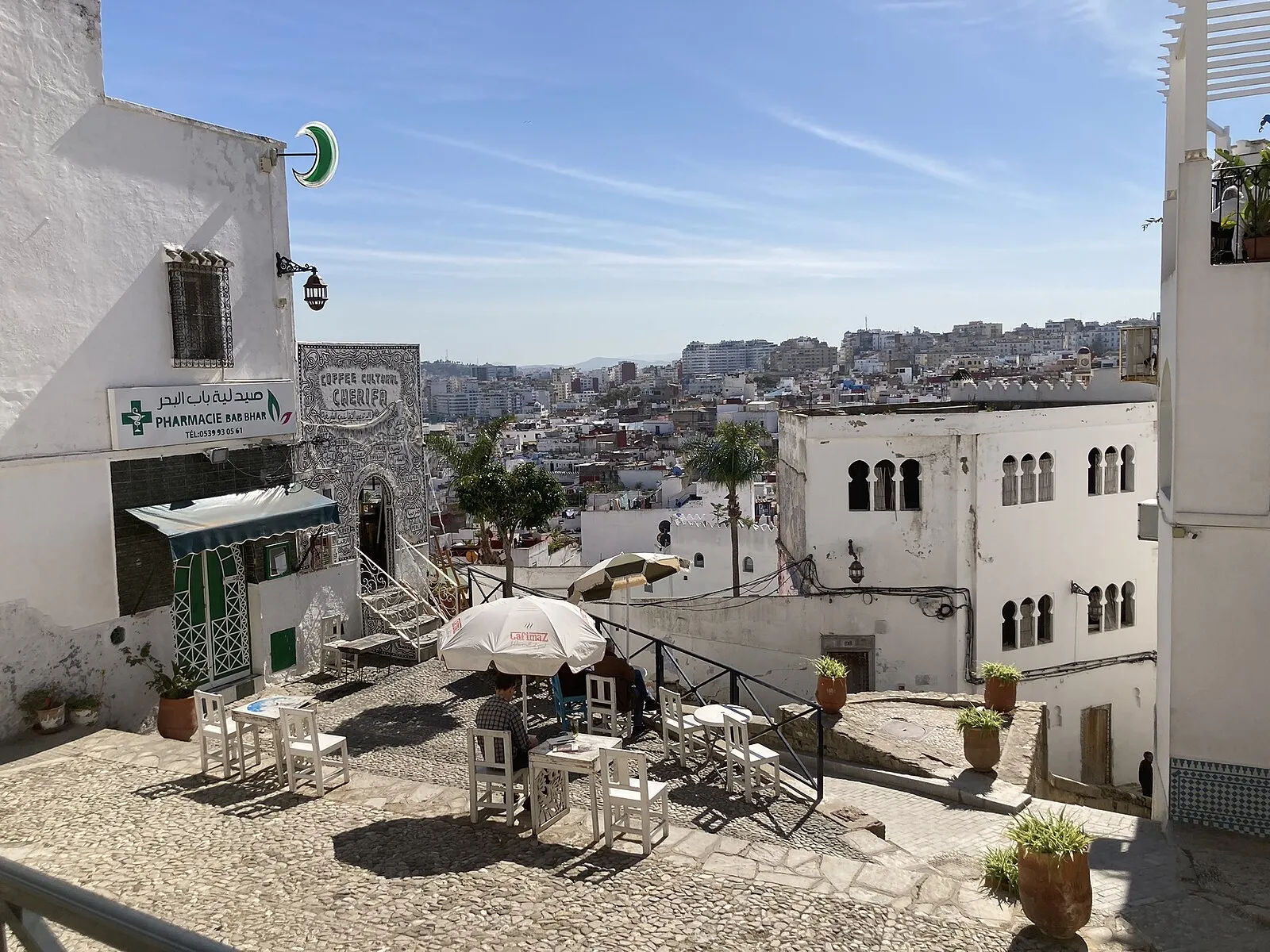
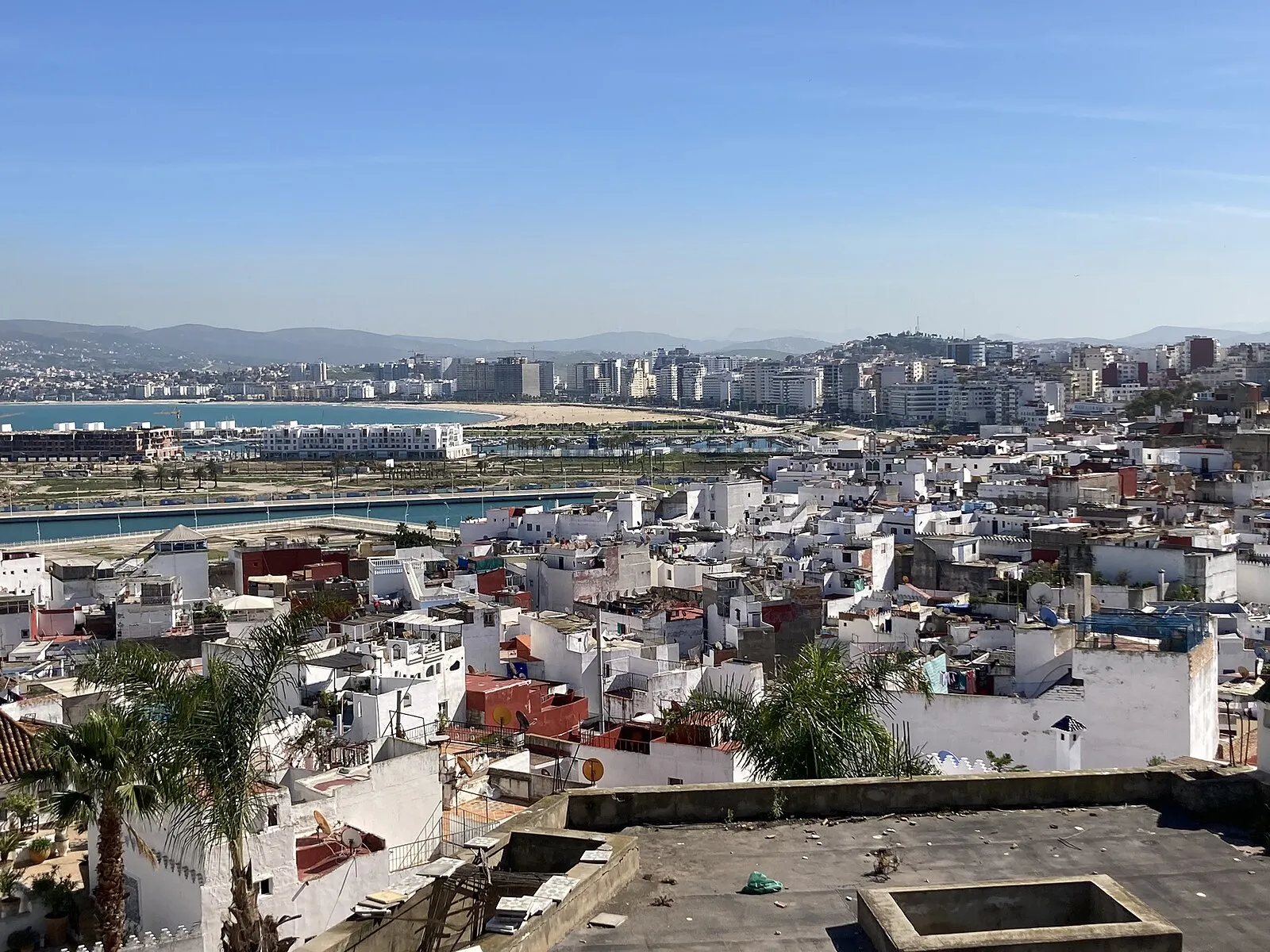
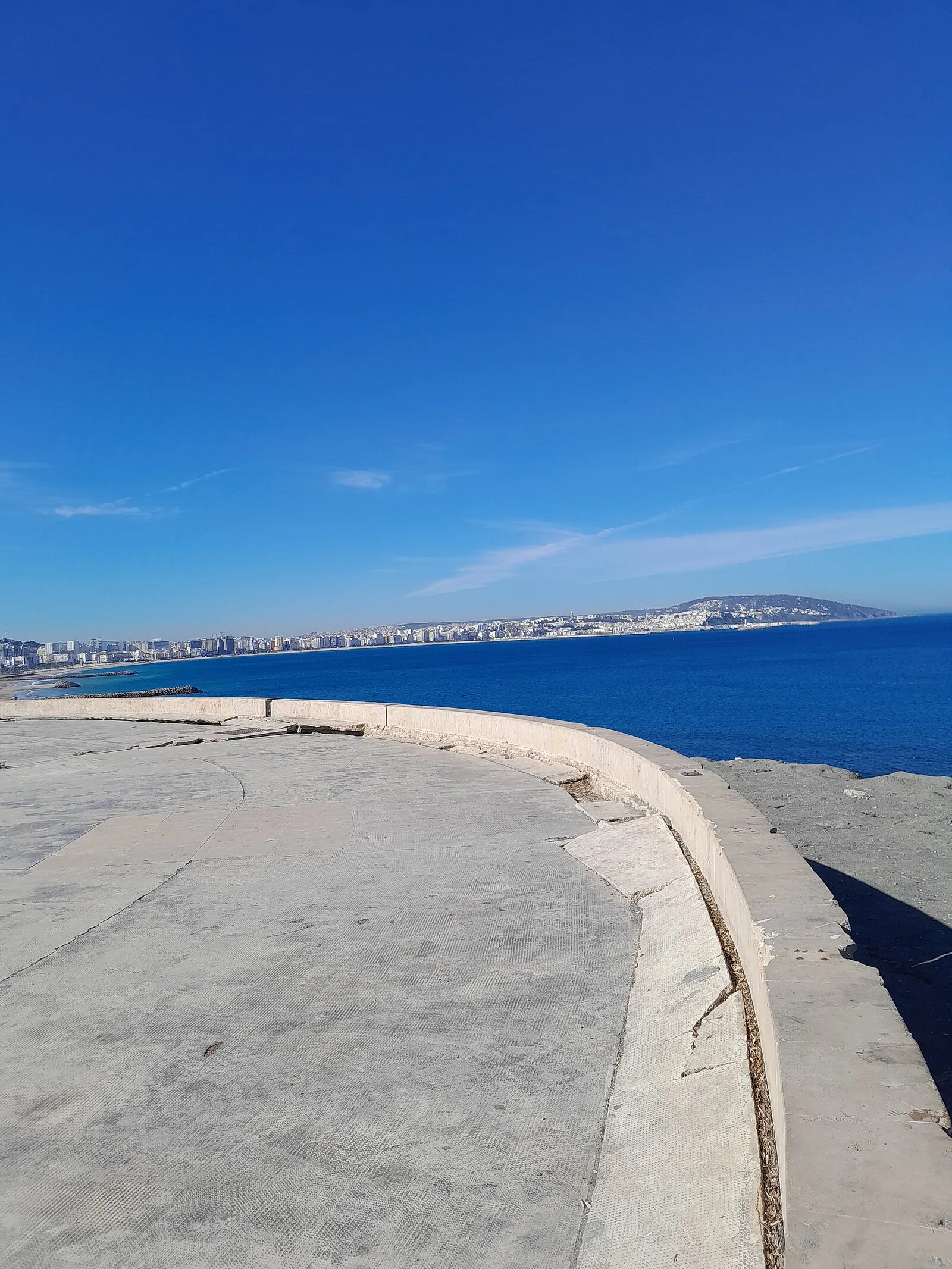
Frequently Asked Questions
Q: Is Tangier worth it?
A: The easiest taste of Morocco from a cruise ship.
Q: Best thing?
A: Medina + Café Hafa + Cap Spartel.
Q: How long for medina?
A: 4–5 hours with guide.
Q: Walk from port?
A: Yes, but guided is better.
Q: What is the best time to visit Tangier?
A: Cruise season runs April through June and September through November — Strait of Gibraltar Mediterranean climate (47-83°F). August, December, January, and February are the slower months. There are no months to avoid for storm weather.
Q: Is Tangier suitable for passengers with mobility challenges?
A: Accessibility varies by area. The port vicinity and main commercial streets are generally manageable, but older historic districts may feature cobblestones, stairs, and uneven surfaces. Consider booking an accessible ship excursion if you have concerns. The ship's shore excursion desk can advise on specific accessibility options for this port.
Q: Do I need to exchange currency before arriving?
A: The Moroccan Dirham (MAD) is the local currency — roughly 10 MAD to $1. Most tourist restaurants accept credit cards, but the medina, taxis, and market stalls are cash-only. ATMs in the Ville Nouvelle offer competitive exchange rates. Carry some local cash for small purchases, markets, and tips. Avoid exchanging money on the ship — the rates are typically unfavorable compared to local bank ATMs.
Q: Can I explore independently or should I book a ship excursion?
A: Both options work well. Ship excursions guarantee return to the vessel and handle logistics, making them ideal for first-time visitors. Independent exploration costs less and allows more flexibility — just keep track of time and allow a 30-minute buffer before all-aboard. Many passengers combine approaches: an organized morning tour followed by free afternoon exploration.
Q: Does Tangier have a hurricane or storm season?
A: Tangier is not in a hurricane zone. Winds can be strong due to Strait of Gibraltar funneling. There are no months to avoid for storm weather.
Q: What should I pack for Tangier's weather?
A: Light layers. Comfortable walking shoes for medina cobblestones. Modest clothing. Sunscreen. Rain jacket for winter.
Q: Will rain ruin my port day in Tangier?
A: Wet winters; dry summers. Cruise season concentrates in the drier April–June and September–November windows.
Last reviewed: March 2026
Image Credits
- tangier-1.webp: WikiMedia Commons (CC BY-SA)
- tangier-2.webp: WikiMedia Commons (CC BY-SA)
- tangier-3.webp: WikiMedia Commons (CC BY-SA)
- tangier-4.webp: WikiMedia Commons (CC BY-SA)
Images sourced from WikiMedia Commons under Creative Commons licenses.
Cruise Port Details
Tangier receives cruise ships at two very different facilities, and which one your ship uses will shape your entire day ashore.
Tangier Med Port (45 km East of City)
Most large cruise ships now dock at Tangier Med, a modern deep-water port built in 2007 about 45 km east of Tangier city. The terminal has air-conditioned waiting areas, duty-free shops, a currency exchange bureau, and clean restrooms. Free Wi-Fi is available in the terminal building. However, you are nowhere near the city — the port sits in an industrial zone surrounded by container shipping facilities, and there is nothing within walking distance worth exploring.
Getting from Tangier Med to the city requires organized transport: cruise line shuttles, pre-booked excursions, or a taxi (see Getting Around below). Budget 45–60 minutes each way depending on traffic.
Wheelchair accessibility: Tangier Med is purpose-built and largely accessible — flat terminal floors, ramps to the shuttle pick-up area, and accessible restrooms. The challenge comes at the city end, where Tangier's medina is emphatically not wheelchair-friendly (steep hills, narrow stepped lanes, cobblestones). Wheelchair users docking at Tangier Med can comfortably enjoy the terminal facilities and flat areas of the modern Ville Nouvelle, but the historic medina and Kasbah present serious barriers.
Tangier City Port (Ville Port)
Smaller ships and some mid-size vessels still use the Tangier Ville port, located right in the city center. From the port gate it is a five-minute flat walk to the Grand Socco and the entrance to the medina — an enormous advantage. The terminal itself is basic: a small arrivals hall, passport control, and not much else. No duty-free shops or lounges.
Wheelchair accessibility: The city port is older and less polished — uneven pavement between the ship and the port gate, limited ramp access, and no accessible restrooms inside the terminal. The short walk to the Grand Socco is flat, but from there the medina climbs steeply. Wheelchair users at the city port can access the Grand Socco, Boulevard Pasteur, and the Ville Nouvelle promenade without difficulty, but the medina interior remains a challenge.
Getting Around Tangier
From Tangier Med to the City
If your ship docks at Tangier Med, your first task is reaching Tangier itself. Options include:
- Cruise line shuttle: Many ships offer a shuttle bus to the city center (~€10 / 110 MAD per person round trip). These typically drop you at the Grand Socco or the port area. Confirm the last return time — miss it and you are stranded 45 km from the ship.
- Taxi: Grand taxis (large Mercedes sedans) wait outside the Tangier Med terminal. Expect to pay €30–40 / 330–440 MAD one way to the city center. Negotiate the fare before getting in — meters are not used for this route. For the return, arrange a pick-up time or hail a grand taxi at the Grand Socco.
- Organized excursion: The simplest option. Ship-sponsored or reputable local tour operators handle all transport and guarantee you back to the ship on time.
Within Tangier City
Once you reach Tangier, the medina and Kasbah are best explored on foot — no vehicle can navigate those narrow, winding lanes. Wear sturdy shoes; the cobblestones are uneven and some stretches climb steeply. A licensed local guide (around 300 MAD / ~€28 for a half-day) is worth every dirham for navigating the labyrinth and deflecting touts.
Petit taxis (blue in Tangier) handle trips within the city. They are metered and cheap — most rides within the city cost 10–20 MAD (€1–2). Insist the driver uses the meter. These are everywhere and easy to flag down.
Grand taxis (typically beige Mercedes) serve longer routes — to Cap Spartel and the Caves of Hercules (~100–150 MAD / €10–14 round trip with waiting time), the airport, or between cities.
Day Trips: Chefchaouen (The Blue City)
Chefchaouen — the famous blue-washed mountain town — sits roughly 115 km southeast of Tangier, about a 2-hour drive each way through the Rif Mountains. This is a full-day commitment: plan on 4 hours of driving plus 3–4 hours exploring. Independent grand taxis charge around 800–1,000 MAD (€75–95) for the round trip. A guided tour with transport typically runs €50–80 per person. Because of the distance and the risk of delays on mountain roads, a ship excursion or pre-booked tour with guaranteed return is strongly recommended — see Excursions below.
Excursions & Shore Tours
Booking guidance: For excursions close to the port (medina tours, Cap Spartel), you can confidently go independent — book ahead with a licensed guide or arrange on arrival. For anything involving significant driving (Chefchaouen, Asilah), a ship excursion offers guaranteed return to the vessel and is worth the premium. If you book independently for longer trips, build in at least a 90-minute buffer before all-aboard time.
Medina & Kasbah Walking Tour
The essential Tangier experience. A licensed guide leads you through the Grand Socco, into the medina's winding lanes, past spice stalls and artisan workshops, up to the Kasbah and the former Sultan's palace (Dar el-Makhzen museum, entry 20 MAD / ~€2), then to the American Legation Museum — the first American public property outside the United States. Allow 2.5–3 hours. Ship excursion: €45–65. Independent guide: 250–350 MAD (€23–33) for a half-day, plus any entry fees. Book ahead during peak season (April–June, September–October) as the best licensed guides fill up quickly.
Cap Spartel & Caves of Hercules
A half-day trip 14 km west of the city to where the Mediterranean meets the Atlantic. Visit the Caves of Hercules (entry 10 MAD / ~€1), where the cave mouth is naturally shaped like the African continent, then the Cap Spartel lighthouse with panoramic views of two seas colliding. Often combined with a medina tour for a full-day package. Ship excursion: €55–75. Independent by grand taxi: 100–150 MAD (€10–14) round trip with waiting time — easy to arrange at the Grand Socco. This is a comfortable independent option even for cautious travelers, as the distance is short and the route straightforward.
Chefchaouen Day Trip (The Blue City)
The iconic blue-painted mountain town is Morocco's most photogenic destination — but at 2 hours each way through winding Rif Mountain roads, this is the longest shore excursion you can attempt from Tangier. You will have roughly 3 hours in Chefchaouen itself, enough to explore the blue medina, visit the small Kasbah fortress (entry 10 MAD / ~€1), and photograph the famous blue-washed lanes. Ship excursion: €90–130 (includes lunch, guide, guaranteed return). Independent tour: €50–80 per person via local operators. Book ahead — this trip requires early departure (typically 8:00 AM) and cannot be improvised on the day. Ship excursion recommended for guaranteed return — mountain road delays, mechanical issues, or getting lost in Chefchaouen's blue maze could mean missing the ship, and there is no quick way back from the Rif Mountains.
Prices quoted in MAD (Moroccan Dirham) and EUR reflect 2025–2026 rates and may vary by season. Ship excursion prices vary by cruise line. Always confirm current pricing when you book ahead.