

Captain's Logbook
From the Logbook
They say Robinson Crusoe was stranded here — or at least Daniel Defoe placed his fictional island somewhere suspiciously like Tobago. Standing in the Main Ridge Forest Reserve, surrounded by trees that have been protected since 1776, I understood why. This is what the Caribbean looked like before the resorts, the all-inclusives, the cruise ship jewelry stores. Howler monkeys called from the canopy. A motmot — that absurd bird with the pendulum tail — watched me from a branch with evident indifference.
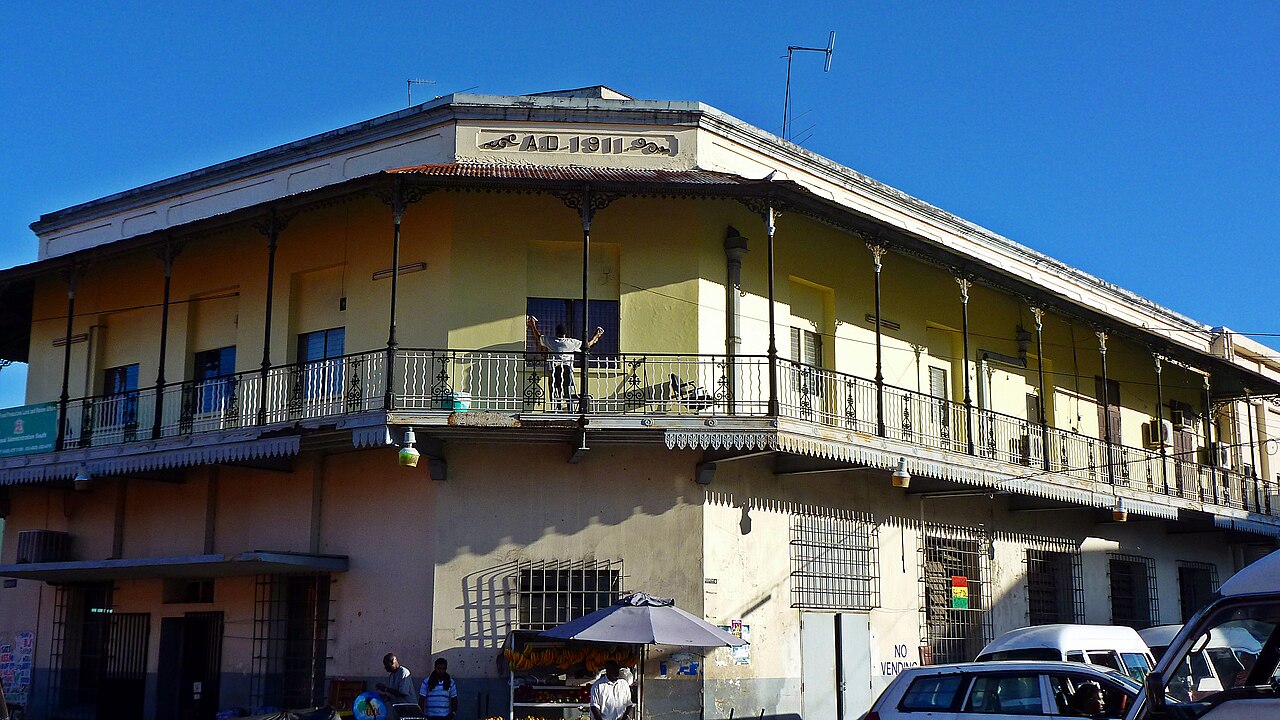
At the Nylon Pool, waist-deep in impossibly clear water a mile from shore, surrounded by nothing but reef and sky, a local guide handed me a sea urchin to inspect. "This water make you ten years younger," he promised with a grin. I ducked under and came up laughing. Maybe not younger, but certainly more alive.
I had arrived at Pigeon Point earlier that morning, stepping out of a taxi and onto sand so white it hurt my eyes. The water was the color of something between turquoise and glass — I could see my toes clearly even when I waded out to my waist. The famous thatched-roof jetty stretched ahead of me, its dark wood stark against that impossible blue. I walked its length and stood at the end, listening to the water lap against the pylons, feeling the sun on my shoulders and the faint breeze carrying the scent of salt and frangipani from shore. A pelican dove beside me, emerging with a silver fish flashing in its beak. I laughed out loud, and no one looked at me strangely because everyone else was doing the same thing.
The glass-bottom boat to Buccoo Reef left from a small dock near the beach. I watched through the hull as the seafloor transformed beneath us — from bare sand to coral gardens alive with parrotfish, sergeant majors, and blue tangs. The colors down there were almost absurd in their intensity, like a painter had spilled every warm pigment onto the ocean floor. Our guide, a man named Curtis who had been running reef tours for twenty years, pointed out brain coral the size of a washing machine and staghorn formations that swayed in the current like underwater trees. When we reached the Nylon Pool — that shallow sandbar in the middle of the reef — I climbed out of the boat into knee-deep water that was warm as bathwater and clear as air. I could hear the others in my group splashing and exclaiming, their voices carrying across the flat water. I stood still for a moment and looked around: nothing but sea and sky in every direction, the distant smudge of Tobago's green hills on the horizon, and this strange perfect pool of warmth beneath my feet.
Back on shore, I found a food stall near Store Bay and ordered curry crab with dumplings. The crab was messy and magnificent — the sauce stained my fingers yellow and tasted of scotch bonnet pepper, cumin, and something I could not identify but which made me close my eyes with each bite. I sat at a plastic table under a corrugated roof and ate slowly, tasting the heat build, listening to soca music playing from a speaker somewhere behind the kitchen. The sound of laughter and the smell of frying bake drifted from the stalls around me. I felt my shoulders drop in a way they had not in months.
The Cruise Port
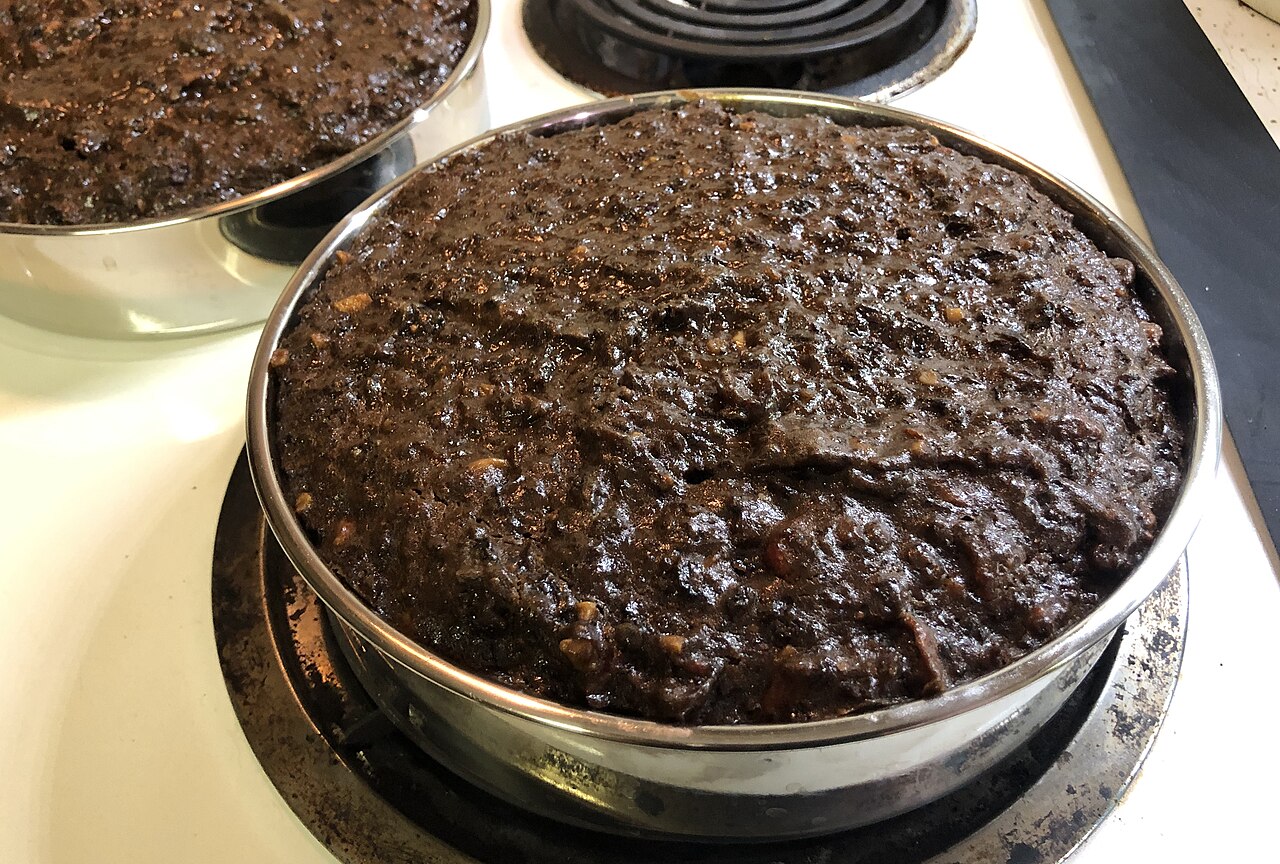
Cruise ships dock at the Scarborough Cruise Port, a functional facility on Tobago's southern coast. The port offers basic amenities — an information booth, restrooms, and a taxi stand — but do not expect a developed cruise complex. This is part of Tobago's charm: you are visiting a real Caribbean island, not a cruise-optimized destination. The terminal building is modest but provides shade and a small selection of local vendors selling crafts and refreshments.
Scarborough itself is worth a brief walk. Fort King George, dating to 1779, offers panoramic views and a small museum covering the island's colonial history. The town's market sells local produce and crafts. But most visitors head directly to Tobago's beaches and natural attractions, which are the real draw here.
Getting Around
Scarborough is walkable from the cruise terminal — Fort King George and the town market are both within a ten-minute stroll. Beyond the immediate port area, you will need transport. Taxis wait at the cruise terminal and use set fares rather than meters, so confirm the price before you climb in. Typical one-way rates from the port: Pigeon Point $8-10 USD, Store Bay $6-8 USD, Buccoo $10 USD, and the Main Ridge Forest Reserve $30-40 USD. For a half-day island tour, expect $60-80 USD depending on the route and stops.
Route taxis — shared minivans that follow fixed routes — are the cheapest way to travel and run frequently along the southern coast between Scarborough and Crown Point. Flag one down on the main road and pay the driver directly; fares are just a few TTD. Maxi taxis, the larger public buses with colored stripes, connect Scarborough to villages across the island but run on loose schedules and may not suit a tight port-day timeline. Both are safe and used daily by locals.
Rental cars are available near the airport at Crown Point, about 15 minutes from the port. Rates start around $50-70 USD per day. Be aware that Tobago drives on the left, roads are narrow and winding in the interior, and signage is minimal outside the main towns. If you are comfortable with left-hand driving, a car gives you the freedom to reach quieter beaches like Englishman's Bay and Castara on the north coast. Store Bay, the nearest beach with facilities and famous food stalls, is roughly 15 minutes southwest of the cruise terminal by taxi.
Port Map
Pigeon Point
Beaches
Tobago's most famous beach features the iconic thatched-roof jetty that graces every postcard. The white sand beach has calm, crystal-clear water ideal for swimming. Facilities include restaurants, bars, lounger rentals, and water sports. There's a small entrance fee (approximately $3 USD). About 15 minutes from the cruise port by taxi.
Store Bay
Adjacent to the airport but don't let that deter you—this public beach offers excellent facilities and famous food stalls serving curry crab and dumplings. Glass-bottom boat tours to Buccoo Reef depart from here.
Englishman's Bay
For those seeking seclusion, this north-coast beach requires a longer drive but rewards with jungle-backed sand and few visitors. Limited facilities—bring supplies.
Shore Excursions
Booking guidance: Ship excursion options provide guaranteed return to port and are worth considering for first-time visitors. For those who prefer to explore independently, local operators often offer competitive rates — book ahead during peak season to secure your preferred times. Whether you choose a ship excursion or go independent, confirm departure times and meeting points before heading out.
Pigeon Point Beach
Tobago's signature beach and the island's most photographed spot. The white sand stretches along calm turquoise water, with the iconic thatched-roof jetty extending into the Caribbean Sea. Facilities are good — restaurants, bars, lounger rentals, restrooms, and water sports operators are all on-site. There is a small entrance fee of approximately $3 USD. Pigeon Point is about 15 minutes from the cruise port by taxi and makes an easy half-day or full-day excursion on its own. Glass-bottom boat tours to Buccoo Reef depart from the small dock here, so you can combine beach time with a reef trip without backtracking.
Buccoo Reef Snorkeling
The highlight of many Tobago visits is a glass-bottom boat excursion to Buccoo Reef, one of the Caribbean's most accessible coral reef systems. The standard trip includes reef viewing over coral gardens teeming with parrotfish, sergeant majors, and blue tangs; a snorkeling stop where you swim among the formations with equipment usually provided; and the famous Nylon Pool, a natural shallow sandbar in the middle of the reef where you stand waist-deep in crystal-clear water with nothing but sea and sky around you. Tours run approximately two to three hours and cost $25-40 USD. Book through your ship's excursion desk or arrange independently at Pigeon Point or Store Bay — independent operators are plentiful and often cheaper.
Main Ridge Forest Reserve
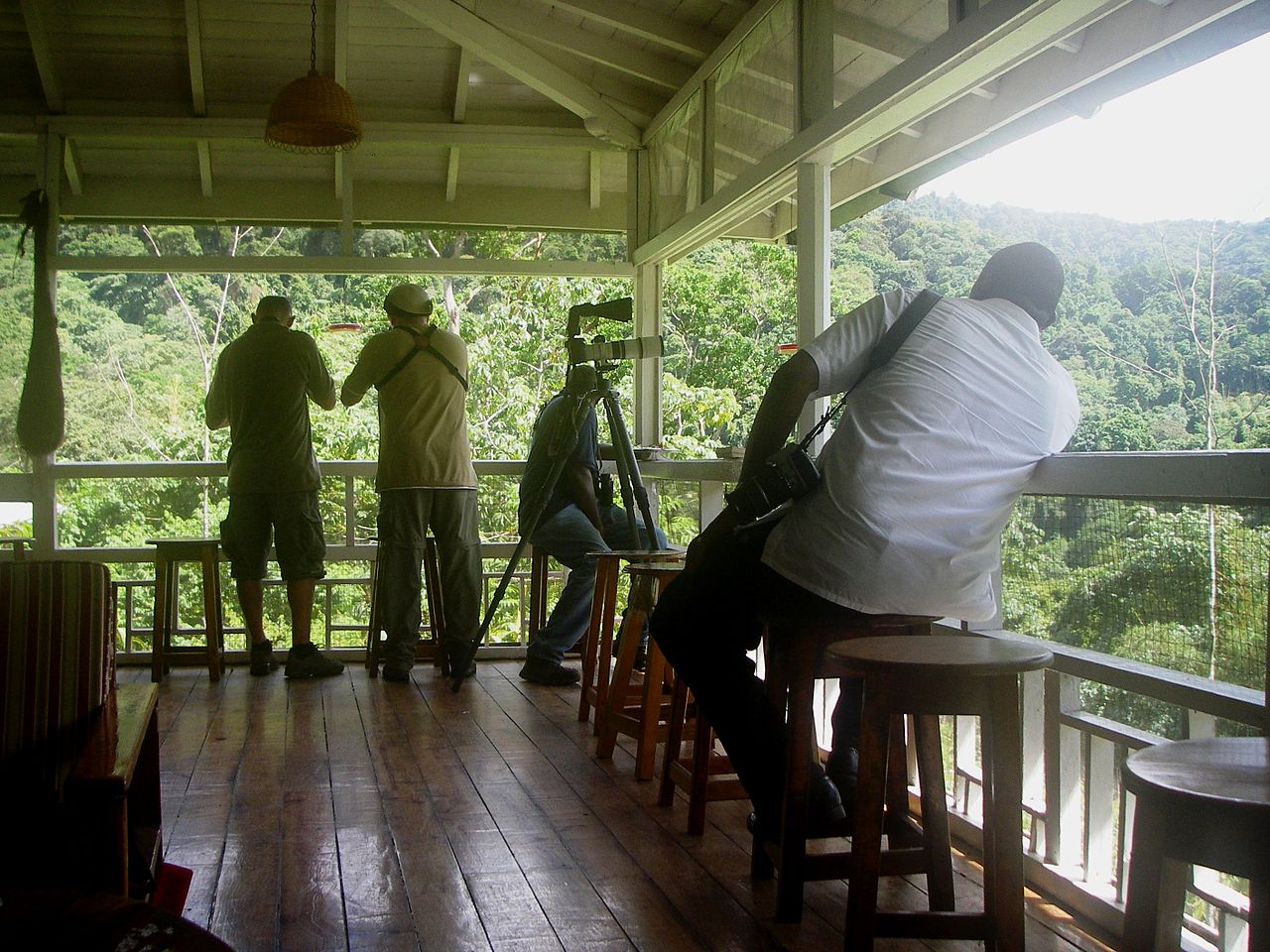
Established in 1776, the Main Ridge Forest Reserve is the oldest legally protected forest in the Western Hemisphere. The rainforest covers most of Tobago's northeastern interior and offers excellent birding — over 200 species including motmots, manakins, jacamars, and the rare white-tailed sabrewing hummingbird. Red howler monkeys, agoutis, and armadillos inhabit the forest floor. The reserve is about 45 minutes from Scarborough. Hire a local guide for the best experience; they spot wildlife you would miss and share the forest's ecological story in ways no guidebook can.
Fort King George
Perched on the hilltop above Scarborough, Fort King George dates to 1779 and offers panoramic views of the harbor, the cruise port below, and the coastline stretching toward Crown Point. The fort grounds include restored cannon emplacements, a lighthouse, and the Tobago Museum housed in the old barracks, which covers the island's colonial history from Carib settlement through Dutch, French, and British occupations. Best of all, the fort is walkable from the cruise terminal in about ten minutes — no taxi required. Allow an hour to explore the grounds and museum at a leisurely pace.
Argyle Falls
Tobago's highest waterfall cascades in three tiers through the rainforest near the village of Roxborough on the windward coast. The hike to the falls takes about 15-20 minutes along a well-maintained trail that crosses the river several times — wear water shoes or sturdy sandals. A local guide is required and included in the entrance fee of approximately $4 USD. The pool at the base of the main cascade is deep enough for swimming and refreshingly cool after the walk. Argyle Falls is about 50 minutes from Scarborough and pairs well with a Main Ridge Forest visit for a full nature day.
History
Tobago has one of the most contested colonial histories in the Caribbean — the island changed hands over thirty times between European powers. The Carib and Arawak peoples were the original inhabitants, followed by waves of Dutch, French, British, and even Latvian Courlanders who established a short-lived colony in the 1600s. The British ultimately prevailed, and Tobago was merged with Trinidad in 1889 to form the twin-island nation.
Fort King George, built by the British in 1779, stands as the most visible reminder of this turbulent past. The Main Ridge Forest Reserve, protected by a 1776 ordinance that recognized the link between forest cover and rainfall, predates even the American Declaration of Independence — making it the oldest legally protected forest in the Western Hemisphere. Robinson Crusoe's fictional island is widely believed to have been modeled on Tobago, and Daniel Defoe's descriptions of the landscape bear a striking resemblance to the island's lush interior and sheltered bays.
Food & Drink
- Curry Crab & Dumplings ($12-18): Tobago's signature dish — whole crab simmered in a fiery curry sauce with scotch bonnet peppers, served with hand-rolled flour dumplings. Store Bay food stalls are the classic spot.
- Bake & Shark ($5-8): Fried shark tucked into fried flatbread with tamarind sauce, pepper sauce, and coleslaw — a street food staple shared with Trinidad.
- Pelau ($6-10): One-pot rice dish with pigeon peas, coconut milk, and chicken or beef — Tobago comfort food.
- Doubles ($1-3): Two soft flatbreads filled with curried chickpeas and topped with mango chutney and pepper sauce — the breakfast of champions across Trinidad and Tobago.
- Cocoa Tea ($2-4): Rich hot chocolate made from locally grown Tobago cocoa — thicker and more aromatic than anything from a packet.
- Carib Beer ($3-5): The national lager — light, cold, and perfect with spicy food.
- Rum Punch ($5-8): Every bar has its own recipe — typically Angostura rum with lime, bitters, and nutmeg.
The food stalls at Store Bay Beach are the best place to eat like a local. Miss Esmie, Miss Jean, and Miss Trim are legendary names among the vendor stalls — each has loyal regulars who will argue passionately for their favorite. Expect to eat with your hands, get curry on your shirt, and enjoy every moment of it.
Depth Soundings
Money: The local currency is TTD / USD accepted. ATMs are generally available near the port area, though fees vary. Credit cards are widely accepted at tourist-oriented establishments, but carry some local cash for markets, street food, and smaller vendors. Your ship's exchange rate is typically unfavorable — withdraw from a bank ATM instead. Budget $30-$80 per person for a comfortable day including lunch, transport, and a few entry fees.
Timing: Start early if your ship arrives at dawn — the first hours offer pleasant conditions and smaller crowds. Allow at least 30 minutes buffer before all-aboard time. Set a phone alarm as backup. Most port visits allow 8-10 hours on shore, which is enough to see the highlights without rushing if you prioritize well.
Safety: Standard port-town awareness applies — keep valuables close and stick to well-traveled areas during daylight. Your ship's ID card is your most important item — losing it creates a genuine headache at the gangway.
Communication: Wi-Fi is often available at cafes and restaurants near the port. Consider downloading offline maps before disembarking — cellular data roaming charges can be substantial and surprising. Google Maps offline mode or Maps.me work well for navigation without data.
Food & Water: Tap water safety varies by destination — ask locally or buy bottled water to be safe. The best food often comes from busy local restaurants rather than tourist-facing spots near the port. Lunch at a popular local place typically costs $8-$20 per person. Street food can be excellent value if you choose busy stalls with high turnover.
Practical Information
Weather & Best Time to Visit
Money
Trinidad and Tobago Dollar (TTD) is the local currency. Approximately 6.8 TTD = 1 USD (2025). US dollars widely accepted at tourist venues but change given in local currency. ATMs available in Scarborough.
Weather
Tropical climate year-round, 25-32°C (77-90°F). Dry season January to May offers the best conditions. Rainy season (June-December) brings brief afternoon showers that rarely disrupt activities.
Safety
Tobago is considered safer than Trinidad and generally welcoming to tourists. Use normal precautions—don't leave valuables on the beach. The laid-back atmosphere reflects genuine island hospitality.
Photo Gallery
Image Credits
All images on this page are used under Creative Commons or public domain licenses. Individual attributions are provided in each figure caption. Primary sources include Wikimedia Commons. Camera and gear recommendations are available in our Tech and Camera Guide.
Frequently Asked Questions
Where do cruise ships dock in Tobago?
Cruise ships dock at Scarborough Cruise Port on Tobago's southern coast. The terminal is basic but functional, with taxi stands and tour operators nearby. It's about 15 minutes from Pigeon Point beach.
What is the best beach for cruise passengers?
Pigeon Point is the most popular and accessible beach. It features the iconic thatched-roof jetty, calm turquoise water, and good facilities including restaurants, loungers, and water sports. There's a small entrance fee.
Is Tobago good for snorkeling?
Yes, Buccoo Reef is one of the Caribbean's best snorkeling spots, accessible by glass-bottom boat from Pigeon Point or Buccoo. The Nylon Pool, a shallow sandbar in the middle of the reef, is a unique experience.
How is Tobago different from Trinidad?
Tobago is smaller, quieter, and more focused on nature tourism. Trinidad is larger, more urban, and known for its Carnival and multiculturalism. Tobago offers beaches and rainforest; Trinidad offers culture and commerce.
Q: What is the best time to visit Tobago Cruise?
A: Spring and early autumn tend to offer the most comfortable conditions for sightseeing — mild temperatures, manageable crowds, and pleasant light for photography. Summer brings the warmest weather but also peak cruise traffic and higher prices. Winter visits can be rewarding for those who prefer quiet streets and authentic atmosphere, though some attractions may have reduced hours.
Q: Is Tobago Cruise suitable for passengers with mobility challenges?
A: Accessibility varies by area. The port vicinity and main commercial streets are generally manageable, but older historic districts may feature cobblestones, stairs, and uneven surfaces. Consider booking an accessible ship excursion if you have concerns. The ship's shore excursion desk can advise on specific accessibility options for this port.
Q: Do I need to exchange currency before arriving?
A: The local currency is TTD / USD accepted. Most tourist-facing businesses accept major credit cards. ATMs near the port offer competitive exchange rates. Carry some local cash for small purchases, markets, and tips. Avoid exchanging money on the ship — the rates are typically unfavorable compared to local bank ATMs.
Q: Can I explore independently or should I book a ship excursion?
A: Both options work well. Ship excursions guarantee return to the vessel and handle logistics, making them ideal for first-time visitors. Independent exploration costs less and allows more flexibility — just keep track of time and allow a 30-minute buffer before all-aboard. Many passengers combine approaches: an organized morning tour followed by free afternoon exploration.
Author's Note: Port information reflects conditions during our visit. Facilities and transportation may change. Verify current details with your cruise line.
Price Note: Prices are 2025 estimates and may vary based on season and currency fluctuations.