
Photo: Wikimedia Commons
Weather & Best Time to Visit
Captain's Logbook
Torshavn: The World's Smallest Capital
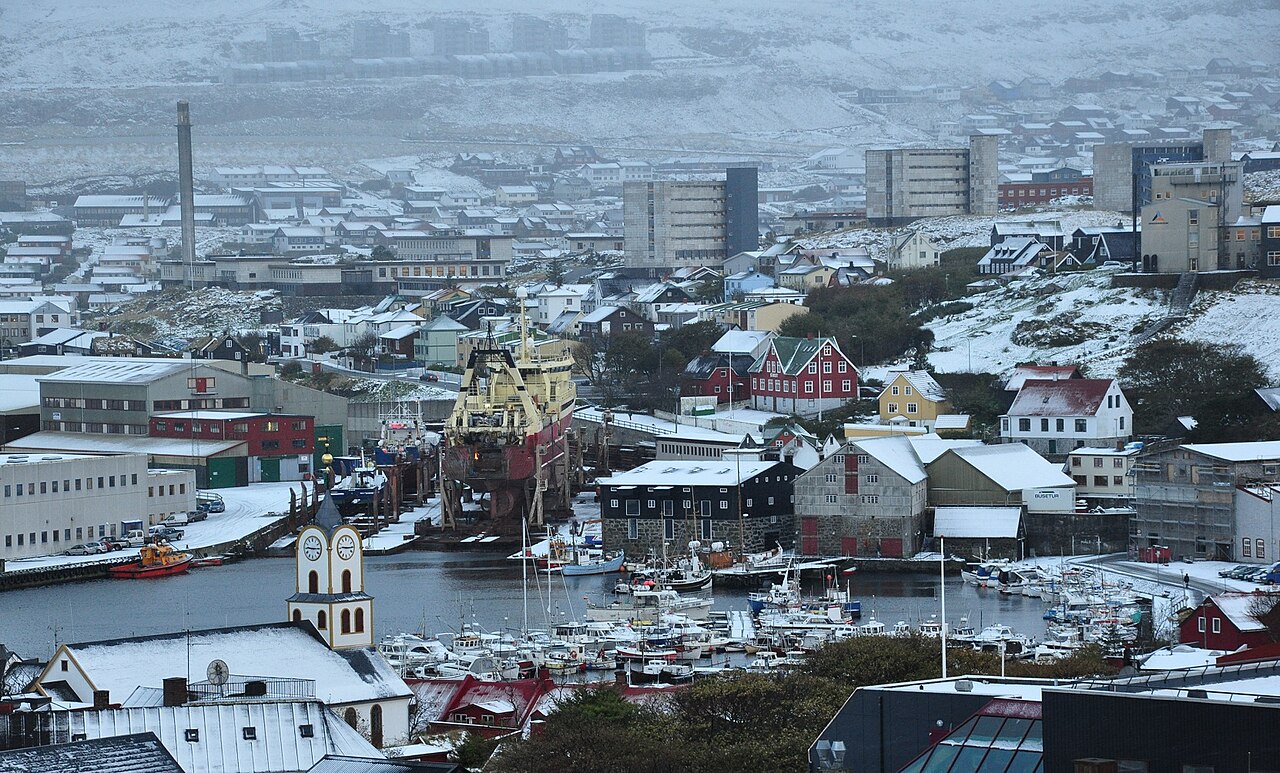
I stepped off the ship into weather that could not make up its mind. Sunshine fell across the harbor for exactly ninety seconds before a curtain of mist rolled in from the north, turned to drizzle, then cleared again as though nothing had happened. A local man on the pier noticed my expression and laughed. "We say if you don't like the weather in the Faroes, wait five minutes," he said. "It will change. It always changes." I pulled my rain jacket tighter and walked toward the oldest parliament site in the world.
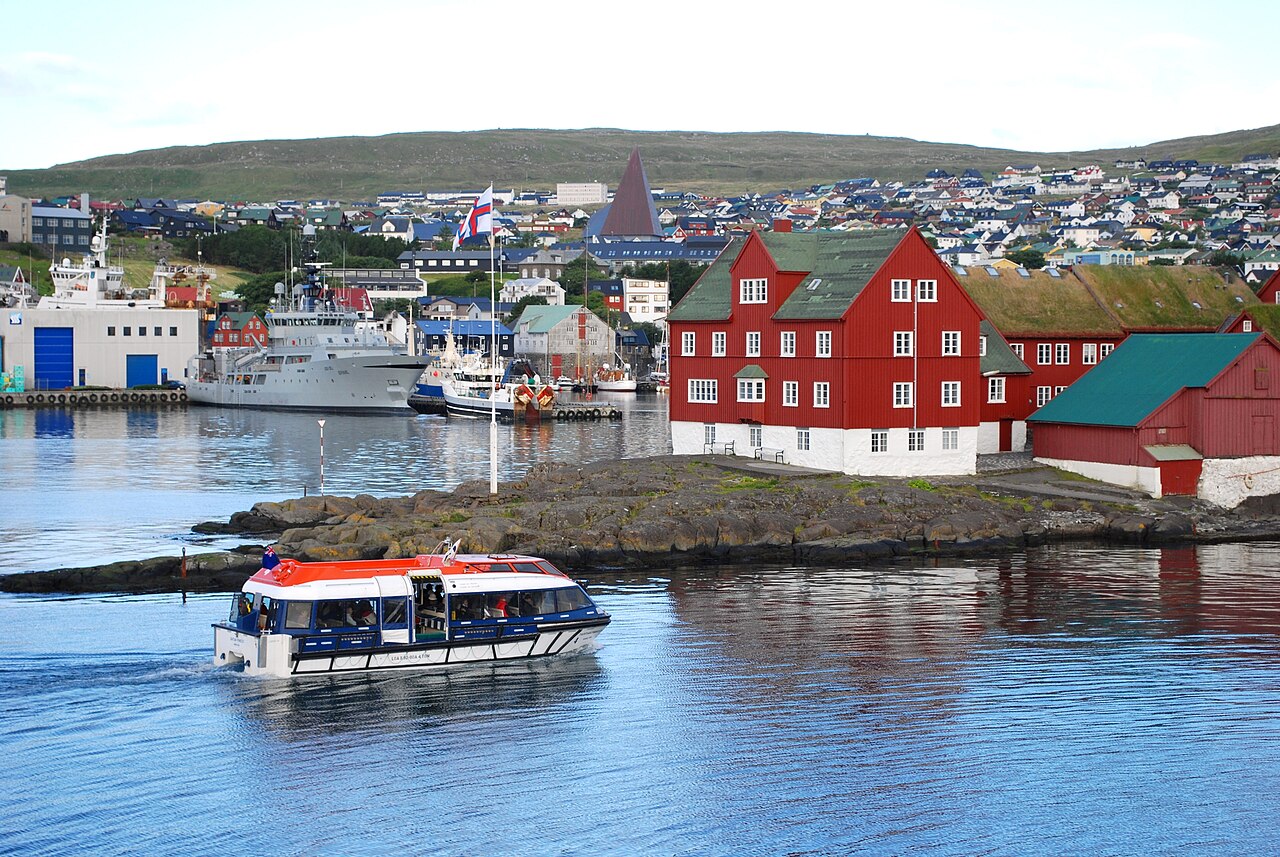
Tinganes appeared through the mist like something from a folktale — a narrow peninsula jutting into the harbor, its red-painted wooden buildings capped with thick turf roofs where grass grew wild and green. These are not museum pieces. The Faroese parliament, the Logting, still meets here, as it has since Viking settlers established it around 900 AD. I walked the narrow paths between the buildings, running my hand along wooden walls darkened by centuries of North Atlantic salt and rain, and I tried to imagine the chain of human decisions that stretches from those first Norse assemblies to the modern government offices housed inside. The turf roofs are not decorative — they insulate against cold that can crack stone and wind that can flatten anything not built low and heavy. Everything here is purposeful, shaped by weather that permits no vanity.
From Tinganes I walked five minutes to Skansin, the small fortress overlooking the harbor entrance. Built in 1580, it was never much of a military installation — the Faroe Islands have spent most of history being too remote and too windswept for anyone to bother conquering. But during the Second World War, the British occupied the islands to prevent a German seizure, and they mounted anti-aircraft guns on Skansin's walls that still point seaward today. I stood beside one of those rusting guns and looked out across a harbor where fishing boats rocked gently at anchor, and I thought about how history deposits itself in the strangest places — a fortress at the edge of the known world, built for wars that never came, armed for one that did.
I had booked the Vestmanna bird cliffs boat tour (295 DKK, roughly $43) and it departed from the village of Vestmanna, a 45-minute drive from Torshavn. The boat nosed into narrow channels between sea stacks that rose hundreds of meters from black water. Guillemots nested in horizontal lines along the cliff faces, thousands of them arranged in what looked like planned rows, each bird occupying precisely its allotted ledge. Fulmars wheeled overhead, riding updrafts with an effortlessness that made me envious. The captain cut the engine beneath one towering stack and the silence was extraordinary — just wind, waves, and the collective murmur of ten thousand seabirds going about their lives on rock faces that have not changed in millennia.
The moment that undid me came later that afternoon, at the medieval village of Kirkjubour on the island's southern coast. I walked through the ruins of the Magnus Cathedral, a 13th-century stone church that was never finished — the money ran out, or the ambition exceeded the means, or perhaps the North Atlantic simply refused to cooperate. Its roofless walls frame the sky like a window into nothing but clouds and wind. Beside it stands the Roykstovan, a farmhouse that has been continuously inhabited for over 900 years — the longest-occupied wooden building in the world. I stood in its low-ceilinged main room, where the current farmer's family still lives, and I felt time compress. Nine hundred years of meals cooked over the same hearth, of children born and grandparents buried, of storms weathered and summers welcomed. I touched the worn beam of the doorway and something tightened in my chest. There is a kind of courage in staying in one place this long, in choosing a hard life on a small island at the edge of the ocean and saying: this is enough.The next morning I took a taxi (approximately 200 DKK, about $29) to the village of Gasadalur on the western coast of Vagar island, where the Mulafossur waterfall drops directly from a clifftop into the ocean far below. I arrived in fog so thick I could barely see the path. Then, as I stood at the viewpoint, the wind shifted and the fog parted like a curtain — and there it was, a ribbon of white water falling through hundreds of meters of empty air into surf that crashed against basalt columns below. The sound reached me a half-second after the sight, a deep roar that I felt in my ribs. I stood there for twenty minutes while the fog closed and opened and closed again, each time revealing the waterfall from a slightly different angle, each time making it new. A French couple beside me kept whispering "incroyable" to each other. They were right. It was incredible — not in the tourist-brochure sense but in the literal sense: hard to believe even while watching it happen.
On my last hour ashore, I sat on a bench above the harbor with a cup of coffee from a small cafe (45 DKK) and watched the clouds perform their endless theater across the mountains. A fishing boat motored out through the harbor mouth, heading for grounds its captain's grandfather would have known by heart. Sheep grazed the hillside behind me — there are more sheep than people in the Faroes, 80,000 to 54,000, and the sheep seem to know it. They regard humans with the mild condescension of a majority population. The air tasted of salt and grass and something I could only describe as cleanness — an absence of pollution so complete it registered as a presence. I did not want to leave. I have visited ports with grander architecture, with warmer weather, with better food and more famous landmarks. But I have never visited a place that felt so honestly itself.What I carry from the Faroe Islands is not a photograph or a souvenir but a feeling — a recognition that the world still holds places where human settlement exists in genuine negotiation with nature rather than domination of it. The turf roofs are not quaint; they are practical. The sheep are not decorative; they are the economy. The weather is not an inconvenience; it is the governing force of daily life. In a world that increasingly feels the same everywhere, the Faroes remain stubbornly, beautifully particular. I think about that bench above the harbor more often than I expected to. I think about the clouds and the coffee and the fishing boat and the sheep, and I understand something I did not understand before: that the smallest capital in the world has something to teach the largest ones about what it means to live deliberately in a place you did not choose to be easy.
Looking back, I realized that the Faroese have solved a paradox most communities never even attempt. Their isolation — weeks of winter darkness, seas too rough to cross, villages separated by mountains that swallow the light — should have made them insular and guarded. Instead it forged the opposite: a community so tightly woven that neighbors check on each other without being asked, fishermen share their catch before selling it, and strangers are welcomed into 900-year-old farmhouses as though they belonged there. What matters is not the distance between the Faroes and the rest of the world but the closeness between the people who chose to stay. The lesson: isolation does not have to mean loneliness. Sometimes the places furthest from everything else are the ones that understand best what it means to hold each other near.
The Cruise Port
What you need to know before you dock.
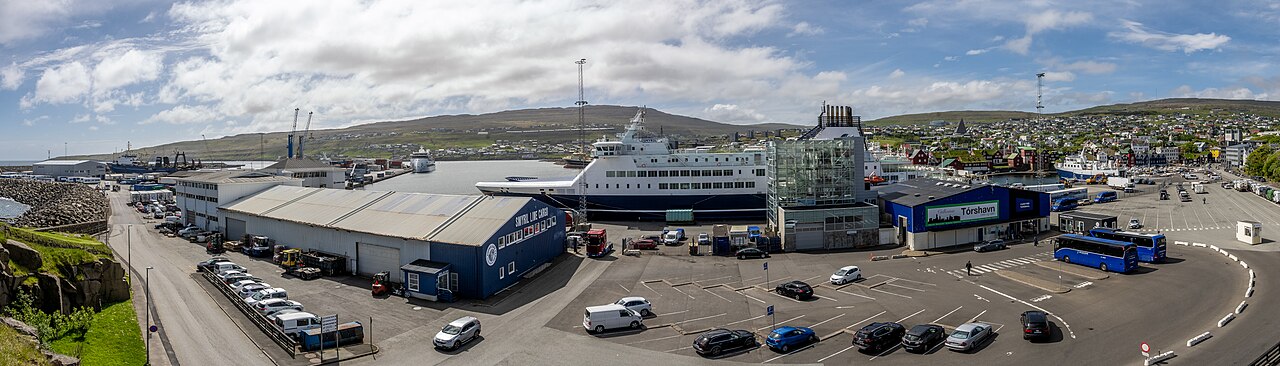
- Terminal: Ships dock at Torshavn harbor, usually directly at the pier adjacent to the town center. Larger vessels may need to anchor in the harbor and tender ashore — check with your ship in advance. There is no dedicated cruise terminal building; the pier area offers basic facilities.
- Distance to Town: Tinganes historic peninsula is a 5-minute walk from the pier. The National Museum, Skansin fortress, and the main shopping street (Niels Finsens gota) are all within 10-15 minutes on foot.
- Tender: Sometimes — depends on ship size and harbor capacity. Tender rides are short (5-10 minutes) when required.
- Currency: Faroese Krona (FOK), pegged to Danish Krone (DKK) and used interchangeably. Cards accepted virtually everywhere — even small shops and cafes. ATMs available in the town center. Prices are comparable to Scandinavia: expect to pay 80-120 DKK ($12-17) for a casual lunch and 45-60 DKK ($6-9) for a coffee and pastry.
- Language: Faroese (related to Icelandic and Old Norse) and Danish are official. English is widely spoken, especially in tourist-facing businesses and by younger Faroese.
- Best Season: June-August for warmest weather and longest daylight (up to 19 hours). May-August for puffin season on Mykines. Cruise ships visit primarily June through September.
- Weather Warning: Weather changes every 15 minutes — this is not an exaggeration. Waterproof outer layers are essential regardless of the forecast. Wind can be fierce. Dress in layers and bring a hood.
- Mobility Note: The old town around Tinganes is compact and mostly flat, with some uneven cobblestone paths. Skansin fortress involves a gentle uphill walk. Excursions to Vestmanna, Gasadalur, and Kirkjubour travel on well-maintained roads but may involve walking on uneven terrain at destination sites.
Getting Around
- Walking the Old Town: Torshavn is one of the most walkable cruise ports in Northern Europe. From the pier, Tinganes, Skansin, the National Museum, and the main commercial streets are all within a 15-minute stroll. The old town paths are narrow and occasionally uneven, but the distances are short and the terrain is mostly flat along the harbor. Allow 2-3 hours to explore the town center thoroughly on foot.
- Local Buses (Strandfaraskip Landsins): The Faroese public bus system connects Torshavn to villages across the islands. Bus 100 runs to the airport; Bus 300 serves the route toward Vestmanna. Single fares range from 30-80 DKK ($4-12) depending on distance. Buses are clean, modern, and run on time, but frequencies can be limited — check schedules at ssl.fo before planning an independent excursion. A day pass costs approximately 120 DKK ($17).
- Taxis: Taxis are limited in the Faroes — there are relatively few compared to most cruise ports. A ride within Torshavn costs around 80-100 DKK ($12-15). A taxi to Kirkjubour village runs approximately 200 DKK ($29) each way. To Vestmanna or the airport, expect 350-500 DKK ($50-72). Book in advance through your ship's excursion desk or call ahead — hailing a taxi on the street is unreliable.
- Organized Excursions: Given the limited public transport and taxi availability, organized excursions are the most practical way to see attractions beyond walking distance. Ship excursions and local operators offer half-day and full-day tours to Vestmanna bird cliffs, Gasadalur waterfall, Kirkjubour, and Saksun. Prices typically range from 400-900 DKK ($58-130) per person depending on duration and inclusions.
- Car Rental: Available in Torshavn from approximately 500-700 DKK ($72-100) per day. Roads are excellent but narrow, with single-lane tunnels requiring familiarity with Faroese driving conventions. Right-hand traffic. Fuel costs approximately 14 DKK per liter ($7.60/gallon). A viable option for confident, independent travelers who want maximum flexibility.
Port Map
Excursions & Activities
Booking guidance: Ship excursion options provide guaranteed return to port and are worth considering given the Faroes' limited taxi and bus infrastructure. For those who prefer to explore independently, local operators offer tours bookable online — reserve well ahead during peak summer season as group sizes are small and demand is high. Whether you choose a ship excursion or go independent, confirm departure times and weather-dependent cancellation policies before heading out.
Tinganes Historic Peninsula
The heart of Torshavn — a narrow peninsula of red-painted, turf-roofed wooden buildings dating to the 16th century. The Faroese parliament (Logting) still meets here, making it arguably the oldest parliamentary site in continuous use in the world (established c. 900 AD). Wander the narrow cobblestone paths between ancient buildings, admire the grass roofs thick with wildflowers in summer, and absorb the atmosphere of a place where a thousand years of governance happened in buildings smaller than most suburban homes. Free to explore. Allow 30-45 minutes. Walking distance from the pier.
Skansin Fortress
Small 16th-century fortress (built 1580) overlooking the harbor entrance. Two WWII-era British anti-aircraft guns still point seaward, a reminder of the British occupation that protected the islands from German seizure. A traditional Faroese boat sits in the courtyard. Views across the harbor are excellent. Free to explore. Allow 20-30 minutes. 10-minute walk from the pier.
National Museum of the Faroe Islands
Covers Faroese history from Viking settlement through the medieval period to modern autonomy. Displays include church treasures, traditional fishing equipment, a reconstructed farmhouse interior, and exhibits on the distinctive Faroese boat-building tradition. Entry approximately 80 DKK ($12). Allow 1-1.5 hours. Walking distance from the pier.
Mulafossur Waterfall Day Trip (Gasadalur)
The iconic Faroese image — a waterfall plunging directly from a clifftop into the Atlantic Ocean, framed by sheer basalt walls and the village of Gasadalur perched above. Located on the western coast of Vagar island, approximately 60-75 minutes by road from Torshavn (including a subsea tunnel). The viewpoint is a short walk from the parking area. Weather dramatically affects visibility — fog can obscure the waterfall entirely, or part to reveal it in heart-stopping fashion. Ship excursions typically 600-800 DKK ($87-116) per person; independent taxi approximately 200 DKK each way plus tunnel toll.
Vestmanna Bird Cliffs Boat Tour
A 2-hour boat tour from the village of Vestmanna (45 minutes by road from Torshavn) into narrow sea channels between towering cliffs and sea stacks. Guillemots, fulmars, kittiwakes, and razorbills nest in thousands on the vertical rock faces. The boat navigates into sea caves and beneath overhangs, offering dramatic perspectives on geology and wildlife that most visitors describe as unforgettable. Tickets approximately 295 DKK ($43) per person. Sailings depend on weather and sea conditions — cancellations happen. Book through puffin.fo or ship excursion desk.
Kirkjubour Medieval Village
The Faroe Islands' most important historical site, 15 minutes south of Torshavn by road. Features the ruins of Magnus Cathedral (13th century, never completed), the medieval St. Olav's Church (still in use), and the Roykstovan — a farmhouse continuously inhabited for over 900 years, the oldest occupied wooden building in the world. The current farming family welcomes visitors. Entry to the farmhouse approximately 50 DKK ($7). The cathedral ruins are free to explore. Allow 1-1.5 hours including the drive. Taxi approximately 200 DKK each way.
Hiking Sornfelli
The highest point on Streymoy island (749 meters), accessible by road to a military radar station near the summit, with walking trails offering panoramic views across multiple islands. On clear days (rare but extraordinary) you can see across the entire archipelago. The landscape is stark, treeless, and profoundly beautiful — green grass fading to brown rock fading to cloud. Not a formal excursion but reachable by taxi or rental car. Free. Allow 2-3 hours for the drive and walk. Dress for wind and cold even in summer — conditions at 749 meters differ sharply from sea level.
Depth Soundings
Money: The local currency is DKK/FOK. ATMs are generally available near the port area, though fees vary. Credit cards are widely accepted at tourist-oriented establishments, but carry some local cash for markets, street food, and smaller vendors. Your ship's exchange rate is typically unfavorable — withdraw from a bank ATM instead. Budget $30–$80 per person for a comfortable day including lunch, transport, and a few entry fees.
Timing: Start early if your ship arrives at dawn — the first hours offer pleasant conditions and smaller crowds. Allow at least 30 minutes buffer before all-aboard time. Set a phone alarm as backup. Most port visits allow 8–10 hours on shore, which is enough to see the highlights without rushing if you prioritize well.
Safety: Standard port-town awareness applies — keep valuables close and stick to well-traveled areas during daylight. Your ship's ID card is your most important item — losing it creates a genuine headache at the gangway.
Communication: Wi-Fi is often available at cafés and restaurants near the port. Consider downloading offline maps before disembarking — cellular data roaming charges can be substantial and surprising. Google Maps offline mode or Maps.me work well for navigation without data.
Food & Water: Tap water safety varies by destination — ask locally or buy bottled water to be safe. The best food often comes from busy local restaurants rather than tourist-facing spots near the port. Lunch at a popular local place typically costs $8–$20 per person. Street food can be excellent value if you choose busy stalls with high turnover.
Practical Information
Money
Faroese Krona (FOK), pegged to Danish Krone (DKK) — both are accepted everywhere interchangeably. Cards work at virtually all businesses. ATMs available in the town center. Budget approximately 300-600 DKK ($43-87) per person for a comfortable day ashore including lunch, transport, and one excursion or museum entry. A coffee costs 35-50 DKK ($5-7); a casual lunch 80-120 DKK ($12-17).
Weather
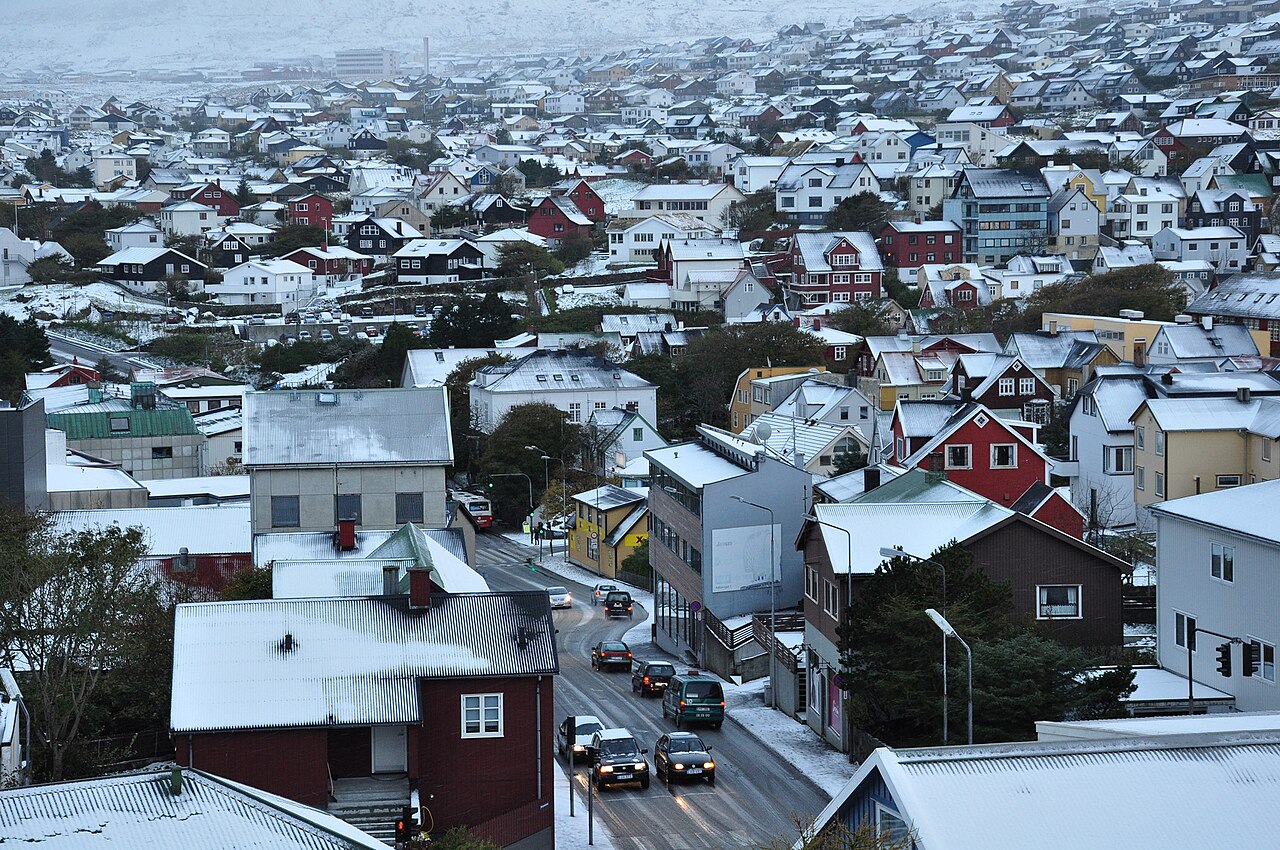
Changes constantly. Sun, rain, wind, and fog can cycle through in a single hour — this is not exaggeration. Dress in waterproof layers with a hood. Wind-chill makes temperatures feel significantly colder than the thermometer suggests. Summer highs average 11-13C (52-55F). Pack as if hiking in Scotland.
Language
Faroese (related to Icelandic and Old Norse) and Danish are official languages. English is widely spoken, especially by younger Faroese and in tourist-facing businesses.
Puffin Season
May through mid-August on Mykines island. Outside this window, the birds are at sea. Mykines access requires helicopter (expensive, books out months ahead) or boat from Sorvagur (weather dependent, frequently cancelled). This is not a guaranteed experience even in season.
Photo Gallery
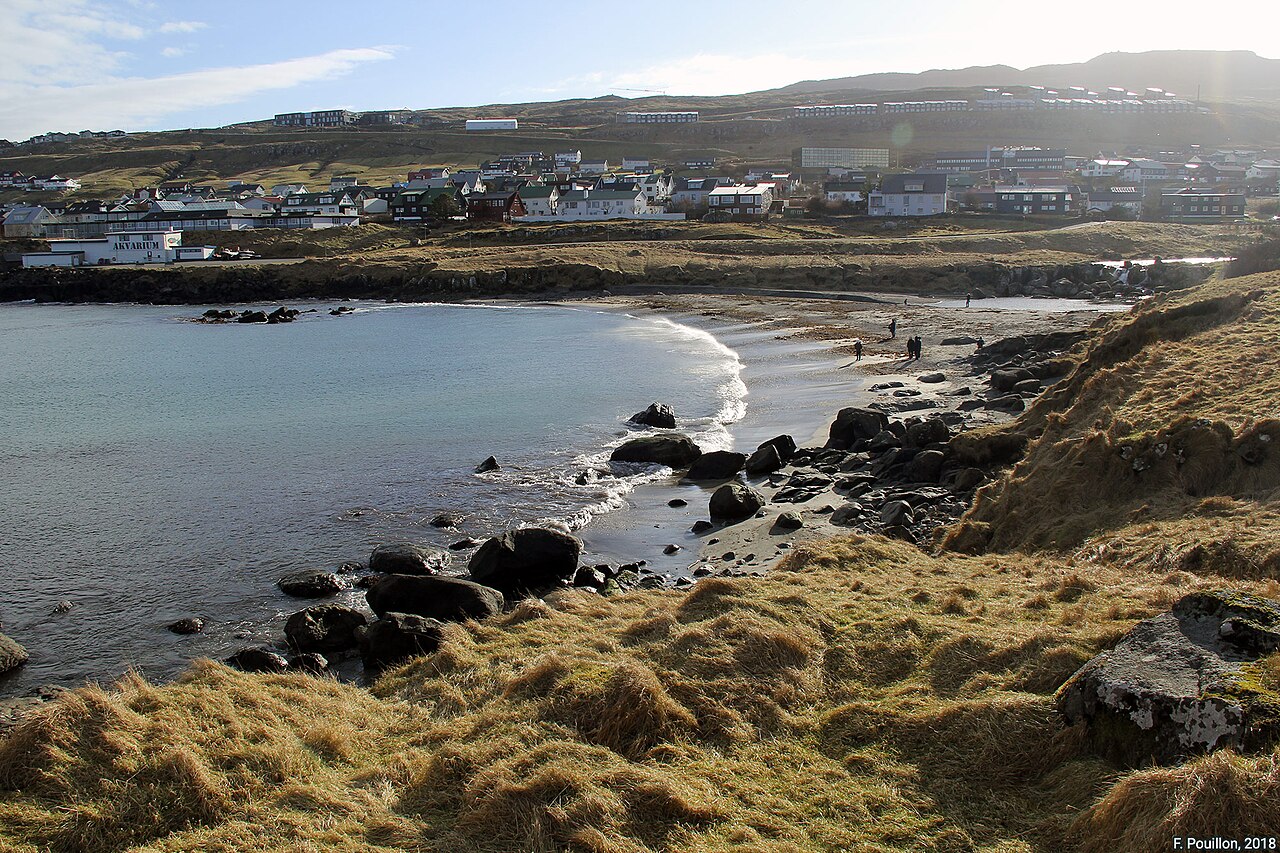
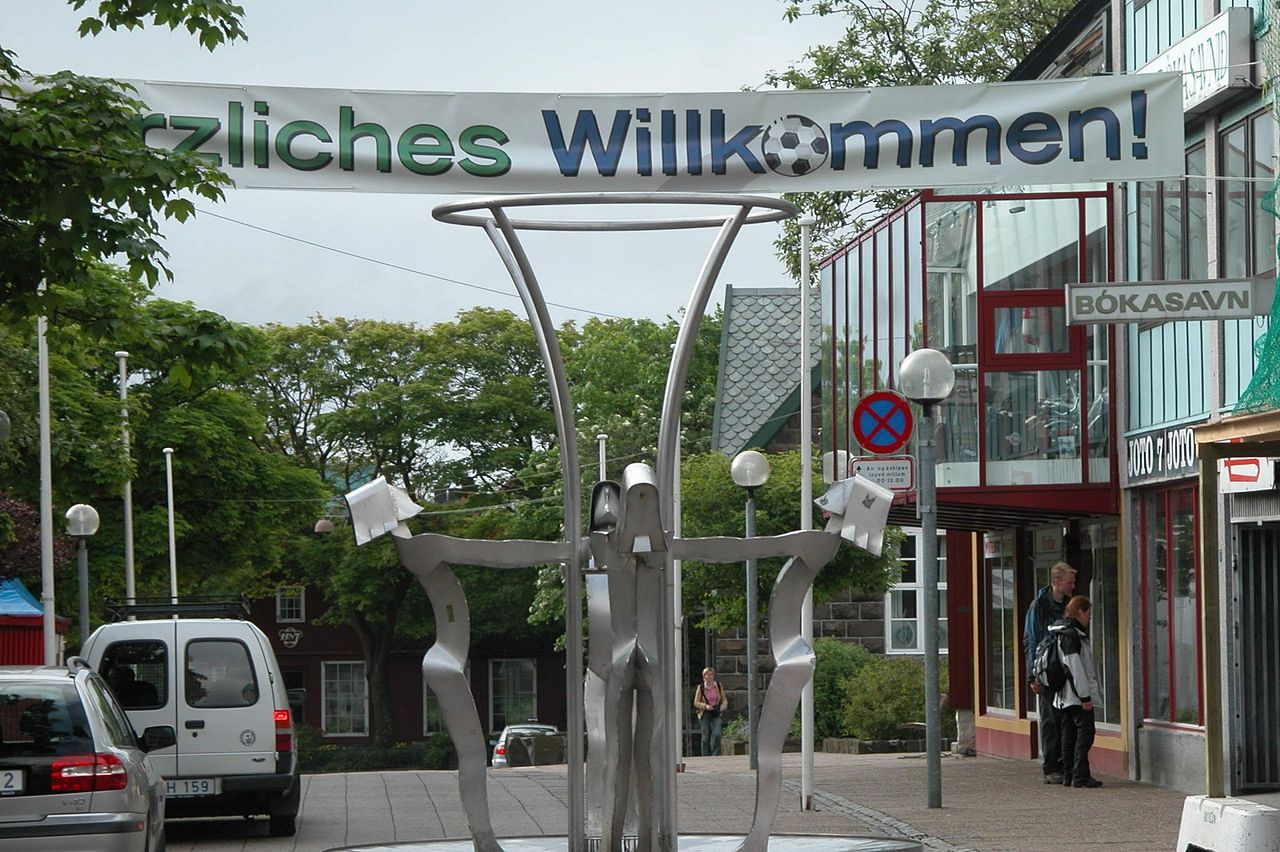
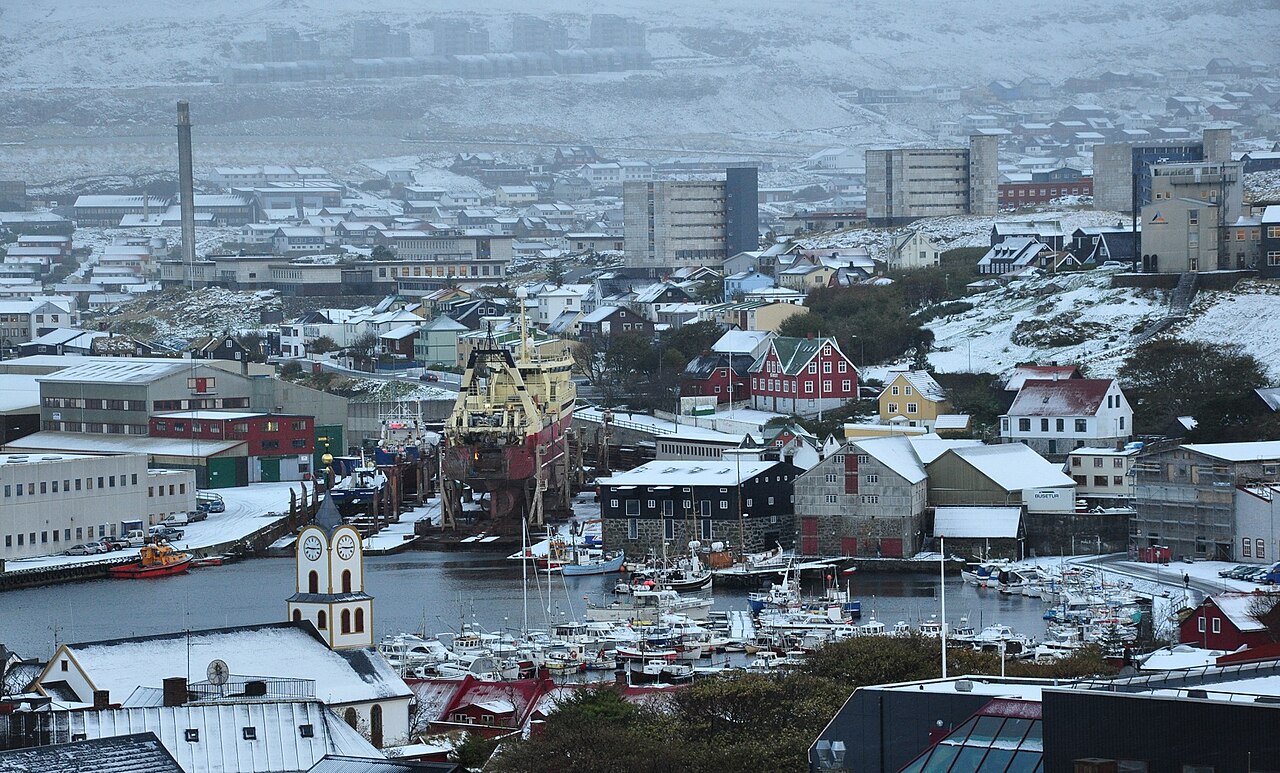


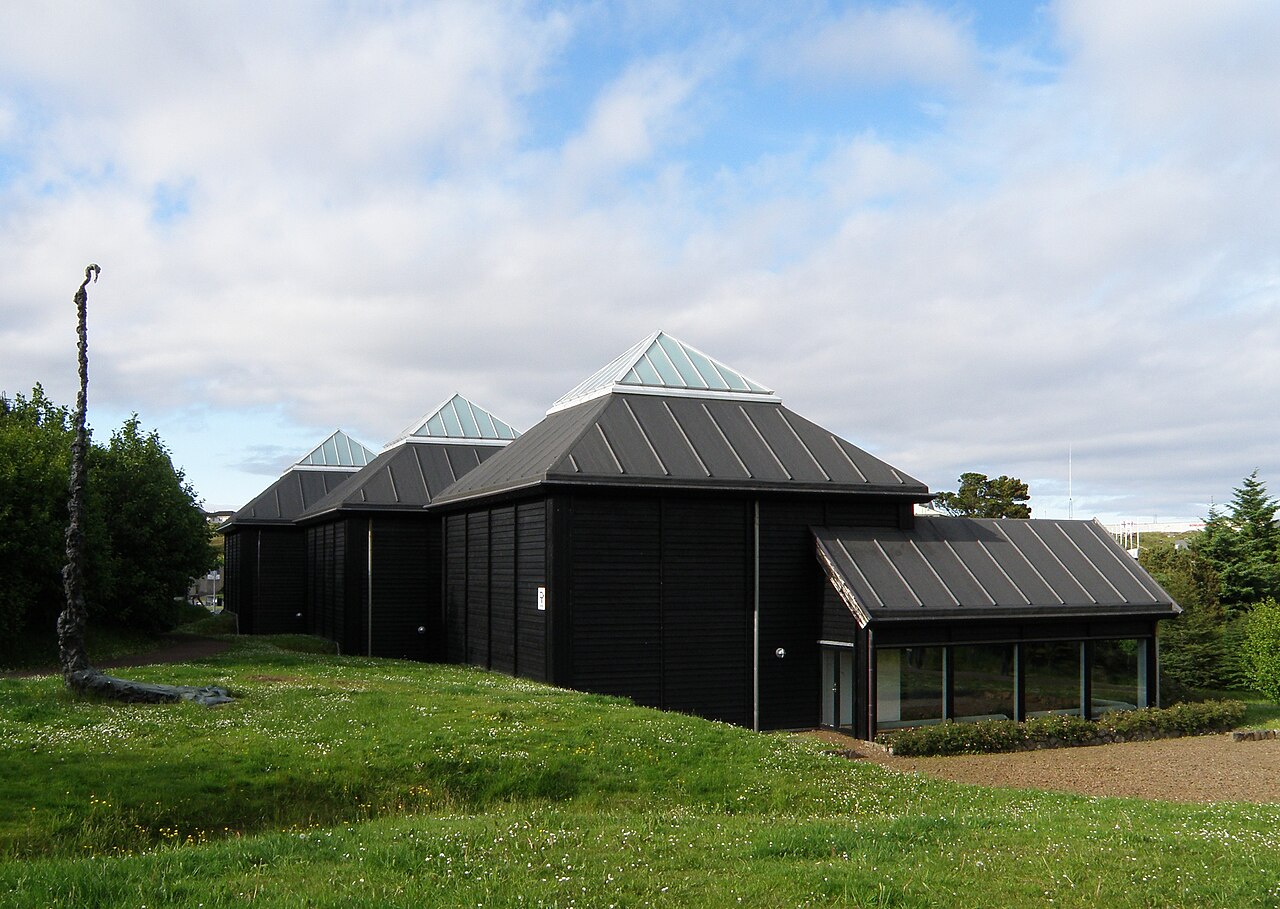
FAQs
Can I see puffins from Tórshavn?
Not directly in town. Mykines Island is famous for puffins but requires helicopter or boat (weather dependent). Vestmanna cliff tours also see seabirds.
Is Tórshavn walkable?
Yes, the town is compact. Tinganes, Skansin, and the main streets are all within easy walking distance of the port.
What's unique about Faroese architecture?
Traditional grass (turf) roofs insulate against North Atlantic weather. They're still maintained on historic buildings and some modern homes.
Q: What is the best time to visit Tórshavn?
A: Cruise season runs June through August — North Atlantic oceanic climate (33-56°F). There are no months specifically to avoid for weather, though winter is the long low season.
Q: Is Tórshavn suitable for passengers with mobility challenges?
A: Accessibility varies by area. The port vicinity and main commercial streets are generally manageable, but older historic districts may feature cobblestones, stairs, and uneven surfaces. Consider booking an accessible ship excursion if you have concerns. The ship's shore excursion desk can advise on specific accessibility options for this port.
Q: Do I need to exchange currency before arriving?
A: The local currency is DKK/FOK. Most tourist-facing businesses accept major credit cards. ATMs near the port offer competitive exchange rates. Carry some local cash for small purchases, markets, and tips. Avoid exchanging money on the ship — the rates are typically unfavorable compared to local bank ATMs.
Q: Can I explore independently or should I book a ship excursion?
A: Both options work well. Ship excursions guarantee return to the vessel and handle logistics, making them ideal for first-time visitors. Independent exploration costs less and allows more flexibility — just keep track of time and allow a 30-minute buffer before all-aboard. Many passengers combine approaches: an organized morning tour followed by free afternoon exploration.
Q: Does Tórshavn have a hurricane or storm season?
A: Tórshavn is not in a hurricane zone. The defining weather features are constant wind and very high humidity year-round. Fog can obscure views but creates an ethereal atmosphere.
Q: What should I pack for Tórshavn's weather?
A: Full waterproof gear essential. Warm layers under waterproofs. Sturdy waterproof hiking boots. Warm hat and gloves — wind is constant. Extra dry socks.
Q: Will rain ruin my port day in Tórshavn?
A: Rain is very frequent — over 300 overcast days per year. Cruise season concentrates in the June–August window when conditions are mildest.
Author's Note: Faroese weather is notoriously unpredictable. Excursions may be cancelled. Flexibility essential.